Camping Tents
OneTigris Cosmo 2.0 Review: A Roomy Three-Season Two-Person Tent
A practical look at the OneTigris Cosmo 2.0, a genuinely spacious three-season two-person tent with strong storm protection, excellent ventilation, and a fair price.
Introduction
The OneTigris Cosmo 2.0 has stayed in a regular camping rotation for more than a year, and that long-term use is the main reason it earns a recommendation here. It is a three-season, two-person tent that keeps a fair price while delivering the things campers actually notice on a trip: interior space, weather protection, airflow, and a simple setup.
It is not the lightest shelter in its class, and it is not built for winter. What it offers instead is a genuinely roomy two-person design that shrugs off heavy rain and strong wind, at a price that sits well below the premium tier.
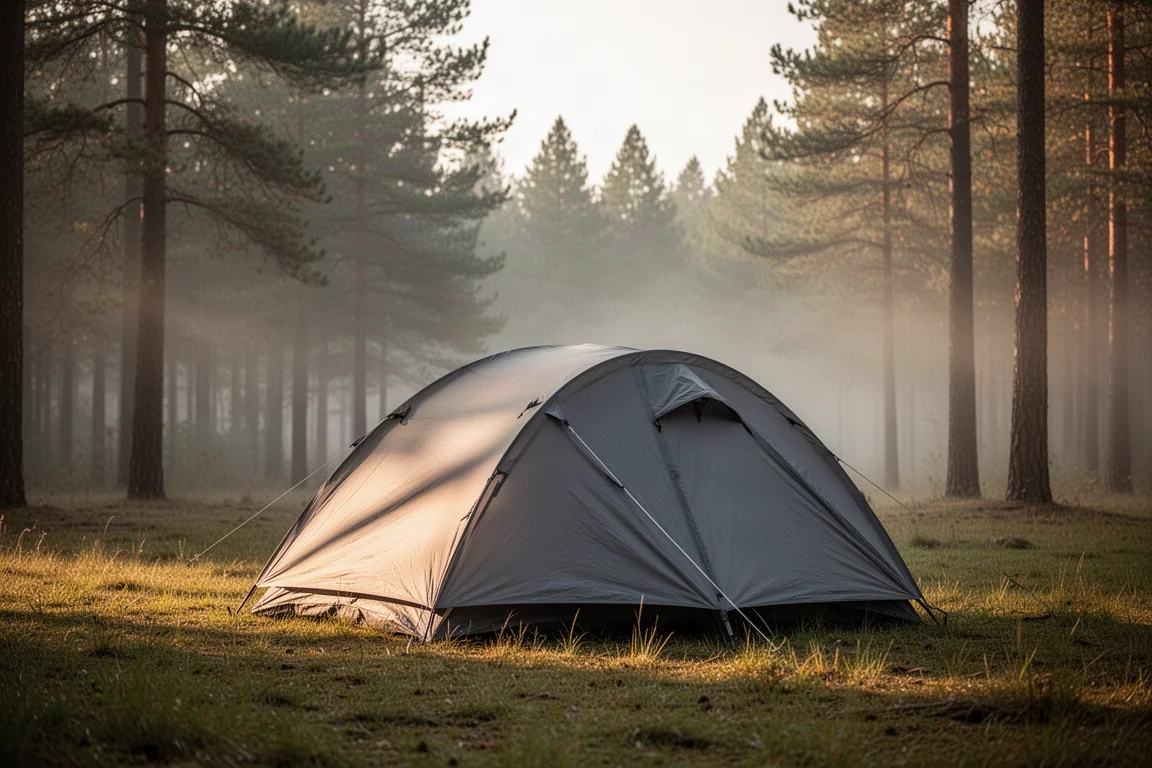
For anyone who camps a few times a year, or who wants a dependable basecamp shelter rather than an ultralight racing tent, the Cosmo 2.0 covers the essentials without asking for a large outlay. The sections below break down who it suits, where it performs best, and what to weigh before ordering.
Who This Tent Is For
Start with the season rating, because it defines the tent’s job. The Cosmo 2.0 is a three-season shelter, aimed at the warmer part of spring, summer, and the warmer part of fall. It is not a four-season tent and is not intended for cold-weather camping, unless the climate stays genuinely mild.
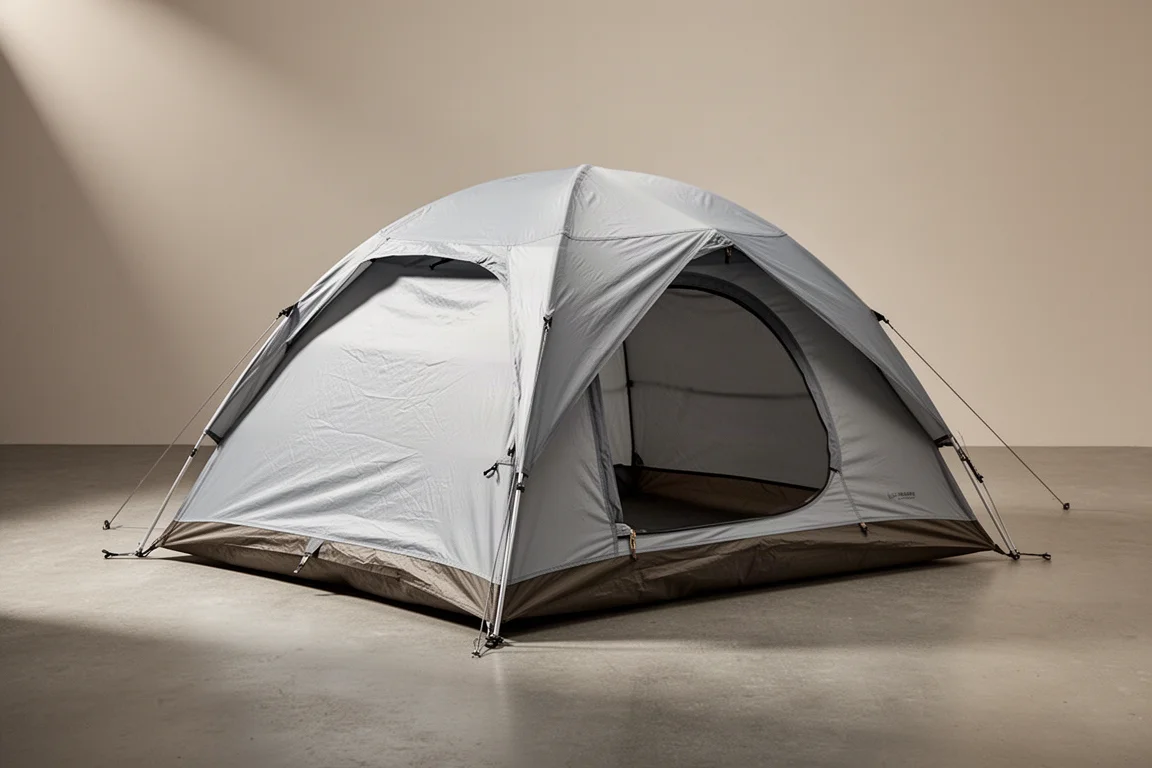
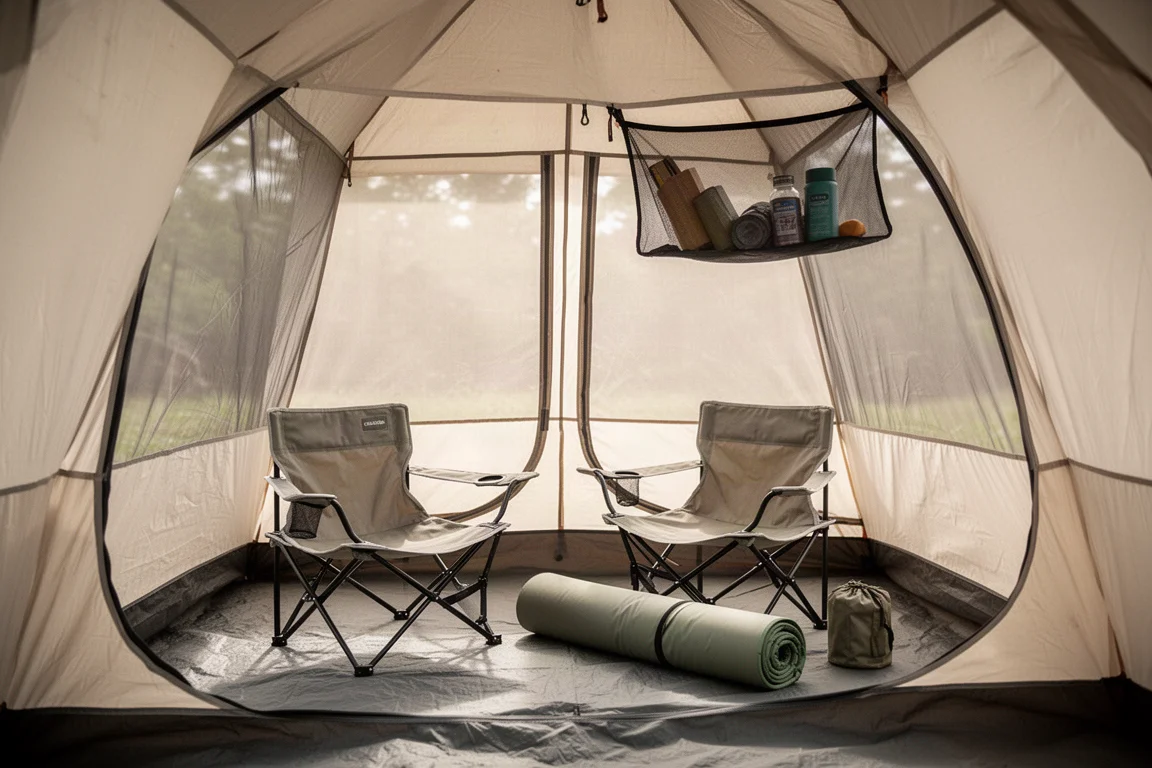
Then there is sizing. Many tents labelled as two-person really fit one person plus gear. This one is a true two-person tent: it is wide, it is tall, and the walls sit close to vertical rather than steeply sloped, so the interior stays open all the way around. Two average-sized adults fit with room for their gear, and a single camper gets something close to a palace, with space for a large pad, a sleeping bag, and even a small table and chair.
It suits couples, weekend campers, car campers, and anyone who values living space and storm protection over pack weight. It is a poor match for long-distance backpackers counting every ounce, for winter campers, and for campers taller than roughly 5 ft 10 in, since interior length is the one dimension that runs tight.
Main Strengths
Build quality is the first thing that stands out. There are no loose threads, the seamwork is clean throughout, and the materials feel well chosen. The zippers are smooth and do not snag, which comes down to the YKK hardware used on the doors. After more than a year of trips and repeated rainstorms, the tent still looks nearly new.
Weather protection is the second. The fly is a 20 denier ripstop polyester with a 2,000 mm hydrostatic head rating, paired with a 70 denier nylon inner and nylon mesh. Aluminium poles and stakes complete the package. This shelter has stayed dry through heavy thunderstorms and winds above 30 mph. Because the polyester fly does not stretch when it gets wet, unlike silnylon, there is no need to re-tension it in the middle of a storm. The tent is partially freestanding, with the doors needing to be staked out, and once the fly and body are pegged down it is stable enough that the four included guy lines have never been needed.
Ventilation and layout round out the strengths. The inner is mostly mesh, and the fly sits away from the inner body, so air moves underneath the fly and out through the doors. Two large doors, one on each side, make getting in and out easy, and each door has a vent built in. The two vestibules are generous: each holds a full backpack, boots, and more, and both are large enough to cook in when the weather turns. The bathtub floor rises about 5.5 to 6 in around the perimeter. Inside, there are two mesh caddies overhead, hooks for hanging gear, and plenty of mesh storage.
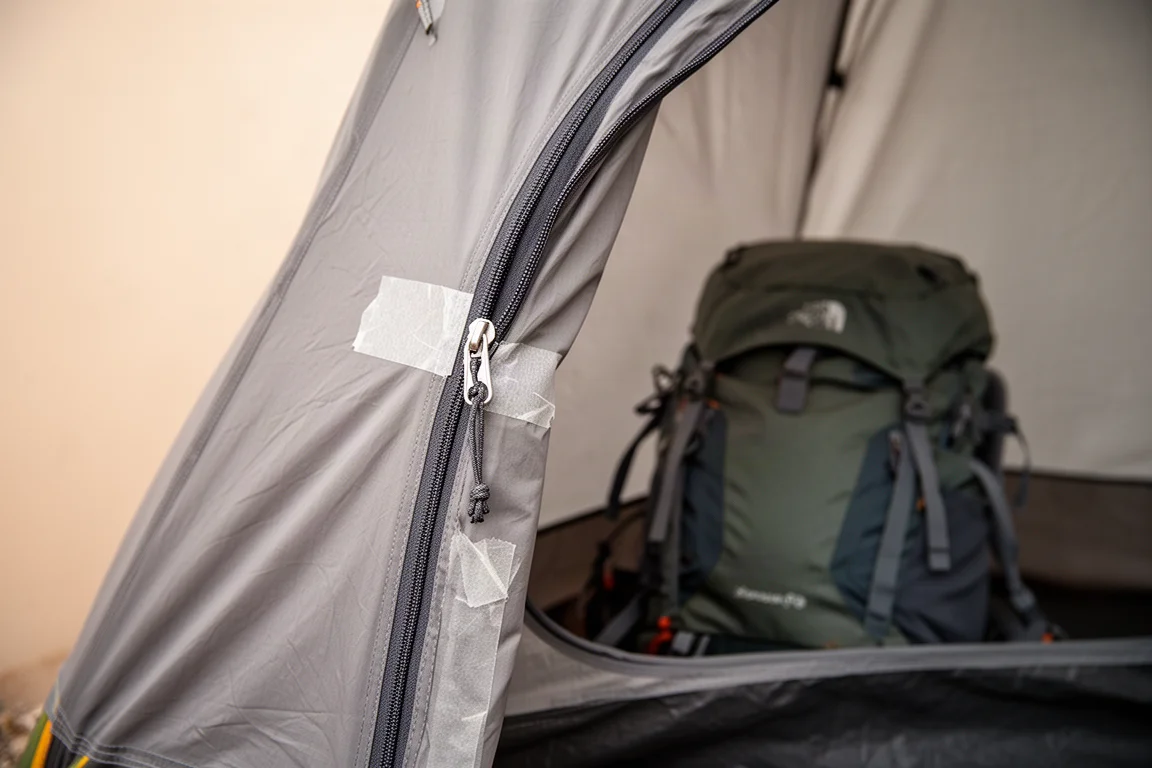
Because the fly is separated from the inner, condensation that forms on the underside of the fly does not reach the sleeping area. That separation, together with the mesh-heavy inner, is what keeps the tent comfortable in warm conditions rather than stuffy.
Setup and Interior Dimensions
Setup is refreshingly simple. On a scale where 10 is the most complicated tent you could imagine, this one sits around a 3. One person can pitch it solo in roughly 10 minutes once familiar with the process, and there is nothing in the design that invites mistakes.
The numbers matter here. The Cosmo 2.0 is 47 in wide, has a peak height of 42 in, and measures 70 in long, which is 5 ft 10 in. That length is the realistic usable figure rather than an edge-to-edge measurement, so campers at or under 5 ft 10 in will fit comfortably. Total weight is 5.1 lb, and the design is partially freestanding, with the doors requiring stakes to hold their shape.
Things to Consider Before Buying
Weight is the trade-off to understand first. At 5.1 lb, this is on the heavier side for a two-person shelter, and lighter options under 3 lb exist for backpackers who need to save ounces. The polyester fly is what makes the tent heavier, but it is also what keeps it from stretching and needing constant adjustment when wet.
The fly does not extend all the way to the ground. In wind-driven rain, that gap means items stored in the vestibules can pick up some moisture. The inner sleeping area has stayed dry in those conditions, but gear left outside the tent body is worth protecting.
A few smaller points are worth knowing. The stakeout points at the doors are adjustable, while the points along the sides are fixed, so adding your own cordage there is the workaround. The cordage on the stake pulls does not hold a knot well, which means occasionally retying it. There is also no version sized for campers over 6 ft, and the three-season rating rules out serious cold-weather use.
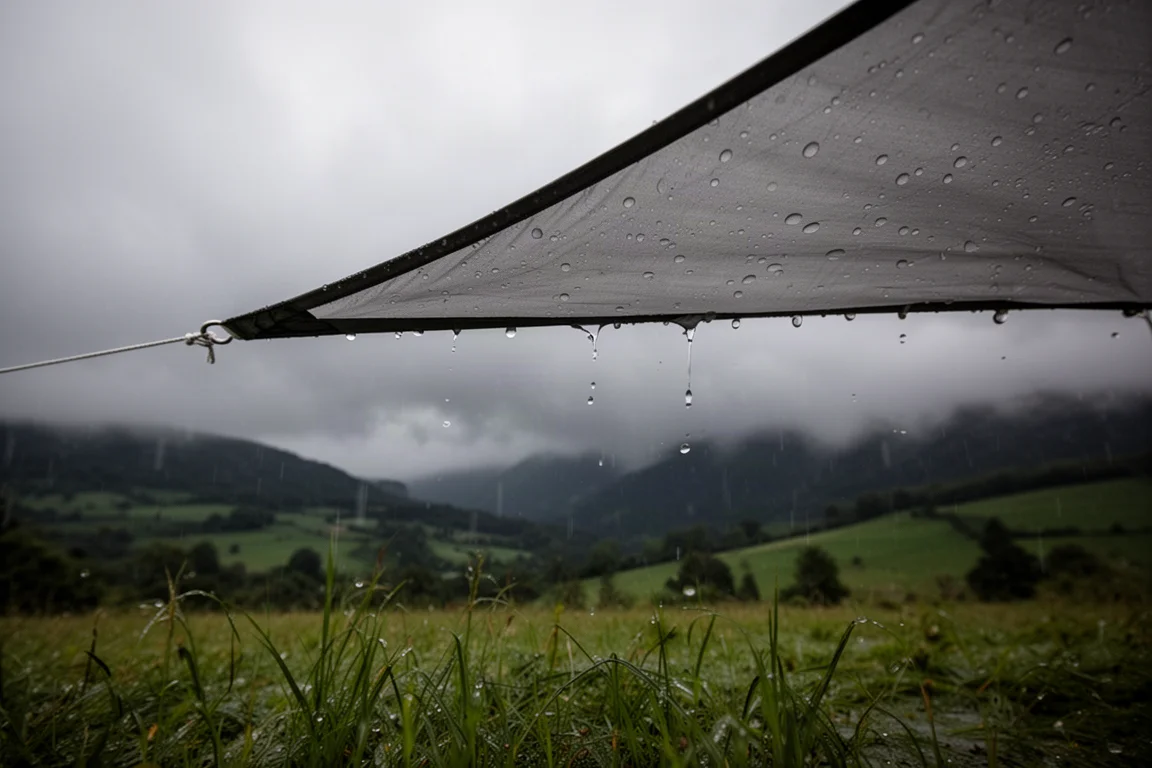
None of these issues undermines the tent’s core performance. They are the kind of details a buyer should simply know about in advance, particularly if light weight or winter camping sits high on the priority list.
Value, Colours, and Options
At around $168 at the time of writing, the Cosmo 2.0 is not the cheapest tent in its category, but the money goes into space and storm protection rather than branding. Compared with other low-cost two-person shelters, it is wider, taller, and spreads out more at the top, which translates directly into usable interior room.
The tent comes in two colours: coyote brown and an urban gray. A one-person version of the same design is also available now, which is worth noting for solo campers who want the same feature set in a smaller footprint. The included storage bag is generously sized, so the tent goes back in without a fight at the end of a trip.
Buying Advice
The Cosmo 2.0 makes sense for campers who want a large, weather-tough shelter for warm-season trips and are not counting grams. Couples, car campers, and anyone who camps a few times a year will get the most from it, and the price stays reasonable for a tent of this size and build.
It is the wrong choice for three specific buyers: long-distance backpackers who need a sub-3 lb shelter, winter campers who need a true four-season design, and campers over roughly 5 ft 10 in who need more interior length.
Before ordering, check three things against your own plans: your height against the 70 in interior length, the 5.1 lb packed weight against how far you intend to carry it, and whether the fixed side stakeout points suit the conditions you camp in. If those line up, the Cosmo 2.0 delivers a lot of tent for the money.
Conclusion
The OneTigris Cosmo 2.0 does a great deal right and very little wrong. It is spacious enough for two adults plus gear, stable and dry in heavy rain and strong wind, well ventilated for warm weather, and straightforward to pitch. Its weaknesses, mainly weight and a fly that stops short of the ground, are honest trade-offs rather than defects.
For warm-season camping at a fair price, this is a shelter that earns its place in the pack, provided your trips suit what it was built to do.
Product link
View more details for OneTigris Cosmo 2.0
This product is mentioned in the review. Check the specifications, options, and compatibility before buying.
View more details for OneTigris Cosmo 2.0Further reading
Related Reviews
Camping Tents
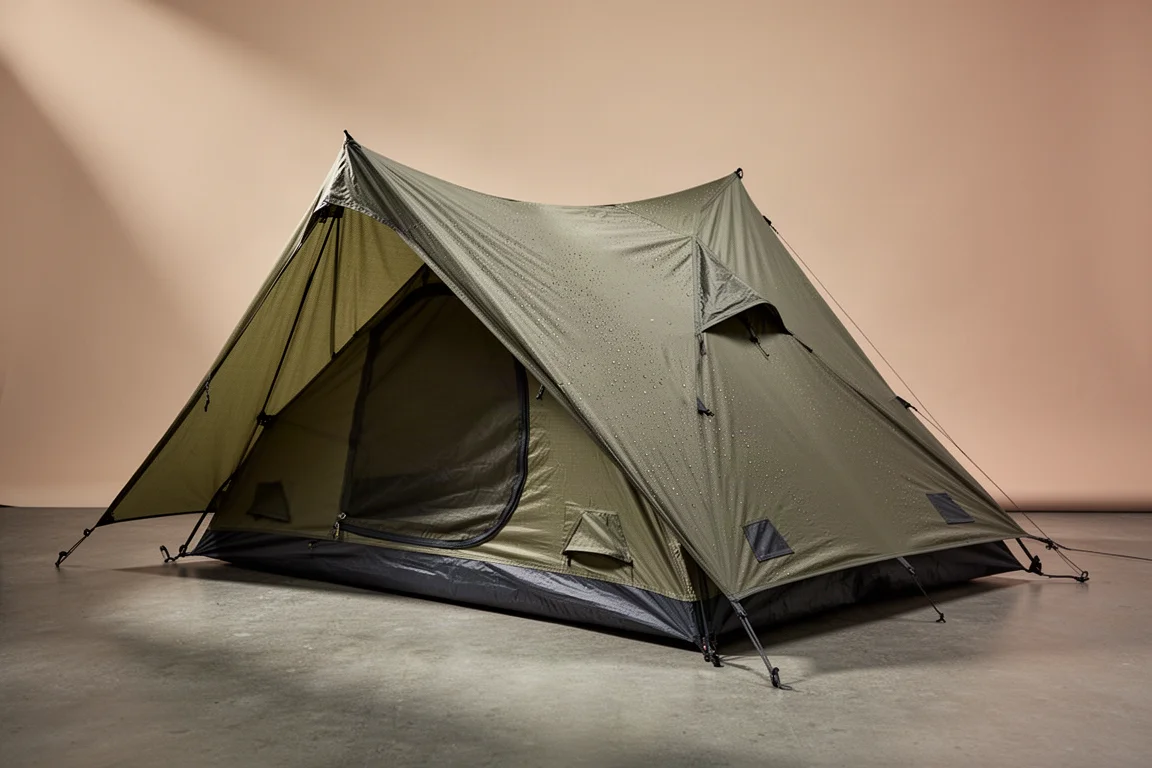
3F UL Gear Taiji Two-Person Tent Review: Field Waterproofing Results and Buying Advice
The Taiji pairs an attached fly with a removable inner, but sustained rain exposed untaped vent seams that need sealing before this shelter can be trusted.
Camping Tents
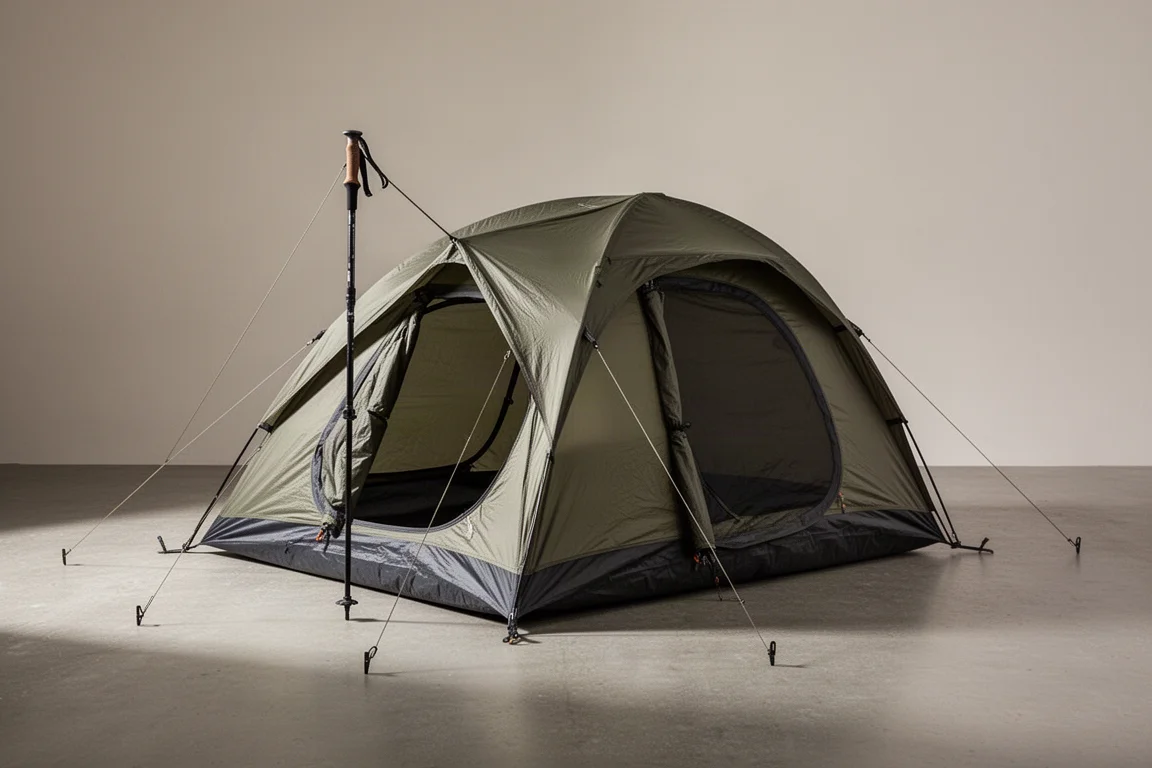
3FUL Gear Lanshan 2 Pro 4-Season Review: A Sub-$200 Single-Wall Trekking Pole Tent
An early look at the 3FUL Gear Lanshan 2 Pro 4-Season, covering its straightforward pitch, generous interior space, and the condensation and seam-sealing questions that come with any single-wall shelter.
Camping Tents
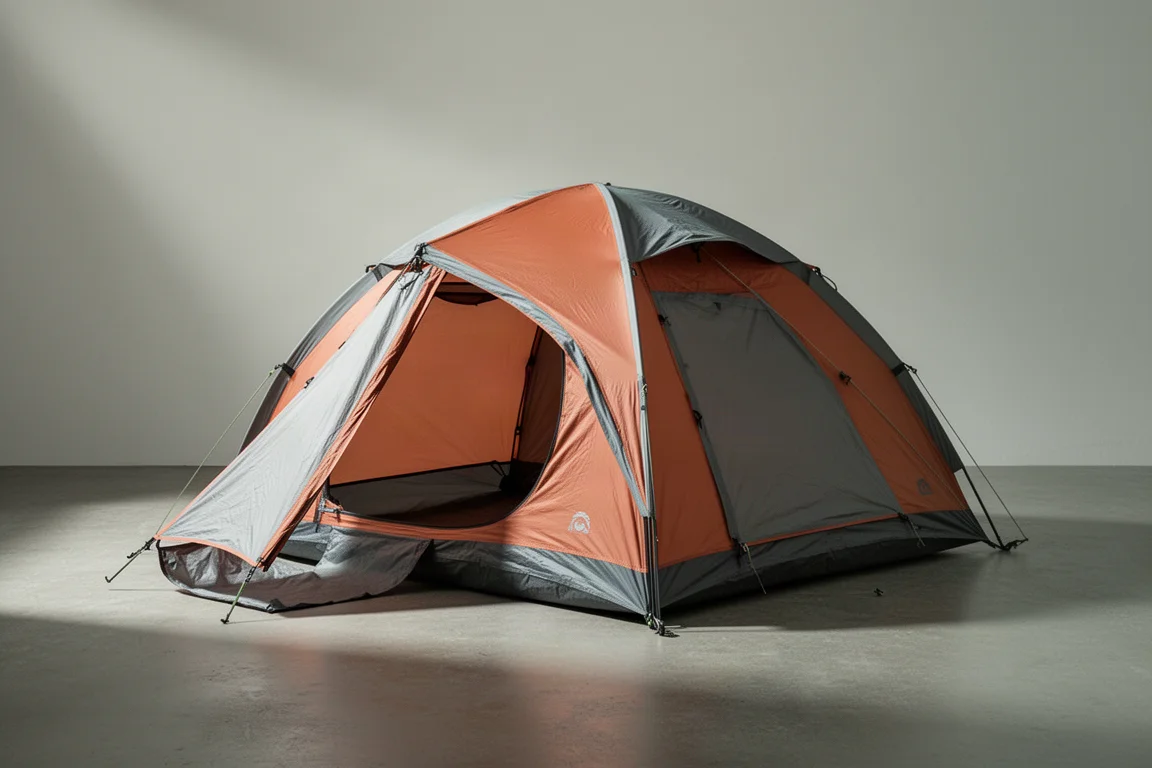
Alps Mountaineering Lynx 1-Person Tent Review: Big Value in a Small Budget Tent
A close look at the Alps Mountaineering Lynx 1-Person Tent, covering real interior dimensions, materials, setup time, ventilation limits, and who should buy it.