Camping Tents
OneTigris Cosmitto 2-Person Tent Review: Dry in Light Rain, Leaky in a Storm
A moderate-price two-person tent that sheds water well in light and moderate rain, but lets water in through its vents during prolonged heavy rain.
Introduction
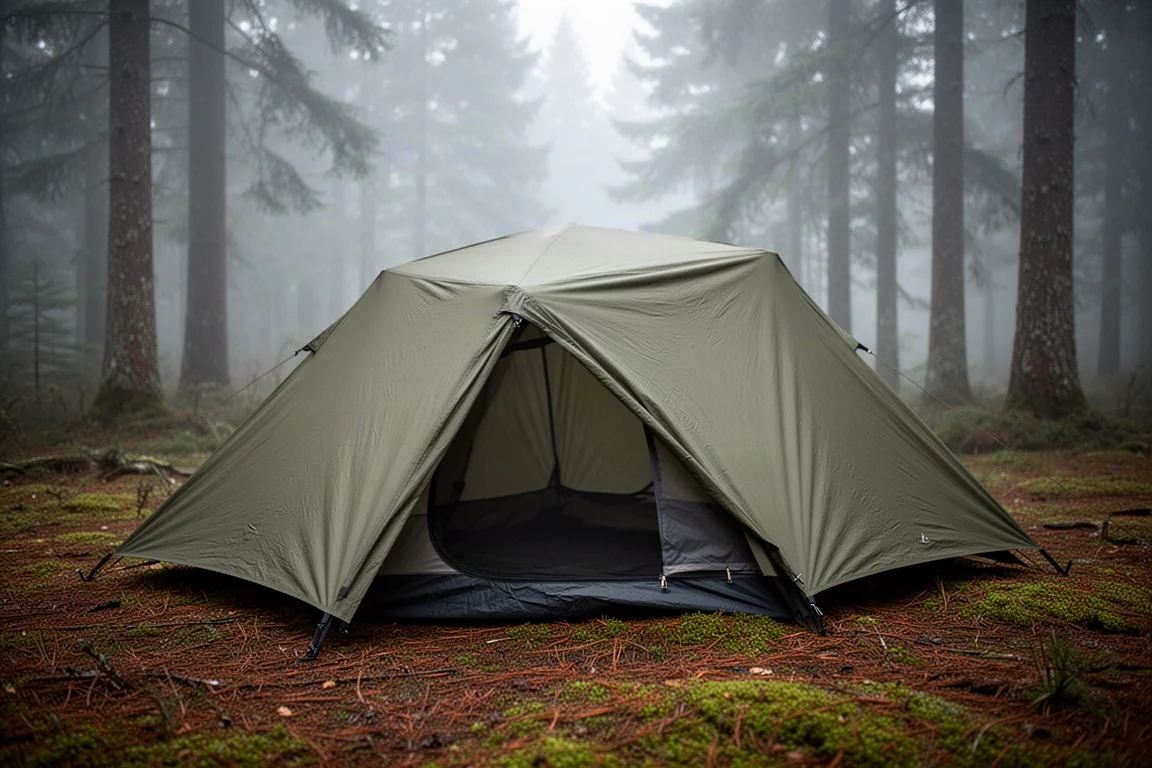
The OneTigris Cosmitto is a two-person tent aimed at campers who want a compact shelter without paying premium money. The version tested here sits somewhere around $165 to $170, which is exactly the price band that makes people ask the obvious question: will it actually keep the rain out when the weather turns?
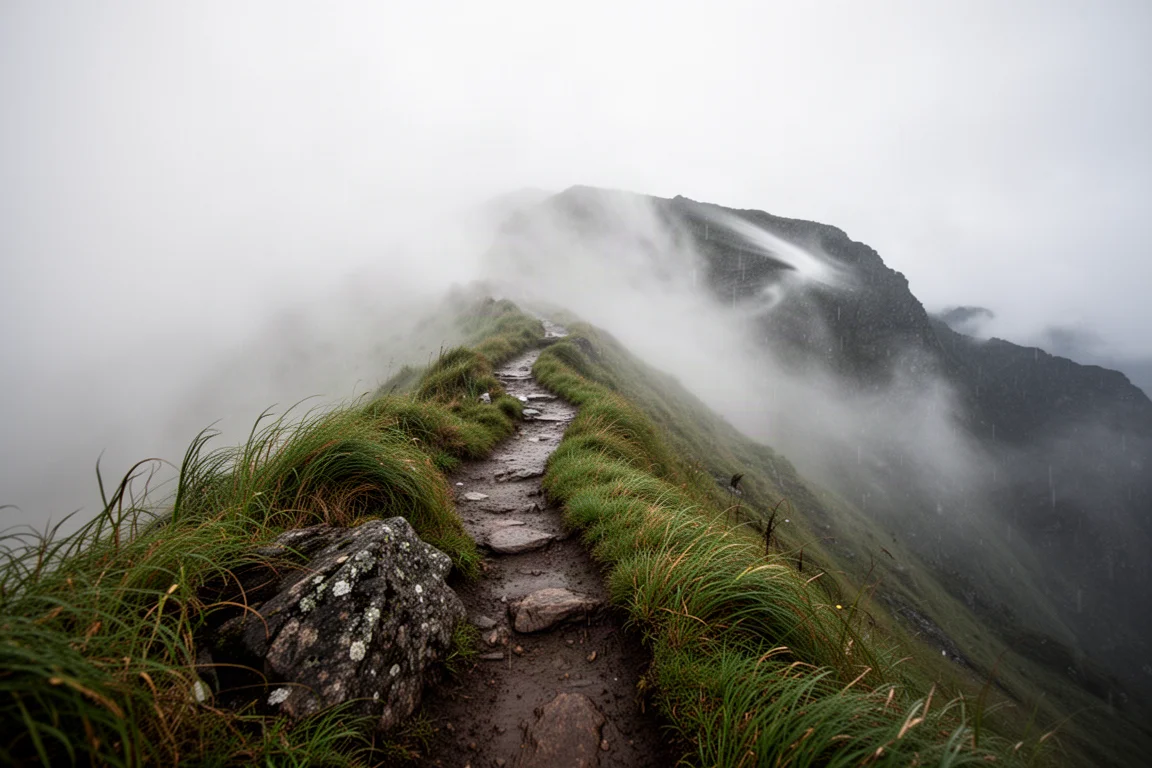
The conditions during testing were not gentle. A weather system moved in over a mountain campsite with fog, strong wind and thunderstorms, and the rain arrived in waves that added up to several inches over the course of the trip. One stretch of heavy rain lasted roughly an hour, and more fell overnight. That is more water than most tents see in a single outing, and it produced a clear, repeatable result.
The short version: the Cosmitto shed water well in light and moderate rain, and the interior stayed largely dry early in the storm. Under prolonged heavy rain, water worked its way in through the vents even with those vents closed. Both vents leaked. A separate drip appeared from the top of the tent, landed on the inner mesh and ran down the inside wall.
Who this product is for
The Cosmitto makes the most sense for campers whose trips mostly involve fair weather, occasional showers and the kind of rain that passes through in an hour. At this price, it offers a two-person format without demanding a premium budget, and it can be made considerably more trustworthy with a small amount of preventative work.
It is a less comfortable fit for anyone whose trips regularly include multi-hour downpours, or who expects a shelter to stay bone dry in heavy rain with no intervention at all. In that scenario, the vent design becomes the deciding factor rather than the price.
It also suits campers who are happy to carry a second layer of protection. Having a tarp or another fallback shelter along on an uncertain forecast turned out to be the single most useful decision of the trip, and it is the reason a leaky night stayed manageable rather than miserable.
Main strengths
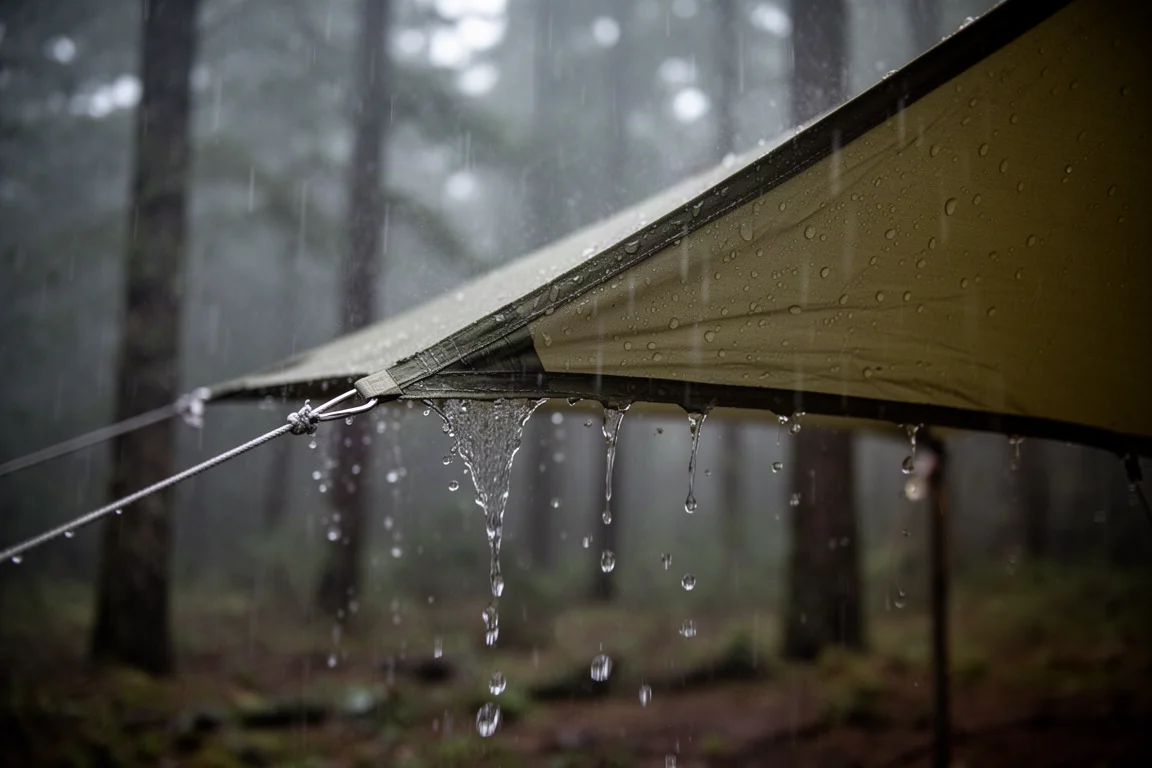
Rain handling in light and moderate conditions is genuinely decent. Water sheeted off the fly rather than pooling on it, and the interior stayed dry through the early part of the storm, including the first sustained downpour. During lighter rain, the tent performed without drama.
The interior remained usable throughout. Even after hours of rain, the inside of the tent was the only dry place in the forest, which is worth something when everything else, including the ground under a tarp, is soaked through. It was possible to sleep, cook breakfast and pack up from inside the shelter.
The vents can be closed. That matters because the vents are the part of the design that caused trouble, and being able to shut them is the right instinct when rain sets in. The catch is that closing them did not fully solve the problem, which is covered below.
The price is another point in its favour. Around $165 to $170 for a two-person tent is a moderate outlay, and the shelter does deliver a weatherproof shell for the majority of conditions most campers actually meet. If your trips are short, your forecasts are reasonable and you are prepared to seal the vents, the value proposition holds up.
Things to consider before buying
Performance depends heavily on how hard it rains, and that is the most important thing to understand before ordering. Light rain was not a problem. Prolonged moderate rainfall started to show weaknesses. Heavy, sustained rain turned those weaknesses into a genuine issue, with water entering faster than it could be managed by hand.
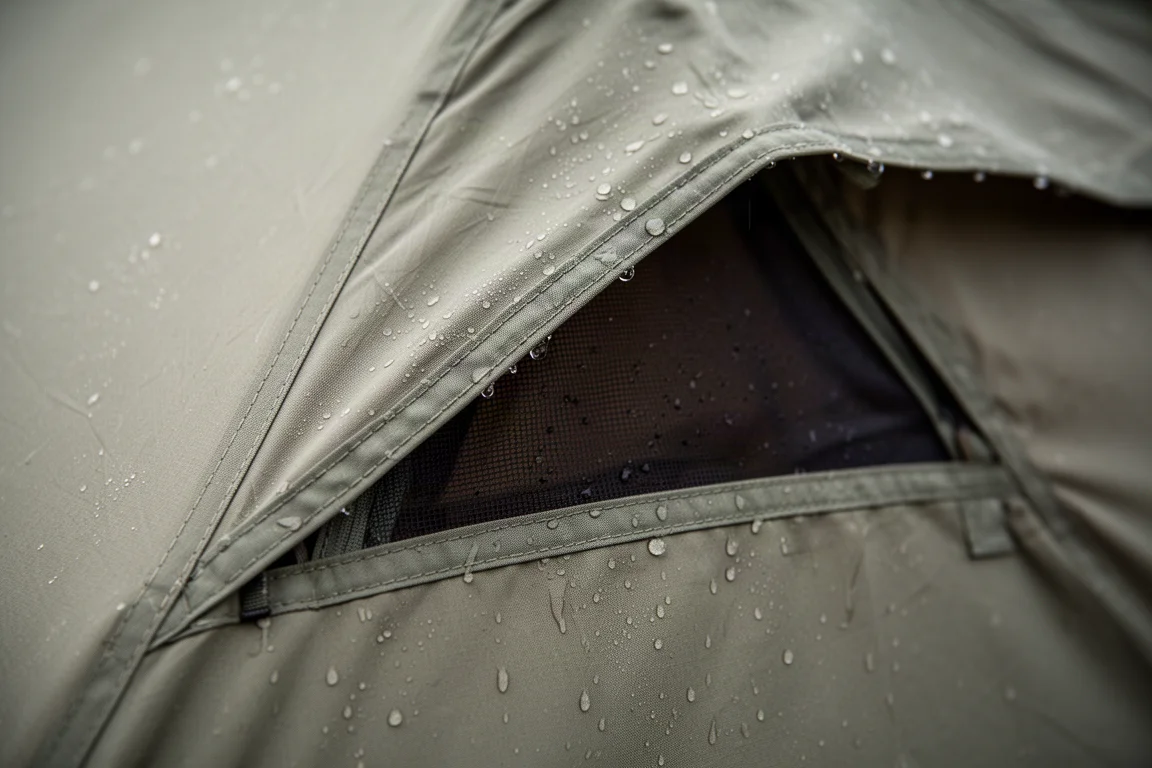
The vent design is the core concern. Water found a path between the vent and the tent body fabric, then dripped down onto the inner mesh. This happened on both vents, and it continued after the vents were closed. During the worst of the overnight rain, water came in from both sides at the vents and had to be wiped down repeatedly to stop it spreading.
There was also a second entry point. One drip came from the top of the tent rather than from a vent, landed on the mesh and rolled off the inside wall. It was a smaller issue than the vents, but it confirms that the fly is not completely sealed as delivered.
Finally, plan on maintenance. Seam sealing around the vent area is the practical fix, and doing it before a serious trip is far easier than discovering the problem at two in the morning in a downpour. Owner experiences have been split: one camper reported no leaking at all, while another traced a leak to the vents and received a refund.
Vent Sealing and Water Management
The mechanism behind the leak is worth understanding, because it explains why closing the vents was not enough. Water was getting in between the vent flap and the tent body fabric itself, which means the failure point sits at the join rather than at the opening. Once water is behind the flap, it has a direct route to the mesh, and from there it drips into the sleeping area.
The recommended remedy is straightforward: seam seal the vents, and seal all the way around the vent area rather than just along the visible edge. This is the kind of job that takes a short session at home and adds meaningful confidence for the rest of the tent’s life. Anyone buying this tent should treat that step as part of the purchase rather than an optional extra.
In the field, water management becomes part of the routine during heavy rain. Keeping the walls wiped so that water tracks down the fly instead of spreading across the inner fabric makes a real difference, and it is the difference between a damp night and a wet one. Having a dry cloth within reach inside the tent is a small thing that pays off quickly.
It is also worth thinking about where the tent is pitched. Choosing a spot with natural wind protection, rather than an exposed shoulder where weather rolls straight over the ridge, reduces how much water the fly has to handle. The vents are the weak point, so anything that keeps driven rain away from them is working in your favour.
Setup and Care Tips
A few habits make this tent considerably easier to live with. Seam seal the vents before the first trip where rain is likely. Close the vents as soon as the sky darkens rather than waiting for the first drops. Carry a backup shelter if the forecast is uncertain, because a tarp overhead keeps a bad night from becoming an unsafe one.
Pitch selection matters too. The tent handled wind well when it was sheltered, and a little thought about direction and terrain makes the vents less vulnerable. Practice the pitch at home so that setup in the rain is quick, and check the fly and vent seams periodically for wear.

None of this is unusual for a tent at this price, and most of it is standard practice for anyone who camps in changeable mountain weather. The difference is that with the Cosmitto, the seam sealing step is not optional. It is the single change that most improves how the tent behaves when the weather turns serious.
Buying advice
The decision comes down to the weather you actually camp in. If most of your trips are fair weather with the odd shower, the Cosmitto is a reasonable moderate-price option, and sealing the vents before you go is a sensible first step. It sheds water well in the conditions it was clearly designed for, and it provides a dry, usable interior at a price that is easy to justify.
If you regularly camp through multi-hour heavy rain, go in with realistic expectations. The vents leaked even when closed, and the fix is a home repair rather than a setting. Buyers who want a shelter that handles sustained downpours without modification should weigh that against alternatives, or plan on the seam sealing work and a backup tarp.
For everyone in between, the tent is a fair value at around $165 to $170, provided you treat the vents as a known weak point and address them before your first storm rather than during it.
Conclusion
The OneTigris Cosmitto is a competent two-person shelter in the conditions most campers meet, and it kept its interior usable through a genuinely brutal night of weather. It is also a tent with a specific, identifiable flaw: water enters between the vent and the tent body, and closing the vents does not stop it. Seam sealing the vents is the fix, and it should be part of the plan from day one. Buy it for fair weather and moderate rain, prepare it properly, and it will serve you well. Expect it to stay sealed in prolonged heavy rain without that preparation, and you may be disappointed.
Product link
View more details for OneTigris Cosmitto 2-Person Tent
This product is mentioned in the review. Check the specifications, options, and compatibility before buying.
View more details for OneTigris Cosmitto 2-Person TentFurther reading
Related Reviews
Camping Tents
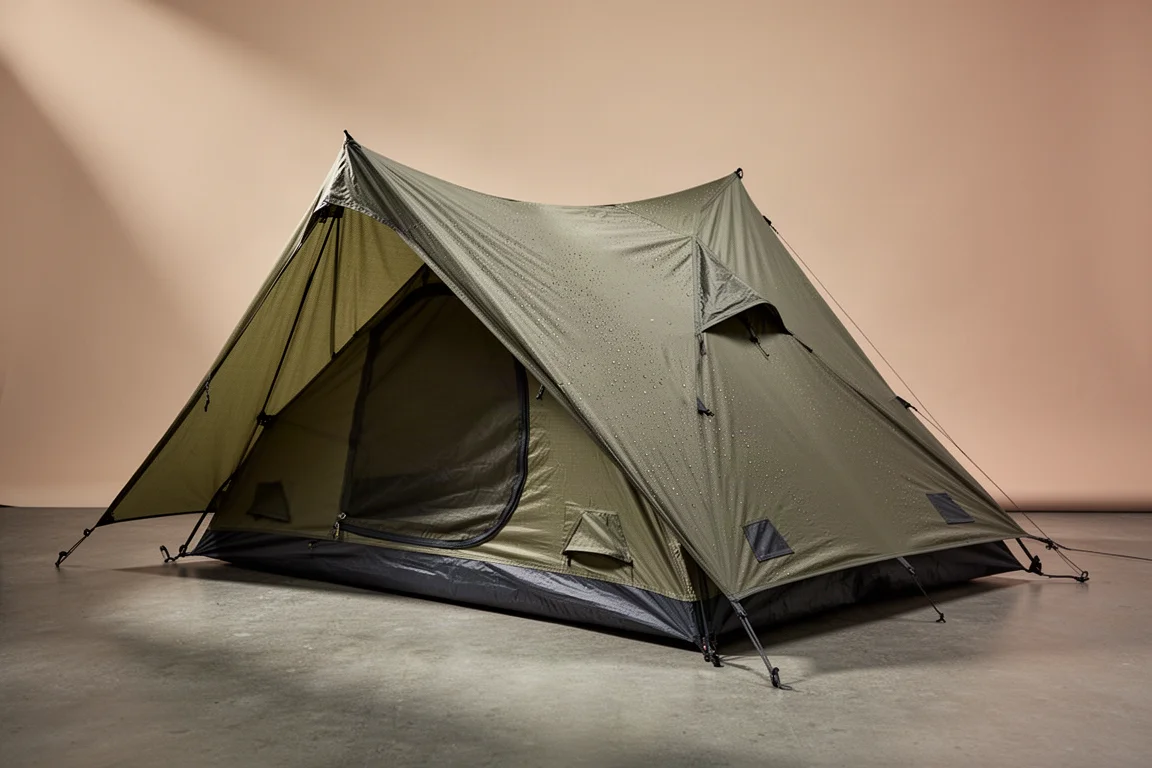
3F UL Gear Taiji Two-Person Tent Review: Field Waterproofing Results and Buying Advice
The Taiji pairs an attached fly with a removable inner, but sustained rain exposed untaped vent seams that need sealing before this shelter can be trusted.
Camping Tents
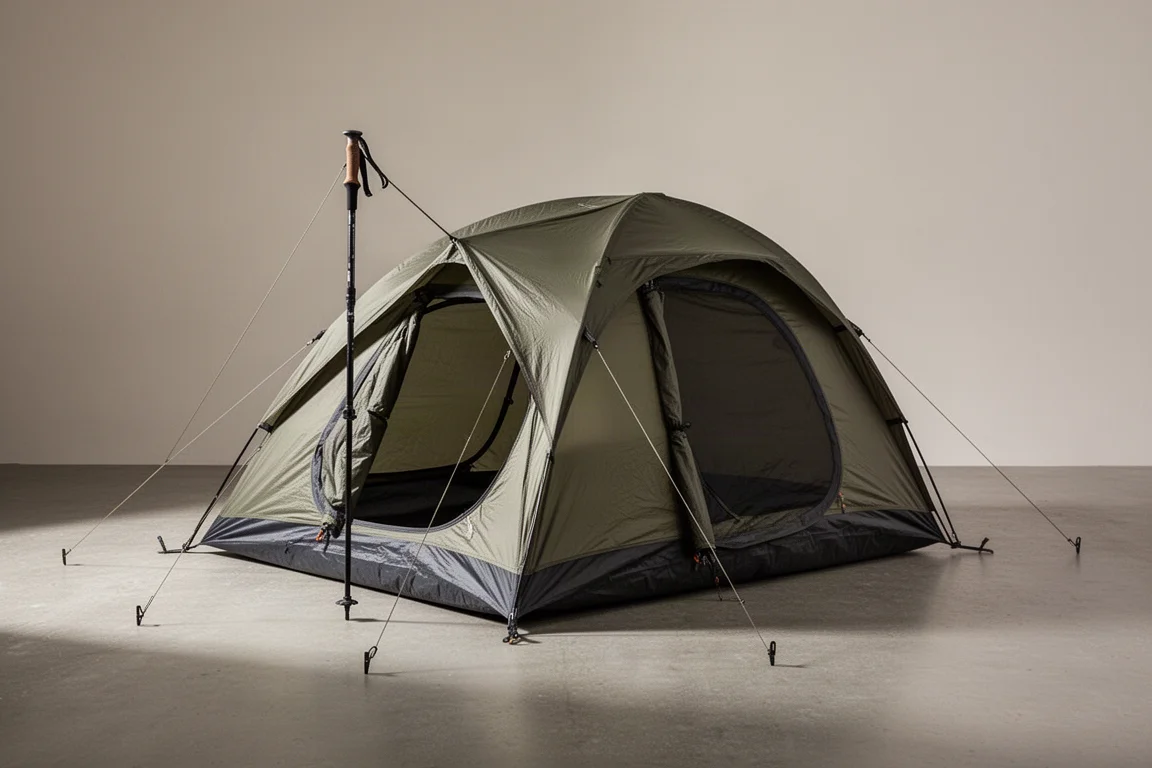
3FUL Gear Lanshan 2 Pro 4-Season Review: A Sub-$200 Single-Wall Trekking Pole Tent
An early look at the 3FUL Gear Lanshan 2 Pro 4-Season, covering its straightforward pitch, generous interior space, and the condensation and seam-sealing questions that come with any single-wall shelter.
Camping Tents
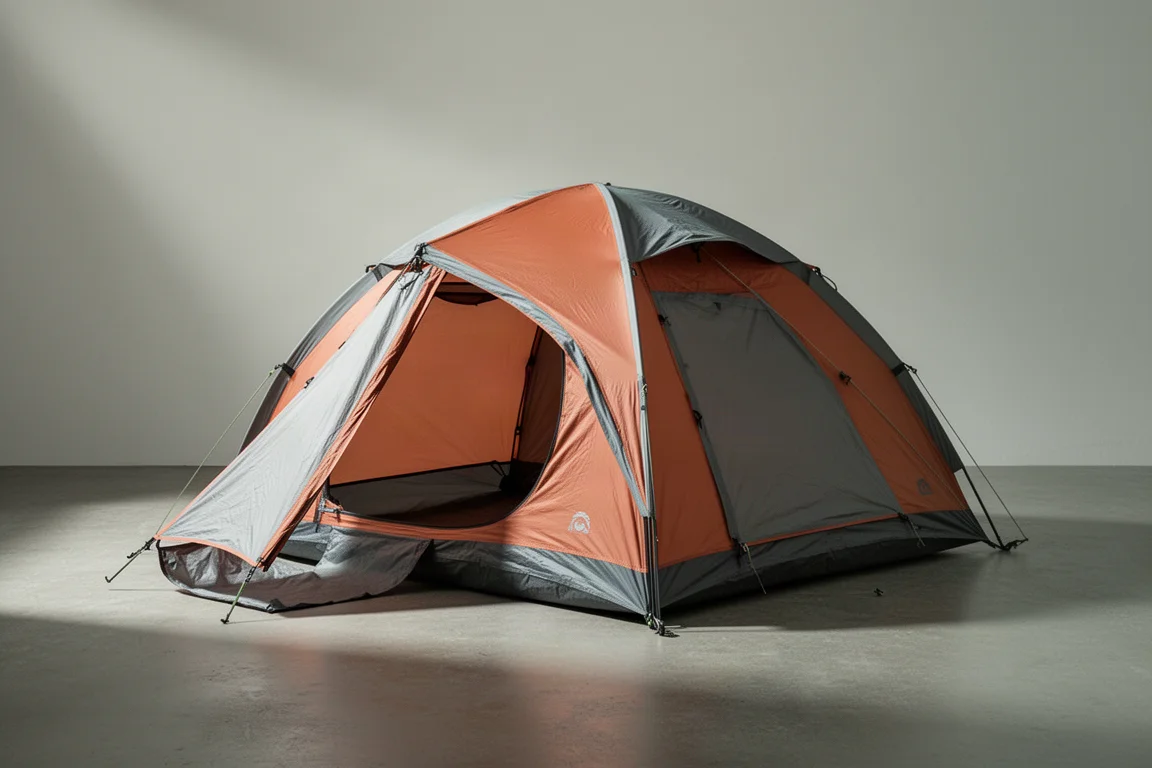
Alps Mountaineering Lynx 1-Person Tent Review: Big Value in a Small Budget Tent
A close look at the Alps Mountaineering Lynx 1-Person Tent, covering real interior dimensions, materials, setup time, ventilation limits, and who should buy it.