Camping Tents
OneTigris Cosmito 2.0 Review: A $170 Two-Person Tent With Something to Prove
A first look at the OneTigris Cosmito 2.0, a redesigned two-person, two-door tent with door-mounted vents, a roomier structure, and a claimed 2,000 mm water resistance that still needs a real rain test.
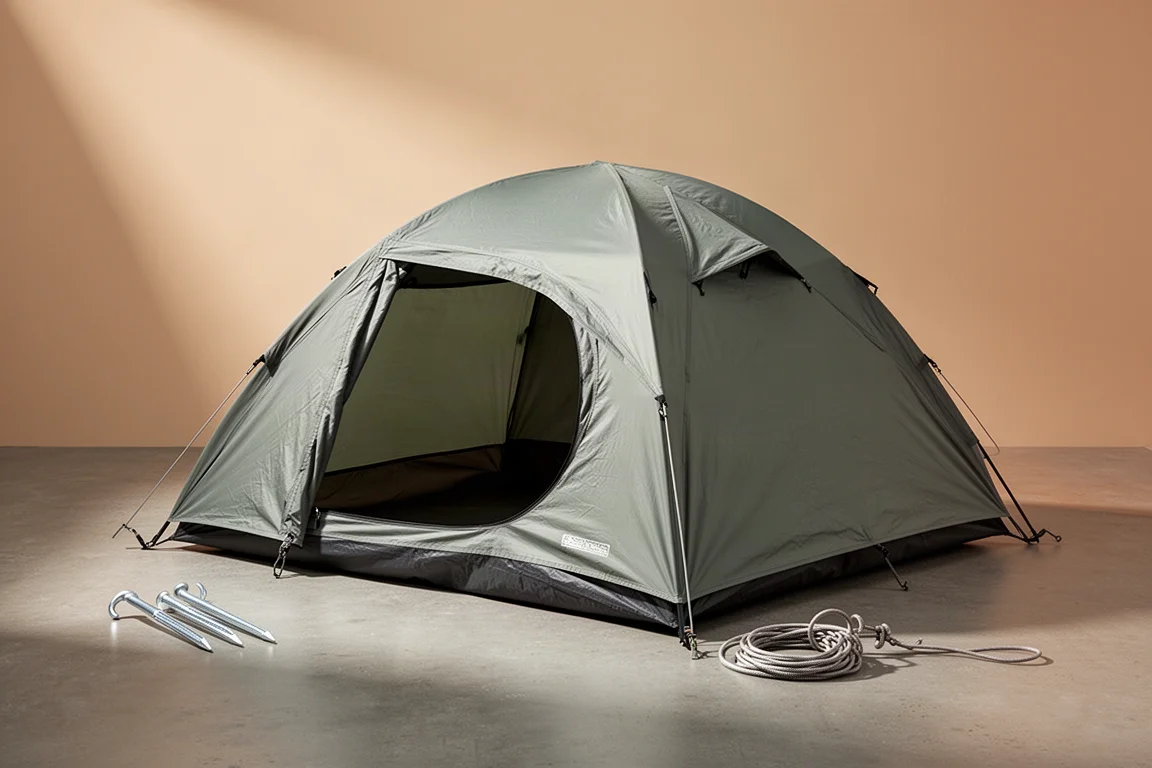
Introduction
The OneTigris Cosmito 2.0 is a two-person, two-door tent that has only recently arrived on the market, and it arrives with a story attached to its name. The original Cosmito launched in 2021 with a promising spec sheet: reasonably light, inexpensive, and built from materials that looked good on paper. In practice, early units leaked from the vents at the top of the tent, even with those vents closed. OneTigris acknowledged the problem on its own website with a note advising owners to use the tent only in very light rain, and the model stayed on sale in that state for several years.
That history is worth knowing before spending money on the second version.
The Cosmito 2.0 is not a cosmetic refresh. OneTigris redesigned the structure to follow the layout of its Skyina shelter for more interior space, removed the top vents and relocated them to the doors, added 3D interior pockets at the top of the tent, and raised the stated water resistance from 1,500 mm to 2,000 mm. Those are the four changes that separate this tent from the version that earned its reputation.
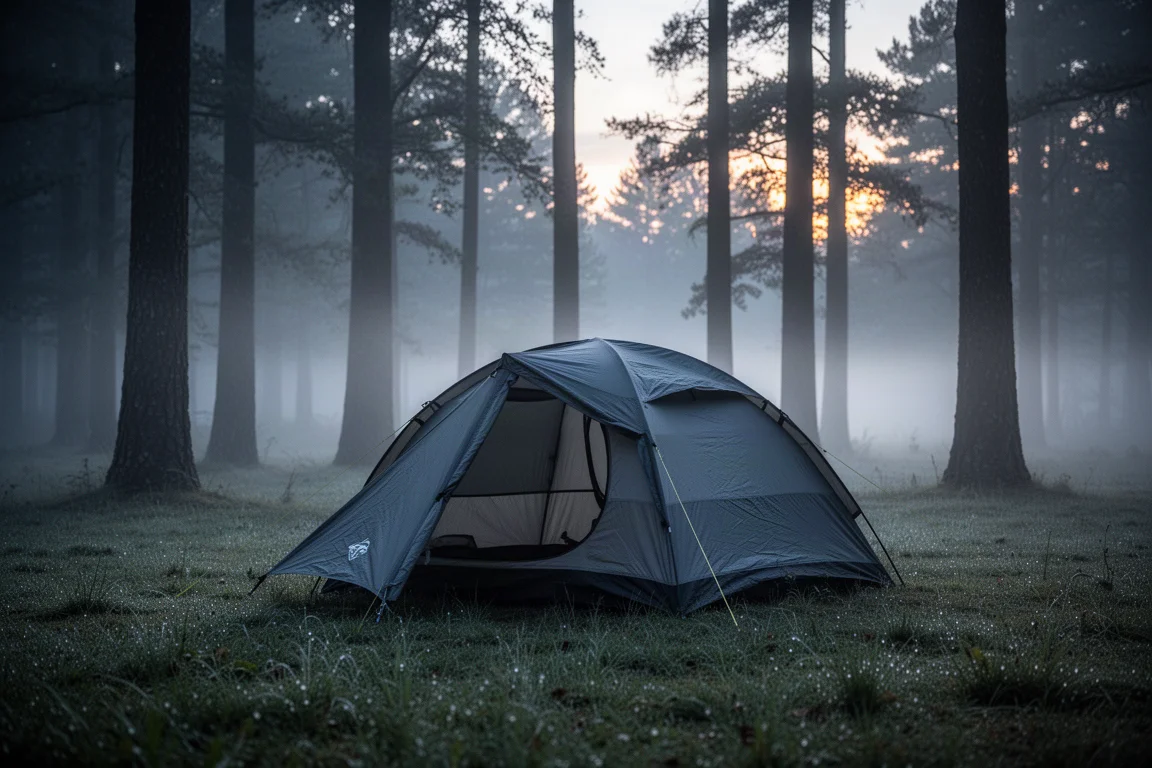
At $170, with a 5.2-pound packed weight and genuine room for two, the Cosmito 2.0 has the numbers of a competitive tent. What it does not have yet is a verified rain test. This first look covers the design, the materials, the setup, and the questions that still need answering before you commit.
Who This Tent Is For
The Cosmito 2.0 makes the most sense for campers and casual backpackers who want a large two-person shelter while working to a tight budget. At 6.9 feet long, 4.3 feet wide, and 3.6 feet tall, it has the footprint of a roomy two-person tent rather than a cramped one, and the two-door layout means each sleeper gets a separate entrance and a share of the space between the inner body and the fly.
It is a partially freestanding design. The poles hold the body up on their own, but the doors still need to be staked out to hold their shape. That is a normal arrangement in this class of tent, and it is worth knowing if you often pitch on platforms or unusually hard ground.
At 5.2 pounds packed into 20.5 by 6.7 inches, the Cosmito 2.0 suits weekend backpacking, canoe trips, and car camping better than long-distance ultralight hiking. Anyone counting grams will want to look elsewhere, but anyone who values interior volume per dollar will find a lot to like here.
Main Strengths: Space, Design, and Build Quality
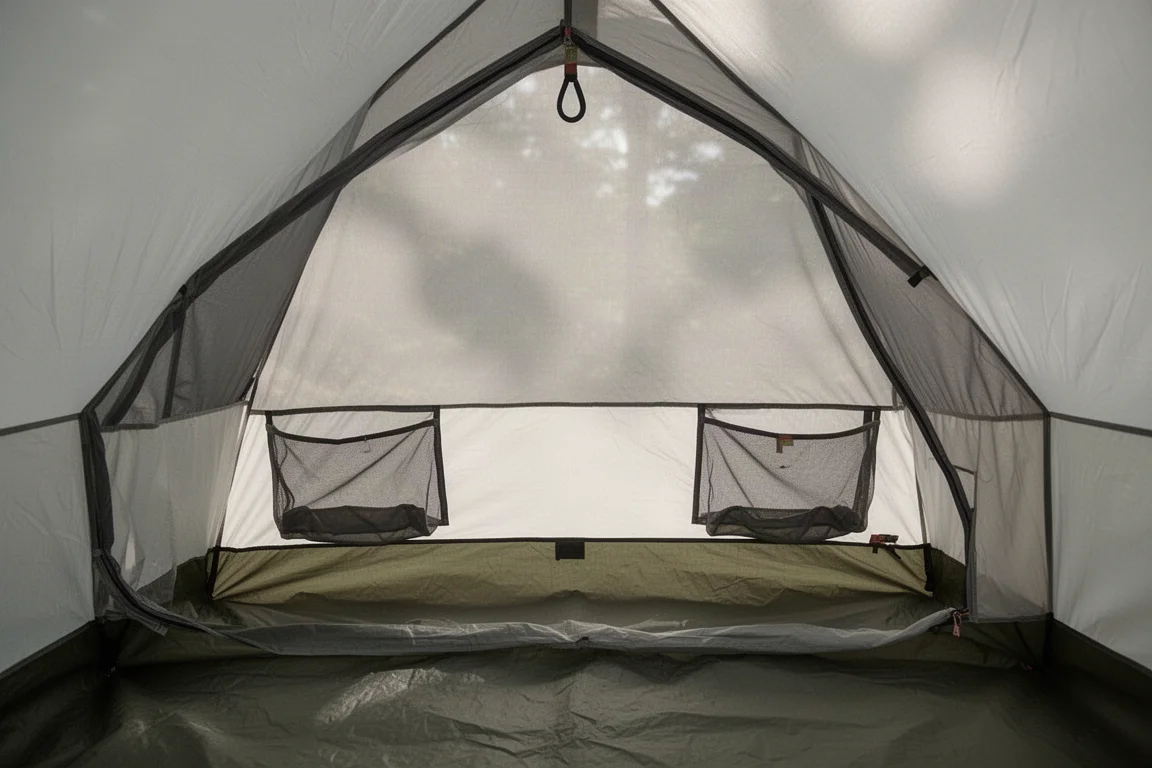
Inside the tent, a spider pole runs across the top with a cross member for support. Each of the two doors uses an inverted T shape, and the bathtub floor wraps up aggressively around the sides to keep ground water and splashback away from the sleeping area. Two large mesh pockets, one at each end, handle small items, and a hanging hook at the apex takes a lantern or a compact light. The inner body is heavily meshed and its seams are taped.
The fly carries the details that matter in bad weather. A storm flap covers each zipper, held in place by hook-and-loop tabs at the top and at the bottom. The zippers are two-way, so opening the top slider reveals a vent behind the flap, and a small strut holds that flap open to keep air moving through the tent. The same arrangement appears on the opposite door. Both doors roll up and stow out of the way, individually or together.
There is also a useful amount of gear space between the inner body and the fly, four guy line loops on the fly, and reinforced stakeout points at each anchor. The side panels pull away from the inner body instead of pressing against it, which encourages airflow and helps limit condensation. The fly connects to the body with buckles.
Build quality is where this tent makes its strongest impression. Every seam is clean, there are no loose threads, the seam tape is neatly applied, and the zippers run smoothly. At $170, that level of finish on a tent this size is genuinely uncommon.
Setup and Specifications
Setup is simple: lay out the body, stake it if conditions call for it, insert the poles, clip the fly on, buckle it down, stake it out, and adjust. The one recurring annoyance is the grommet size at the pole ends. They are slightly oversized, so the pole tip on one side can pop out while you are inserting the other side. It is a minor frustration rather than a real problem, but it shows up often enough to notice.
Specifications as stated by the manufacturer:
- Fly: 20-denier plaid ripstop polyester
- Floor: 70-denier nylon
- Mesh: 40-denier nylon
- Zippers: YKK
- Poles: 7001 aluminum
- Stakes: aluminum
- Dimensions: 6.9 ft x 4.3 ft x 3.6 ft
- Packed size: 20.5 in x 6.7 in
- Weight: 5.2 lb
- Colors: gray and coyote brown
- Price: $170
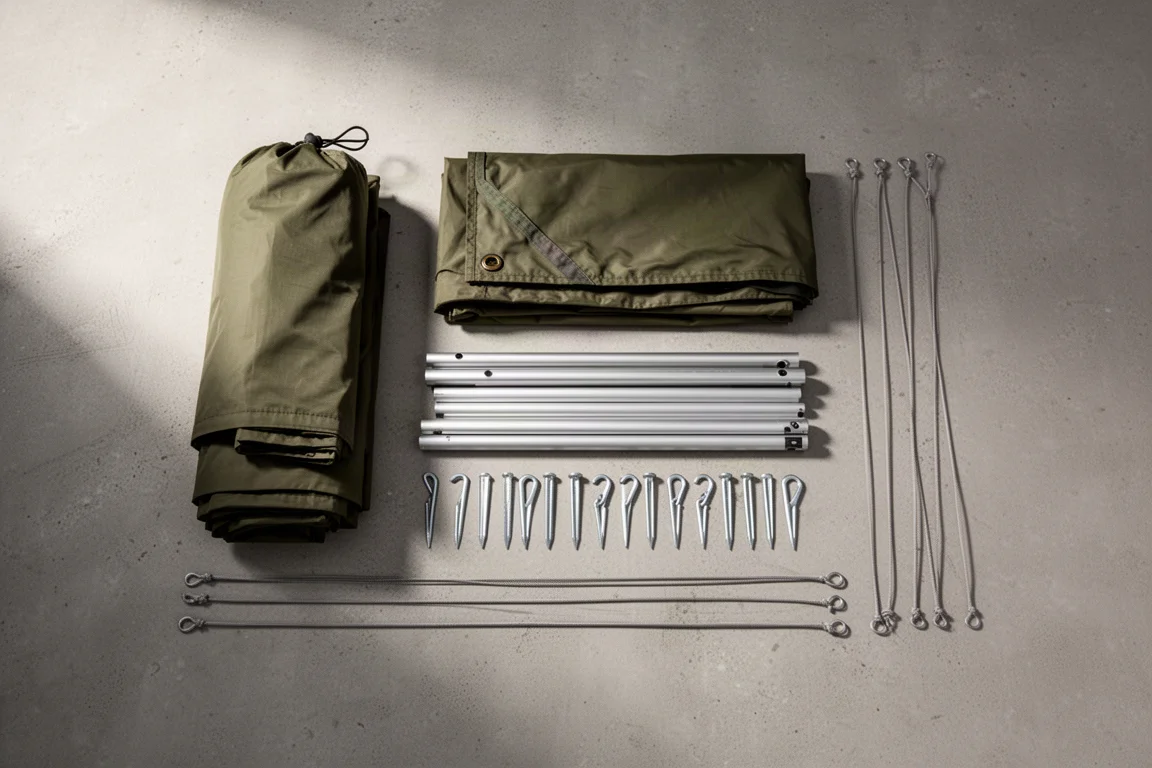
In the box you get the tent body, the fly, one spider pole, one cross pole, ten aluminum stakes, four guy lines, and a storage bag with a drawstring closure at the top and a pull tab at the bottom. One small irritation: the storage bag carries no model name, so anyone with more than one OneTigris shelter will need to label it themselves.
Things to Consider Before Buying
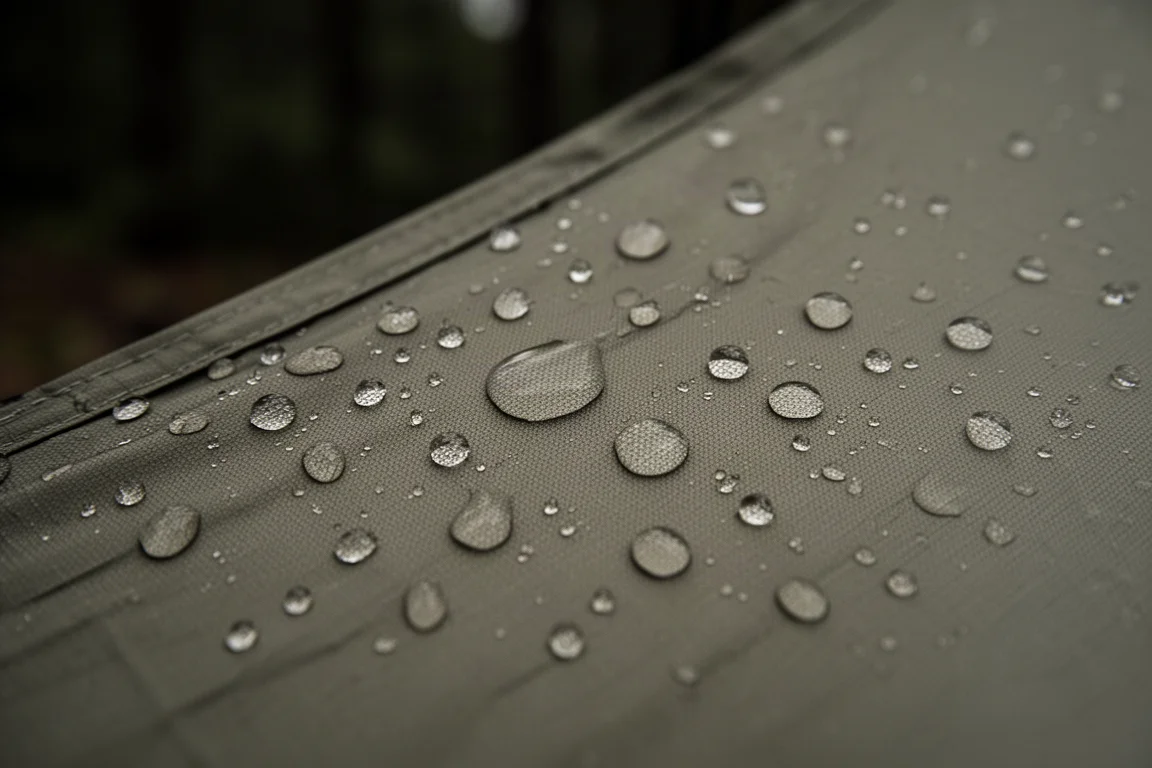
The central question is water resistance. OneTigris states that this version is rated to 2,000 mm, up from 1,500 mm on the original, and the vents that caused the earlier leaking problem have been removed from the roof entirely. That addresses the known failure point on paper. It does not prove anything in real rain, and this tent has not yet been tested through sustained wet weather.
Condensation is the other open question. With no upper vents, airflow depends on the door vents and on the gap between the fly and the inner body. That gap is generous, which helps, but how well it copes on a cold, still night is not yet known.
It is also worth weighing the practical details. At 5.2 pounds, this is a real load on a long hike. The oversized pole grommets take a little patience during setup. And the unlabeled storage bag is a small daily annoyance if you own several shelters from the same brand.
Buying Advice
If the Cosmito 2.0 keeps water out as claimed, it will be hard to beat at $170. The interior is large, the two-door layout is genuinely useful, the materials list is respectable for the price, and the construction quality looks better than the number on the price tag suggests.
The sensible approach is to match the tent to your conditions. For fair-weather camping, weekend trips, and car camping, the value here is obvious and the risk is low. If you regularly pitch in sustained rain or camp in exposed, humid conditions, wait for real-world waterproofing results before committing, or choose a shelter with a longer track record. Given the history of the original Cosmito, that caution is reasonable rather than paranoid.
Conclusion
The OneTigris Cosmito 2.0 reads as a serious attempt to fix what went wrong the first time. The roof vents are gone, the structure is roomier, the interior pockets are more useful, and the stated water resistance is higher. Build quality and price are the strongest arguments in its favor, and both are persuasive. The unanswered question is rain, and until that is settled, this is a tent to consider carefully rather than automatically.
Product link
View more details for OneTigris Cosmito 2.0
This product is mentioned in the review. Check the specifications, options, and compatibility before buying.
View more details for OneTigris Cosmito 2.0Further reading
Related Reviews
Camping Tents
3F UL Gear Taiji Two-Person Tent Review: Field Waterproofing Results and Buying Advice
The Taiji pairs an attached fly with a removable inner, but sustained rain exposed untaped vent seams that need sealing before this shelter can be trusted.
Camping Tents
3FUL Gear Lanshan 2 Pro 4-Season Review: A Sub-$200 Single-Wall Trekking Pole Tent
An early look at the 3FUL Gear Lanshan 2 Pro 4-Season, covering its straightforward pitch, generous interior space, and the condensation and seam-sealing questions that come with any single-wall shelter.
Camping Tents
Alps Mountaineering Lynx 1-Person Tent Review: Big Value in a Small Budget Tent
A close look at the Alps Mountaineering Lynx 1-Person Tent, covering real interior dimensions, materials, setup time, ventilation limits, and who should buy it.