Camping Tents
One Tigris Stella Tent Review: A Four-Season Shelter That Works in Summer Too
The redesigned One Tigris Stella keeps its cold-weather strength and adds mesh doors, a roomier shape and easier setup hardware, all at a surprisingly low price.
Introduction
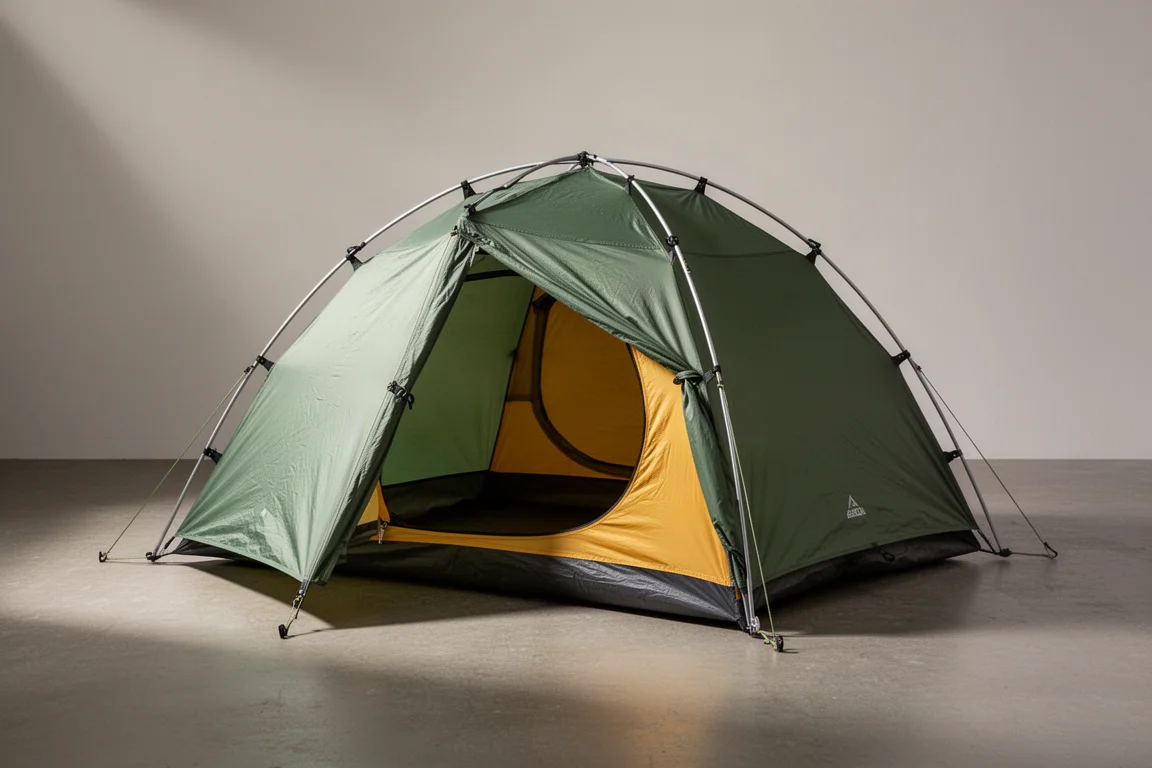
One Tigris has updated the Stella, a shelter originally built for cold-weather camping. The redesign keeps the winter capability that made the original so appealing while opening the tent up to warmer months. That combination is unusual, and it is the reason this tent deserves a close look.
The original Stella was a dedicated four-season design. It was warm, strong and remarkably good value, but it had one obvious limitation: no mesh. On a hot night the only options were doors fully open or doors fully closed. The new Stella changes that with mesh door panels, a slightly taller and wider shape, and new hardware that makes the fly easier to attach.
Also new: the tent now comes in two sizes, one-person and two-person. This review covers the one-person version. The original version remains available, so buyers who prefer the earlier black and white colourway still have that option.
Who This Tent Is For
This is a tent for people who would rather own one shelter than three. It suits campers who spend time out in autumn and winter but still want to sleep comfortably in spring and summer.
The one-person version is also unusually generous in size. Interior length is 76 in, or 6 ft 4 in, so sleepers up to that height should fit. Width is 34 in and height is 40 in, which is enough to sit up, change clothes and keep a pack and shoes inside rather than out in the vestibule. That matters in buggy terrain, where leaving gear outside is an invitation for ticks and other visitors.

The interior includes four mesh pockets, a hanging hook and several loops for a gear caddy or a drying line. For a one-person tent, it reads closer to a one-and-a-half-person shelter.
Design and Setup
Setup follows a familiar pattern: an X-shaped pole system over the top, clips onto the body, then the spreader bar. Realistically it is a five-minute pitch for anyone who has handled a tent before.
The most meaningful design change is how the fly attaches to the body. The older hooks have been replaced with a plastic hardware piece that slides in and locks. Pulling it down and sliding it out is simple, and it is far easier to manage with gloves on.
Each of the two doors has a storm flap over the zipper, and the top of each flap can be converted into a vent. Four guyline points sit about halfway up the body, and there is a loop in the middle of each side panel so the fly can be pulled away from the inner for airflow.
Main Strengths
The mesh door panels are the headline change. Each door has a mesh layer and a fabric panel. In warm weather the fabric rolls back and the mesh stays zipped to keep insects out, giving cross-ventilation through both doors. In cold weather the fabric panel seals up and holds warmth.
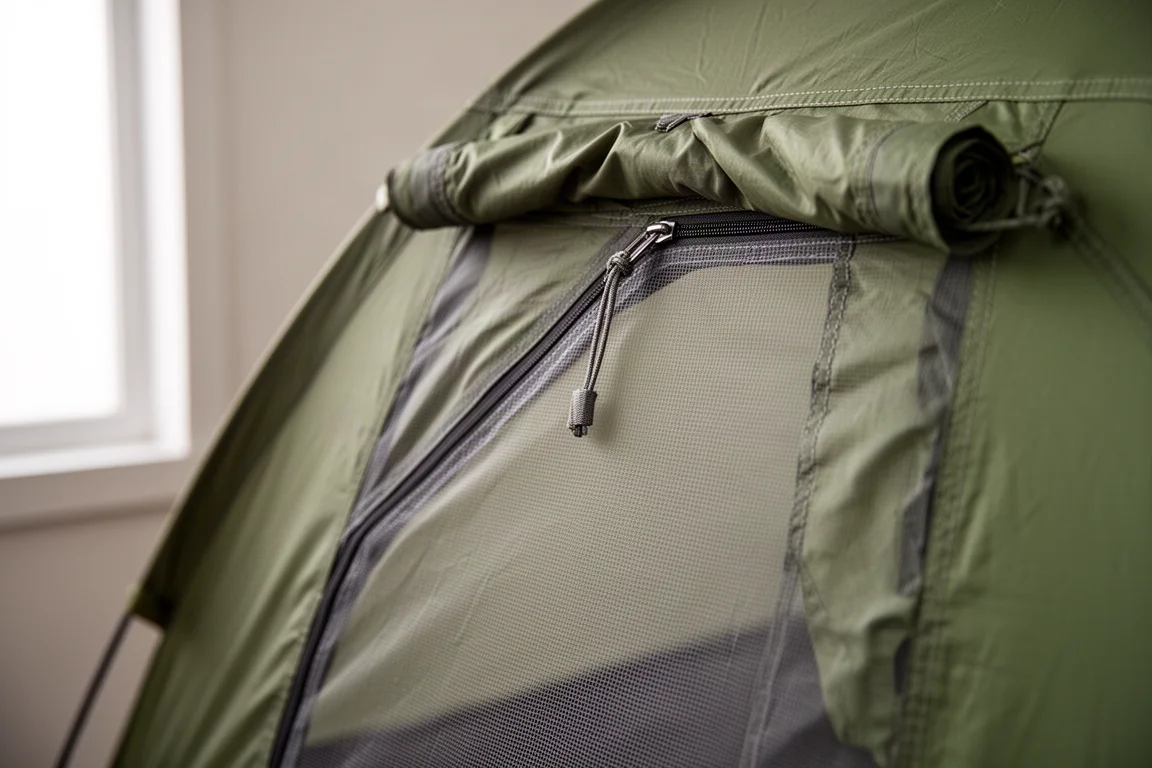
Build quality looks excellent. The stitching is clean with no loose threads, the seam tape is neatly applied, and the overall finish reads as premium rather than budget.
Space is the other standout. The tent feels noticeably wider than a typical one-person model, with room for a sleep system, a backpack and shoes inside, plus a vestibule large enough for cooking or stashing a pack.
Materials, Weight, and Packed Size
The fly uses a 20-denier silicone-treated nylon, while the floor steps up to a 40-denier nylon. Poles and stakes are aluminium. Both the fly and the floor carry a 30,000 mm hydrostatic head rating, and the floor is a bathtub design with taped seams.
The full kit for the one-person version weighs 3.8 lb. For a hybrid shelter that leans toward four-season use, that is light. Comparable hybrid tents often run around five pounds in a one-person size.
Packed, the tent measures 20.5 in by 6 in, which leaves plenty of room in a pack. The kit includes the tent body, the fly, a pole set with spreader bar, ten stakes, four guylines and a labelled storage bag with grab handles and corded compression straps.
Things to Consider Before Buying
The Stella is primarily a cold-weather tent that has been made more flexible, not a summer tent that has been made warmer. In the hottest conditions, all of that fabric works against you. It performs well enough in cooler summer settings such as the mountains, and sleepers who run cold may find the balance of fabric and mesh ideal, but warm sleepers should expect to rely on the mesh doors and vents.
The side panel loops do not come with cord attached, so you will want to add your own shock cord or guyline to pull the fly out and stake it. That is a small addition, but it makes a real difference to airflow and condensation.
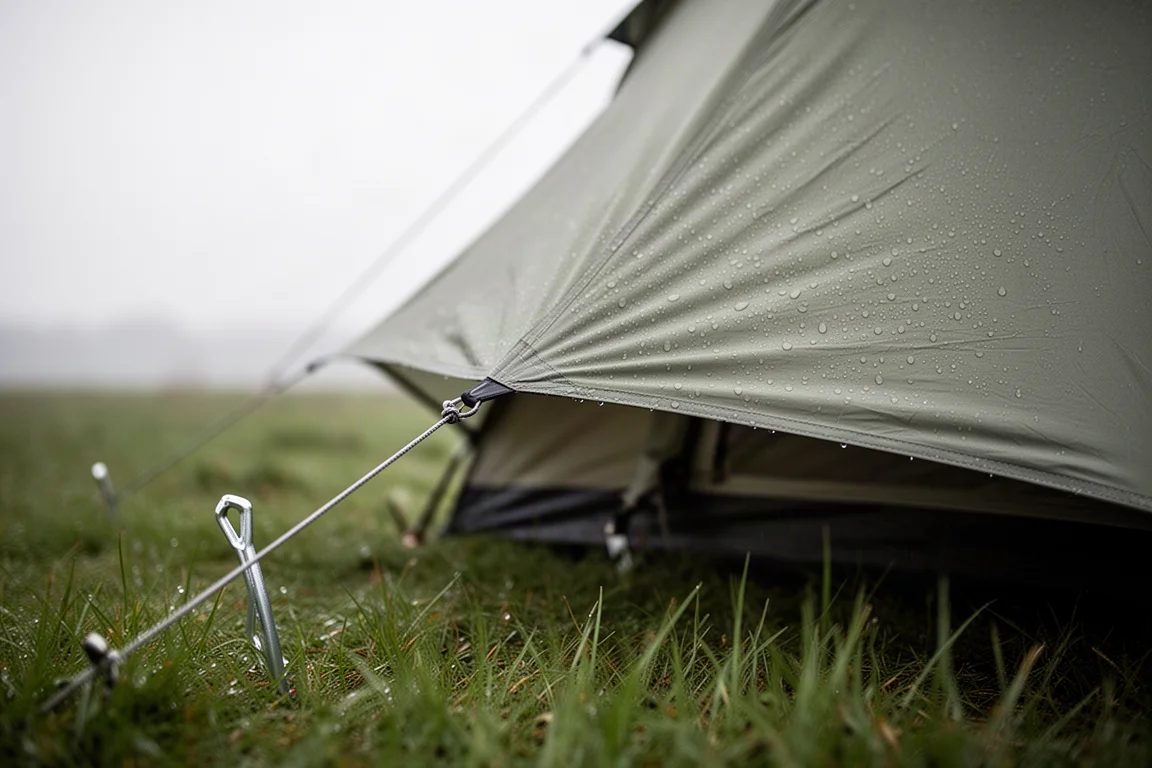
Long-term waterproofing has not yet been field-verified. The materials and the 30,000 mm rating are promising, and the original Stella was a strong winter performer, but buyers should treat the weatherproofing as a specification claim rather than a proven result.
How It Handles Different Seasons
Winter is where this tent is expected to be at its best. The fabric-heavy design holds heat, blocks wind and keeps the interior protected, which is exactly what the original Stella was known for.
Summer is where the redesign earns its keep. Two large mesh door panels and the option to vent the storm flaps give enough airflow to make warm-weather camping workable. It will not match a dedicated summer tent in extreme heat, but it no longer forces a choice between doors wide open and doors fully shut.
Spring and autumn fall comfortably in between, which is the point of the design: one shelter that covers the full calendar.
Buying Advice
At $170 for the one-person version, the Stella sits far below the usual cost of a winter-capable tent. One-person winter tents commonly sell for $500 to $700, with two-person versions costing a few hundred more. Against that backdrop, the Stella looks like one of the strongest values in its class, provided the weatherproofing holds up in use.
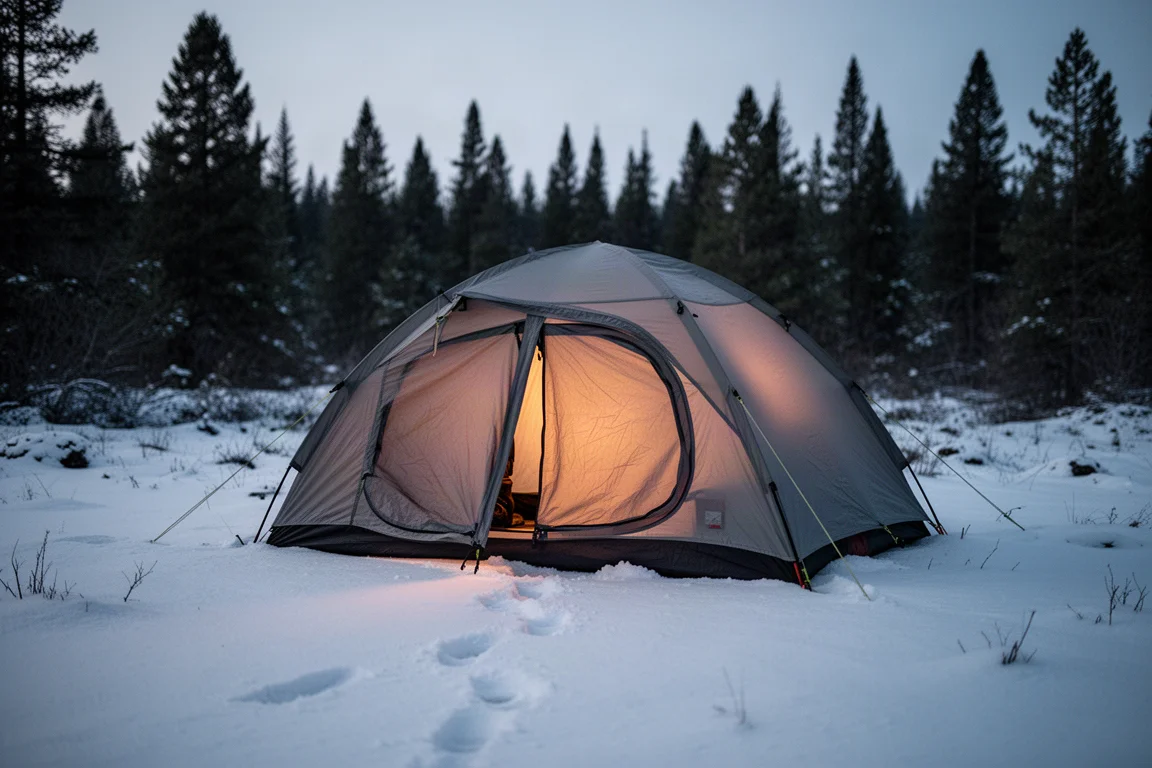
Buyers who want more room or who camp with a partner should look at the two-person version, which shares the same design approach. Those who prefer the original black and white colourway can still find the earlier Stella, though it lacks the mesh doors and the revised hardware.
Conclusion
The redesigned Stella keeps what made the original compelling, namely winter capability and a low price, and removes its biggest limitation by adding mesh doors, a roomier shape and easier fly hardware. For campers who want a single tent for year-round trips and value interior space over ultralight minimalism, it is a genuinely appealing option.
Product link
View more details for One Tigris Stella
This product is mentioned in the review. Check the specifications, options, and compatibility before buying.
View more details for One Tigris StellaFurther reading
Related Reviews
Camping Tents
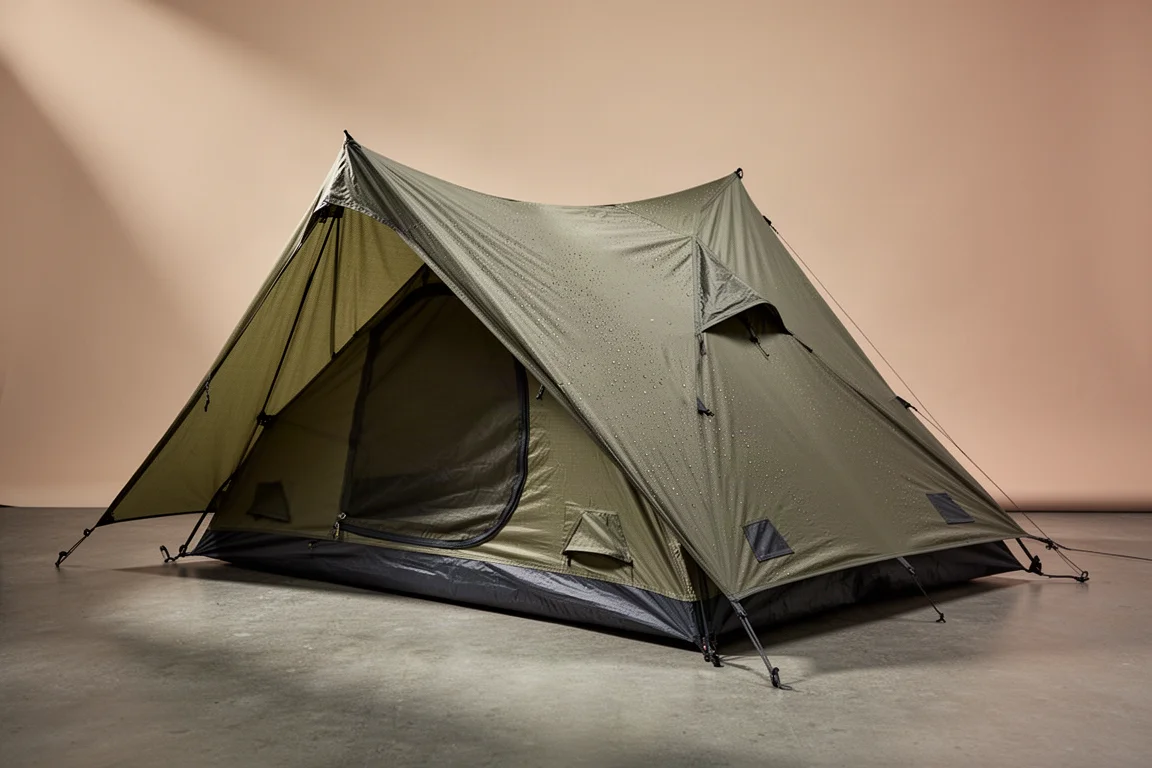
3F UL Gear Taiji Two-Person Tent Review: Field Waterproofing Results and Buying Advice
The Taiji pairs an attached fly with a removable inner, but sustained rain exposed untaped vent seams that need sealing before this shelter can be trusted.
Camping Tents
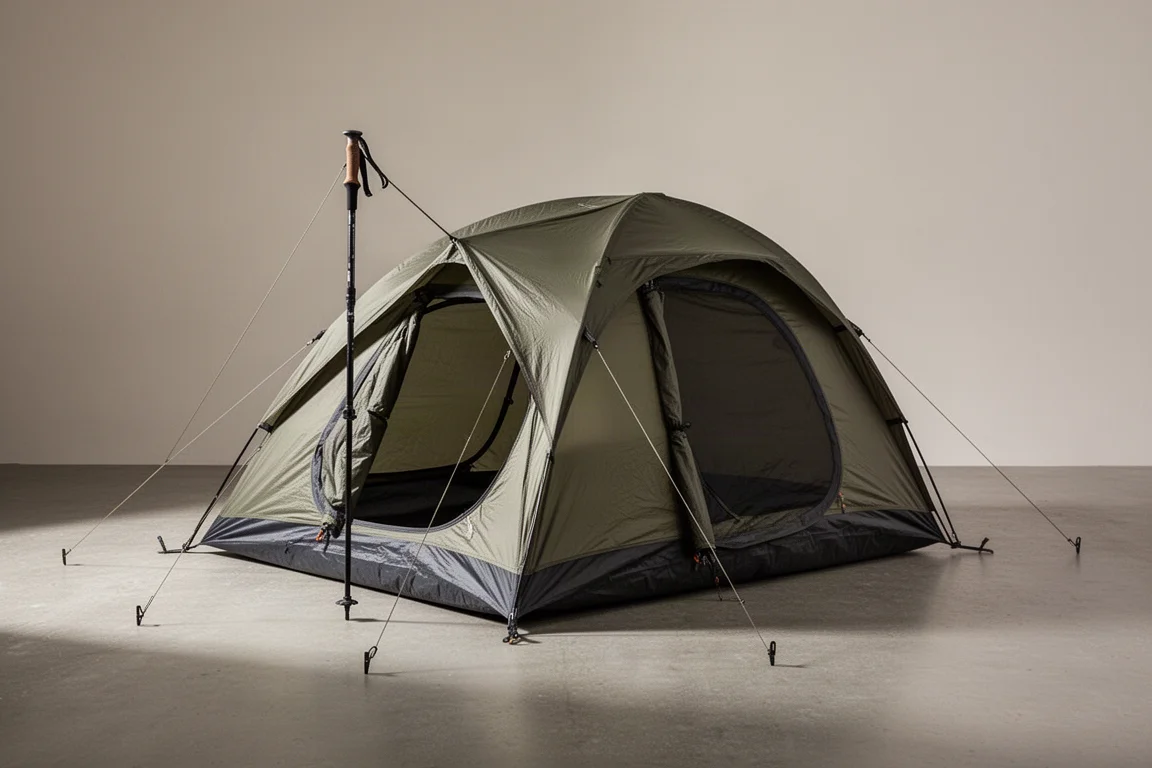
3FUL Gear Lanshan 2 Pro 4-Season Review: A Sub-$200 Single-Wall Trekking Pole Tent
An early look at the 3FUL Gear Lanshan 2 Pro 4-Season, covering its straightforward pitch, generous interior space, and the condensation and seam-sealing questions that come with any single-wall shelter.
Camping Tents
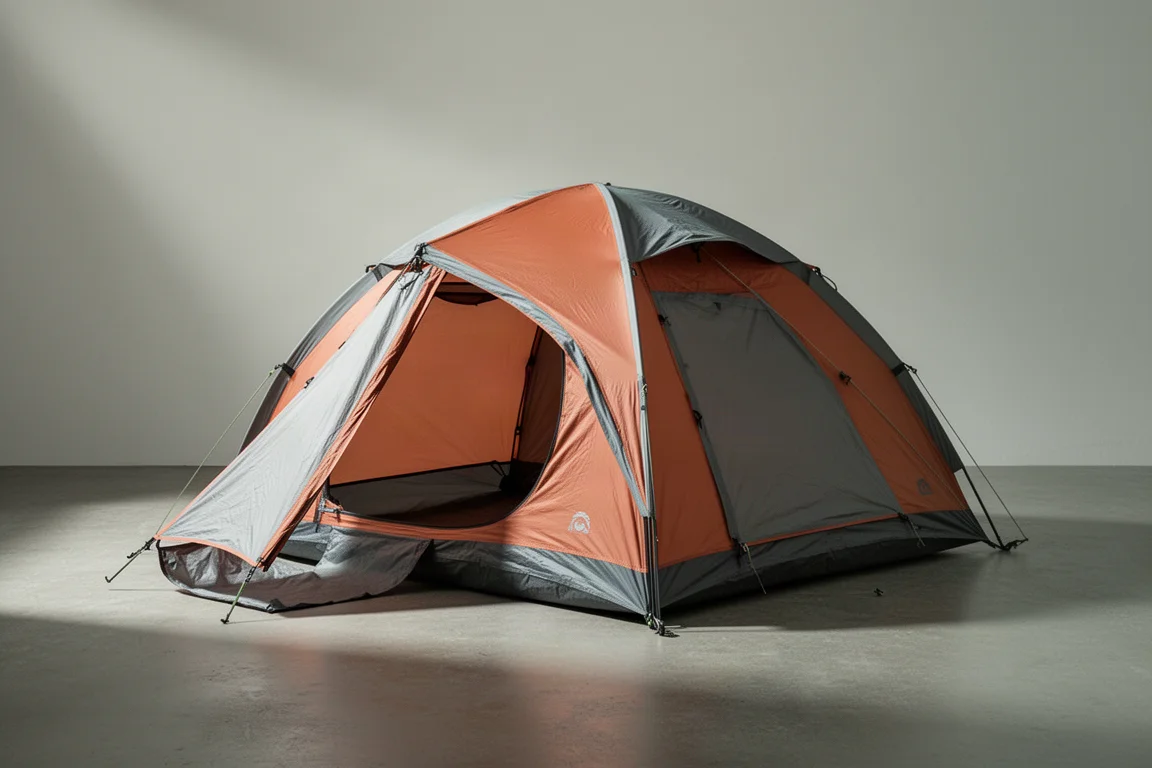
Alps Mountaineering Lynx 1-Person Tent Review: Big Value in a Small Budget Tent
A close look at the Alps Mountaineering Lynx 1-Person Tent, covering real interior dimensions, materials, setup time, ventilation limits, and who should buy it.