Camping Tents
One Tigris Stella Review: A Four-Season Tent That Now Handles Warmer Weather
The redesigned One Tigris Stella keeps its cold-weather strengths and adds mesh doors, a roomier shape, and easier fly hardware for year-round camping.
Introduction
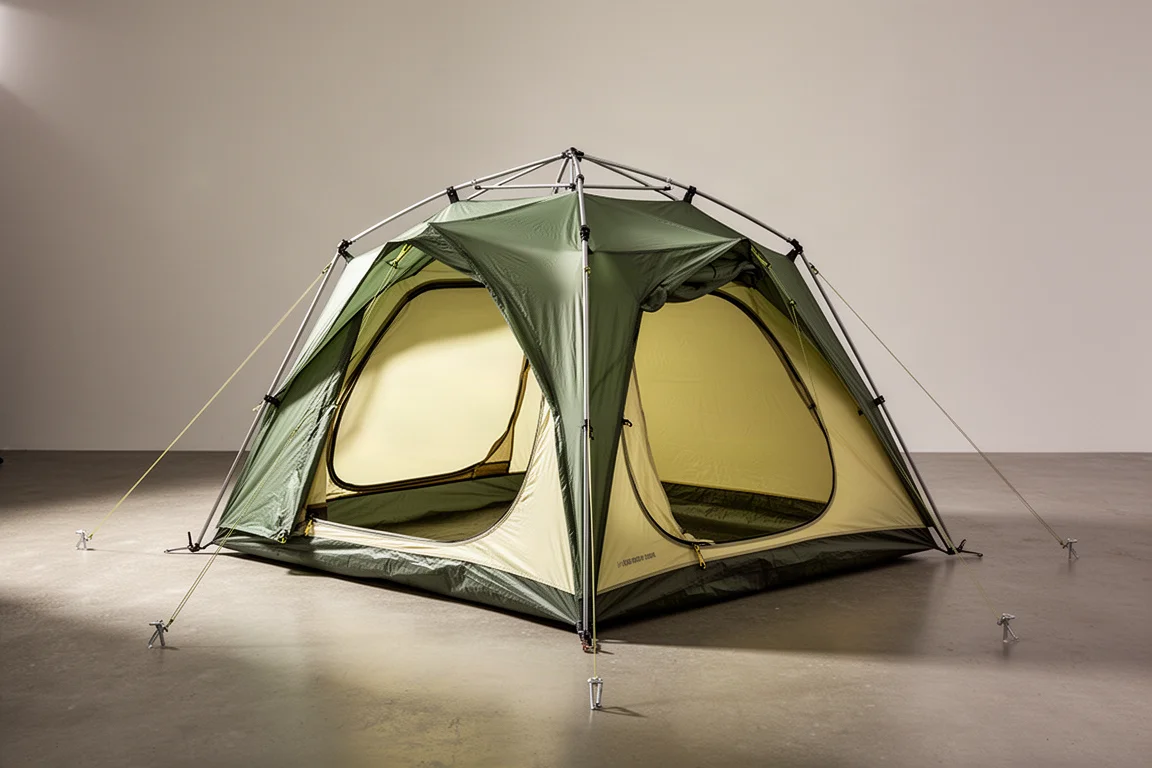
The One Tigris Stella built its reputation as a genuine four-season shelter, a tent designed for cold-weather camping first and everything else second. The redesigned version keeps that cold-weather foundation intact while removing the biggest limitation of the original: the lack of ventilation.
Two changes define the update. Both doors now carry a mesh panel with a fabric layer that can be rolled back, and the body has been reshaped to be slightly taller and wider. Together they turn a dedicated winter tent into something closer to a year-round one, without giving up the strength and weather protection that made the original worth recommending.
The Stella is now offered in two sizes, a one-person and a two-person version, and the original model remains available. This review covers the one-person version.

On paper, the pitch is straightforward: a silicone-treated 20-denier nylon fly, a 40-denier nylon floor, aluminum poles and stakes, and a 30,000 mm hydrostatic head rating for both the fly and the floor. The full one-person kit weighs 3.8 lb and packs down to 20.5 in x 6 in.
Who This Tent Is For
This is a tent for campers who want one shelter to cover the whole calendar rather than a stable of seasonal tents. Its natural home is winter and shoulder-season camping, mountain trips, and any trip where weather can turn. The mesh doors extend its useful range into warmer months, which is the entire point of the redesign.
It also suits anyone who runs cold. If you tend to feel the chill and prefer a shelter with more fabric than mesh, the Stella’s balance of the two will feel comfortable in conditions where a fully vented summer tent would leave you exposed.
The one-person version measures 40 in high, 34 in wide, and 76 in long, so it accommodates sleepers up to 6 ft 4 in. Inside there is room for a sleep system, a backpack, and boots, which matters in buggy environments where keeping gear inside the tent is preferable to leaving it in the vestibule. Four mesh pockets, a single hanging hook, and multiple loops for a gear caddy or drying line round out the interior.
Main Strengths
The improvements here are not cosmetic. Each one addresses a specific complaint about the original, and together they change how the tent can be used.
Roomier Interior Than Most One-Person Tents
The reshaped body is noticeably wider than a typical one-person tent, to the point where it behaves more like a one-and-a-half-person shelter. The added width means shoulders stay clear of the walls, and there is enough room to sit up, change clothes, or keep gear inside rather than outside the door.
The floor is a bathtub design with taped seams, and the interior fittings include four mesh pockets, a hanging hook, and multiple loops for a gear caddy or a drying line. For a tent at this weight, the usable volume is the headline feature.
Mesh Doors Add Summer Versatility
Each of the two doors pairs a mesh panel with a fabric panel. In cold conditions the fabric stays closed to hold warmth and block breeze. In warm conditions you roll the fabric back, zip the mesh shut to keep insects out, and get cross-flow ventilation from both sides. The original Stella had no mesh at the doors, which made it impractical in summer heat.
Each door also has a storm flap running over the zipper to keep water out, and the top of each flap can be converted into a vent. That gives a second way to manage airflow and condensation without opening the doors fully.
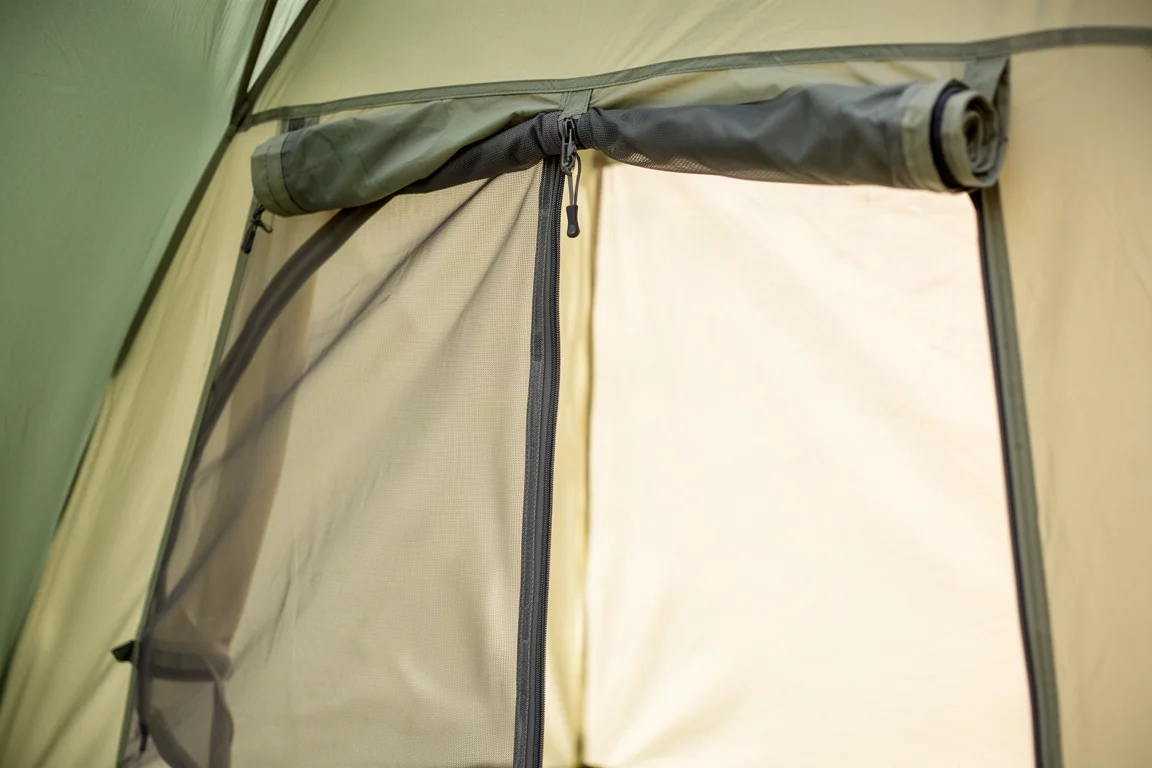
The practical result is a tent that no longer forces a choice between doors fully open or doors fully shut. You can tune the airflow to the night instead of accepting whatever the weather gives you.
Fly Attachment Hardware Is a Real Improvement
The fly now connects to the body with small plastic hardware pieces that slide in and lock into place. The original used corner hooks that were awkward to release, particularly with gloves on. The new attachment is a simple pull-and-slide, which is a meaningful quality-of-life change on a cold morning.
Weather Protection and Build Quality
The fly uses a 20-denier silicone-treated nylon and the floor steps up to a 40-denier nylon, with both rated to a 30,000 mm hydrostatic head. Poles and stakes are aluminum. Build quality looks strong: the seam tape is clean and there are no loose threads anywhere on the sample.
Four guideline points sit about halfway up the body, and there is a loop at the middle of each side panel so the fly can be pulled away from the inner. That gap is what promotes airflow and reduces condensation in warmer months, and it also helps keep you cooler. Note that no cord or shock cord is supplied for those side loops, so plan to bring your own.
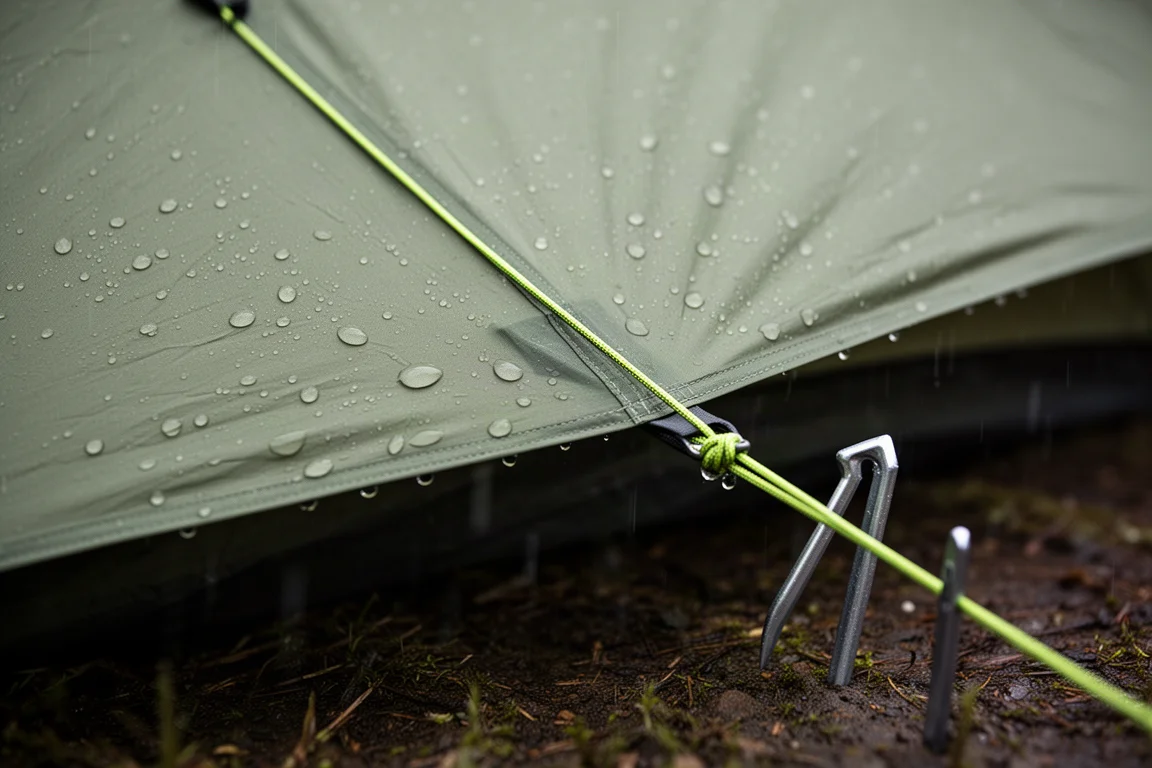
Vestibule space is generous on both sides, enough for a backpack, boots, and cooking gear, and enough shelter to cook under when the weather turns.
Setup Is Quick and Familiar
The pole structure is a conventional X system with a spreader bar across the top, and the inner clips onto it in the usual way before the fly goes over. Anyone who has pitched a modern backpacking tent will recognize the process immediately, and a five-minute pitch is a realistic expectation.
Things to Consider Before Buying
The Stella is deliberately fabric-heavy, and that shapes where it works best. In the hottest conditions it will not match a dedicated summer tent with large mesh panels. The mesh doors make it usable in warm weather, but it is not the coolest option available, and campers who run hot may still prefer more mesh.
The side stake-out loops ship without cord, so you will want to add your own shock cord to tension the fly away from the inner. It is a small addition, but it is the difference between good airflow and condensation on the inside of the fly.
The compression straps on the storage bag are basic, and the bag itself is a simple stuff sack rather than a full-featured carry system.
Finally, the 30,000 mm hydrostatic head is a manufacturer rating rather than a measured result, and long-term waterproofing performance over multiple seasons has not been established here. The construction details, including taped seams and storm flaps over both zippers, are the right indicators, but treat the rating as a specification rather than a guarantee.
Buying Advice
At $170 for the full one-person kit, the Stella sits well below what four-season shelters normally cost. One-person winter tents commonly run $500 to $700, and two-person versions add a few hundred dollars on top of that. The original Stella, which sold for around $200, was already regarded as one of the best values in cold-weather camping, and this version improves on it while keeping the price accessible.
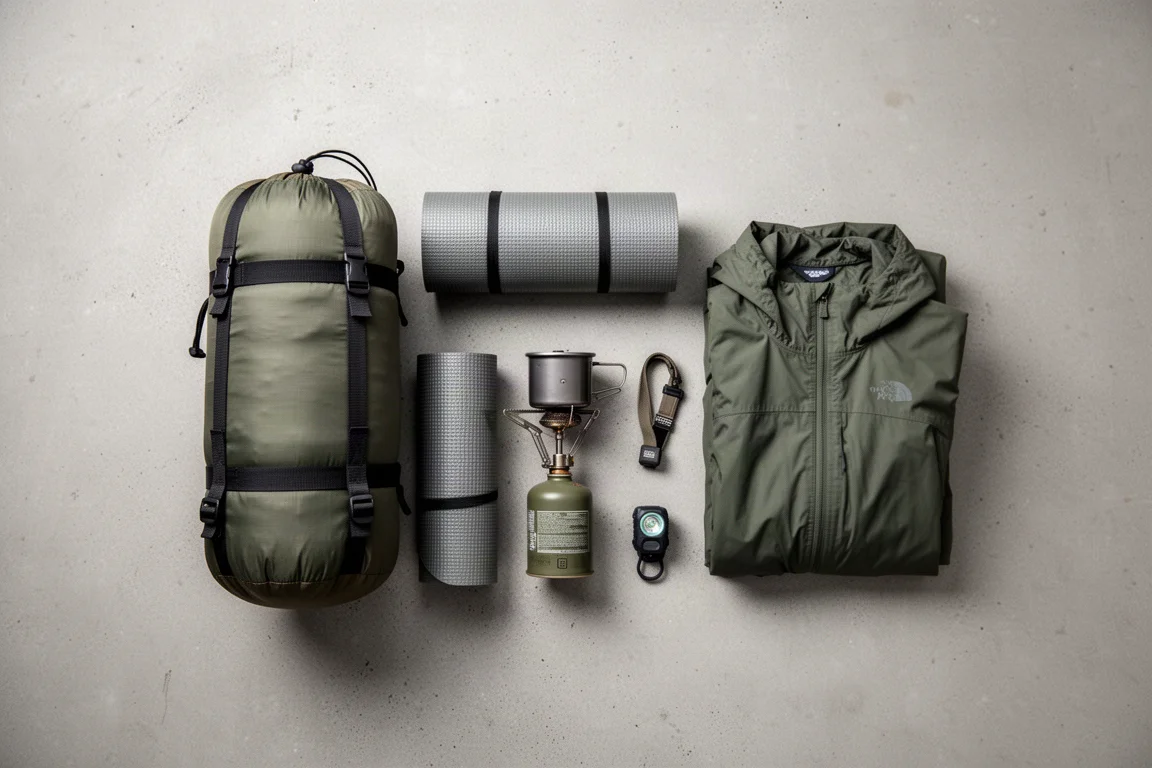
That combination is what makes the case for buying. You are getting a shelter with a cold-weather pedigree, a roomy interior, and enough ventilation to be genuinely usable in summer, for roughly a quarter of what a dedicated winter tent typically costs. If your camping spans seasons and you would rather own one tent than three, this is the value proposition to weigh. If you camp almost exclusively in hot, humid conditions, a mesh-forward summer tent will serve you better.
Conclusion
The redesigned One Tigris Stella fixes the one thing that held the original back. By adding mesh to both doors and widening the body, it turns a winter specialist into a tent that can be pitched in spring, summer, fall, and winter without compromise. The new fly hardware, generous vestibules, and strong build quality reinforce the same conclusion.
For campers who want a single shelter that handles cold weather properly and stays comfortable when the temperature climbs, the Stella makes a convincing argument at a price that is hard to match.
Product link
View more details for One Tigris Stella
This product is mentioned in the review. Check the specifications, options, and compatibility before buying.
View more details for One Tigris StellaFurther reading
Related Reviews
Camping Tents
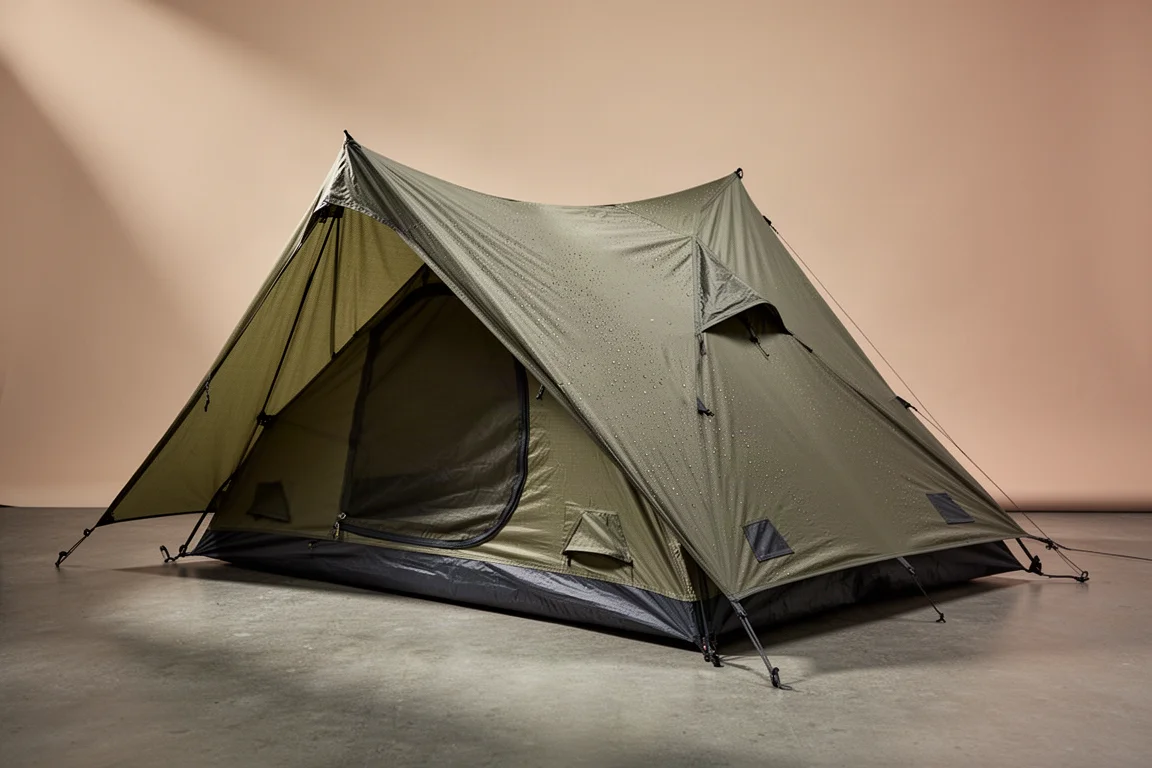
3F UL Gear Taiji Two-Person Tent Review: Field Waterproofing Results and Buying Advice
The Taiji pairs an attached fly with a removable inner, but sustained rain exposed untaped vent seams that need sealing before this shelter can be trusted.
Camping Tents
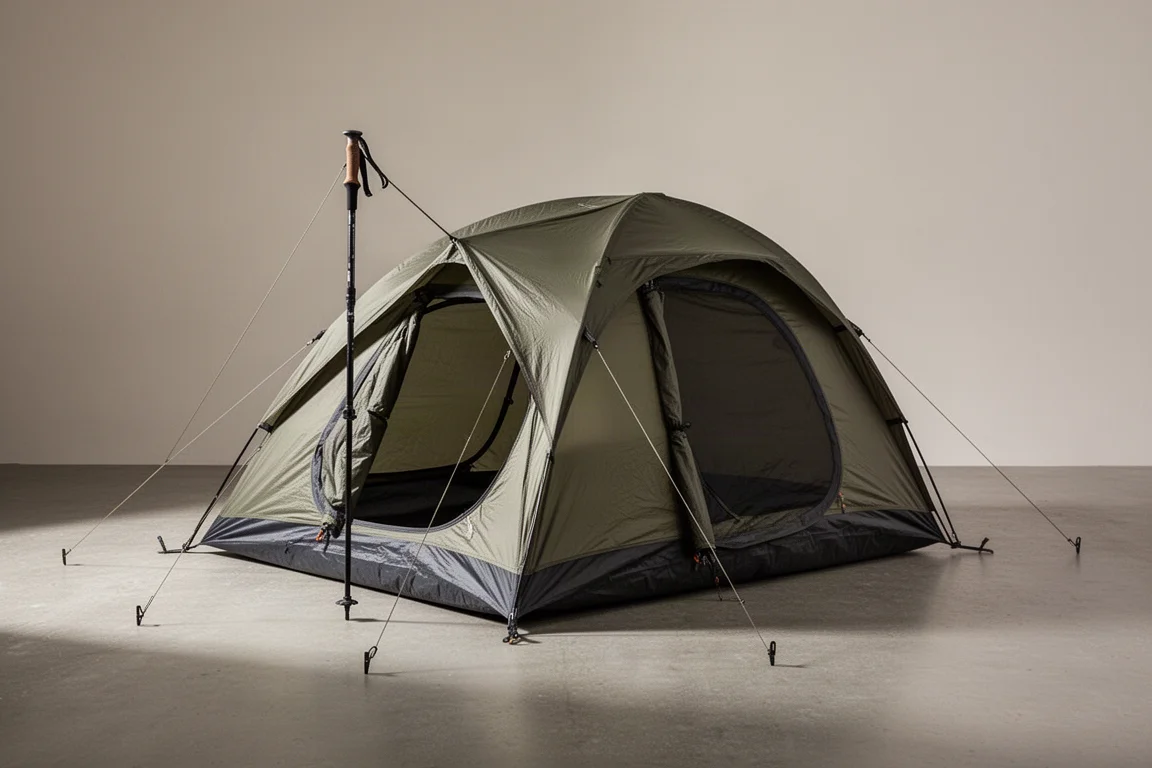
3FUL Gear Lanshan 2 Pro 4-Season Review: A Sub-$200 Single-Wall Trekking Pole Tent
An early look at the 3FUL Gear Lanshan 2 Pro 4-Season, covering its straightforward pitch, generous interior space, and the condensation and seam-sealing questions that come with any single-wall shelter.
Camping Tents
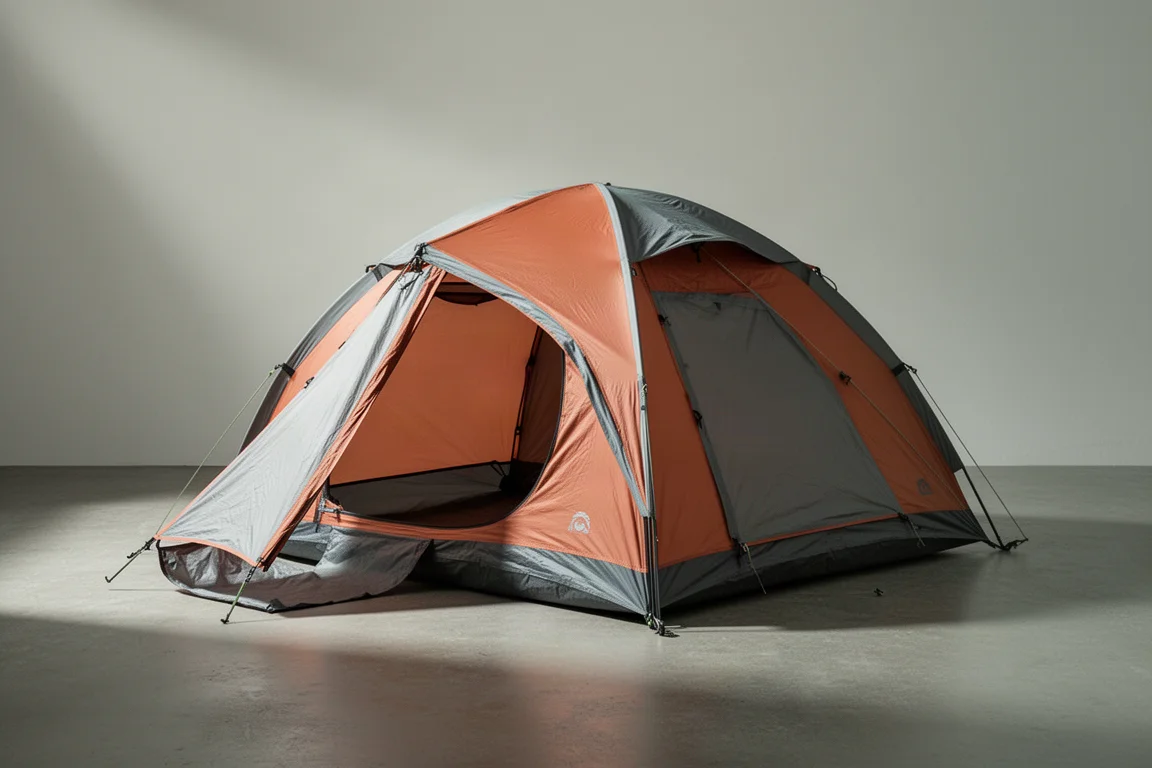
Alps Mountaineering Lynx 1-Person Tent Review: Big Value in a Small Budget Tent
A close look at the Alps Mountaineering Lynx 1-Person Tent, covering real interior dimensions, materials, setup time, ventilation limits, and who should buy it.