Camping Tents
One Tigris Skyena vs Cosmito: Two Three-Season Tents Compared
A close look at the new One Tigris Skyena two-person tent, how it differs from the earlier Cosmito, and the rain protection question buyers should weigh.
Introduction
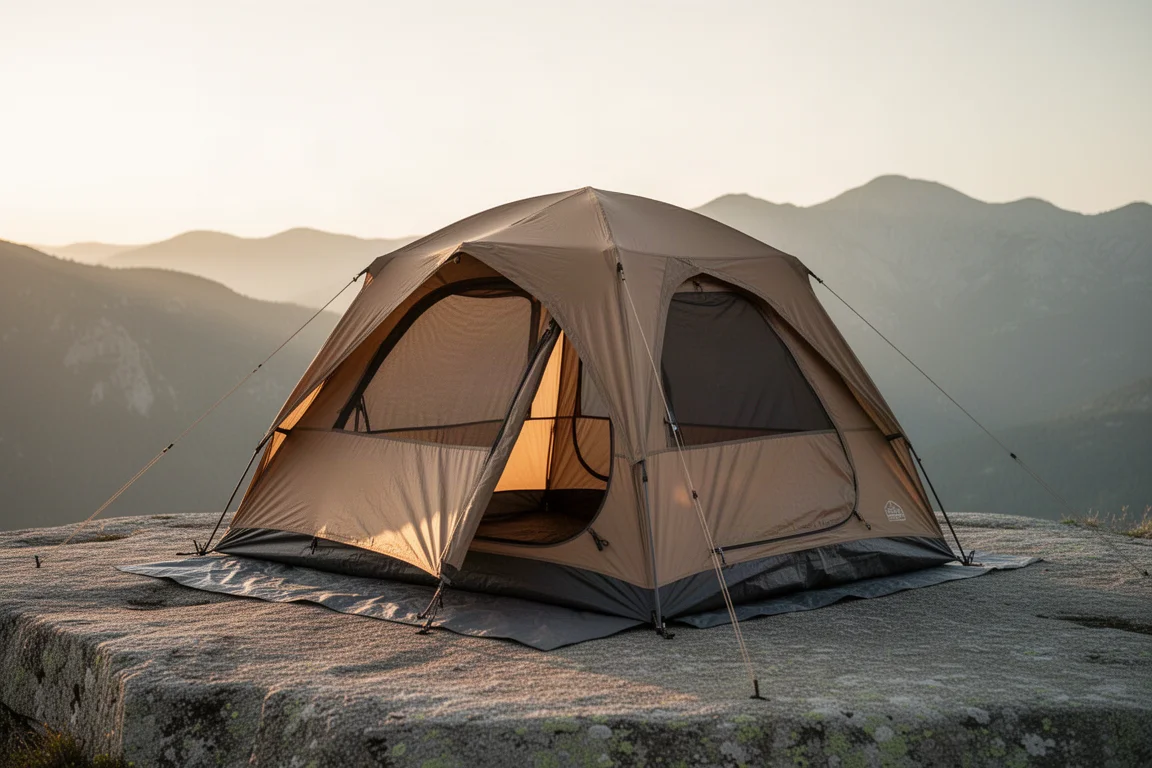
One Tigris has released the Skyena, a two-person three-season tent that arrives as a direct follow-up to the Cosmito. Rather than refining the older layout, the Skyena rethinks where the weather protection sits: the fly now lives inside the mesh body instead of over it. That single decision shapes almost everything about the tent, from its airflow and interior space to the questions that remain about heavy rain.
The Skyena sells for around $250 and is offered in Coyote Brown. It is built around 701 aluminum poles, YKK zippers, and silicone-treated ripstop nylon with a 30,000 mm hydrostatic head rating on both the body and the fly.
This first look covers what the tent is, how it pitches, what the materials promise, and where the design raises legitimate concerns. Rain and wind testing has not been completed, so the weather performance should be treated as unproven for now.
What Sets the Skyena and Cosmito Apart
The Cosmito came first, and the Skyena is its successor. The key change is the fly. On the Skyena, the fly has moved inside the tent, behind the mesh, and one full side of the body has no exterior fly coverage at all.
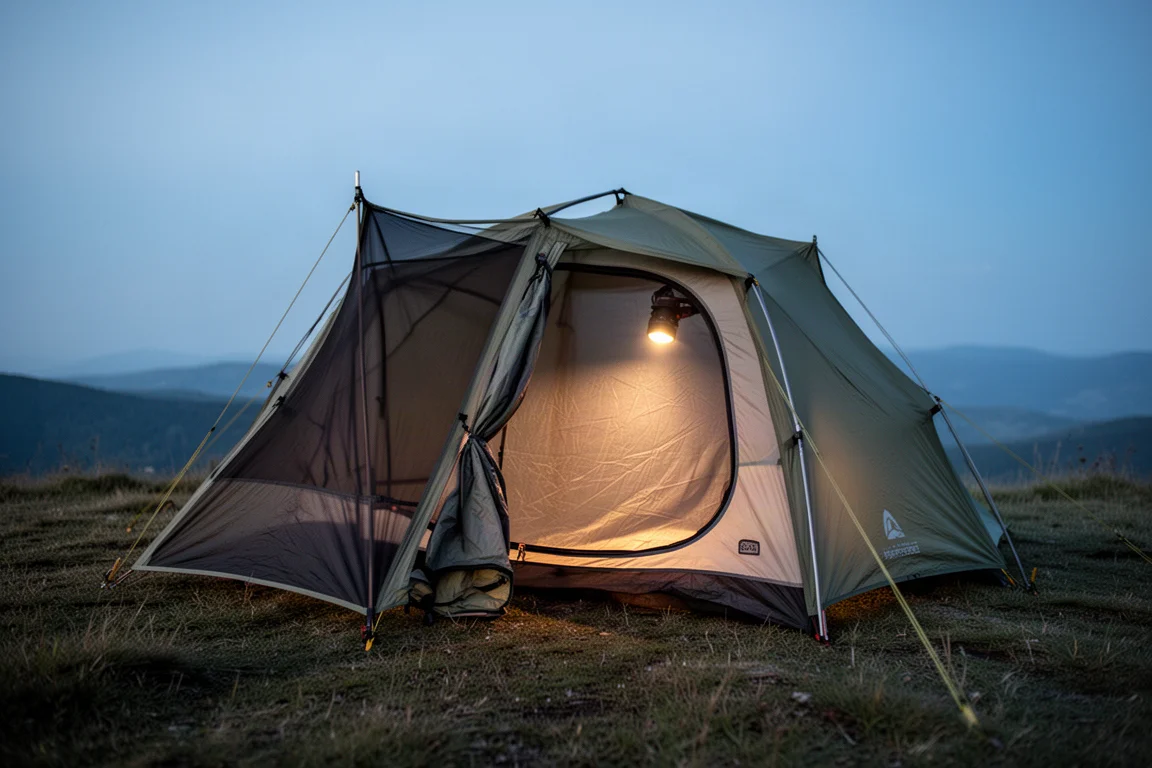
On that exposed side, protection comes from interior fabric panels that zip into place at each end and meet in the middle with Velcro. It is a genuinely unusual approach for a three-season tent, and it changes how the shelter handles wind, airflow, and rain.
The layout also affects how the tent is used. Because the protection sits behind the mesh, the Skyena keeps the open, airy character of a mesh inner while still offering a way to close things down when the wind picks up.
One Tigris Skyena: Interior Space and Design
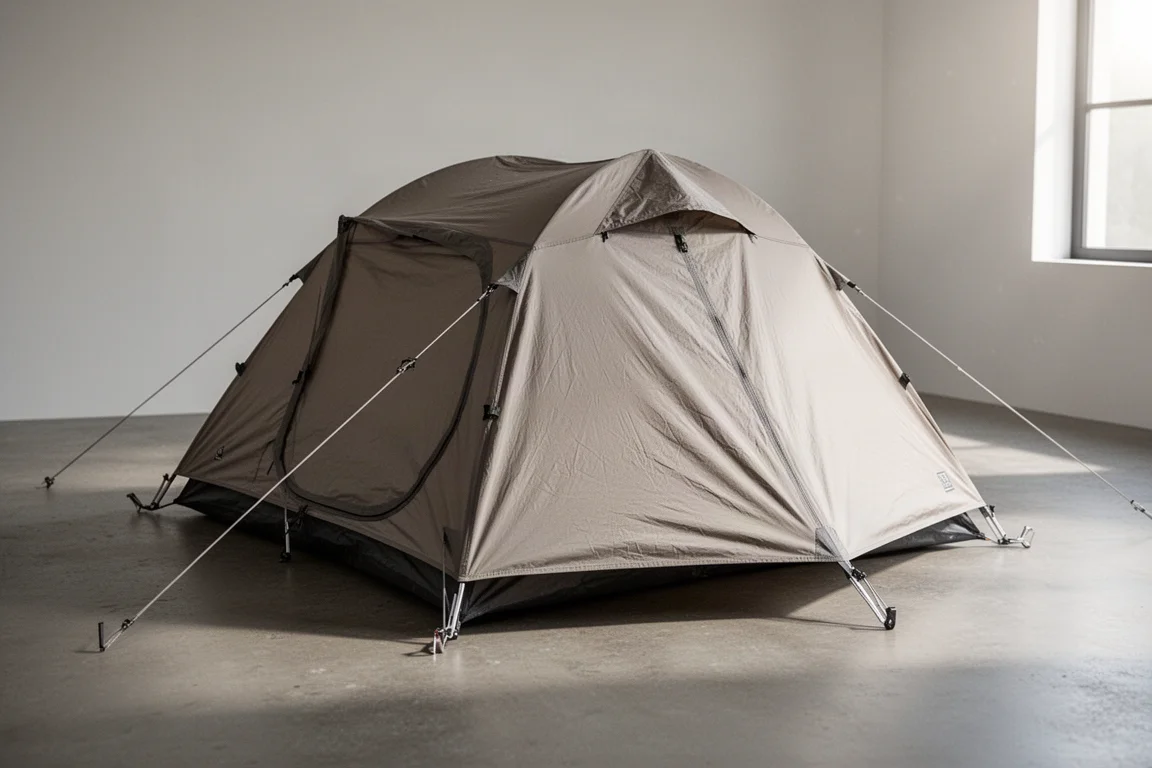
The Skyena pitches as a two-person shelter measuring 6.8 ft long, 4.1 ft wide, and 3.7 ft tall, with a packed size of 15.5 in by 8 in and a weight of 5.3 lb. The poles use a 120-degree bend, which keeps the walls tall and steep rather than sloping inward.
That geometry pays off inside. Two people can sit up, change clothes, or stretch out, and the large doors on both sides open wide for views and strong cross-flow when the weather allows. The sides can also be pulled out to increase airflow further.
The interior adds a high bathtub floor that rises roughly 10 inches up the walls, taped seams, a hang loop at the apex, two large pockets high on the walls, and a smaller pocket beside the main door. The body is mostly mesh at the top, with two mesh panels on one side, one of which is a door.
One detail worth knowing: the large door on the opposite side closes with two zippers that meet but do not seal, leaving a gap roughly the width of a fingertip. It cannot be fully closed, so very small insects may occasionally find a way in.
One Tigris Cosmito: The Earlier Tent and Its Limits
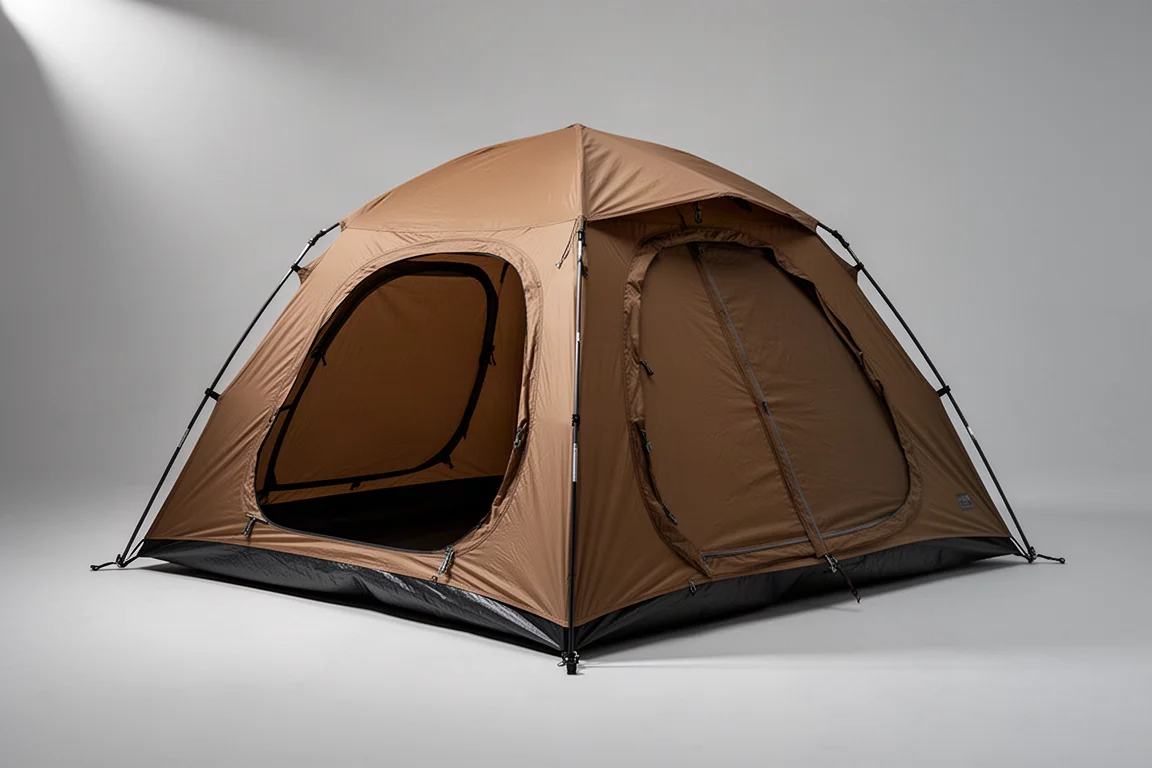
The Cosmito is the tent that led to the Skyena. Its layout drew plenty of interest, but it did not hold up in wet weather: it leaked heavily. After further evaluation, One Tigris revised its published product information and added guidance that the Cosmito is intended for light rain only. That is unusually candid documentation from a manufacturer, and it matters if you are shopping for a tent that will see real weather.
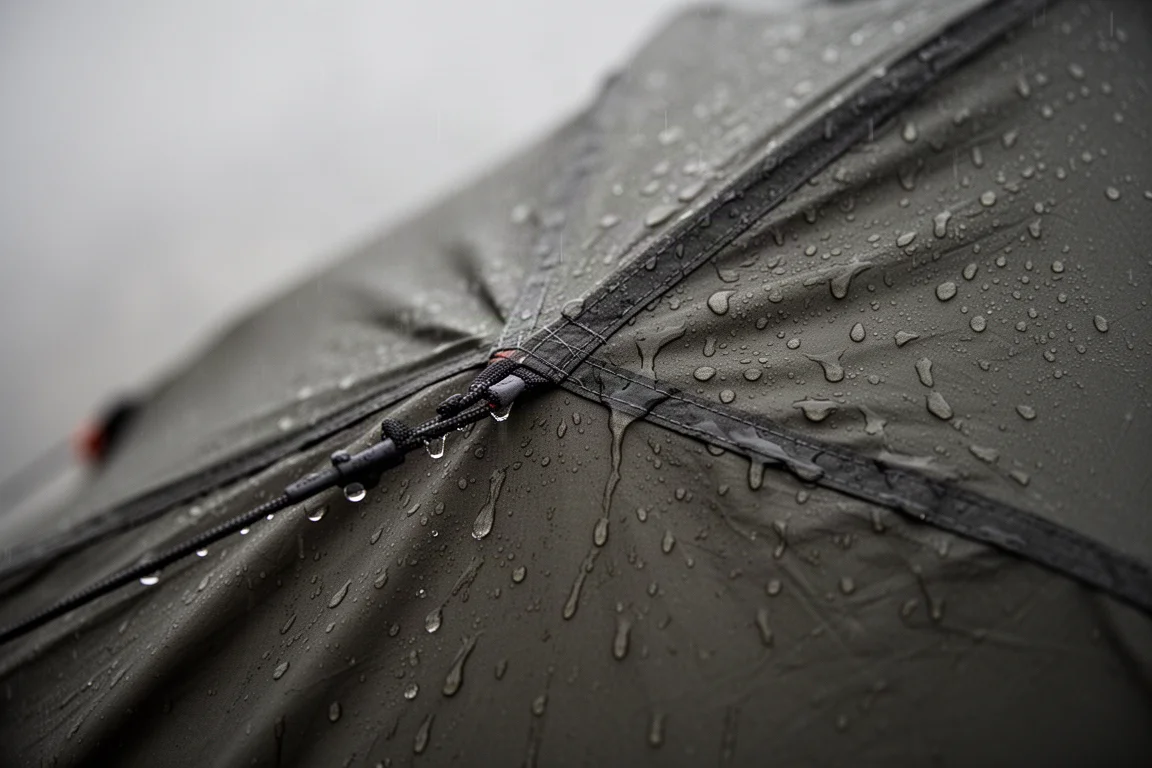
For buyers today, the Cosmito is best understood as a fair-weather or light-rain option rather than a storm shelter. The Skyena is One Tigris’s attempt to keep the design ideas that worked while addressing exactly that weakness.
Skyena Setup, Materials, and Specifications
The Skyena ships with a storage bag that has a drawcord at the top and a handle at the bottom, ten aluminum stakes, five guy lines, a ground sheet, and two poles: a main pole plus a connected secondary pole.
The body is 40 denier silicone-treated ripstop nylon with a 30,000 mm hydrostatic head rating, and the fly is 20 denier silicone-treated ripstop nylon with the same 30,000 mm rating. Hardware includes YKK zippers. The pitch is essentially rectangular, with two flaps on one side, and the front can be pulled out to alter the shape of the body.
Setup is straightforward, and build quality is a clear highlight. Seam tape and stitching both look clean, with only a few loose threads here and there. One small annoyance during the pitch: several pole segments came loose while handling. The tent can also be pitched without the inner, using just the fly and the ground sheet as a fast, minimal shelter, though the uncovered side stays open in that configuration.
Rain Protection and Wind Concerns
This is where the Skyena’s design deserves scrutiny. With no fly over one side, the only barrier against rain on that side is the interior panel system. The panels zip at each end but join in the centre with two sections of Velcro, and the zippers themselves are not water-resistant. Wind-driven rain can pass between the Velcro segments, and nothing in the design closes that path off.
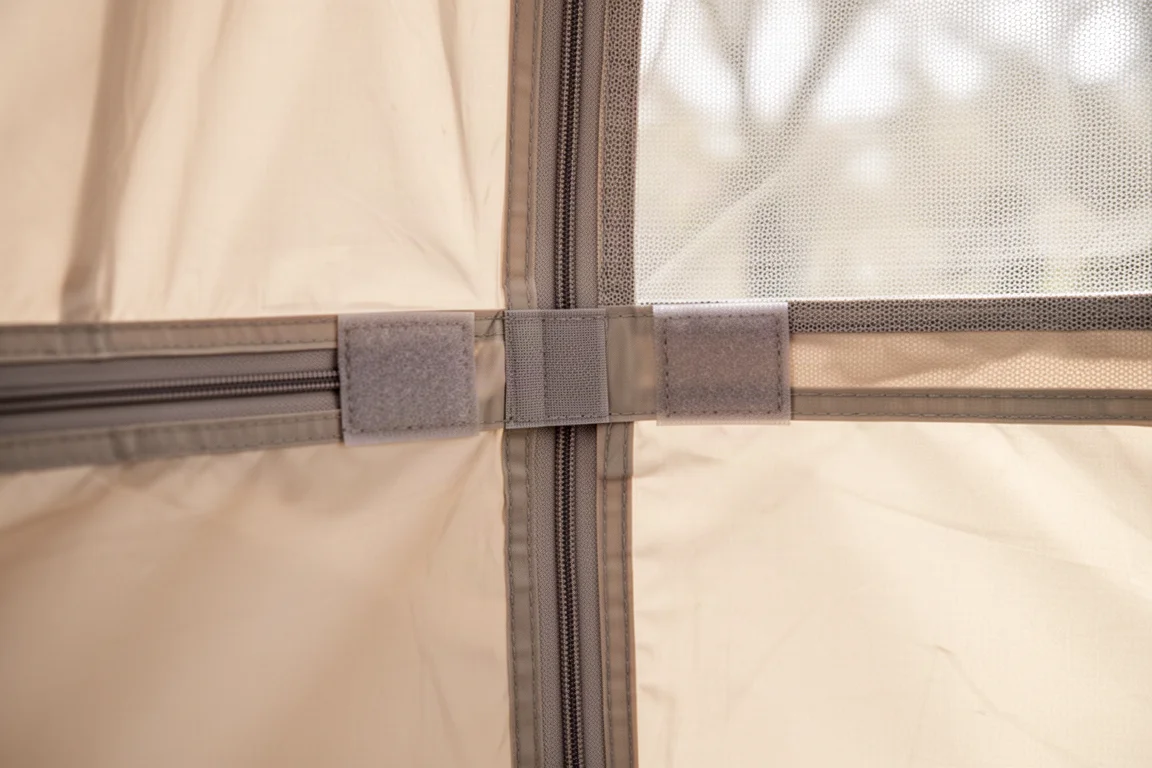
In straight-down rain the tent may well stay dry. In wind, or in prolonged heavy rain, the concern is that water finds its way through the panel seams and into the living space. The same panel system is a genuine strength in dry, breezy conditions: face the panels into the wind, zip them closed, and you can regulate how much air moves through the tent while the opposite mesh wall keeps ventilation going. That flexibility is one of the more thoughtful ideas in the design.
Who Each Tent Suits
The Skyena is the more interesting tent of the two. It fits campers who value interior volume, tall walls, wide views, and an easy pitch, and who mostly camp in settled weather. If your trips regularly involve exposed ridgelines or long storms, the internal-fly layout is a risk to weigh carefully until rain testing is complete.
The Cosmito suits a narrower brief. With manufacturer guidance limiting it to light rain, it makes sense for warm, dry trips where the tent is shelter from insects and overnight dew rather than from weather.
Buying Advice
The Skyena is priced at roughly $250. At 5.3 lb it sits on the heavier side for a two-person three-season tent, but it returns that weight in space and livability, and the tall pole geometry is the reason. The Cosmito carries no published price in this comparison, so treat the light-rain limitation as the deciding factor there.
If you need a tent that is proven in wind-driven rain, it is worth waiting. The Skyena’s weather performance has not been verified, and the design leaves an open question that only real-world testing will answer. If you want a roomy, well-made, easy-pitching two-person tent for fair-weather camping and light rain, the space, materials, and construction are genuinely appealing. Buyers who camp in wet, exposed conditions should hold off until the rain question is settled.
Conclusion
The Skyena shows a manufacturer willing to rethink a layout and respond to feedback, and much of what it does well, from interior space to build quality, is easy to appreciate. The unresolved question is whether an internal fly with a Velcro-sealed panel can keep water out when the weather turns. Until that is tested, the sensible position is to hold off if rain protection is your priority, and to look closely at the Skyena if space and livability matter most.
Further reading
Related Reviews
Camping Tents
3F UL Gear Taiji Two-Person Tent Review: Field Waterproofing Results and Buying Advice
The Taiji pairs an attached fly with a removable inner, but sustained rain exposed untaped vent seams that need sealing before this shelter can be trusted.
Camping Tents
3FUL Gear Lanshan 2 Pro 4-Season Review: A Sub-$200 Single-Wall Trekking Pole Tent
An early look at the 3FUL Gear Lanshan 2 Pro 4-Season, covering its straightforward pitch, generous interior space, and the condensation and seam-sealing questions that come with any single-wall shelter.
Camping Tents
Alps Mountaineering Lynx 1-Person Tent Review: Big Value in a Small Budget Tent
A close look at the Alps Mountaineering Lynx 1-Person Tent, covering real interior dimensions, materials, setup time, ventilation limits, and who should buy it.