Camping Tents
One Tigris Skyena Tent Review: Setup, Strengths, and Trade-offs
A practical look at the One Tigris Skyena tent, covering both pitch configurations, what the design does well, and the limits worth weighing before you buy.
Introduction
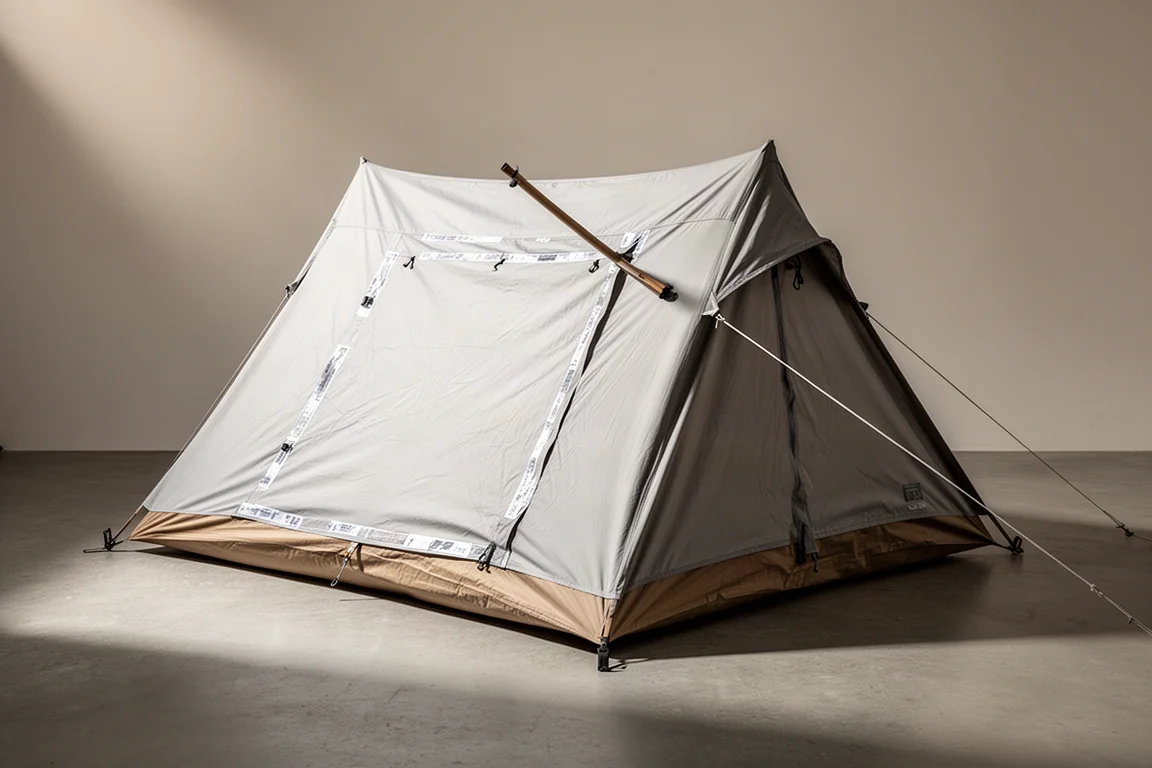
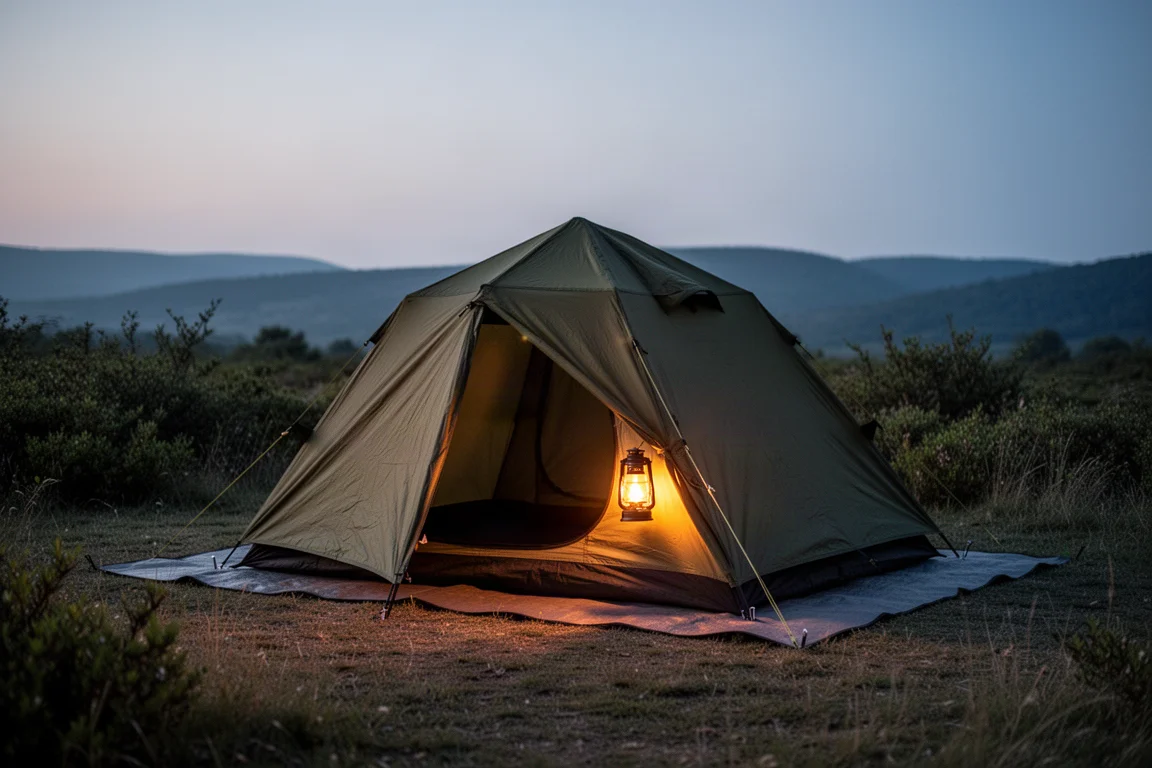
The One Tigris Skyena is a low-profile camping tent designed around two different ways of getting it standing. The full configuration uses the ground sheet, the tent body, the poles, and the fly. A stripped-back hasty configuration leaves the body behind and relies on just the ground sheet, the poles, and the fly.
That second option is what makes the Skyena genuinely interesting, and it is also where the design’s limits become obvious. This review walks through both setups and explains what each one is actually good for.
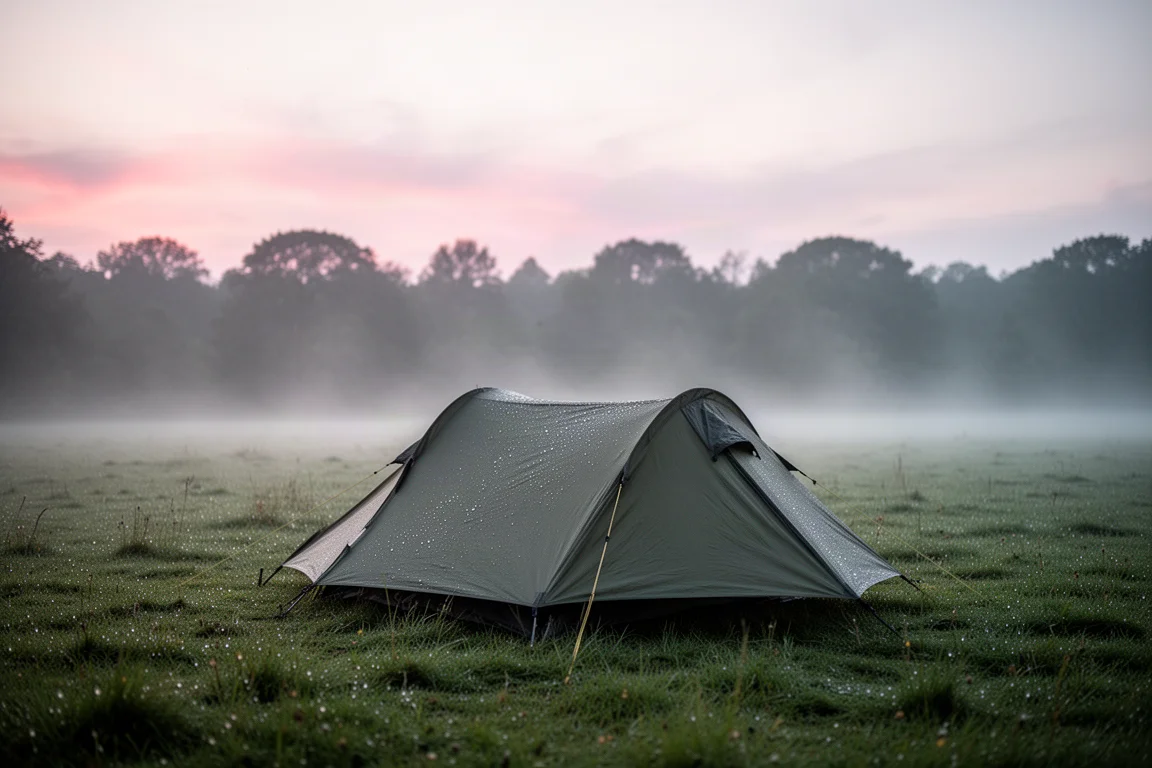
Neither configuration is difficult to pitch. There is no awkward threading sequence, no confusing step order, and no surprise halfway through. On an ease scale where 10 represents the simplest possible pitch, this tent sits around 9. The real question is not how hard it is to build, but how much weather the finished shelter can keep out.
Who this product is for
The Skyena suits campers who want a quick, uncomplicated pitch and who mostly need shade, windbreak, and light weather protection. It also suits anyone drawn to unusual shelter design, because the internal fly layout on one side of the tent is a genuinely rare arrangement. Seeing an internal fly rather than an external one is something most campers will not have come across often.
It is a less obvious fit for anyone who wants a minimal, stripped-down shelter that seals against rain. The hasty configuration leaves one side permanently open, so it cannot be closed up no matter how carefully it is pitched.
Main strengths
- A straightforward, predictable pitch in both configurations
- Clear separation of components: fly, body, poles, and ground sheet
- A taut, even pitch when the body is clipped to the poles in an alternating pattern
- An internal fly design on one side instead of the usual external fly
- Velcro pole connectors inside the fly for extra stability in breezy conditions
- A ground sheet included with the tent
The full setup is the one that shows the tent at its best. Clipping the body to the pole two clips at a time and then working across to the opposite side produces a noticeably even tension along the pole, and the final centre clip on the lowest pole locks the pitch in place. The short pole that runs through the side sleeves and across the roof adds a crisp, taut line to the whole structure.
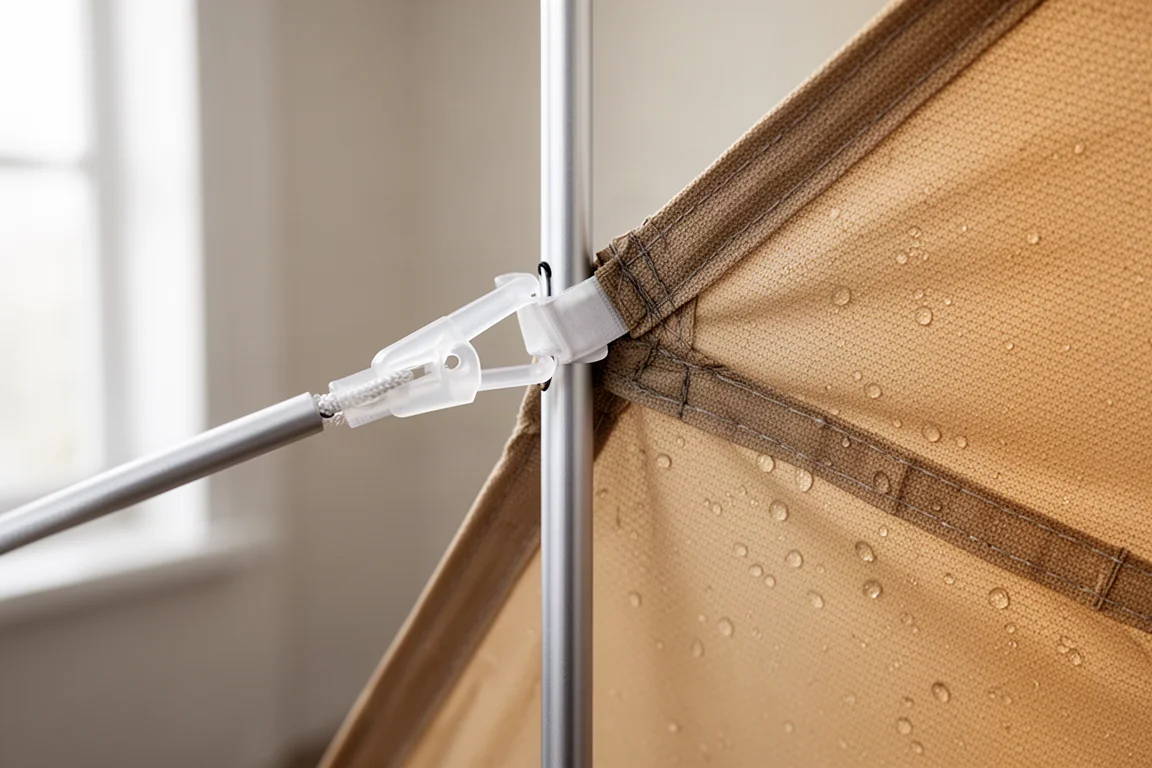
Small design decisions also help in practice. The ground sheet is easy to orient once you know that the shinier, seam-taped face goes down, and the fly can be pulled taut at each corner with minimal fuss. In fair conditions you can skip the internal Velcro pole connectors entirely, which keeps the full pitch quick.
Setup experience: hasty and full configurations
In the hasty configuration, the process starts with separating the components and unfolding the ground sheet. Two poles are involved: a longer spider pole and a short pole. The longer pole is crisscrossed over the ground sheet and seated into the corner grommets. Those grommets are oversized for the poles, so they do not hold on their own. Keeping steady pressure on the pole and on the ground sheet, and working from one corner to the other without releasing the tension, is what keeps everything seated.
The fly then goes over the poles. Either orientation works, so the choice comes down to which way you want the shelter facing. Buckles in the corners clip the fly into position, and the short pole runs underneath the fly, across the top of the larger pole, seating into sleeves at the front and at the back. After connecting the remaining buckles, each corner can be pulled taut and the inside pole keeper straps attached if needed. Three stakes finish the job: one on each side and one at the back.
The full setup adds the body. The ground sheet goes down first and the body is thrown over it, and orientation matters here. One side of the tent has a large door and the other side has no fly, so in unsettled weather the protected side should face the incoming storm. The poles seat into the body grommets and can also be seated into the ground sheet grommets to lock the two layers together. The body is then clipped to the poles, alternating from side to side for even tension, and the short pole runs through the side sleeves and across the roof.
The fly only goes on one way. The opposite side of the tent uses a mesh door and an internal fly, so there is no external fly to work with there. Pulling back the top of the fly reveals a sleeve wide enough to slide over the centre sleeve, which links the fly to the short pole on both sides. Velcro pole connectors inside the fly can be attached for stability in wind, though they can be skipped in calm conditions. Buckles join the fly to the body, both sides get tensioned, and four stakes go in at the front, the opposite side, and the sides. A walk around the tent to adjust the pitch completes the build.
Things to consider before buying
The hasty configuration is the main compromise. It works well for blocking sun, and that is essentially its limit. Because the fly stays open, it cannot be sealed against rain, which is a significant drawback for anyone hoping to use it as a lightweight weather shelter. The open design also limits how usable the setup is in changeable conditions.
Wind is the second consideration. There is no front stakeout point on the hasty pitch, so the corners need to be staked out properly if wind is expected. Otherwise the shelter has little to hold it in place at the front.
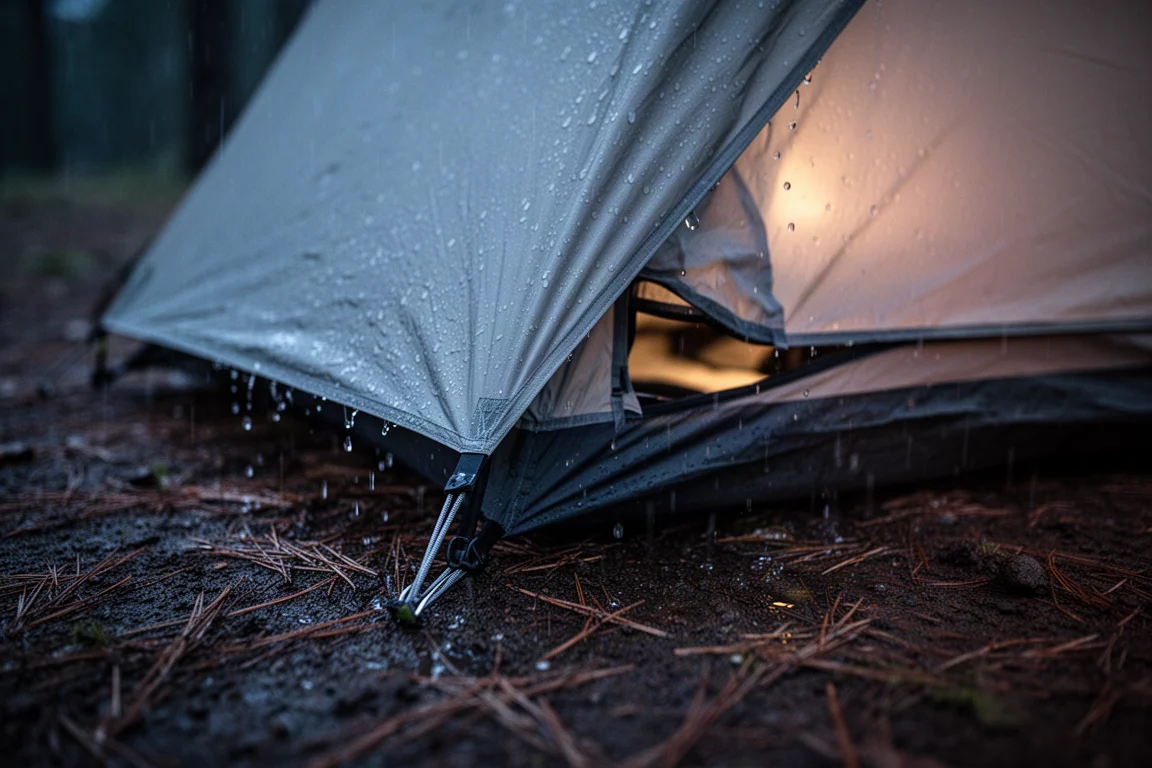
The oversized grommets are worth knowing about before you pitch. They are the reason the poles pop out so easily during setup, and they demand constant tension while you work. It is manageable, but it is not a hands-free process.
Waterproofing has not been confirmed in testing yet, so rain performance remains an open question. The internal fly arrangement on one side is unusual and worth understanding before you commit, since it changes how the shelter behaves compared with a conventional external fly.
Buying advice
The right way to think about the Skyena is as two tents in one. If your camping is mostly fair weather, or your priority is shade and a fast pitch, the hasty configuration delivers exactly that and takes very little effort to build. If rain or wind is likely, plan on the full setup from the start, orient the protected side toward the weather, attach the internal Velcro pole connectors, and stake everything down properly.
Because the hasty pitch cannot close its open side, buyers whose main requirement is a stripped-down rain shelter should weigh that limitation carefully. Campers who value a simple, predictable build and an unusual fly design will find more to like here, and the setup itself gives little reason for complaint.
Conclusion
The One Tigris Skyena is easy to pitch in both configurations, with no complicated steps and no surprises along the way. Its full setup is the version that makes the most sense for real camping, while the hasty setup is best treated as a sun shade rather than a weather shelter. If that split matches how you camp, the Skyena is worth a closer look.
Product link
View more details for One Tigris Skyena Tent
This product is mentioned in the review. Check the specifications, options, and compatibility before buying.
View more details for One Tigris Skyena TentFurther reading
Related Reviews
Camping Tents
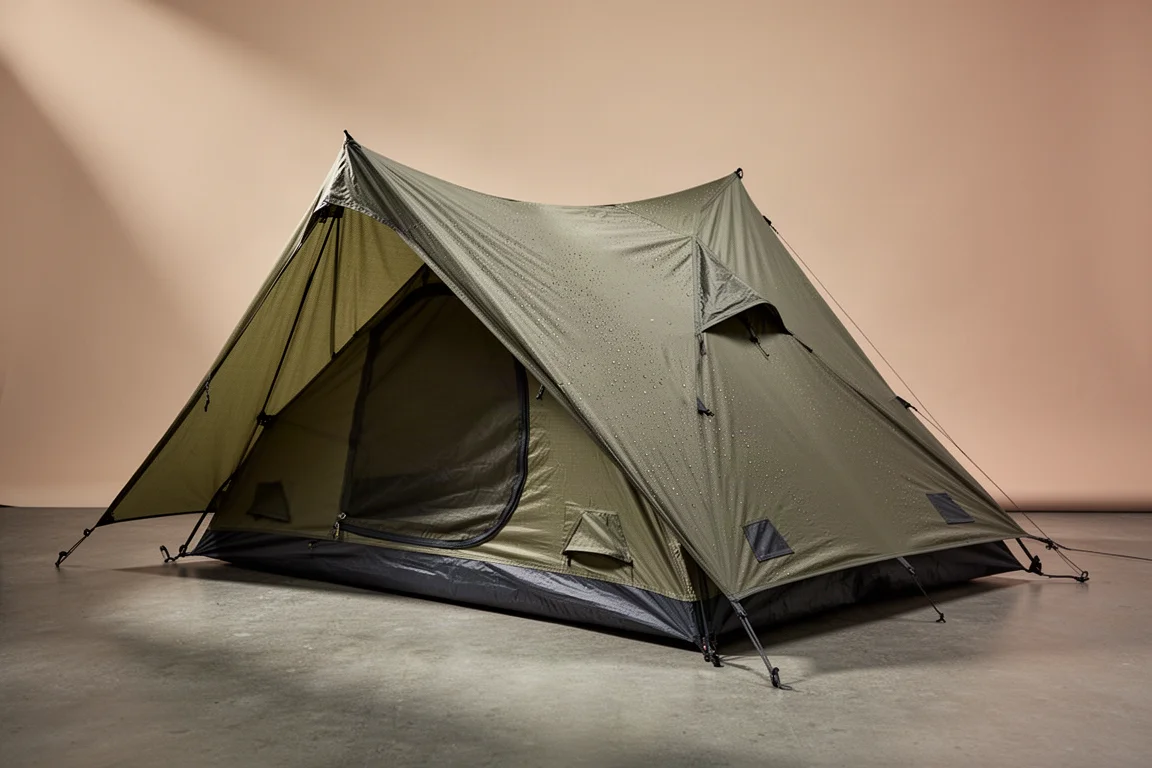
3F UL Gear Taiji Two-Person Tent Review: Field Waterproofing Results and Buying Advice
The Taiji pairs an attached fly with a removable inner, but sustained rain exposed untaped vent seams that need sealing before this shelter can be trusted.
Camping Tents
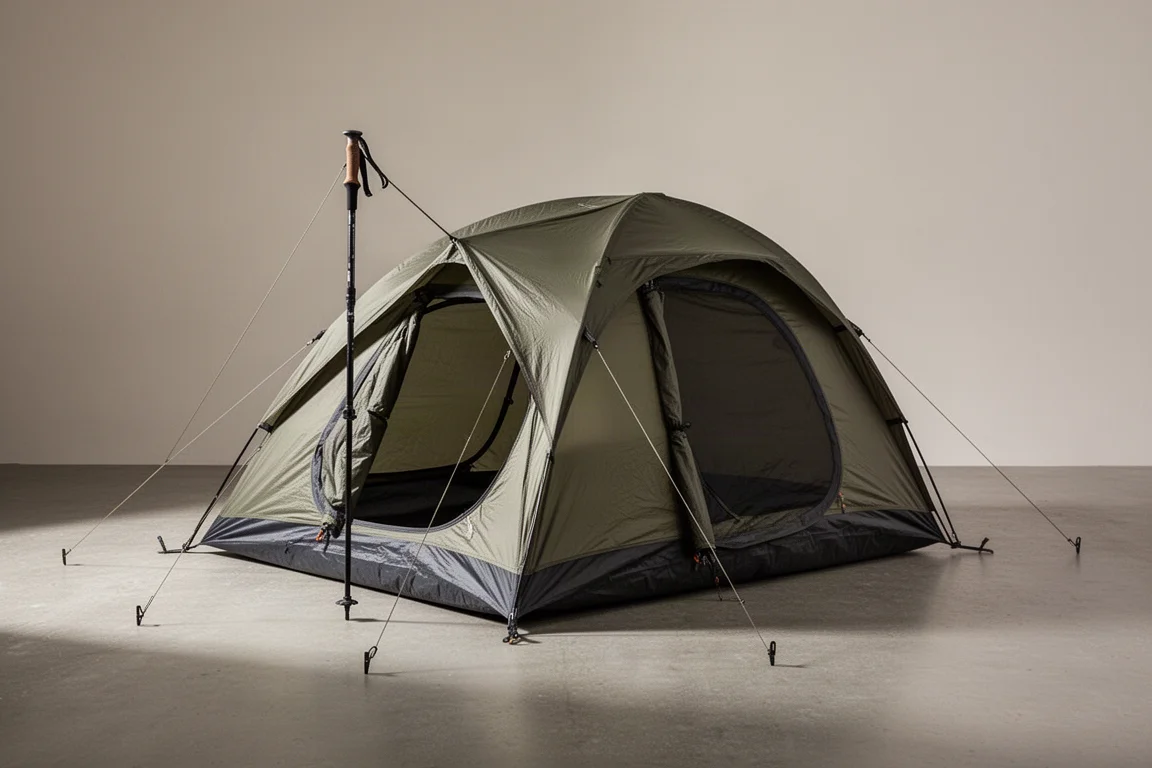
3FUL Gear Lanshan 2 Pro 4-Season Review: A Sub-$200 Single-Wall Trekking Pole Tent
An early look at the 3FUL Gear Lanshan 2 Pro 4-Season, covering its straightforward pitch, generous interior space, and the condensation and seam-sealing questions that come with any single-wall shelter.
Camping Tents
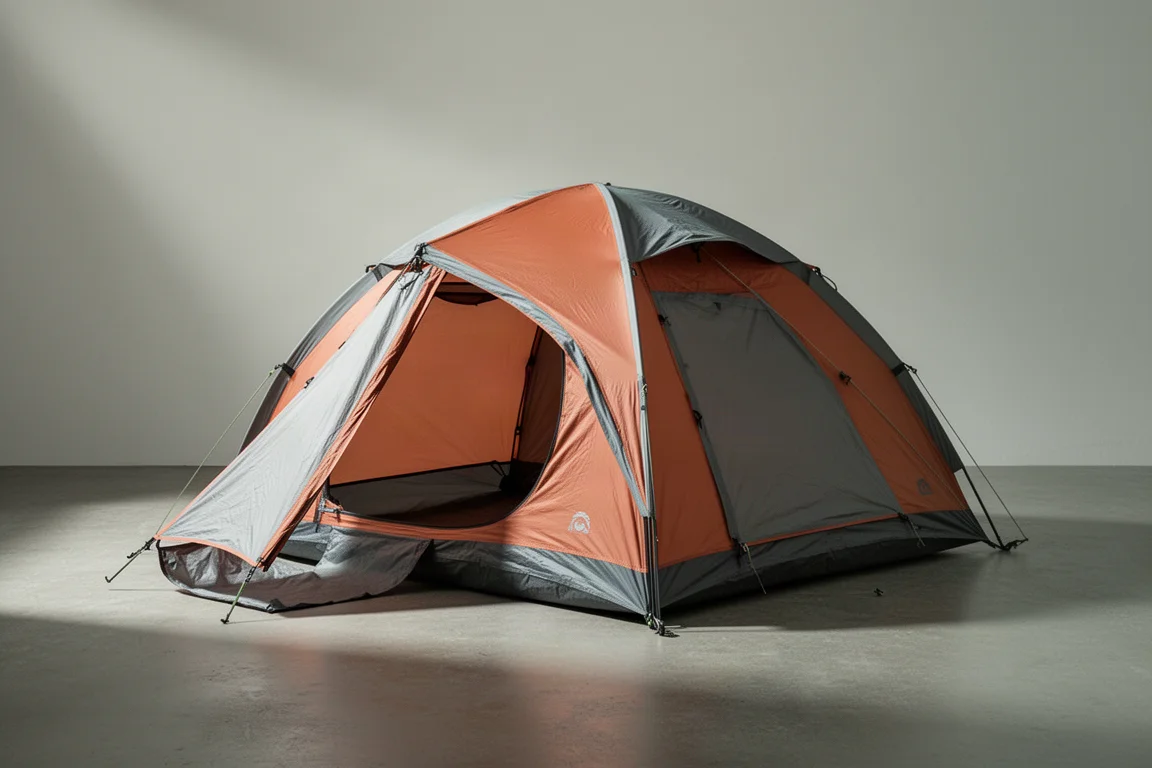
Alps Mountaineering Lynx 1-Person Tent Review: Big Value in a Small Budget Tent
A close look at the Alps Mountaineering Lynx 1-Person Tent, covering real interior dimensions, materials, setup time, ventilation limits, and who should buy it.