Sleeping Pads
One Tigris Obsidian Ultralight Sleeping Pad Review: Cold Weather Warmth for Less
A close look at the One Tigris Obsidian Ultralight Sleeping Pad, how it stacks up against the Therm-a-Rest XTherm, and which cold weather campers should consider it.
Introduction
A cold weather sleeping pad has to do two jobs at once. It blocks the cold rising out of the ground, and it holds on to the warmth your body produces. The Therm-a-Rest XTherm has been the benchmark for that combination, and it remains the lighter and warmer of the two pads compared here. The reason the One Tigris Obsidian Ultralight Sleeping Pad is worth attention is not that it wins on those numbers. It is that it gets close enough on warmth for a fraction of the money.
The Obsidian is priced at $80. The XTherm sits near $300, roughly $190 more. For campers who have wanted a genuinely warm winter pad but could not justify the premium price, that gap changes the decision.
What to Look For in a Cold Weather Sleeping Pad
The first figure to check is R value, which describes how well a pad resists heat loss to the ground. Higher is warmer. The Obsidian is rated at 5.2 and the XTherm at 7.3.
The second consideration is how the pad is inflated. Blowing into a pad by mouth pushes moisture inside, and on a cold trip that moisture condenses on the internal walls and can freeze as temperatures drop, which works against the insulation. That is why pads like these are designed to be filled with a pump bag, and why the quality of that bag matters more than it sounds like it should.
Packed size, weight and internal construction round out the list. Materials decide durability, reflective layers decide warmth, and packed volume decides whether the pad fits comfortably in a pack. Shape and color options are worth checking too, since some pads come in several cuts and others in only one.
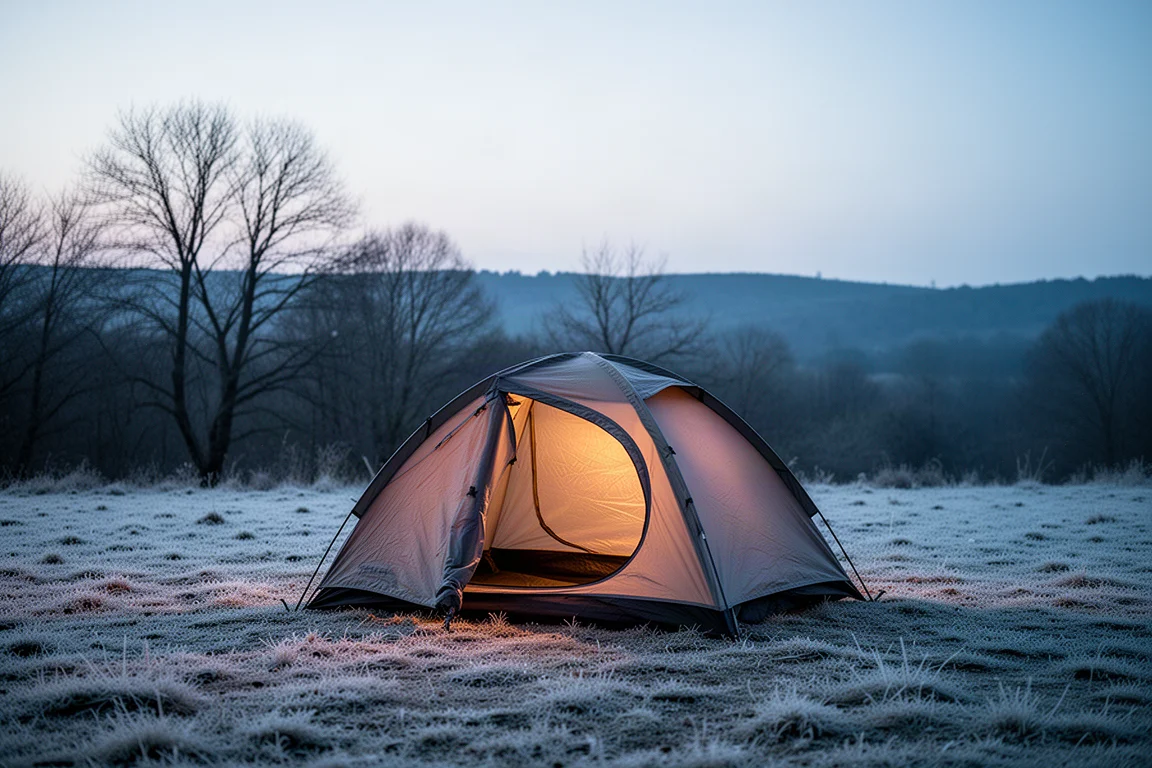
The practical test is to match the R value to the conditions you actually camp in, then weigh the rest against how you travel.
One Tigris Obsidian Ultralight Sleeping Pad
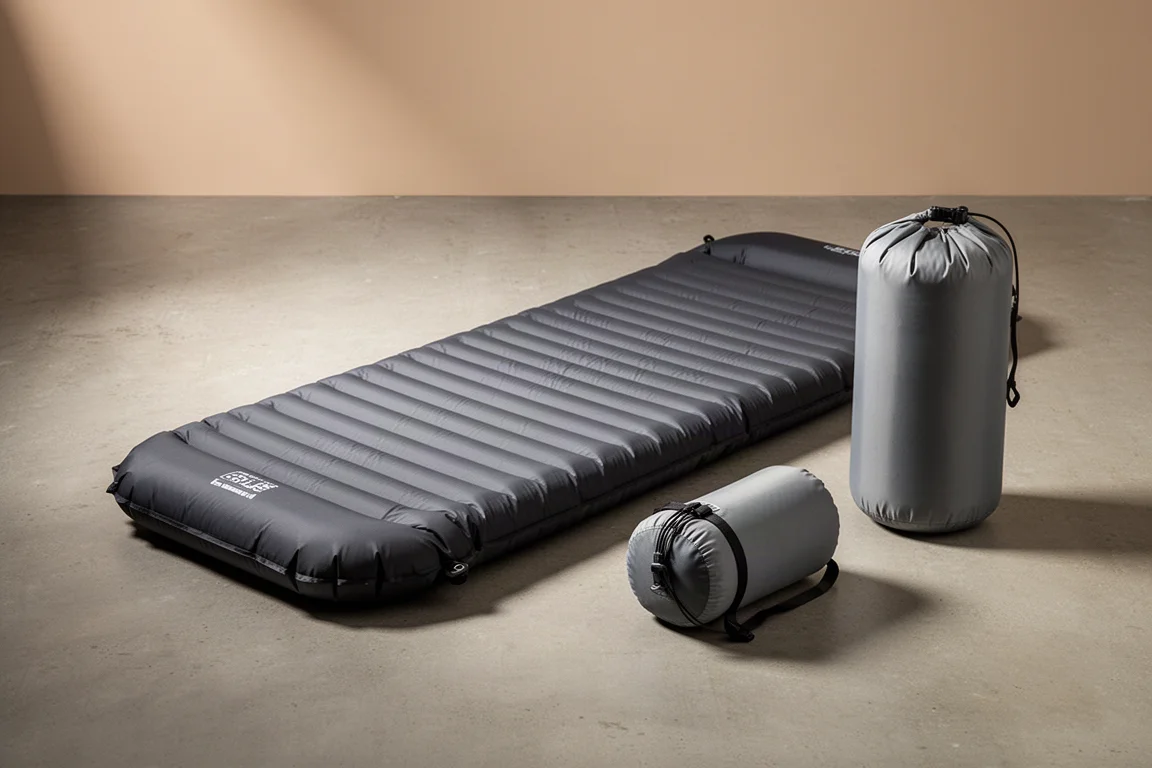
The Obsidian is a rectangular insulated air pad with a dark gray shell and a single shape option. The outer fabric is 20 denier nylon, a stronger and lighter choice than the polyester found on many inexpensive pads. Inside, the construction stacks a reflective aluminum layer, a TPU film, further aluminum and TPU layers, so body heat is reflected back toward the sleeper while cold air from below is blocked.
Inflated, the pad measures 74.4 inches long, 24.8 inches wide and 3.15 inches thick, which gives more than three inches of cushion. Hips and shoulders stay clear of the ground, including for side sleepers, and the surface is quiet when you shift position, noticeably quieter than the XTherm. Sitting upright compresses the pad enough to feel the ground, which is normal behavior for most air pads.
Packed, the Obsidian measures about 11 by 5.1 inches, roughly the size of a water bottle, and weighs 2 lb. That is 0.6 lb more than the XTherm, a difference worth thinking about if you count ounces. The name promises ultralight, but the weight is better described as reasonable for a winter pad. The included inflation bag is unusually large and moves a lot of air per fill. One Tigris states that four full bags will inflate the pad, though the process takes real effort in the forearms. A pump is a workable alternative, and in warm weather there is nothing stopping you from inflating it by mouth.
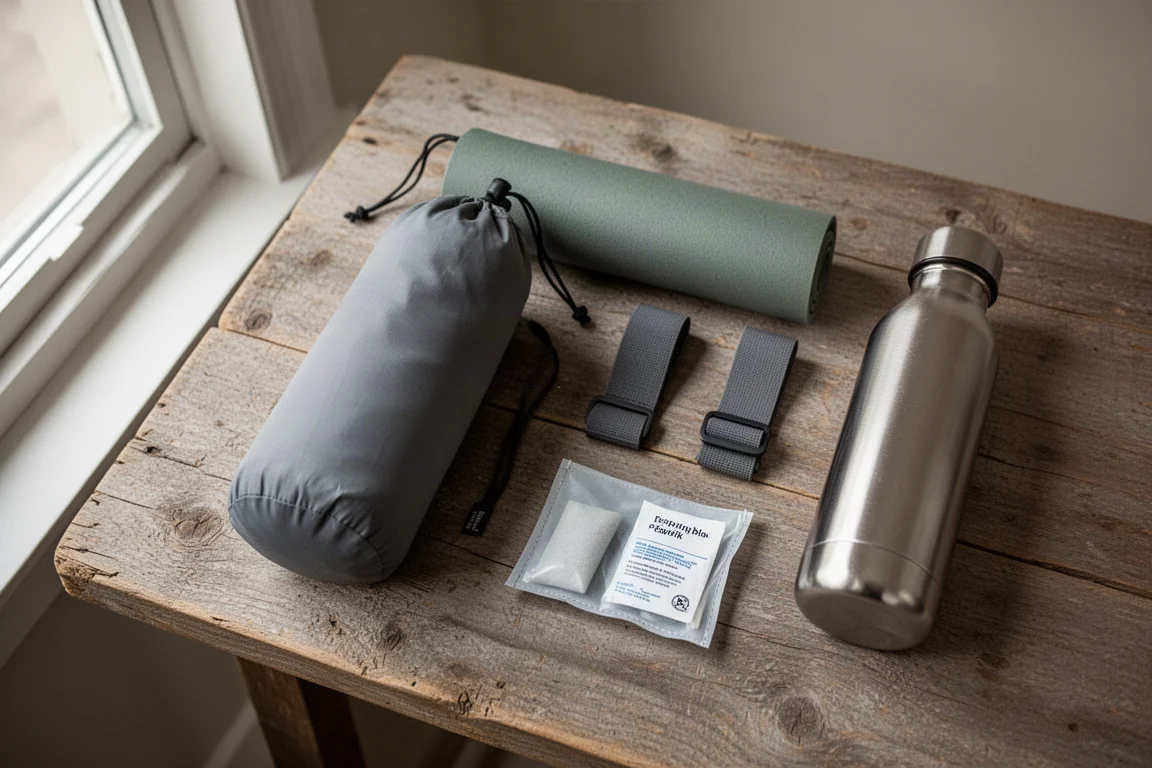
In the box you get the pad, two elastic straps, a repair kit and the inflation bag, all inside a drawstring stuff sack. The valve has two levels: one for inflation, with a stopper that keeps air from escaping between breaths, and one for deflation. The stuff sack is generously sized, so the pad goes back in without a fight, though it carries only the brand name rather than the model. One Tigris does not publish a weight limit for the pad, which is common across the outdoor industry.
Therm-a-Rest XTherm
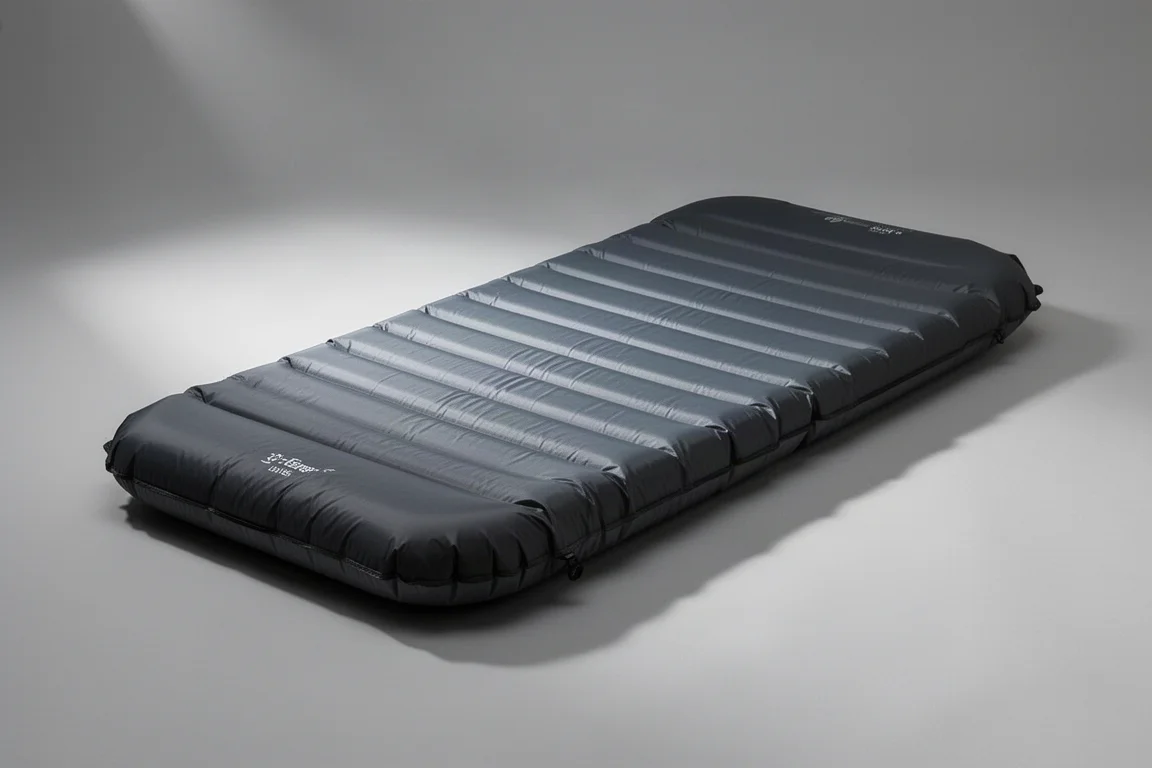
The XTherm is the pad the Obsidian is measured against, and it earns that position on two figures: 1.4 lb and an R value of 7.3. It is the lighter and warmer pad, and it packs down small as well. It also costs close to $300, which is where the comparison becomes a question of budget rather than specification. One practical trade-off is noise: the XTherm is the louder of the two when you move around on it.
Warmth and R-Value Compared
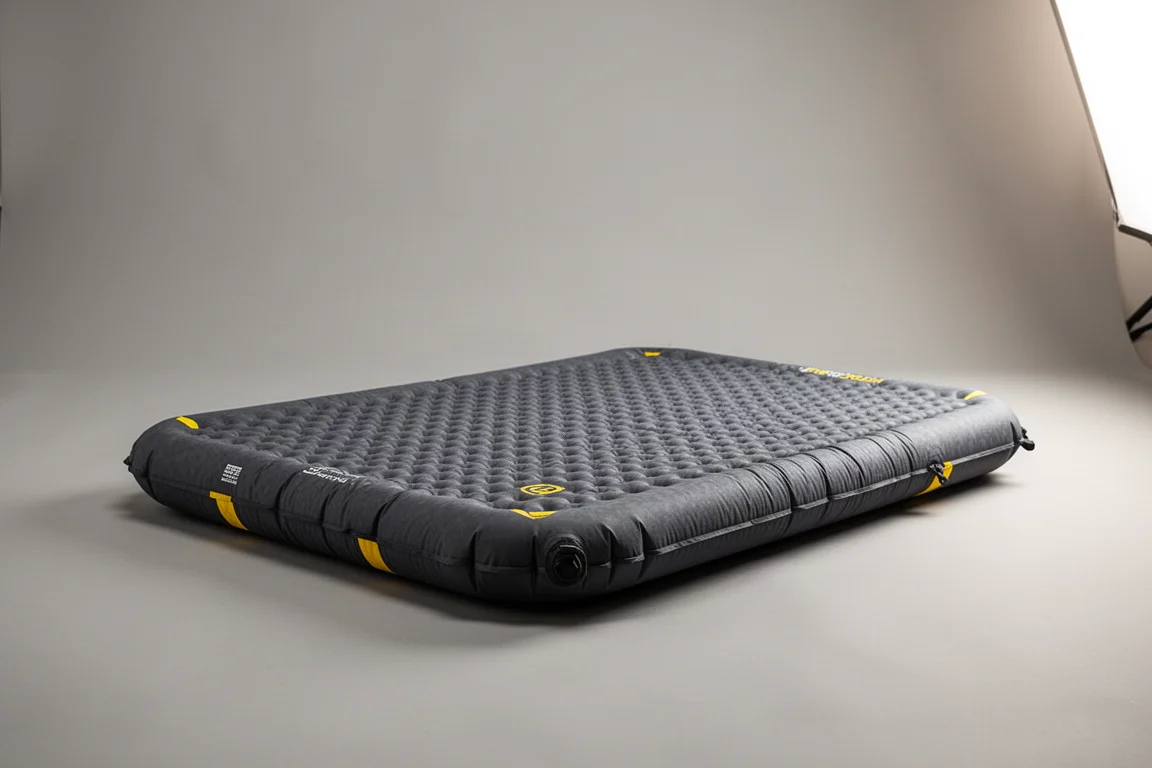
An R value of 5.2 is higher than most insulated sleeping pads, and it is the number that makes the Obsidian interesting. Both pads rely on reflective aluminum layers built on the same principle, reflecting body heat back to the sleeper while preventing cold air from rising out of the ground, though the two implementations differ.
In practical terms, 5.2 is plenty for very cold conditions and comfortable for winter camping above freezing when paired with a sleeping bag rated for the temperatures you expect. For trips well below zero, the XTherm’s 7.3 rating is the safer choice.
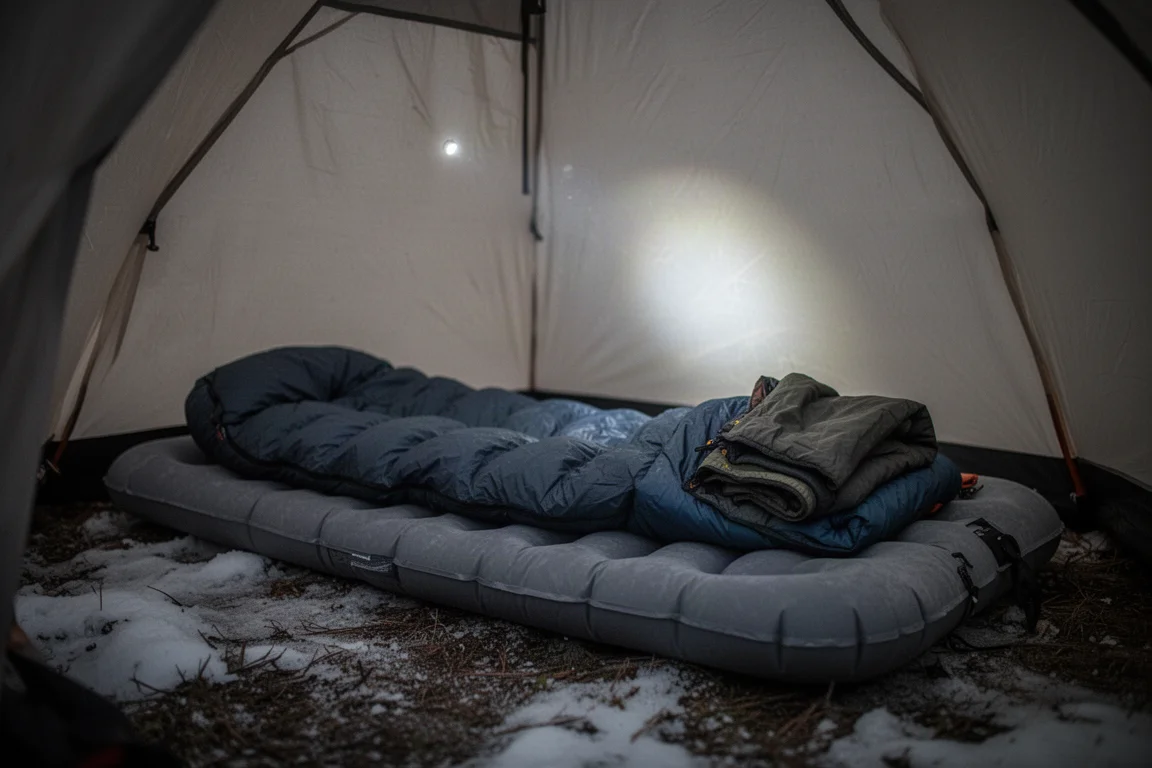
The wider point is that the Obsidian reaches a warmth class that used to sit well above its price.
Comfort, Noise, and Inflation
More than three inches of cushion is enough to keep most sleepers off the ground, on the back or on the side. The pad is close to silent when you roll over, which matters in a shared tent. Inflation is the one area that asks something of you: the oversized pump bag works well but is tiring to operate, and filling the pad takes a series of rolls rather than a single effort.
Packed Size and Weight
Stored volume is one of the Obsidian’s stronger arguments. At roughly 11 by 5.1 inches it takes up about as much room as a water bottle, which is small for an insulated winter pad. The trade-off is weight: 2 lb against the XTherm’s 1.4 lb. For a winter pad that is a reasonable figure, but for anyone counting every ounce, the XTherm remains the answer.
Price and Value
The Obsidian costs $80 and the XTherm costs nearly $300. That $190 difference is the reason this pad matters. It puts an R value of 5.2, more than three inches of cushion and a small packed size within reach of campers who would otherwise be looking at far less insulation. The XTherm is the better pad by specification. The Obsidian is the better value by a wide margin.
Buying Advice
If your priority is the lightest and warmest pad available and your budget allows it, the XTherm is the straightforward choice, particularly for sub-zero trips. If you want dependable winter warmth without spending premium money, and you can live with an extra 0.6 lb, the Obsidian makes a strong case, and its small packed size and quiet surface make it easy to live with.
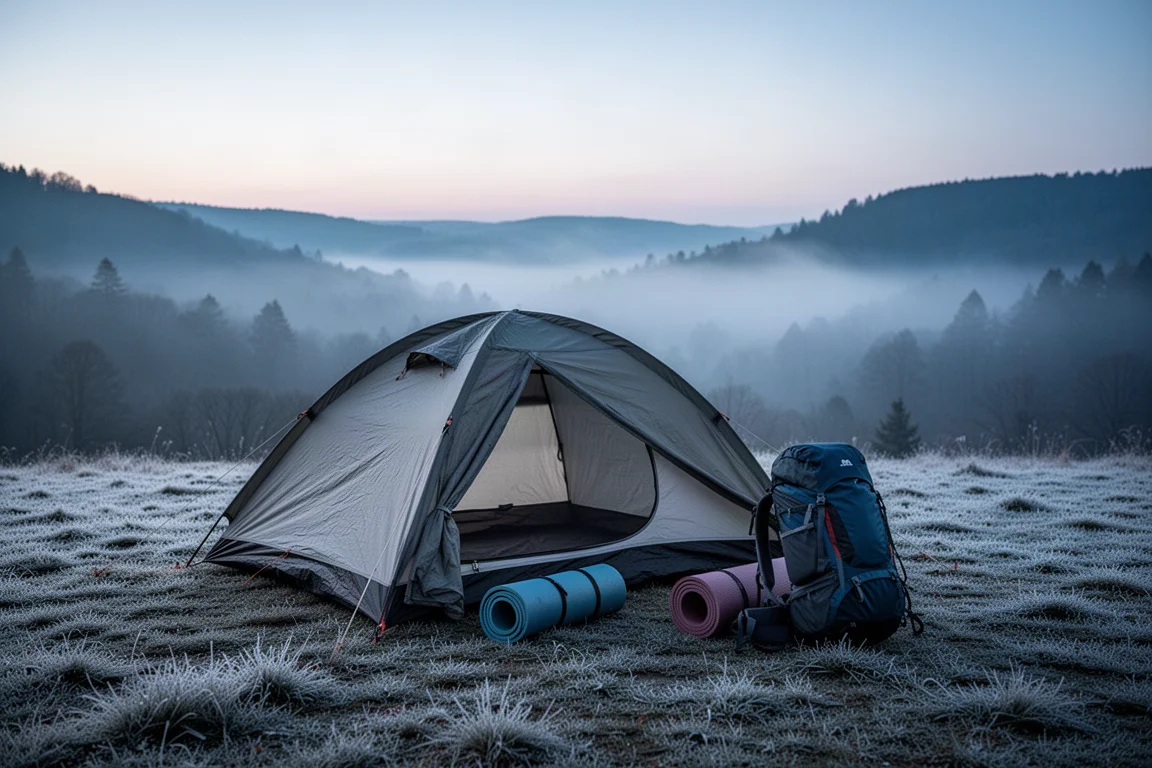
One note before buying either pad: check the R value against the conditions you actually camp in, and pair the pad with a sleeping bag rated for the same range. A pad is only half of the sleep system, and the two halves need to agree.
Conclusion
The One Tigris Obsidian Ultralight Sleeping Pad does not unseat the Therm-a-Rest XTherm. It does something arguably more useful for a wider group of campers: it delivers an R value of 5.2, a comfortable three-inch thickness and a compact packed size for $80, leaving the premium option to those who need the lightest and warmest pad and can pay for it.
Further reading
Related Reviews
Sleeping Pads
Best Backpacking Sleeping Pads 2026: Nine Pads Rated on Price, Comfort, Warmth, and Weight
Nine backpacking sleeping pads compared on price, comfort, warmth, and weight, from a $65 summer pad to a year-round option rated at R-7.3.
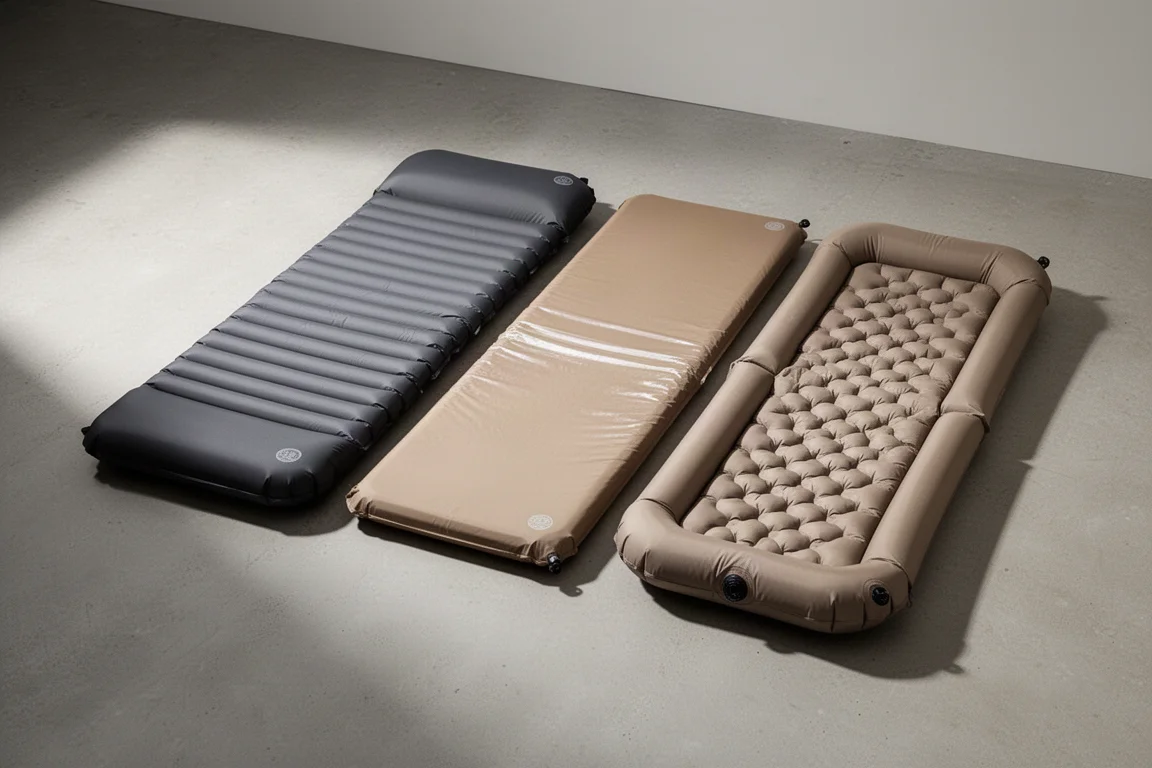
Sleeping Pads
Best Backpacking Sleeping Pads: Comfort, Warmth, and Weight Compared
A practical comparison of the Nemo Quasar 3D, Therm-a-Rest NeoAir XTherm Max, and Big Agnes Rapide SL for backpackers choosing between comfort, warmth, and packed weight.
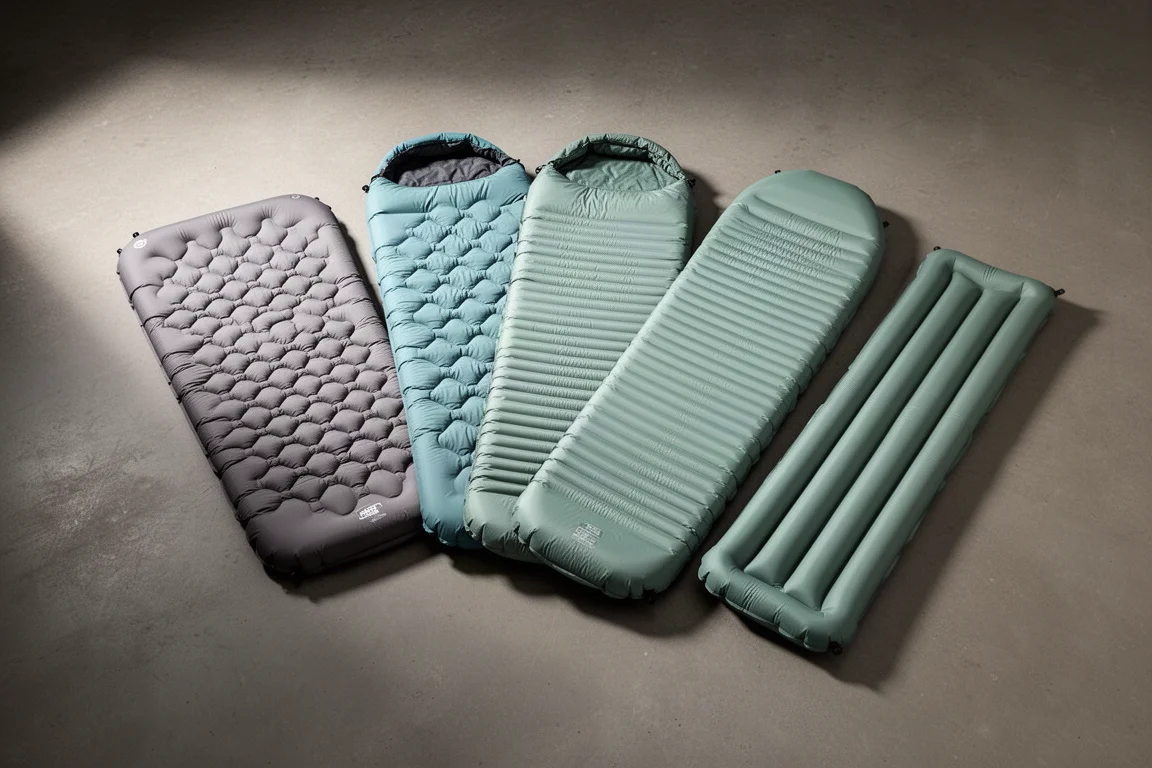
Sleeping Pads
Best Backpacking Sleeping Pads: Ultralight, Winter, Comfort and Budget Picks
A practical roundup of the sleeping pads that stand out for ultralight weight, winter warmth, pressure relief and value, plus three popular pads that fell short.