Sleeping Pads
One Tigris Obsidian Ultralight Sleeping Pad: Warmth Without the Premium Price
A close look at the One Tigris Obsidian Ultralight Sleeping Pad: a rated R-value of 5.2, 3.15 in of cushion, a compact packed size, and the trade-offs worth weighing before you buy.
Introduction
Cold-weather camping carries a familiar trade-off. Pads that keep you warm through a freezing night tend to be expensive, and the affordable ones tend to leave you cold. The One Tigris Obsidian Ultralight Sleeping Pad is aimed squarely at that gap. It pairs a rated R-value of 5.2 with a price of $80, which places it in a very different bracket from the premium insulated pads that usually dominate winter camping conversations.
The comparison that matters most is with the Therm-a-Rest XTherm, a pad rated at R-value 7.3 with a weight of roughly 1.4 lb that costs about $190 more. The Obsidian is not trying to beat that class of pad on weight or on outright warmth. The goal is simpler: to make genuinely cold-weather-capable insulation available to campers who are not prepared to spend close to $300 on a sleeping pad.
This is an early hands-on assessment rather than a long-term verdict. The construction, dimensions, and design decisions are clear enough to evaluate now. How the pad holds up across a full winter of use is a question that only time on the trail can answer.
Who This Sleeping Pad Is For
This pad makes the most sense for campers who want to extend their season into cold nights without rebuilding their entire sleep system.
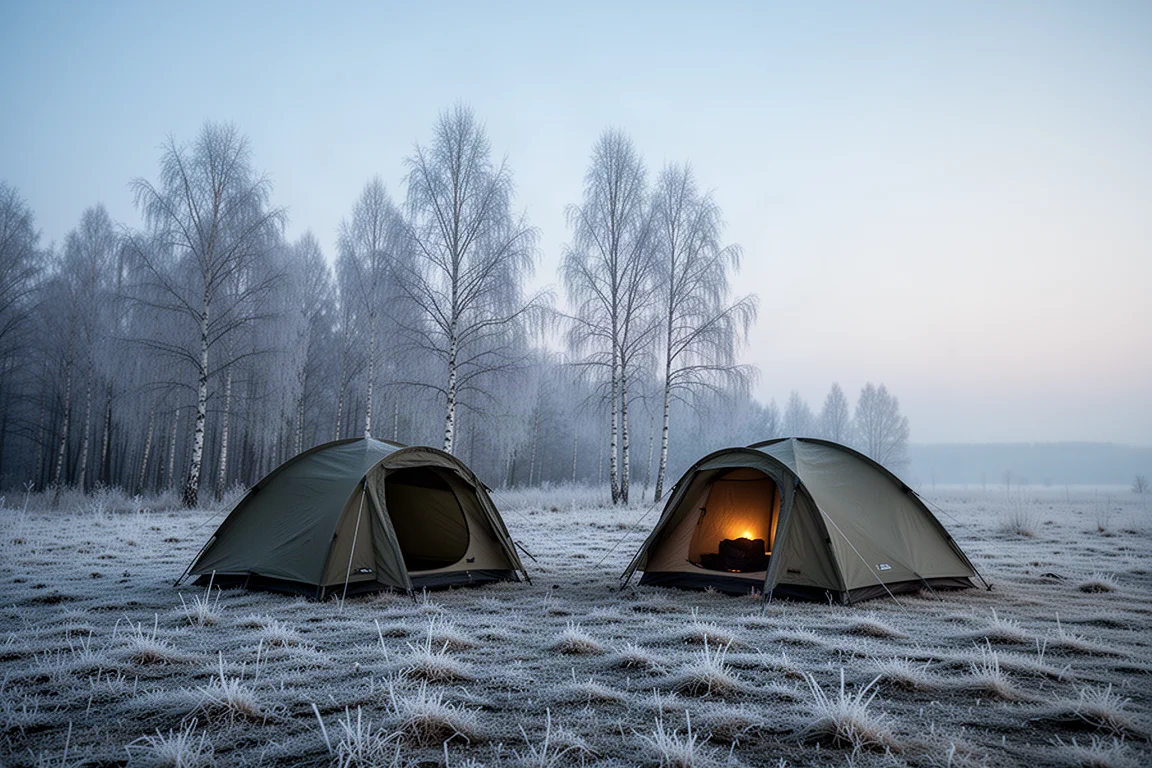
If your trips stay above the zero mark and you carry a sleeping bag rated for the conditions, an R-value of 5.2 is plenty. If you expect temperatures to drop below zero, a pad with a higher rating is the safer choice, and premium options exist for exactly that reason. The Obsidian sits in the useful middle ground: frosty mornings, shoulder-season trips that turn colder than expected, and winter camping where the budget matters as much as the warmth.
It is also a reasonable pick for car campers and short-approach backpackers who value a small packed size but are not counting every ounce.
Main Strengths
The most obvious strength is the ratio of warmth to price. An R-value of 5.2 is higher than most insulated pads at this price point, and it is achieved with a layered construction that uses reflective aluminum film alongside TPU layers rather than relying on trapped air alone.
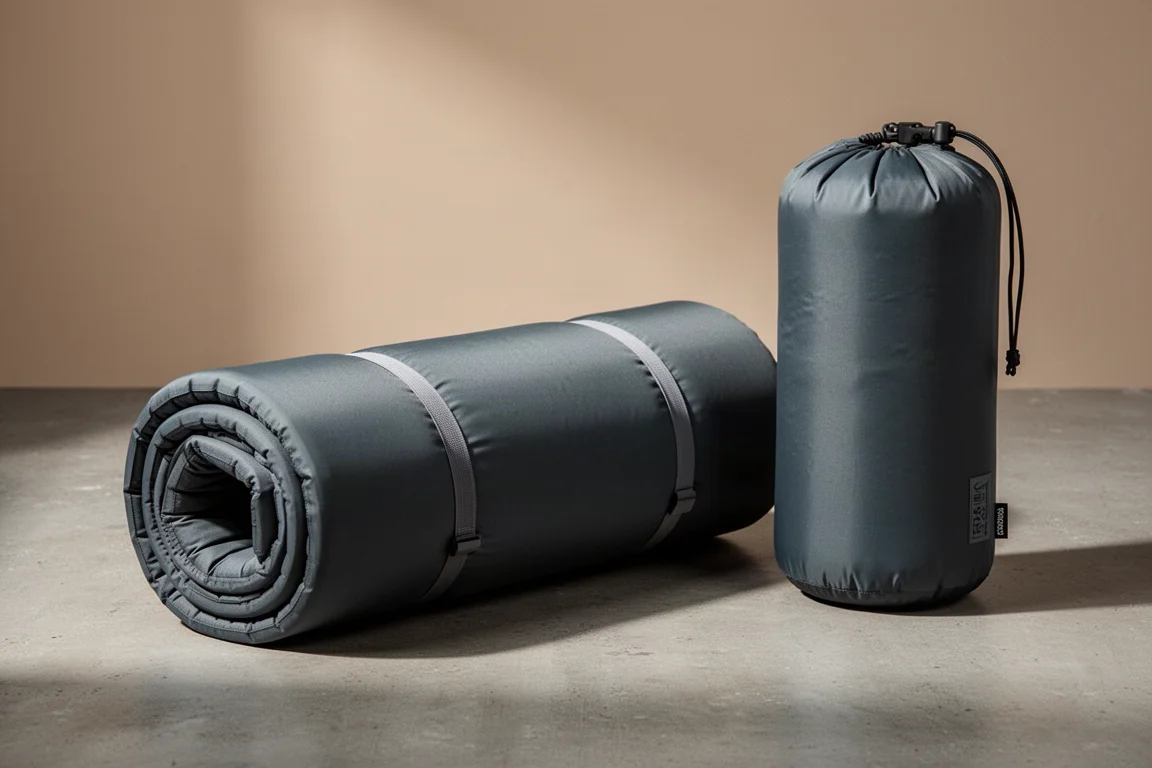
Packed size is the second surprise. Rolled and strapped, the pad measures roughly 11 in by 5.1 in, which is close to the footprint of a standard water bottle. That is unusually compact for an insulated pad, and it matters for anyone who has wrestled a bulky pad into a pack.
The third is the material choice. The outer shell is 20-denier nylon rather than the polyester used on many inexpensive pads. Nylon is strong and light, and it gives the pad a more durable feel than its price suggests.
Comfort follows from the thickness. With 3.15 in of cushion, lying down leaves nothing touching the ground, including when you roll onto your side. Movement produces some noise, but noticeably less than comparable reflective pads.
The included accessories are genuinely useful as well: a repair kit, two elastic compression straps, and a storage bag that is generously sized so the pad actually fits back into it.
Warmth and Insulation Technology
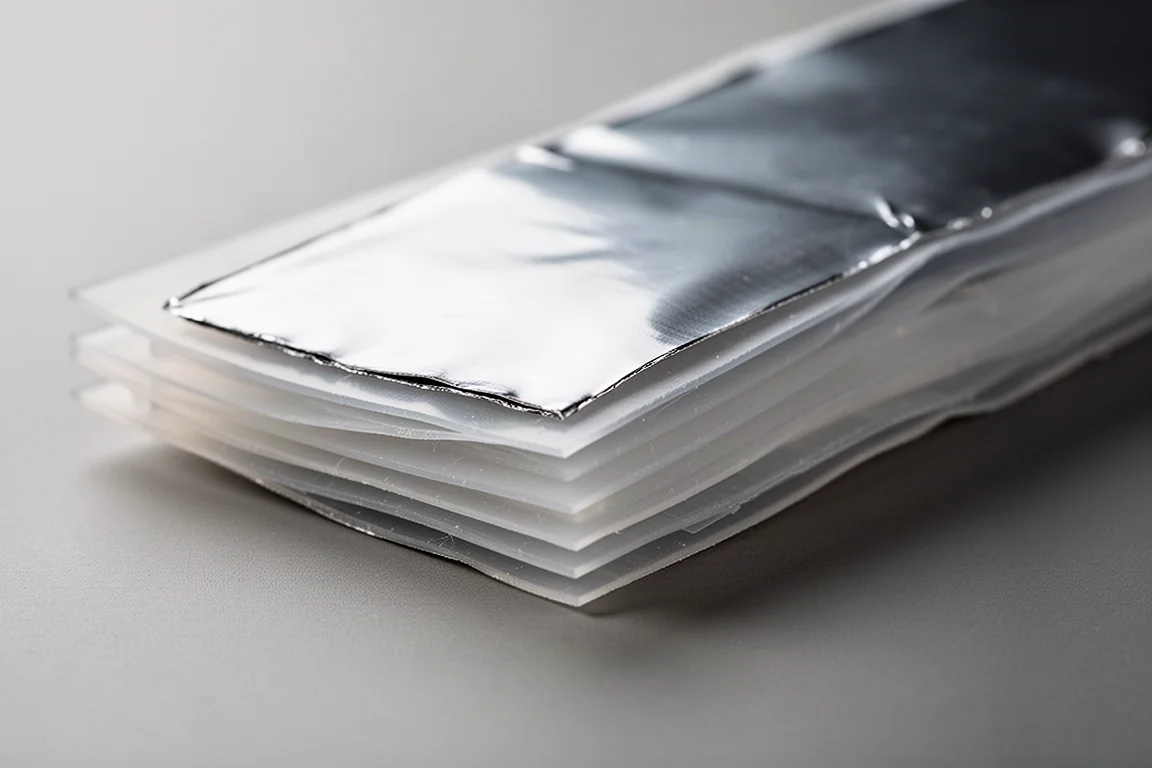
The Obsidian’s warmth comes from a stack of layers rather than from trapped air alone. The outer surface is 20-denier nylon. Beneath it sit reflective aluminum layers, which behave much like a Mylar-style film, separated by TPU films. The aluminum reflects body heat back toward the sleeper, while the layered structure limits how much cold transfers up from the ground.
The rated R-value is 5.2. For context, the premium benchmark in this category is rated 7.3, so the Obsidian gives up a meaningful amount of insulation in exchange for its price. It is still well above the ratings of most general-purpose pads, and 5.2 is a serious figure for cold-weather use rather than a token number.
One practical detail supports the whole system: the pad ships with an inflation bag so you never have to blow moist air into it. Moisture inside a pad condenses on the interior walls, and in freezing temperatures that moisture turns to ice, which degrades insulation performance over time. The inflation bag exists to prevent exactly that.
Inflation, Valves, and Setup
The included inflation bag is unusually large, closer in size to a dry bag than to the small pumps found in most pad kits. It has a roll top with buckles and connects directly to the pad’s valve. The manufacturer states that four full bags of air will inflate the pad.
In practice the bag works well, but it takes effort. Filling it completely means fewer repetitions, and each roll-up puts real strain on the forearms. A powered air pump is a reasonable alternative, and in warm weather there is no harm in blowing directly into the pad, since moisture is far less of a concern.
The valve itself has multiple levels. One setting inflates, with an internal stopper that keeps air from escaping the moment you stop pushing, and another releases air for packing. It is a straightforward system once you have used it a few times.
Comfort, Size, and Packed Dimensions
Inflated, the pad measures 74.4 in long, 24.8 in wide, and 3.15 in thick, which is a full rectangular cut rather than a tapered mummy shape. Lying down, nothing touches the ground, and side sleeping works without pressure points from the floor.
Sitting on the pad does compress it enough that you can feel the ground, which is normal behavior for essentially every air pad and not a defect. The surface is also relatively quiet when you shift position, noticeably quieter than the reflective premium pads known for crinkling.
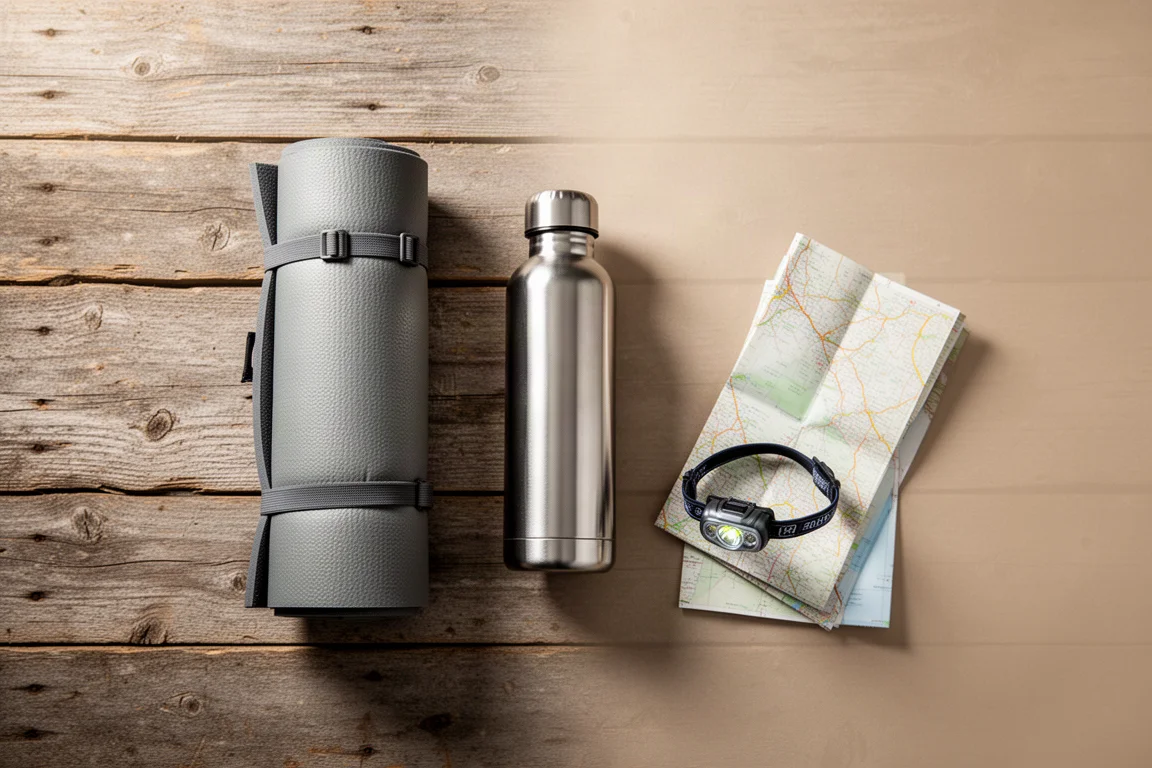
Packed down, the dimensions are 11 in by 5.1 in. The weight is 2 lb, which is where the “Ultralight” in the name becomes a stretch.
Things to Consider Before Buying
Weight is the first trade-off. At 2 lb, the Obsidian is roughly 0.6 lb heavier than the premium benchmark. For winter use that is a reasonable compromise, since cold-weather loads are heavier anyway, but anyone counting ounces should look at lighter options.
Warmth is the second. A rated R-value of 5.2 is excellent for very cold conditions, but it is not the ceiling. The coldest trips, particularly those below the zero mark, call for a higher-rated pad.
Setup effort is the third. The inflation bag is effective, but it is a workout, and campers who dislike that kind of chore should plan on carrying a pump instead.
Smaller annoyances are worth knowing about. The storage bag does not state the product name on the outside, and it lacks a grab handle at the base, which makes pulling the pad out slightly clumsier than it needs to be. The pad comes in a single dark gray colorway and a single rectangular shape, with no mummy version available. The manufacturer also does not publish a weight limit, which is common across the category but still unhelpful for buyers.
Long-term warmth and durability remain open questions. The construction is sound and the rated figures are clear, but a full season of cold-weather use is the only real proof.
Buying Advice
At $80, the Obsidian costs roughly $190 less than the premium pad it invites comparison with. That difference buys a slightly heavier pad with a lower rated R-value, and for a large group of campers that is a trade worth making.
Buy it if you want a warm, compact, comfortable pad for cold-weather camping and you are not chasing the lowest possible weight. It suits shoulder-season trips, winter overnights above the zero mark, and anyone who wants to try cold-weather camping without committing to a premium price.
Skip it if every ounce counts, if you regularly camp in the deepest cold, or if you already own a pad rated at or above this level and see no reason to change.
Either way, pair it with a sleeping bag rated for the conditions. The pad handles the cold coming up from the ground. The bag handles the rest.
Conclusion
The One Tigris Obsidian Ultralight Sleeping Pad is a genuinely interesting option because it targets the part of cold-weather camping that keeps people at home: cost. A rated R-value of 5.2, 3.15 in of cushion, a packed size close to a water bottle, and a 20-denier nylon shell add up to a lot of pad for $80.
The compromises are clear and reasonable. It weighs 2 lb, its rated warmth sits below the premium benchmark, and inflating it takes some muscle. None of those are deal-breakers for the camper it is built for.
If you want the lightest and warmest pad available regardless of price, the premium options remain the answer. If you want to sleep warm this winter without spending close to $300, the Obsidian deserves a serious look.
Product link
View more details for One Tigris Obsidian Ultralight Sleeping Pad
This product is mentioned in the review. Check the specifications, options, and compatibility before buying.
View more details for One Tigris Obsidian Ultralight Sleeping PadFurther reading
Related Reviews
Sleeping Pads
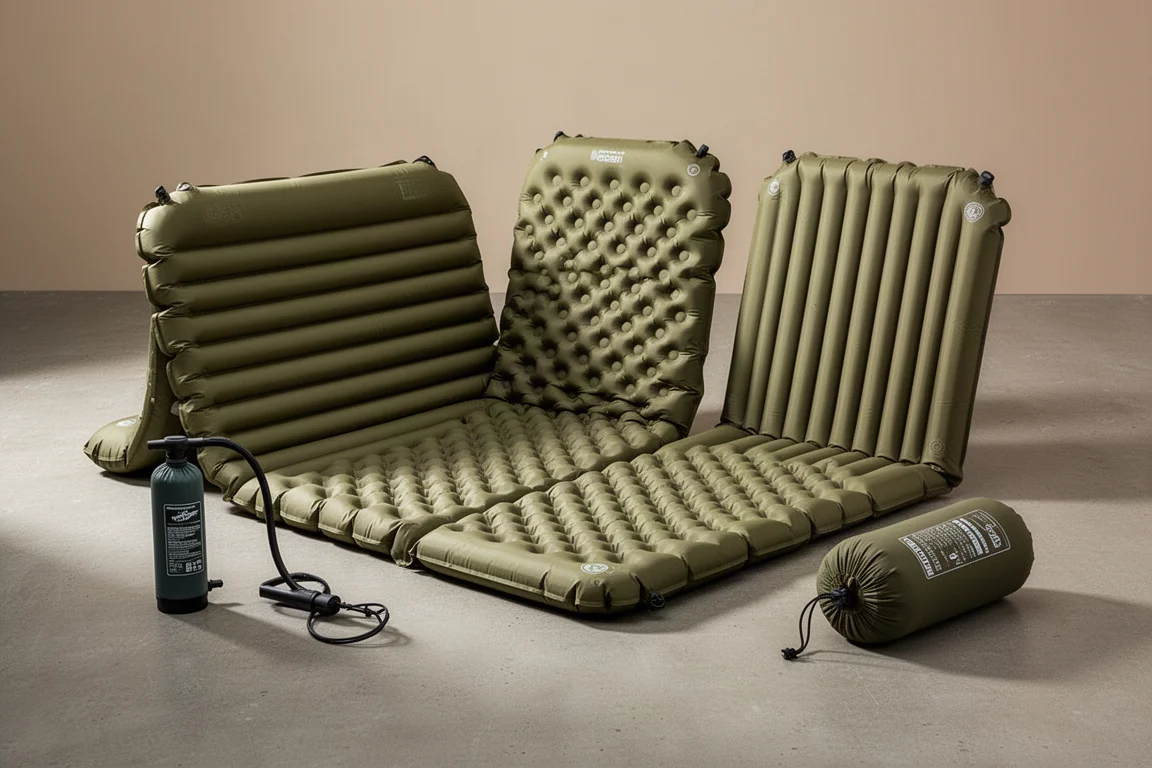
Best Backpacking Sleeping Pads 2026: Nine Pads Rated on Price, Comfort, Warmth, and Weight
Nine backpacking sleeping pads compared on price, comfort, warmth, and weight, from a $65 summer pad to a year-round option rated at R-7.3.
Sleeping Pads
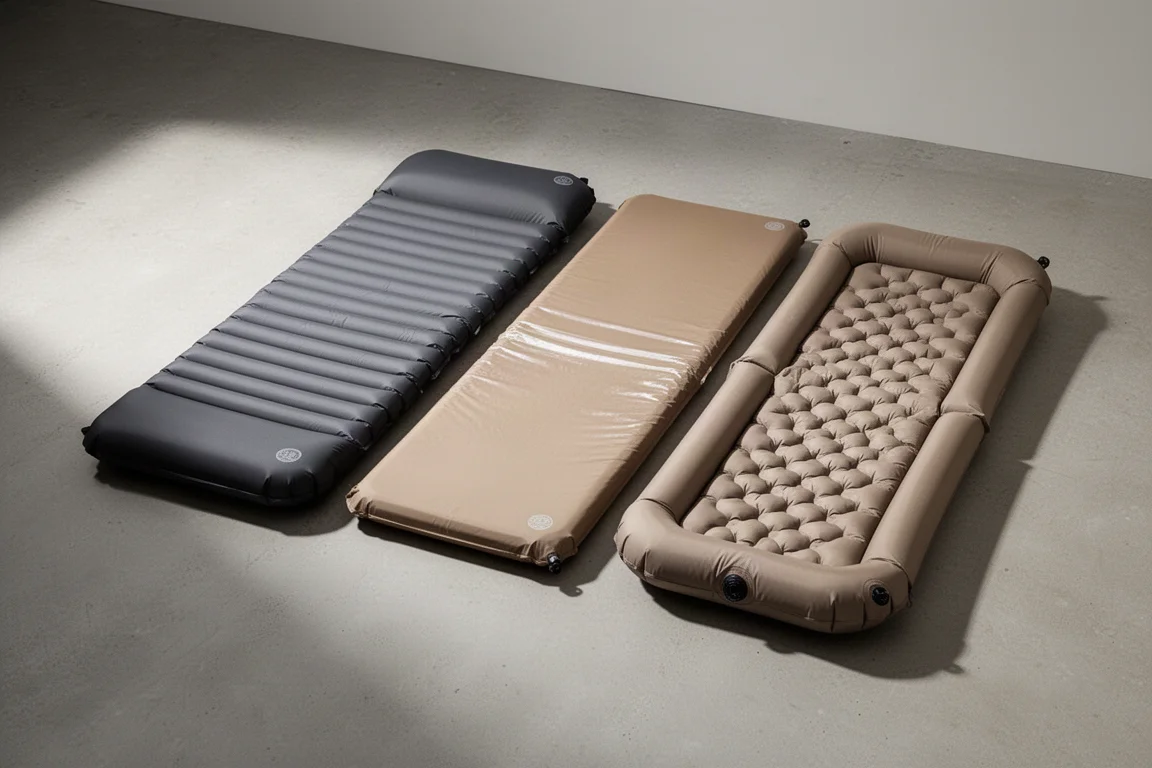
Best Backpacking Sleeping Pads: Comfort, Warmth, and Weight Compared
A practical comparison of the Nemo Quasar 3D, Therm-a-Rest NeoAir XTherm Max, and Big Agnes Rapide SL for backpackers choosing between comfort, warmth, and packed weight.
Sleeping Pads
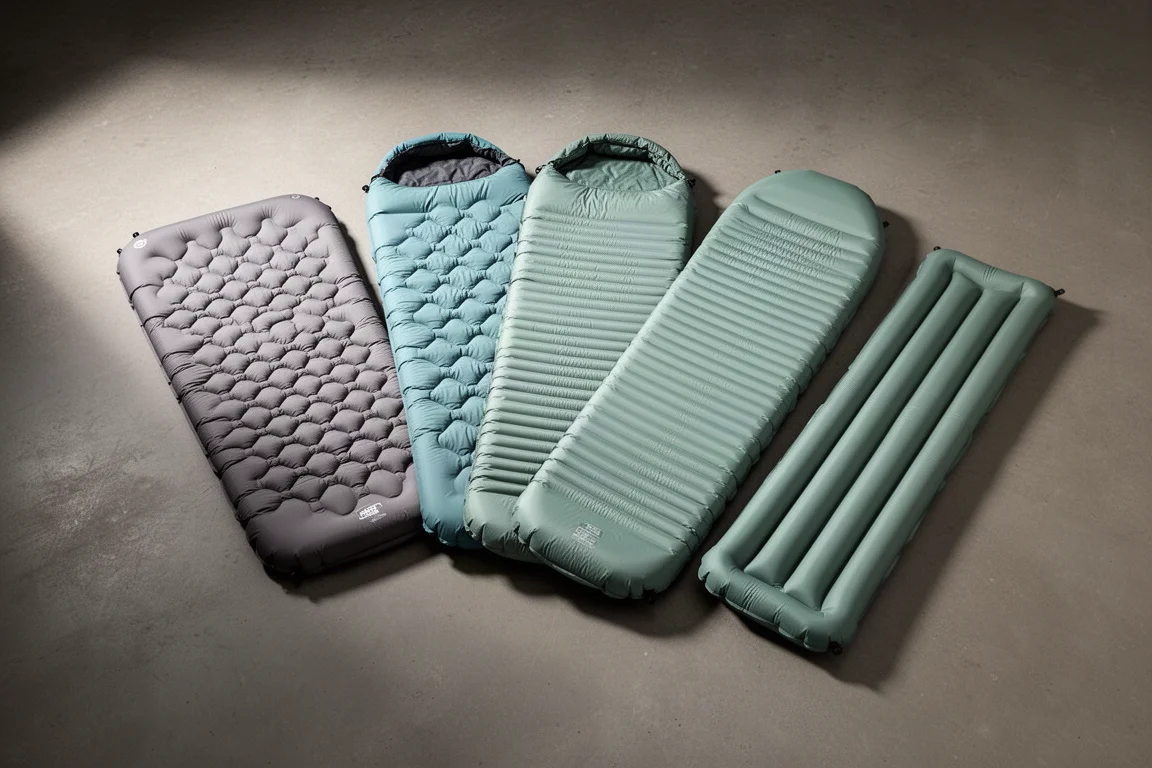
Best Backpacking Sleeping Pads: Ultralight, Winter, Comfort and Budget Picks
A practical roundup of the sleeping pads that stand out for ultralight weight, winter warmth, pressure relief and value, plus three popular pads that fell short.