Camping Tents
One Tigris Black Tigris Stella Review: A Lightweight Four-Season Tent
The One Tigris Black Tigris Stella is a two-person four-season tent with a fabric inner wall, a 4.4 lb packed weight, and a $189 price. Here is what to know before buying.
Introduction
Four-season tents usually ask you to accept extra weight in exchange for weather protection. The One Tigris Black Tigris Stella is an attempt to keep that trade reasonable. It sits in the Black Tigris line alongside the Kamita and the Nebula, and of the three it is the model most likely to end up inside a backpack rather than strapped to a sled.
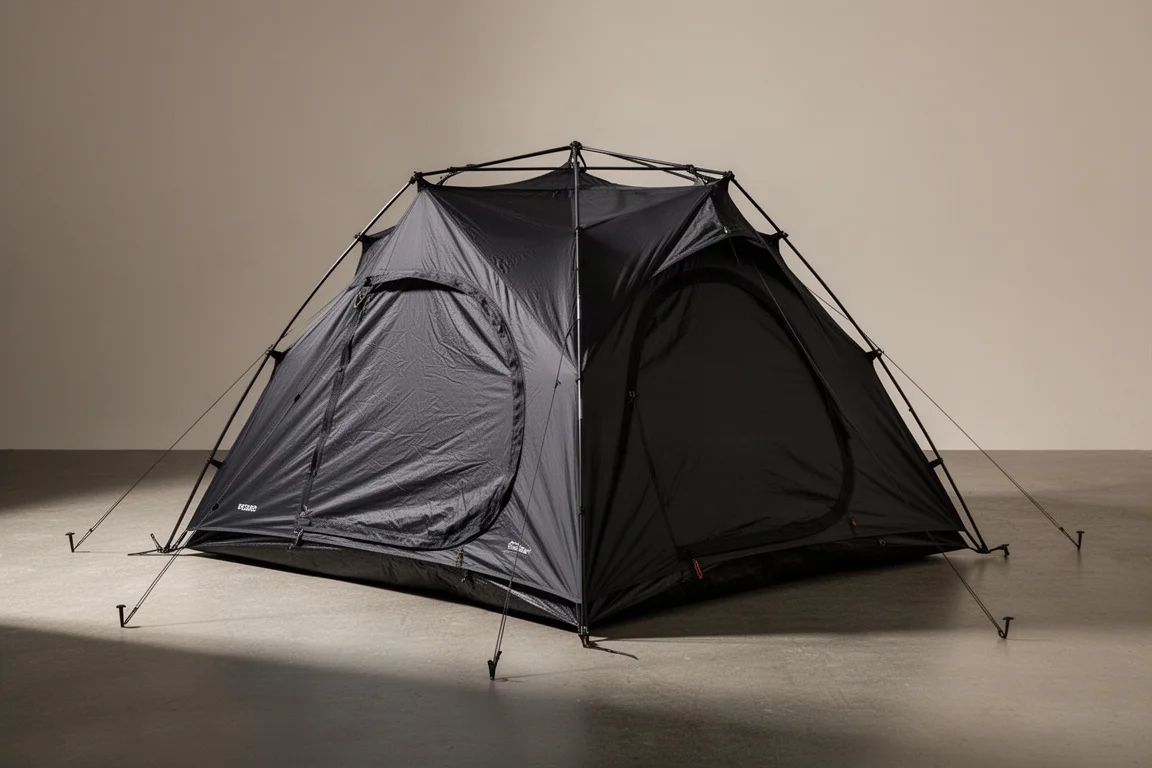
At a stated 4.4 lb with an 18 in x 6 in packed size, the Stella is light and compact for a shelter built around cold-weather priorities. It is a two-person tent with two doors, a full coverage fly, and a fabric inner wall instead of a mesh one. That single design decision shapes almost everything about how this tent should be used.
This review covers what comes in the box, how the tent is built, how it measures against the company’s own specifications, and where the design gives something up in order to gain something else.
Who the Black Tigris Stella Is For
The Stella is a two-person, four-season shelter. Its defining feature is the fabric inner wall, which replaces the mesh inner you would normally find in a three-season tent. That is exactly the configuration you want when the goal is to hold warmth in and keep wind out, and it is the reason the Black Tigris series is aimed at cold conditions.
Because the weight and packed size are low for a four-season tent, the Stella is also the most backpacking-friendly option in the range. Campers who want a single shelter that can handle genuinely cold nights without committing to a heavy expedition tent will find the intent here easy to follow.
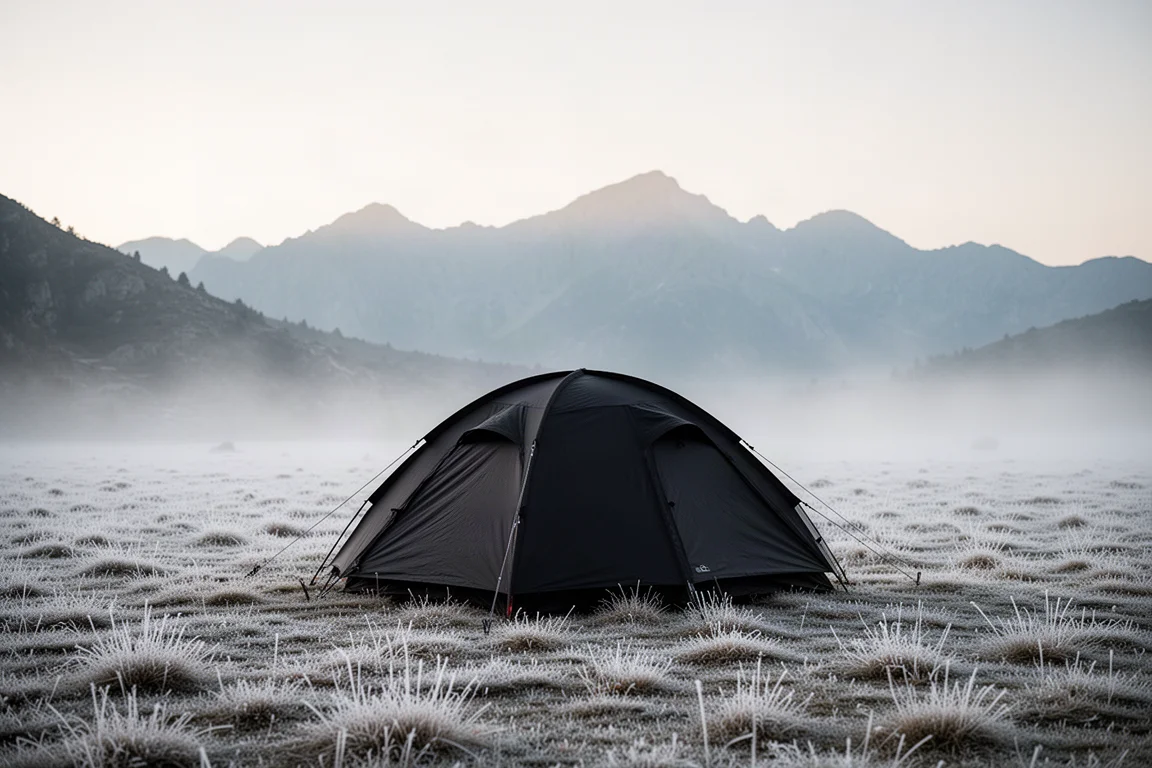
The trade-off is scope. With only two very small mesh windows at the top of the doors and no mesh panels behind them, this is not a tent designed for hot, humid summer nights. It is a cold-conditions tool, and it makes the most sense for campers who plan their trips around that reality.
Design, Materials, and Setup
The materials are a strong part of the pitch. The fly and inner are 20 denier nylon, with the fly silicone treated, and the floor steps up to 40 denier nylon. Zippers come from YKK, seams are taped, and the floor is a bathtub design. The stated hydrostatic head rating is 3,000 mm, which is a high figure for a tent at this price.
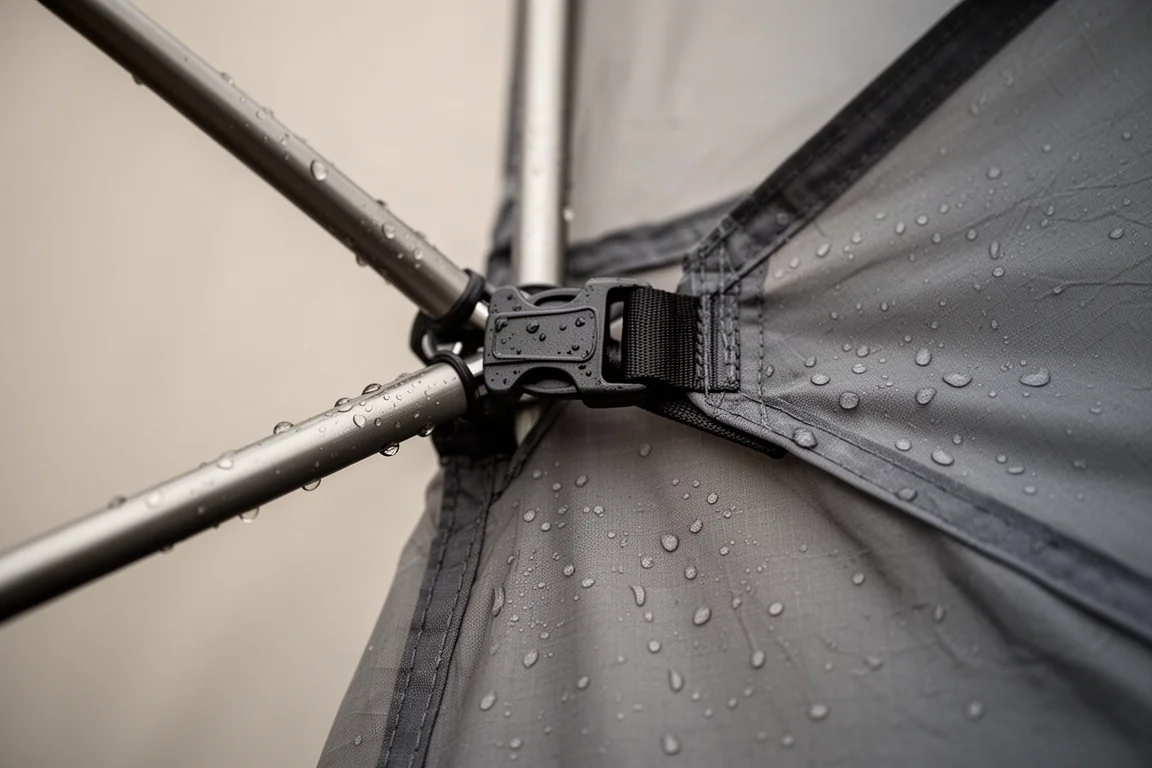
The pole structure centres on a large spider pole that arches over the body, with a crossmember running across the top for rigidity. Setup is straightforward: the body goes up first, then the fly attaches at buckles in each corner.
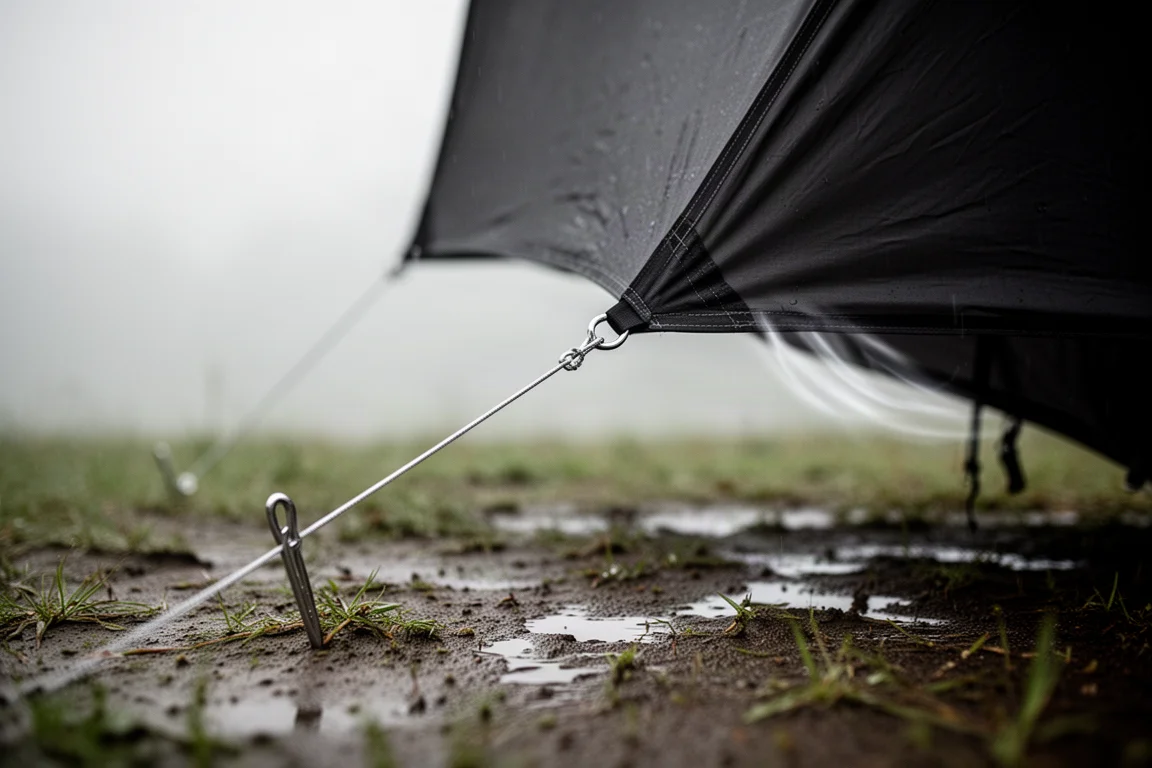
Inside, there is a generous single opening, four pockets for small items, and a hook at the top for a lantern. The doors are unusually large, which makes getting in and out simple, and each door has a storm flap covering the zipper. On the fly, the stake point at each door is fully adjustable, and there are additional stake-out points on the sides so the fly can be pulled out and away from the body.
Included with the tent are a stuff sack, ten tent stakes, and four reflective guidelines. One small gripe: the storage bag carries no product identifier, so if you own more than one tent from this series, telling the bags apart takes a moment.
Main Strengths
The headline strength is the weight-to-capability ratio. At 4.4 lb, this is a genuine four-season, two-person tent that packs down to roughly the size of a sleeping bag. For backpackers who want cold-weather protection without a heavy load, that combination is the main reason to look here.
The material specification is also impressive for the price. A 20 denier silicone treated fly, a 40 denier floor, YKK zippers, taped seams, and a 3,000 mm hydrostatic head rating add up to a shelter that reads as more expensive than it is. The overall build quality looks good, with one exception noted below.
Interior space is another plus. The floor is long and the two-door layout means each occupant gets their own entrance and their own vestibule space, with plenty of room under the fly for boots and packs. Setup is simple enough that it should not require a walkthrough for most campers.
Cold-Weather Performance and Ventilation
The fabric inner is the core of the cold-weather case. It holds heat, blocks wind, and removes the cold draught that a mesh inner lets through. In the depths of winter, that is exactly the behaviour you want from a shelter, and it is the reason this tent is worth considering for sub-zero trips.
Ventilation has been handled more thoughtfully than the minimal mesh might suggest. The fly does not reach the ground, which keeps air moving underneath and helps reduce condensation. Each door also has a vent at the top, opened by a zipper and held in shape by a support post that attaches to the fly with Velcro. Combined with the adjustable stake points at the doors and the side stake-out points on the fly, there is a reasonable amount of control over airflow.
The shape and low profile of the tent suggest it should handle snow loading well, and the fabric inner should help on windy nights. Extended rain and snow testing is still outstanding, so waterproof performance in sustained weather remains the open question rather than a confirmed result.
Things to Consider Before Buying
The most significant limitation is seasonal range. With essentially no mesh, the Stella is a poor choice for warm, humid conditions, where condensation and heat build-up become a real problem. If you need one tent for year-round use, this is a cold-weather specialist rather than an all-rounder.
The fly stopping short of the ground is both a pro and a con. It improves airflow and reduces condensation, but it also blocks less wind and less snow than a fly that seals to the ground. The fabric inner compensates for much of that, but the design intent is worth understanding before you buy.
A few smaller details stood out. One loose thread was present on the sample, which is a minor finish issue rather than a structural one. The tie-off point for the door is set quite low, so the rolled material has a tendency to unroll rather than stay put. The tent is also available in black only, which limits visibility on a busy campsite.
On measurements, the stated 6 ft 9 in length checks out exactly. The floor came in at 54 in wide, slightly wider than the 4.2 ft figure the company quotes. The stated 3.8 ft peak height measured closer to 3.5 ft, which is a small difference and unlikely to matter in practice.
Setup and Field Practicality
Setup is one of the Stella’s quieter advantages. The spider pole and crossmember go up quickly, the fly attaches with corner buckles, and the whole process is simple enough that a dedicated setup guide would be unnecessary. That matters on a cold evening when you want the shelter up and yourself inside it as fast as possible.
For carrying, the 18 in x 6 in packed size and 4.4 lb weight put the Stella in a range that most backpackers can absorb without rethinking their load. Two people sharing the tent can split the body, fly, and poles between packs to reduce the burden further. The four reflective guidelines and ten stakes give enough hardware to pitch it properly in exposed ground.
Buying Advice
At $189, the Stella sits at a price point where four-season tents usually make obvious compromises. This one does not appear to. The material spec, the fabric inner, the two-door layout, and the low weight all point to a shelter that is priced well below what its specification suggests.
The right buyer is a camper or backpacker who wants a dedicated cold-weather shelter for winter and shoulder-season trips, and who values low weight and a small pack size while doing it. The wrong buyer is anyone looking for one tent to cover humid summer camping as well.
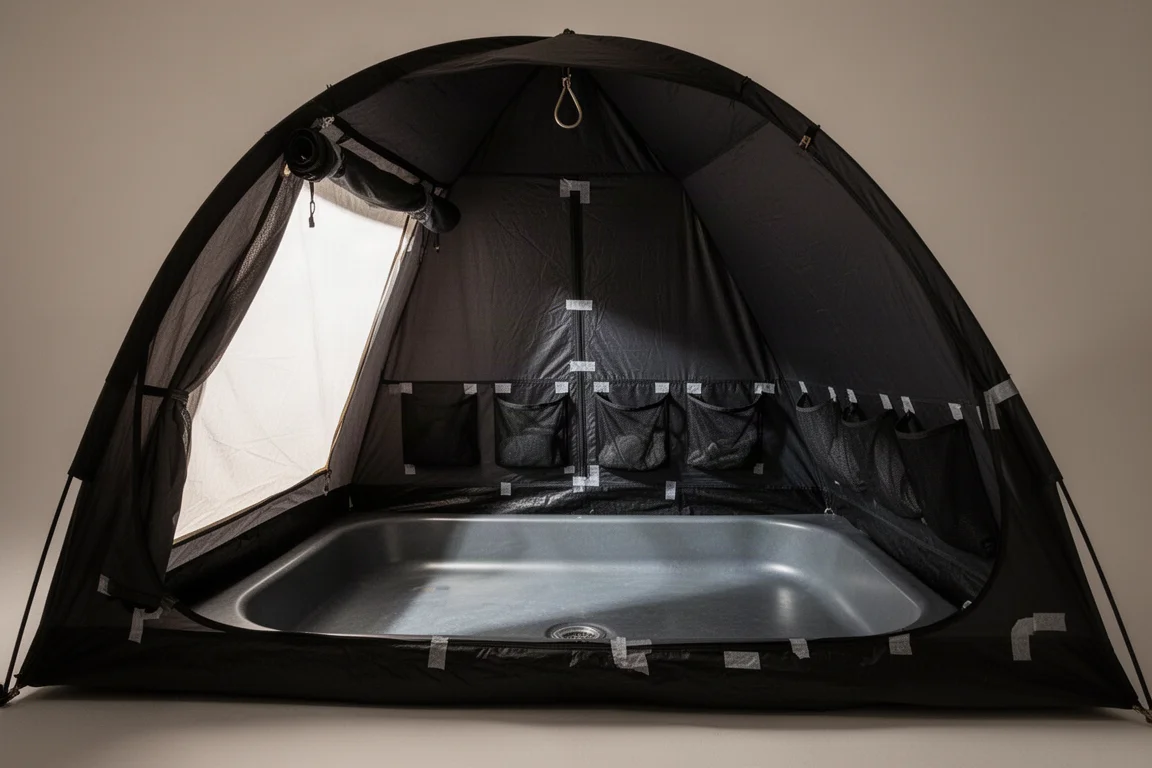
If you are weighing it against a three-season tent, the decision comes down to conditions. Where overnight temperatures regularly drop below freezing and wind is a factor, the fabric inner and the cold-weather geometry make the Stella the more sensible choice. If most of your trips are warm and mild, a mesh inner will serve you better.
Because sustained rain and snow testing has not yet been completed, buyers who need certainty on waterproofing in prolonged storms may want to wait for longer-term field results. On first impressions, though, this is a well-made, well-priced, genuinely light four-season two-person tent.
Conclusion
The One Tigris Black Tigris Stella gets the fundamentals right. It is light for a four-season tent, it packs small, it sets up simply, and its material specification is unusually strong for a $189 shelter. The fabric inner makes it a proper cold-weather design rather than a three-season tent with a winter label.
Its limitations are honest ones. The near-total absence of mesh restricts it to cool and cold conditions, the short fly trades some wind and snow blocking for better ventilation, and a loose thread and a low door tie-off point are small blemishes on an otherwise tidy build.
For backpackers who want a dedicated cold-weather shelter at a reasonable price, the Stella is a compelling option worth serious consideration.
Product link
View more details for One Tigris Black Tigris Stella Tent
This product is mentioned in the review. Check the specifications, options, and compatibility before buying.
View more details for One Tigris Black Tigris Stella TentFurther reading
Related Reviews
Camping Tents
3F UL Gear Taiji Two-Person Tent Review: Field Waterproofing Results and Buying Advice
The Taiji pairs an attached fly with a removable inner, but sustained rain exposed untaped vent seams that need sealing before this shelter can be trusted.
Camping Tents
3FUL Gear Lanshan 2 Pro 4-Season Review: A Sub-$200 Single-Wall Trekking Pole Tent
An early look at the 3FUL Gear Lanshan 2 Pro 4-Season, covering its straightforward pitch, generous interior space, and the condensation and seam-sealing questions that come with any single-wall shelter.
Camping Tents
Alps Mountaineering Lynx 1-Person Tent Review: Big Value in a Small Budget Tent
A close look at the Alps Mountaineering Lynx 1-Person Tent, covering real interior dimensions, materials, setup time, ventilation limits, and who should buy it.