Hi-Fi Audio
Duke Audio One Little Bear VU-3 and Klipsch RP-500M: A Switcher and a Bookshelf Speaker Worth Pairing
A speaker and amplifier switcher with twin VU meters, paired with a punchy Klipsch bookshelf speaker. What each piece does well, and the trade-offs to weigh first.
Introduction
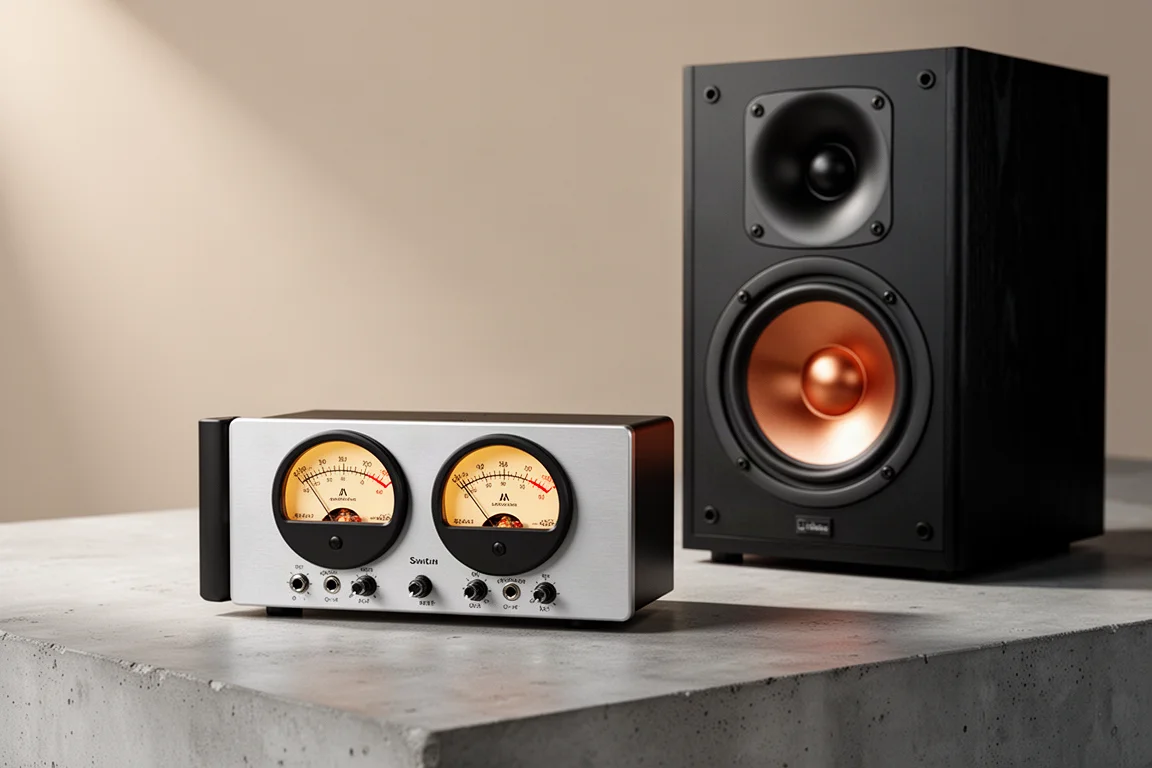
Some upgrades change how a system sounds. Others change how often you actually use it. The Duke Audio One Little Bear VU-3 belongs to the second group. It is a speaker switcher and an amplifier switcher with two large VU meters on the front panel, and it sits between your amplifier and your speakers rather than in the path of a source component.
At $130 it is not the kind of purchase that transforms a system, but it solves a very specific problem. If you want to compare two pairs of speakers, compare two amplifiers, or keep a two-channel setup and a home theater setup running in the same room, this box lets you do it from your chair instead of from behind the rack.
This article covers the VU-3 and the Klipsch RP-500M bookshelf speaker that pairs naturally with it, so you can judge whether either piece fits the way you listen.
Why a Switcher Like the One Little Bear VU-3 Makes Sense
The usual way to compare speakers is to shut everything down, move cables, and start over. That process is slow enough that most people simply do not bother, and the comparison never happens. A switcher removes that friction. Both pairs stay connected, and a single switch on the front panel moves playback between them.
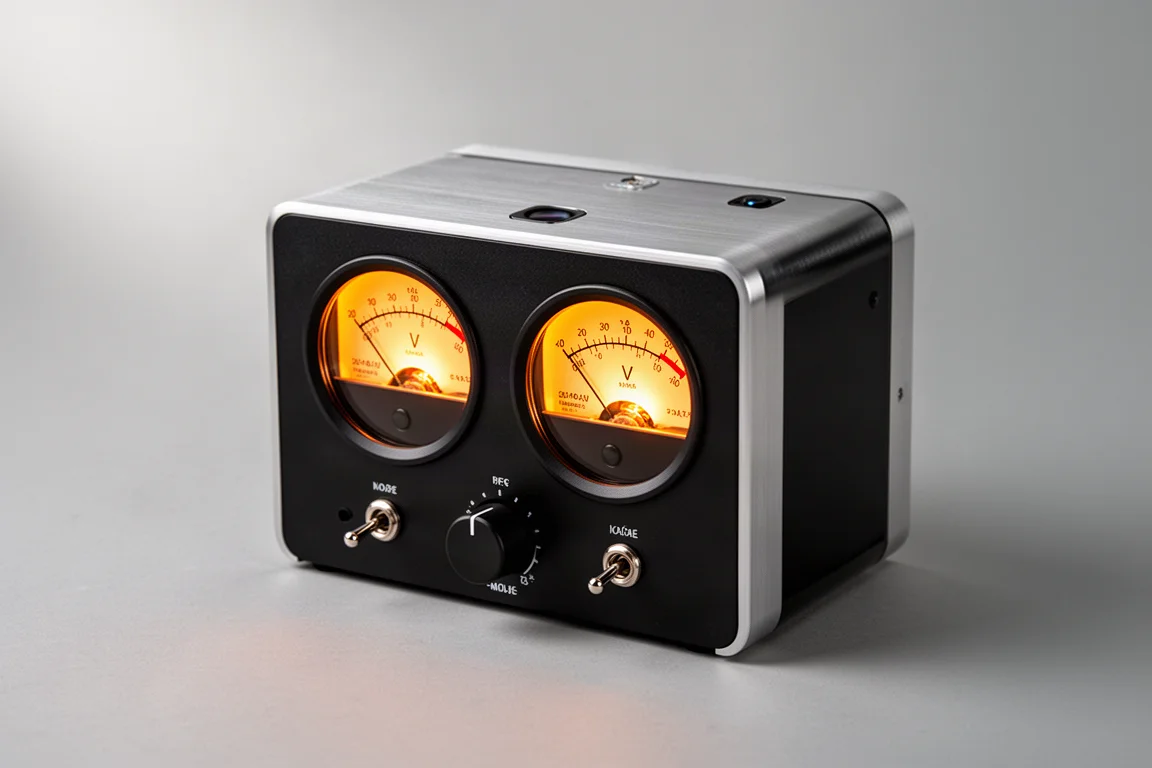
The VU-3 also adds something a plain switch cannot. Two large VU meters move with the music, and the swing range control along the bottom of the front panel increases meter sensitivity so the needles still dance at lower listening levels. For anyone who has admired the meters on vintage or high-end gear, this is an inexpensive way to bring that visual element into a modern desktop system.
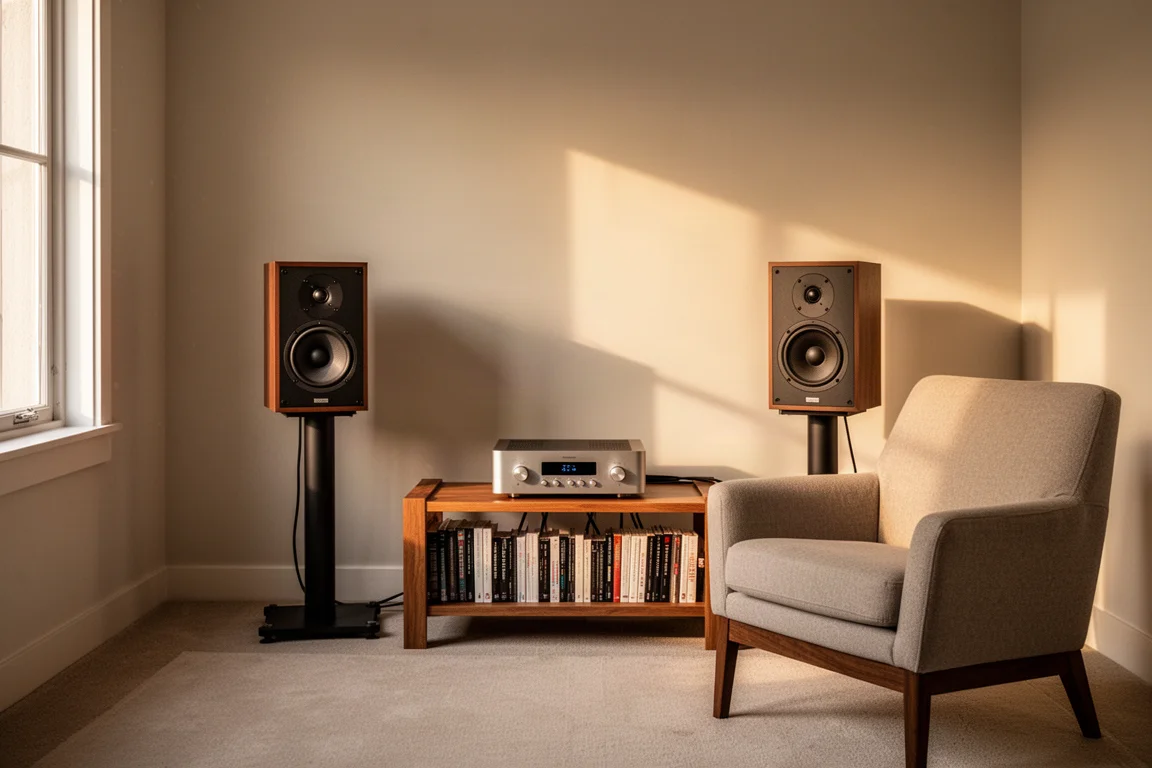
Because the unit sits between the amplifier and the speakers, it works with whatever amplification you already own. Two amplifiers can be connected at once, two pairs of speakers can be connected at once, or you can combine both and switch either side independently. Nothing about the rest of your system has to change.
Duke Audio One Little Bear VU-3: Features and Remote Control
The front panel is where the VU-3 earns its keep. Alongside the two meters there is a selector for amplifier A or B, a selector for speaker 1 or 2, and the swing range control that makes the meters more responsive at lower volumes. On the top surface sits an infrared receiver window, and that is what makes the bundled remote useful.
The remote covers more than switching. It changes amplifiers, changes speakers, adjusts LED brightness, and toggles the peak LED on and off. Moving between two amps or two pairs of speakers without standing up is the entire point of the design, and the remote is what makes that work.
The peak LED is the one feature worth tempering expectations on. It is intended to warn you when you are pushing too much power, and in theory you could dial it in to the point where your speakers start to clip or your amplifier begins to distort. In practice it lights up sporadically even at lower levels, so it reads more like a decorative indicator than a precise warning.
Around back, amplifier A and amplifier B accept the speaker outputs from your amps, while speaker 1 and speaker 2 feed your speakers. Standard speaker cable is all you need, and because the VU-3 sits between amplifier and speakers, it works with a receiver, an integrated amplifier, or a compact desktop amp.
Living With the One Little Bear VU-3
There are three ways this box tends to get used. The first is comparing two pairs of speakers on the same amplifier, which is the fastest route to deciding whether a new pair is genuinely better than the pair it would replace. The second is comparing two amplifiers on the same speakers. The third is a room that has to serve both home theater and two-channel listening: home theater fronts on one output, two-channel speakers on the other, with a single receiver or a pair of amplifiers behind the switch.
One honest caveat belongs here. A switcher is not a sound improvement, and adding a switching stage between amplifier and speakers is a change to the signal path rather than an upgrade to it. Owners of Duke Audio switches generally report no audible degradation, and nothing of the sort is noticeable in practice. The value is in convenience and in the meters, not in the sound.
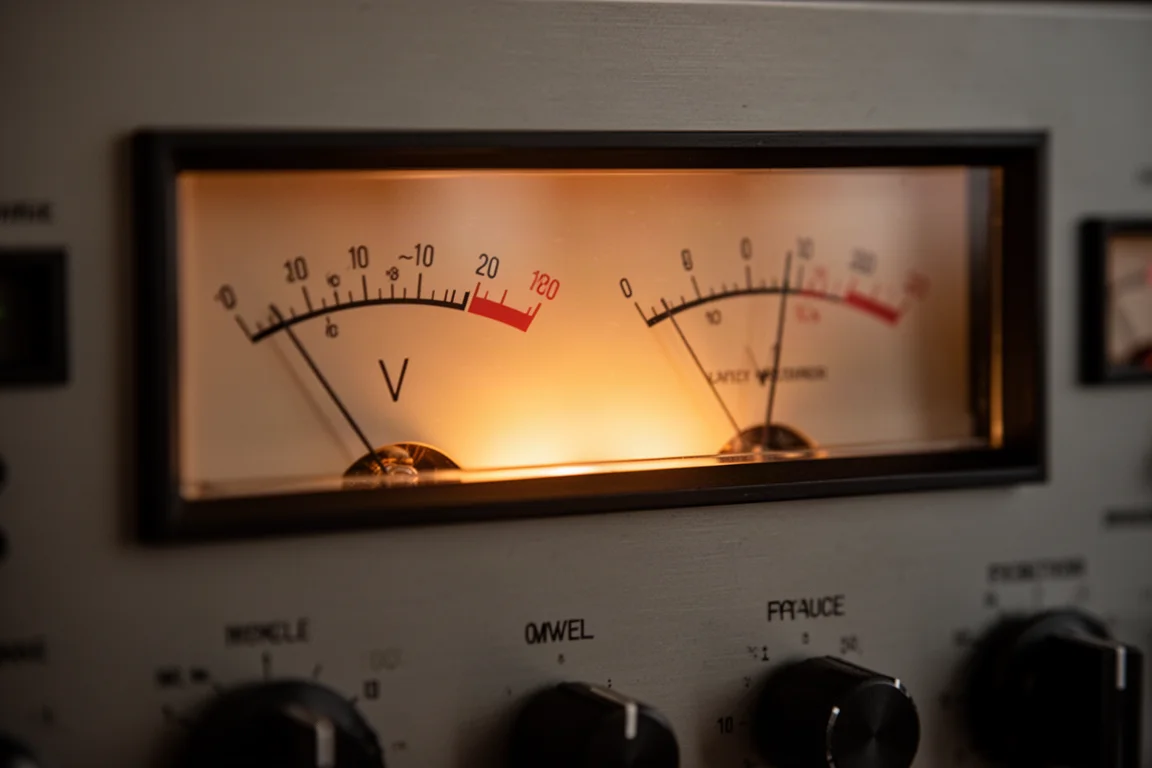
The physical match is a bonus worth mentioning. The VU-3 shares a similar chassis width with many compact desktop amplifiers, so it can sit alongside one without looking like an afterthought. Even if you never switch a single pair of speakers, the meters give a small stack a focal point it would otherwise lack.
Klipsch RP-500M: Sound Signature and Strengths
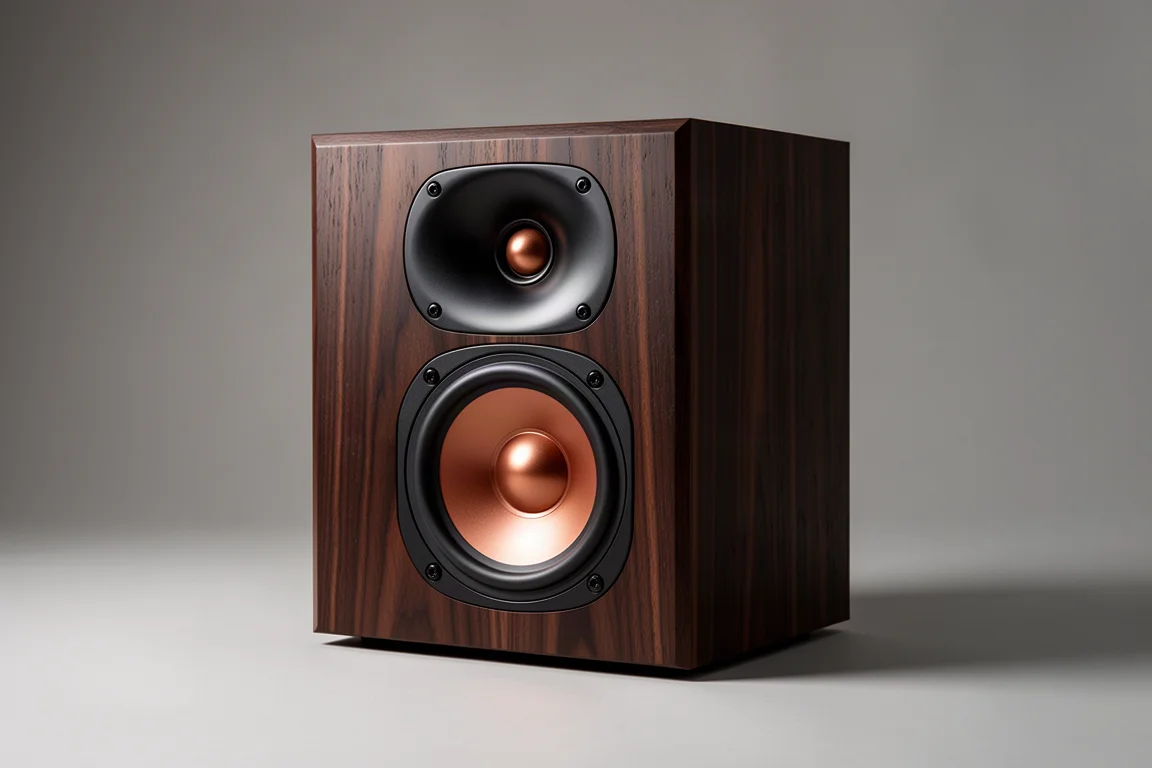
The RP-500M is a bookshelf speaker with a clear personality. It is punchy, it is bright and sparkly at the top end, and it is built well. Its balance leans toward bass presence, and the signature comes across as more bass-forward than the larger RP-600M in the same line, even though the bigger model is likely to extend lower overall.
The upper mid-range has a rise in it, and that rise does specific things. Female vocals sound real and present, and male vocals come across with more detail. Air and extension are strong points too, which is why the speaker feels lively rather than laid back.
The trade-off is stamina. At moderate levels in the 80 to 90 dB range, the RP-500M is enjoyable for a couple of hours. Push louder than that and the comfortable window shortens to an hour or two before a break becomes necessary. That is a genuine consideration if you tend to leave music running for an entire evening.
Where the Klipsch RP-500M Works Best
Home theater is where the RP-500M makes the most sense. As front left and right channels in a smaller room, the punch and the top-end energy translate into a lively, engaging presentation. The wider Reference Premiere family is a strong choice for home theater work, and it handles music well too, provided the sessions are not marathon-length.
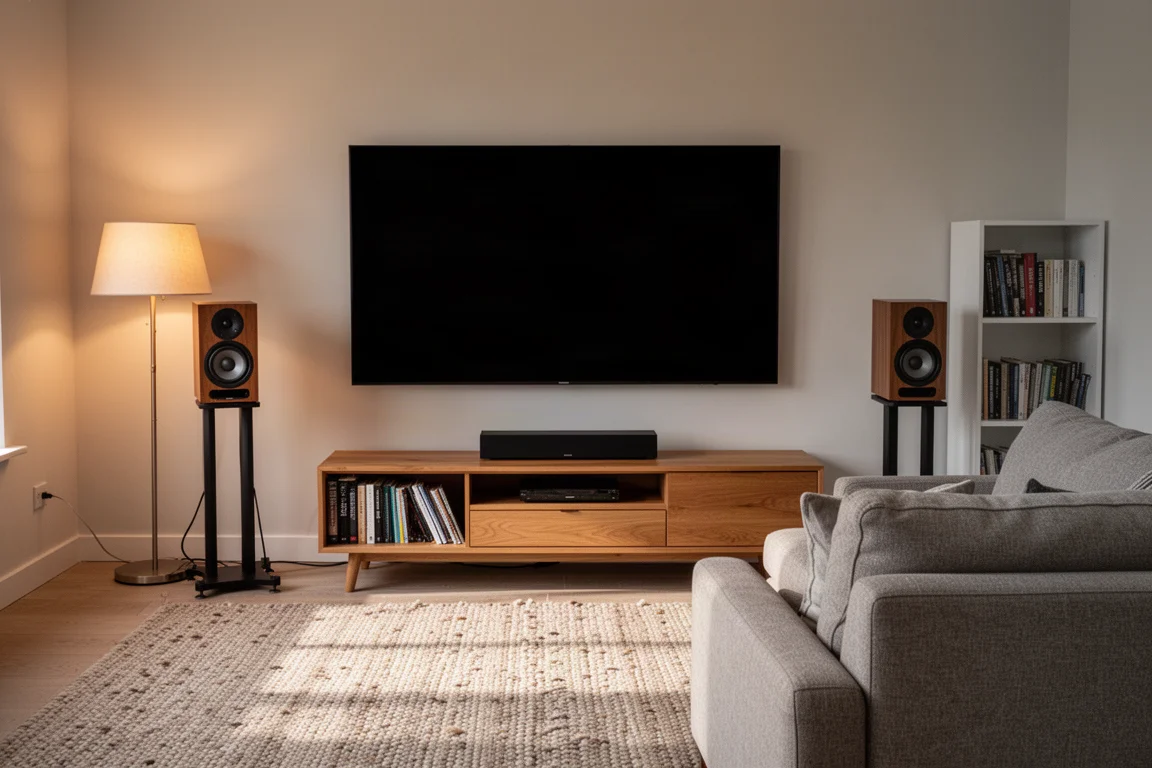
For two-channel listening, the speaker rewards material that benefits from bottom-end weight and a bit of sparkle, rock and metal in particular. Where it asks for patience is long, loud listening. That is less a flaw than a personality trait, and it is easy to work around.
Pairing the Switcher With the RP-500M
Putting the two together is straightforward. Connect the amplifier to the VU-3, connect the RP-500M to speaker output one, connect a second pair to output two, and you can compare them from your seat. Because the VU-3 sits between amplifier and speakers, it also lets you keep the RP-500M on a dedicated two-channel amplifier while a separate amplifier or receiver drives home theater speakers in the same room.
One practical note: different speakers have different efficiency, so switching between two pairs will usually call for a small volume adjustment to keep the comparison fair. That is normal for any A/B arrangement and it does not take away from the convenience.
Buying Advice
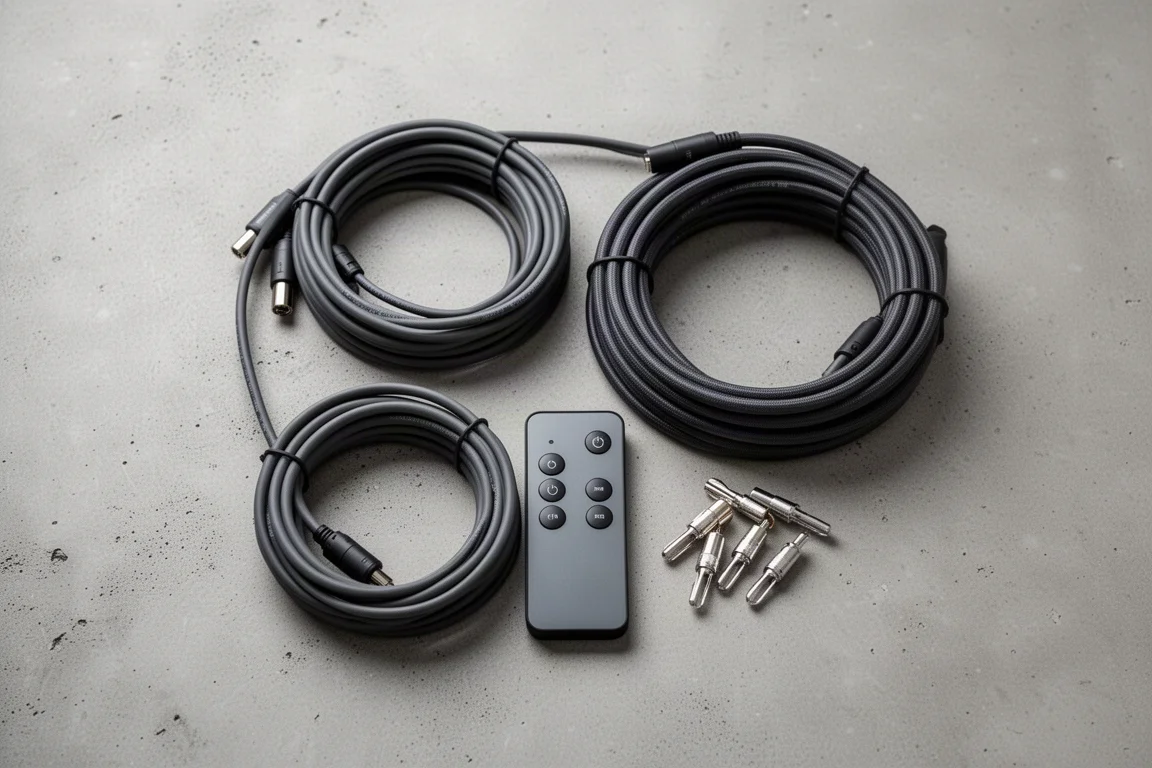
Buy the One Little Bear VU-3 if you actually intend to compare components. At $130 you get a speaker switch, an amplifier switch, a remote control, and two VU meters, and the meters alone are enough for some buyers to justify the price. Skip it if your system is fixed and you never plan to A/B anything, because it will not improve the sound of what you already own.
Buy the Klipsch RP-500M if you want a punchy, detailed bookshelf speaker for home theater fronts in a smaller room, or for music sessions where energy matters more than endless smoothness. Go in expecting a bright, bass-forward presentation, and plan on breaks during loud, long sessions.
If you are deciding between the two, the choice is simple. The switcher is about how you use your system. The speaker is about how it sounds. Neither is a requirement, and both make the most sense when they match a habit you already have.
Conclusion
The Duke Audio One Little Bear VU-3 is a niche product done well: a speaker and amplifier switcher with twin VU meters, a remote control, and a $130 price. It will not change how your system sounds, but it changes how easily you can compare components and how enjoyable a small stack looks on a desk. The Klipsch RP-500M is the other half of that equation, a punchy, well-built bookshelf speaker that excels as a home theater front pair in a smaller room and asks for a break when the volume stays high.
Together they cover a common situation: a system that has to do more than one job, in a room that has to host more than one kind of listening.
Further reading
Related Reviews
Hi-Fi Audio
Accuphase C-57 vs Allnic H-7000V: Two High-End Phono Stages Compared
A fully balanced solid-state phono stage with a pitch-black noise floor meets a tube design built for well-loved records. Here is how to choose between them.
Hi-Fi Audio
Active vs Passive Hi-Fi: Five Components for a Modern System
Five components that define modern active and passive hi-fi systems, with the strengths, trade-offs and setup details worth weighing before you buy.
Hi-Fi Audio
Advance Paris A10 Apex Review: A Hybrid Integrated Amplifier That Covers a Lot of Ground
A French hybrid integrated amplifier with a class A tube preamp stage, analogue power meters, and an internal DAC and phono stage good enough to make extra boxes unnecessary.