Backpacking Gear
OM Classic 32 and Add-Ons: A Modular Ultralight Backpack System
A practical look at the OM Classic 32 and its clip-on pods, which together turn a 32 litre frameless pack into a roughly 45 litre modular setup.
Introduction
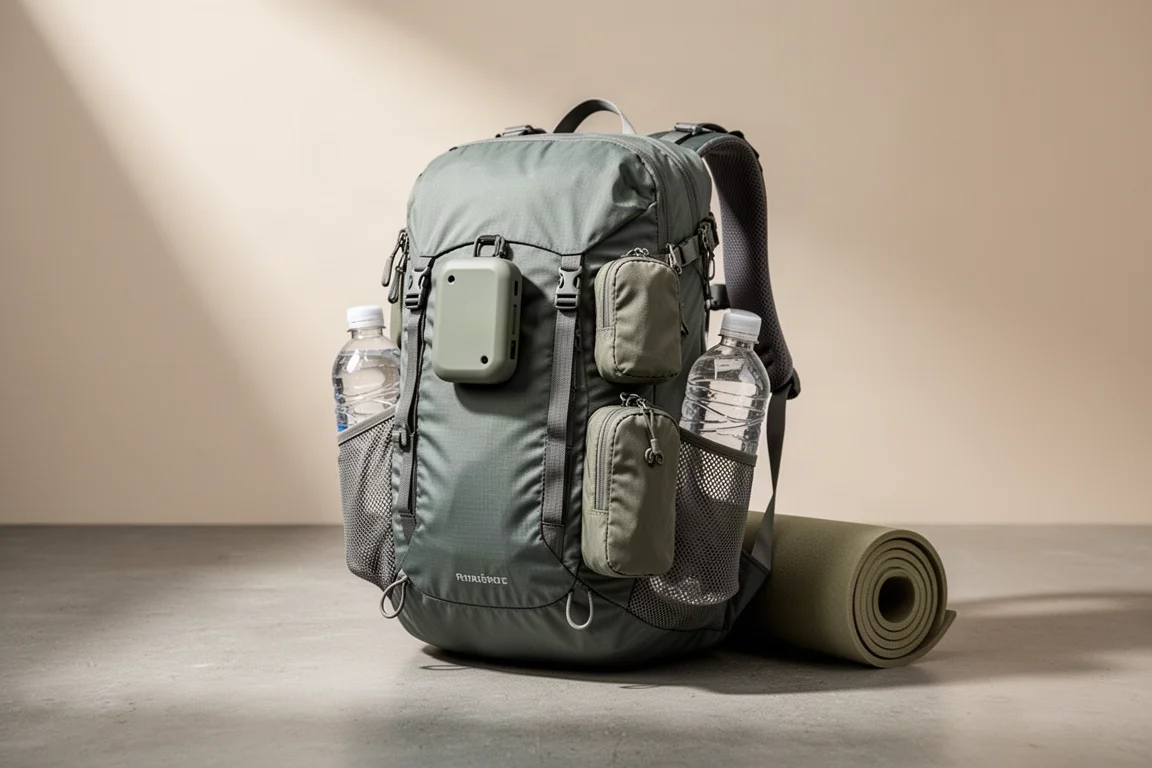
Frameless ultralight packs ask a simple question: how little can you carry and still stay comfortable? The OM Classic 32 answers with a 32 litre body that weighs around 380 g in its lightest form and a family of clip-on accessories that expand it to roughly 44 to 45 litres.
The pack itself is only part of the story. The OM Go Pods, OM Chest Pod, OM Compressor Pod and the removable hip belts each add capacity or accessibility exactly where it is useful, and most of them attach to generic loops and rails rather than to dedicated mounts. Bought as a complete set, the whole arrangement comes to roughly £200.
How the OM Classic 32 Modular System Works
The OM Classic 32 is frameless, so it depends on its removable foam back panel for structure. That panel is more than padding: it doubles as a three-quarter length sleeping mat, a sit pad, or a clean surface to lay gear on at camp.
Back length is fixed at about 50 cm with no adjustment, although the shoulder straps, chest strap, lid straps and side compression can all be tuned to suit a range of body shapes. A universal gear rail sits at the base of the pack and again halfway up, and there are attachment loops on the shoulder straps. That combination is what makes the add-on system possible.
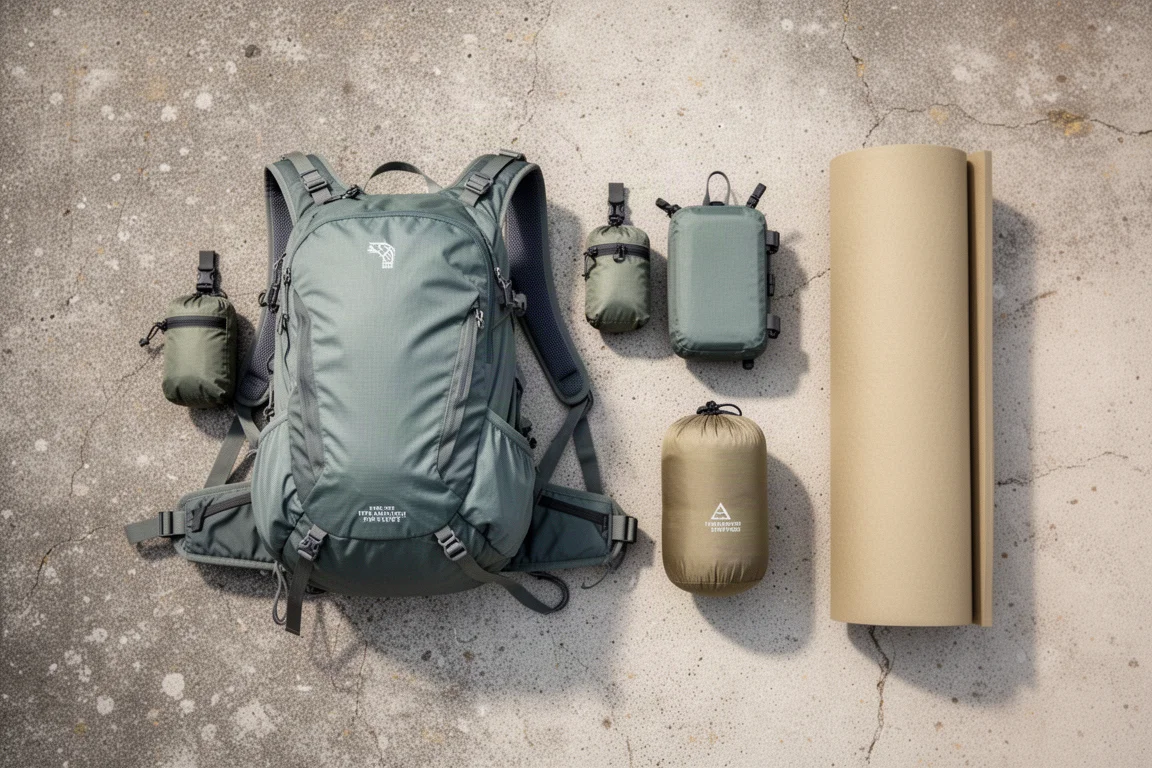
Because the accessories mount to those rails and loops rather than to model-specific hardware, the same pack can be stripped back for a fast overnight trip or built up for a longer outing with more food and a bulkier shelter.
OM Classic 32: The Base Pack
On its own, the base pack covers the essentials well. The lid carries a zippered pocket, a large stash pocket and a small clip for keys. The shoulder straps are ventilated, and there is extra ventilation at the lower back. Tough fabric runs through the middle of the pack and the base uses a hard-wearing material, which matters on a bag this light.
The side pockets are generously stretchy and will take two water bottles per side, and there is a large stretch pocket on the front. A chest strap with a built-in whistle is included, and that whistle is a regulatory requirement at mountain marathon events. Inside, a hydration reservoir sits close to the back, so a bladder remains an option despite the minimal construction. Closure is a drawstring plus compression straps on the sides and the lid.
The removable hip belts add around 2 litres of capacity through dual pockets and do real work in transferring load from the shoulders to the hips. They are held in place by two T-pegs that double as bottle openers and can also be pressed into service as tent stakes for a tarp or a lightweight tent, which is a neat detail for anyone counting every gram.
OM Go Pods: Quick-Access Chest Storage
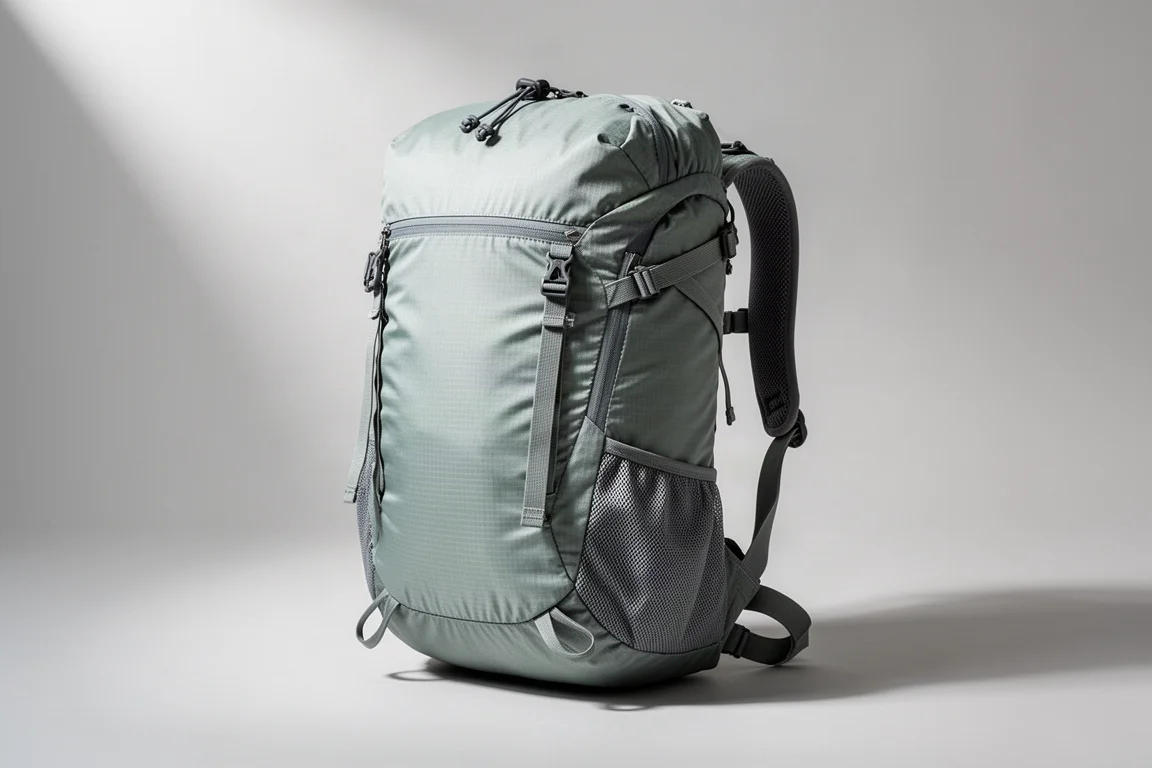
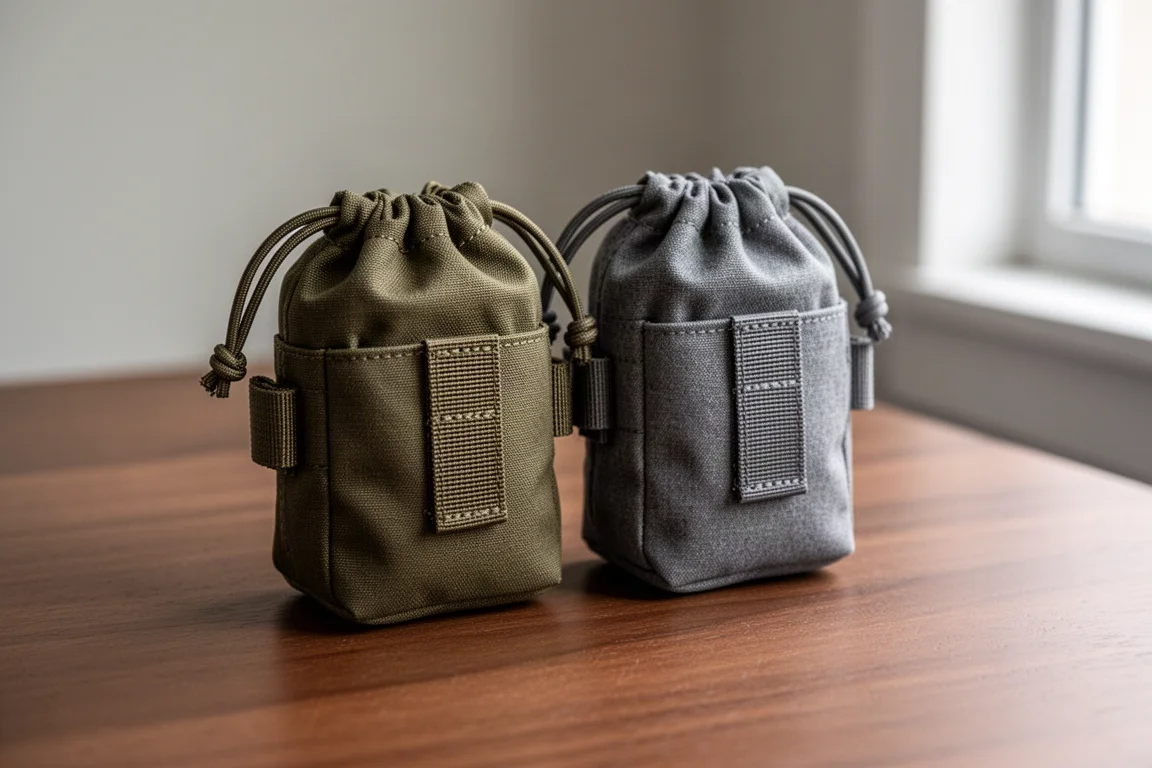
The OM Go Pods weigh 30 g each and cost £15 each. A pair adds about 1.5 litres of combined capacity on the shoulder straps using the loops that are already there. Each pod cinches down at the top and includes a small built-in pocket, so there is more design in them than the size suggests.
They suit snacks, energy bars, folded maps or a 500 ml bottle. They also work with a bottle that has a hose attached, which means you can drink while you walk instead of stopping to unclip anything.
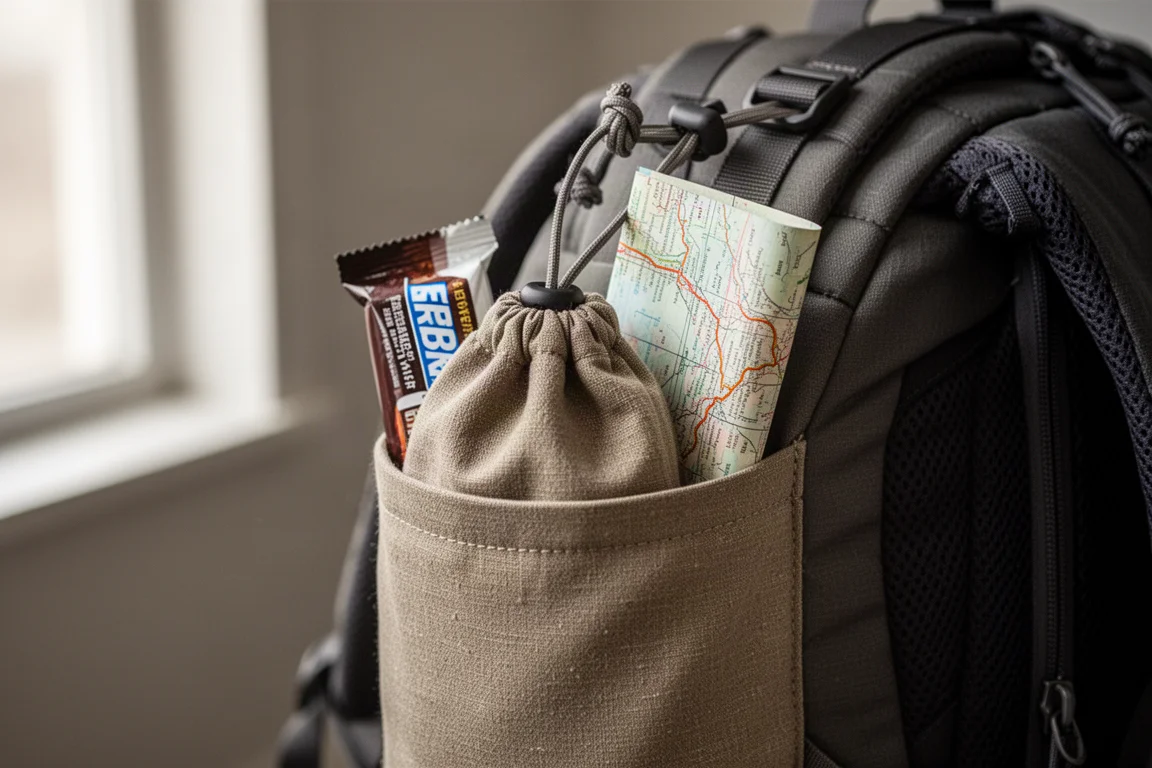
The pods are close to universal as well. Any pack with suitable shoulder strap loops can take them, so they are not tied to the OM Classic 32 if you change packs later.
OM Chest Pod: Four Litres Up Front
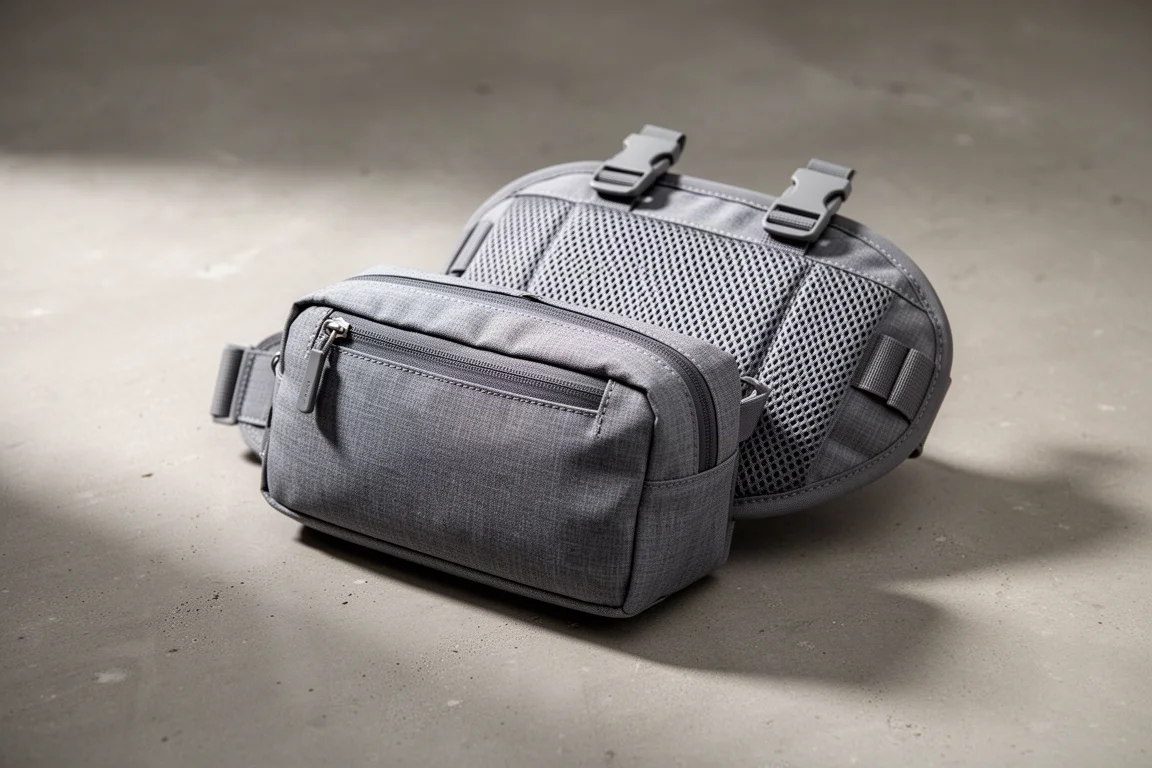
The OM Chest Pod adds 4 litres of carrying capacity for just 95 g and costs around £30, which is strong value for the volume it brings. It has four pockets, including a large zippered main compartment and two internal pockets, plus a ventilated panel against the chest to cut down on sweat build-up.
It attaches with clips at the top onto the shoulder straps. The one clear limitation is that it is not waterproof, so a paper map or electronics are better protected in a dry bag. The lower clips are also not lockable, and they can occasionally ping off during a long day.
OM Compressor Pod: Five Litres at the Base
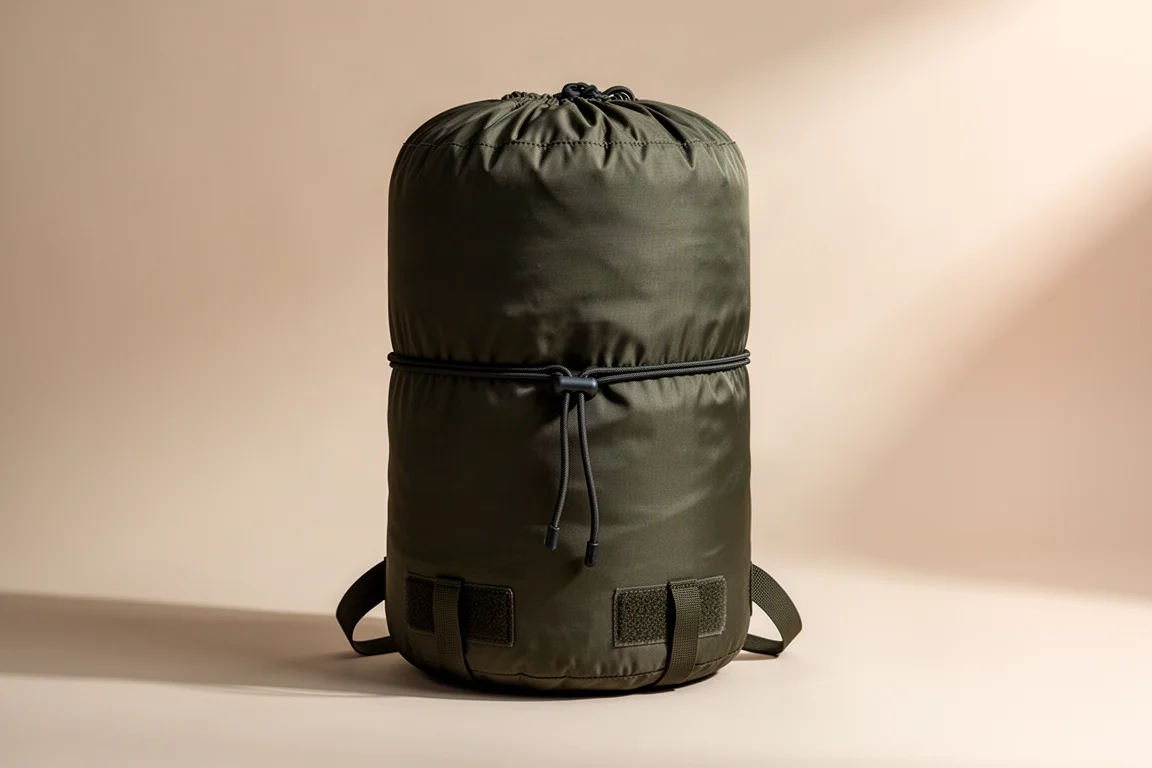
The OM Compressor Pod weighs 60 g and adds 5 litres, which is the piece that takes the setup towards 45 litres. It uses an elasticated cinch cord and two velcro straps at the base, so it can be looped through whatever fixings a pack offers until the tension feels right.
The small locking levers on the cord look as though they might slip, but they hold firmly in use. Because the mounting is generic rather than model-specific, the pod can be moved to other backpacks, although the quality of the fit will vary from pack to pack.
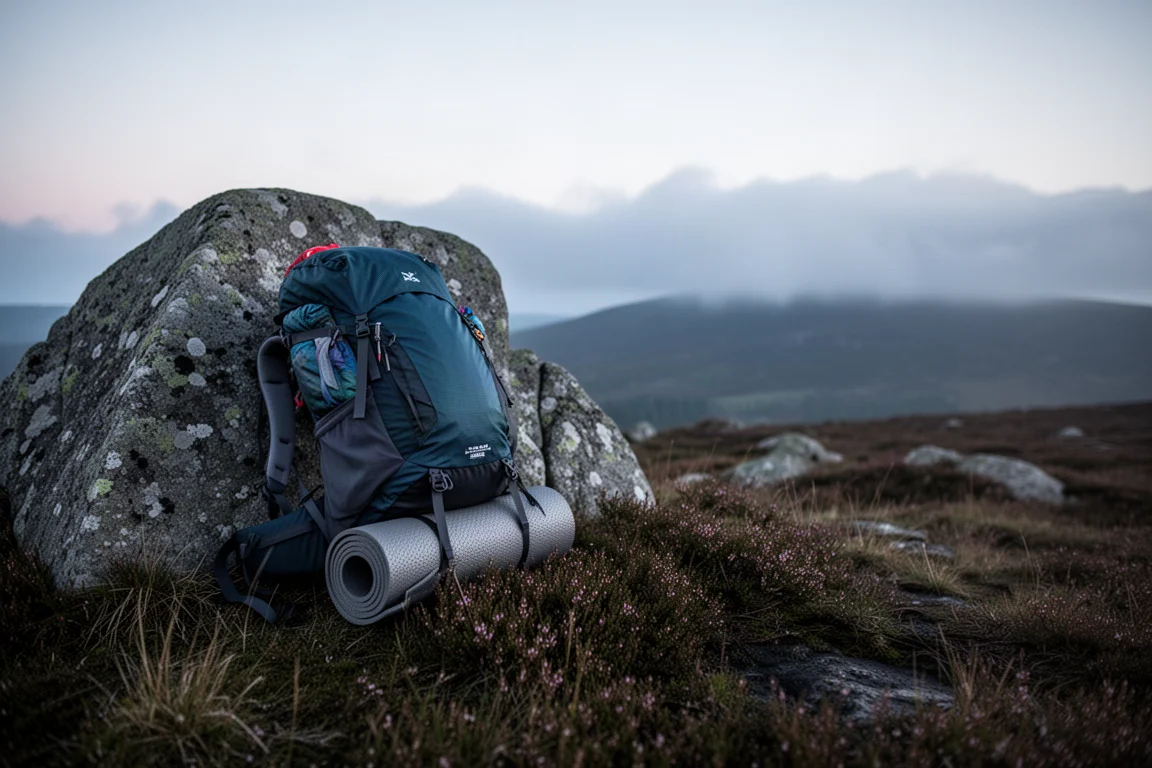
On the OM Classic 32 it sits low and keeps bulk out of the way of the chest and shoulder storage, which is exactly where you want extra volume on a frameless design.
Load Carrying and Fit in Practice
With a frameless pack, weight transfer matters more than raw capacity. The removable hip belts move load from the shoulders onto the hips and are worth fitting if you intend to pack the bag out fully.
The add-ons change how the weight sits, too. The Go Pods and Chest Pod keep frequently used items at chest height, which reduces how often you need to take the pack off, while the Compressor Pod pushes bulk down towards the base. The one fit variable that cannot be changed is the fixed 50 cm back length, so it is worth comparing that measurement against your own torso before committing.
Overall Buying Advice
Start with the base pack. It is light on its own and already includes the foam back panel, hydration sleeve, stretch side pockets and the chest strap with whistle, so it works as a standalone 32 litre bag for shorter trips.
Add the Go Pods if you want snacks, a map or a bottle within reach while walking. Add the Chest Pod if you carry a full-size map, a waterproof, gloves or a hat and want them ventilated and accessible rather than buried. Add the Compressor Pod when you need extra volume for longer trips or bulkier insulation. Fit the hip belts if you plan to load the pack heavily.
Everything together comes to roughly £200, and since most of the accessories mount to generic loops and rails, they can follow you to a future pack rather than being locked to this one.
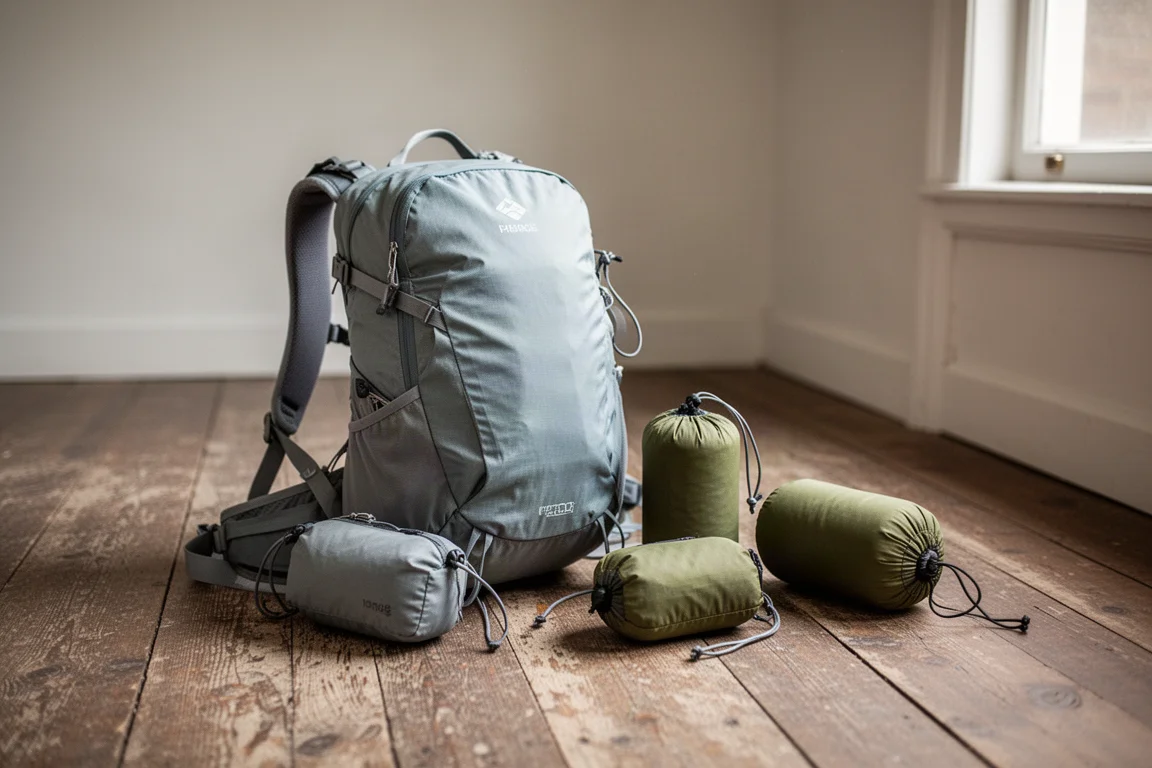
That flexibility is the real argument for the system. You are not buying a single fixed 32 litre bag, you are buying a platform that can be scaled up or stripped back depending on the trip.
Conclusion
The OM Classic 32 makes most sense when it is treated as a system rather than a single bag. Begin with the pack, add only the pods that match how you actually carry your gear, and you end up with something between 32 and roughly 45 litres that stays light and keeps the things you need most within easy reach.
Further reading
Related Reviews

Backpacking Gear
Building a 10 lb Base Weight: An Ultralight Backpacking Gear List
A practical walkthrough of the ultralight pieces behind a 10 lb base weight, from a 765 g pack and a roomy one-person tent to a full camp chair and a dependable water filter.
Backpacking Gear
A 15-Pound Lightweight Backpacking Gear List for Solo Trips
A beginner-friendly 15-pound backpacking setup built from easy-to-find gear, with notes on what each piece does, how it packs, and where to spend your attention.
Backpacking Gear
8 Ultralight Backpacking Gear Upgrades Worth Carrying
Eight small, affordable backpacking upgrades that solve real trail annoyances, from a pillow that stays put to a fuel valve that rescues leftover canister gas.