Overlanding & Off-Road Recovery
Off-Road Recovery Essentials: Why a Soft Shackle and a Dynamic Strap Beat Old-School Hardware
A look at two recovery kit staples, a soft shackle and a dynamic recovery strap, and why modern synthetic gear has largely replaced heavy steel shackles and static tow straps.
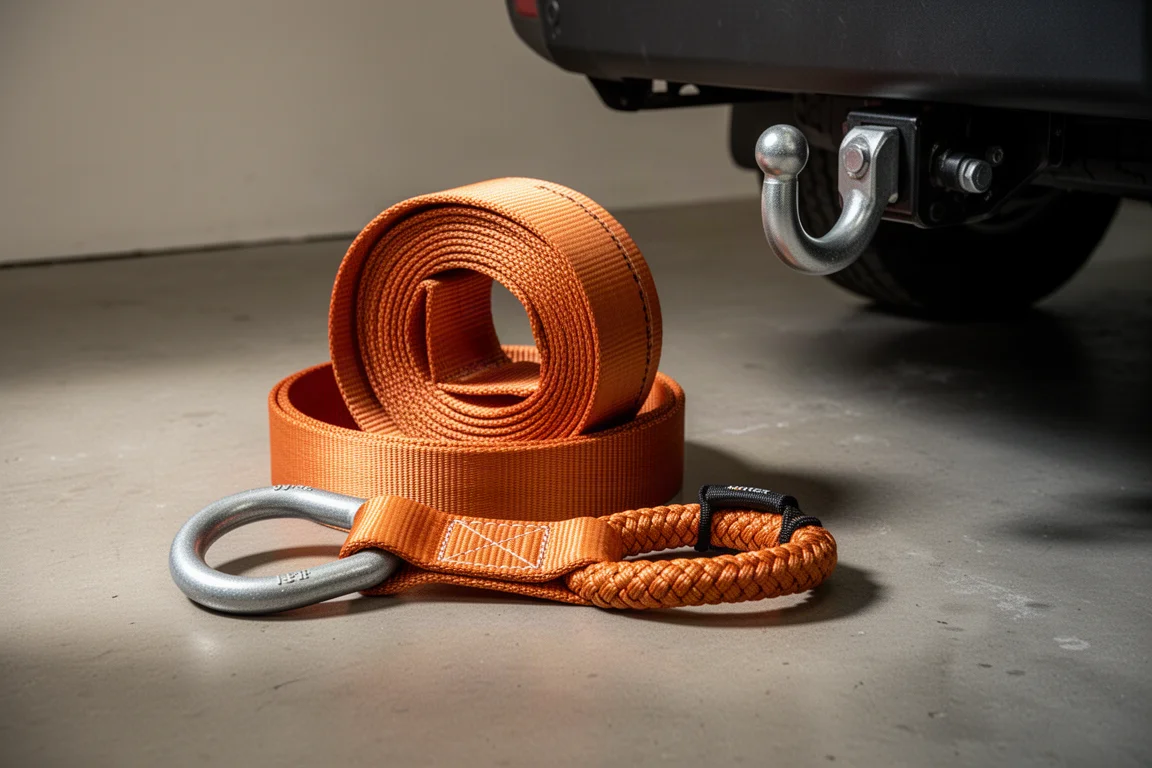
Introduction
Sooner or later, every overlanding or off-road trip involves moving a vehicle that cannot move itself, whether that means recovering a stuck rig or towing one a short distance. Two categories of gear dominate that job: soft shackles for making the connection, and straps for doing the pulling. Modern synthetic options have quietly replaced much of the heavy iron and chain hardware that off-roaders relied on for decades, and the difference in weight, safety, and ease of use is significant.
This guide covers two of the most useful items to understand before building a recovery kit: a premium American-made soft shackle and a well-regarded dynamic recovery strap.
Static vs Dynamic: Know Your Straps
The first thing to get straight is that not all tow straps are the same. Most cheap tow straps sold at gas stations or big-box stores are static straps. They stretch very little, which is exactly what you want when towing a vehicle: start out slow, get both vehicles up to speed, and motor down the road.
Dynamic straps are a different animal. They stretch somewhat like a rubber band, which lets them store energy and release it gradually. In a snatch recovery, that stretch means you can use more of the pulling vehicle’s forward momentum and distribute the force over a longer period of time, pulling a stuck vehicle free without the sharp, damaging yank a chain or static strap delivers. That springiness is also why dynamic straps should not be used for towing, where the stored energy can cause problems.
The Case Against Heavy Steel Shackles
Traditional recovery connections rely on metal shackles: a pin slides into a receptacle or eye on the vehicle and screws in place. That setup demands the right size shackle, a proper shackleable point on the vehicle, and some care, since overtightening a pin under load can deform it. Metal shackles also weigh a ton, rust over time, and can become dangerous projectiles if a strap fails.
Soft shackles solve nearly all of this. Made from a special high-strength nylon rope, a quality soft shackle can thread through almost anything you can squeeze it through, which makes them super light, super efficient, and super strong.
One important caution: because they attach to nearly anything, you must be careful about what you attach them to. Never grab a control arm, tie rod, or axle. Attaching to the wrong point can do serious damage, and there is no shortage of stories about torn-off bumpers. Choose proper recovery points.
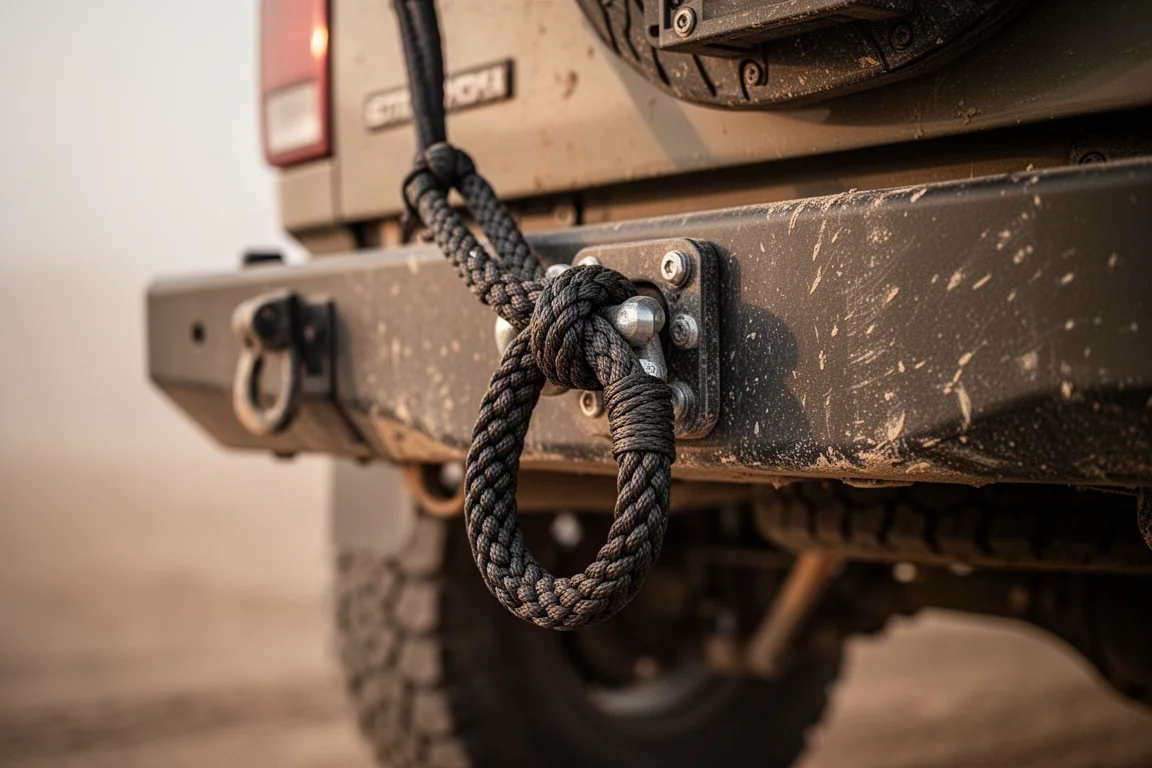
Bubba Rope Gator Jaw Soft Shackle
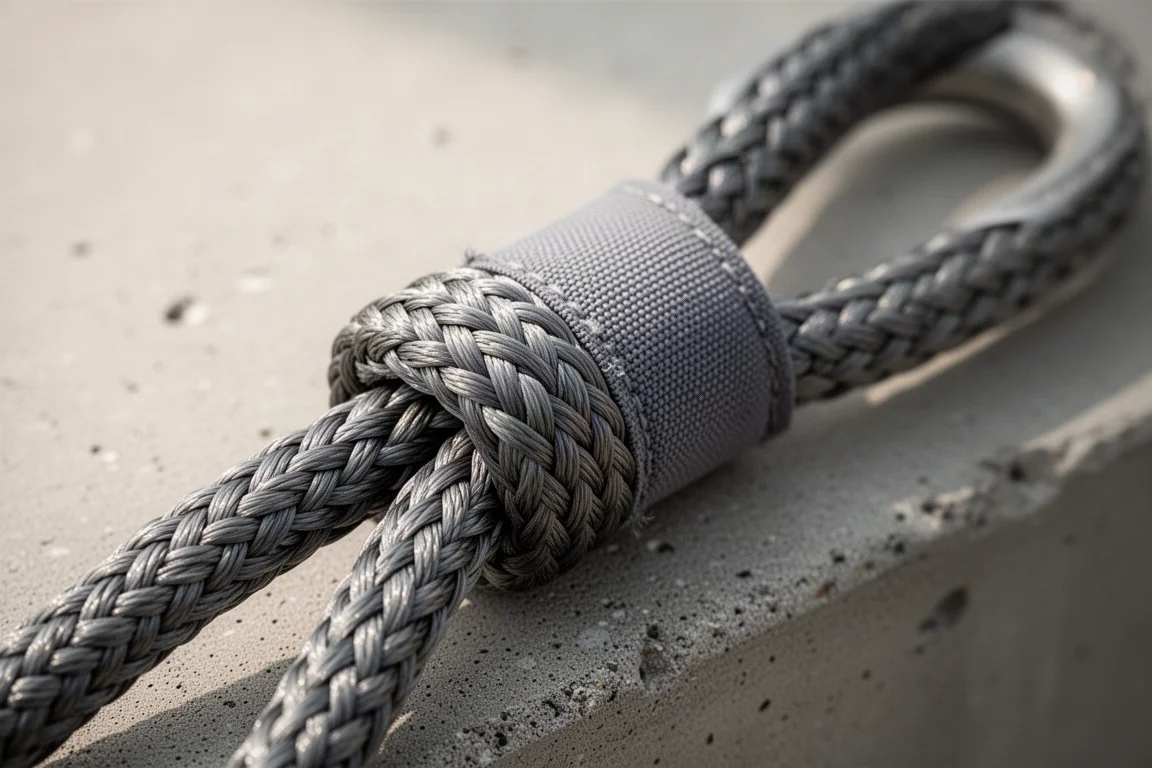
The Gator Jaw is made by Bubba Rope, an American company, and this one is made in the USA. The design is beautifully simple: a special sealed knot on one end forms a ball, the looped rope end threads through your attachment point, and the ball end cinches through the loop. The harder you pull, the tighter it grips.
The example rated here is rated to 45,000 pounds, and the rope itself is thick, described as being around the diameter of a radiator hose. It is a beast, but sizing matters: match the shackle and rope strength to the vehicles involved, because excess strength you do not need costs extra money, and over-large dynamic ropes will not stretch properly behind lighter vehicles.
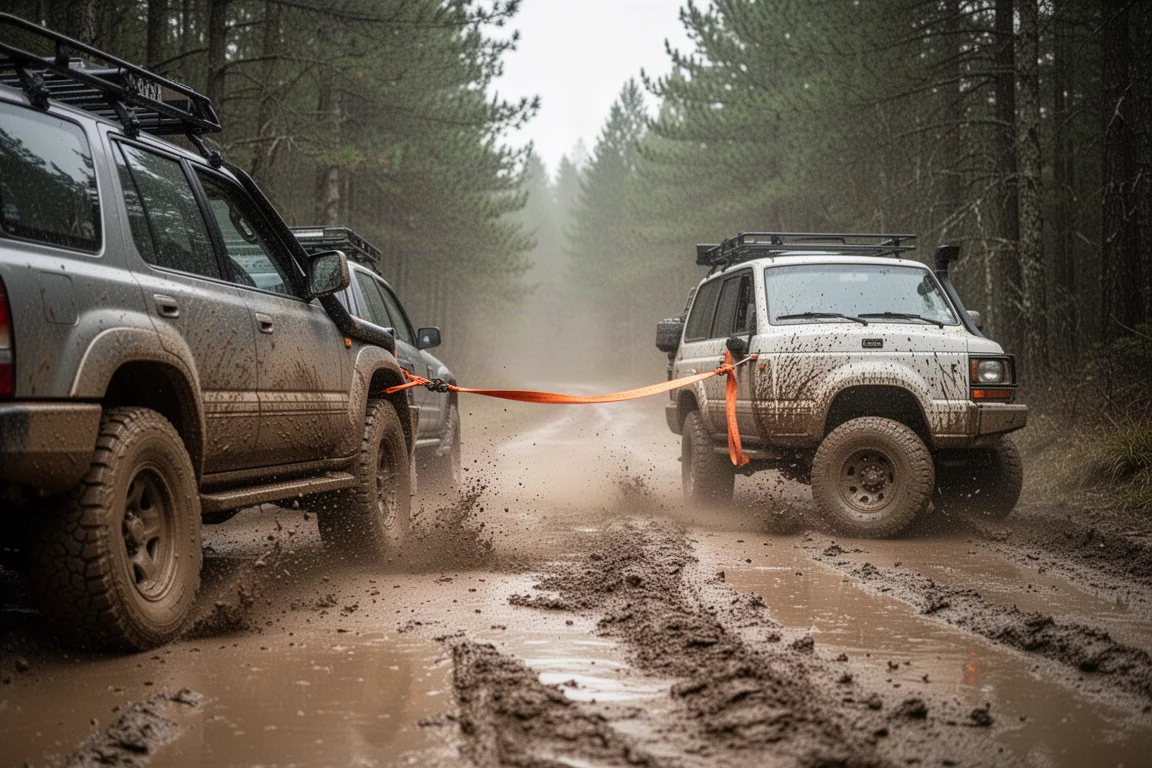
In use, these soft shackles show almost no wear, with only minor fraying from repeated stretching. They ship with protective covers, including spares, which is a smart touch for long-term durability, and they can be kept clean and washed. Even a sun-faded one from a budget brand held up fine in use, thanks to how strong these materials are at this size. Frequently you use two of them in a recovery, which further distributes the load.
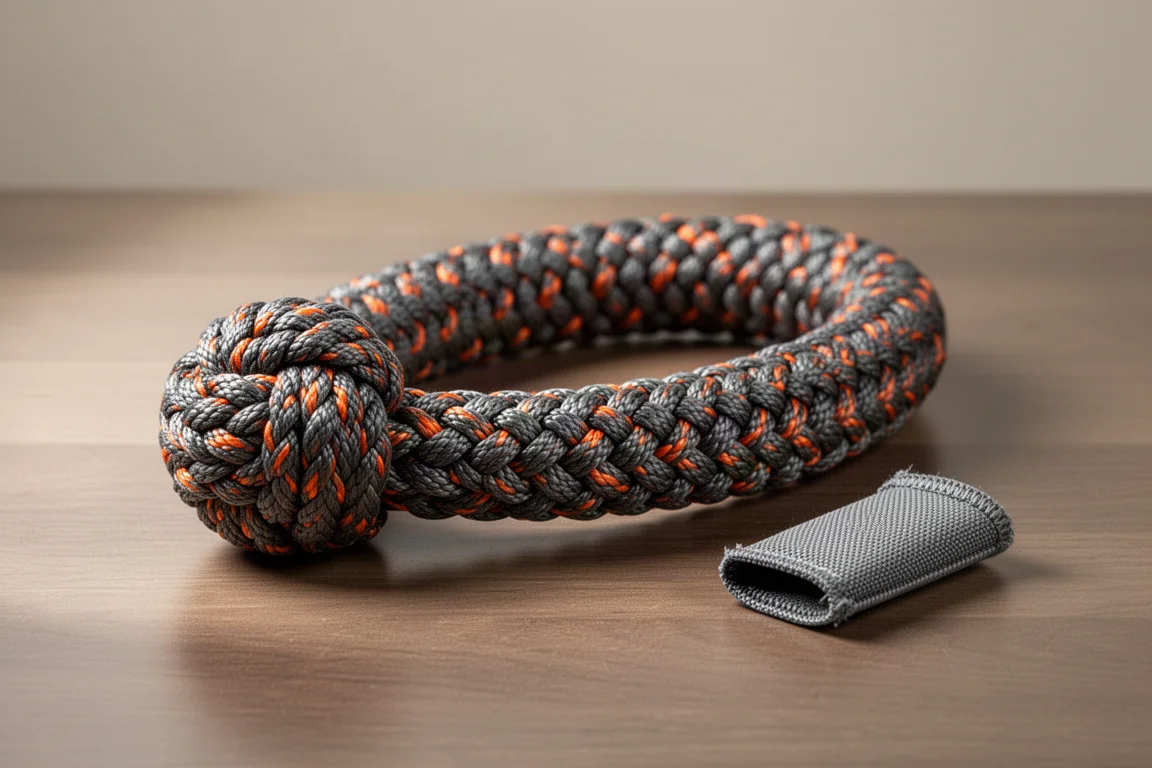
Budget Soft Shackles Are Worth a Look
Not everyone needs the premium option. Inexpensive soft shackles sold online can cost around $20 or less for a pair, versus roughly $50 for a premium Gator Jaw. They use similar materials, just a little less refined, and they are also rated at impressive strengths, so there is no need to worry about trusting them for typical vehicle work.
They are exactly the same basic design, just with slightly sloppier material and a much lower price. For many people getting into overlanding, that is an easier entry point than spending more on strength far beyond what the job requires.
Construction and Durability
The charm of a soft shackle is in its rope work. At one end there is a sealed knot forming the ball; at the other, unique rope work where one rope passes through the other, almost like an interwoven pattern. That simple mechanism replaces a machined pin and body that weighs many times more and can rust, jam, or injure someone if it lets go under load.
The fabric is also much softer on whatever it pulls against, meaning far less chance of damaging bumpers, brackets, or paint compared with a hard metal connection. This is genuinely modern gear compared with how vehicles have been connected since the iron age.
ARB Dynamic Recovery Strap
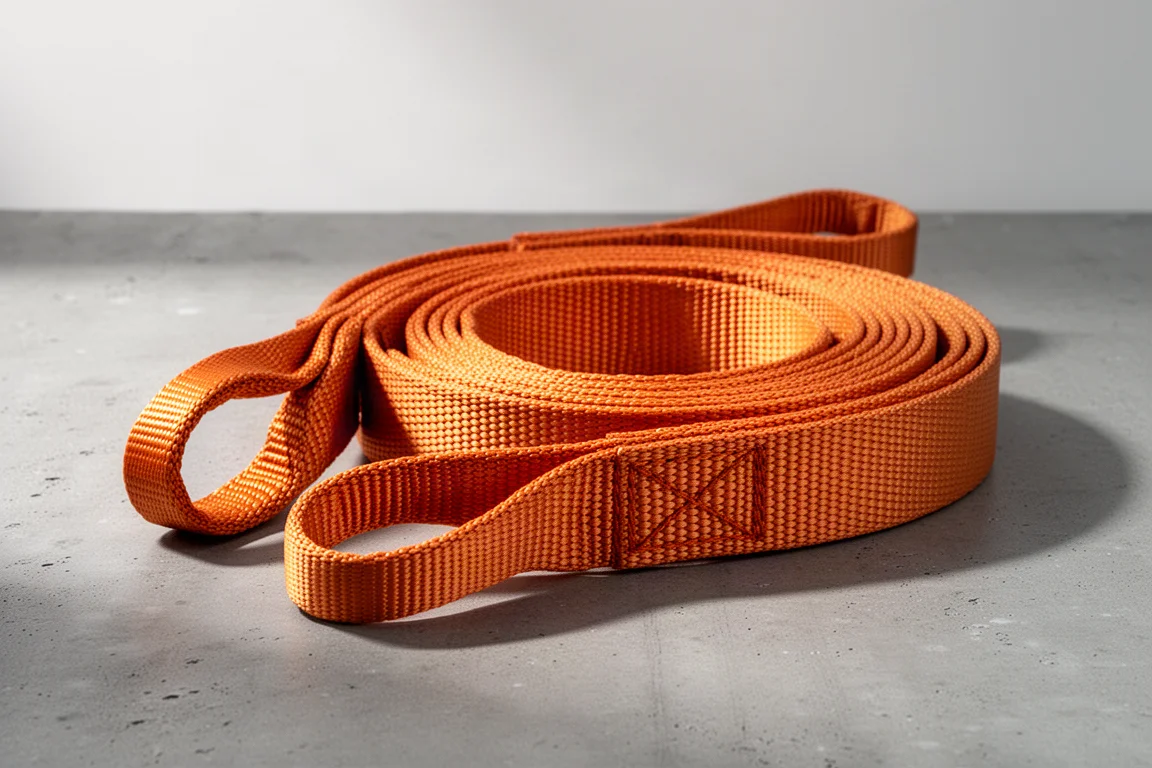
For the pulling side, a dynamic recovery strap is the tool of choice. Once it is connected between two vehicles with some slack built in, the pulling vehicle takes off, the slack comes up, and the strap stretches to store and then smoothly release the energy needed to lift or pull the stuck vehicle out.
Size the strap to the vehicle being recovered. If the rope is too big for a lighter vehicle, the vehicle cannot generate enough resistance to stretch it, so it ends up acting much like a static strap. Premium dynamic ropes from well-known brands, including Bubba Rope, cost more than budget options, but the technology has proven solid, and these ropes are made in enormous sizes for pulling locomotives, airplanes, and ships.
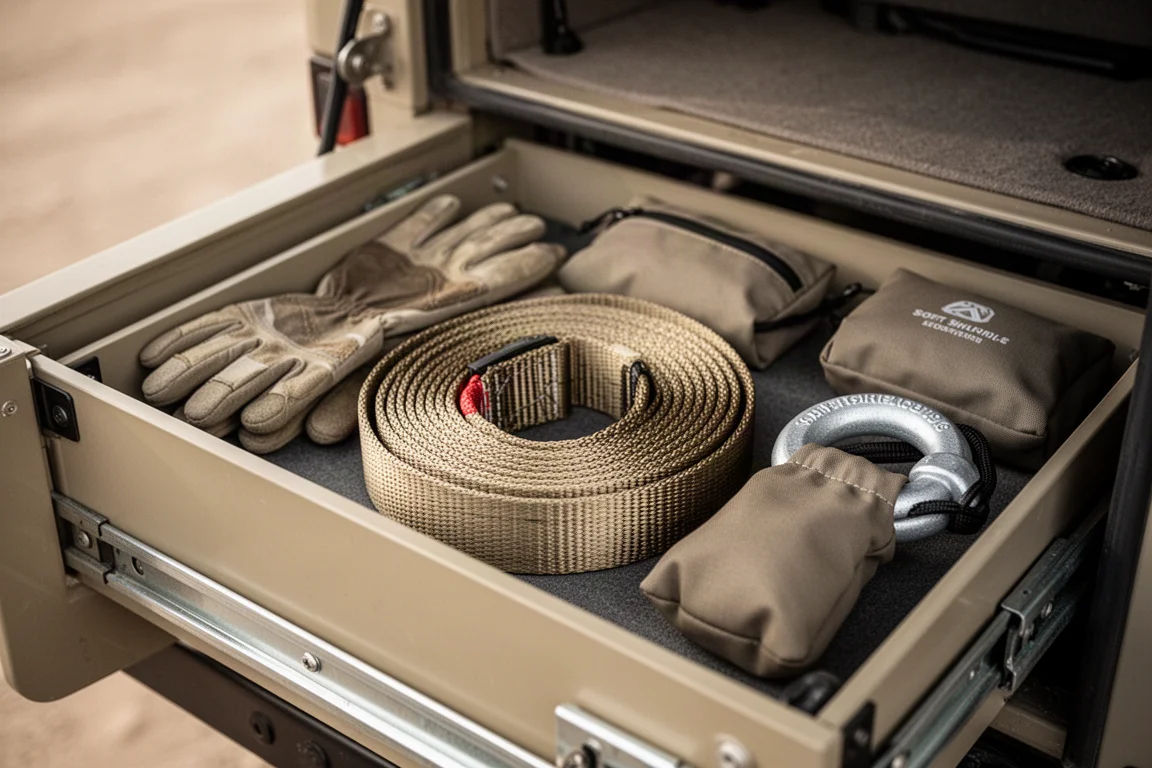
It is still worth carrying a metal shackle occasionally, because sometimes you are working around a sharp piece of metal that would wreck a strap. But for most recoveries, a dynamic strap paired with soft shackles is lighter, safer, and easier to stow.
Buying Advice for a Balanced Recovery Kit
A sensible starter kit pairs a dynamic recovery strap sized to your vehicle class with two soft shackles as the connection points. Skip the static tow strap for recoveries, reserve it for actual towing, and leave the heavy steel shackles behind unless a specific sharp-edge job calls for one.
If budget is tight, inexpensive soft shackles are a perfectly trustworthy starting point. If you want the premium pick, the Bubba Rope Gator Jaw stands out for its USA-made build quality and included protective covers. And whatever you buy, always attach to proper recovery points, never to suspension components.
Conclusion
Modern synthetic recovery gear has made vehicle recovery lighter, safer, and simpler. A soft shackle replaces heavy, rusty iron with a braided loop that grips tighter the harder you pull, and a dynamic strap turns a sharp, damaging yank into a smooth, energy-distributed pull. Together, they form the core of a recovery kit that almost any overlander will reach for sooner or later.
Further reading
Related Reviews

Backpacking Gear
Building a 10 lb Base Weight: An Ultralight Backpacking Gear List
A practical walkthrough of the ultralight pieces behind a 10 lb base weight, from a 765 g pack and a roomy one-person tent to a full camp chair and a dependable water filter.

Road Bikes
10 New Road Bikes Worth Watching: Aero, Titanium, Steel and Endurance Standouts
A practical roundup of 10 new road bikes, from aero flagships chasing single-watt gains to titanium, steel and endurance platforms built for real roads.
Bikepacking Gear
11 Bikepacking Essentials for Long-Distance Cycling
Eleven bikepacking essentials for long-distance cycling, from a steel gravel frame and a two-person tent to helmet lights, packable gloves, and a frame bag that puts weight in the right place.