Camping Tents
OEX Jackal 2 10 Review: A Four-Season Two-Person Tent at a Budget Price
A practical look at the OEX Jackal 2 10, a two-person tunnel tent with four-season protection, a 5,000 mm hydrostatic head and a genuinely roomy interior for the money.
Introduction
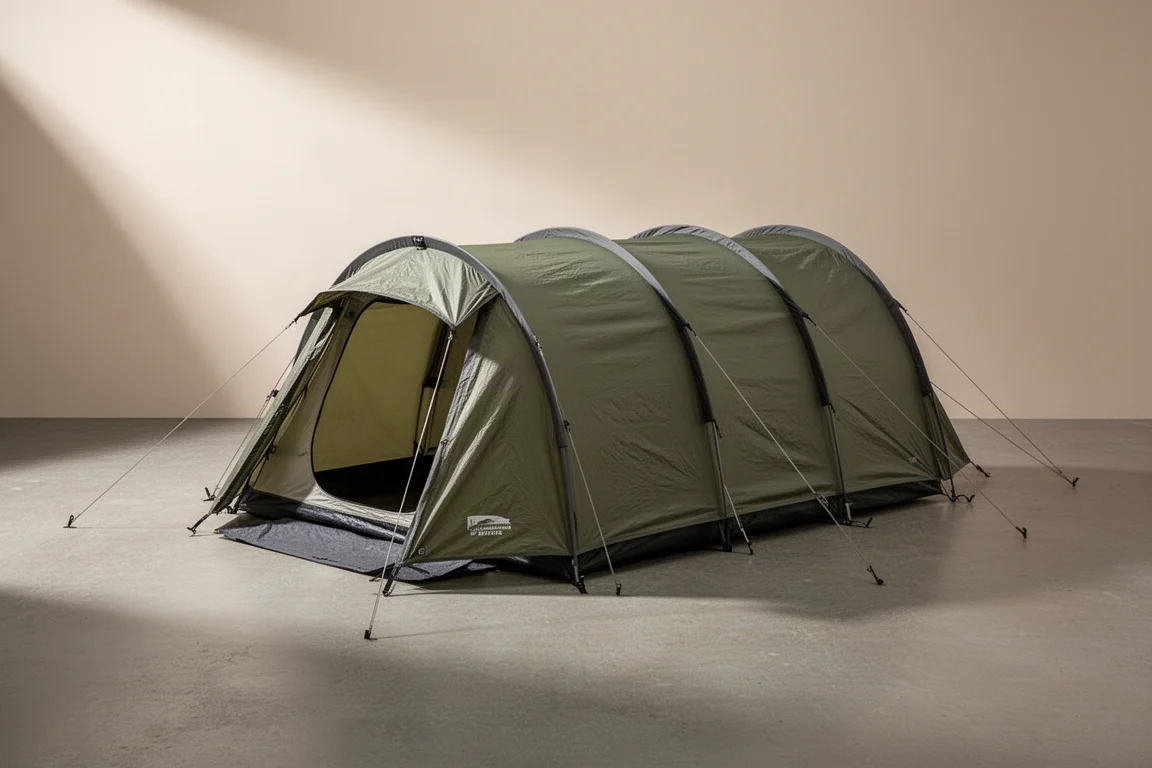
The OEX Jackal 2 10 is a two-person tunnel tent built for backpacking and camping in weather that does not cooperate. It weighs 2.95 kg in the configuration described here, packs into a 50 litre rucksack, and combines a four-season build with a 5,000 mm hydrostatic head fly sheet and a fully built-in ground sheet.
It costs around £80. That places it at the affordable end of the two-person tent market, yet the interior dimensions are closer to what you would expect from a larger and more expensive shelter. This review covers how it pitches, how much room it actually gives two people, and where it asks for patience in return.
Who This Tent Is For
This is a tent for two people who want one shelter that works across the seasons rather than a fair-weather option. Couples, friends and walking partners are the obvious audience, partly because the tent ships with two individual waterproof bags, which lets the load be split 50/50 instead of one person carrying the whole package.
Taller campers should take note too. The Jackal 2 10 measures 225 cm in length and 115 cm in internal height, so there is enough room to lie flat and enough headroom to sit up without folding yourself in half.
A solo backpacker can carry it, and it has been carried inside a 50 litre rucksack without the rest of the kit. Even so, at 2.95 kg it is a sizeable package for one person, and the two-bag design makes far more sense when the weight is shared.
Main Strengths
The headline strength is protection. This is a proper four-season tent with a fly sheet that reaches all the way to the ground, a built-in ground sheet that removes the gap where water can creep between a separate footprint and the inner, and a 5,000 mm hydrostatic head rating. It is also fully fire retardant. Once the tent is closed up, very little water or wind finds its way inside.
The second strength is space, and there is a lot of it. The internal floor measures 225 cm long by 165 cm wide, with 115 cm of height, and the design adds a porch area of roughly 100 cm on top of that. For two people plus kit, that is a generous footprint.
Practical details round the package out:
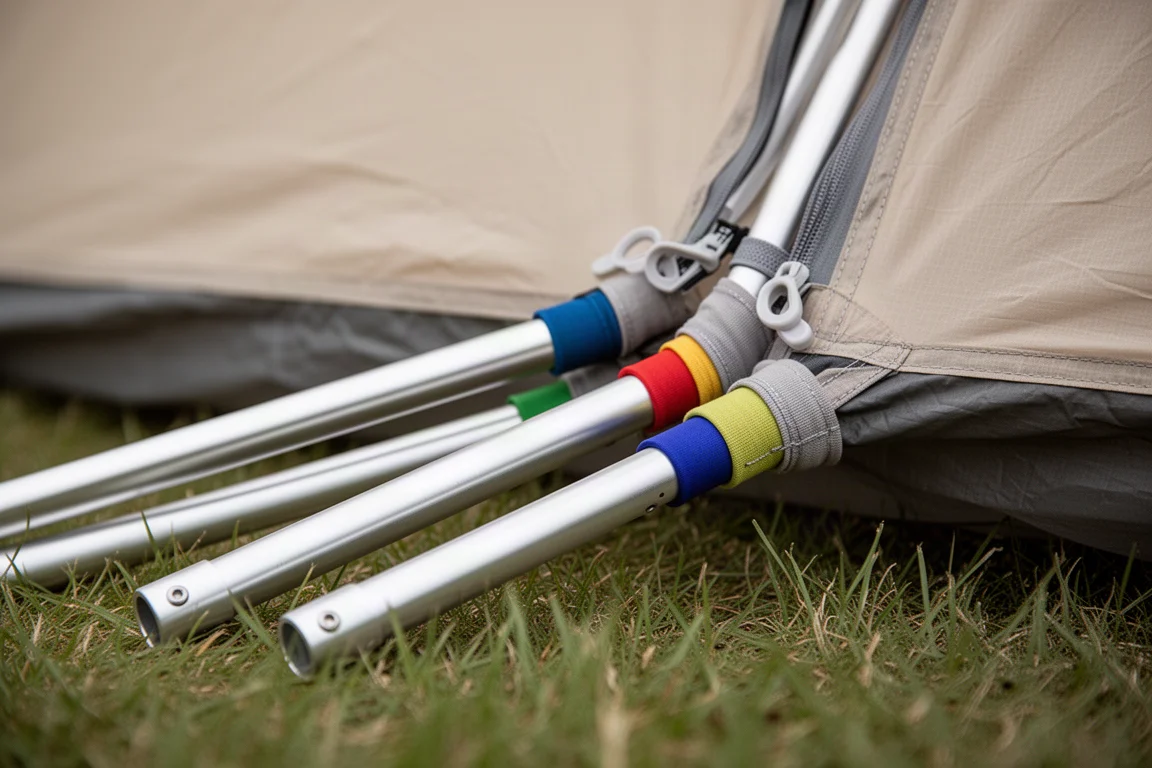
- Two anodised aluminium poles in a two-pole tunnel design, colour coded for quick identification
- A rear vent to keep air moving through the inner
- Two lantern hooks, one at each end
- Pockets on both sides of the inner plus a small stash pocket for the door
- A front canopy over the entrance that keeps rain off the doorway
Interior Space and Comfort
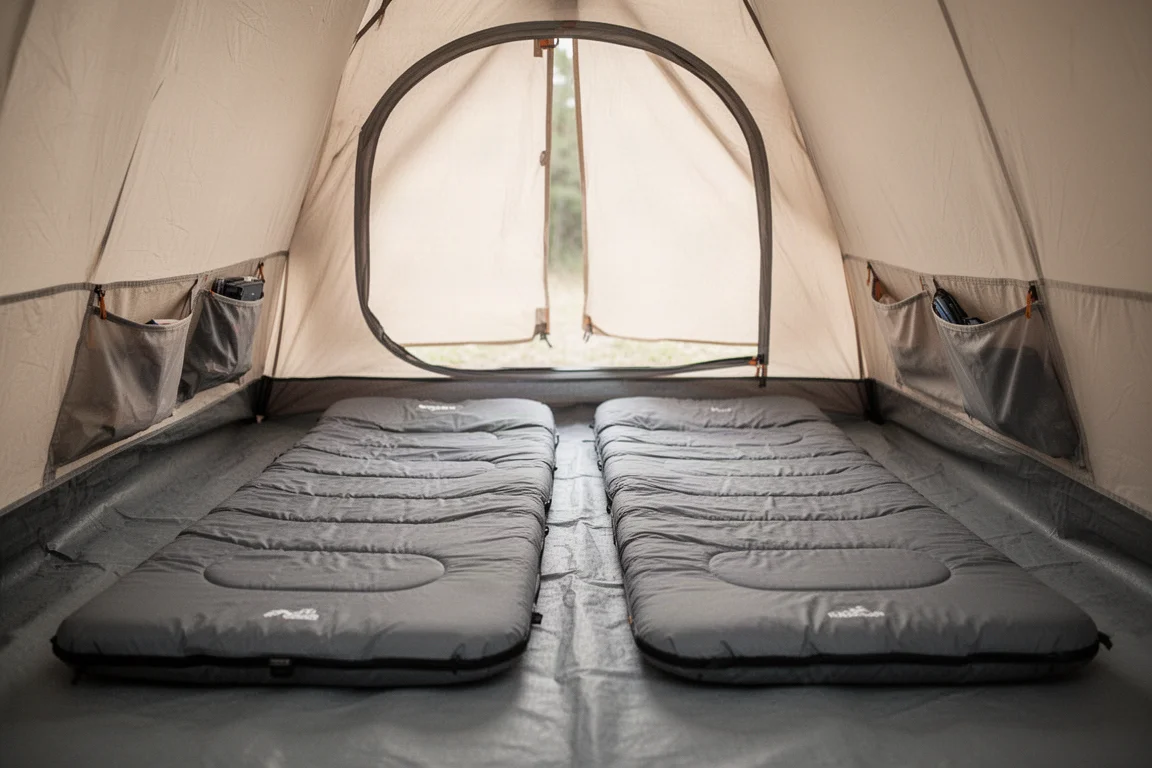
Inside, the Jackal 2 10 feels considerably bigger than its weight suggests. Two full-width sleeping mats fit side by side with room left along the side wall, and a 193 cm sleeping pad sits comfortably within the 225 cm floor length without touching either end.
The 115 cm internal height is the detail that changes daily life in the tent. You can sit upright to change clothes, sort a pack or eat a meal without hunching. The two lantern hooks make it easy to light both ends of the tent, and the side pockets keep small items off the floor.
The porch is the other half of the comfort story. With around 100 cm of covered space outside the inner, there is enough room for boots, wet kit and a stove, which means cooking and storing gear does not have to happen inside the sleeping area.
Weather Protection and Construction
The tunnel shape is the reason this tent behaves so well in wind. Two poles arch the fly sheet into a long, low profile that sheds gusts rather than fighting them, and the design has proved stable in breezy conditions. Because the fly reaches the ground, there is no exposed gap for draughts or driven rain.
The 5,000 mm hydrostatic head rating puts the fabric firmly in the fully waterproof bracket, and the fire-retardant treatment adds another layer of reassurance for anyone using a stove in the porch. The poles are anodised aluminium, which keeps strength high without adding unnecessary weight, and the colour coding takes some of the guesswork out of assembly.
Pitching, Packing and Portability
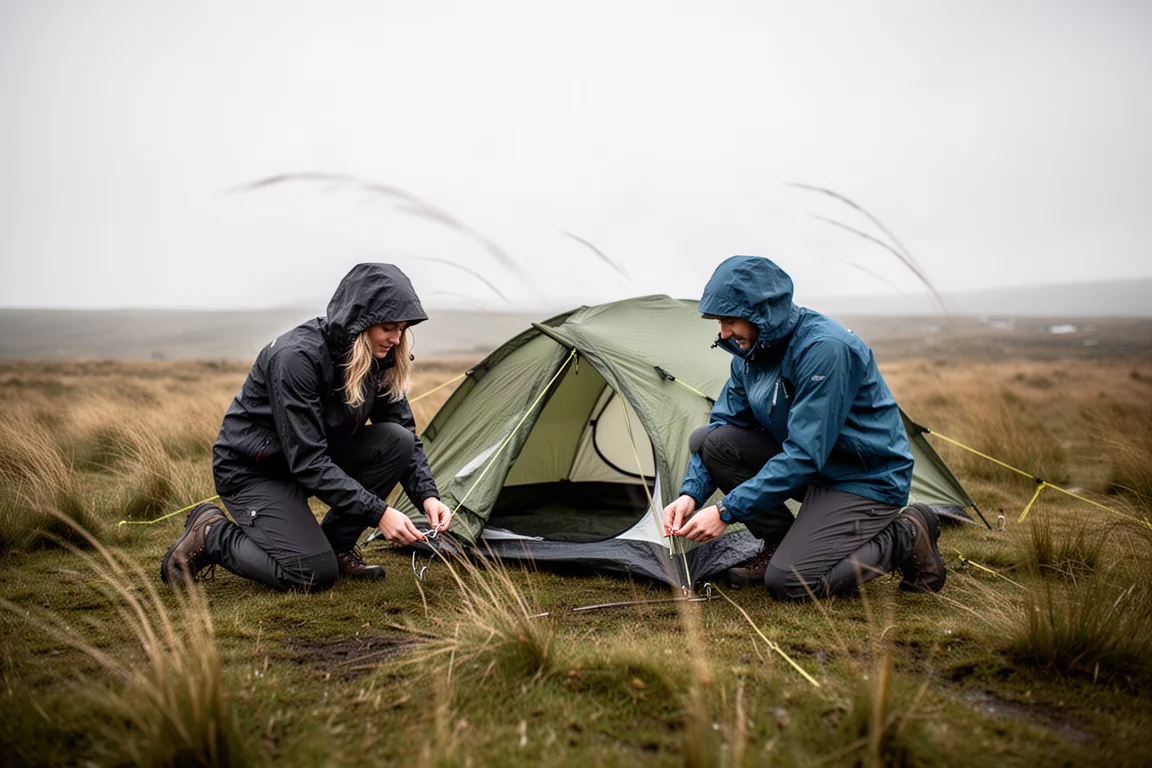
Pitching follows a fixed order: fly sheet first, using two poles, then peg out, then clip the inner into place. It is not a five-minute job. Pole ends need to be threaded into their fixings, there are a good number of pegs to place, and the whole process is fiddly enough that it rewards a calm approach and a bit of practice.
The tent also needs a decent amount of space to pitch properly, and it is not freestanding. If you get the position wrong, you cannot simply lift it and shift it a metre to the side; you start again. That is the trade-off for the low, weather-resistant tunnel shape.
Packed away, the tent measures roughly 44 cm from top to bottom, 24 cm side to side and 15 cm deep, and it splits into two bags: one for the fly sheet and one for the poles, pegs and inner. That split is what makes the 2.95 kg total manageable for two people, even though it is a bulky carry for one.
Things to Consider Before Buying
Weight and bulk are the first things to weigh up. At 2.95 kg this is not a lightweight solo shelter, and it takes up meaningful room in a pack. The two waterproof bags soften that considerably for a pair, but a solo backpacker should go in expecting to notice it.
Pitching effort is the second consideration. The tunnel design delivers excellent weather performance, and it asks for time, space and a reasonable number of pegs in exchange. Campers who move pitch every day, or who often arrive at a site after dark, will feel that more than those who settle in for a weekend.
Finally, remember that the tent is not freestanding, so hard or shallow ground that will not take pegs is a genuine limitation rather than a minor annoyance.
Buying Advice
If your priority is a genuinely weatherproof two-person shelter with real interior space and a porch you can actually use, the Jackal 2 10 delivers far more than its price suggests. The four-season construction, the 5,000 mm hydrostatic head, the built-in ground sheet and the 225 by 165 cm floor all point to a tent that will handle bad weather and still feel comfortable inside.
The decision really comes down to how you camp. If you pitch once and stay put, value time in the tent over time spent setting it up, and often walk with a partner, this is an easy recommendation. If you need something that goes up in minutes, moves easily once pitched, or disappears into a small pack on solo trips, those priorities point elsewhere.
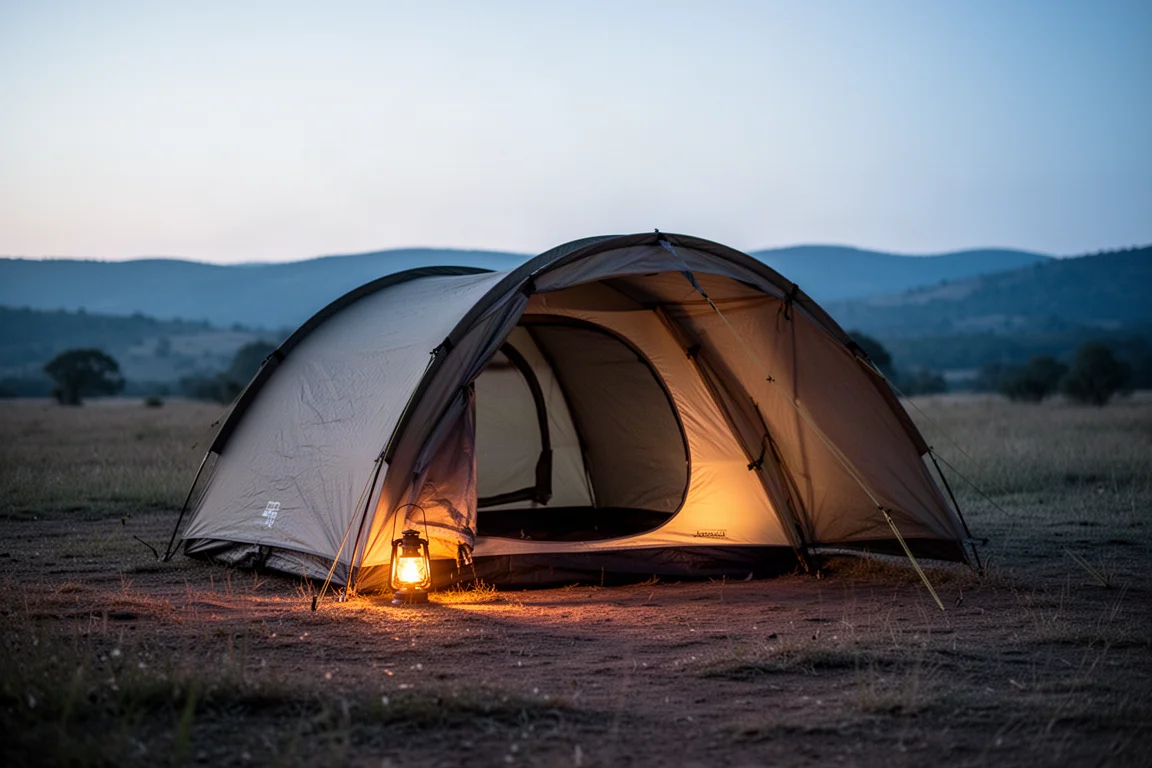
For anyone weighing it up, the sensible approach is to match the tent to the trip rather than to the spec sheet. Two people sharing the load, a pitch you can peg out properly, and a forecast that might turn: that is exactly the scenario this tent was designed around, and it is where the money goes furthest.
Conclusion
The OEX Jackal 2 10 is a proper two-person tent. It is heavy enough and bulky enough that one person will feel it, and it is fiddly to pitch on ground that will not take pegs easily. In exchange, it offers four-season protection, a fully waterproof fly with a 5,000 mm hydrostatic head, a built-in ground sheet, a large porch and an interior that comfortably swallows two sleeping mats with room to spare. At around £80, that combination is hard to argue with for couples and walking partners who want dependable shelter without spending a fortune.
Product link
View more details for OEX Jackal 2 10
This product is mentioned in the review. Check the specifications, options, and compatibility before buying.
View more details for OEX Jackal 2 10Further reading
Related Reviews
Camping Tents
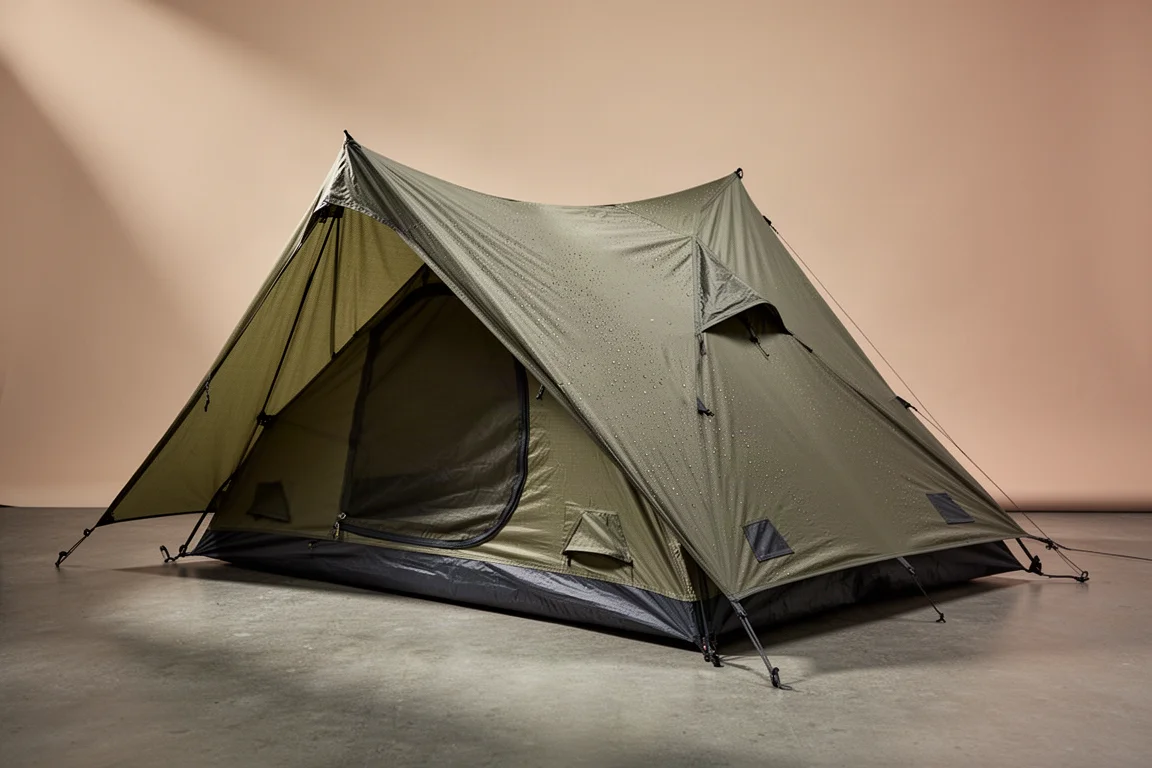
3F UL Gear Taiji Two-Person Tent Review: Field Waterproofing Results and Buying Advice
The Taiji pairs an attached fly with a removable inner, but sustained rain exposed untaped vent seams that need sealing before this shelter can be trusted.
Camping Tents
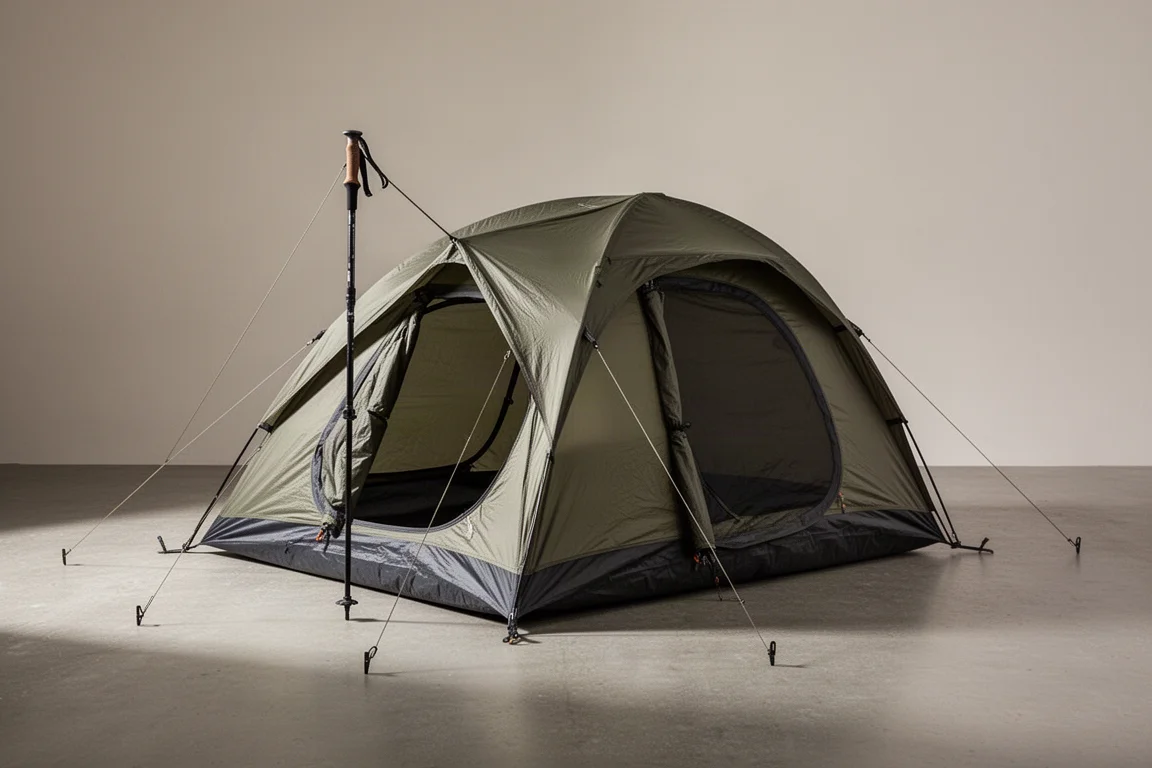
3FUL Gear Lanshan 2 Pro 4-Season Review: A Sub-$200 Single-Wall Trekking Pole Tent
An early look at the 3FUL Gear Lanshan 2 Pro 4-Season, covering its straightforward pitch, generous interior space, and the condensation and seam-sealing questions that come with any single-wall shelter.
Camping Tents
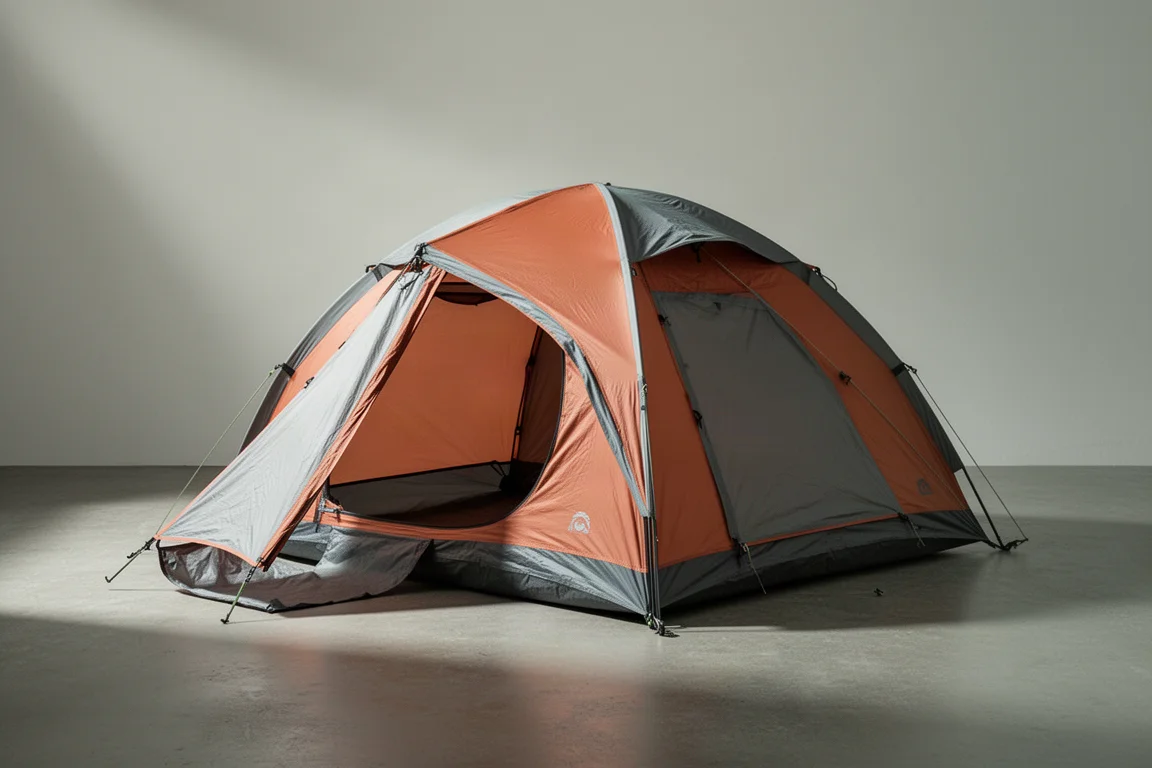
Alps Mountaineering Lynx 1-Person Tent Review: Big Value in a Small Budget Tent
A close look at the Alps Mountaineering Lynx 1-Person Tent, covering real interior dimensions, materials, setup time, ventilation limits, and who should buy it.