Camping Tents
OEX Fox 2 Review: A Budget Two-Person Tent for UK Wild Camping
A practical look at the OEX Fox 2, a £59 two-person three-season tent, covering wind and rain performance, living space and the pitching quirks worth knowing before you buy.
Introduction
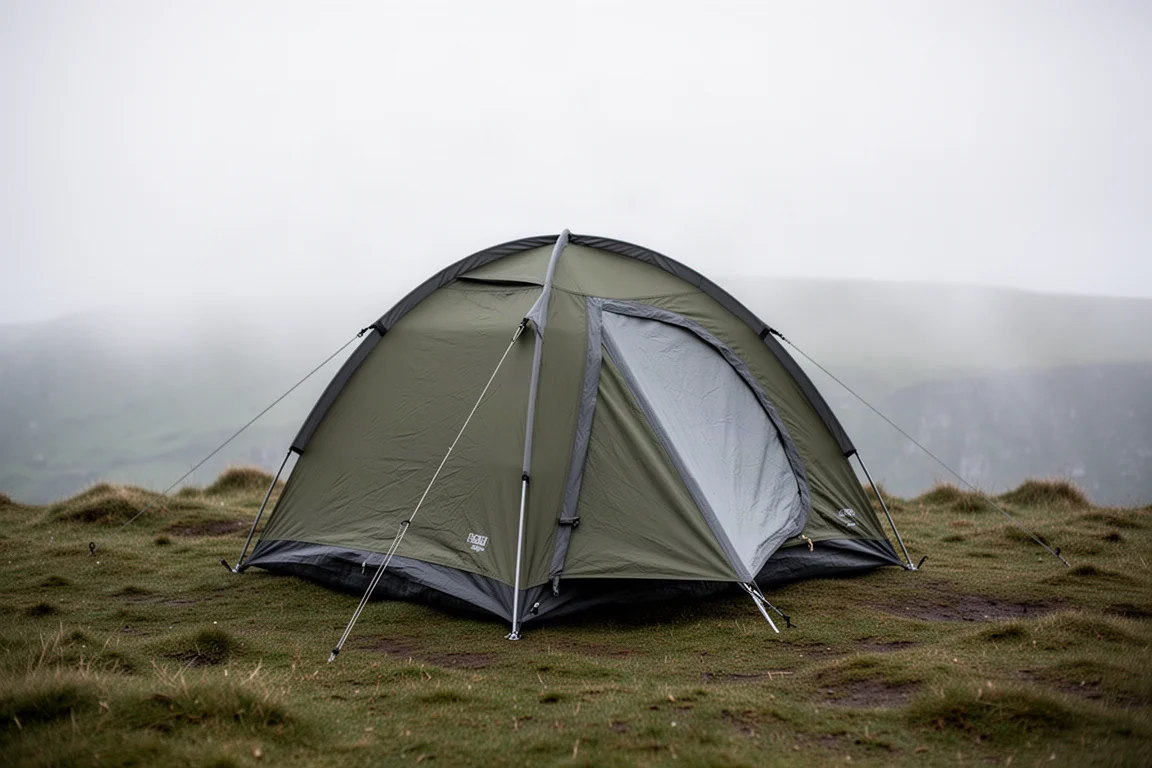
A two-person tent for around £59 is an unusual proposition, and the OEX Fox 2 is the second version of that idea. It weighs 2.1 kg, packs into a roll-top stuff sack with room to spare, and is built as a three-season shelter rather than a specialist winter tent.
The interesting question is not whether it competes with premium gear, but whether it holds together through the kind of cold, wet and windy nights that UK wild camping regularly delivers. On that front, the answer is more encouraging than the price suggests.
Who This Tent Is For
This is a tent for solo campers who want space to spread out, and for two people who accept that they will be sleeping close together. It also makes sense as a first tent for anyone who wants to try wild camping without committing serious money.
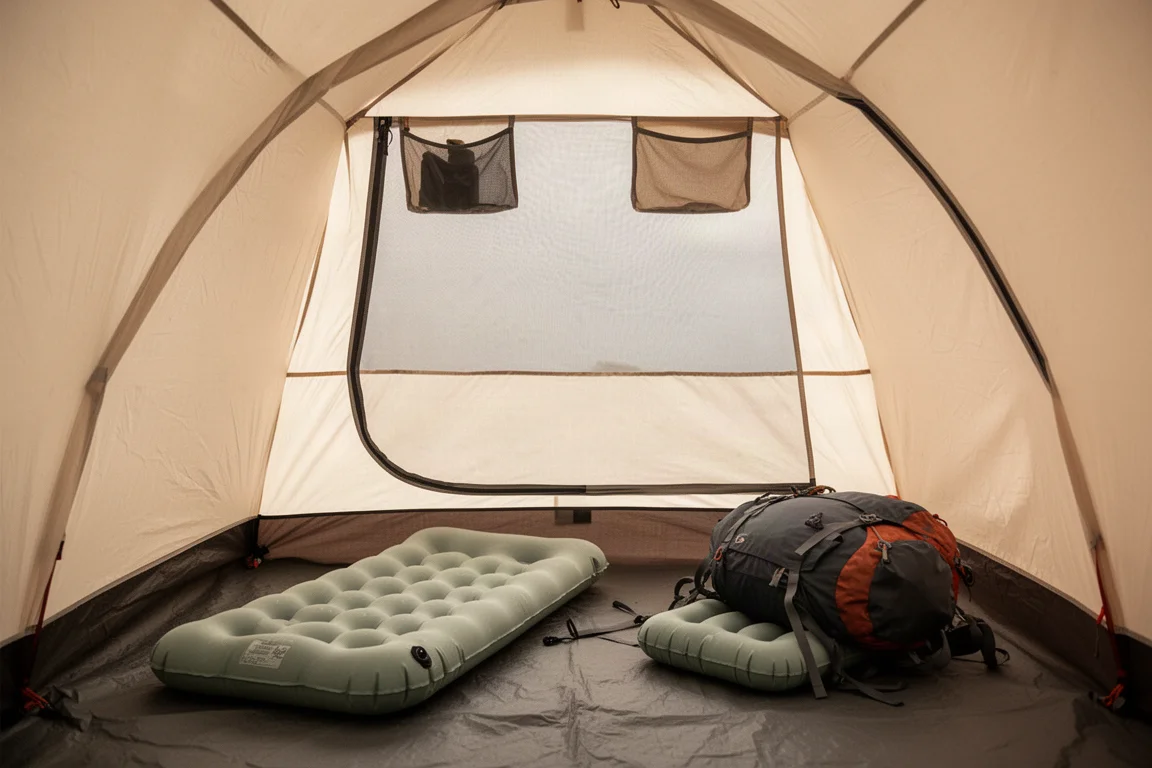
The interior works best for one person plus a full pack. Both vestibules are small, so a large rucksack will usually end up inside the sleeping area rather than outside it. Two doors mean two people can get in and out independently, and the second door brings a little extra storage space with it.
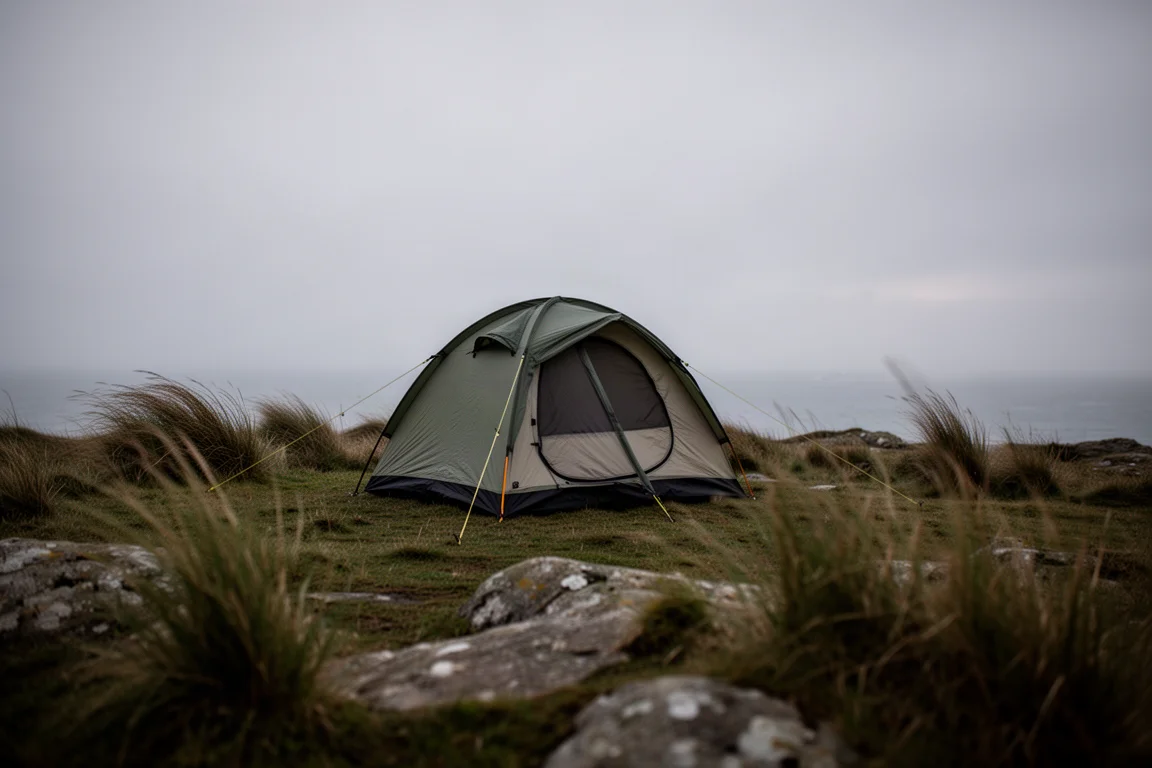
If your trips are short, the forecast is moderate and you pitch in reasonably sheltered spots, the Fox 2 covers the basics without asking much of your budget.
Main Strengths
Wind and Rain Performance
Stability is the standout quality. Pitched on exposed ground in winds of roughly 35 km/h with rain through the night, the tent stayed standing without drama. The fly shed water well and the fabric beaded rain rather than soaking it up. The aluminium poles, which look like 8 mm sections, felt strong enough for those conditions.
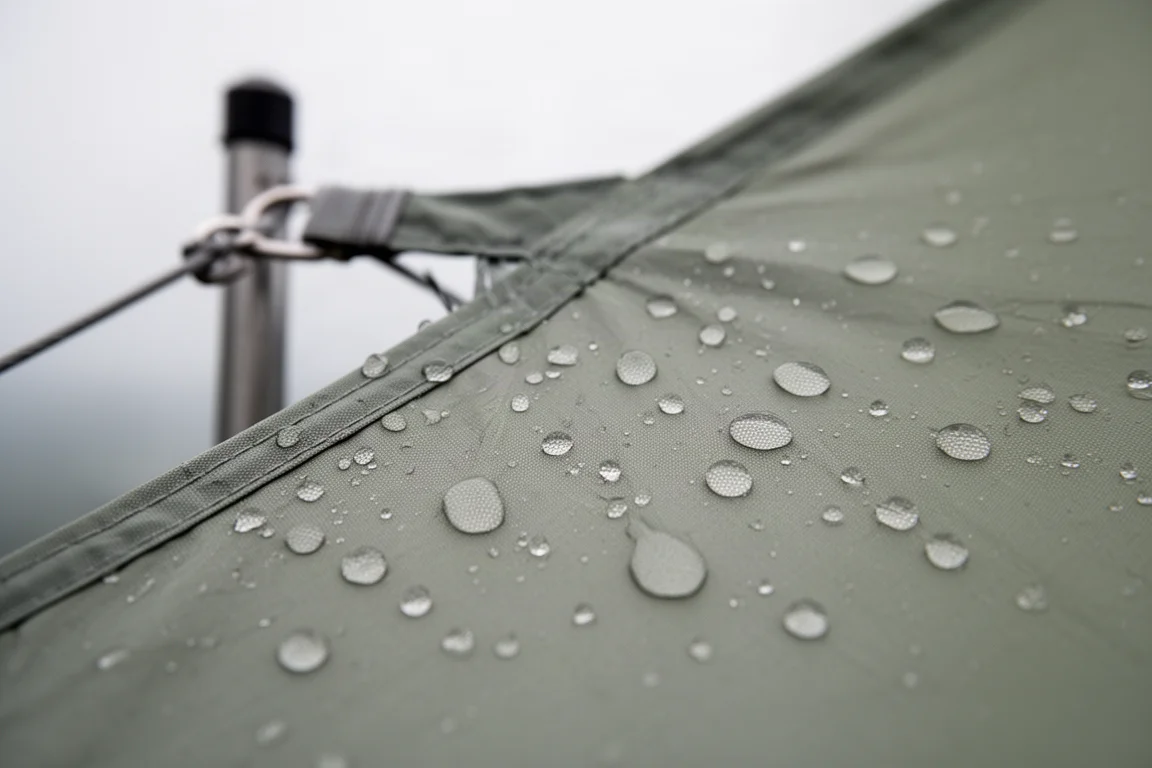
Condensation was better controlled than expected for the temperature. The inner stayed dry, and while some moisture collected on the inside of the fly, the large mesh panels clearly helped. The hydrostatic head is not stated, so treat long, heavy downpours as an unknown rather than a proven strength. Snow loading was not tested either.
Living Space and Ventilation
For one person there is plenty of room to sit up, sort gear and sleep comfortably. Campers around six foot and above may find their head close to the ceiling, so it is worth checking before committing to longer trips.
The mix of mesh and solid fabric is well judged for a three-season tent: enough airflow to limit condensation, enough solid material to stay warm. There are two pockets at the head end for a phone and keys, plus a small hook at the top for a lantern. The zips run smoothly and the door openings are wide, which makes getting in and out with a mat and bag much easier.
Things to Consider Before Buying
Inner-First Pitching
The inner must be pitched first, with the fly added on top. In dry weather this is a minor annoyance. In rain it means the sleeping area is exposed while you work, which is the opposite of what you want. The process also takes a bit of familiarisation, and reading the instructions before you start is worthwhile.
The peg loops are large and fixed, with no adjustment, so repositioning the tent on hard ground means pulling pegs and starting again. There is a vent flap and two guy lines from the peak, which help once everything is tensioned.
Interior Details and Finishing
Several small details let the tent down. The toggle system holding the doors open is basic and would work better with elastic loops, the inner panels sag slightly, and the door tie-backs struggle to hold a rolled door in place. In wind the flaps move enough that earplugs become a reasonable idea.
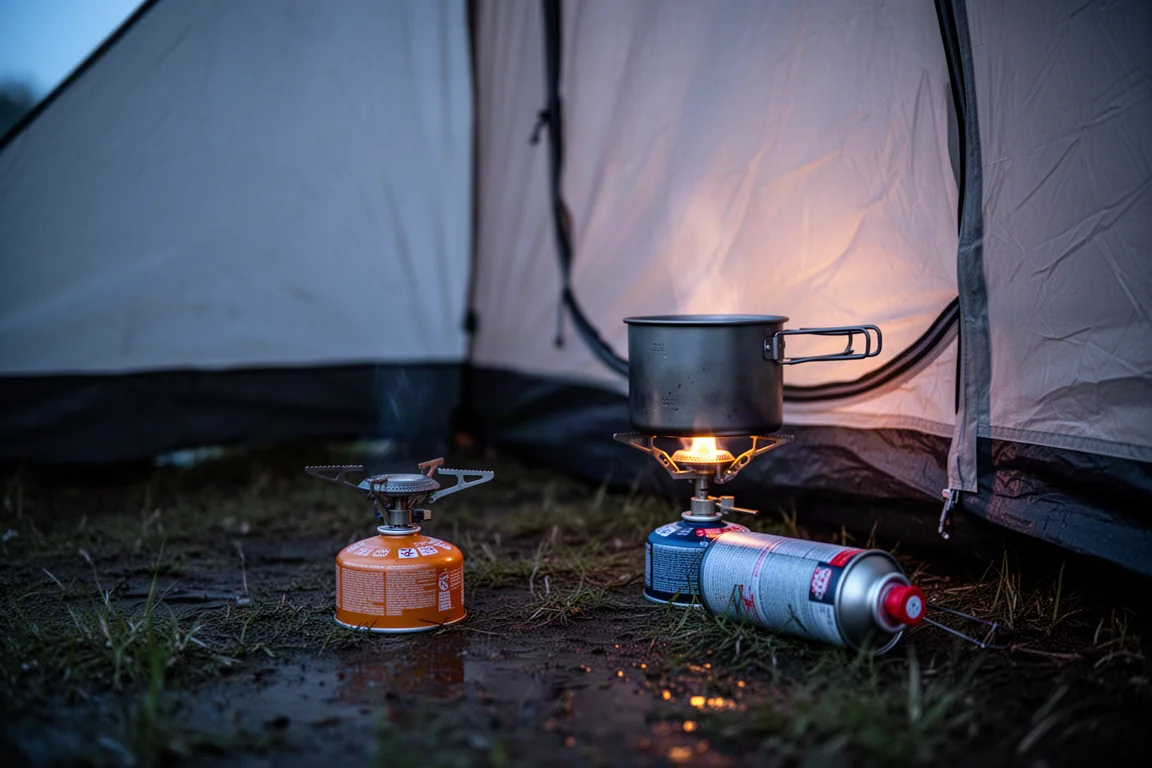
The gap between fly and inner is narrow and will touch at some point in a breeze. Cooking inside is not realistic: with the fly closed there is not enough room for a larger stove, and even a small canister stove is tight. Cooking just outside the door, or rigging the door into a small porch, is the practical approach.
A footprint or groundsheet is not included, so budget for one separately. The supplied pegs work, though many campers will prefer their own.
Buying Advice
In the £50 to £60 bracket, the Fox 2 is difficult to beat as a two-person three-season tent. It stands up to wind, keeps rain out, weighs a reasonable 2.1 kg and packs down small enough for a short trip. Expect to spend a little more on a groundsheet, and to accept a slower pitch in wet weather.
The comparison that matters is with tents costing around twice as much, which typically allow the inner and outer to be pitched together. That single difference matters most if you camp in frequent rain. If you mostly camp in decent forecasts and want a dependable, low-cost shelter, the Fox 2 is a sound buy rather than a compromise.
Conclusion
The OEX Fox 2 does the important things well: it is stable, waterproof enough for typical UK conditions and genuinely comfortable for one person. Its weaknesses are about convenience rather than protection, mainly the inner-first pitch and a handful of finishing details. For the money, it is a credible way into wild camping.
Product link
View more details for OEX Fox 2
This product is mentioned in the review. Check the specifications, options, and compatibility before buying.
View more details for OEX Fox 2Further reading
Related Reviews
Camping Tents
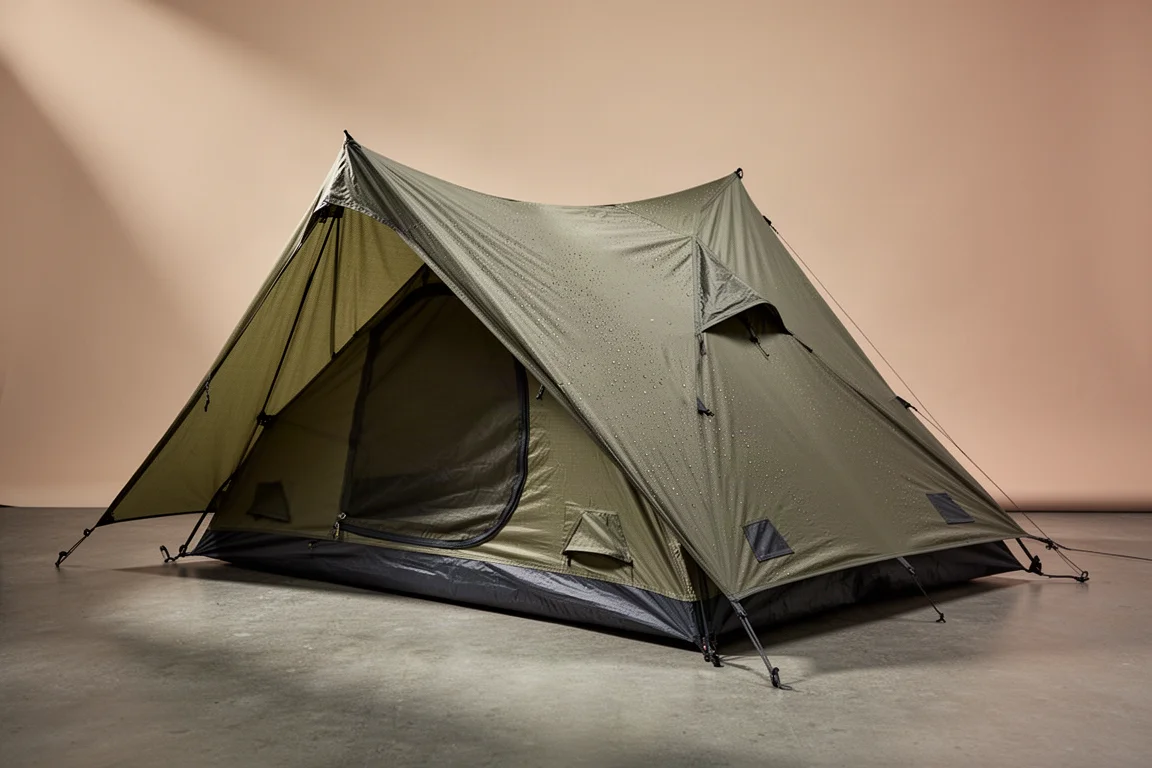
3F UL Gear Taiji Two-Person Tent Review: Field Waterproofing Results and Buying Advice
The Taiji pairs an attached fly with a removable inner, but sustained rain exposed untaped vent seams that need sealing before this shelter can be trusted.
Camping Tents
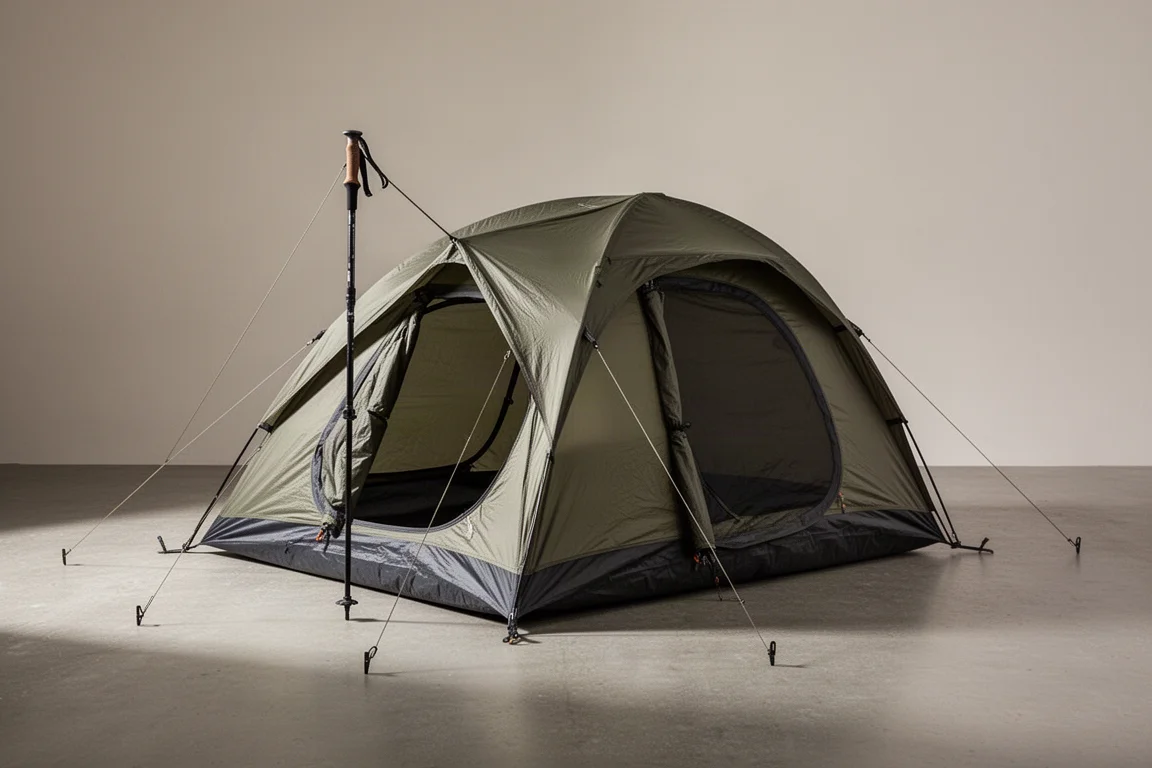
3FUL Gear Lanshan 2 Pro 4-Season Review: A Sub-$200 Single-Wall Trekking Pole Tent
An early look at the 3FUL Gear Lanshan 2 Pro 4-Season, covering its straightforward pitch, generous interior space, and the condensation and seam-sealing questions that come with any single-wall shelter.
Camping Tents
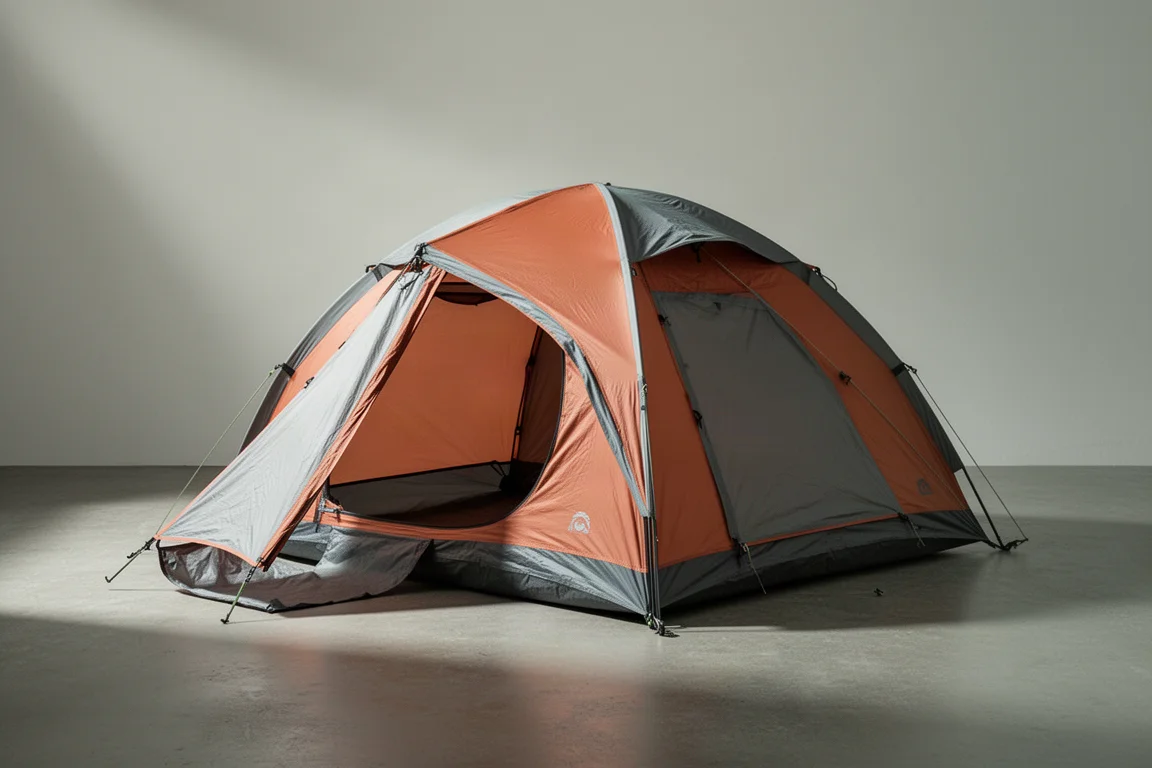
Alps Mountaineering Lynx 1-Person Tent Review: Big Value in a Small Budget Tent
A close look at the Alps Mountaineering Lynx 1-Person Tent, covering real interior dimensions, materials, setup time, ventilation limits, and who should buy it.