Camping Tents
OEX Bobcat vs Bobcat Ultralight: Ultralight Tent and Tarp Options Compared
A practical comparison of the original OEX Bobcat, the 958 g Bobcat Ultralight, and the Feral Ultralight Tarp, covering weights, fabrics, pitching, wind behaviour and who each one suits.
Introduction
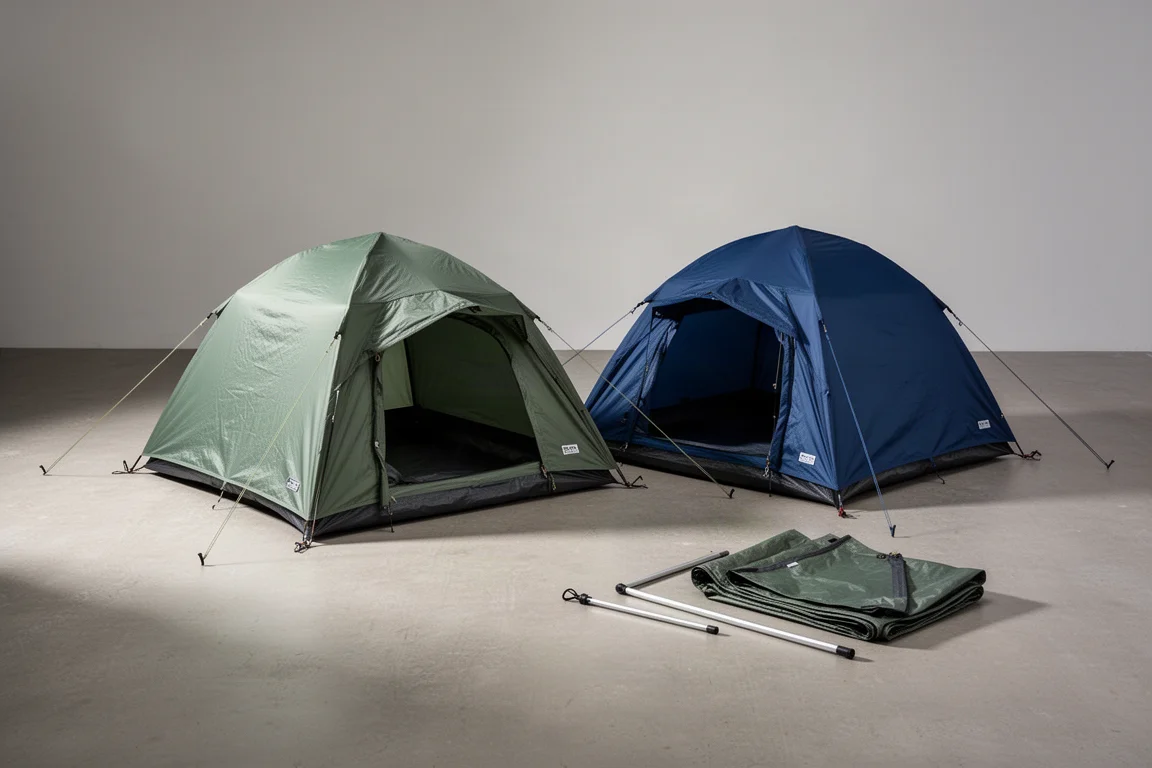
The OEX Bobcat has earned a quiet following among wild campers, and it is easy to see why: a single-pole design, a usable porch and a retail price that is very often discounted. The Bobcat Ultralight takes that same layout and strips it down to 958 g, swapping heavier fabrics and hardware for thin silicone-coated nylon and lighter fittings.
Alongside the two tents sits the Feral Ultralight Tarp, a 420 g shelter that pitches over the Bobcat range and several other OEX models. Together the three pieces cover most of the ground a lightweight camper needs: a proven tent for exposed ground, a sub-kilo version for fast trips, and a tarp that adds covered living space.
This guide compares all three on weight, materials, pitching and wind behaviour so you can work out which combination fits the camping you actually do.
What to Consider Before Choosing an Ultralight Shelter
Three numbers matter most: packed weight, packed volume, and the hydrostatic head of the fly fabric. The original Bobcat weighs 1.9 kg. The Bobcat Ultralight comes in at 958 g, just under a kilo, and can be squashed down further if you separate the poles from the stuff sack.
Fabric choice follows the weight. The original uses a polyurethane-coated fabric, likely in the 30D to 40D range, with a 5,000 mm hydrostatic head, which makes it bulkier but more forgiving. The Ultralight uses a very thin 10D silicon-coated nylon, coated on both sides, with a 1,500 mm hydrostatic head. The Feral tarp sits between them with a 15D sil nylon and a 3,000 mm hydrostatic head.
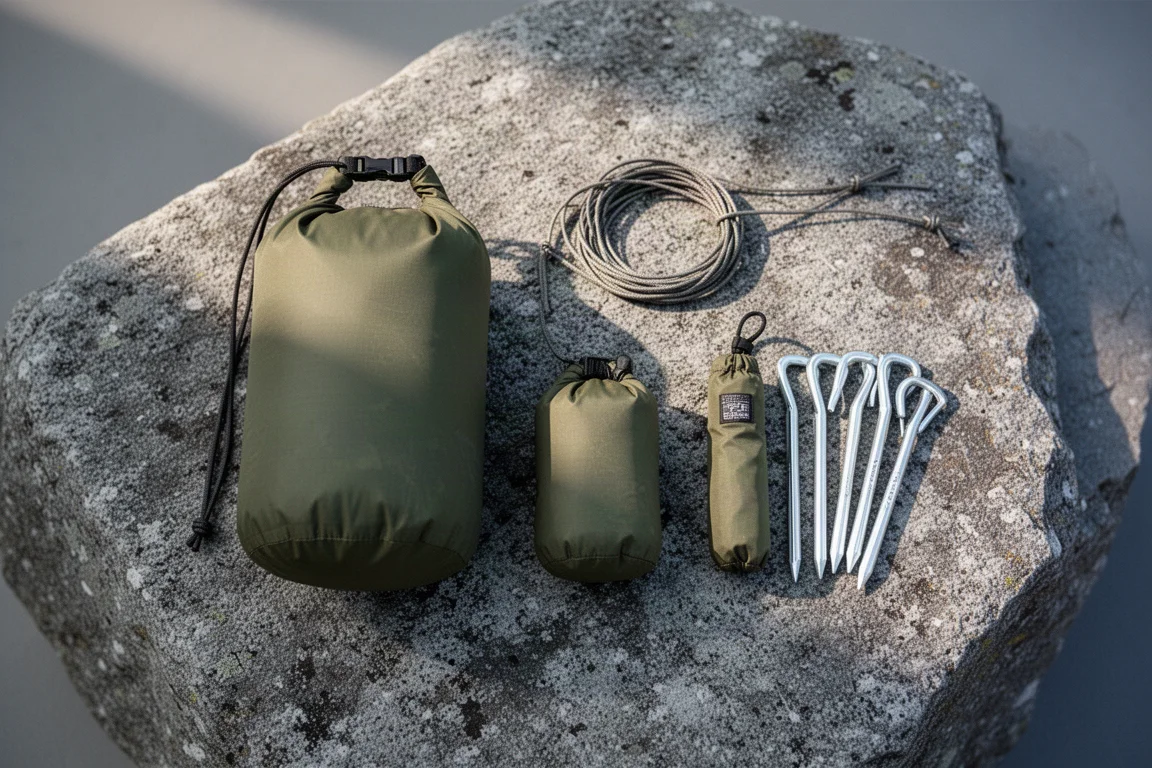
The trade-off for silicone-coated fabric is seam sealing. These shelters are manufactured with an air-cooled needle and an expandable thread, so the stitching holes stay small and close up when the thread gets wet, but a seam seal is still recommended if you want the fly fully waterproof. The Ultralight range ships with a repair kit that includes a pole sleeve, seam sealer, a brush and patches.
Wind behaviour is the other deciding factor. Structure, guy-out points and stake-out hardware determine how a tent copes with exposed ground, and that is where the two Bobcats differ most.
OEX Bobcat: The Original One-Pole Tent
The original Bobcat is a single-pole design that has to be pegged out before the structure stands. A metal eyelet sits at the top of a reinforced mesh pole sleeve, and the inner clips into the corners with small hooks. Those hooks have a habit of popping out when the tent is packed away.
Wind performance is a genuine strength. Two guy-out points sit high on the shelter, one on either side, which adds rigidity and stops the tent flapping from side to side. The webbing tie-outs are around 20 mm, the guy lines are slightly thicker, and the ring locks hold well. For camping on exposed, windy ground, this is the more robust of the two.
The porch is larger than the Ultralight’s, with noticeably more material for shelter from the weather. Inside, the inner is mostly solid fabric with mesh across roughly the top third, and a sewn-in groundsheet area at the front keeps kit off the ground. There is a pocket for stowing the door and a small storage pocket.
At £225 retail, the Bobcat is very often discounted, which is a large part of why it has become so popular. The green fly also blends into the landscape more readily than the blue used across the Ultralight range.
OEX Bobcat Ultralight: Under a Kilo
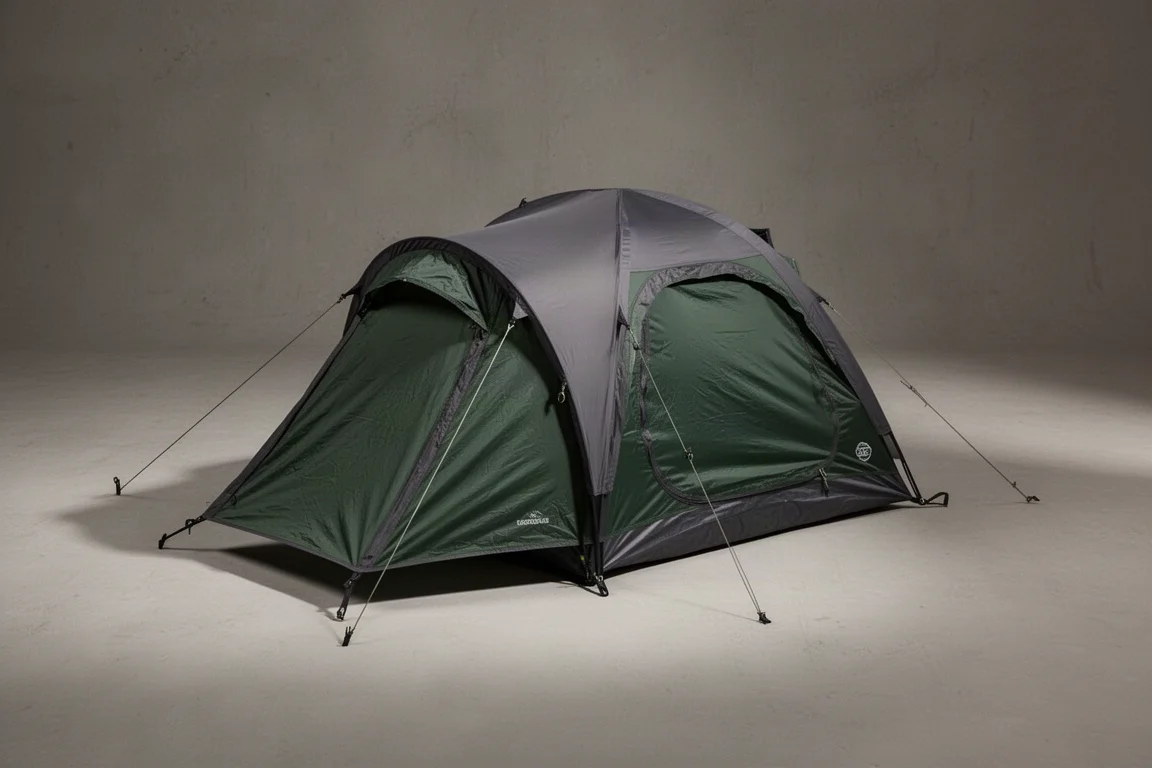
At 958 g, the Ultralight version is roughly half the weight of the original and packs down smaller, particularly if the poles travel separately from the stuff sack.
Pitching follows the same single-pole logic with a very similar metal eyelet, but the pole sleeve is a solid seal nylon rather than a reinforced mesh. The inner attaches with proper clips instead of hooks, which is a clear improvement and one that would be welcome on the standard Bobcat too. The pegging points use adjustable line locks, and the guy lines are a lighter material with mini line locks.
Interior clearance has been sorted out. The original’s inner could touch the outer fly, while the Ultralight leaves visibly more space between the two. The inner is also far more mesh, running about a foot up from the ground all the way around, which saves weight and suits finer weather. The groundsheet is taped at the seams and PU coated on the inside in a slightly heavier denier, and the interior feels brighter. There is one larger pocket and no door storage pocket, so the door rolls up and ties off with an adjustable loop.
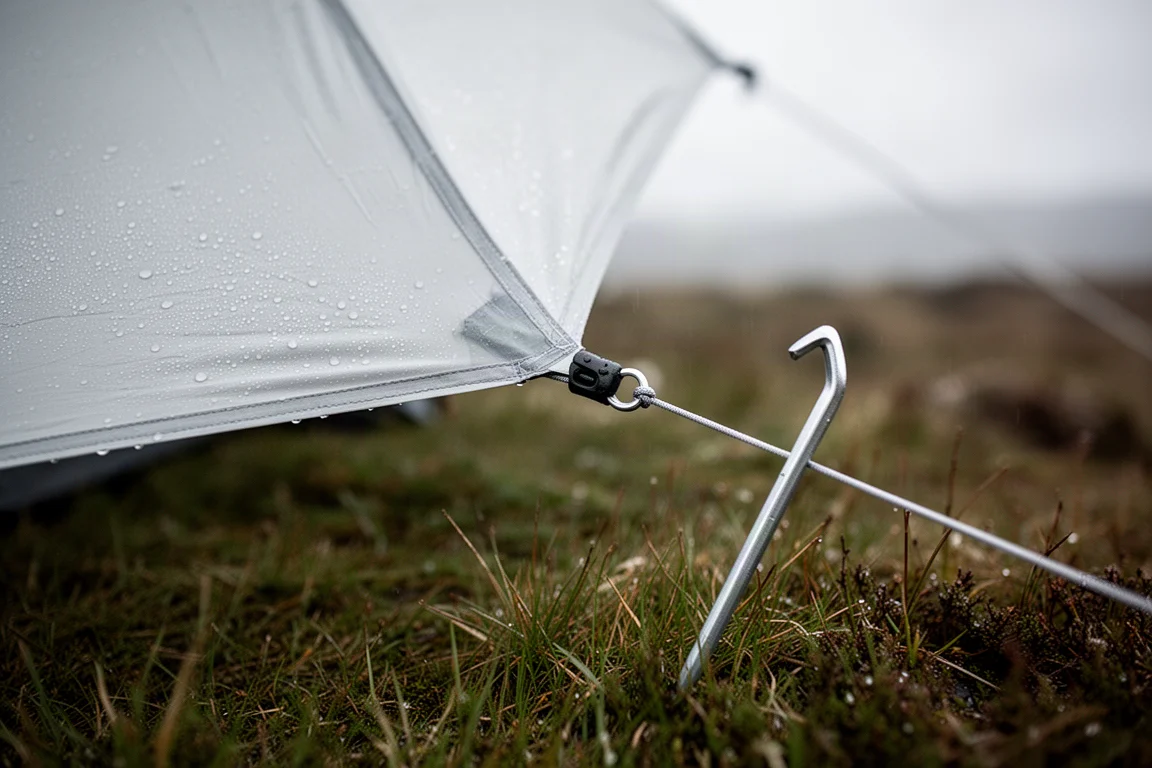
The fly is a 10D sil nylon with a 1,500 mm hydrostatic head, and it will need seam sealing before serious wet weather use. With a single side tie-out point there is more flex than the original, though doubling up on guy lines is an option. This is a shelter built for fast and light trips and long-distance trails in less exposed spots, not for storm conditions.
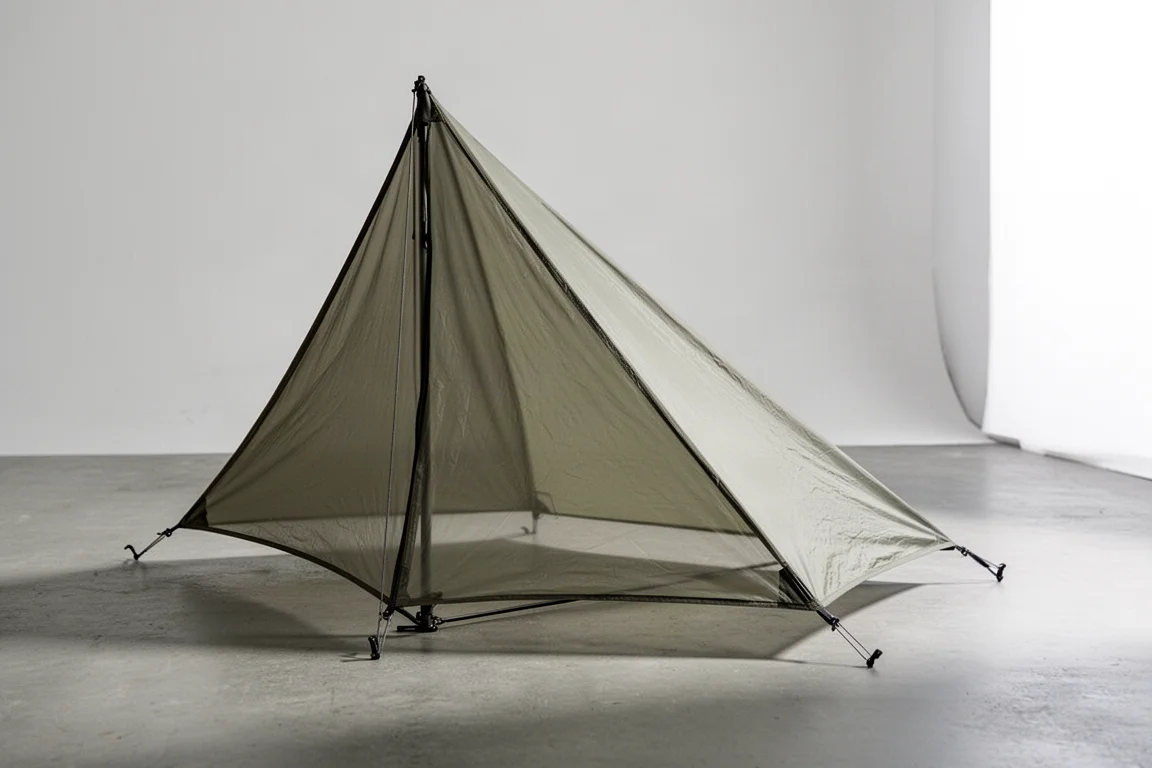
OEX Feral Ultralight Tarp: Extra Covered Space
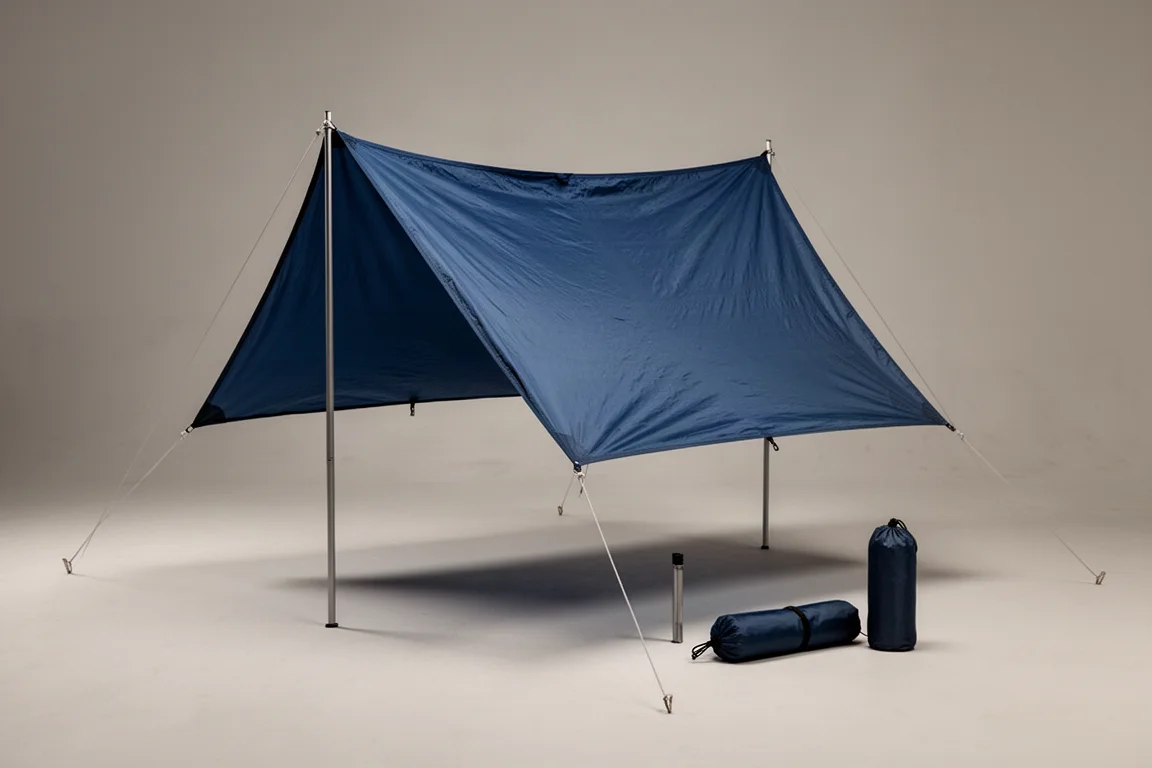
The Feral Ultralight Tarp is made to fit the OEX range, including both Bobcats, the Bandicoot and the Fox Ranger tents. It weighs 420 g with its pole and comes in a dry bag style stuff sack. If you carry trekking poles, you can leave the supplied pole behind and save more weight.
The pole is a short bashing pole with a rubber end that stops it sinking into the ground and a ring that keeps the tip from pushing through the grommet. The tarp is 15D sil nylon with a 3,000 mm hydrostatic head, with plenty of tie-out points and lightweight guy lines. Coverage is generous enough that it can be used on its own, with room to lie down, cook and store extra gear. Reinforcement is light and it is not designed for storm testing. A quick seam seal is recommended if you want it fully waterproof.
Bobcat vs Bobcat Ultralight: Key Differences
| Feature | OEX Bobcat | OEX Bobcat Ultralight |
|---|---|---|
| Packed weight | 1.9 kg | 958 g |
| Fly fabric | PU coated, roughly 30D to 40D, 5,000 mm hydrostatic head | 10D sil nylon, 1,500 mm hydrostatic head |
| Inner attachment | Small hooks into the corners | Proper clips |
| Guy-out points | Two high side points, one either side | One side tie-out point |
| Inner construction | Mostly solid with mesh at the top third | More mesh, about a foot up from the ground |
| Groundsheet | Sewn-in front area for kit | Taped seams, PU coated, no front area |
| Price position | £225 retail, frequently discounted | Around £350 retail, with offer pricing around £175 indicated |
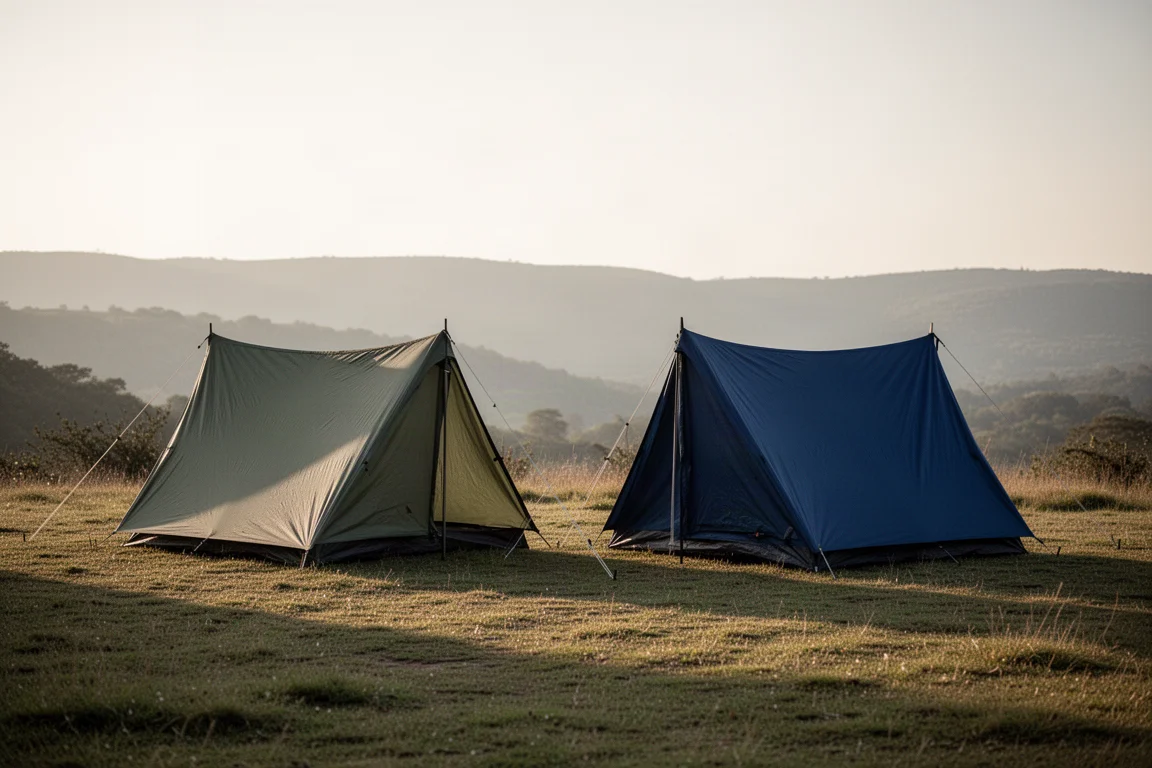
The pattern is consistent: the original is the tougher, more wind-resistant shelter with a bigger porch and a friendlier price when discounted, and the Ultralight is the one that disappears into a pack and pitches fast. Weight, pack volume and how exposed your camping spots tend to be will decide it for most people.
How the Ultralight Bobcat and the Feral Tarp Work Together
The tarp pitches over the Ultralight tent using the same tie-out points and guy lines, and the combination creates covered porch space that the tent alone does not offer. Set the rear guy line first, then bring the front pole in, and tension everything once the shape is standing. On a calm day it goes up quickly; in strong wind it is easier with a second pair of hands.
With the tarp overhead there is enough room to sit out a shower, cook and keep packs dry, and the same tarp works over the original Bobcat or as a standalone shelter for a lightweight summer trip.
Overall Buying Advice
Choose the original Bobcat if you want the more robust shelter, especially for exposed and windy ground, along with a larger porch and a lower entry price when it is discounted. The 1.9 kg weight and bulkier pack size are the trade-offs.
Choose the Bobcat Ultralight if weight and packed volume matter more than storm-worthiness, and if you are comfortable seam sealing the fly and treating it as a fast and light, fair-weather shelter. The clip-in inner and the improved inner-to-fly clearance are meaningful upgrades over the original.
Add the Feral Ultralight Tarp if you want covered living space and the flexibility to run it over either tent or on its own. It is the piece that turns a compact one-person tent into a noticeably more comfortable camp.
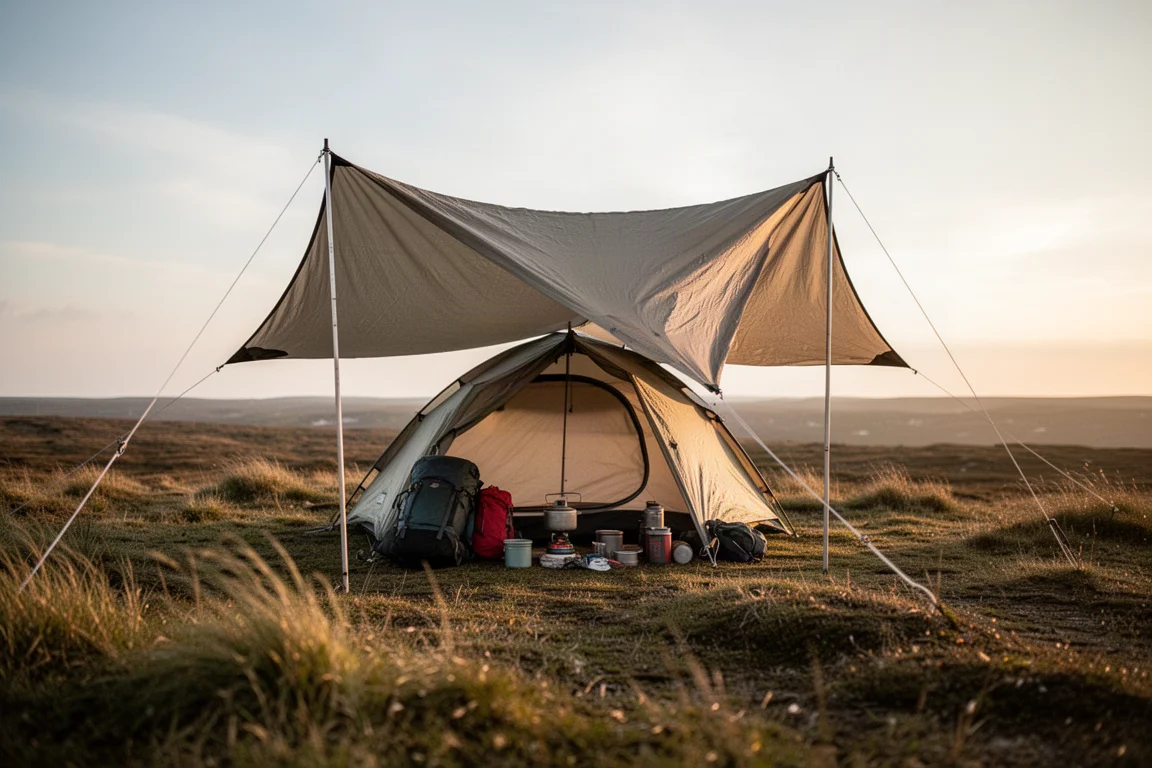
For most buyers, the strongest combination is the Ultralight tent with the Feral tarp for three-season trips, keeping the original Bobcat for wilder, windier camps where the extra rigidity and larger porch earn their weight.
Conclusion
The Bobcat, Bobcat Ultralight and Feral Ultralight Tarp cover three different priorities rather than competing for the same buyer. The original Bobcat remains the dependable choice for exposed ground and value pricing, the Ultralight is the obvious pick when every gram counts, and the Feral tarp adds the covered space that makes a small tent feel roomy. Match the shelter to the conditions you actually camp in, and any of these three will do the job it was designed for.
Further reading
Related Reviews
Camping Tents
3F UL Gear Taiji Two-Person Tent Review: Field Waterproofing Results and Buying Advice
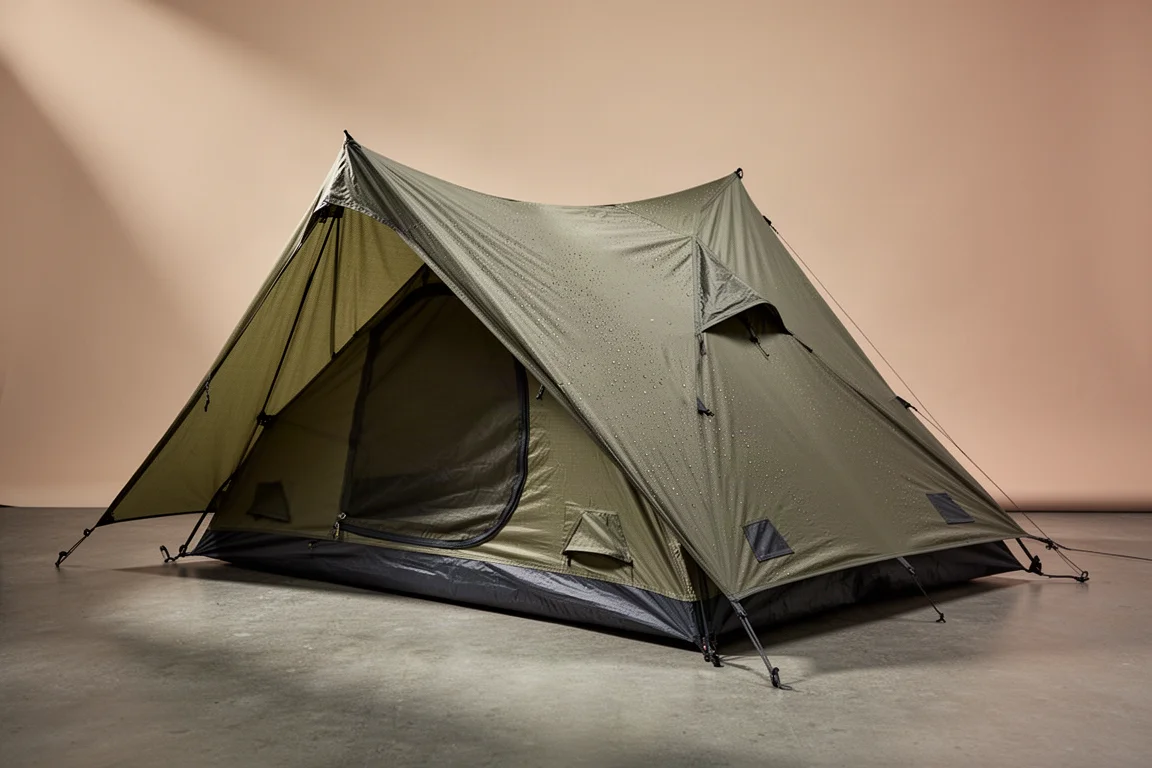
The Taiji pairs an attached fly with a removable inner, but sustained rain exposed untaped vent seams that need sealing before this shelter can be trusted.
Camping Tents
3FUL Gear Lanshan 2 Pro 4-Season Review: A Sub-$200 Single-Wall Trekking Pole Tent
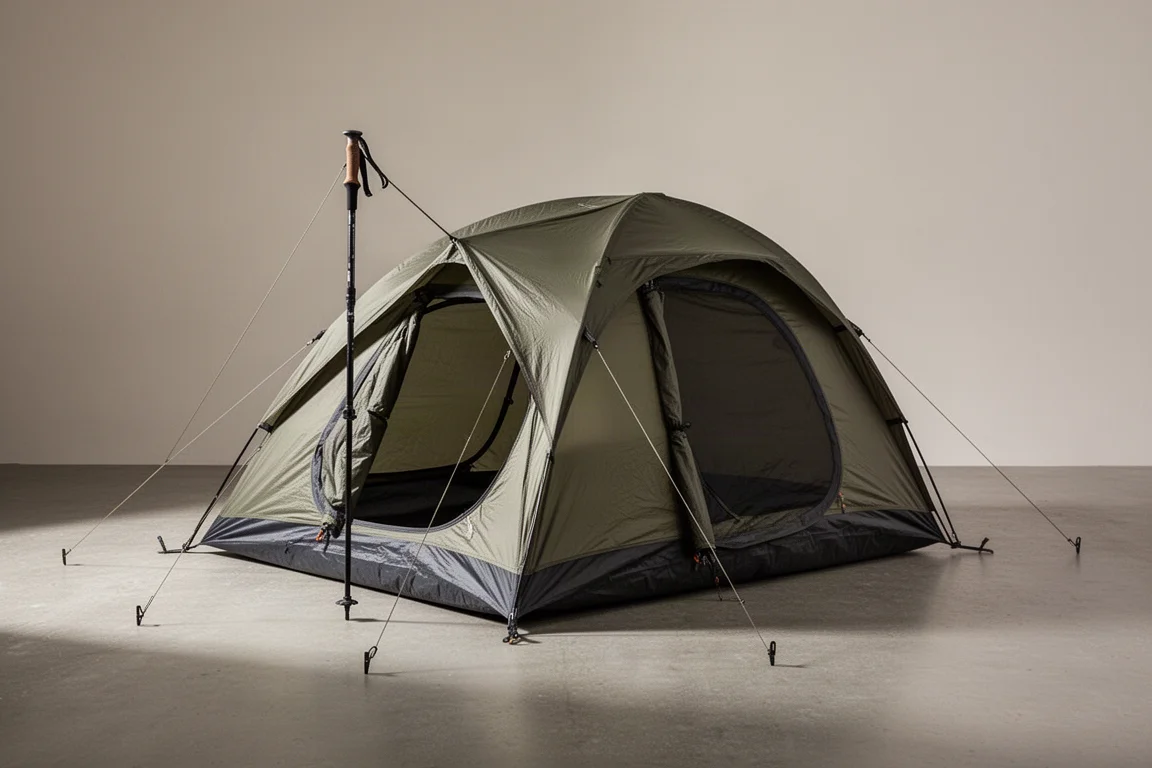
An early look at the 3FUL Gear Lanshan 2 Pro 4-Season, covering its straightforward pitch, generous interior space, and the condensation and seam-sealing questions that come with any single-wall shelter.
Camping Tents
Alps Mountaineering Lynx 1-Person Tent Review: Big Value in a Small Budget Tent
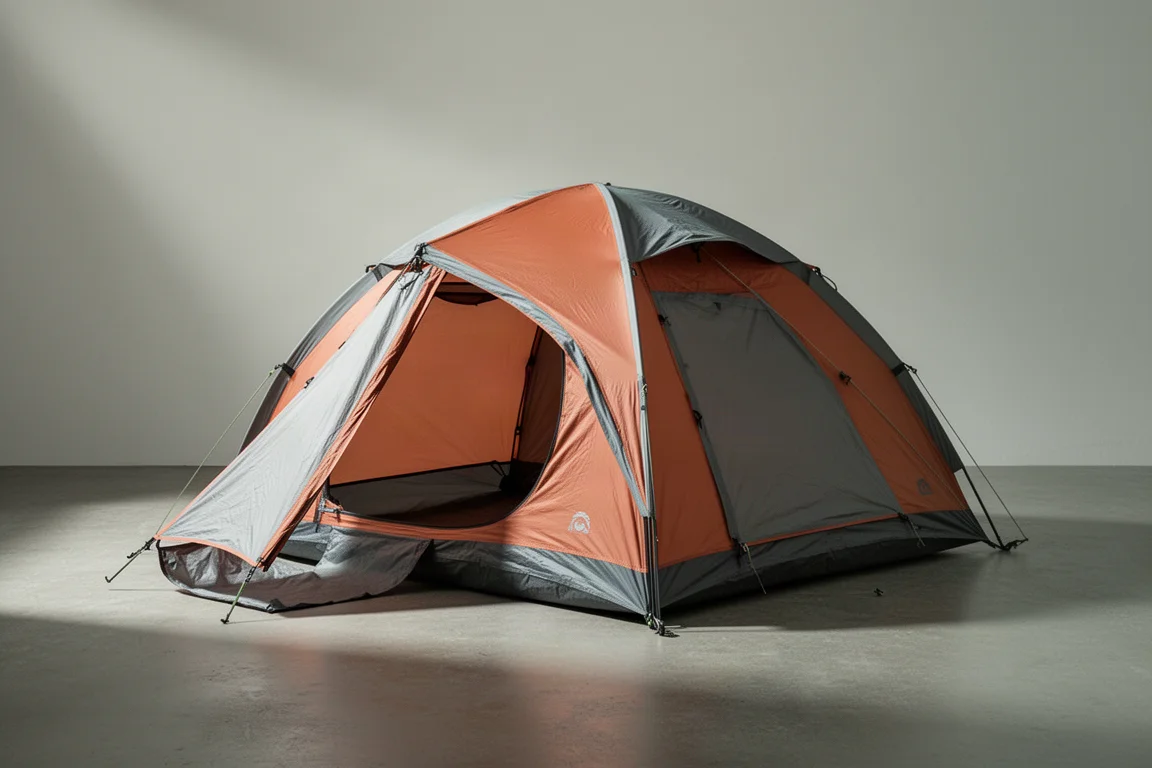
A close look at the Alps Mountaineering Lynx 1-Person Tent, covering real interior dimensions, materials, setup time, ventilation limits, and who should buy it.