Backpacking Gear
Nylofume Pack Liner Review: Light, Cheap, and Surprisingly Tough
A close look at the Nylofume pack liner, a 0.9-ounce nylon liner that keeps sleeping bags and dry clothes protected for about the price of a coffee.
Introduction
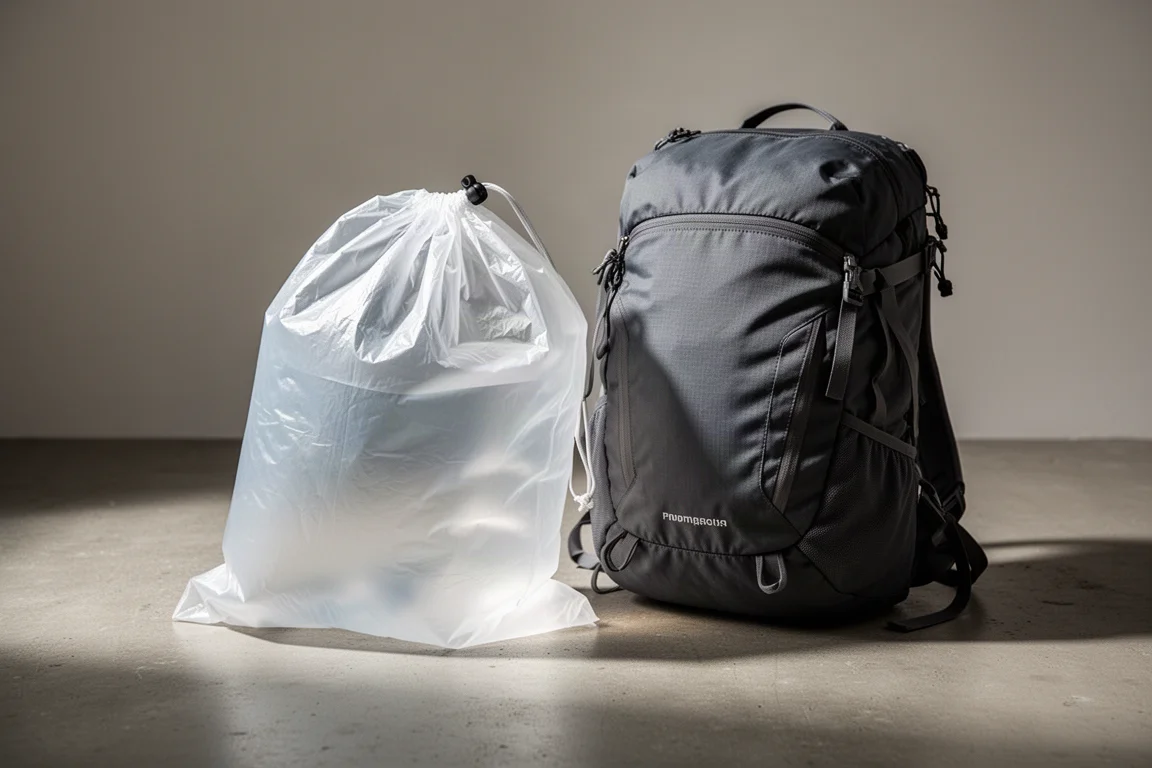
Keeping a sleeping bag dry is one of the few pieces of backpacking logic that almost everyone agrees on, and a pack liner is the simplest way to do it. The idea is basic: a large lightweight bag goes inside the pack before anything else, so the gear you cannot afford to get wet stays dry even when the pack itself ends up soaked.
The Nylofume pack liner is made from a nylon polymer and measures 20 inches by 36 inches when laid flat. It weighs 0.9 ounces, just under an ounce, which puts it below the trash compactor bags plenty of hikers use instead, since those typically land somewhere between two and three ounces depending on size.
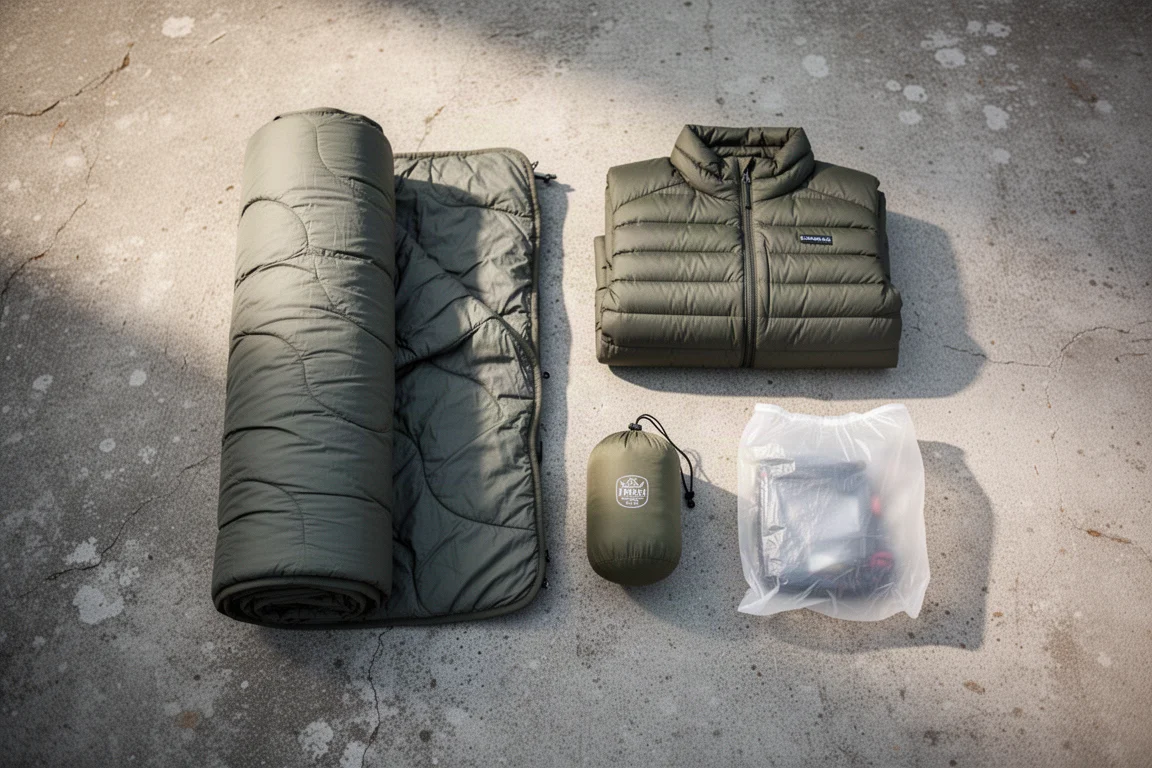
The case for it is easy to state. It costs about two and a half dollars, it adds almost no weight, and it protects the handful of items that would genuinely ruin a trip if they got wet. That combination is worth examining properly rather than treating as an afterthought.
Who the Nylofume Pack Liner Is For
This is gear for anyone who carries a sleeping bag, quilt, or dry clothing inside a backpack. Those are the items that matter most after a long day in cold rain, and they are exactly what a liner is designed to shield. If you cook dinner or sit by a fire in the evening, keeping a lighter or stove dry matters just as much, and a liner handles that too.
It also makes sense well beyond multi-day trips. On a day hike, a liner keeps a puffy jacket, car keys, and a wallet dry without requiring a separate dry bag, and it disappears into the bottom of the pack when it is not needed.
Main Strengths: Light, Durable, and Inexpensive
The first strength is weight. At 0.9 ounces the liner is lighter than a compactor bag and dramatically lighter than heavier alternatives, and the cost is low enough that buying a spare is not a serious decision. Prices sit at roughly two dollars and fifty cents per liner, with some retailers listing about $2.40 for a single liner and $4.50 for a two-pack, and multi-packs available as well.
The second strength is durability relative to expectations. The film does not feel especially rigid at first handling, which can make it seem less sturdy than heavier options, but in practice it holds up over multiple trips. Some hikers report using a single liner for an entire hiking season without issues.
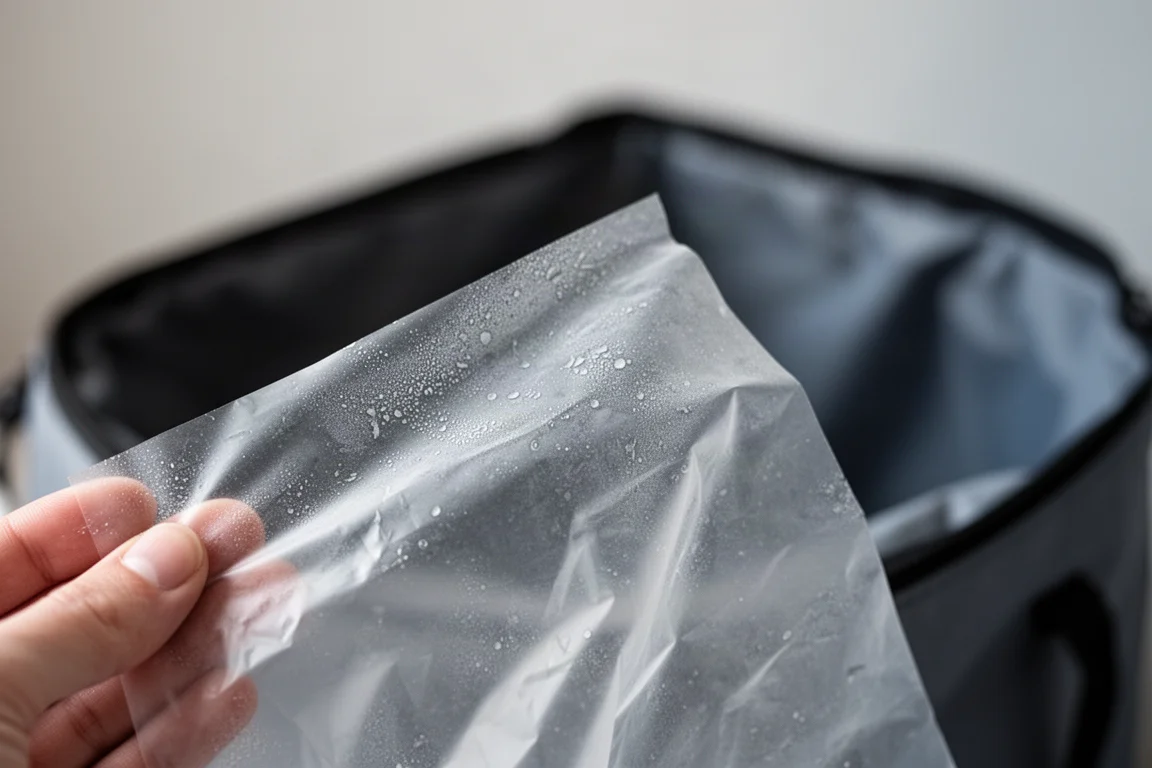
It is also worth noting where the money does not help. Dyneema pack liners cost more, but dyneema is not the best material for this job because it is not as abrasion resistant as people assume, so a higher price does not automatically deliver a better liner. Compactor bags can look cheaper per bag, but they are normally sold by the box, so getting a single bag usually means spending at least around twenty dollars up front. A simple trash bag is the weakest option of the group and will not hold up as long.
One more practical advantage: the liner is clear. If you are hunting for something inside your pack, you can pull the whole liner out and see everything at a glance, something a compactor bag or a dyneema liner will not let you do.
How to Use a Pack Liner Effectively
Usage is exactly what the name suggests. Slide the liner down into the pack before any other gear goes in, then load the items you want kept dry. A typical order starts with a sleeping bag, then a puffy coat, then a clothes bag. Once everything is inside, roll the top down and stack the rest of your gear on top, meaning anything that does not mind getting wet or that has been waterproofed another way.
Beyond Backpacking: Pump Sack and Quilt Barrier Uses
The liner earns its place in a few other roles. One popular trick is using it as a pump sack to inflate a sleeping pad, which avoids blowing into the pad after a long day of hiking. Because the liner is so light and inexpensive, using it this way costs less and carries less weight than buying a dedicated pump sack for that single purpose. The trade-off is that a liner used as a pump sack ends up with a hole, so it will not work as a liner afterwards.
A second use is as a barrier between a quilt and a damp pack. On rainy days when the pack has taken on water, the liner can be laid across the top of the pack, or the whole pack can be placed inside it. That is especially handy with a short sleeping pad that only reaches the knees, where the pack ends up under your legs and you do not want a quilt resting against something wet.
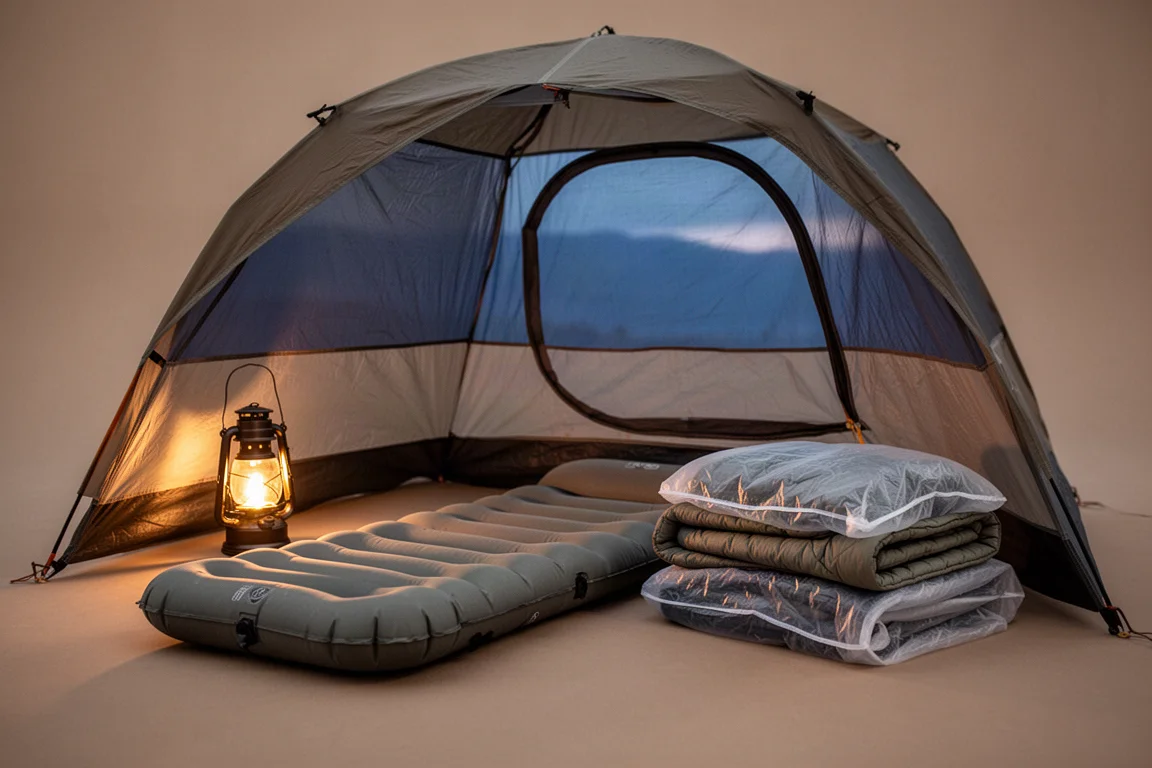
There are also food bag liners made in the same material. They add a waterproof and odor-resistant layer inside a food bag, and because they are clear you can pull the entire liner out to find a specific item instead of digging around blindly.
Things to Consider Before Buying
The liner is a thin film, so it feels less rigid in the hand than heavier bags, and it does not add structure or padding to a pack. It is a waterproofing layer, not a protective one.
It is also not a permanent item. If you press one into service as a pump sack, the resulting puncture ends its life as a liner, so plan on keeping a separate one for that job. Prices are broadly comparable across retailers, which makes it worth checking a couple of options before ordering, and multi-packs are the most economical route if you want spares.
Buying Advice
At roughly two and a half dollars per liner, this is one of the least expensive ways to protect the most valuable contents of a pack. The sensible approach is to buy more than one: keep one dedicated to lining the pack, and let a second serve as a pump sack or a barrier on wet days.
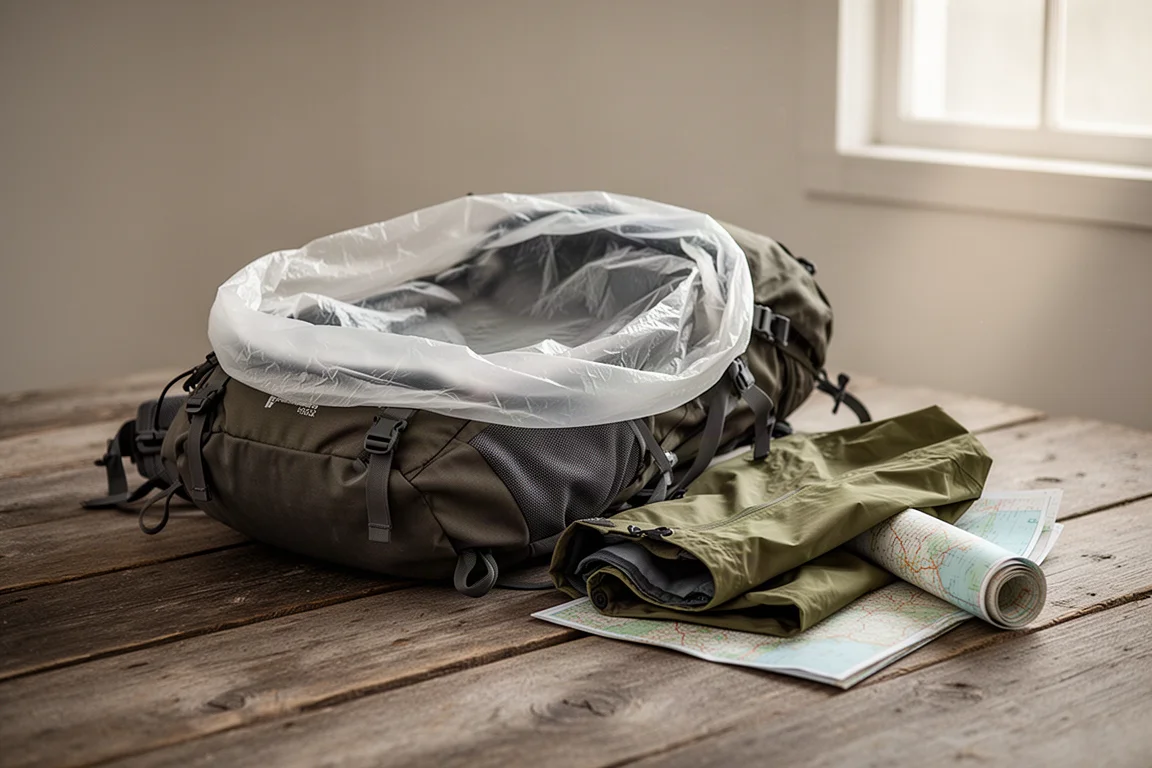
Weighed against the alternatives, the maths is simple. A compactor bag weighs more and usually has to be bought by the box, a trash bag will not last as long, and a dyneema liner costs more without offering better abrasion resistance for this particular job. If dry gear matters on your trips, the liner is an easy item to justify.
Conclusion
The Nylofume pack liner is not a glamorous purchase, and that is the point. It weighs 0.9 ounces, costs about the same as a coffee, and protects the sleeping bag and dry clothes that make a cold, wet day survivable. Whether you use it as a pack liner, a pump sack, or a barrier against a damp pack, it does a genuinely important job with almost no weight and almost no cost.
Product link
View more details for Nylofume Pack Liner
This product is mentioned in the review. Check the specifications, options, and compatibility before buying.
View more details for Nylofume Pack LinerFurther reading
Related Reviews

Backpacking Gear
Building a 10 lb Base Weight: An Ultralight Backpacking Gear List
A practical walkthrough of the ultralight pieces behind a 10 lb base weight, from a 765 g pack and a roomy one-person tent to a full camp chair and a dependable water filter.
Backpacking Gear
A 15-Pound Lightweight Backpacking Gear List for Solo Trips
A beginner-friendly 15-pound backpacking setup built from easy-to-find gear, with notes on what each piece does, how it packs, and where to spend your attention.
Backpacking Gear
8 Ultralight Backpacking Gear Upgrades Worth Carrying
Eight small, affordable backpacking upgrades that solve real trail annoyances, from a pillow that stays put to a fuel valve that rescues leftover canister gas.