Hi-Fi Amplifiers
NVA P50 and S80 Review: A Purist British Pre and Power Amplifier Stack
A hand built British preamp and power amplifier pair with outstanding midrange clarity, plus the bass control and speaker matching trade offs to weigh before buying.
Introduction
NVA is a small British hi-fi company with an unusual set of priorities. Its amplifiers are hand built in Durham, England, and the design approach that founder and original designer Richard Dunn established survives with the current owners. Two principles shape everything: use the simplest possible circuit, on the basis that the best component is slightly worse than no component at all, and feed that circuit with the best quality power supply available.
The P50 preamp and S80 power amplifier are the entry point to the range. They are sold direct, at £405 for the preamp and £885 for the power amplifier, or £1,200 as a package that adds the SC interconnect and LS3 speaker cable and saves £150. In the midrange and upper frequencies, this modestly priced pair reaches a level of clarity and natural tonality that is rare at any price. The trade offs are equally clear, and they centre on bass control and power.
Why NVA Uses Acrylic Casework
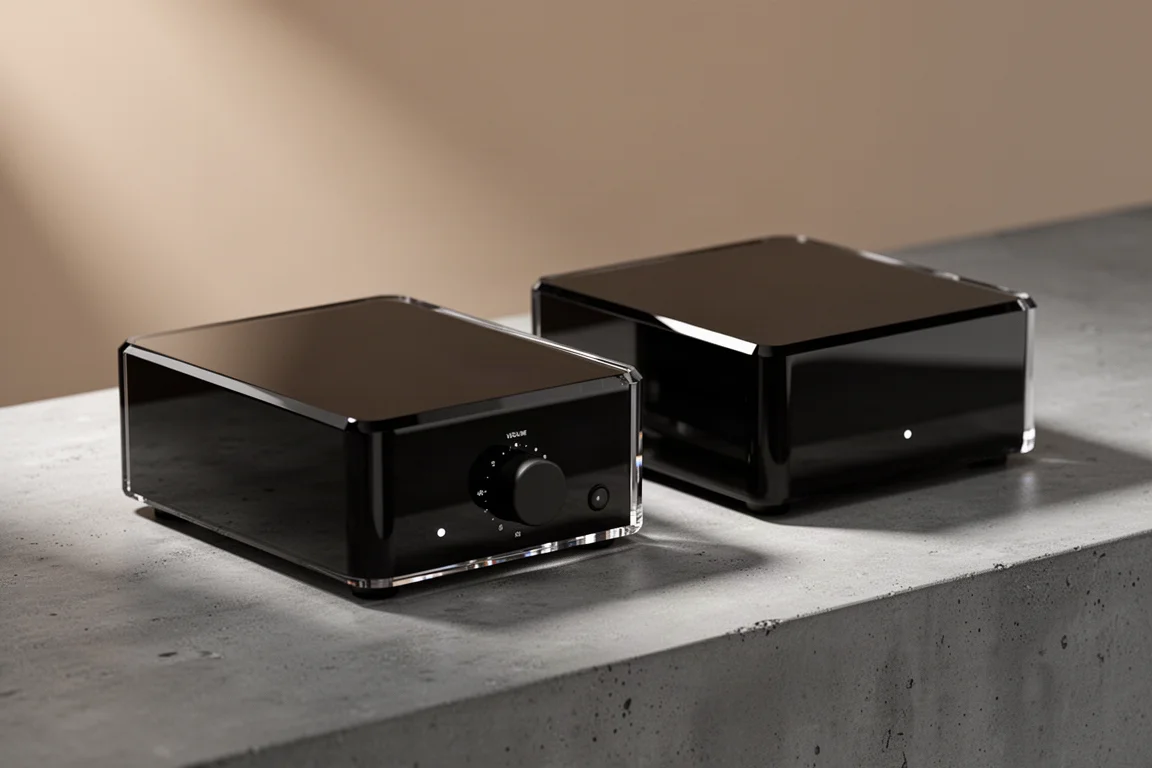
The P50 and S80 arrive in identical gloss black acrylic boxes measuring 250 by 210 by 70 millimetres, or 9.8 by 8.3 by 2.8 inches. There is no metal anywhere in the enclosure.
This is not a cost saving measure. The cases are CNC machined from cast acrylic, which is more durable and more expensive than the standard extruded acrylic used for typical enclosures. They are produced by a specialist company that also makes display cases for the Natural History Museum.
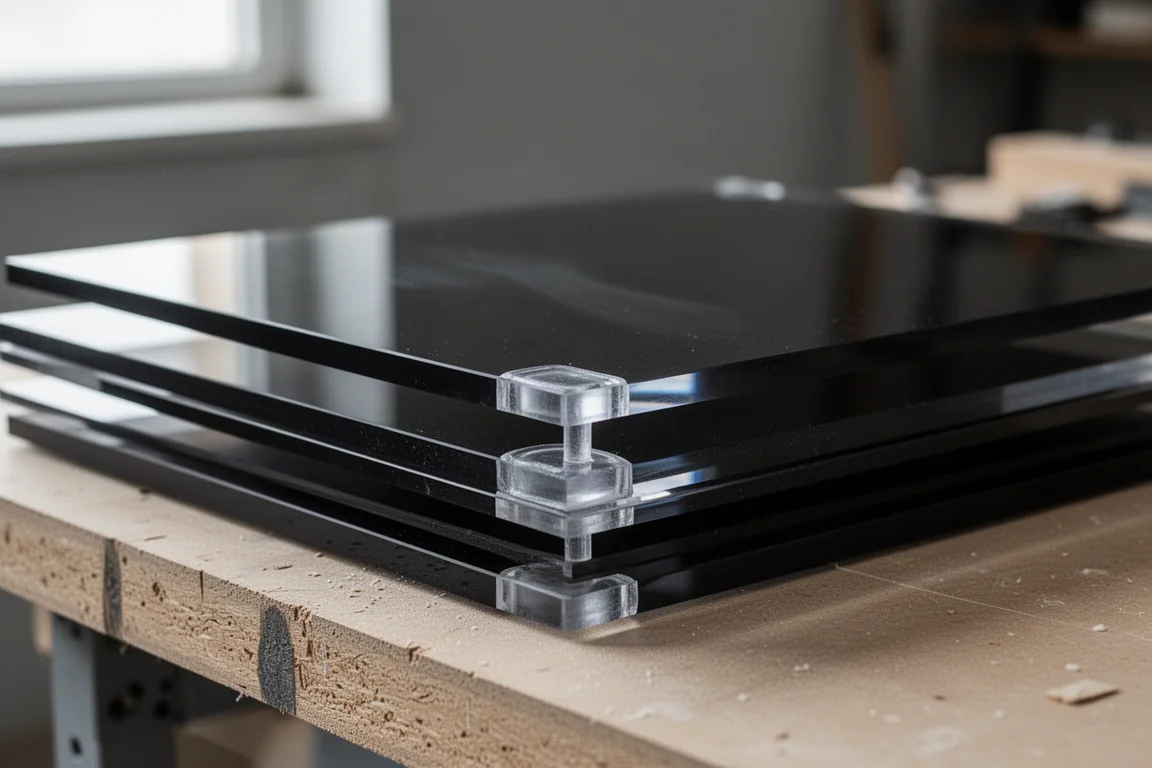
Richard Dunn’s investigation into enclosure materials found that metal cases produce circulating eddy currents that are detrimental to sound quality, and that even the screws holding circuit boards in place were not immune to the effect. His answer was to build everything from Plexiglas and to secure parts with structural adhesives and acrylic welding rather than metal fixings. The transformer in the power amplifier, for example, is bonded to the chassis rather than screwed down.
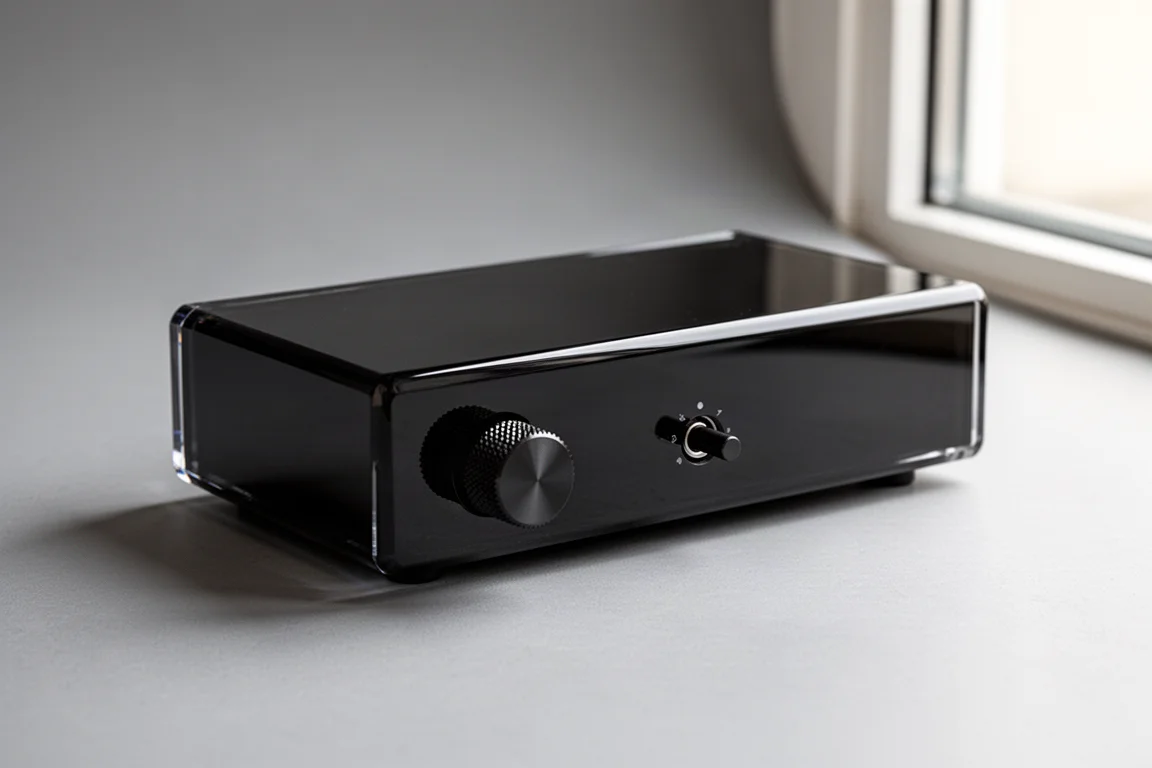
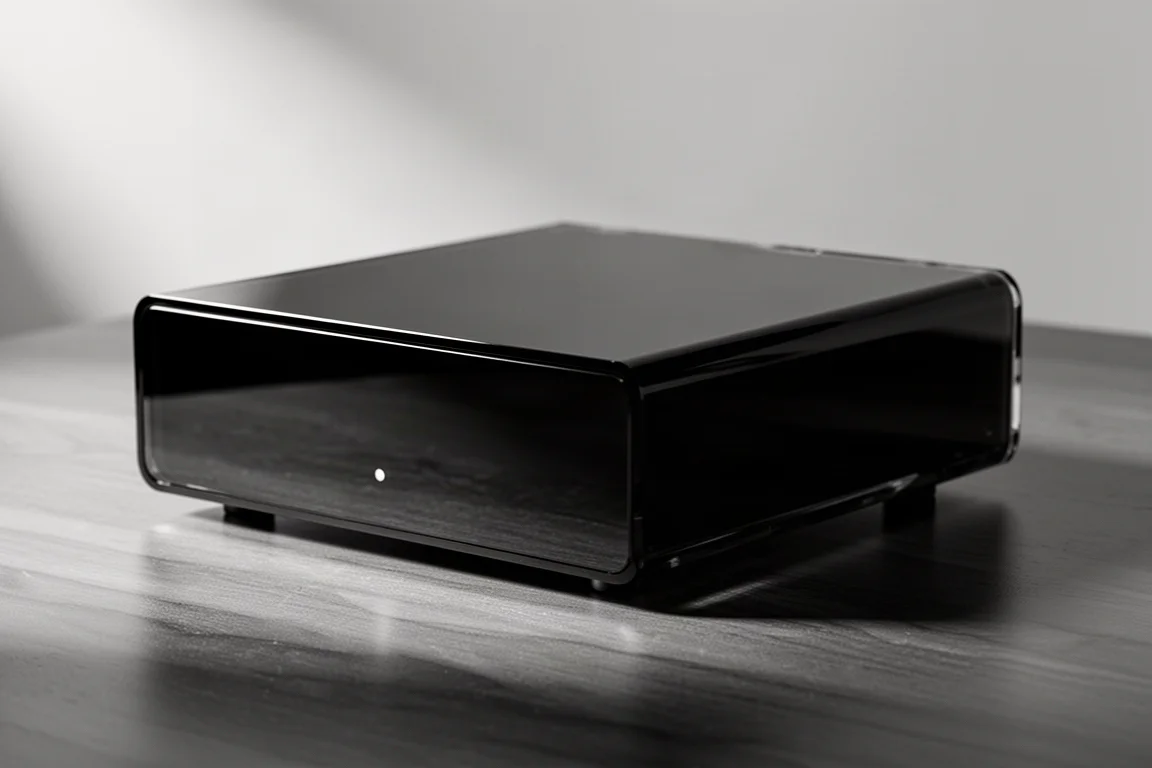
The front panels are deliberately minimal. The S80 carries only a power indicator and the logo. The P50 places the volume control on the left and the input selector on the right. Neither unit has a remote control, and the logo could be more discreet on both.
The NVA P50 Preamp
The P50 is a passive preamp, which is why it can be built with so little inside. The rear panel carries three line level inputs, a tape loop and three sets of RCA outputs. That output count opens up bi-amping and even tri-amping, and it also allows the preamp to feed powered speakers or subwoofers.
One input is a direct connection that bypasses the input selector circuitry, so only the volume control is engaged. Internal wiring is silver plated and Teflon coated, and attenuation is handled by a high quality blue Alps volume pot. The lid is sealed by acrylic welding and cannot be removed without breaking it, though as a passive design there is little to see.
The NVA S80 Power Amplifier
The S80 is a 30 watt design and the smallest amplifier in the range. Its rear panel has a toggle switch, a single set of RCA inputs and speaker outputs that accept banana plugs only. NVA considers banana connections superior to conventional binding posts.
Inside, the mains transformer comes from the Polish company Toroidy. It is not a large unit, but it is adequate for a 30 watt amplifier, and it is bonded rather than screwed to the chassis. Power supply filter capacitors are from the American company Vishay, at 4,700 microfarads per channel, which has a bearing on how well this small amplifier handles heavy transient attacks.
Two identical power amplifier modules sit inside, with components well spaced and positioned to minimise interference between them. The modules use fully discrete through hole components rather than tiny surface mount parts, which brings better inherent power handling and thermal dissipation. The circuit is DC coupled between stages, removing electrolytic capacitors from the signal path, an approach normally seen on much more expensive amplifiers. Bypass capacitors are Wima film types.
Sound Quality and Tonality
At £1,200 for the pair, the clarity and natural tonality on offer in the midrange and upper frequencies is exceptional. The only amplifier combination that matched the P50 and S80 in these areas, along with imaging precision and sound stage depth, is the More Angel pre and Angel 4, a pairing that costs roughly £8,000.
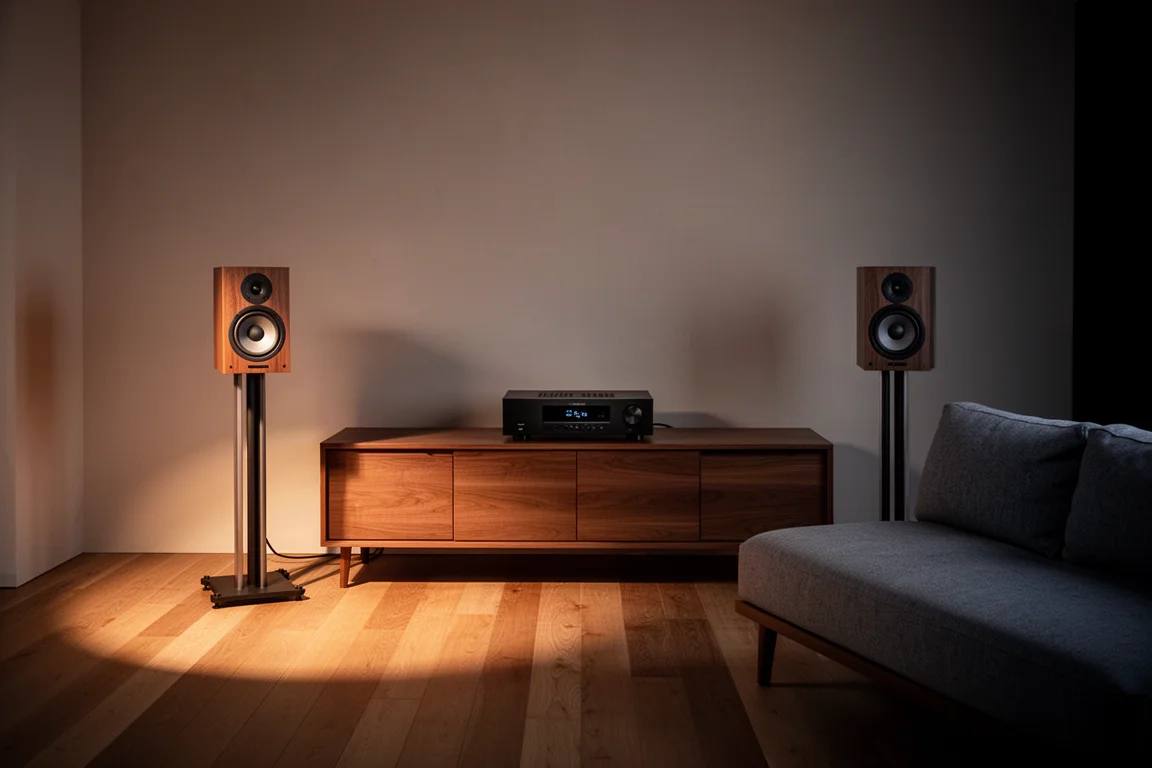
Against a range of higher priced reference amplifiers, the small NVA pair held the advantage in midrange and high frequency insight and natural tonality. That group included integrated amplifiers costing £1,700 and £3,300, a valve integrated with upgraded tubes that costs more than the P50 and S80 in the UK, a vintage pre and monoblock combination, and a £5,000 integrated that got close on clarity but could not match the natural tonality.
What stands out is the way notes are shaped. Leading edges are handled well, but the reverberation in the middle of a note and the way notes fall away are the real strengths. Vocals and lead instruments are presented with their upper harmonic structures and spatial cues intact, so performers are easy to place in front of the listener and in relation to each other. Sound stage depth is generous because the background is pitch black.
Bass Control and Speaker Matching
The bass is where the P50 and S80 give ground. Low frequencies lack definition, and a £350 integrated amplifier such as the Cambridge Audio CXA35 holds onto the rhythm section just as convincingly. The same limited grip and control shows up in sound stage width, which is good rather than great.
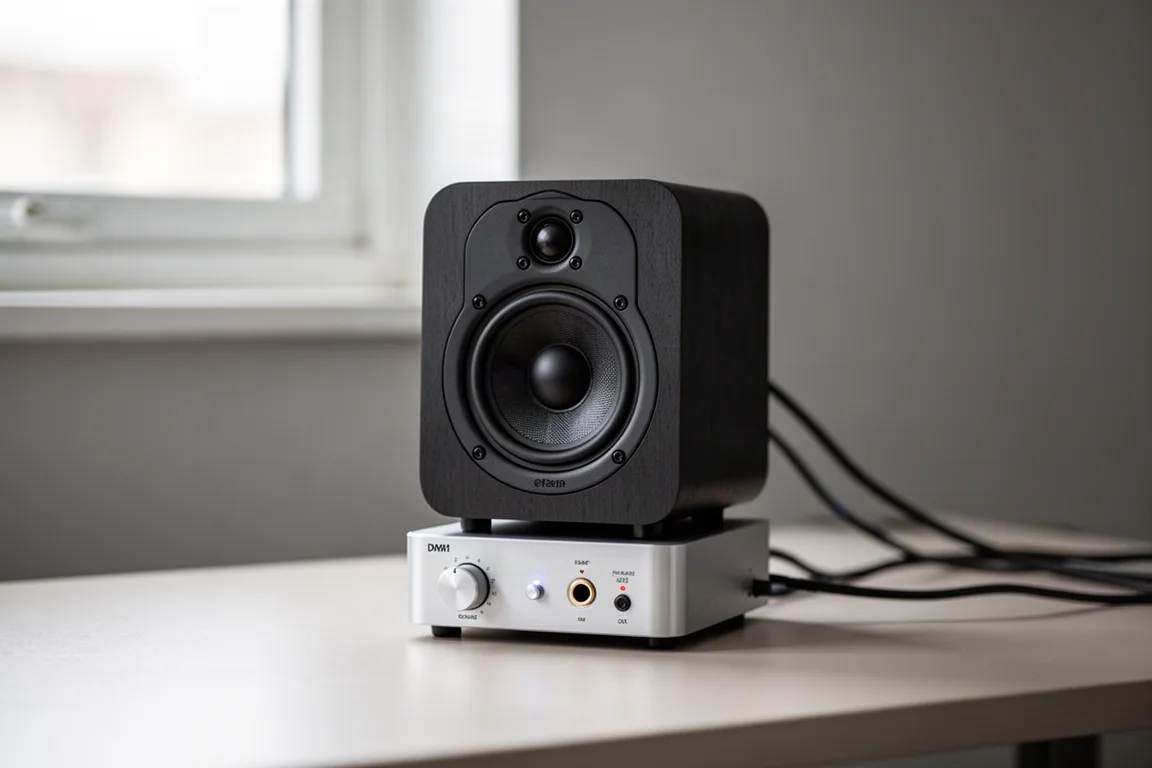
There are two workarounds. The first is more power: the S80 is the baby of the NVA range, and moving up to a larger model, or tri-amping with a three-way speaker design, is likely to resolve the issue. The second is choosing the partnering speaker very carefully.
Speaker matching is critical with this combination. Compact standmounts such as the Amphion Argon 1 highlighted the strengths in the midrange and upper frequencies while underlining the disappointment lower down, and a pair of Response 1SC standmounts was sublime in the mids and top but decidedly woolly at the bottom. The JBL 4309 did not give the NVA pair an easier ride. Compact near field monitors such as the Sound Artist LS3/5A were where the P50 and S80 started to shine, and the most successful pairing was with the Dali Menuet SE, where the clarity and tonality came through fully and the limited bass control stayed in check because the mini monitor naturally rolls off at around 60 hertz.
Cabling and System Setup
There is no filter circuit on the output stage. Most amplifiers use an inductor circuit there to filter out high frequencies, and this one does not, so a 100 kilohertz signal fed to the S80 will be amplified rather than filtered.
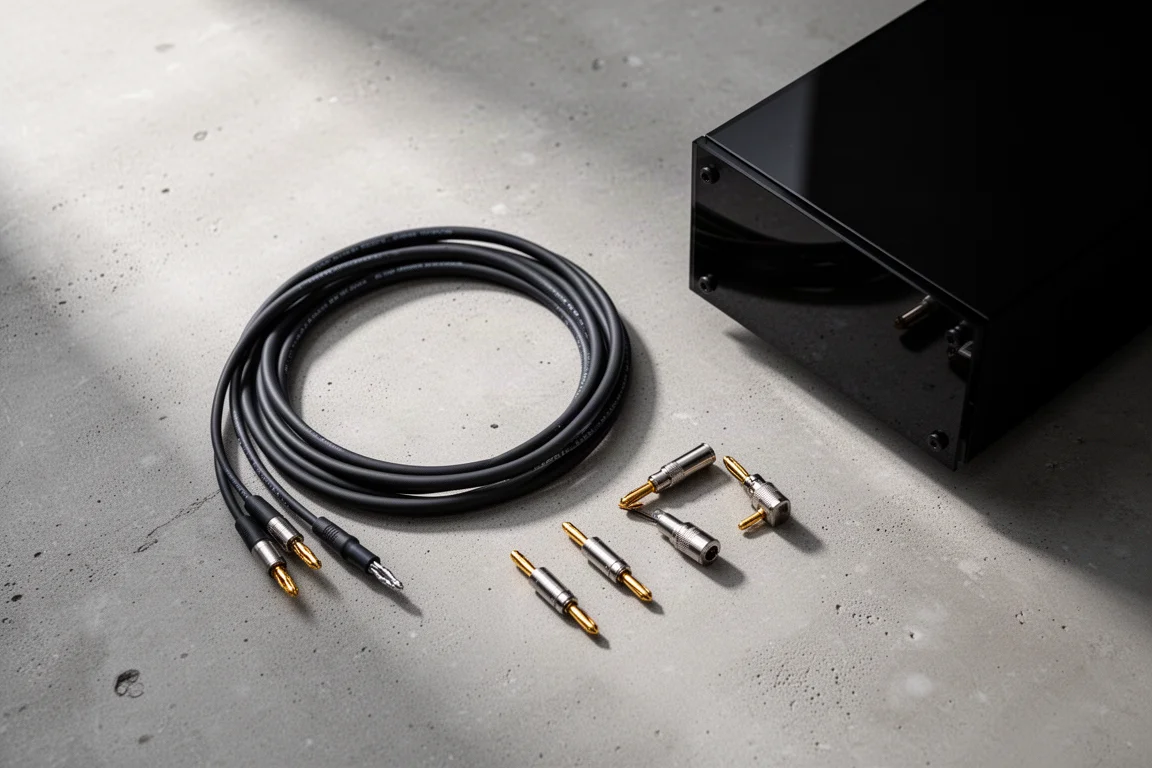
That has practical consequences for cable choice. Shielded cables and some twisted geometry designs should be avoided even though they offer excellent noise rejection, because they typically have higher capacitance, which presents a low load at high frequencies. If high frequency signal reaches the input, the S80 can potentially oscillate, and that can damage the amplifier and the speakers. NVA supplies speaker cables with its amplifiers to get owners started, and while the starter kit cables are fine, they are the most basic ones the company offers. Anyone intending to try their own cables should check with NVA first that they are appropriate.
Buying Advice
The P50 and S80 make sense for listeners who value midrange and high frequency purity above all else and who are willing to build a system around a low powered amplifier. The £1,200 package is the sensible way in, since it includes the SC interconnect and the LS3 speaker cable and saves £150 against buying the two units separately.
Three things are worth deciding before you buy. The acrylic casework is a deliberate design choice rather than a limitation, but it will not suit anyone who wants metal. There is no remote control, so volume and input changes happen at the preamp. And the 30 watt output means speaker choice matters more than usual: a compact, easy to drive monitor that rolls off naturally in the bass will let the amplifier play to its strengths, while a demanding load will expose its limits. Buyers who need more bass grip should look further up the NVA range rather than expect the S80 to deliver it.
Conclusion
The NVA P50 and S80 are a genuinely unusual pair of amplifiers, and the design thinking behind them is visible in every detail, from the cast acrylic cases to the DC coupled circuit and the absence of an output filter. In the midrange and upper frequencies the fidelity on offer is remarkable for the money, with natural tonality, precise imaging and a deep, quiet sound stage. The lack of power is what holds the combination back, limiting bass grip and control, and it means the right speaker pairing is essential rather than optional.
For the right system, this is a highly recommended pre and power combination and a clear example of what a small, enthusiast driven manufacturer can achieve.
Further reading
Related Reviews
Hi-Fi Amplifiers
Accuphase E-280 Review: Entry-Level Accuphase With Flagship Attention to Detail
A close look at the Accuphase E-280 integrated amplifier, covering its champagne build, AAVA volume control, sound quality, and the speakers and sources that suit it best.
Hi-Fi Amplifiers
Advance Paris A10 Classic vs Yamaha A-S301: Two Integrated Amplifiers Compared
A practical comparison of a $350 integrated amplifier and a $2,500 reference model, covering the differences that matter and the ones that do not.
Hi-Fi Amplifiers
Affordable Chinese Amplifiers Worth Buying: Five Budget Hi-Fi Amps Compared
A practical look at five affordable amplifiers, what each one does well, and the trade-offs to weigh before you buy.