Bookshelf Speakers
Numei Silk 4 Review: Compact Passive Value for Desktops and Small Rooms
A compact passive bookshelf speaker with a 4-inch midwoofer and 1-inch dome tweeter. Strong value at around $150, with a mid-range lift to manage and clear limits on bass and room size.
Introduction
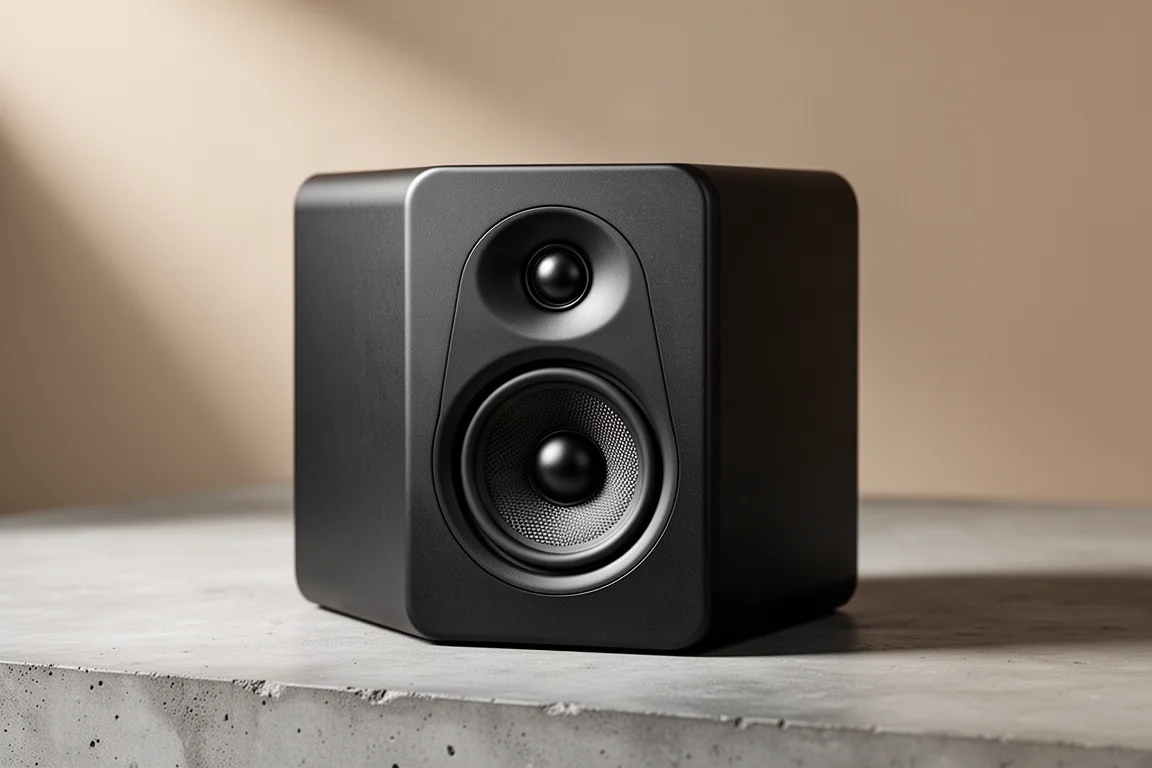
The Numei Silk 4 is a small passive bookshelf speaker built around a simple recipe: a 4-inch midwoofer, a 1-inch dome tweeter, and a shallow waveguide, with a second-order crossover on both drivers. It sells for around $150, and at the time of writing it is mainly an Amazon purchase.
That combination puts it in a category where compromises are expected. What is less expected is how much the Silk 4 gets right, and how clearly its limits are defined. It will not fill a large room or anchor a home theater as a main channel, but as a desktop speaker, a surround channel, or the front pair of a small apartment setup, it has a lot going for it.
Who This Speaker Is For
Ask most listeners where a small speaker like this belongs and the answer lands in the same two places: on a desk, or in a small room. Both fit the Silk 4 well.
On a desktop, a few feet of listening distance is exactly where this speaker behaves best. It can reach reasonable volume without a significant amount of distortion at three to four feet, which is a longer throw than many speakers this size manage cleanly. In a smaller bedroom, apartment, or secondary room, it holds up as long as the material does not demand deep bass or high playback levels.
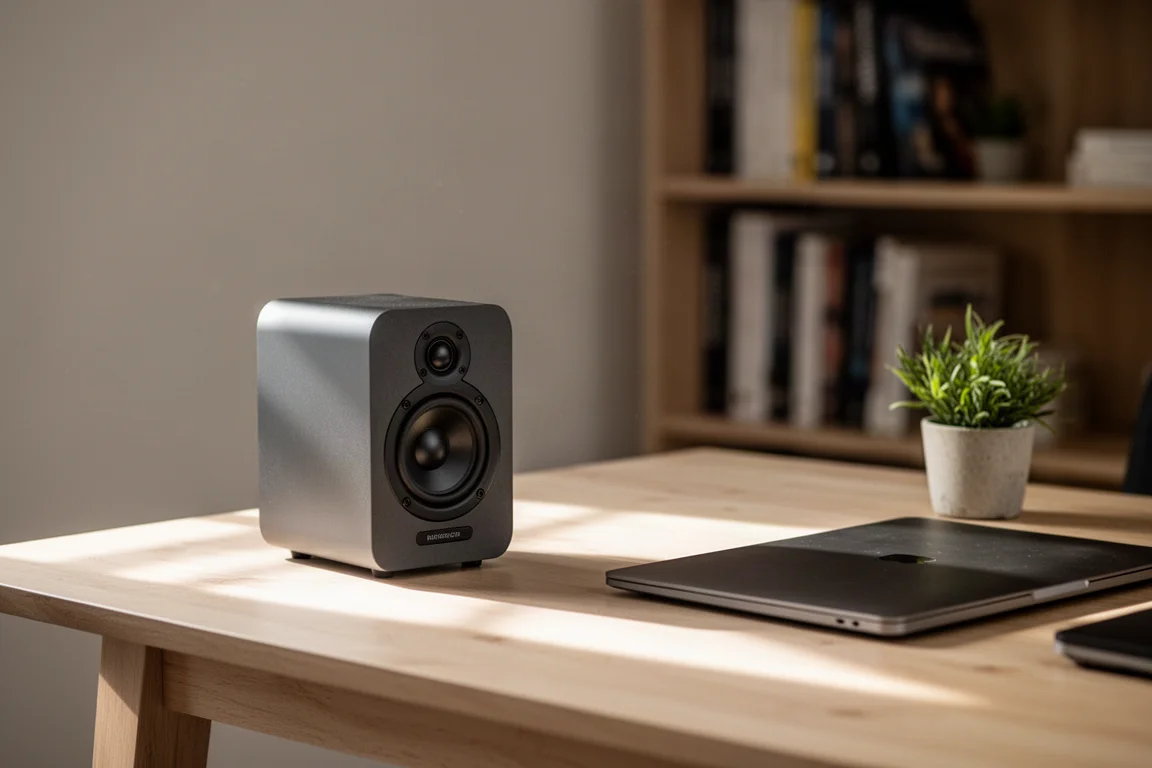
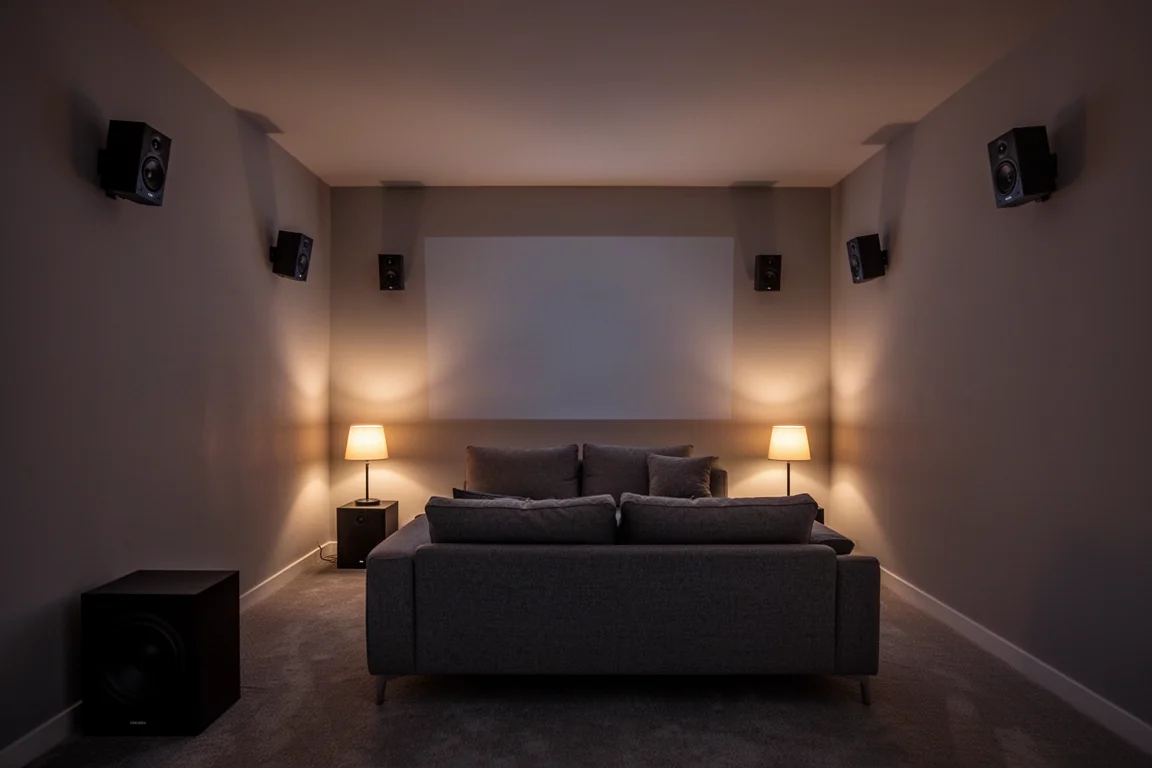
It is also a sensible candidate for surround duty. A set of these around a small room gives you the kind of diffuse, undemanding coverage that surround channels need, and they do not require the dynamic range of a main channel to do that job well.
What the Silk 4 is not built for is a large home theater front stage. It simply cannot deliver the dynamic range or low-frequency output that role requires.
Design and Driver Complement
The driver complement is modest but sensible: a 4-inch midwoofer handling the lower and middle range, a 1-inch dome tweeter above it, and a shallow waveguide around the tweeter. The waveguide is not as deep as the horn-loaded designs it superficially resembles, so it sits somewhere between a horn and a plain tweeter on a flat baffle in the way it controls dispersion.
Nominal impedance comes in close to 6 ohms. A resonance shows up around 650 Hz, most likely from the port or the cabinet, and it is visible again in the frequency response data.
Sensitivity is the number that shapes everything else: about 82.6 dB. That is low, and it explains why this speaker wants a small room and a near listening position rather than a long throw or high playback levels.
Main Strengths
Tonally, the Silk 4 is a pleasant speaker that responds unusually well to equalization. If you have any form of EQ available, whether through a desktop setup or a home theater receiver, you can pull down the mid-range lift and the narrow resonance and end up with something noticeably more neutral and more enjoyable.
Bass extension is honest for the size. F3 lands at 83 Hz and F10 at 55 Hz, with in-room response reaching down to roughly the mid 60s or 70 Hz. That is not deep, but it is enough to make the speaker usable on its own for lighter material, and it pairs naturally with a subwoofer crossed over around 80 Hz.
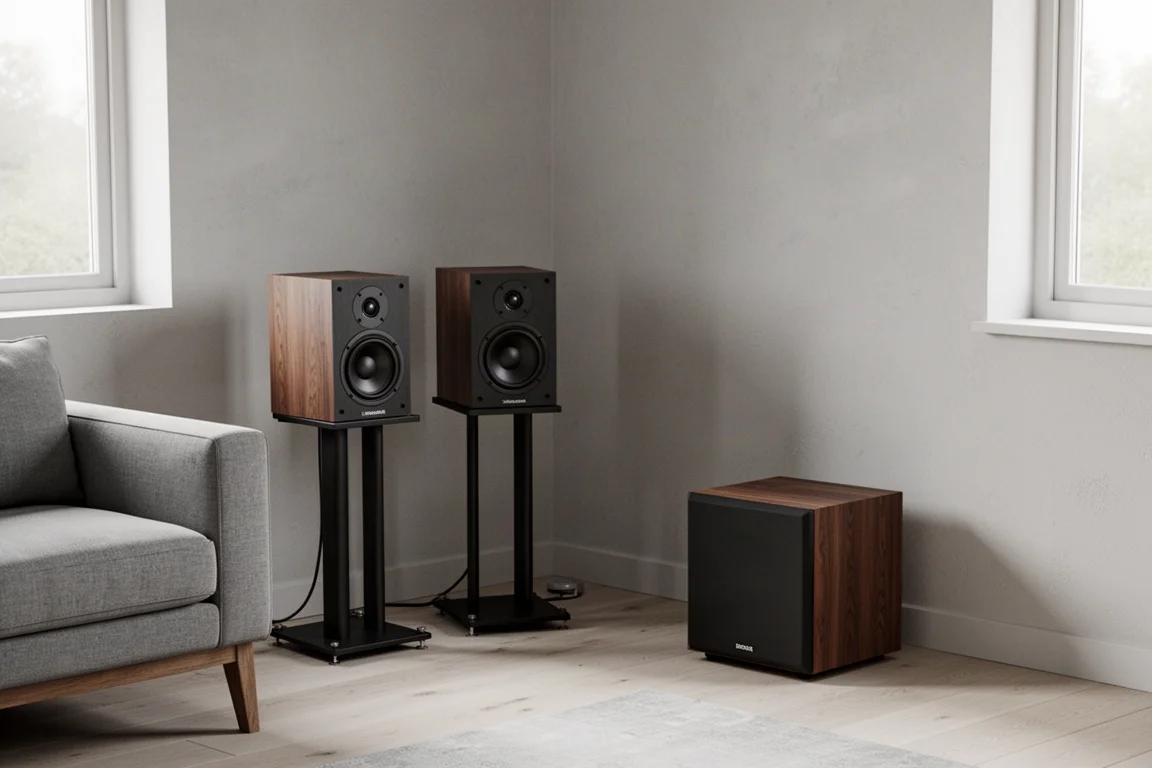
Distortion is also better than the price suggests. At 86 dB measured at one meter, everything stays below 1 percent down to about 120 Hz, and at 96 dB it climbs as expected but remains controlled. High-frequency compression is genuinely good, which is not something you can say about every speaker at two or three times this price.
What the Measurements Show
The measured picture lines up closely with what the Silk 4 sounds like in a room. There is an audible lift through the mid-range, on the order of 1 to 2 dB, centered in the region around 600 Hz up to roughly 1.5 kHz. It shows up as thickness on certain snares and drum hits, and a slightly boxy character on vocals. The likely causes are a baffle step issue combined with a resonance from the port or enclosure.
The tweeter level sits about 2 dB below the average sensitivity line, which is part of why the mid-range reads as forward. That also leaves a high-frequency dip that makes on-axis listening more important than usual.
Horizontal radiation is narrower than a flat-baffle tweeter, though not as narrow as a horn. It comes in around plus or minus 50 degrees rather than the roughly plus or minus 60 degrees that many listeners prefer. Vertical dispersion matters too: staying level with the tweeter keeps the response consistent, while sitting below it introduces lobing and diffraction effects, including a noticeable hole around 5 kHz at five degrees below the tweeter axis.
Calculated preference scores come in at 4.9 on its own and 7.4 with a subwoofer, which is a meaningful jump and a fair reflection of how much the low end holds this speaker back.
Multitone distortion at 96 dB shows elevated mid-frequency distortion that is likely audible. The good news is that crossing over to a subwoofer at 80 Hz reduces it, because the woofer stops working as hard and stops contributing as much mid-range distortion.
Things to Consider Before Buying
Plan for a subwoofer. For most content, the Silk 4 will sound incomplete on its own, and the improvement from crossing it over at 80 Hz is substantial on both distortion and overall dynamic range.
Plan for EQ if you can. The mid-range lift is the main tonal compromise here, and it is a fixable one. Without EQ, you are living with a speaker that is a little thick on vocals and a little boxy on percussion.
Positioning matters more than usual. The ported enclosure means you should not jam it against the wall, but some boundary reinforcement from a nearby wall will lift the lower vocal range to better match that 600 Hz to 1 kHz region. On a desk, raise the speaker so the tweeter sits at ear level. Off-axis listening costs you more here than it would with a wider-radiation design.
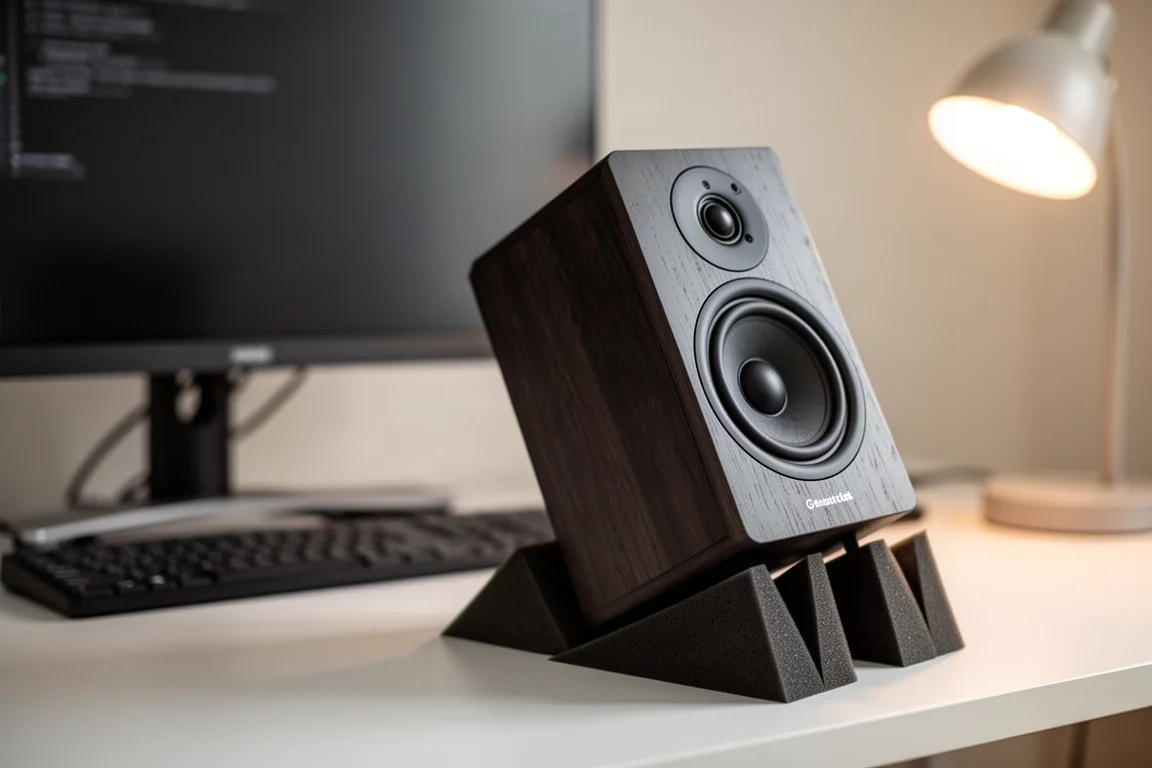
Finally, sensitivity is low at 82.6 dB, so give it a reasonable amount of amplifier power and keep expectations about maximum output realistic.
Setup and Pairing Notes
The most cost-effective way to get the best from the Silk 4 is a simple 2.1 arrangement. Pair a set with an affordable subwoofer and a budget AV receiver, and you have a compact stereo system that covers far more material than the speakers manage alone. Budget-class receivers are enough; nothing here demands exotic amplification.
If you would rather build toward surround, the same logic scales. Several Silk 4 units spread around a small room, supported by a subwoofer, can produce a capable little home theater system for a total outlay that stays well under a thousand dollars.
Keep the tweeter at ear level in every configuration, and keep listening distances short. That is where this speaker does its best work.
Buying Advice
At around $150, the Numei Silk 4 is one of the better passive speaker values you can find. The measurements support the price: low sensitivity and limited bass extension are the honest trade-offs, while distortion behavior, high-frequency compression, and EQ friendliness are all better than the price implies.
The practical recommendation is straightforward. Buy it if you are building a desktop system, filling a small room, or adding surround channels, and if you are willing to pair it with a subwoofer and adjust the mid-range. Skip it if you need a main speaker for a large room, want deep bass without a sub, or prefer a speaker that sounds right with no adjustment at all. Handled with those expectations, it is a genuinely enjoyable small speaker rather than a compromise you tolerate.
Conclusion
The Numei Silk 4 is not a speaker that tries to do everything. It is a $150 passive design with low sensitivity, modest bass extension, and a mid-range lift that rewards a few minutes of EQ. Within its intended role, which is nearfield listening, small rooms, and surround duty, it delivers more than the price suggests and takes correction better than most budget speakers do.
Add a subwoofer, keep the tweeter on axis and at ear level, and the result is a compact system that punches well above its cost.
Product link
View more details for Numei Silk 4
This product is mentioned in the review. Check the specifications, options, and compatibility before buying.
View more details for Numei Silk 4Further reading
Related Reviews
Bookshelf Speakers
Acoustic Energy A100 Mark II Review: A Compact Standmount With an Expansive Soundstage
The Acoustic Energy A100 Mark II brings clarity, natural tonality and a wide soundstage to an entry-level standmount, with a few setup details worth knowing first.
Bookshelf Speakers
Acoustic Energy AE-100 Mark II Review: Compact Bookshelf Speakers With Standout Imaging
A compact British two-way bookshelf speaker with deep, layered imaging, fast bass, and a slight treble lift to weigh against a crowded $500 field.
Bookshelf Speakers
Acoustic Energy AE100 MK2 Review: Measured Performance and Four Alternatives
A close look at the Acoustic Energy AE100 MK2 bookshelf speaker, what its measured performance reveals, and four alternatives with different trade-offs.