Cycling Shoes
Northwave Hammer Plus Review: Fit, Width, and What to Know Before Buying
A practical look at the Northwave Hammer Plus, its regular and wide fit lasts, and how to match any cycling shoe to your riding, your cleats, and your budget.
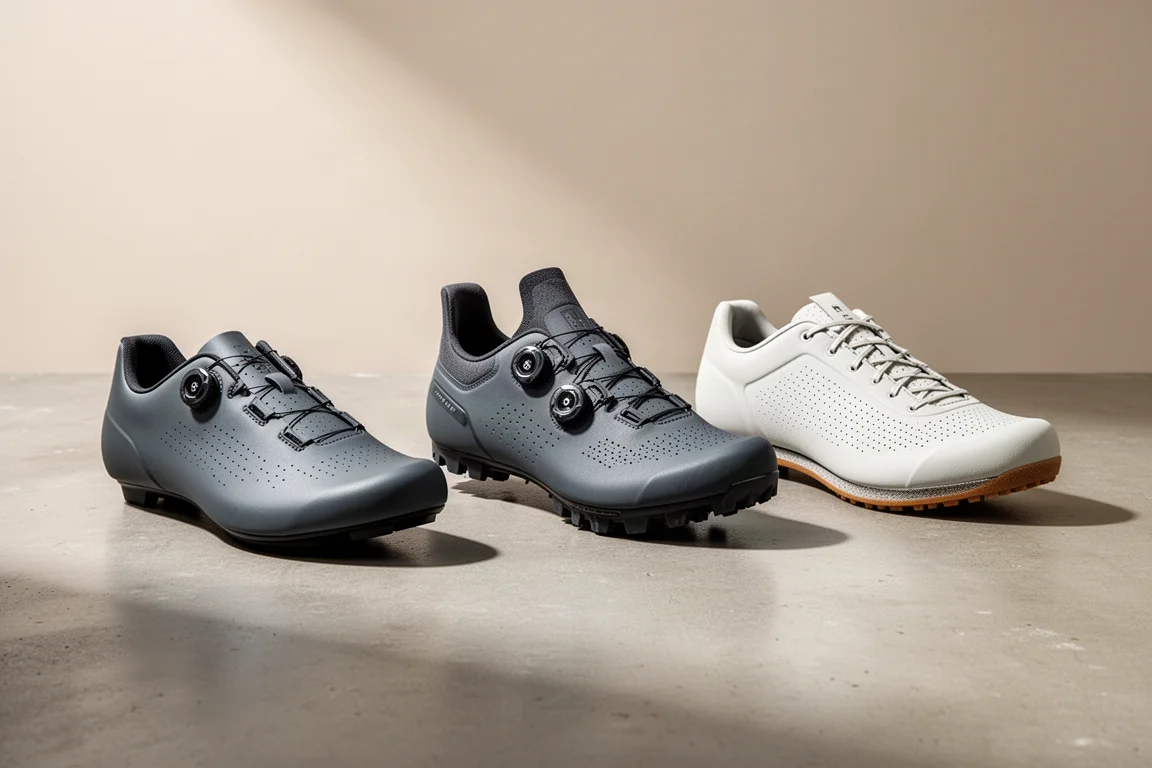
Introduction
Cycling shoes are one of only three contact points between you and the bike, and few pieces of kit shape the ride as much. Get the fit right and you barely notice them. Get it wrong and the result is discomfort, hot spots, and sometimes pain sharp enough to take the shine off riding altogether.
This guide looks at the Northwave Hammer Plus, a shoe from an Italian manufacturer that stands out for one practical reason: it comes in both a regular and a wide fit last. It also covers the wider decisions that matter when you buy any cycling shoe, from cleat systems to closure types and how much you actually need to spend.
Who the Northwave Hammer Plus Is For
Northwave is an Italian manufacturer with a broad range of shoes spanning road, mountain bike, gravel, and commuting. The detail that separates the Hammer Plus is fit: it is available with a regular last and a wide fit last, and the wide version is a full centimetre wider than the regular.
That matters more than it sounds. Wider fitting shoes are rare in casual footwear, and a wider last helps riders with higher volume feet by reducing the hot spots and rubbing that appear along the inside and outside of the shoe. It is especially useful in summer, when feet tend to swell in the heat and a shoe that felt fine in spring starts to feel tight.
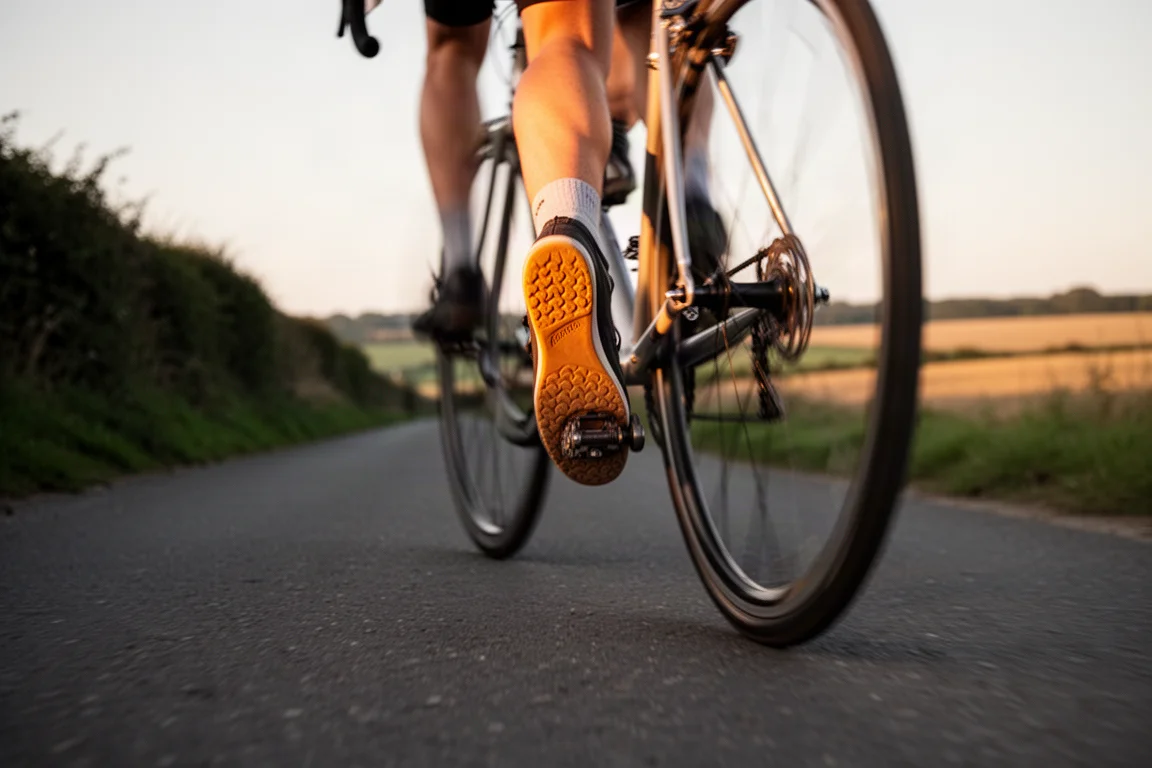
If you have ever sized up simply to find width, or you regularly loosen your shoes halfway through a long ride, the Hammer Plus is worth a look on that basis alone. Riders with narrower, lower volume feet may find the regular last is the better starting point, and it is worth taking the brand’s own measurements before choosing between the two.
Main Strengths of the Northwave Hammer Plus
The clearest strength is that the wide option is a measurable difference rather than a nominal label. A full centimetre of extra width changes how pressure is distributed across the foot, which is exactly where hot spots begin.
Because fit is the deciding factor in whether a shoe works for you, a fit-first shortlist is a sensible approach. The Hammer Plus gives riders who normally struggle with standard-width shoes a genuine choice inside a single model, without pushing them towards a completely different shoe.
It also helps that the brand publishes a detailed size guide with specific measurements, so you can compare your own foot length and width against real numbers rather than guessing at a nominal size.
Fit, Width, and Closure
Size is the obvious starting point, and it is the one most riders get wrong. Brands size and shape their shoes differently even when the nominal size is identical, so a 43 in one model can feel nothing like a 43 in another.
Nothing beats trying shoes on in person, ideally at a local bike shop, and a conversation with a professional bike fitter before buying is worth the time if you ride a lot. Where that is not possible, measure your feet and check them against the manufacturer’s chart.
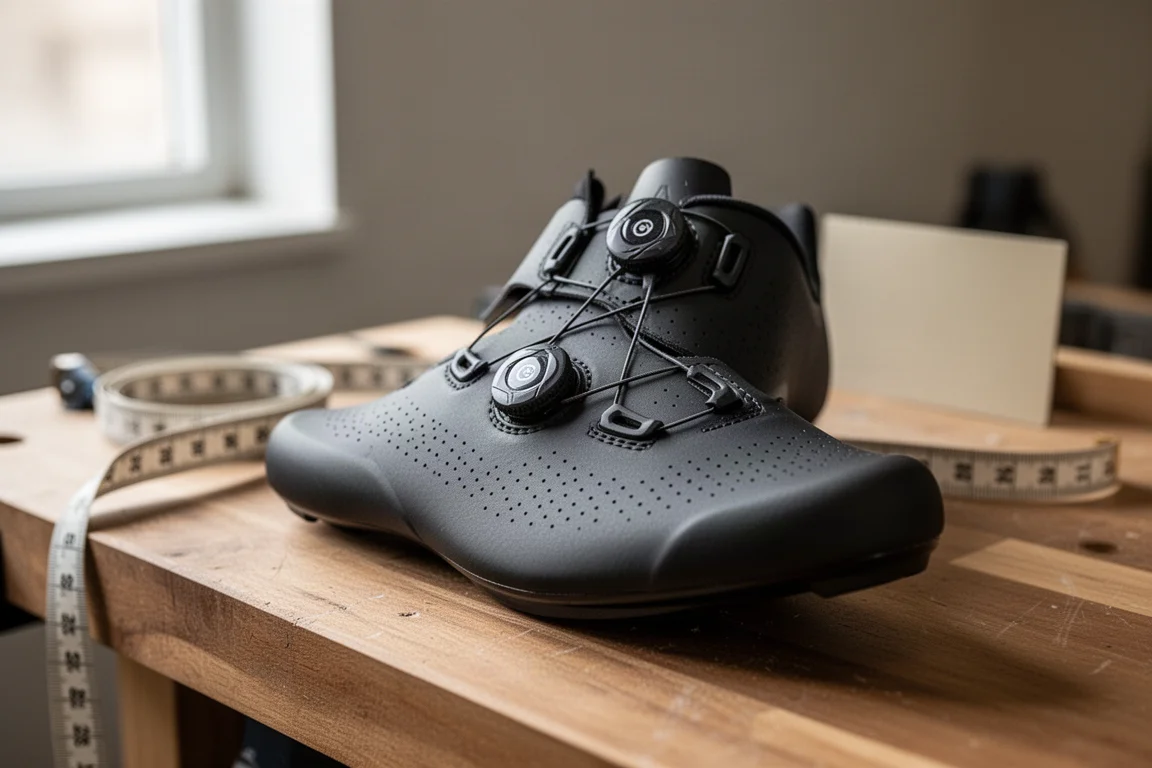
Closure systems are the other half of the fit picture. Dials are adjustable on the fly, even through a pair of overshoes, and typically sit at a slightly higher price point. Laces are lighter and let you fine-tune the fit across the whole shoe, but they cannot be adjusted while you are riding and need replacing relatively regularly. Velcro is lighter and less expensive again, and very quick to put on and take off, though it tends to appear at the entry level of a range where some performance features are missing.
Northwave uses its own proprietary dial technology, and other manufacturers use dials from brands such as Boa, so the mechanism you get depends on the specific model rather than the category.
Things to Consider Before Buying
Start with the riding you will actually do. Purely road riding usually means a three-bolt road cleat, and shoes built around that system prioritise stiffness, low weight, and efficient power transfer. They are not designed for walking, and if your rides regularly include a hike-a-bike section they will be the wrong tool.
Mountain bike shoes keep a performance focus, often with a stiff carbon sole, but add rubber tread and take a two-bolt SPD style cleat so you can walk in them and still clip in when the pedals are covered in mud. Gravel shoes share a lot with mountain bike shoes but lean more towards comfort than outright performance. There is real overlap between the two, and you can ride either discipline in either shoe, but if you are focused on one, a discipline-specific shoe gets more out of it.
Commuting shoes are a fourth option. You can commute in road, gravel, or mountain bike shoes, but dedicated commuting shoes tend to be more comfort focused, with an emphasis on walkability and durability, and they are usually a little less expensive. The bonus is that your commute stops putting wear on your more expensive specialist shoes.
Flat pedals deserve a mention too. Trainers work, but a dedicated flat pedal shoe gives a stiffer, more resilient sole than an average trainer, often a dial closure that is easier to adjust on the fly, and sometimes waterproofing. If you ride flat pedals off-road, you do not need to destroy your best trainers in the process.
Choosing the Right Cleat System
Three-bolt road cleats are built for the road and prioritise low weight and a large cleat-to-pedal contact patch for optimum power transfer. Shoes that take them usually have no rubber tread, so the cleat itself contacts the ground when you walk. That means limited grip and a cleat that wears through quickly if you spend much time on your feet.
Two-bolt metal cleats are the alternative. They are recessed into the shoe’s tread, so they do not touch the ground when you walk, and the amount of tread varies depending on whether the shoe is built for mountain biking, gravel, or commuting. Most spin bikes in gyms and spin classes use this cleat type as well, so it is the system to choose if that is the riding you enjoy and you want to move to clipless pedals.
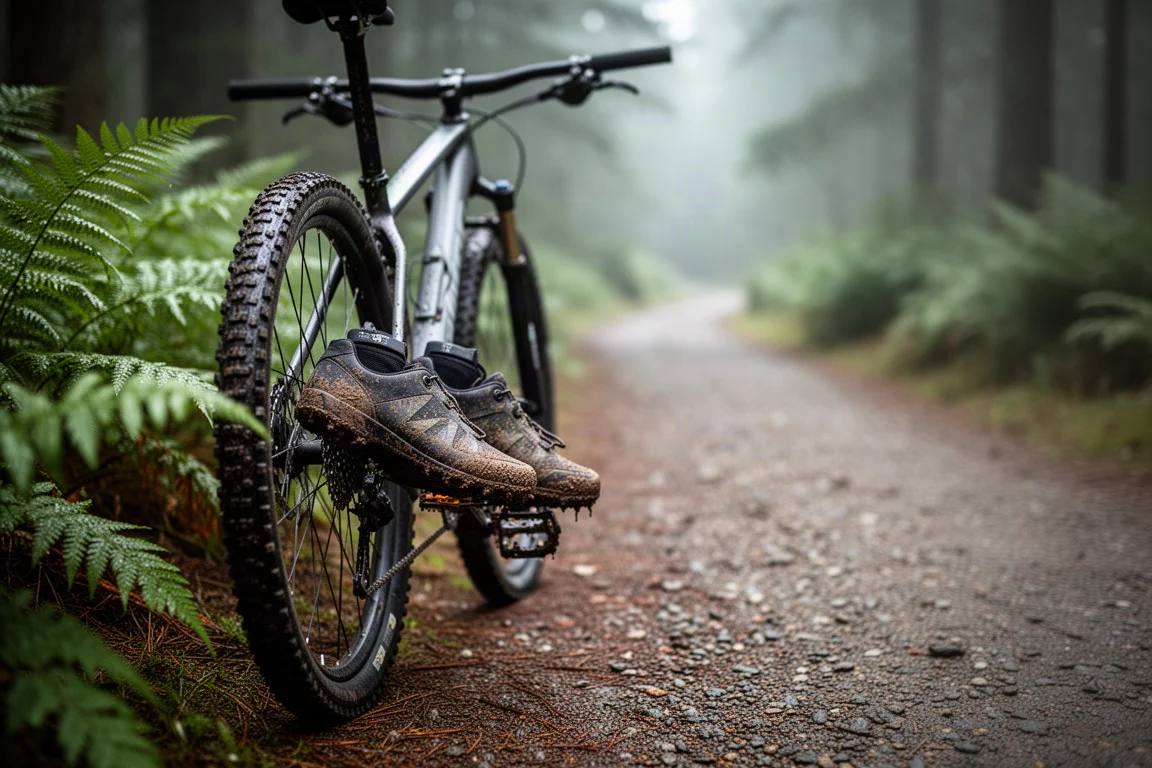
The trade-offs are worth knowing before you commit. Two-bolt cleats, and the shoes built around them, are a little heavier than road equivalents, but they offer considerably more float, meaning more side-to-side movement while clipped in, and a much lower release tension that makes them easier to get in and out of. That makes them a friendlier starting point if you are new to clipping in, or if you simply want the easiest possible experience.
Weather, Seasons, and Shoe Rotation
Cycling is an all-season sport, and modern clothing and equipment have reached the point where the right gear keeps you relatively comfortable in almost any weather. Shoes are no exception.
Summer shoes are lighter and more ventilated, which increases airflow and keeps your feet cooler on hot days. Winter-specific shoes and boots take the opposite approach: high cuffs that seal the foot from the elements, far less ventilation, and a waterproof membrane that keeps feet warm and dry without bulky overshoes.
If you are prepared to invest in a second pair, the split has a practical benefit beyond comfort. Keeping summer shoes for dry days extends their lifespan, and you always have a shoe that suits the conditions rather than one that almost does.
Buying Advice: What Your Budget Buys
You can spend as much or as little as you like on cycling shoes. At the entry level, a genuinely solid pair can cost less than around £100, with broadly similar figures in dollars or euros. Expect a Velcro closure and a sole made from reinforced nylon rather than carbon fibre, and expect a little more weight than pricier options.
Moving up to the mid level brings carbon fibre into the sole, a dial or lace closure, better ventilation on fair-weather shoes, and lower weight. This is the sweet spot for a lot of riders, balancing comfort and performance and offering all the performance most people actually need.
Spending more shifts the priorities further towards performance, where lighter, stiffer, and faster is the guiding principle. That tier brings full carbon soles, more technical dial closure systems, enhanced ventilation, and in some cases soles that can be moulded to the shape of your foot, with prices upwards of £250 to £300 at most brands.
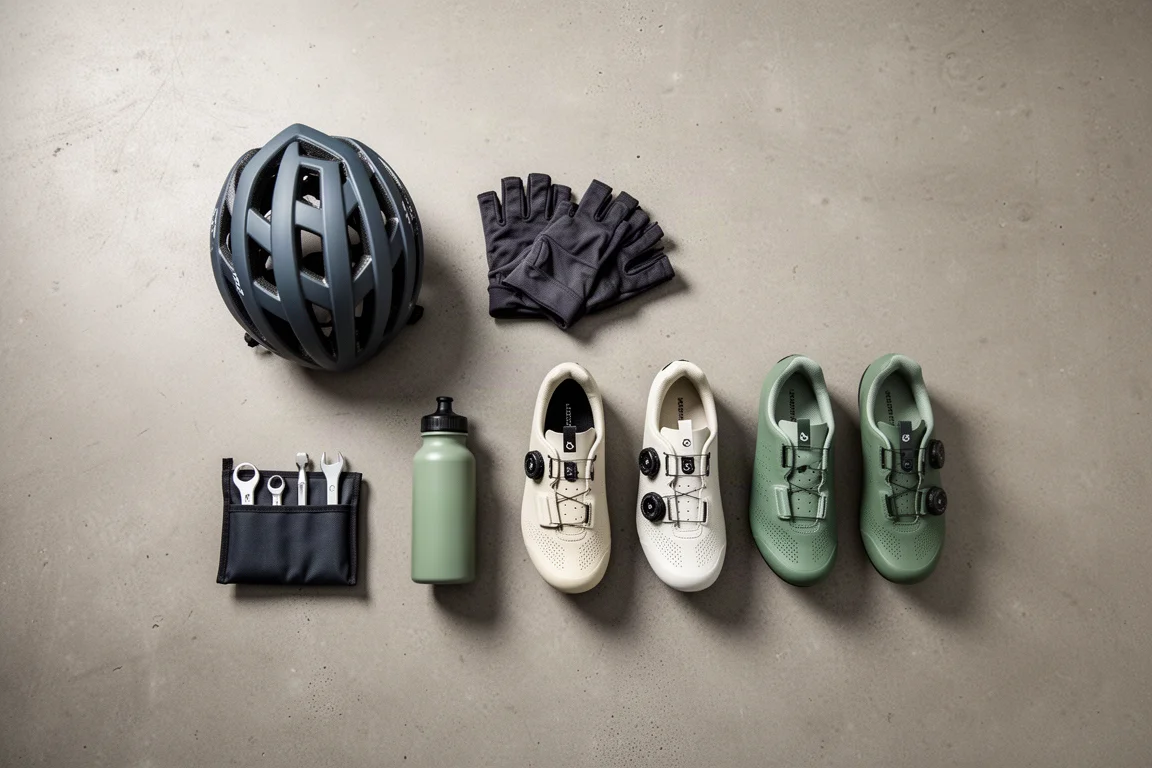
Wherever your budget lands, the same three questions decide whether you end up happy. Work out the riding you are actually going to do, on road, off road, commuting, or racing, and match the shoe to it. Set a budget and accept that it determines which features are available to you. Then spend real time on size and shape, using the brand’s measurements and, if you can, trying the shoes on in person.
Conclusion
The Northwave Hammer Plus is a straightforward proposition: a shoe that gives you a choice between a regular last and a wide fit that is a full centimetre wider, which is exactly the kind of option riders with higher volume feet rarely get. If hot spots and rubbing have been a recurring problem, that choice is the reason to put it on your shortlist.
Beyond any single model, the decision comes down to matching the shoe to your riding, setting a budget you are comfortable with, and getting the size and shape right. Do those three things well and you will forget you are wearing the shoes at all, which is exactly how it should feel.
Product link
View more details for Northwave Hammer Plus
This product is mentioned in the review. Check the specifications, options, and compatibility before buying.
View more details for Northwave Hammer PlusFurther reading
Related Reviews
Cycling Shoes
Best Cycling Shoes Ranked: Fit, Cleat Position and What to Check Before Buying
A practical ranking of cycling shoes by cleat position and fit neutrality, from the models that most often cause problems to the ones that fit best.
Cycling Shoes
Best Cycling Shoes Ranked: Fit, Cleat Position, and Stability Compared
A practical ranking of road and off-road cycling shoes based on cleat position, foot shape, arch support, and long-ride stability.
Cycling Shoes
Best Wide Fitting Cycling Shoes: Four Options Worth Knowing
A practical guide to wide fitting cycling shoes, covering the Lake CX239, Lake CX242, Shimano RC903 wide fit and G8 2620 arch support.