Camping Tents
The North Face Stormbreak 2 Person Tent Review: Waterproof Testing in Sustained Rain
A focused look at the North Face Stormbreak 2 Person Tent after an extended rain test, covering waterproof performance, strengths, and what to weigh before buying.
Introduction
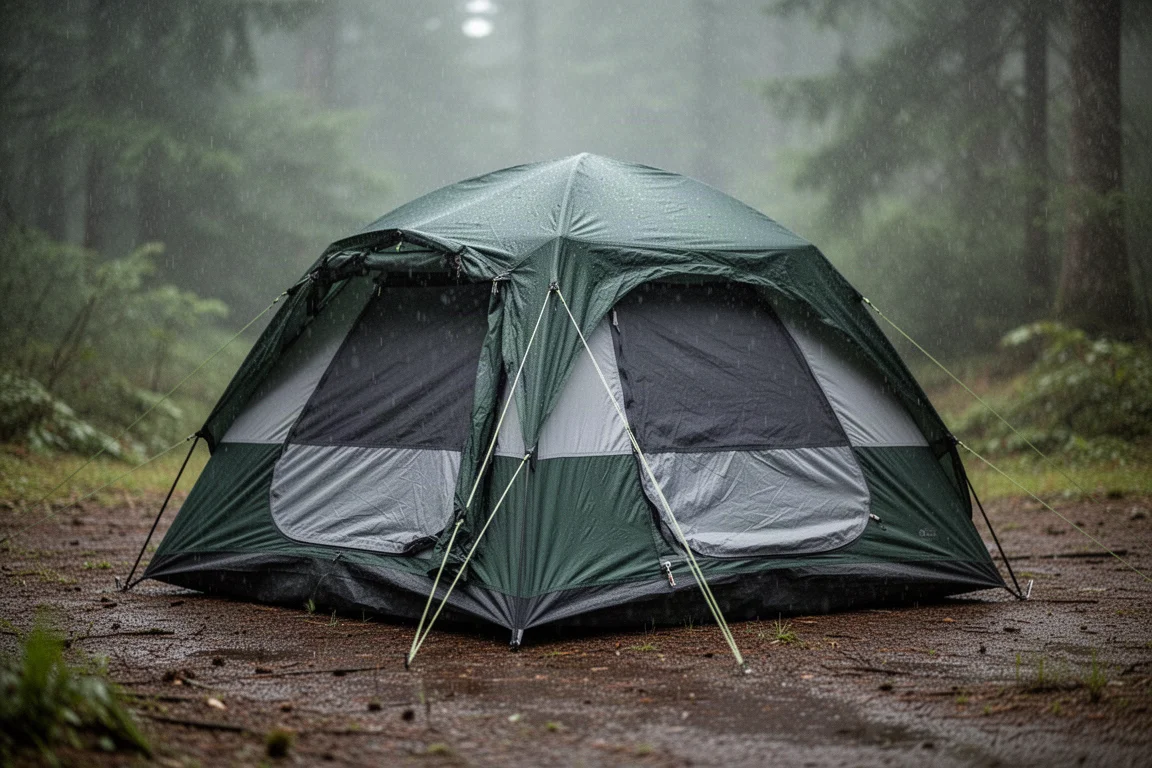
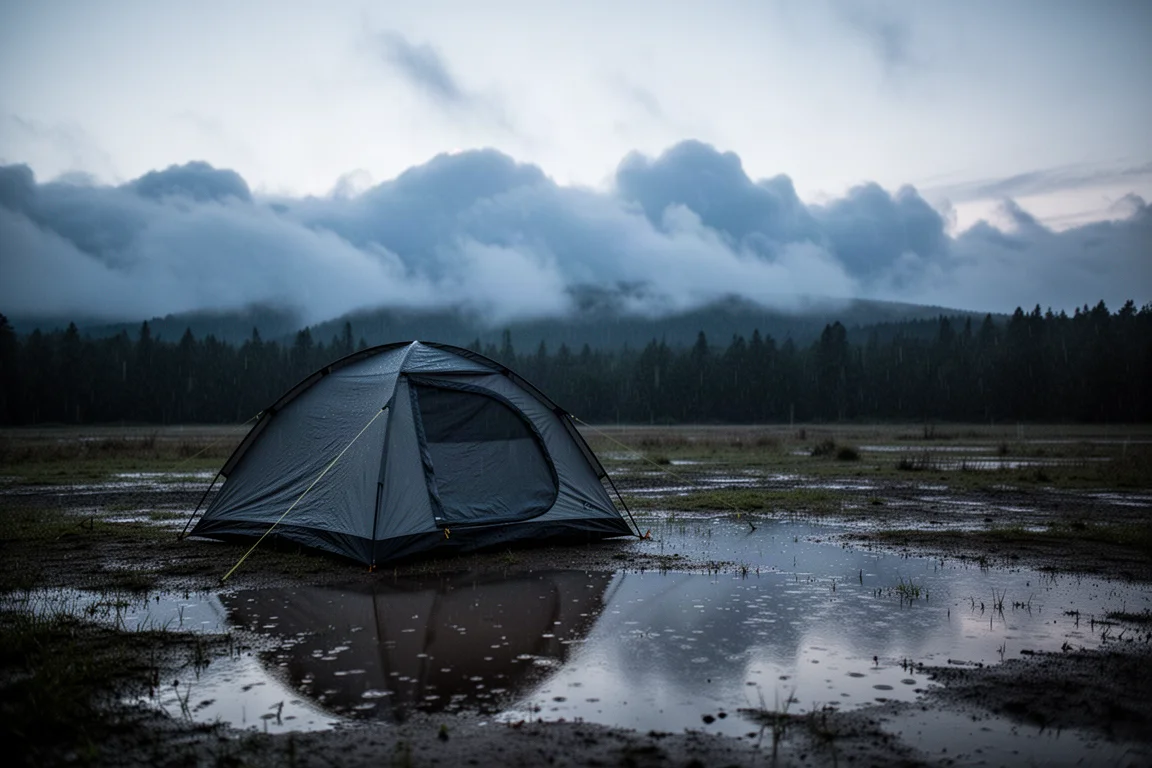
A two-person tent only proves itself when the weather turns, and that is exactly the scenario the North Face Stormbreak 2 Person Tent was put through. The shelter was pitched as light rain began and thunderstorms tracked toward the area, with hours of heavier precipitation expected to follow.
The test was deliberately simple. Rather than a short shower, the tent stayed up through roughly six and a half hours of steady rain, most of it moderate to heavy, to see whether water would find its way inside. The outcome was encouraging: the tent did not leak.
This review looks at what that result means in practice, who the Stormbreak 2 suits, and the details worth weighing before you commit.
Who This Tent Is For
The Stormbreak 2 is aimed at campers who want a straightforward two-person shelter that can handle real weather without a complicated setup. It fits the pattern of a weekend or multi-night tent: one that gets pitched in a clearing, holds up while the forecast changes, and does not demand constant attention.
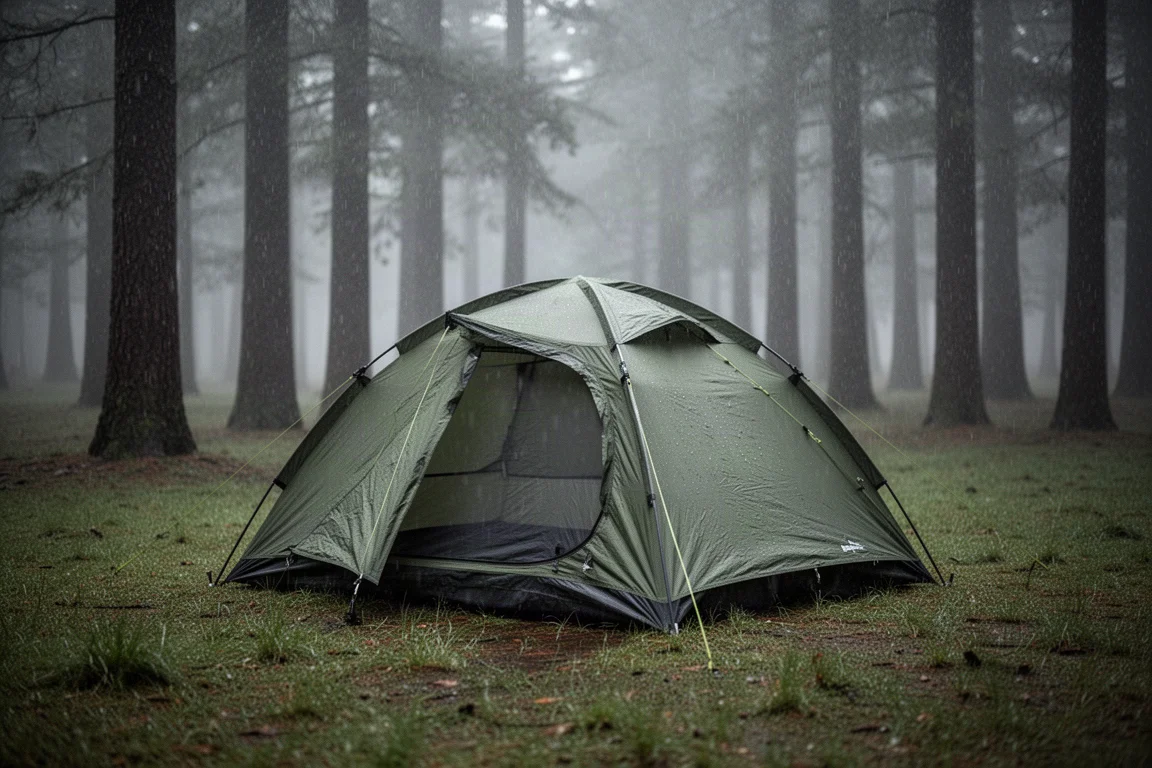
That makes it most relevant for people who camp in places where rain is a realistic possibility rather than a rare inconvenience. If your trips involve coastal weather, mountain valleys, or simply a climate that changes its mind by the hour, a tent that has demonstrated it can sit through an extended storm is a more comfortable thing to carry.
It is also a sensible choice for campers who value predictability. The Stormbreak line has been used across many seasons, and that long-running familiarity is part of why the waterproof result here feels less like a surprise and more like a confirmation.
Main Strengths
Waterproof Performance
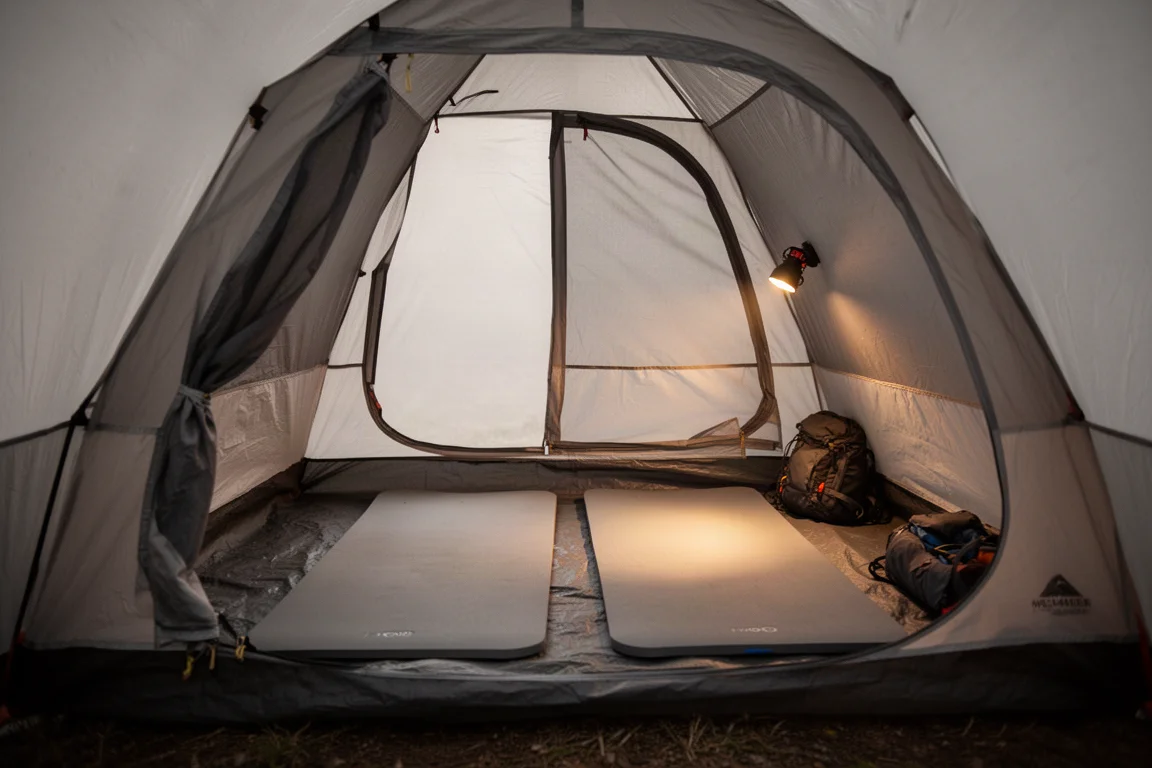
The headline result is straightforward. After more than six and a half hours of continuous rainfall, with much of it falling at moderate to heavy intensity, the interior stayed dry. No leaks were observed.
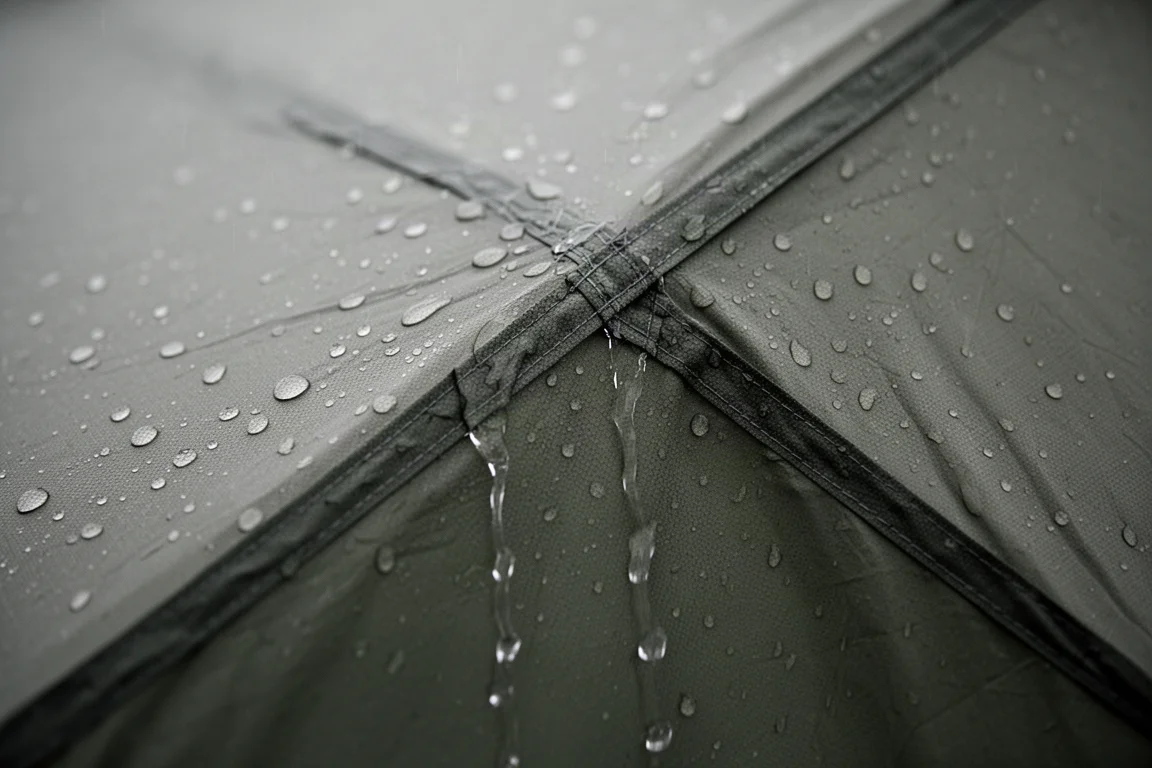
That matters because sustained rain is a harder test than a brief downpour. Water has time to work along seams, pool on fabric, and find weak points that a short shower would never expose. Spending hours under varying intensities is a more honest measure of how a shelter behaves when the weather settles in rather than passes through.
The result also lines up with long-term experience using Stormbreak tents over multiple seasons, where these shelters have consistently performed well and produced no significant problems. A tent called the Stormbreak failing in a storm would be an unfortunate irony, and on this evidence it does not.
Design and Usability
Waterproofing is the priority here, but the overall package is what you live with on a trip. The general design of these tents could be refined further, and that is a fair observation rather than a dealbreaker.
What keeps the Stormbreak 2 in contention is that the fundamentals hold up. It is a good performer in the conditions that matter most, and the design does not get in the way of the job it was built to do. For campers who care more about staying dry than about clever detailing, that trade-off is easy to accept.
Things to Consider Before Buying
Two points are worth keeping in mind. The first is design refinement. The Stormbreak 2 does its core job well, but the overall design could be better in places, so it is worth going in with realistic expectations about polish rather than expecting a premium feature set.
The second is the nature of waterproof testing itself. One extended storm, however demanding, is still one event. It covers prolonged rain of varying intensities, which is the scenario most campers will actually meet, but it does not tell you how the fabric and coatings will behave after several seasons of use. Treat the result as strong evidence of water resistance rather than a permanent guarantee, and maintain the tent properly to keep it that way.
Neither point undermines the case for the tent. They simply frame it: this is a shelter chosen for dependable weather protection, not for a long list of extras.
Buying Advice
If your main concern is whether a tent will keep you dry when the forecast turns, the North Face Stormbreak 2 Person Tent has a clear answer behind it. Six and a half hours of steady rain, much of it heavy, ended with a dry interior, and that is the outcome most campers are actually shopping for.
Buy it if you want a two-person shelter for trips where rain is a genuine possibility and you would rather not think about your tent once it is pitched. Look elsewhere if you want a design with more refinement in its details, or if you need certainty about long-term durability that a single storm test cannot provide.
For everyone in between, the sensible approach is to weigh how much you value proven weather performance against how much you value design polish. On that scale, the Stormbreak 2 makes a persuasive argument.
Conclusion
The North Face Stormbreak 2 Person Tent came through its rain test without leaking, holding a dry interior through more than six and a half hours of rain that ranged from moderate to heavy. That result is consistent with how Stormbreak tents have behaved over many seasons of use.
The design could be improved in places, and one storm is not a lifetime of wear, but the core promise of the tent holds up. For campers who want a two-person shelter that stands between them and the weather, this one has earned its name.
Product link
View more details for The North Face Stormbreak 2 Person Tent
This product is mentioned in the review. Check the specifications, options, and compatibility before buying.
View more details for The North Face Stormbreak 2 Person TentFurther reading
Related Reviews
Camping Tents
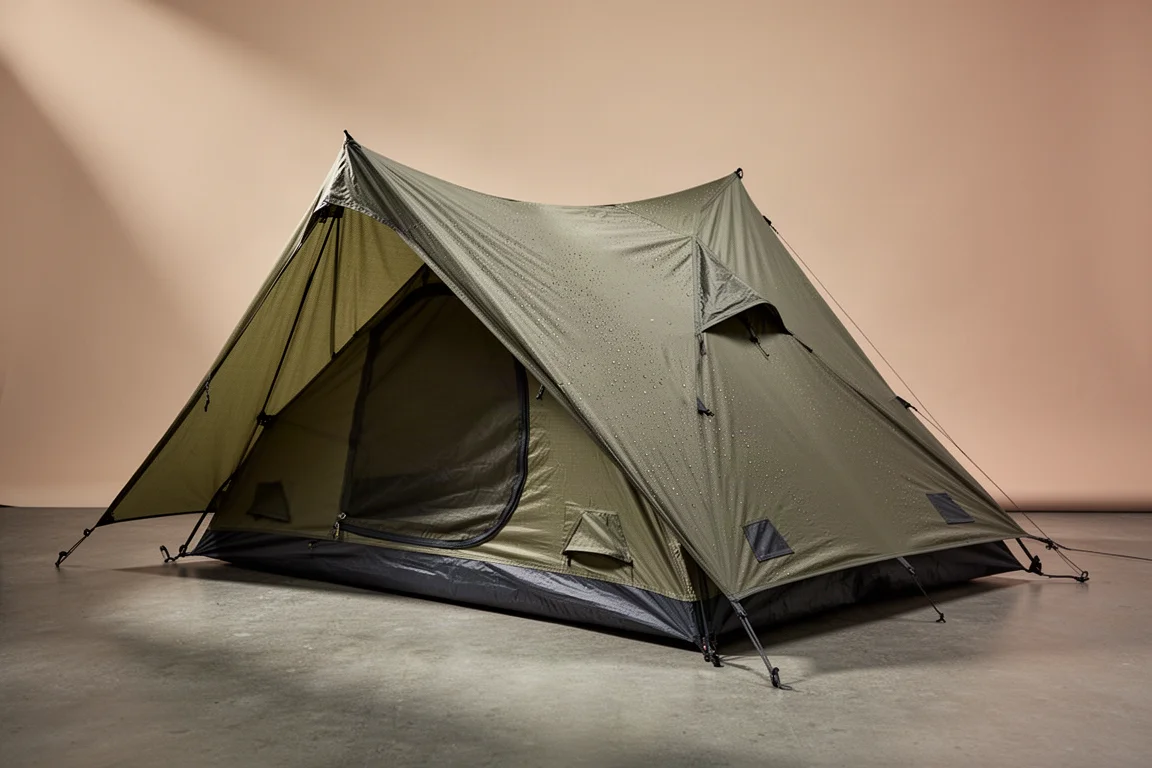
3F UL Gear Taiji Two-Person Tent Review: Field Waterproofing Results and Buying Advice
The Taiji pairs an attached fly with a removable inner, but sustained rain exposed untaped vent seams that need sealing before this shelter can be trusted.
Camping Tents
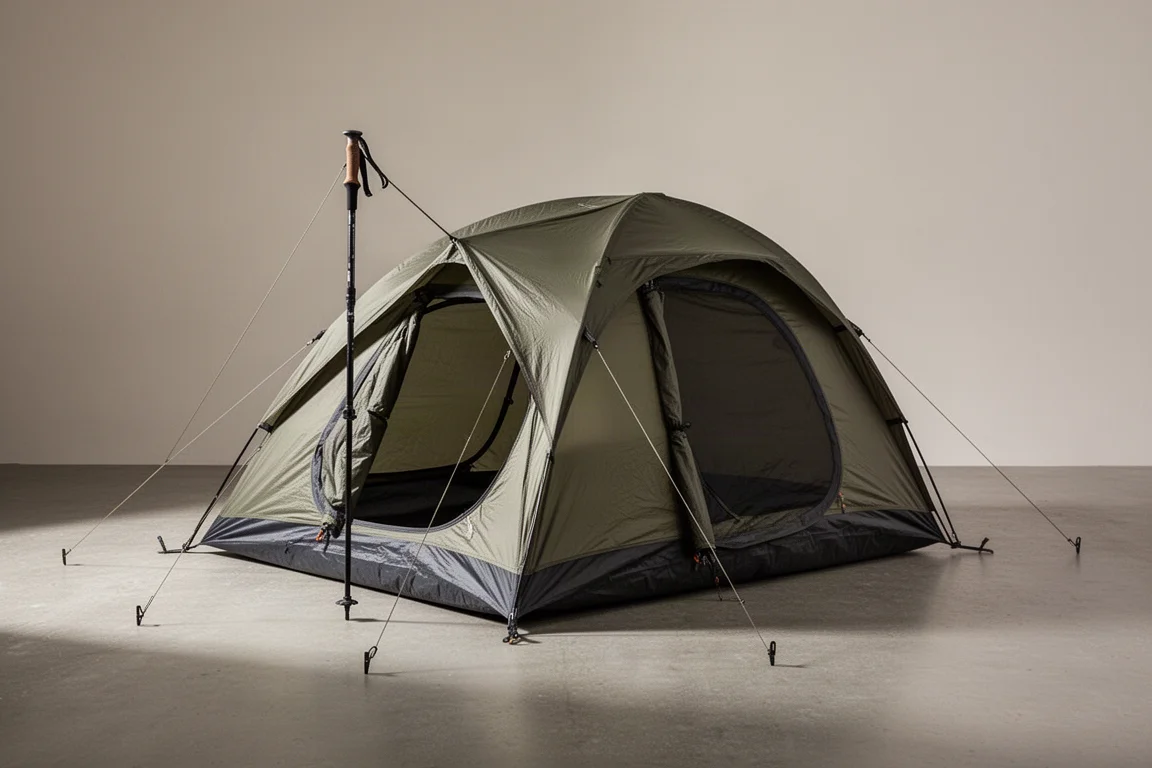
3FUL Gear Lanshan 2 Pro 4-Season Review: A Sub-$200 Single-Wall Trekking Pole Tent
An early look at the 3FUL Gear Lanshan 2 Pro 4-Season, covering its straightforward pitch, generous interior space, and the condensation and seam-sealing questions that come with any single-wall shelter.
Camping Tents
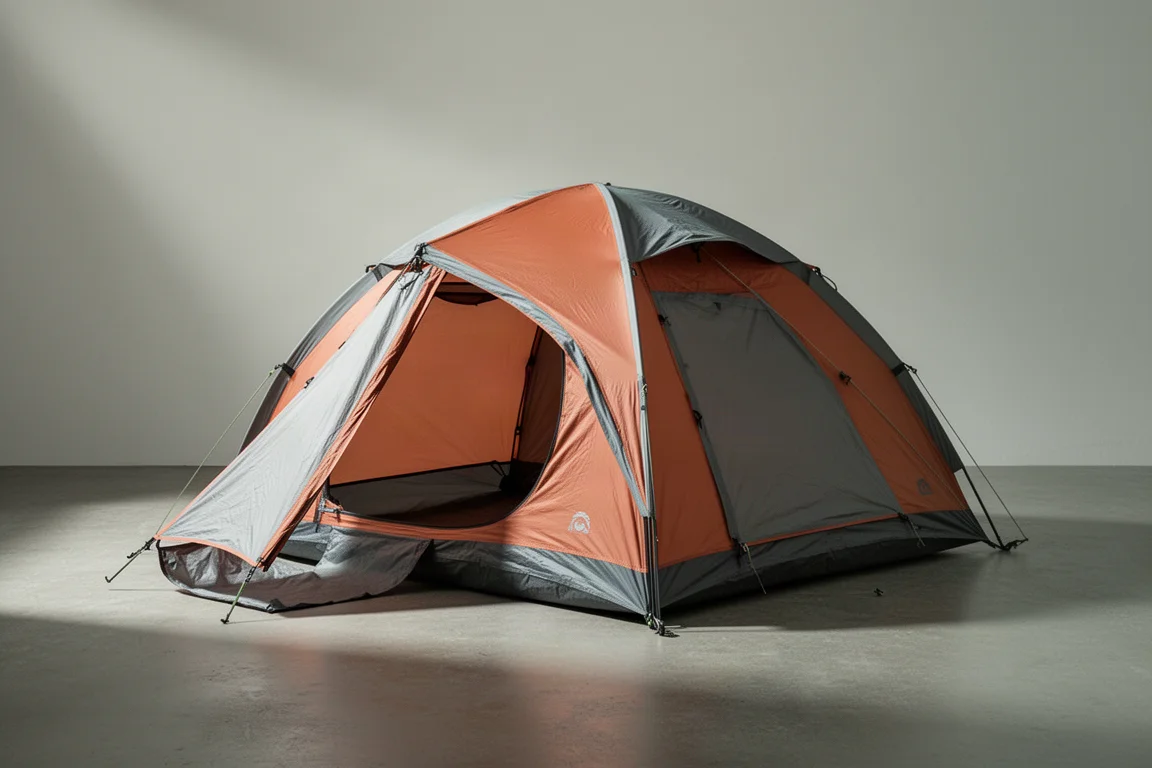
Alps Mountaineering Lynx 1-Person Tent Review: Big Value in a Small Budget Tent
A close look at the Alps Mountaineering Lynx 1-Person Tent, covering real interior dimensions, materials, setup time, ventilation limits, and who should buy it.