Ski Resorts
North American Ski Resort Changes 2025: What Moved and Who Made the Top 10
Major lift installations, policy changes, and score shifts across 20 North American ski resorts, plus how the new top 10 rankings shake out.
Introduction
The North American ski scene keeps evolving, and the 2024 to 2025 season brought some of the most significant changes in recent memory. Most updates were real capital investments across dozens of resorts, but a few controversial policy changes also reshaped the on-mountain experience. If you are planning a trip, these shifts can directly affect where you should and should not put your money.
This roundup covers the biggest changes at each resort, from Powder Mountain’s privatization controversy to the new lifts that lifted Jackson Hole into the number two spot overall. For readers targeting the highest end mountains, there have been some especially notable shifts near the top.
What We Evaluated
Each resort below is assessed on lifts, terrain, challenge, crowd flow, navigation, facilities, resiliency, and overall mountain experience. Score bumps and drops reflect how the past season actually played out on the snow, not just what was announced. Some changes, like a single new lift, improved logistics without adding terrain. Others, like closing terrain to the public, reduced the footprint even as the resort invested elsewhere.
The Big Resort-by-Resort Changes
Powder Mountain: Big Lift Wins, Controversial Privatization
Powder Mountain saw an explosive suite of changes this season. Three new lifts went in: first-ever lift service to the Lightning Ridge area, including direct lift access to double black diamond terrain, a high-speed replacement for the long Paradise quad, and a fixed-grip quad replacing the Timberline triple. These additions brought roughly 430 acres of new lift-served terrain, fixed a lift-network discontinuity, and made the advanced Paradise area far more enjoyable to lap. Lifts, navigation, and challenge scores each gained a point.
The controversy came in policy. The Mary’s and Village lifts are now reserved exclusively for Powder Mountain homeowners, as is a new quad in the Rainfree area, and the paid snowcat there has been discontinued. As a result, the public lift-served footprint is actually slightly smaller than last year, some nice public beginner and intermediate glades are gone, and the previously rare lift lines appeared at the Sunrise surface lift choke point. Crowd flow, terrain diversity, and mountain aesthetic scores each dropped a point, leaving the overall score unchanged.
Deer Valley: Expansion Phase One Begins
Deer Valley kicked off a massive multi-year expansion with 300 new acres. The terrain itself did not change Deer Valley’s size score, but it delivered a continuous 30,000-foot vertical drop without a convoluted lift maze, plus isolated surroundings still free of excess man-made buildup. Navigation and mountain aesthetic earned slight bumps. How long the pristine feel lasts is an open question: 2,900 additional acres arrive next season, and the expansion was explicitly designed with real estate in mind.
Big Sky: A New Eight-Pack and a Challenge Score Correction
Big Sky’s big change was the Madison 8, replacing the issue-prone Six Shooter six-pack as the sole lift connecting the Madison side. Eight-pack seating, weather bubbles, heated seats, a 20% faster ride time that shaves a full minute, reliable operation, and a 50% capacity boost brought welcome relief at one of the resort’s biggest historical choke points, earning a lifts-score bump.
On top of that, Big Sky’s challenge score got a correction it deserved. With Lone Peak tram access, runs like the Big Couloir and the Gullies demand technical prowess above nearly every other lift-served trail in North America, so the tram challenge score now sits at a 10. Without the tram add-on, the Headwaters hike terrain earns a nine.
Jackson Hole: The Last Old Lift Upgraded
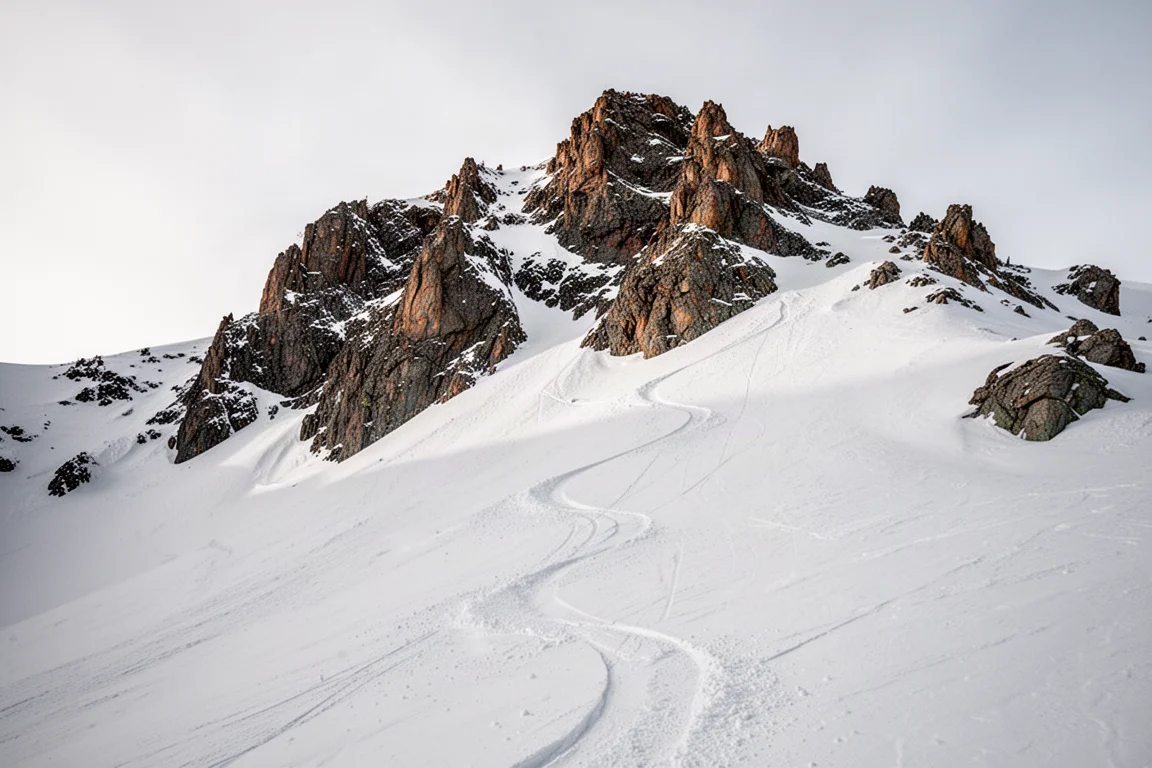
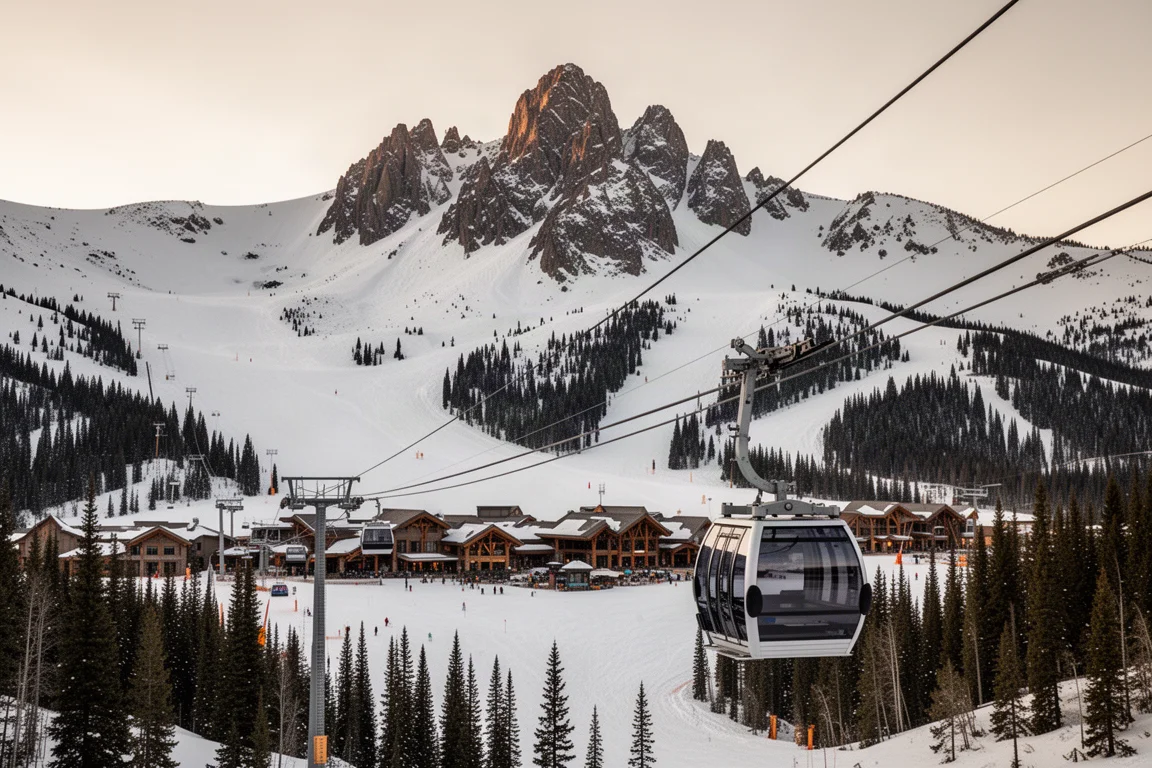
Jackson Hole’s Sublet lift finally moved from fixed grip to a high-speed quad, likely the final step in the resort’s long lift modernization. Guests can now lap the high intermediate to expert terrain twice as fast, with a four-minute ride and a 33% capacity increase, though the added popularity may have slightly lengthened lines. With Sublet upgraded, Jackson Hole’s only remaining fixed-grip chairs are in minor or redundant areas, and the lift score rose from seven to eight.
Two other adjustments: the largely east-facing terrain means fresh snow deteriorates faster than at north-facing competitors, so resiliency slipped from nine to eight. Meanwhile, the Bear Flats snack shack at the base of the Sublet lift provides a better rest opportunity than previously credited, lifting the facility score from seven to eight.
Lake Louise: One Lift, Many Logistical Wins
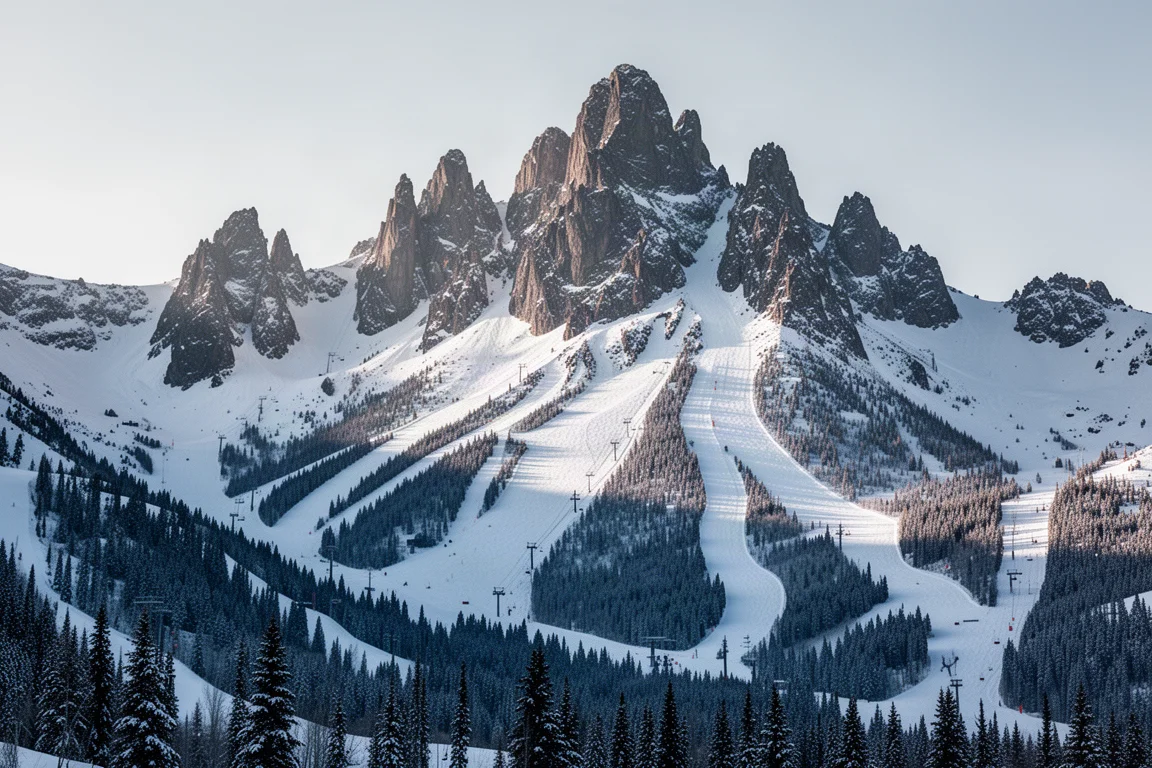
Lake Louise added its first-ever bubble lift, the Pipestone Express six-pack, linking the top of the Juniper Express to the bottom of the Summit lift. It supplements the Top of the World six-pack and finally gives the previously pointless Juniper Express a real purpose. The bubbles provide the first mid-mountain weather isolation at Lake Louise, meaningful given the resort’s extreme cold spells.
The placement is the real genius. Guests can now lap the advanced West Bowl in two lift rides instead of three, some lower West Bowl trails are directly lapable, and diners at the White Horn Bistro can ski straight to Pipestone instead of descending to the base. Lifts and facility scores both rose.
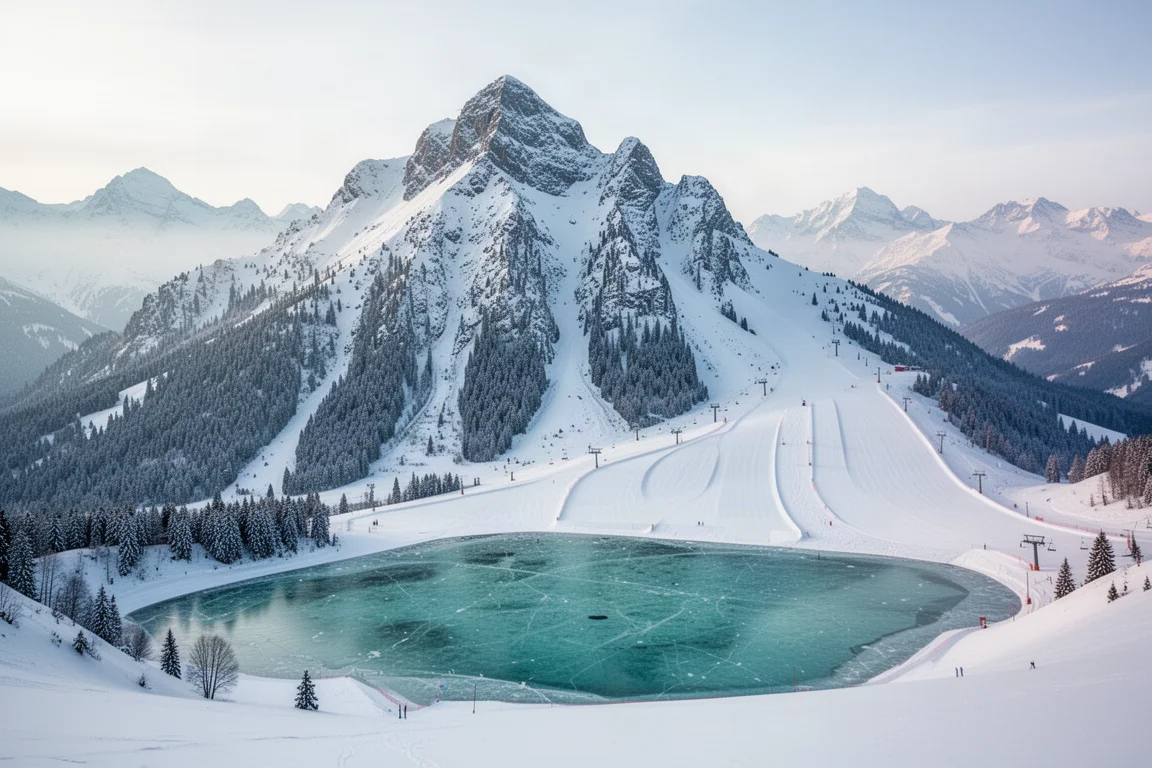
Banff Sunshine: A Second Bubble Lift Relieves Crowding
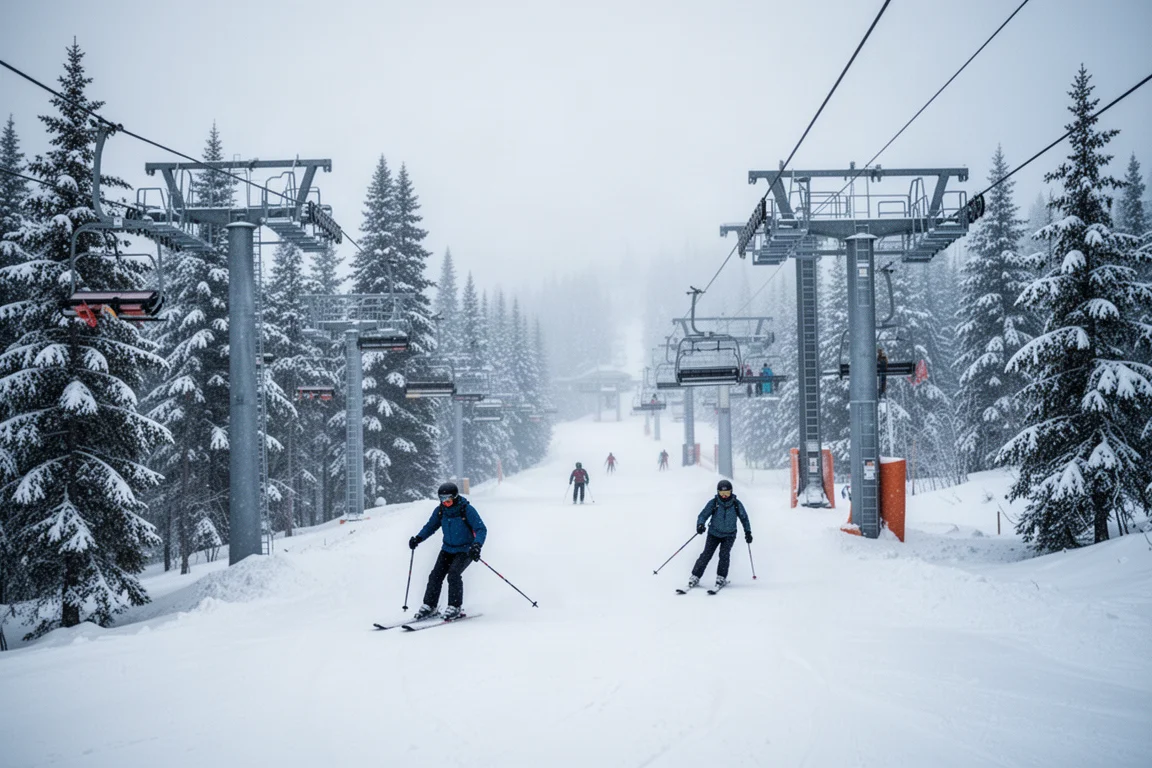
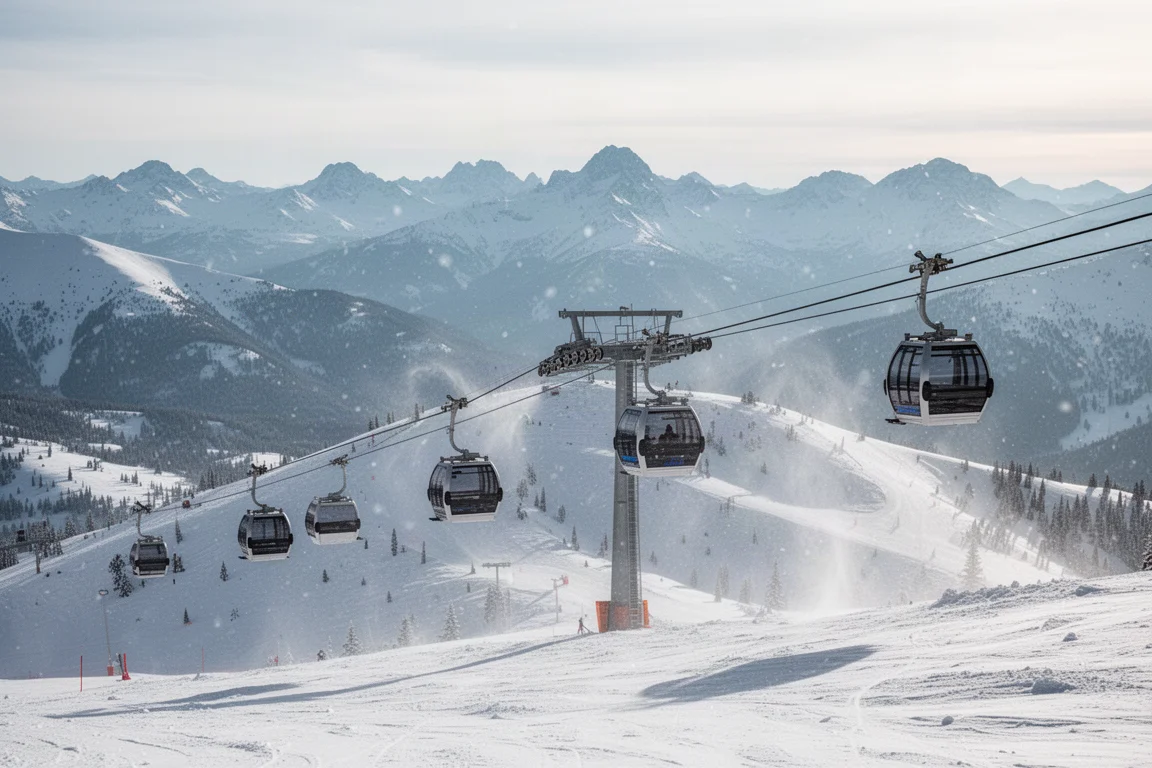
Banff Sunshine replaced its aging Angel Express quad with the Super Angel luxury express, its term for a bubble lift, in nearly the same alignment. The resort’s cold, windy, exposed upper mountain previously had only one enclosed lift, the Tepee Town luxury express, which saw some of the worst crowding on cold days. With the Super Angel in place, traffic split nicely between the two bubble lifts and crowd flow rose from six to seven.
Fernie: A Deeper Appreciation for the Steeps
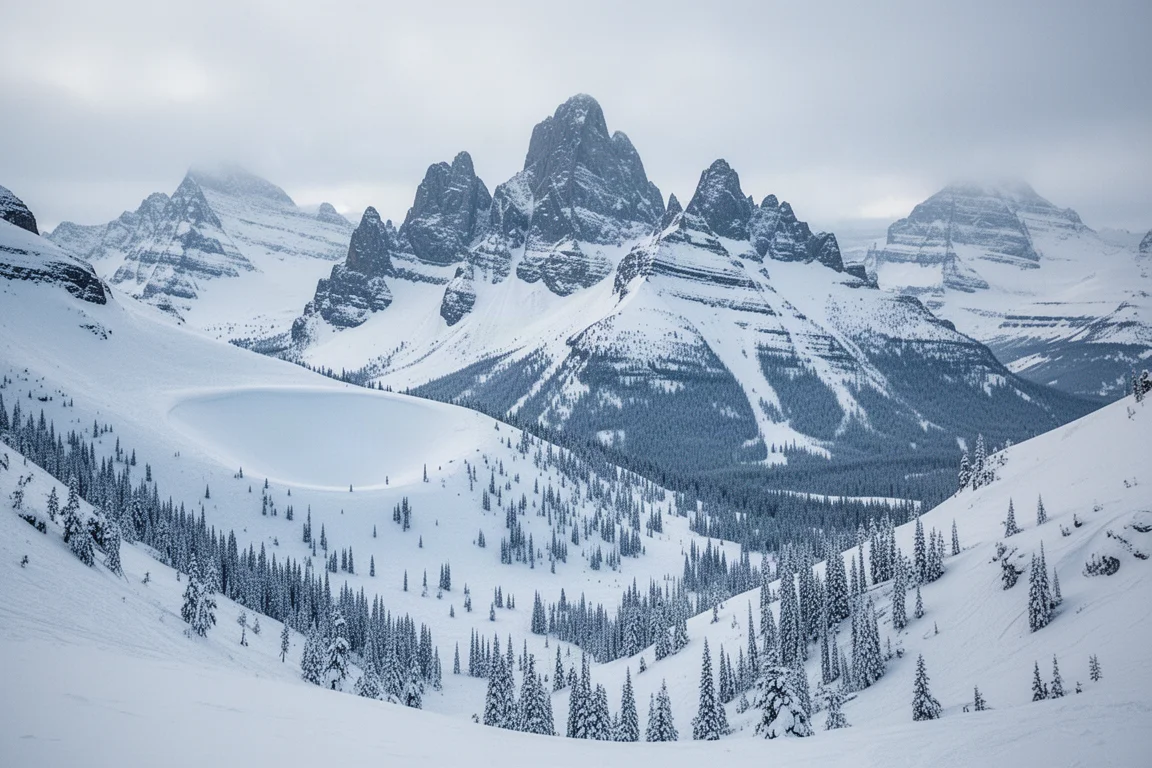
Fernie’s challenge score rose from eight to nine, not tied to a major new development, though the resort did work to keep Polar Peak open more consistently. Polar Peak lines include mandatory straightlines and air drops that can reach 10 to 20 feet depending on conditions, open only a handful of days per season. Outside Polar Peak, Fernie offers seriously demanding lines that require no hiking. One more point of respect for what is already there.
Alpental: Fixing One of the Worst Choke Points Around
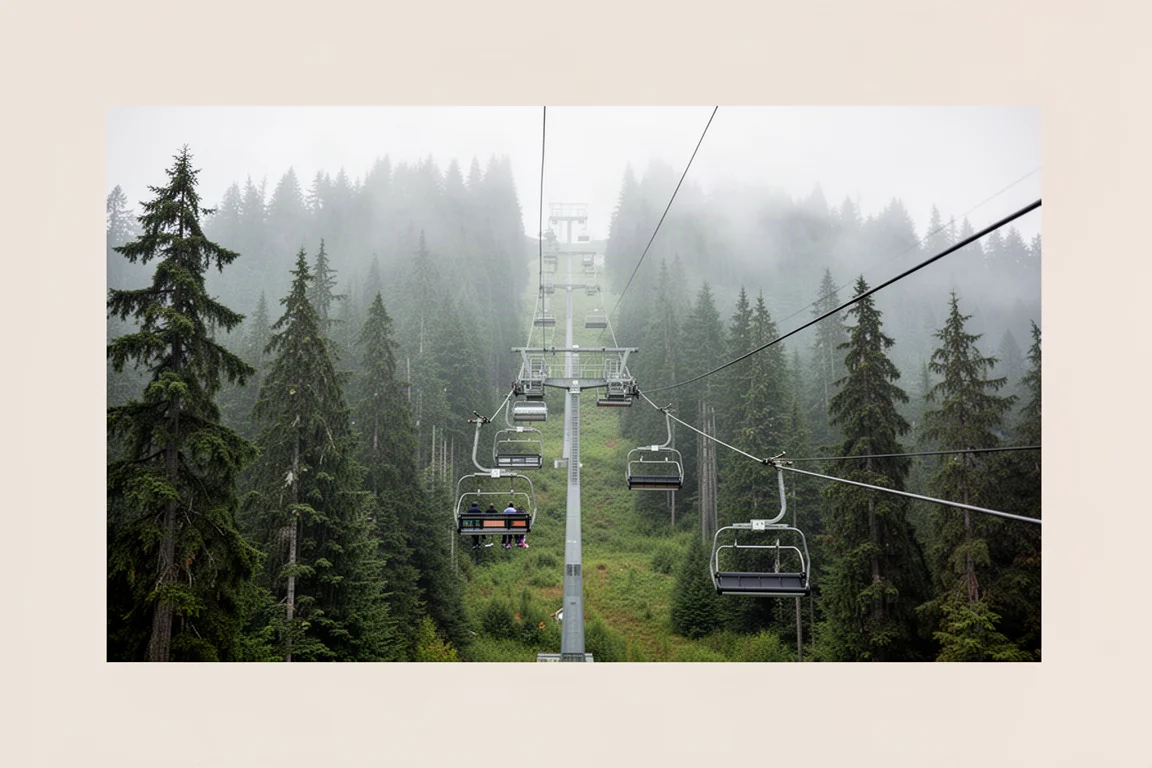
Alpental completed the International triple, a crucial secondary route to the upper mountain that was previously accessible only via the overburdened Armstrong Express and Edelweiss combo. Paired with last year’s Gate triple, the advanced and expert crowds, which is basically everyone there, finally spread out. The International triple is a slow fixed grip and does not serve every trail, but it offers a direct route to the backside and a way to lap it without returning to the base. Crowd flow jumped two points. Note that the Edelweiss chair upgrades from a double to a triple this summer.
Mammoth Mountain: A Quiet Wayfinding Overhaul
Mammoth quietly overhauled its signage over the past few seasons, rolling out more comprehensive maps with lodge directories and redesigned trail signage that replaced an outdated, often puzzling color-coding system. Not every sign is updated yet, but the highest traffic junctions and lower mountain areas improved noticeably, and navigation rose from four to five.
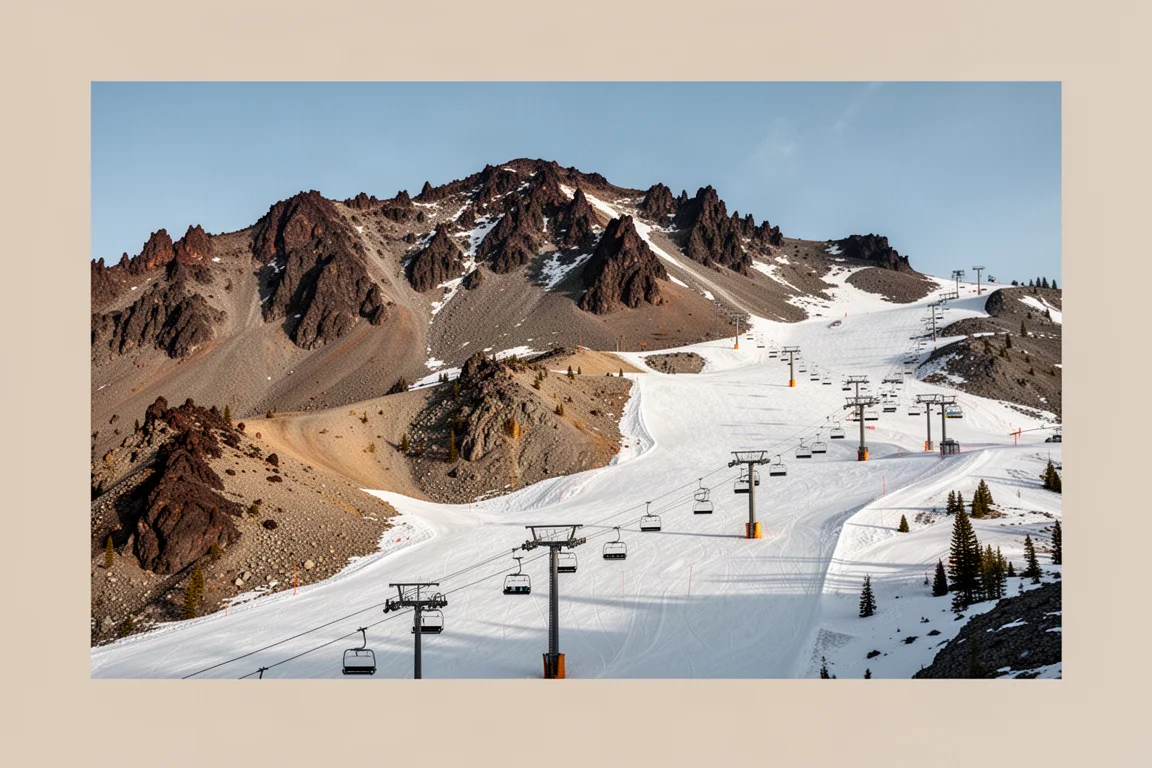
Solitude: Honeycomb Canyon Access Issues Mount
Solitude’s recurring terrain accessibility problems, especially in the expert-oriented Honeycomb Canyon, caught up with it. Ski patrol has been notably cautious about opening the zone, and issues with visitors ducking ropes have further delayed mitigation work. Honeycomb Canyon has seen especially inconsistent and delayed openings over two seasons, making the resort feel much smaller than it appears on paper. Solitude’s lower elevation within the canyon also leaves it more vulnerable to marginal conditions than neighboring Brighton or nearby Alta and Snowbird. Resiliency dropped from eight to seven.
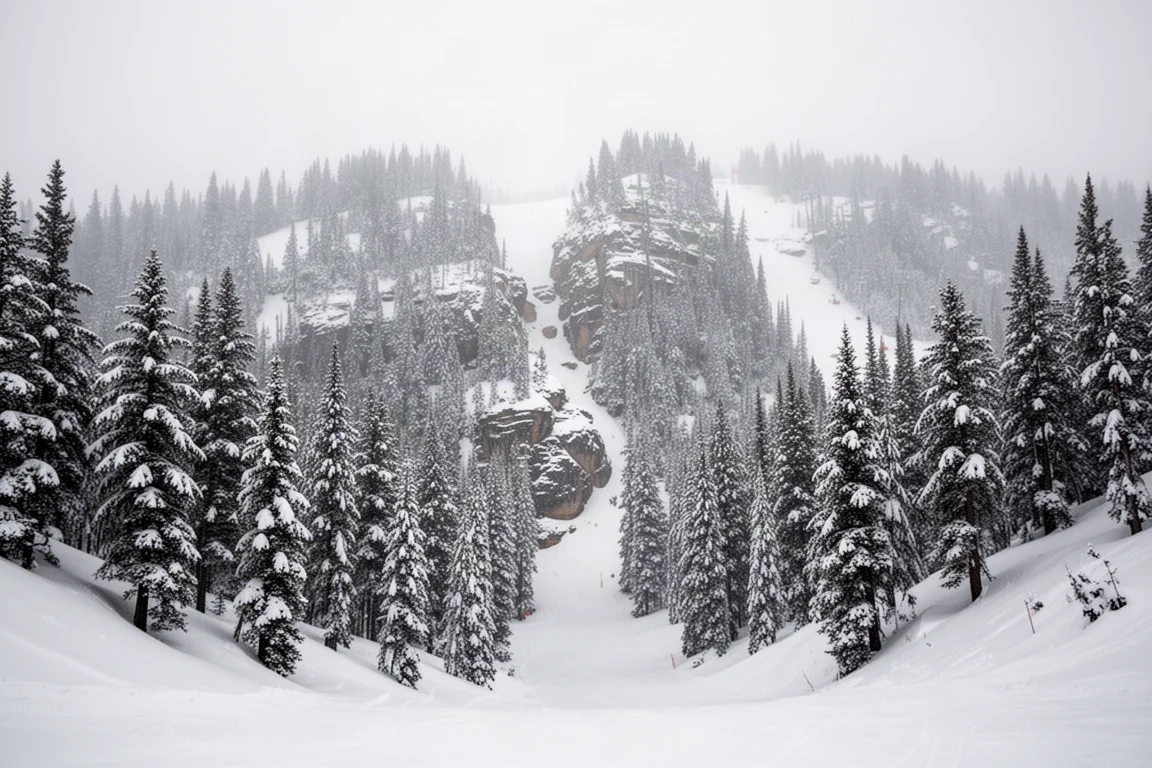
Aspen Snowmass: The Coney Express Clears the Base
The new Coney Express high-speed quad at Snowmass received a major lift line extension down to the Snowmass Mall near the base. It loads a few hundred feet up from the Elk Camp Gondola and Village Express, so it does not serve the true bottom elevation, but it captures a huge amount of bus and condo traffic from the Mall crowd and delivers a much-needed capacity boost. No new terrain, but the extra throughput earned a crowd-flow bump from six to seven.
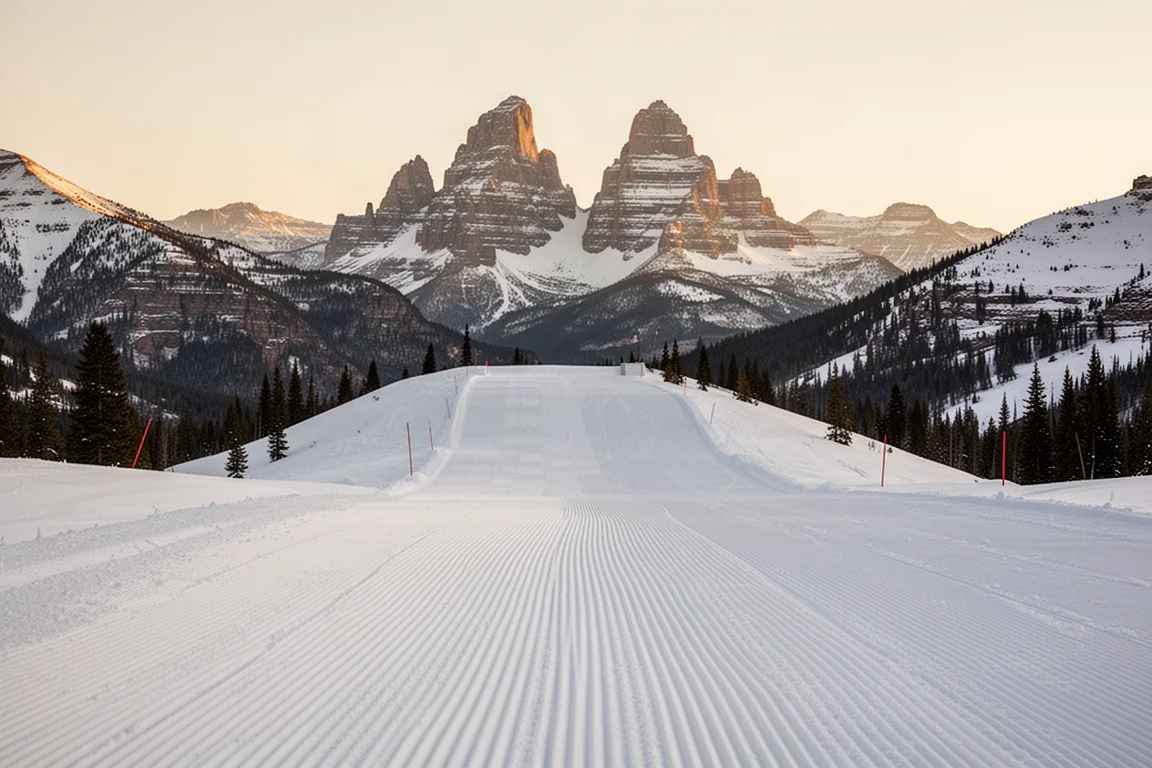
Sun Peaks: The West Bowl Express Finally Arrives
Sun Peaks finally replaced its West Bowl T-bar, which had not operated since 2020, with a new high-speed quad serving the same terrain plus a small 169-acre expansion. With the nearby Crystal and Burfield lifts being fixed-grip quads, the West Bowl Express created the first high-speed upper-mountain terrain pod on Sun Peaks’ front side, revitalizing an area with strong intermediate and advanced terrain. Lift score rose from five to six, though guests still ride Crystal or Burfield first to reach it.
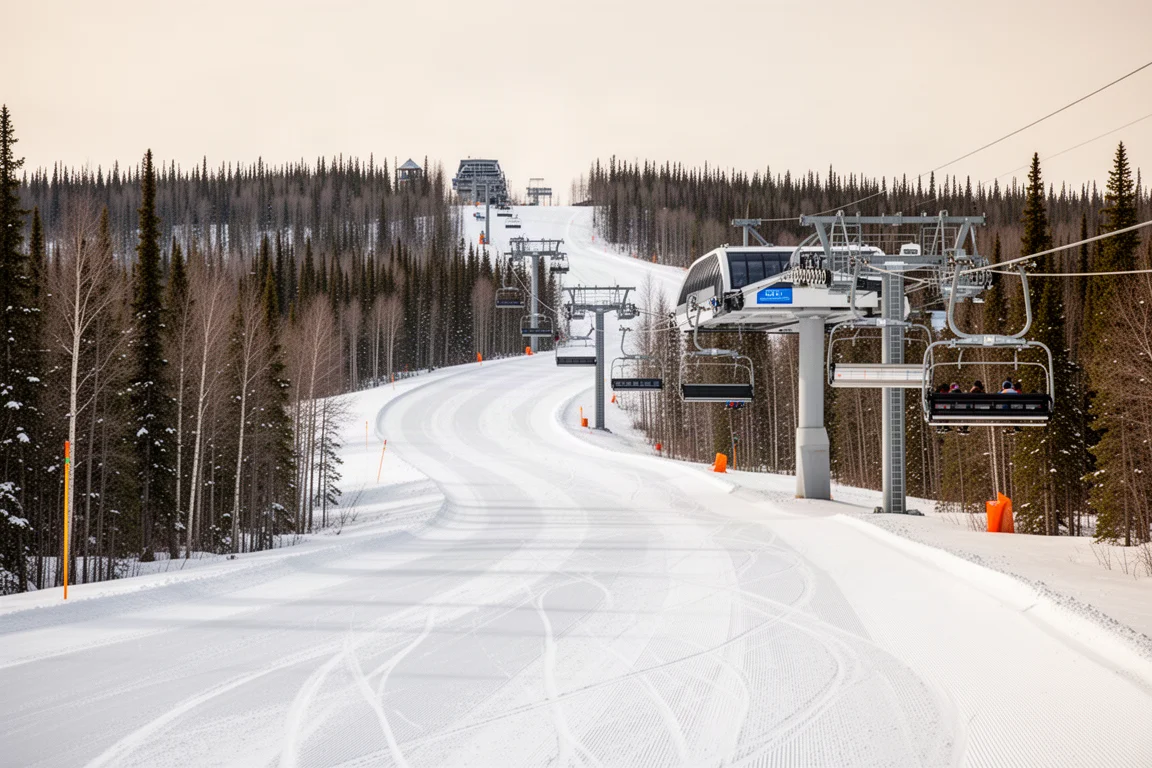
Hunter Mountain: Weekend Relief in the East
Hunter Mountain, one of the most crowded resorts in the country on peak weekends, got real help. The old Broadway quad became the Broadway Express high-speed six-pack, adding a second high-speed route out of the main base, and the old lift was reinstalled as the Otis Quad, replacing the seldom-open T-bar and opening a previously underutilized low-intermediate pod. The Otis Quad stayed relatively empty all year, guests progressing to intermediate terrain got a new crowd escape, and beginner terrain is now accessible from a high-speed lift for the first time. Hunter will never be crowd-free, but the investments justify upticks in lifts and crowd flow.
Gore Mountain: The North Creek Ski Bowl Modernizes
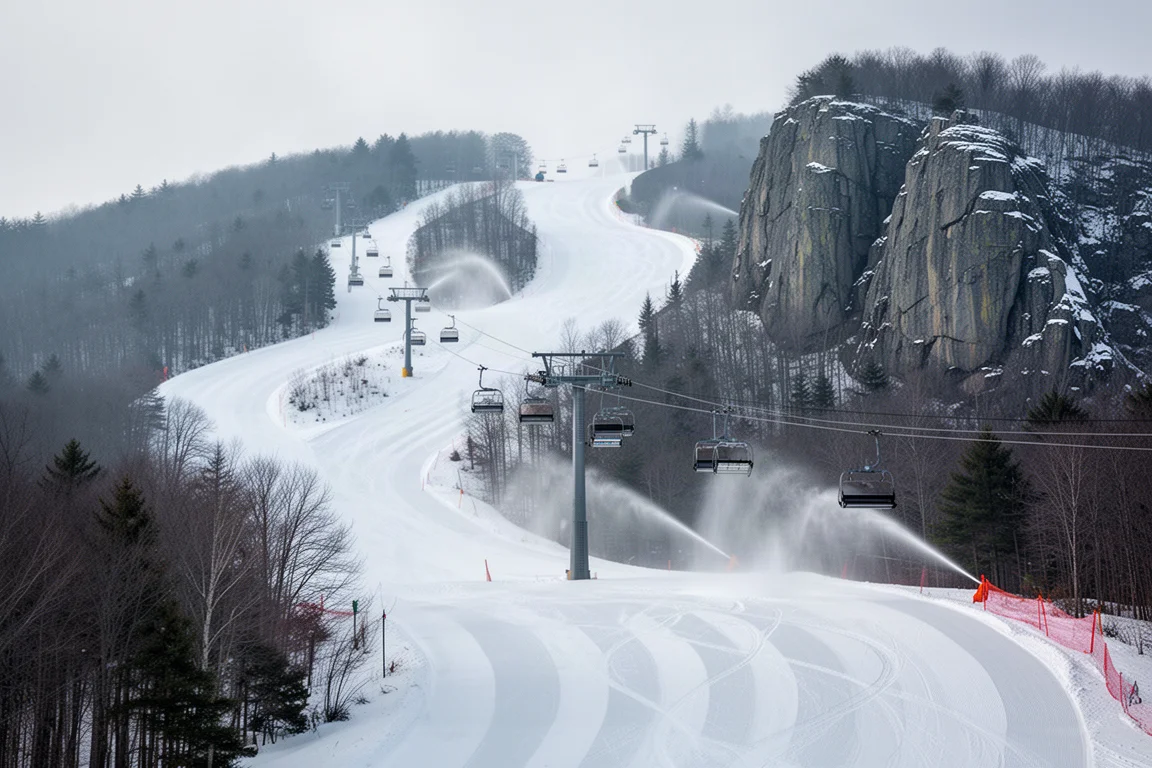
Gore Mountain replaced the Hudson triple in its isolated North Creek Ski Bowl with a new high-speed quad. The area did not operate daily this year but is expected to move to a seven-day-a-week cadence next season after base-area upgrades this summer. The low-elevation terrain pod might appeal to lower ability skiers at first glance, but it genuinely has some harder terrain, and Gore’s lift score rose from five to six.
How the Rankings Shake Out
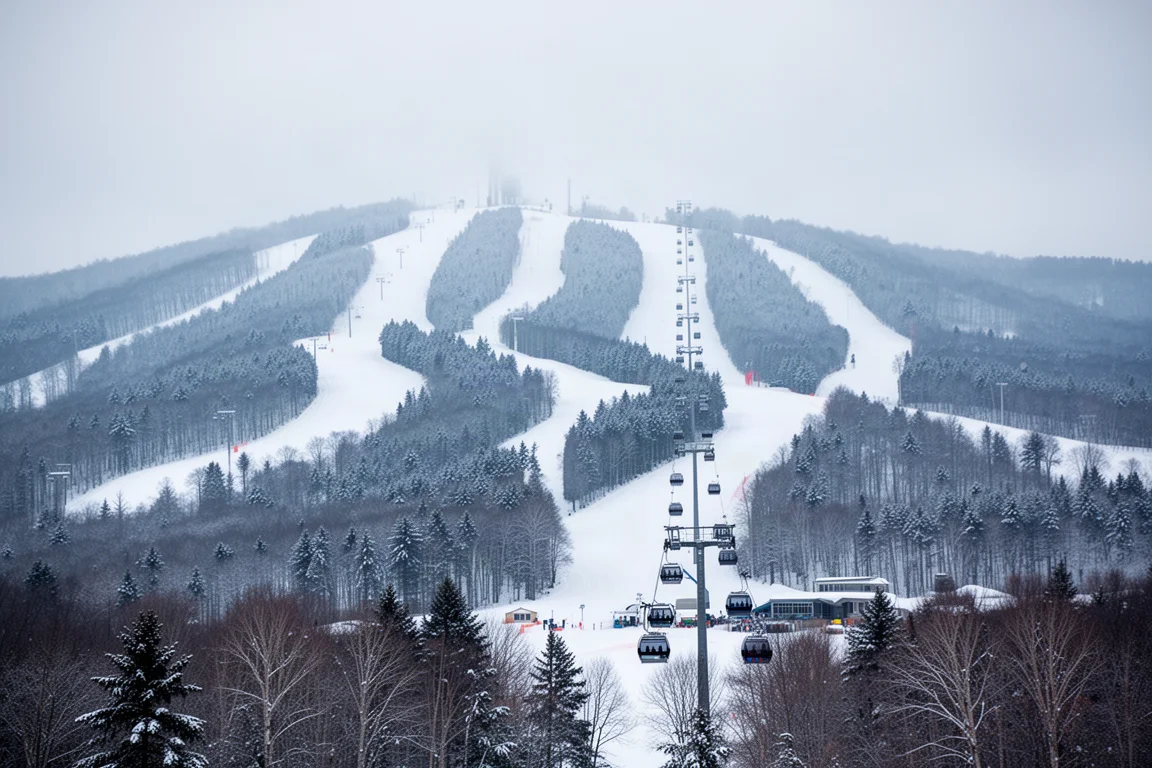
Two resorts, Deer Valley and Alpental, tied as the most improved, each jumping eight spots compared to 2024. Mammoth, Sun Peaks, Lake Louise, Fernie, and Gore also climbed more than one spot. Solitude is the only resort to fall more than a single rank, dropping from 41st to 43rd overall in North America and from seventh to eighth in Utah, swapping spots with Brighton. Ironically, despite its controversies, Powder Mountain’s overall score and ranking did not change at all. Big Sky climbed from 13th to 12th, edging out Alyeska.
The 2025 Top 10
The shake-ups reached the top tier. A brand-new entrant pushed Beaver Creek, last year’s number 10, down to number 11. Telluride and Snowbasin each dropped one position to number 10 and number 9, and both still offer strong, well-rounded experiences, especially for terrain quality.
Lake Louise debuts at number 8, with the Pipestone Express logistics, excellent snow retention, and a stunning alpine setting solidifying its top-tier place. Vail drops from sixth to seventh because Snowmass, boosted by its crowd-flow gains, overtook it at number 6 and became the top-ranked peak in Colorado, leaving Colorado’s largest resort at number two in its own state.
Banff Sunshine defended its number 5 spot thanks to the Super Angel lift’s flow improvements paired with a stunning footprint and impressive terrain variety. Snowbird holds number 4 with the same score and rank as last year. Next at number 3 is its neighbor Alta, which keeps top-tier snow quality, incredible terrain, and a slightly more resilient footprint. Note that Alta, like Deer Valley, does not allow snowboarders, so riders may want to look elsewhere entirely.
The runner-up slot is new this year: Jackson Hole takes number 2 in North America and number 1 in the United States, thanks to years of infrastructure improvements, challenging terrain, and very strong snowfall averages. And the top of North America remains Whistler Blackcomb, which wins on raw size, terrain diversity, and infrastructure rather than being the most snowsure. The gap is narrowing: the score difference between Whistler Blackcomb and Jackson Hole is now just a single point, and next season could bring the first change at the top in a long time.
Planning Your Trip Around the Changes
If you value reliability, Alta, Snowbird, and Lake Louise hold up best among the top tier, while Solitude’s access issues and Jackson Hole’s east-facing aspect are worth factoring in. Snowboarders should note the no-snowboard policies at Alta and Deer Valley. For lift-queue sensitivity, Alpental’s old choke points are largely resolved, Hunter’s weekends remain busy but more manageable, and Powder Mountain’s new lines are a genuine change from years past. Big Sky’s Madison 8 and Aspen Snowmass’s Coney Express make those resorts feel meaningfully smoother than last season.
Conclusion
This season’s story is that big money is reshaping North American skiing, sometimes for the better with faster and more reliable lifts, and sometimes at the public’s expense with privatized terrain. The top of the rankings is closer than it has been in years, and next season’s Deer Valley and Powder Mountain developments could rewrite it again. Match the resort to what you actually value on the hill, and these changes work in your favor.
Further reading
Related Reviews

Ski Resorts
Alyeska Resort Review: Alaska's Largest Ski Resort, Worth the Journey?
A deep look at Alyeska Resort: heavy snowfall, expert terrain, an Icon Pass connection, and the trade-offs of a near-sea-level mountain in the Last Frontier.

Ski Resorts
Bear Valley Ski Resort Review: Northern California's Quiet Sierra Alternative to Tahoe
A lesser-known Sierra resort with over 1,300 skiable acres, surprisingly strong expert terrain, and crowd levels Tahoe can only dream of. Here is what to know before you go.

Ski Resorts
Colorado Ski Resorts Ranked: The Best Destination Mountains for Overall Experience
A ranked guide to Colorado's destination ski resorts, covering terrain, snow, logistics, crowds, and cost so you can pick the right mountain for your trip.