Hi-Fi Amplifiers
Nobsound NS-13G Max Review: A Tiny Class D Amp With a Built-In Phono Stage
A compact Class D amplifier with a built-in phono stage, two analog inputs, and defeatable tone controls, sized for a minimalist turntable setup.
Introduction
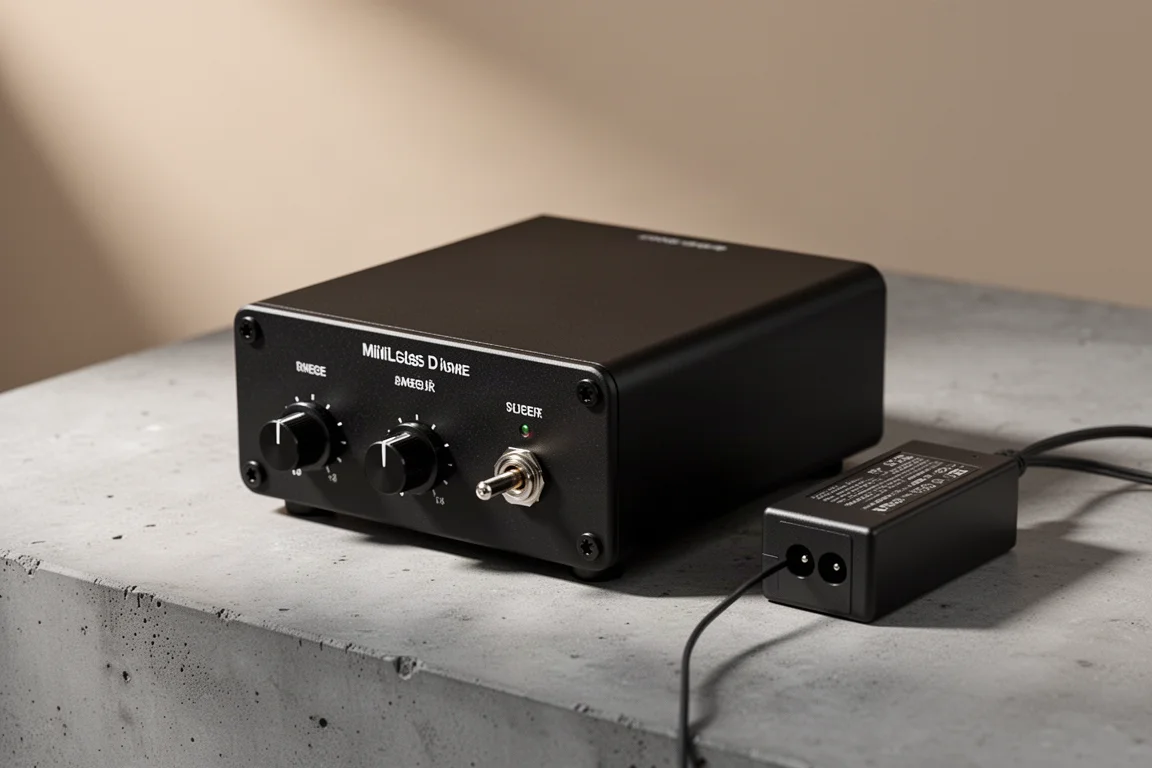
The Nobsound NS-13G Max is a small Class D amplifier with an unusually complete feature set for its size. Alongside bass and treble tone controls, it offers two analog inputs and a built-in phono stage on the back panel, which means a turntable can be connected directly without a separate phono preamp.
It is listed at about $119 on Amazon, and it also turns up on marketplaces such as eBay for around $100. Nobsound shares branding with Douk Audio, and the packaging carries Douk Audio labelling, so the two names are closely related.
For anyone assembling a minimalist turntable system, the appeal is simple. The amplifier covers the analog side of the system on its own, and the total footprint stays small enough for a desk or a shelf.
Who the Nobsound NS-13G Max Is For
This amplifier makes the most sense for listeners who already own a turntable without a built-in phono stage, or for anyone who is turntable curious and wants a low-cost way in. It also suits a desktop or small-room setup where a full-size integrated amplifier would simply take up too much space.
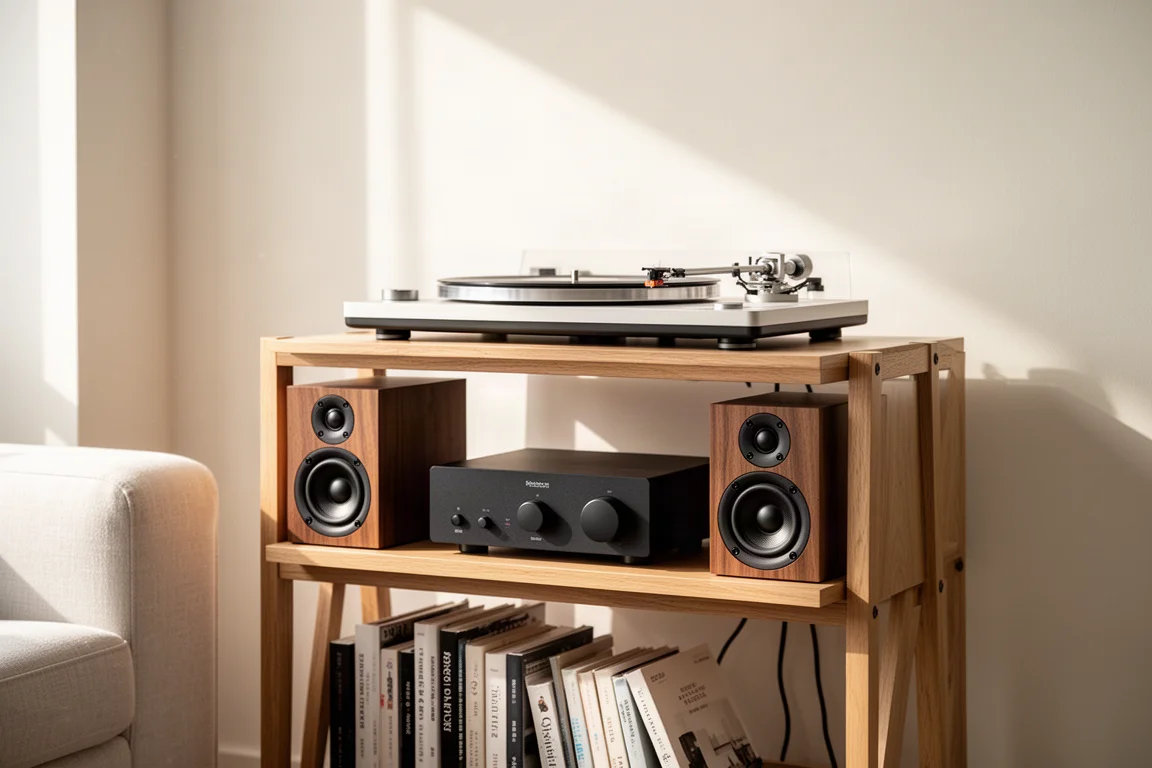
A typical build would pair the NS-13G Max with a turntable such as the Fluance RT82 or a U-Turn Orbit, a streamer such as the WiiM Mini or WiiM Pro for digital sources, and a pair of speakers. The streamer handles streaming and digital duties while the amplifier handles everything analog, which keeps the whole system compact and easy to live with.
What You Get in the Box and How It Connects
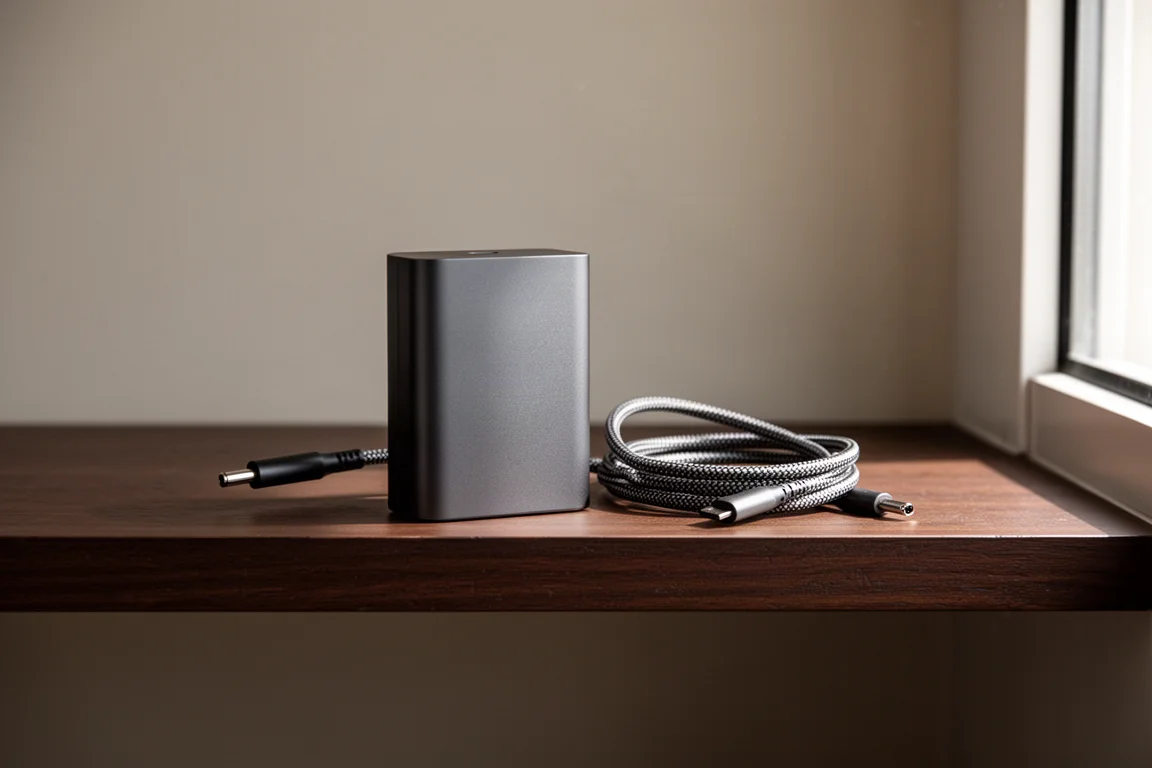
The amplifier ships with a 48V 5A GaN power supply, and that supply is noticeably smaller than a conventional 48V 5A unit of the same rating. Around the back you get an RCA input, the phono stage input, an auxiliary output, speaker binding posts, and a barrel connector for the power supply. The binding posts feel inexpensive, which is fair at this price. The case has vents on the sides and on the bottom to help move heat away from the amplifier.
The front panel carries bass and treble knobs plus two toggle switches. One selects the input: off in the down position, phono in the middle, and RCA at the top. The second switch turns the tone controls on or off, so the tone circuit can be bypassed entirely when you want a flat signal path.
Main Strengths
Two Analog Inputs and a Built-In Phono Stage
Most small Class D amplifiers give you a single analog input, or a balanced input paired with a single-ended one. The NS-13G Max provides two analog connections instead: the RCA input and the phono stage. The phono stage is only useful for turntables, but it is a genuine second input rather than a duplicate of the first, and that flexibility is rare at this size and price.
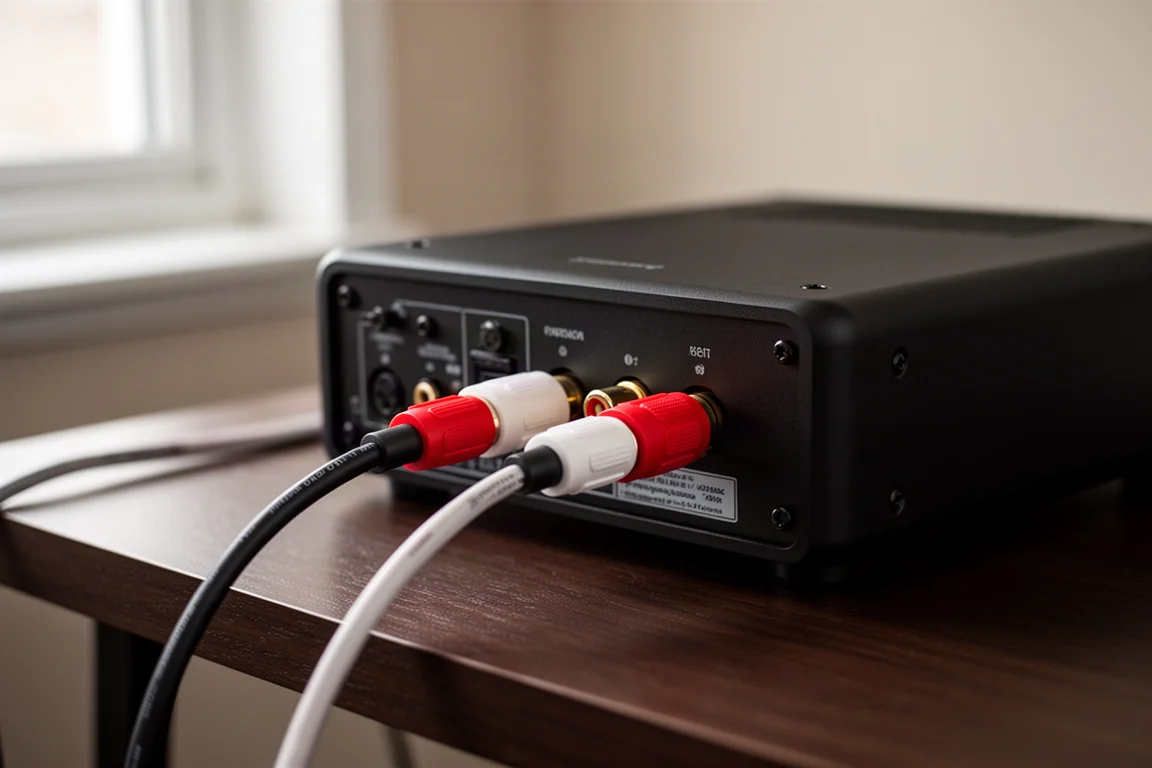
The built-in phono stage sounds fine, and clearly better than the phono stage built into the Audio-Technica AT-LP120. It does not have the more robust, tube-like character of a dedicated tube phono stage, but for a first turntable system it removes an entire box from the shopping list.
Tone Controls and Old-School Toggle Switches
Bass and treble controls give you a simple way to tune the sound for a room or a pair of speakers, and the second toggle switch lets you defeat them completely when you would rather hear the amplifier without any tone shaping. The physical toggle switches are also a pleasant change from the small buttons found on most amplifiers in this class.
The 48V GaN Power Supply
The NS-13G Max is built around the Texas Instruments TPA3255 chipset, one of the most respected Class D amplifier chips available today, and it is powered by a bundled 48V 5A GaN supply. GaN supplies of this rating are compact and typically cost a meaningful amount on their own, which makes the included unit a real part of the value here. If you own several small Class D amplifiers and want a better power supply for one of them, the bundled unit is worth considering by itself.
Inside the Case: Swappable Op-Amps
Four screws open the case, and the board inside looks fairly clean. There are three swappable op-amps, one of which is an NE5532P. They can be replaced with other dual op-amps, though there is not much vertical clearance, so larger discrete designs may not fit without leaving the lid off or trimming the case. There is a small amount of thermal paste where the amplifier assembly mates with the chassis, and it can be refreshed while the case is open. The specification also mentions Rubycon and WIMA capacitors.
Things to Consider Before Buying
Heat is the main trade-off. The NS-13G Max has less room for heat dissipation than a larger mini amplifier such as the Fosi Audio ZA3, which also runs in mono and can sustain more power into heavier loads. The vents help, but the ZA3 has more surface area to move heat away from the amplifier, and it also delivers cleaner presentation with better instrument separation.
Sonically, the NS-13G Max is not quite on the level of the Fosi Audio V3, which sells for around $80. The V3 has neither tone controls nor a phono stage, though, so the comparison is not straightforward.
It is also worth remembering what this product is. The Fosi Audio TB10D shares a lot of the same layout for less money but omits the phono stage, and pairing a separate tube phono stage with a TB10D would cost more than the NS-13G Max on its own. At this price, expect a capable amplifier rather than a high-end one, with basic binding posts and a phono stage that is good rather than exceptional.
Buying Advice
If the two analog inputs and the built-in phono stage match what you actually need, the NS-13G Max is a sensible purchase. Buying from Amazon at about $119 gives you a clear return policy, while eBay listings around $100 may not offer the same protection, so the small difference in price can be worth it for peace of mind.
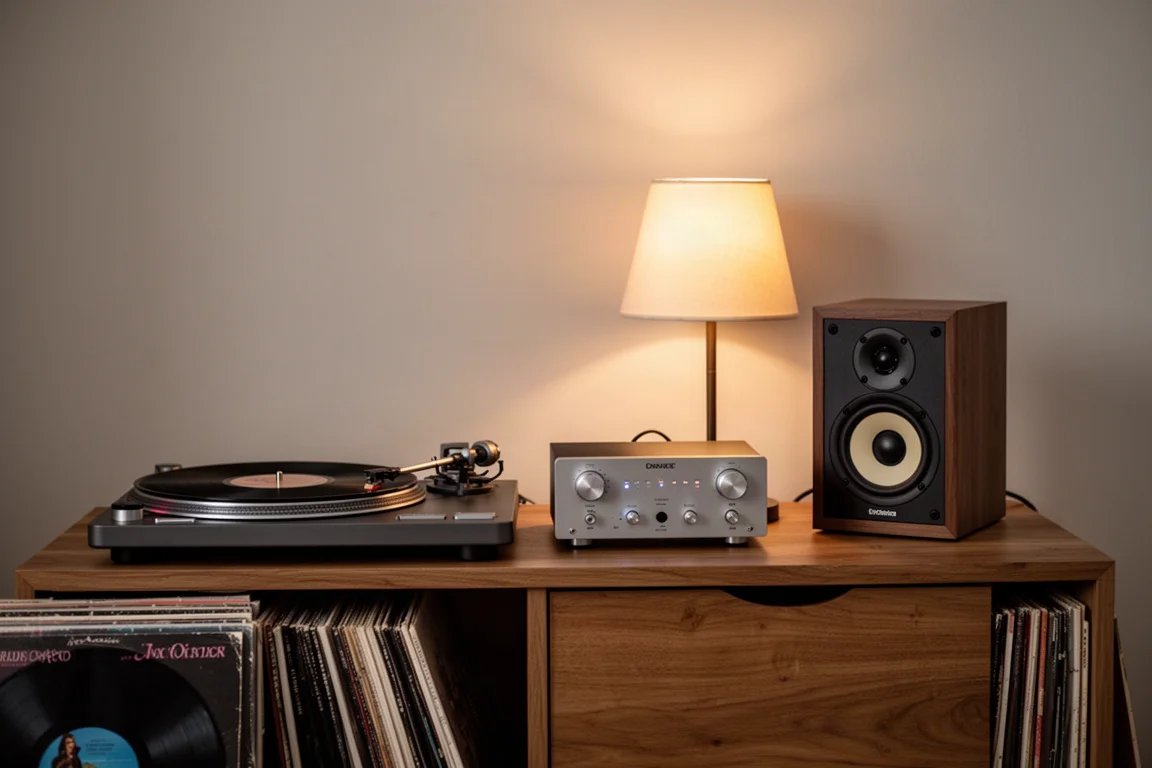
For a complete minimalist system, combine the amplifier with a WiiM Mini or WiiM Pro for streaming, a turntable such as the Fluance RT82 or a U-Turn Orbit, and a pair of speakers. That covers analog and digital sources in a very small footprint and keeps the total cost reasonable.
Conclusion
The NS-13G Max solves a specific problem well. It gives a turntable without a phono stage somewhere to plug in, adds a second analog input, includes defeatable tone controls, and arrives with a compact 48V GaN power supply, all in a chassis small enough to sit on a desk.
It is not the last word in amplification, and heavier loads will always favour a larger amplifier with more cooling headroom. For a compact, low-cost turntable setup, though, it is an easy product to recommend.
Product link
View more details for Nobsound NS-13G Max
This product is mentioned in the review. Check the specifications, options, and compatibility before buying.
View more details for Nobsound NS-13G MaxFurther reading
Related Reviews
Hi-Fi Amplifiers
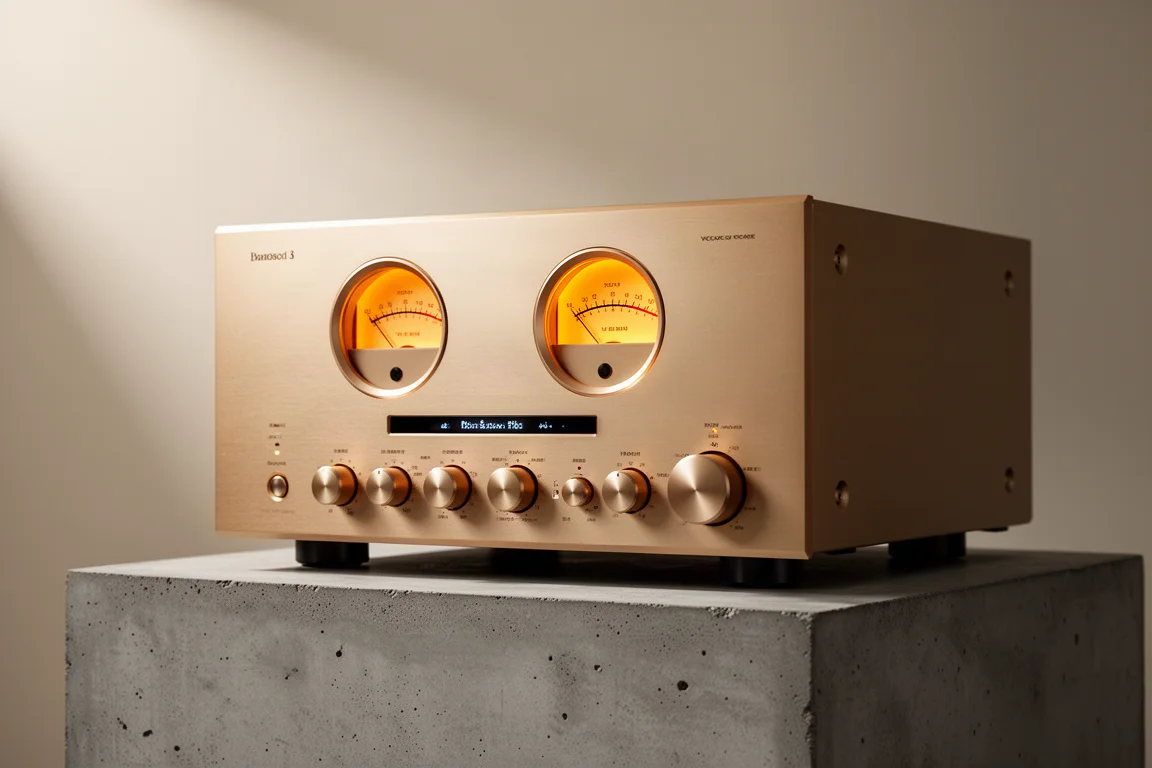
Accuphase E-280 Review: Entry-Level Accuphase With Flagship Attention to Detail
A close look at the Accuphase E-280 integrated amplifier, covering its champagne build, AAVA volume control, sound quality, and the speakers and sources that suit it best.
Hi-Fi Amplifiers
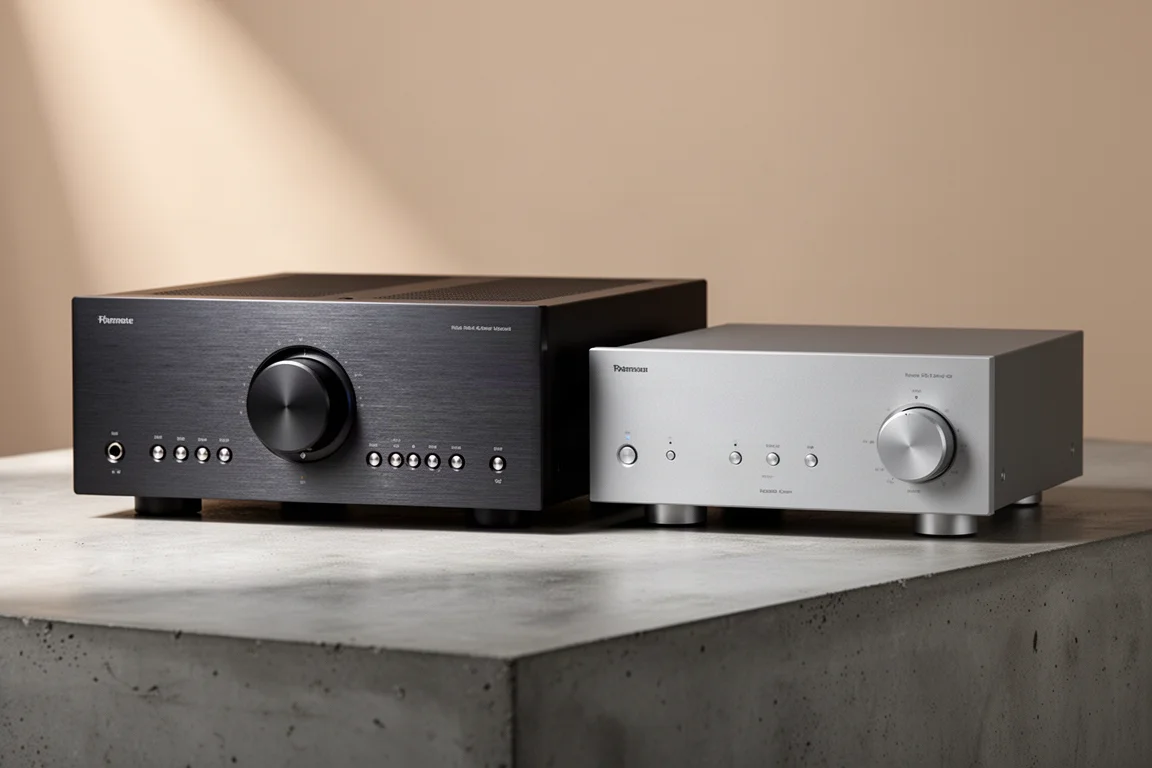
Advance Paris A10 Classic vs Yamaha A-S301: Two Integrated Amplifiers Compared
A practical comparison of a $350 integrated amplifier and a $2,500 reference model, covering the differences that matter and the ones that do not.
Hi-Fi Amplifiers
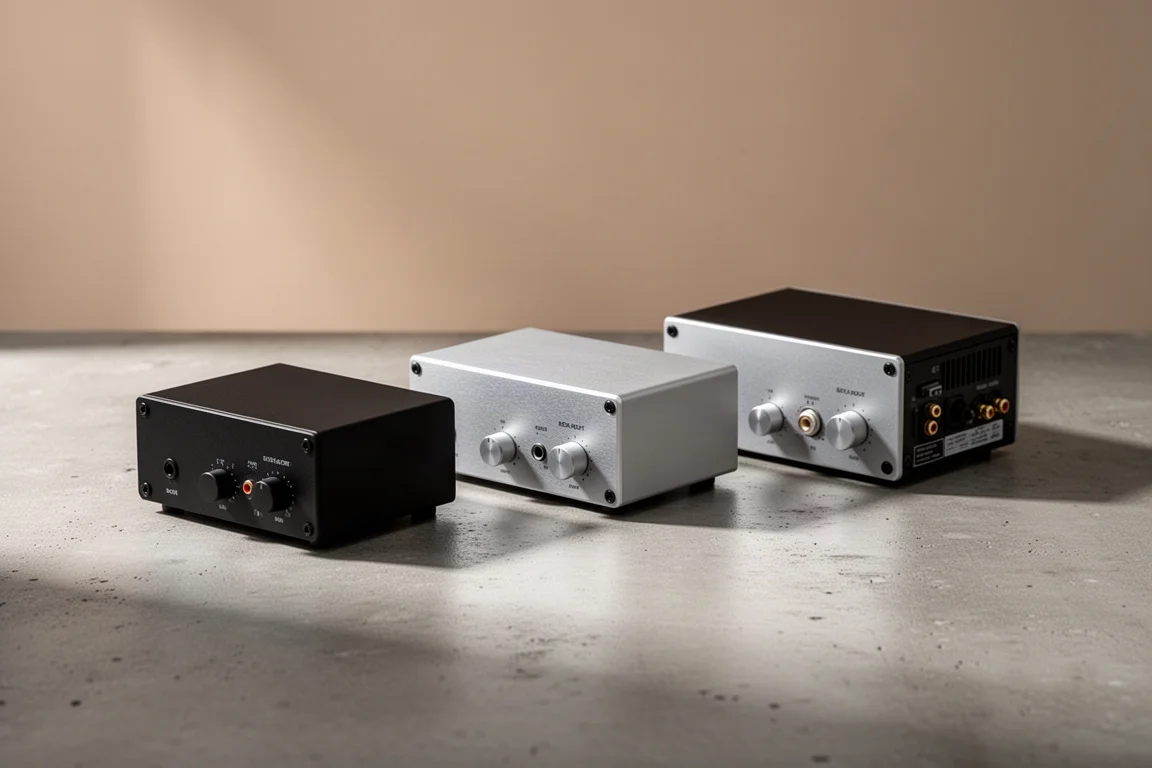
Affordable Chinese Amplifiers Worth Buying: Five Budget Hi-Fi Amps Compared
A practical look at five affordable amplifiers, what each one does well, and the trade-offs to weigh before you buy.