Backpacking Gear
No Matter Products Backpacking Chair Review: Half a Pound of Seating
A sling-style backpacking chair built from carbon fiber poles and coated ripstop nylon that packs to about half a pound, plus what to weigh before buying.
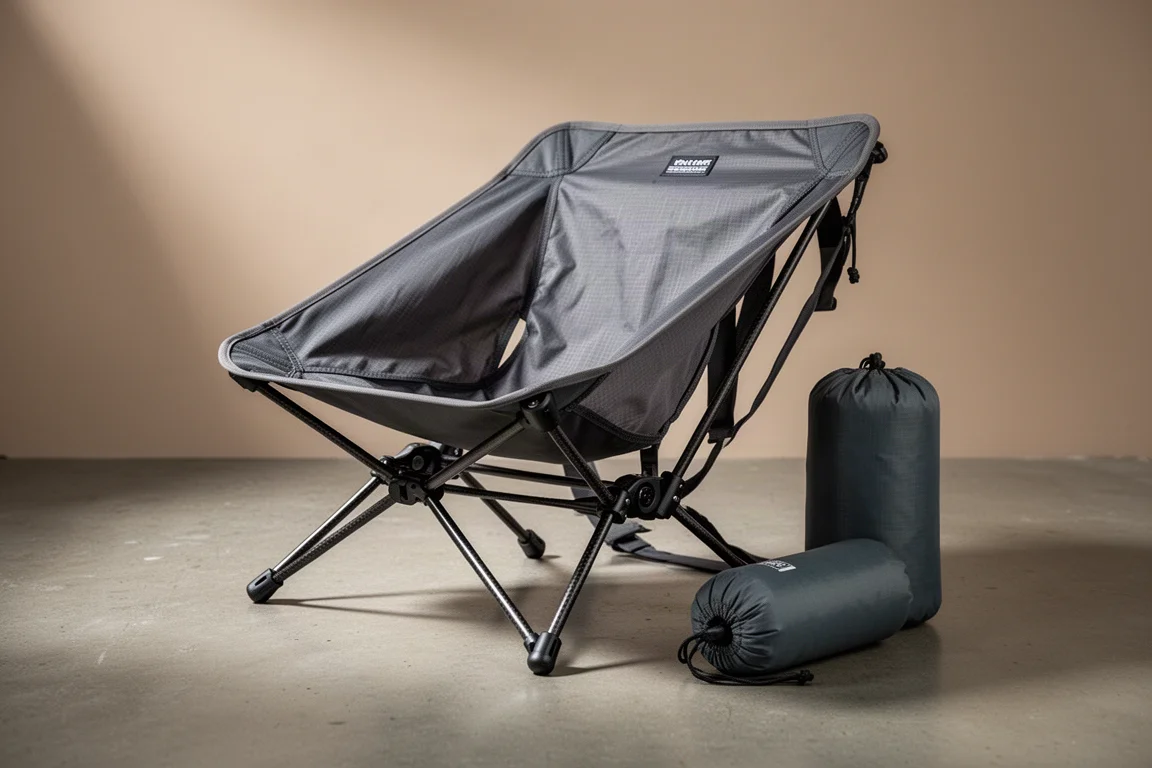
Introduction
Ultralight backpacking chairs have settled into a recognizable pattern: a pole frame, a sling seat, and a packed weight that usually lands somewhere north of a pound. The Helinox Chair Zero has been the reference point in that class, packing into its stuff sack at around 18 ounces.
No Matter Products approaches the same problem from a different angle. The company is a one-person startup founded by a mechanical engineer and avid hiker, and its chair is built from carbon fiber poles and polyurethane-coated ripstop nylon. Fully packaged, including the stuff sack, it weighs about half a pound.
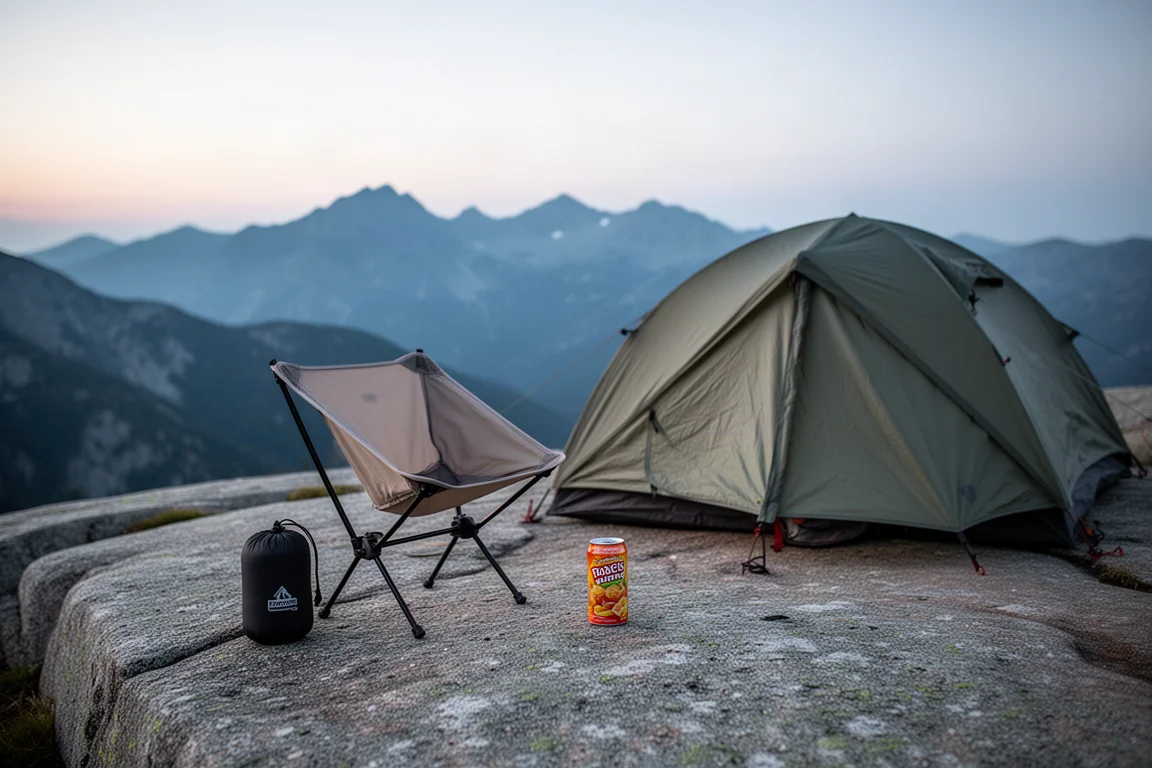
Packed down, it is roughly the size of a Pringles can, which puts it closer to the carry category of a trekking-pole shelter than a traditional camp chair. The rest of this review covers how it sets up, how it feels to sit in, and where the design makes deliberate compromises.
Who This Chair Is For
This is a chair for people who count grams and who have already decided that a place to sit at camp is worth carrying something. If you have been leaning against a backpack or dropping a sit pad on the ground at the end of a long day, this chair offers an actual backrest for roughly the weight of a small water bottle.
It is also a sensible fit for thru-hikers, fastpackers, and anyone traveling with tight luggage space, since the packed size is closer to a can of snacks than to a chair.
It is not the right choice if you want a padded, elevated seat with armrests, or if you plan to spend evenings lounging rather than sitting upright. On-ground seating is the core of the design, not a side effect of it.
Design and Setup
The chair uses shock-corded carbon fiber poles, described by the company as Easton carbon fiber, and it assembles in much the same way a trekking-pole style shelter does. The poles feed into the frame, the fabric takes over from there, and a shock cord at the back helps prop the structure into shape.
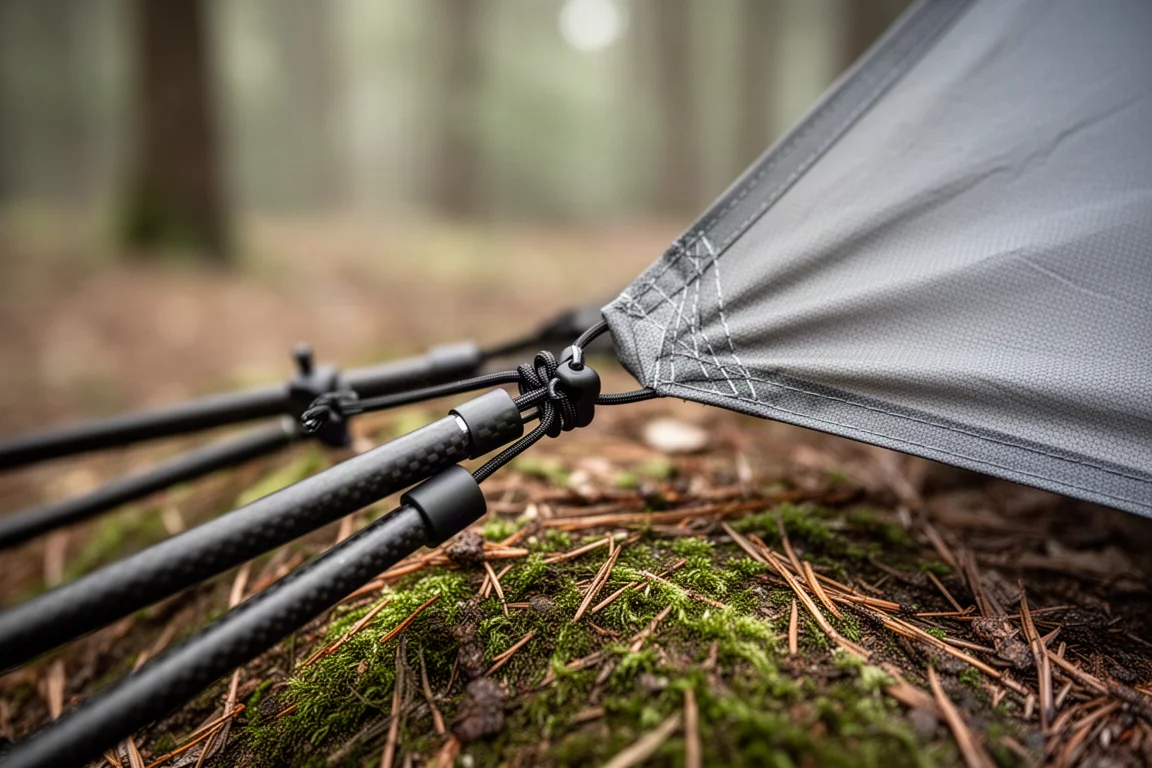
Two details do most of the structural work. A short shock cord tensioner holds the cross junction tight, which keeps the frame rigid during entry and exit and makes it less likely to blow over in wind. The seat itself is polyurethane-coated ripstop nylon, so a thin layer of water resistance keeps damp ground from soaking straight through.
The stuff sack has a buckle built into it, so it can be worn as a fanny pack or a side sling while hiking, or simply thrown into a pack. The whole package is designed to disappear into gear you are already carrying.
Main Strengths: Weight and Packability
The headline number is the weight: about half a pound fully packaged. That is less than half the packed weight of the benchmark ultralight chair mentioned earlier, and it is light enough that the chair can live in a pack without a packing-list debate.
Packability follows from the same logic. The poles break down short, the fabric folds flat, and the whole thing disappears into a sack the size of a snack can.
The tensioned fabric structure also carries load better than its appearance suggests. The frame feels loose before you sit, then stiffens under weight, and the back panel takes full body weight when you lean into it. The company reports a 300-pound user sitting in it without issue.
Water resistance is the quiet advantage. Because the seat fabric is coated, wet ground is far less of a problem than it would be with an uncoated sling.
Comfort and Support in Real Use
Sitting in the chair feels closer to a proper seat than to a recline against a pack. The back panel supports a lean, so you can put your weight backward and stay there, which is the part most stripped-down chairs get wrong.
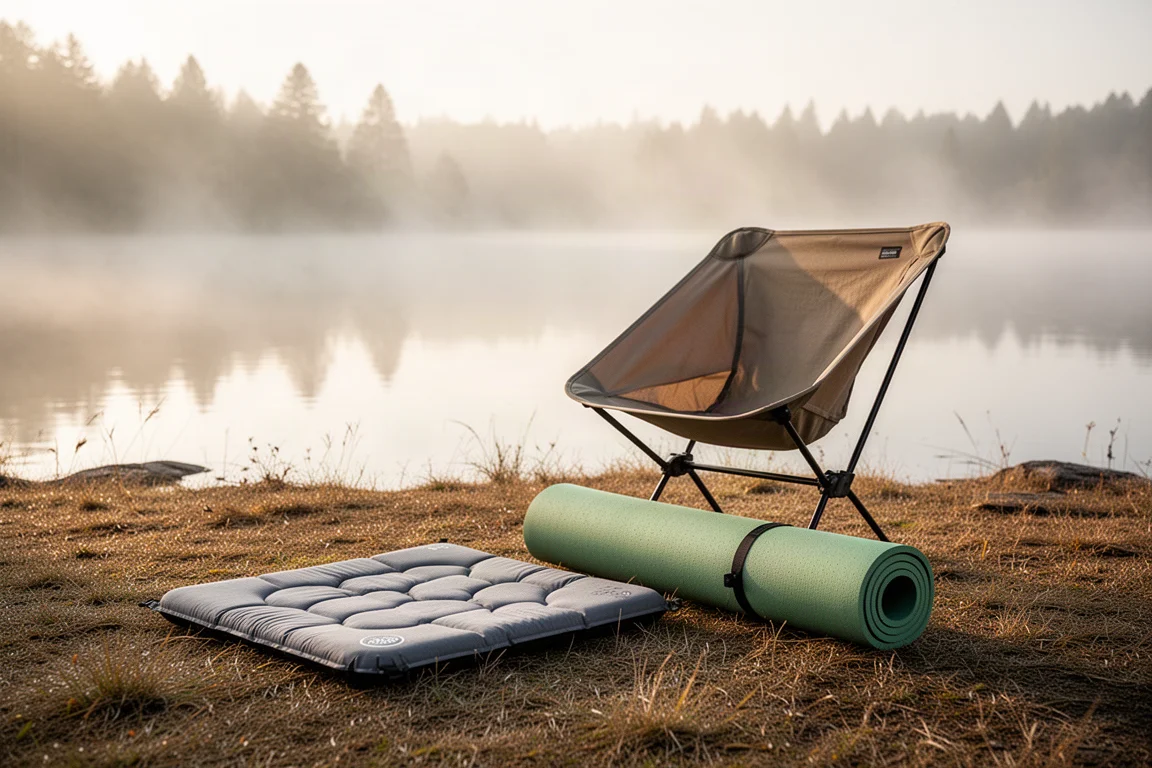
What the design does not have is padding. The seat is a single layer of tensioned fabric on the ground, so insulation and cushioning come from whatever you already carry. A sit pad or a sleeping pad under the seat makes a noticeable difference, and it is one more reason the chair pairs naturally with gear you have anyway.
The honest trade-off is lateral movement. The frame has some side-to-side sway, and the structure is noticeably more solid front to back than it is left to right. For sitting and eating, that is fine. For napping or twisting around, it is not the chair you would choose.
Things to Consider Before Buying
- It is an on-ground chair. There is no leg height, no padding, and no armrests.
- There is some side-to-side flex in the frame, so it rewards a settled seated position rather than constant shifting.
- Carbon fiber is the main cost driver. The company estimates that an aluminum version of the same chair would weigh about 50 percent more while the price would come down by roughly half, so the weight saving is precisely what you are paying for.
- It comes from a small one-person operation rather than a large brand, so availability and production runs may be limited.
Buying Advice
At $89.95 on sale at launch, the chair sits well under the roughly $180 that the lightest mainstream ultralight chairs tend to cost, while weighing far less than any of them. The value case is straightforward for anyone whose priority is weight and packed size.
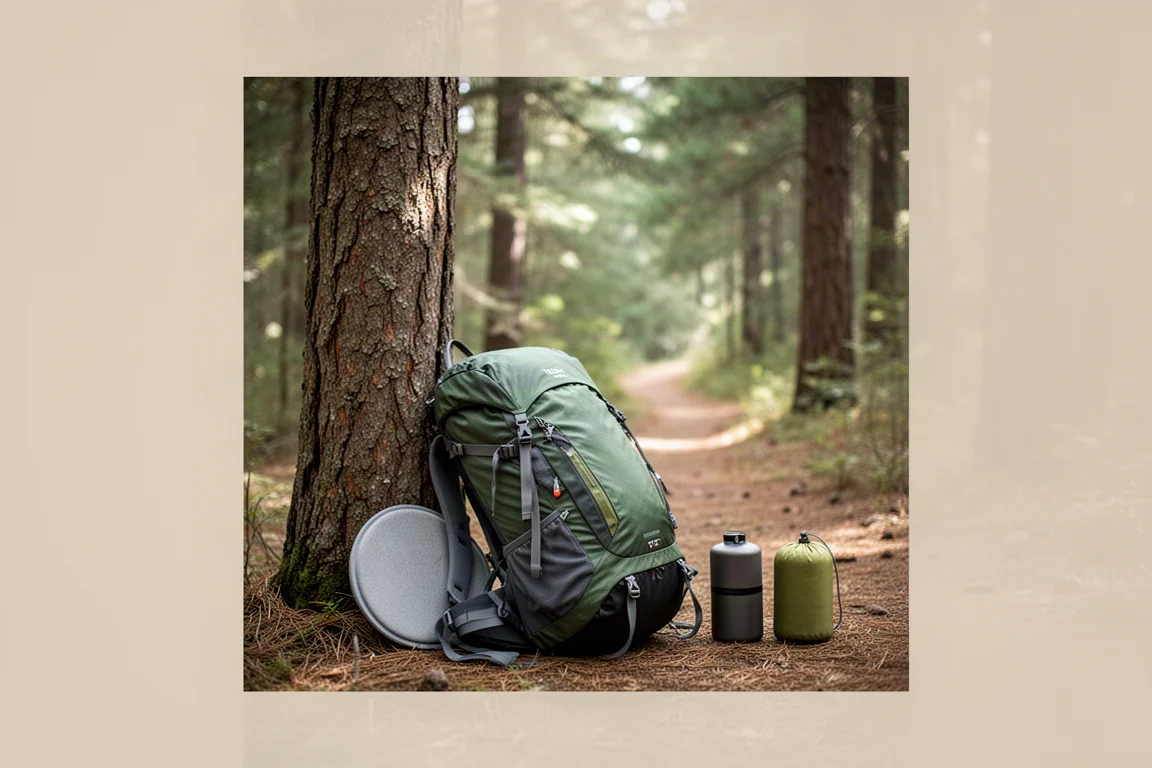
If you want a chair that feels planted and cushioned, this is not that product, and no design at this weight will be. If you want the lightest possible way to sit down with your back supported at camp, the trade-offs here are deliberate and clearly stated by the company.
Conclusion
No Matter Products has built a chair around a simple premise: the lightest seat is the one that uses the least material and borrows the tensioned-fabric logic of a modern tent. About half a pound, the size of a snack can, and a backrest you can genuinely lean into. The compromises are real, specifically the on-ground seating and the side-to-side sway, but they are the compromises that come with this weight class. For backpackers who have been sitting on a pad against a tree, it is a meaningful upgrade for the weight of a water bottle.
Product link
View more details for No Matter Products Backpacking Chair
This product is mentioned in the review. Check the specifications, options, and compatibility before buying.
View more details for No Matter Products Backpacking ChairFurther reading
Related Reviews

Backpacking Gear
Building a 10 lb Base Weight: An Ultralight Backpacking Gear List
A practical walkthrough of the ultralight pieces behind a 10 lb base weight, from a 765 g pack and a roomy one-person tent to a full camp chair and a dependable water filter.
Backpacking Gear
A 15-Pound Lightweight Backpacking Gear List for Solo Trips
A beginner-friendly 15-pound backpacking setup built from easy-to-find gear, with notes on what each piece does, how it packs, and where to spend your attention.
Backpacking Gear
8 Ultralight Backpacking Gear Upgrades Worth Carrying
Eight small, affordable backpacking upgrades that solve real trail annoyances, from a pillow that stays put to a fuel valve that rescues leftover canister gas.