Hi-Fi Audio
Nine Hi-Fi Standouts: Speakers and DACs That Earned a Closer Look
Nine speakers and DACs that stood out at a recent high-end audio show, with the strengths, trade-offs, and buying context behind each one.
Introduction
A high-end audio show is usually a study in excess. Rooms fill up with statement amplifiers, exotic turntables, and price tags that climb into six figures. Yet the products that linger in memory are rarely the most expensive ones. They are the ones that solve a real problem, sound convincing in an ordinary room, and cost something a normal person could justify.
This roundup collects nine products from that category. Three are powered speakers from Klipsch, two are standmount speakers from MoFi, two are compact passive speakers, and two are DACs. Some are genuinely affordable, and a couple sit at the edge of what most buyers would spend on a single component. All of them stood out for reasons worth explaining.
Each entry below covers what makes the product interesting, where it fits in a real system, and what to weigh before spending money. Where pricing was not confirmed, the notes stay general rather than guessing at a number.
How This Roundup Was Assembled
Every product here was judged on a few practical things rather than on specifications alone.
The first is sound character in a real room. A system that delivers bass and clarity without pushing the midrange forward tends to hold up over long listening sessions, and that balance is harder to achieve than a dramatic first impression suggests.
The second is value relative to the rest of the category. Several of these products come from companies that keep affordability at the center of the design brief, and that shows in how a complete system comes together around them.
The third is the behavior of the company behind the product. A small team that can move from a new converter chip to a working prototype in a few weeks, or a brand where everyone involved is clearly motivated by music, tends to keep improving what it sells.
The fourth is honest limits. Not every product on this list suits every room, and the notes below say so where it matters.
Klipsch The Fives: A Compact Powered Speaker With Real Low End
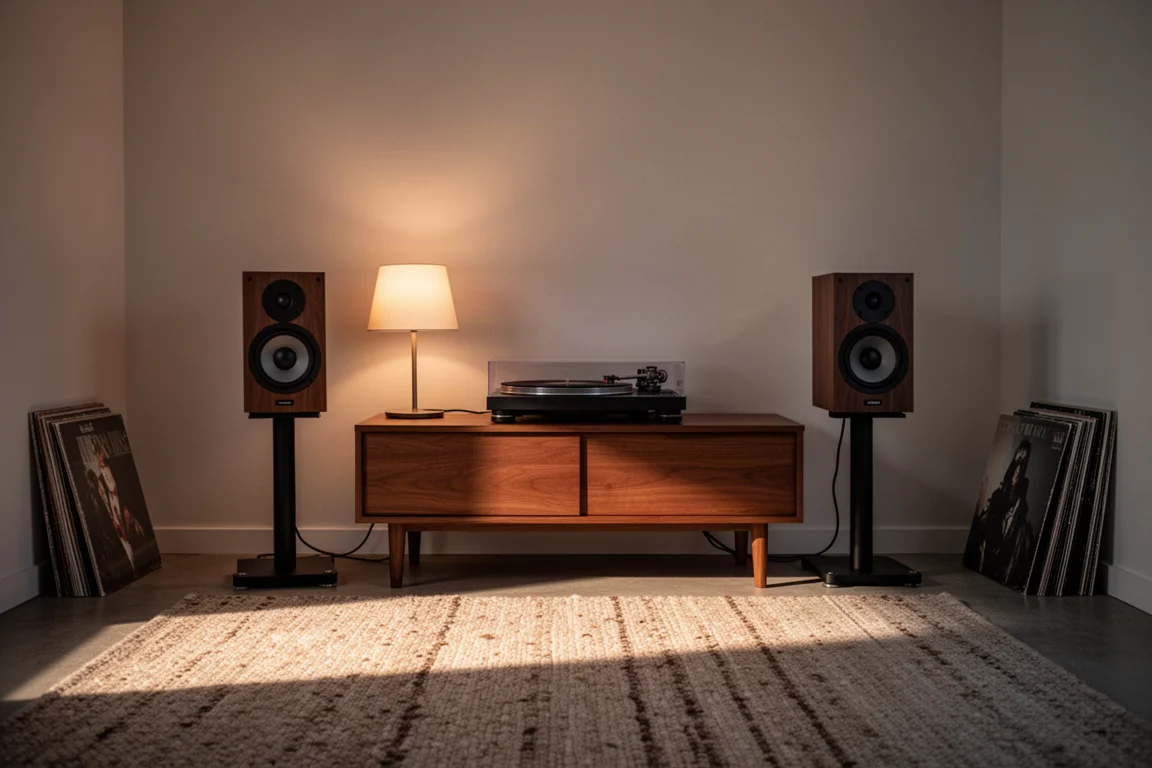
The Fives is the smallest of three Klipsch powered speakers that made a strong impression, and it is the easiest to place in a small room or on a desk. The appeal of this design is what it removes from the chain: each speaker includes an integrated phono preamp, so adding a turntable is the only extra step required. No separate amplifier, no separate phono stage.
The Klipsch room delivered bass and clarity without an overly forward presentation, which is a combination plenty of far more expensive systems miss. The companion app has also been updated, which matters for a family of products that leans on software for input switching and tuning.
Klipsch The Sevens: More Output, Same House Sound
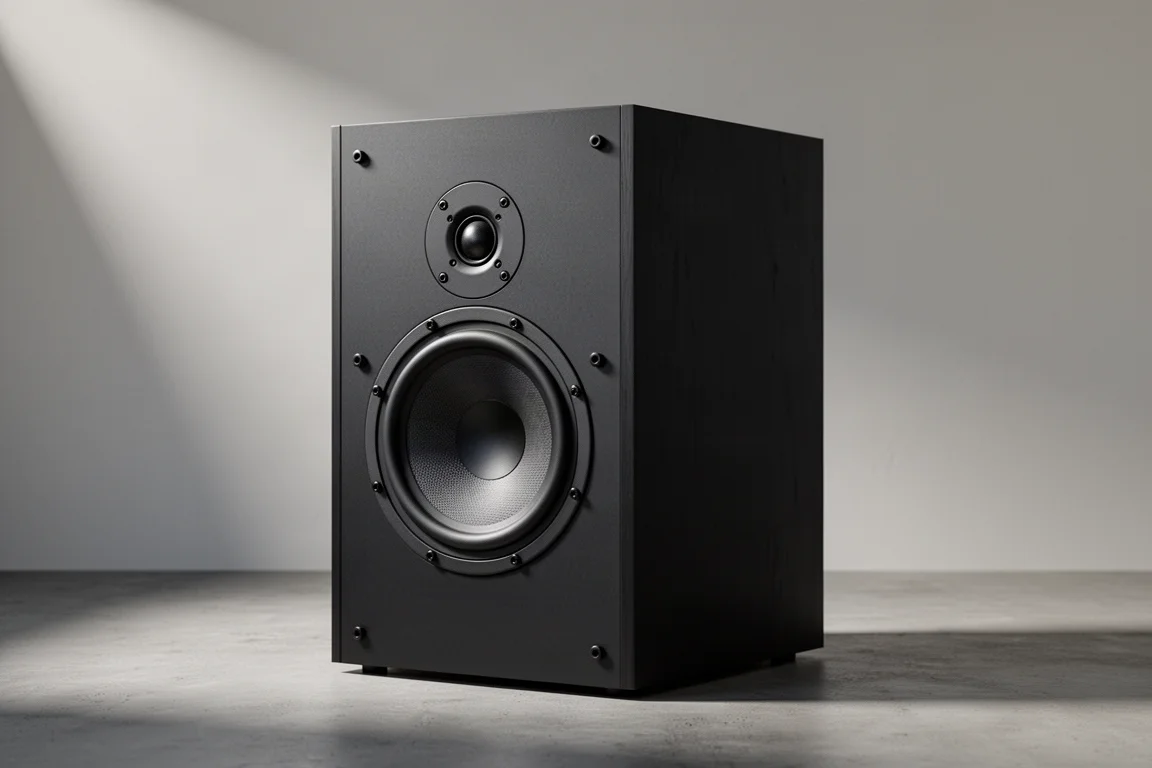
The Sevens sits between The Fives and The Nines, and it keeps the same character: low-end presence, clear detail, and a presentation that stays relaxed rather than aggressive. For a listener who wants the convenience of a powered speaker but needs more output than the smallest model provides, this is the natural middle step.
Like the rest of the family, it accepts a turntable directly thanks to the integrated phono preamp.
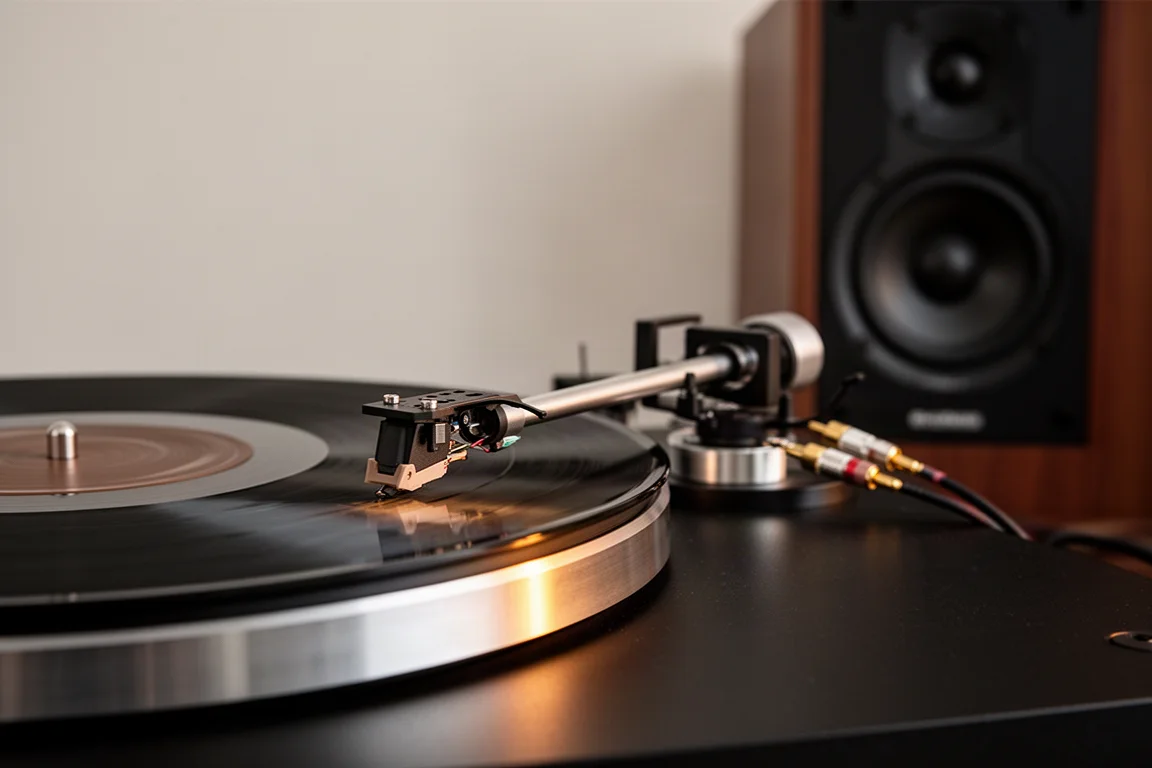
That combination is unusual at this level. Most powered speakers require a separate phono stage before a turntable becomes usable, and the Klipsch approach removes one more box and one more cable run from the setup.
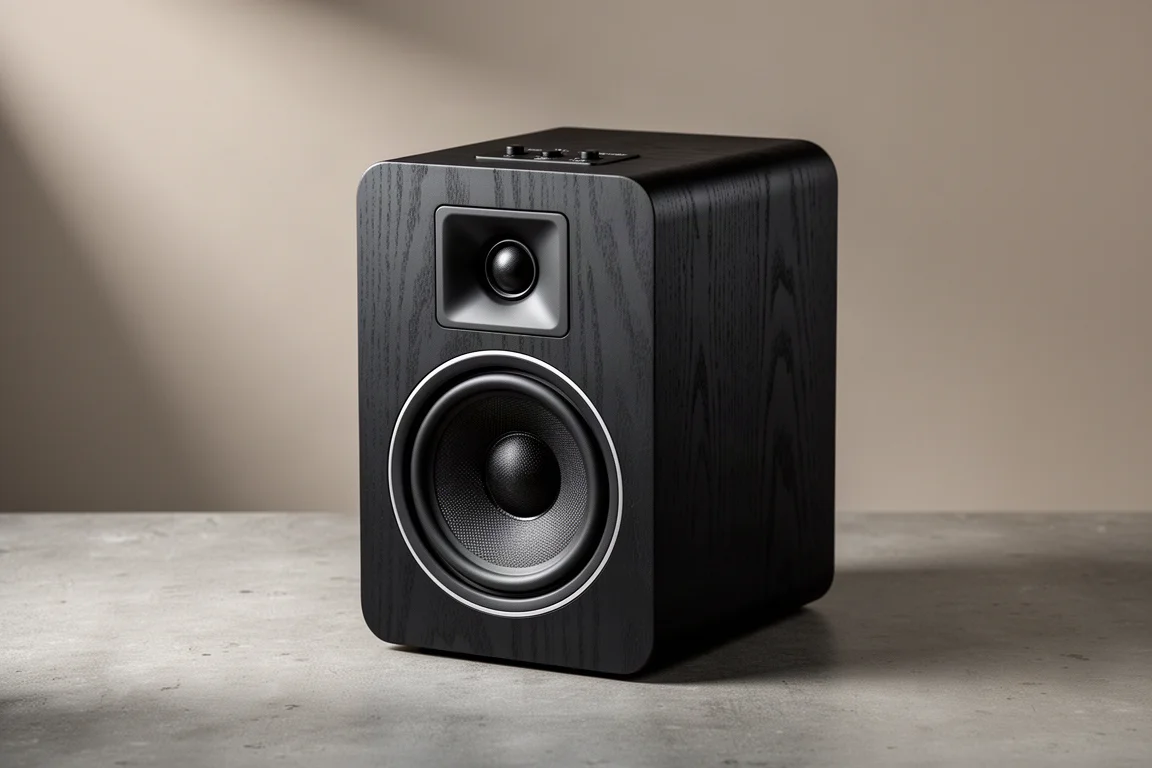
Klipsch The Nines: The Largest Of The Trio
The Nines is the biggest of the three, intended for rooms where the smaller models run out of steam. It shares the same design philosophy: powered operation, an integrated phono preamp, and app-based control that has been updated.
If the goal is a single pair of speakers that can carry a living room without a rack of components, this is the model in the family built for that job.
Geshelli Labs AKM 4499 DAC: Small-Team Engineering, Unusually Fast
Geshelli Labs is a small, family-run operation, and that structure shows in how quickly it moves. Building a DAC around the new AKM 4499 chipset and having a working prototype ready within a few weeks is a genuinely unusual turnaround, and it is the kind of thing a company can only do when decisions do not have to pass through a committee.
The 4499 is a delta-sigma converter, and the early read is that it may land somewhere between a typical delta-sigma DAC and a multi-bit or R-2R design in character. That is an interesting place to be, and it is also the reason to stay measured about expectations until more listening time is possible.
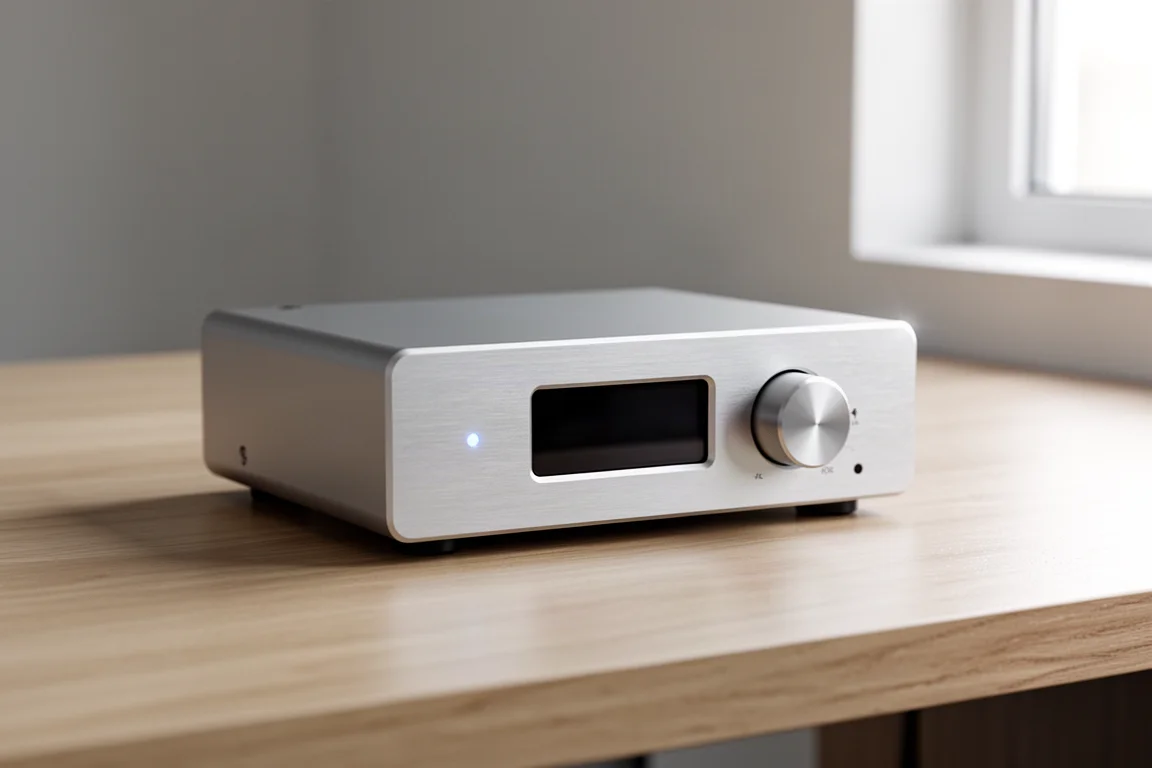
Q Acoustics 5020: Affordable Standmounts Built For Near-Field Listening
Q Acoustics built its reputation on the 3000 series, and the 3020 in particular has been a default recommendation for listeners who want a genuinely good speaker without spending much. The 5020 comes from the newer 5000 series and carries that value-first thinking into a larger cabinet.
It suits near-field listening well, which makes it a practical choice for a desk system or a smaller room where the speakers sit close to the listener. The brand is worth watching precisely because affordability stays central to what it designs rather than being an afterthought.
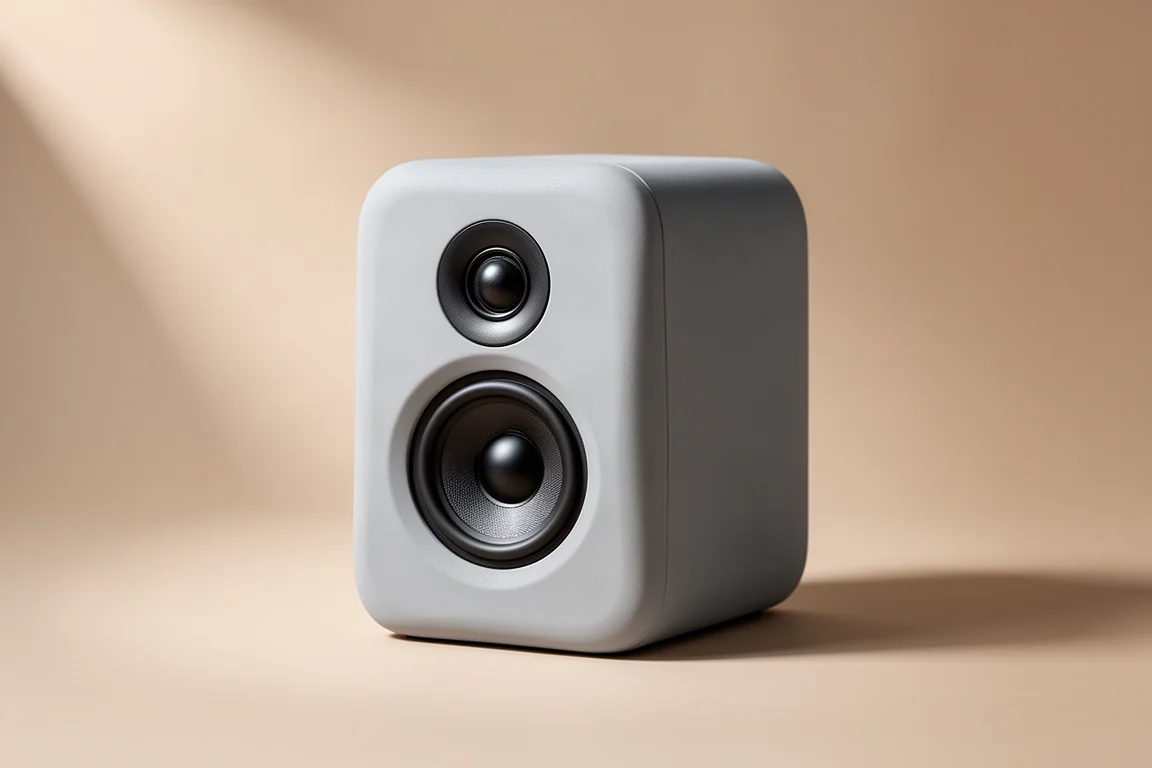
Acoustic Energy AE100: Compact, Affordable, And Easy To Like
The AE100 is a compact standmount from Acoustic Energy, a brand imported alongside Q Acoustics. It has already proven itself as an easy speaker to live with, and it is one of the clearest examples of a simple point: a well-executed modest system can sound better than a much more expensive one assembled without care.
The affordable rooms at any audio show tend to be the ones that surprise people most. This speaker is a good reason why.
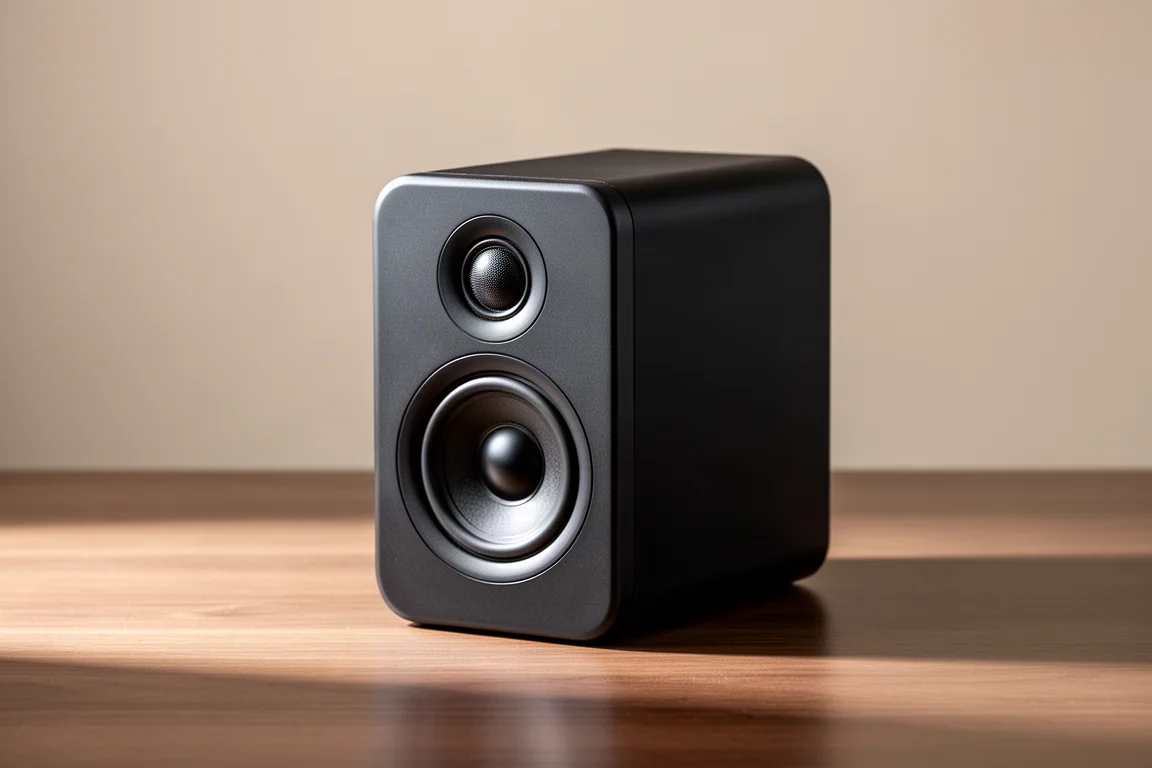
MoFi SourcePoint 8: A Smaller SourcePoint With Real Presence
The SourcePoint 8 is designed and built under Andrew Jones, and it is a smaller version of the SourcePoint 10. The formula clearly works: the speaker drew enough interest that buyers purchased pairs on the spot at the event, which is unusual for a component at this level.
At around $3,000 per pair, it is a serious purchase rather than an impulse one. It is also the more accessible route into the SourcePoint family, since the larger model costs more.
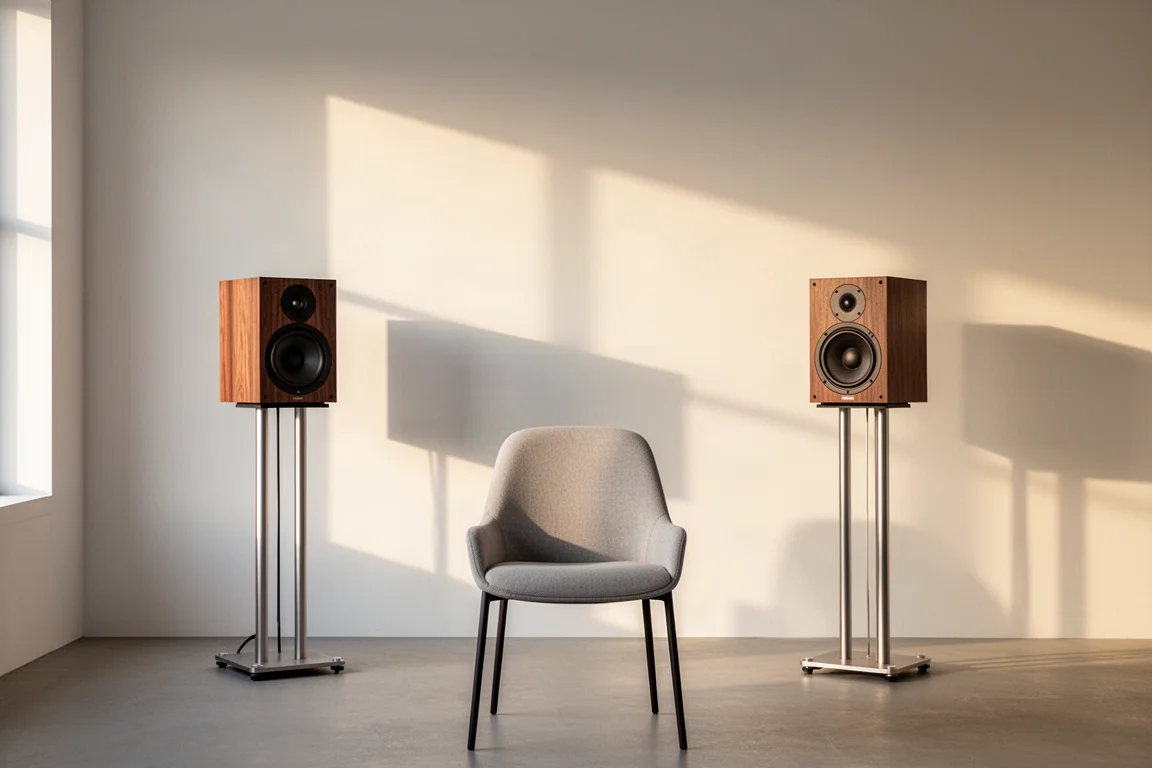
That price point is the interesting part of the story. A speaker at this level competes with well-established alternatives, and the fact that listeners were willing to commit after a single listening session says something about how the design lands in a real room.
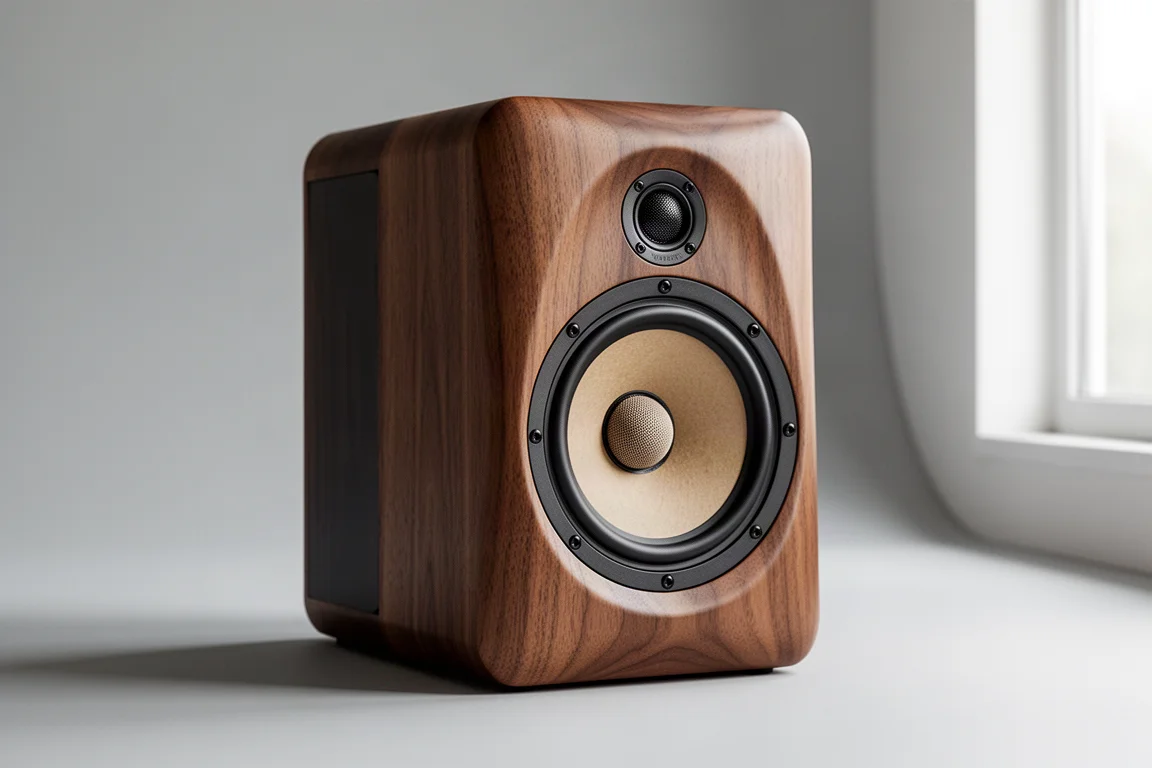
MoFi SourcePoint 10: The Larger SourcePoint
The SourcePoint 10 is the model the SourcePoint 8 scales down from. It uses a larger cabinet and delivers more output, and it sits above the smaller speaker in both size and price.
For a listener who has heard the SourcePoint 8 and wants more of the same presentation with greater physical presence, this is the step up. It is also the more demanding purchase, so it makes sense to hear both before deciding.
Cambridge Audio DacMagic: A DAC From A Team That Clearly Loves Music
The DacMagic is a long-running DAC line, and the current version is the one to look at. What stood out beyond the hardware was the company itself. Cambridge Audio is expanding its hi-fi range with a new streamer and a turntable alongside its DACs, and the people behind those products are motivated by music rather than by a sales script.
That matters more than it sounds. A brand that keeps improving its products and stays genuinely engaged with the music its customers listen to is a safer long-term bet than one that only chases market share.
Buying Advice: Where The Value Actually Sits
Which of these makes sense depends on how much of a system you want to assemble yourself.
Powered speakers are the simplest path. The Klipsch trio includes an integrated phono preamp, so a turntable plus one pair of speakers is a complete setup. That is the right answer for anyone who wants fewer boxes, fewer cables, and less to troubleshoot.
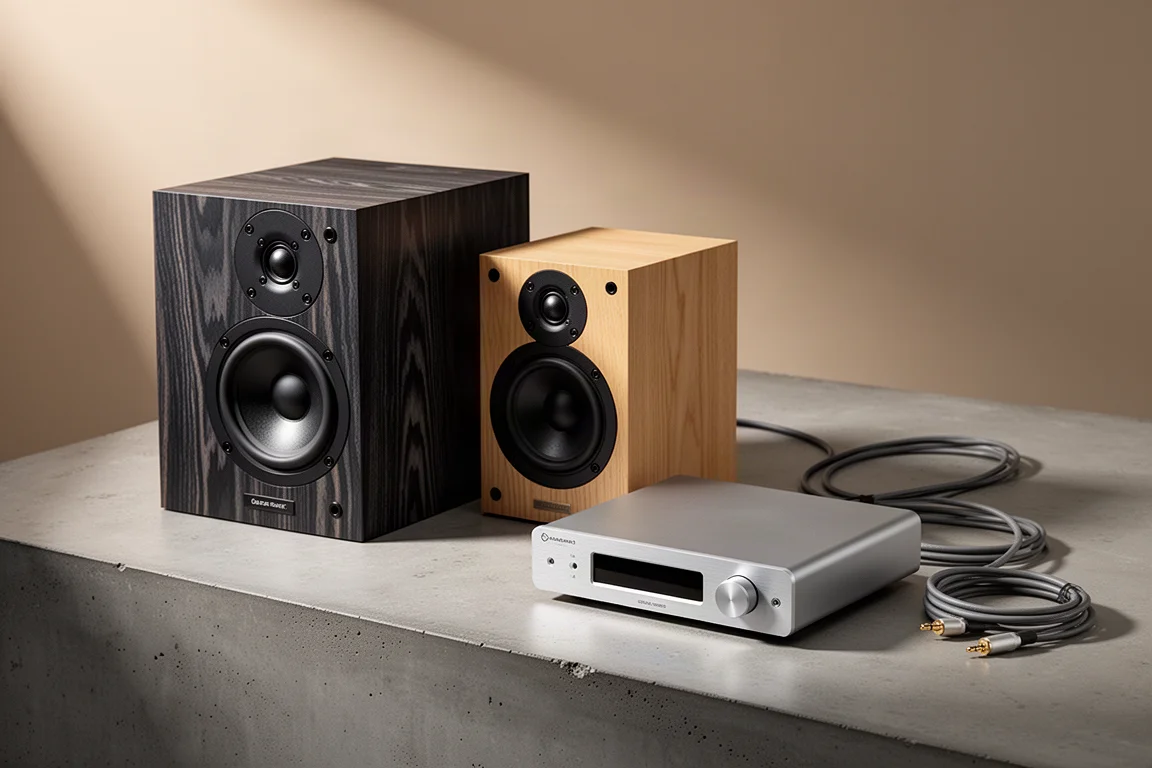
Passive standmounts such as the Q Acoustics 5020 and the Acoustic Energy AE100 need an amplifier and a source, but they give you a clearer upgrade path and more choice over the electronics that shape the sound.
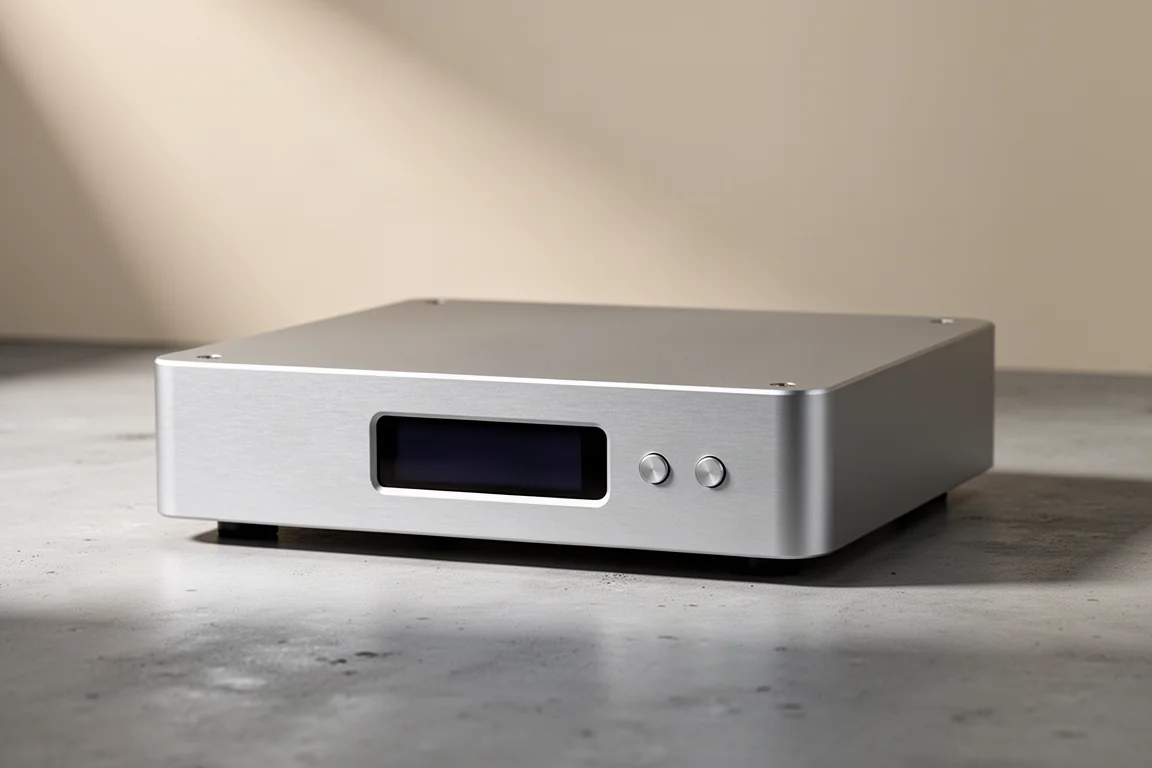
DACs sit in a different category of risk. The Geshelli Labs AKM 4499 and the Cambridge Audio DacMagic are both interesting for different reasons, one for a new converter chipset and fast small-team development, the other for a mature design from a brand investing heavily in hi-fi. Buy a DAC for the inputs, features, and build quality you actually need, and treat dramatic claims about sound transformation with caution.
The MoFi speakers are the biggest commitment on this list. Around $3,000 per pair for the SourcePoint 8, and more for the SourcePoint 10, puts them in territory where an audition matters. They are also the products most likely to reward that effort, because the design intent is clear and consistent.
One last piece of advice applies to everything here. High-end audio has a long tradition of accessories that promise system-wide improvements without offering a clear explanation of how they work, and some of them cost more than the speakers in this roundup. The money is almost always better spent on the parts of a system that actually produce sound.
Conclusion
Nine products, one shared trait: each of them does something clear and does it well. The Klipsch powered speakers remove boxes from a system while still delivering bass and clarity. The Q Acoustics and Acoustic Energy standmounts show that a modest budget is not a barrier to a genuinely enjoyable system. The Geshelli Labs DAC demonstrates what a small team can do with a new converter. The MoFi speakers are the serious investment, and the Cambridge Audio DacMagic pairs a mature design with a brand that is clearly invested in music.
Start with the role you need filled, choose the product that fills it at a price you are comfortable with, and skip anything that promises more than it can explain.
Further reading
Related Reviews
Hi-Fi Audio
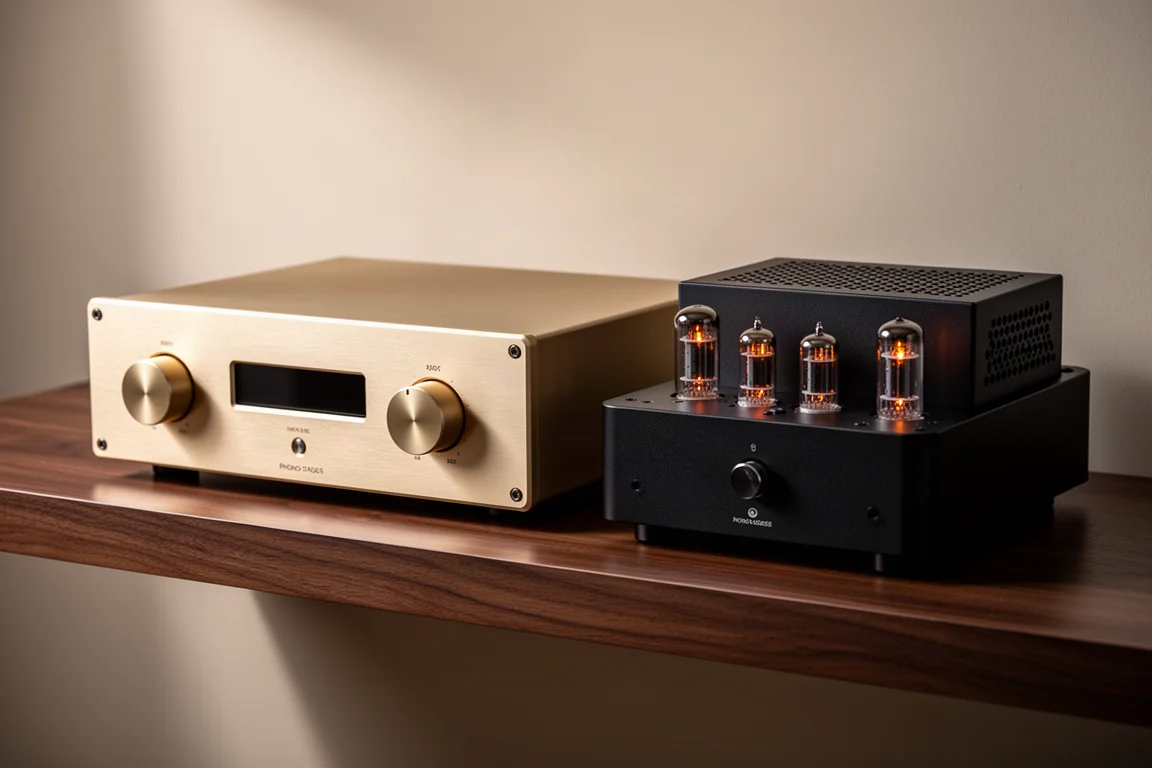
Accuphase C-57 vs Allnic H-7000V: Two High-End Phono Stages Compared
A fully balanced solid-state phono stage with a pitch-black noise floor meets a tube design built for well-loved records. Here is how to choose between them.
Hi-Fi Audio
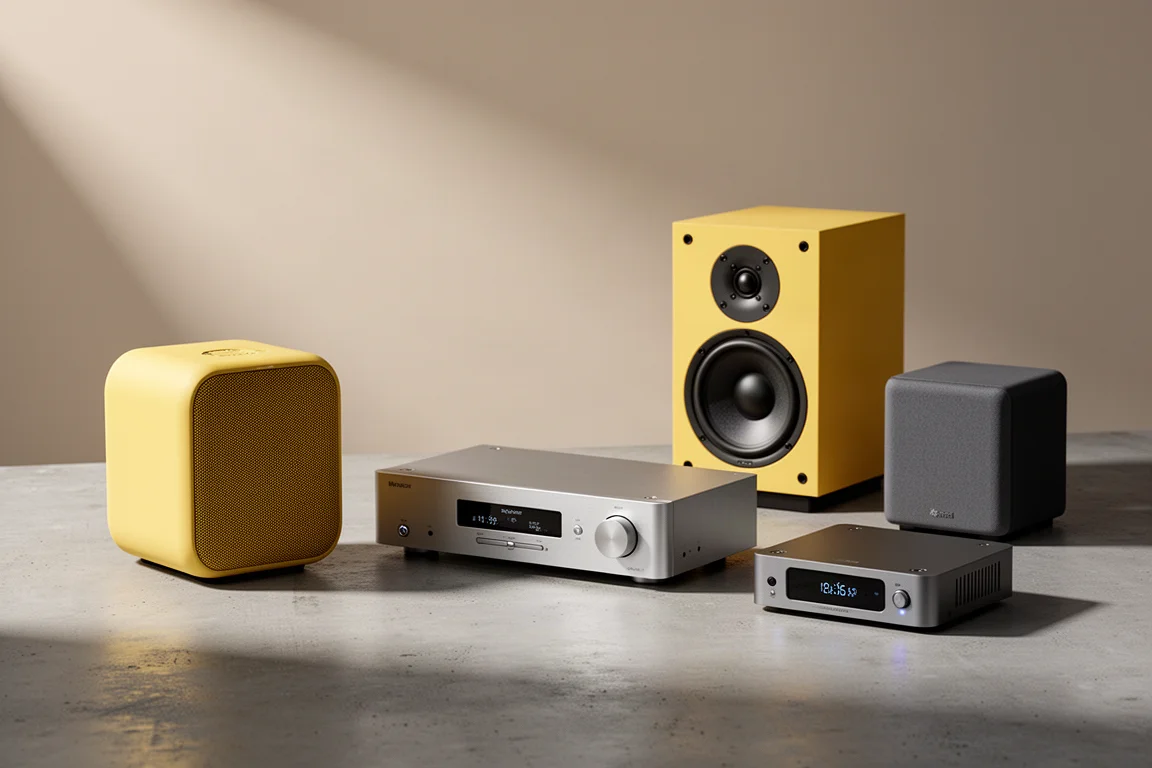
Active vs Passive Hi-Fi: Five Components for a Modern System
Five components that define modern active and passive hi-fi systems, with the strengths, trade-offs and setup details worth weighing before you buy.
Hi-Fi Audio
Advance Paris A10 Apex Review: A Hybrid Integrated Amplifier That Covers a Lot of Ground
A French hybrid integrated amplifier with a class A tube preamp stage, analogue power meters, and an internal DAC and phono stage good enough to make extra boxes unnecessary.