Hi-Fi Audio
Nine Hi-Fi Components That Earn a Permanent Place in a System
Nine hi-fi components that stay in a system for reasons beyond sound alone, from illuminated looks and outright value to the family workshops behind them.
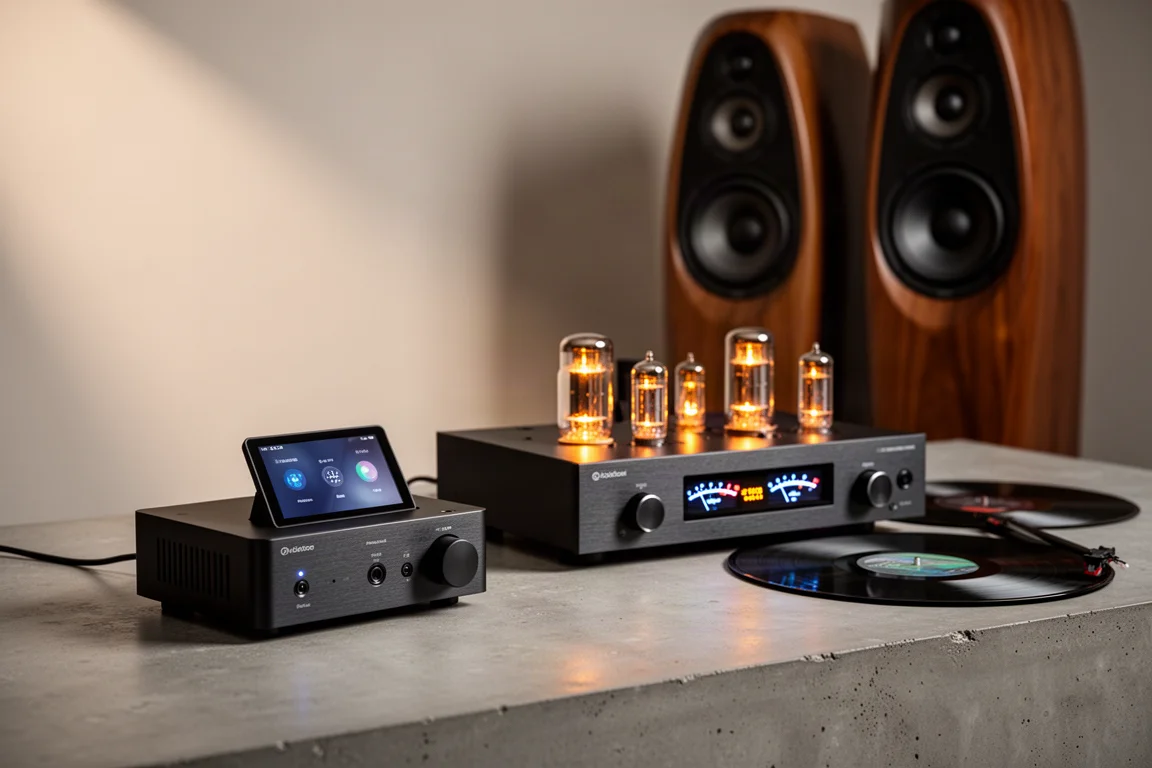
Introduction
Most hi-fi systems are a revolving door. Components arrive, get compared, and quietly leave again. A much smaller group stays for years, and the reason is not always the one buyers expect. Sound quality is the entry ticket rather than the whole story.
Looking across the gear that survives long term, a few other factors keep appearing: how a component looks when the lights are low, how much performance it delivers for the money, and whether there is a person or a family behind it. This guide covers nine components that earn their place for those reasons, along with the trade-offs worth knowing before you buy.
What Makes Gear Stay in a System
The assumption most buyers start with is simple: the best-sounding product wins. In practice, that is only part of the equation. Components that survive tend to do at least one thing exceptionally well and then add something on top of it. That extra might be a striking illuminated front panel, an unusually low price for the performance on offer, or a design the rest of the household is happy to live with.
Price stops being the deciding factor surprisingly quickly. A component costing several times more is not automatically the one that gets switched on every evening. Value, character and daily usability carry more weight than the specification sheet suggests.
The nine components below each illustrate one of those ideas. Every entry notes what the product does well and what you give up in return, so you can judge whether the same reasoning applies to your own system.
Advance Paris A10 Classic: A Centrepiece That Glows
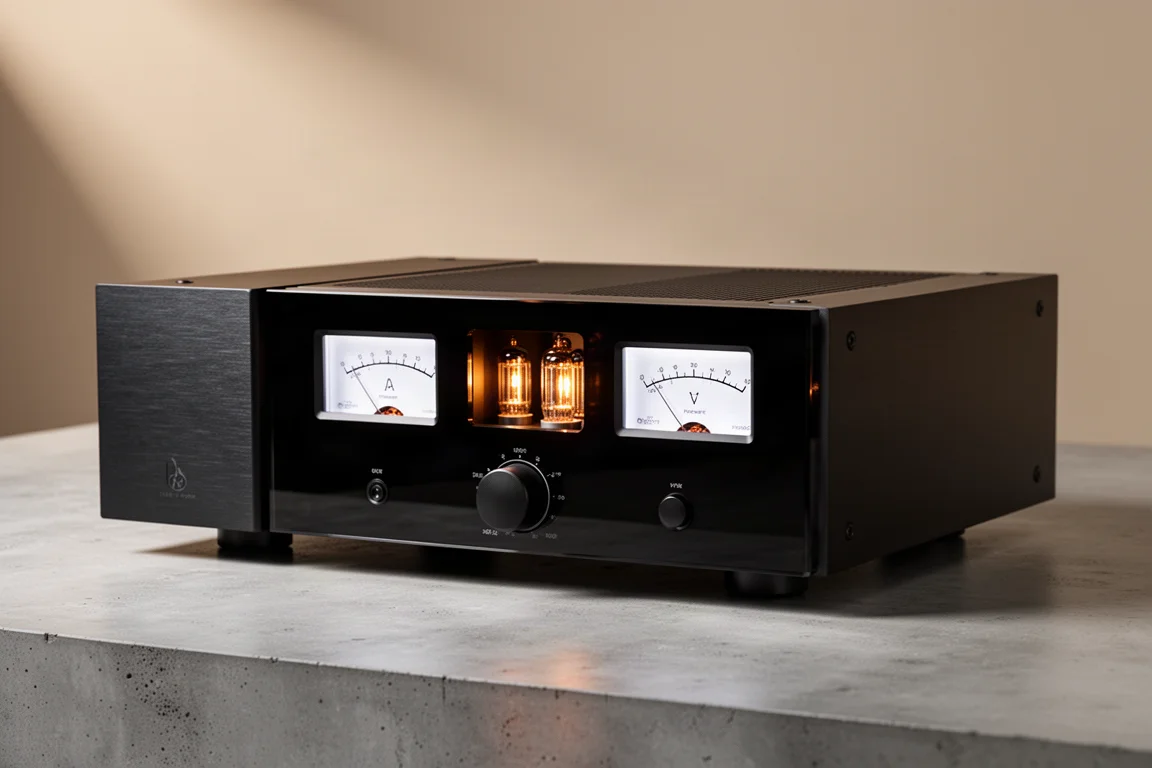
Listed at $2,500 and currently marked down by $500, the Advance Paris A10 Classic is the most visually dramatic component in this group. It pairs a class A bias design with a tube front end, and the result is a clean, dynamic presentation. The feature set covers what most listeners look for in an integrated amplifier.
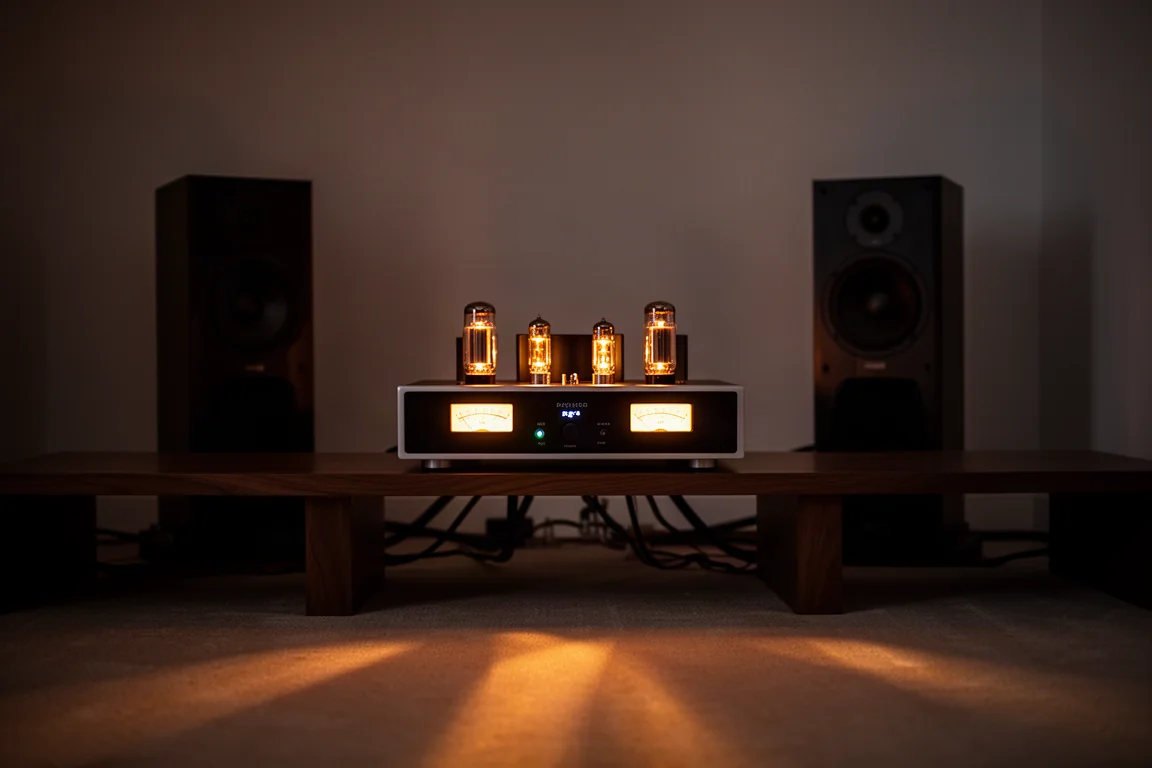
The real surprise comes after dark. Power meters, blue illumination and glowing tubes turn the amplifier into something closer to a film set than a piece of furniture. That matters more than it sounds. A component you want to switch on even when you are not sitting down to listen is a component that gets used far more often.
Fluance RT85: The Value Benchmark
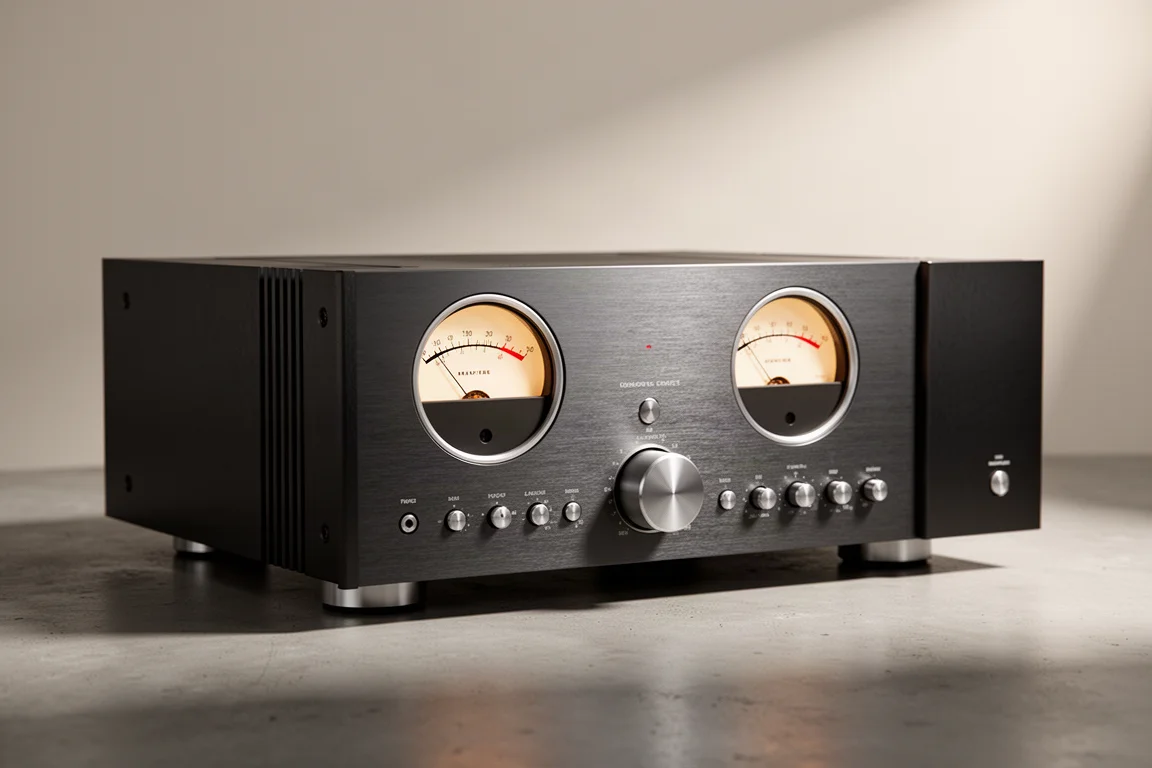
The Fluance RT85 sells for around $550, roughly $50 more than it used to, and it still undercuts everything comparable. The headline detail is the bundled cartridge: an Ortofon 2M Blue, a cartridge normally found on turntables costing two to three times as much.
The design is deliberately plain. Not flashy, not ugly, just a solid deck that does its job without drawing attention. For most buyers that is exactly the point. This is the turntable that shows what diminishing returns look like in practice, because spending more from here buys smaller and smaller improvements.
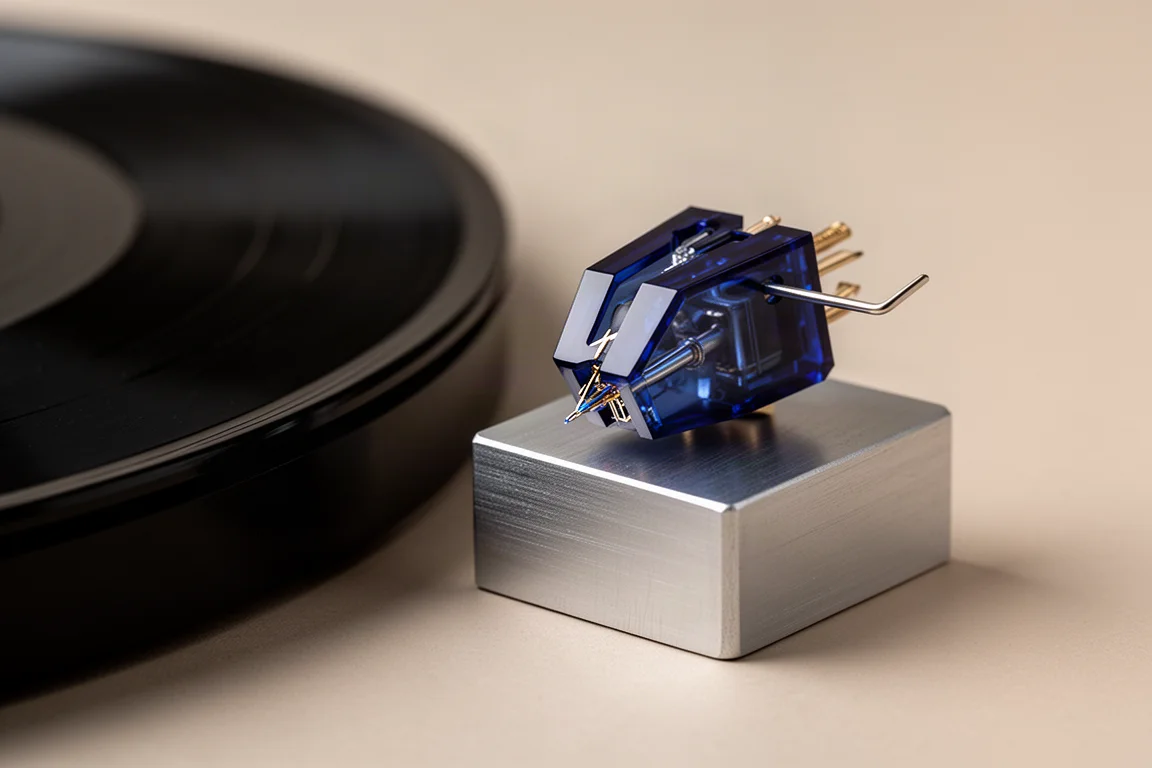
Ortofon 2M Blue: A Budget Cartridge That Punches Up
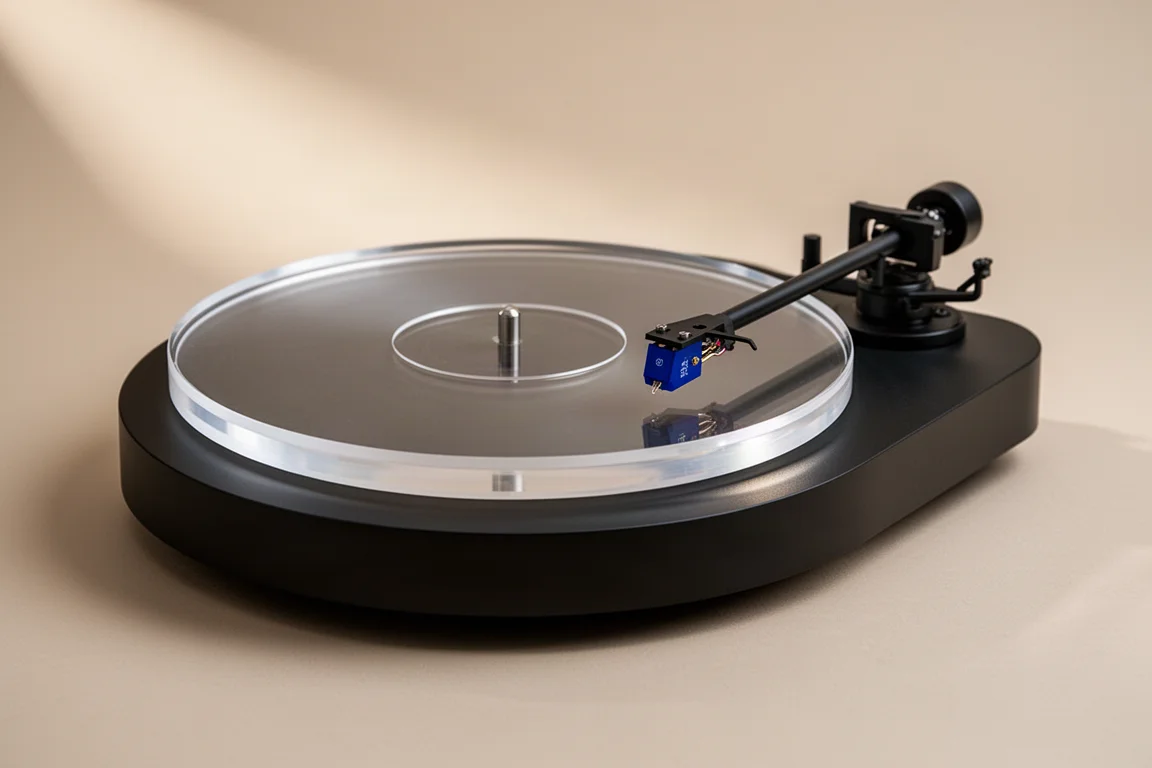
The 2M Blue is the cartridge bundled with the Fluance RT85, and it is widely treated as the best budget cartridge you can buy. The clearest evidence is where else it turns up: turntables from other brands that include it typically cost two to three times as much as the Fluance.
If you are shopping for a turntable, the cartridge is worth checking before anything else on the specification list. A deck that ships with a 2M Blue starts from a stronger position than one that ships with a lesser cartridge.
WiiM Ultra: The Disruptor
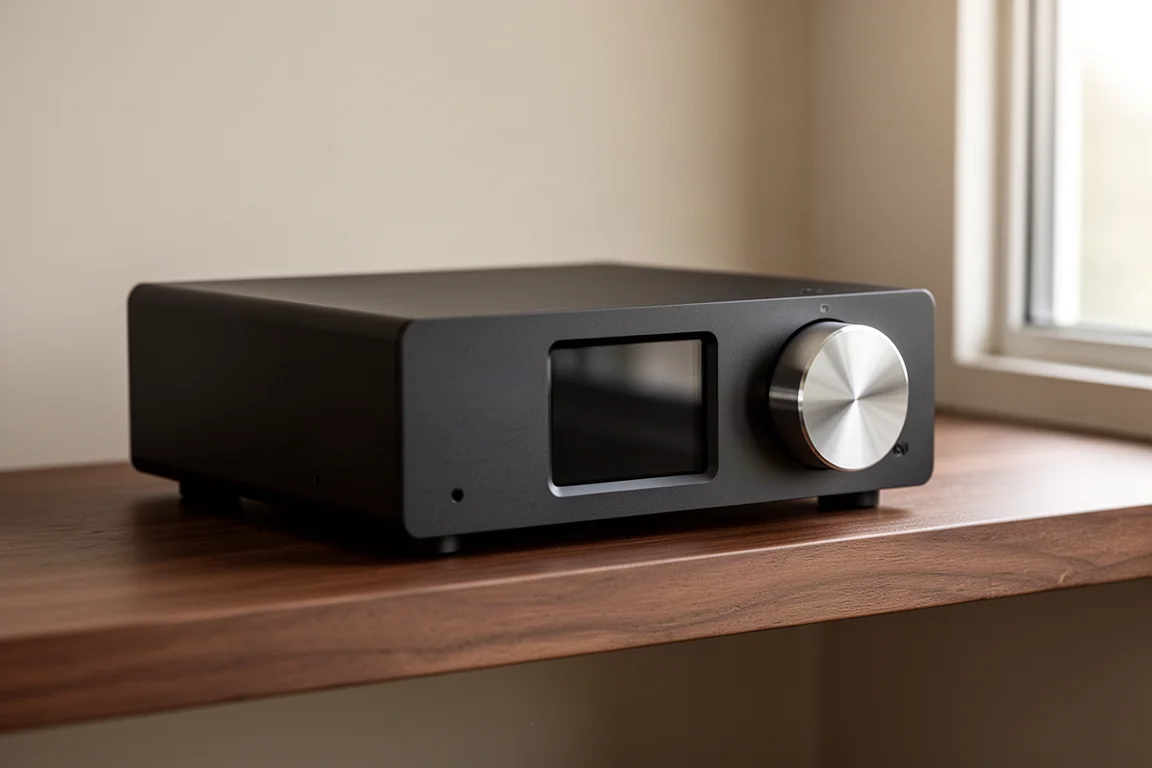
At $330, with a $30 coupon frequently available, the WiiM Ultra does something rare: it makes established pricing look arbitrary. It combines streaming, preamp duties, DSP and a touchscreen in one compact chassis, and it looks good doing it.
Performance at this price is unmatched in its category. More interesting is what the product represents. Here is a company that walked in and reset expectations for what a streaming preamp should cost, which is the kind of shake-up that does not come along often.
Emotiva XB2: Clarity First
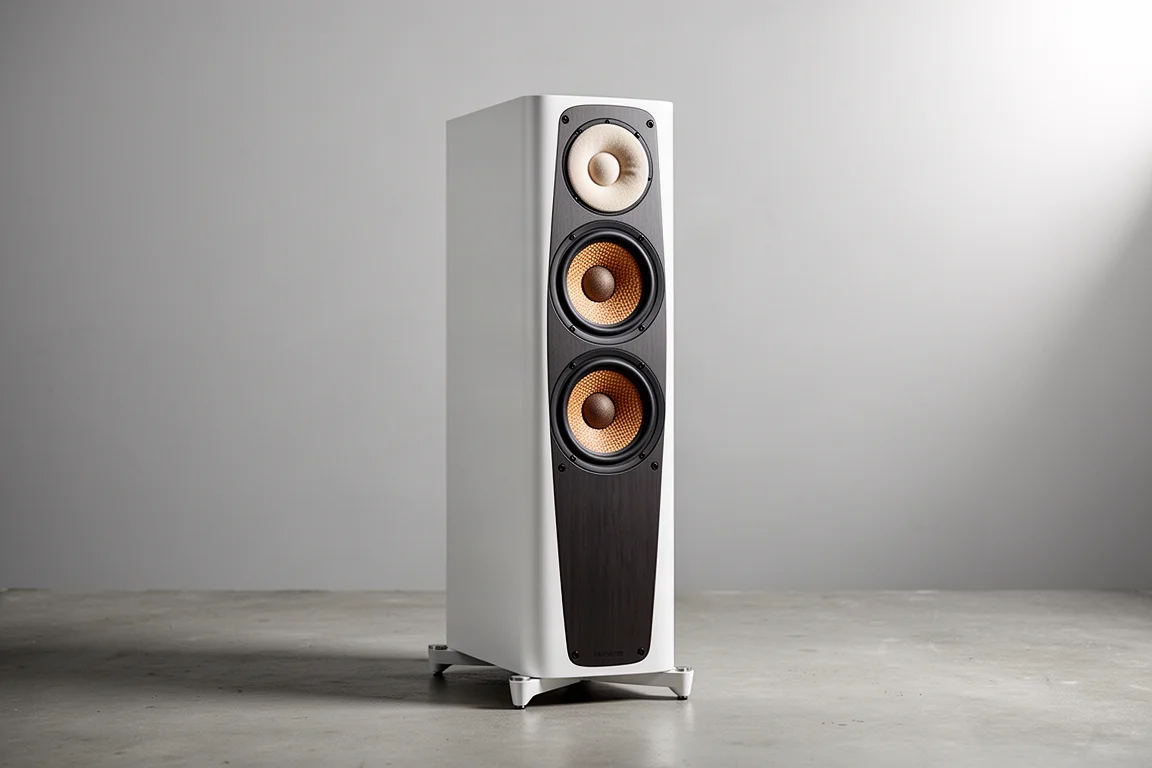
$550 buys the Emotiva XB2, though Emotiva runs sales often enough that a 20% discount is usually within reach. If clarity is the priority, nothing at this price comes close. Detail retrieval is the entire point of the design.
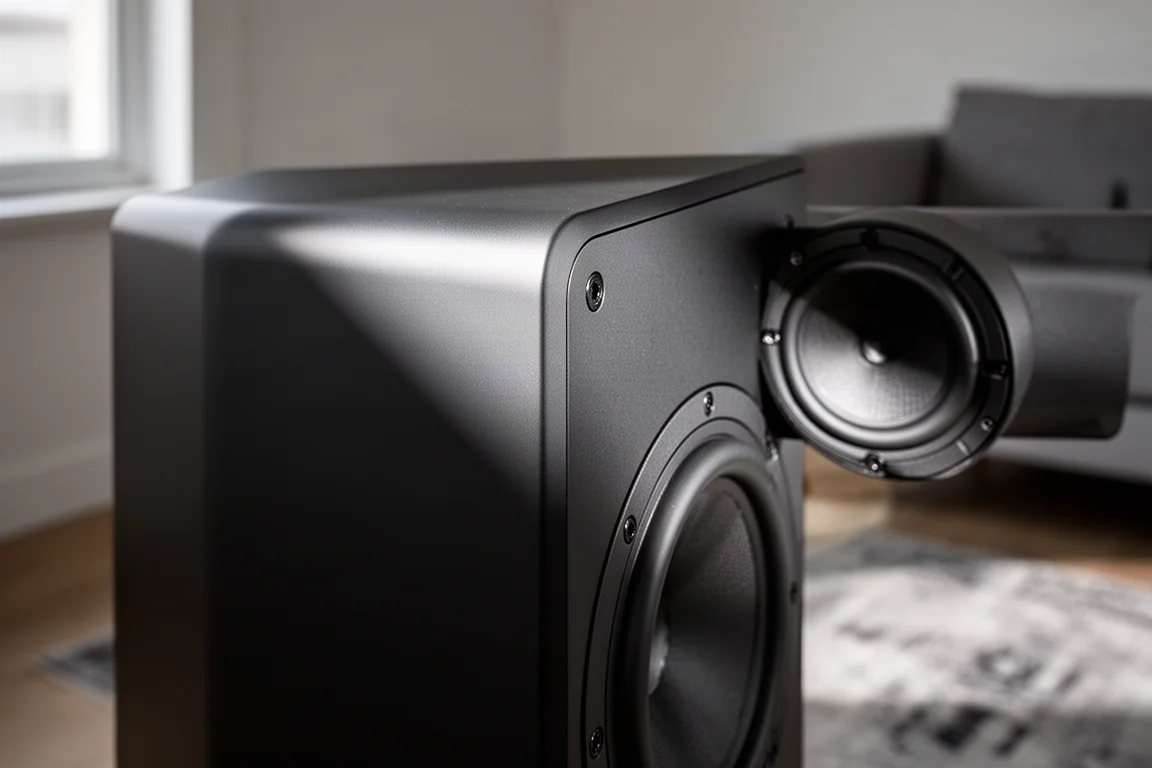
The styling divides people. It comes in any colour you like as long as it is black, and it looks like a piece of 1980s science fiction. What the speaker does best is define a preference: once you have spent time with a clarity-first presentation, every other speaker gets measured against it. Your own preference might be warmth or mid-range accuracy instead, and knowing that before you spend is worth a great deal.
Geshelli Labs J3: Small Workshop, Big Character
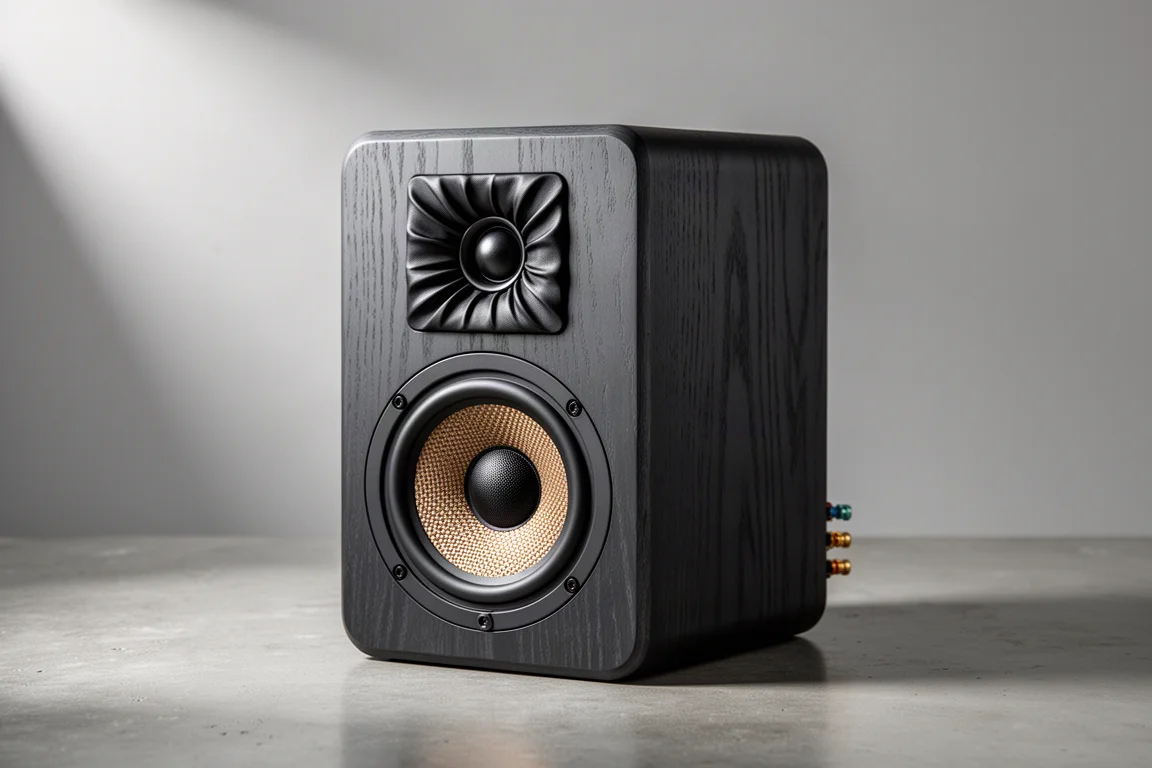
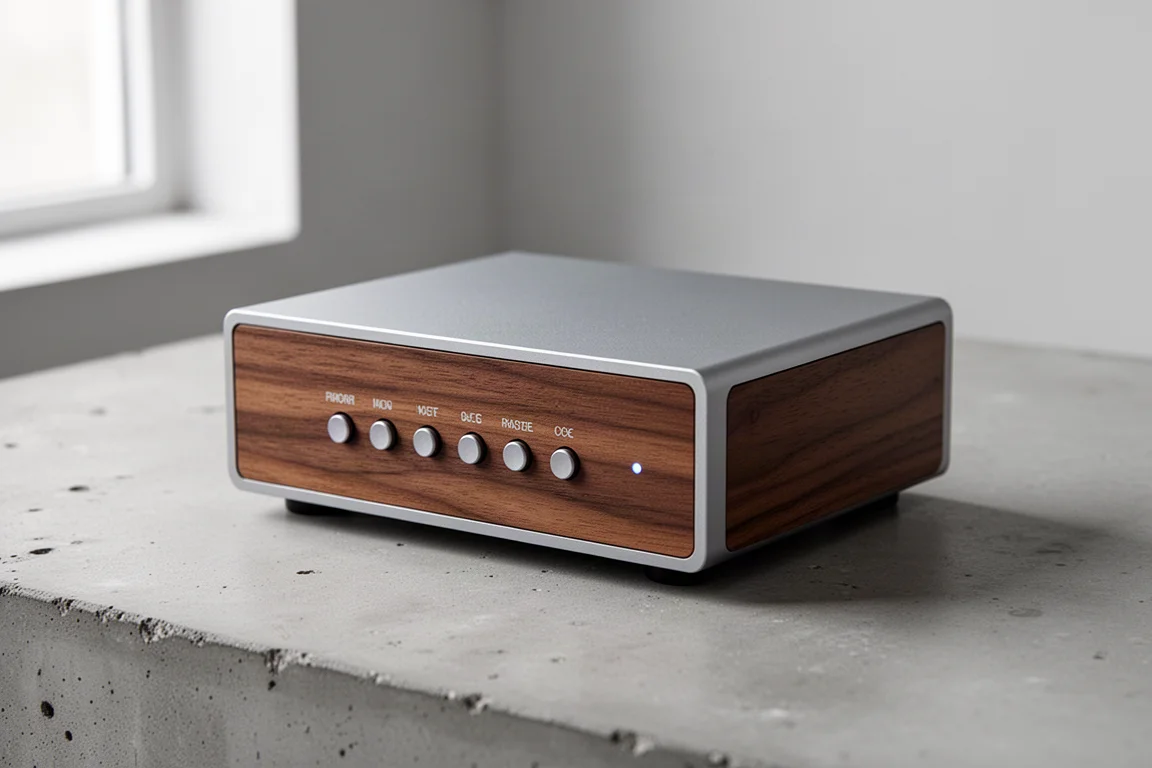
The Geshelli Labs J3 runs about $560 to $570 depending on how you specify it. A wood case and upgraded op amps push the price higher. Inside, the AKM4499 chipset delivers dynamics, bass control and a wide soundstage.
The story behind it is a large part of the appeal. The J3 is handmade in Florida by a multi-generational family: one member builds the wooden cases, another designs the electronics, and the design philosophy grew out of solving problems with limited resources. Small-operation, family-built gear with a genuine story behind it is a combination that is hard to find at any price.
Q Acoustics 5040: Warm Mids, Room-Friendly Design
Around $1,500 per pair, the Q Acoustics 5040 is a floorstanding speaker available in several finishes. The mid-range carries a touch of warmth that makes familiar recordings sound more realistic, and the curved edges and simple silhouette help the speaker settle into a room rather than dominate it.
That last point deserves more attention than it usually gets. A speaker can sound excellent and still go unused if the people you share a home with dislike how it looks. Household approval is a real part of long-term enjoyment, and it is far easier to relax into a system that everyone is happy to have in the living room.
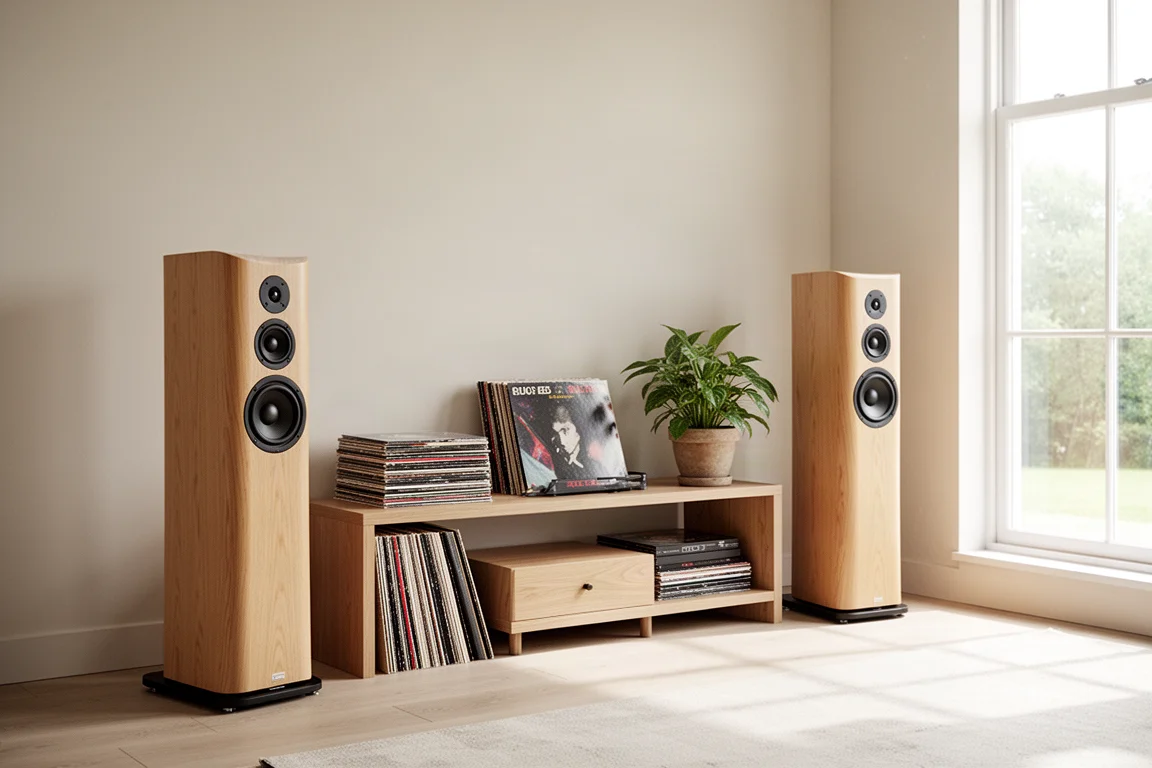
Fortunately the 5040 does not ask for that compromise. It sounds convincing and it blends in, which is a rare combination at this price and the reason it tends to stay put once it arrives.
Unison Research Unico Primo: A Face Behind the Amplifier
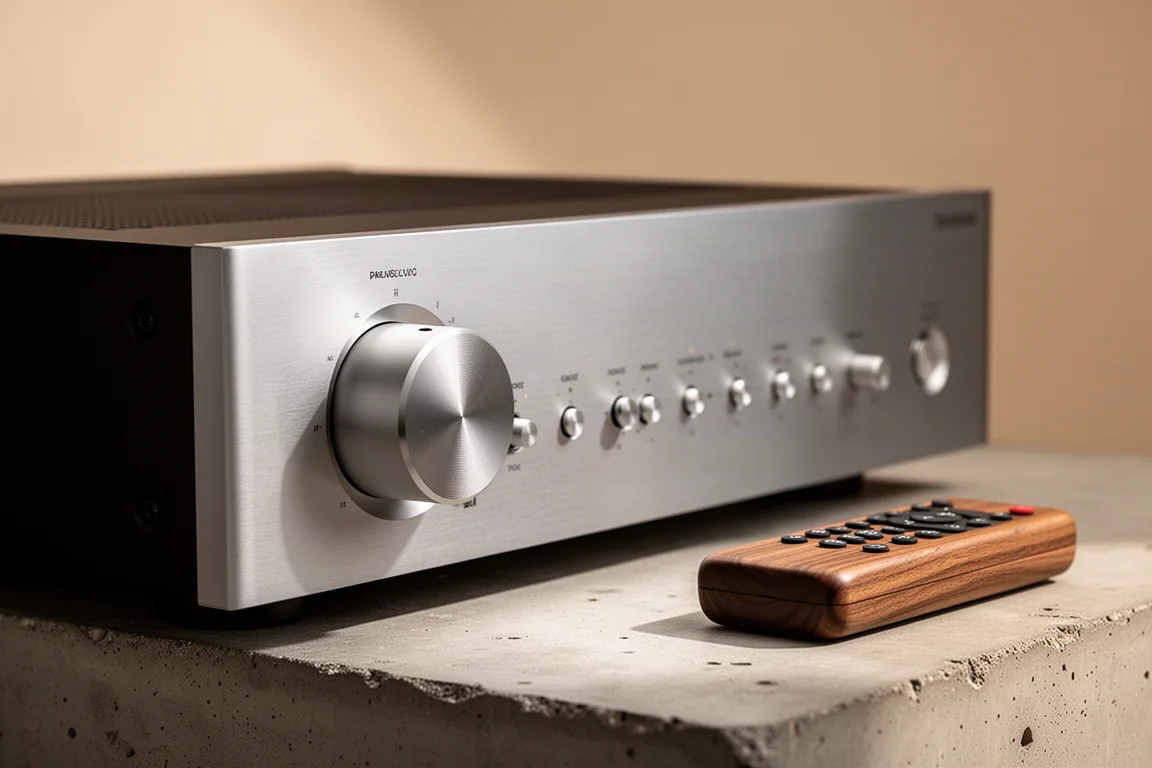
The Unico Primo from Unison Research costs about $2,300, and that figure includes a phono preamp. It has a slightly warm character, plenty of current on tap, and enough drive for speakers that are hard to run. Build quality is outstanding.
Visually it is restrained, especially next to the Advance Paris A10 Classic at a similar price. What it offers instead is provenance: a family business, a visible place of manufacture, and a real person associated with the design. When performance is roughly equal, that human connection is often what decides which amplifier stays.
Fosi Audio ZA3: Affordable Flexibility
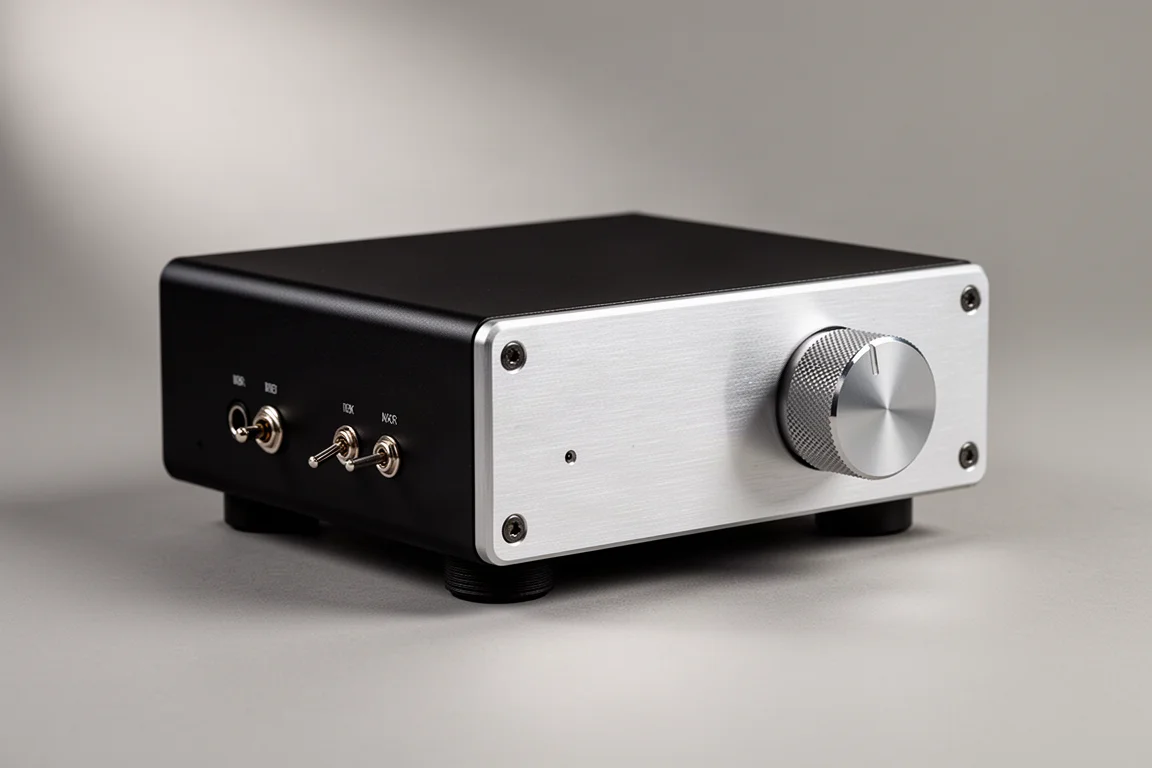
At roughly $150 each, the Fosi Audio ZA3 is the least expensive component here and one of the most enjoyable. It can be run in mono, so a pair gives you more headroom, and it accepts op amp swaps, which means it can be upgraded as your system and your taste develop.
Gear that grows with you is rare at this price. The ZA3 is a low-risk way to experiment with amplification and to keep a system flexible while you work out where the real money should go.
How to Choose Gear You Will Actually Keep
Start with performance, because nothing else compensates for a component you do not enjoy listening to. From there, weigh the factors that predict whether a piece stays. Does it look good enough that you want it in the room? Does it deliver value that makes sense at its price? Is there something about the maker that you connect with?
It also helps to be honest about your own preferences. A clarity-first presentation, a warm mid-range, or a dramatic illuminated front panel will each appeal to a different listener, and none of those choices is wrong. The most expensive option is rarely the one that ends up being used the most.
Conclusion
The components here stay for different reasons: striking looks, exceptional value, a family story, or a design that fits a shared living space. What they have in common is that they earn their place through daily use rather than on a specification sheet. Use those criteria as a filter when building or refining a system, and buy the gear you will genuinely want to switch on.
Further reading
Related Reviews
Hi-Fi Audio
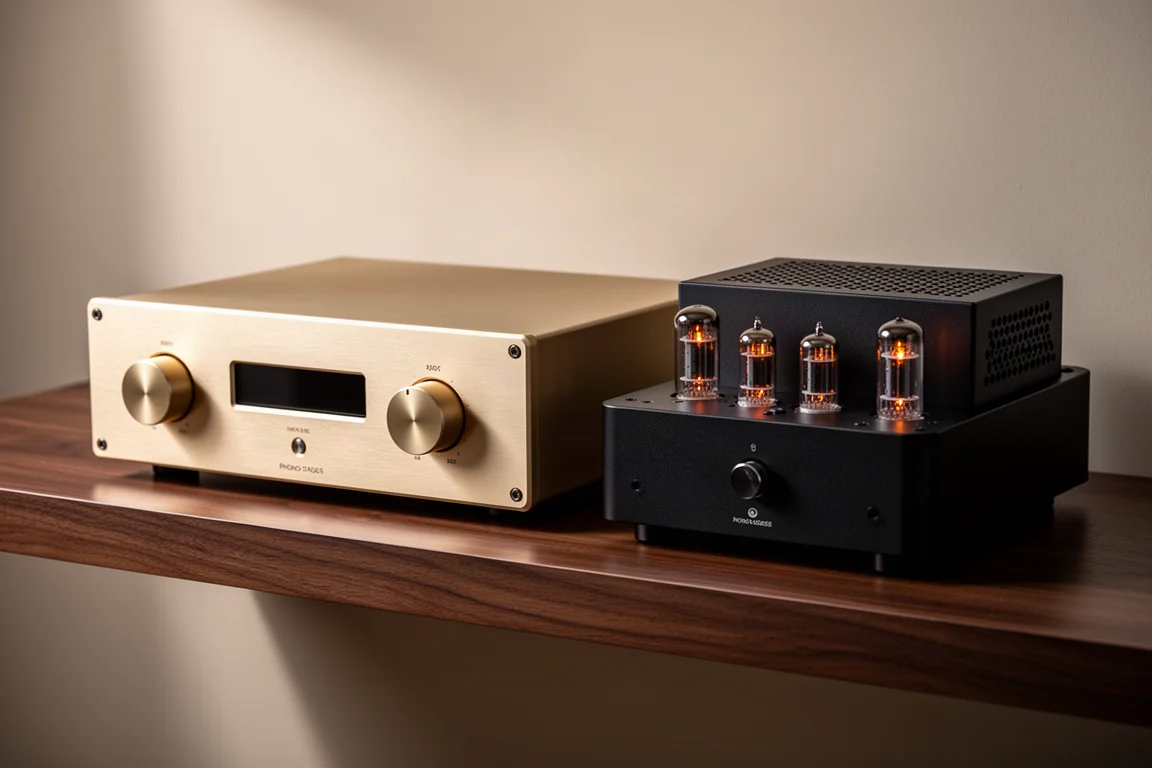
Accuphase C-57 vs Allnic H-7000V: Two High-End Phono Stages Compared
A fully balanced solid-state phono stage with a pitch-black noise floor meets a tube design built for well-loved records. Here is how to choose between them.
Hi-Fi Audio
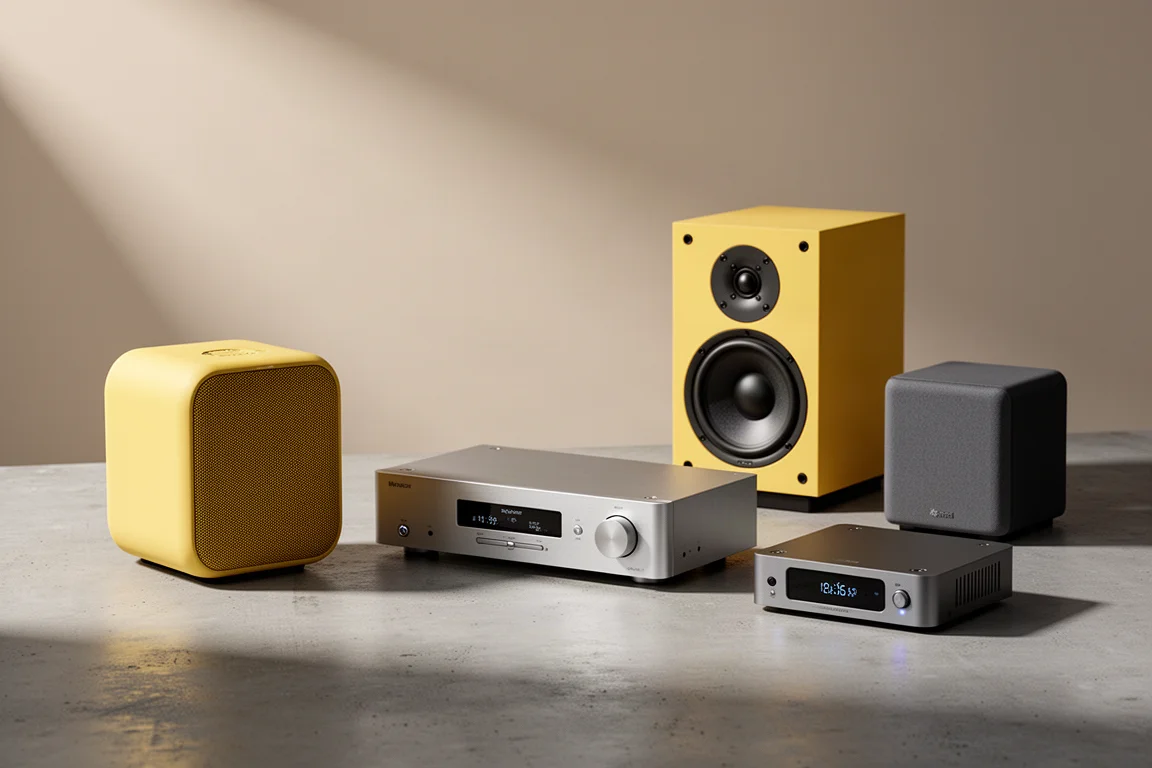
Active vs Passive Hi-Fi: Five Components for a Modern System
Five components that define modern active and passive hi-fi systems, with the strengths, trade-offs and setup details worth weighing before you buy.
Hi-Fi Audio
Advance Paris A10 Apex Review: A Hybrid Integrated Amplifier That Covers a Lot of Ground
A French hybrid integrated amplifier with a class A tube preamp stage, analogue power meters, and an internal DAC and phono stage good enough to make extra boxes unnecessary.