Backpacking Gear
Nine Backpacking Items Under $30 That Make a Real Difference
Nine inexpensive backpacking accessories that solve specific trail problems, from water bottle measurements to no-sew gear repair.
Introduction
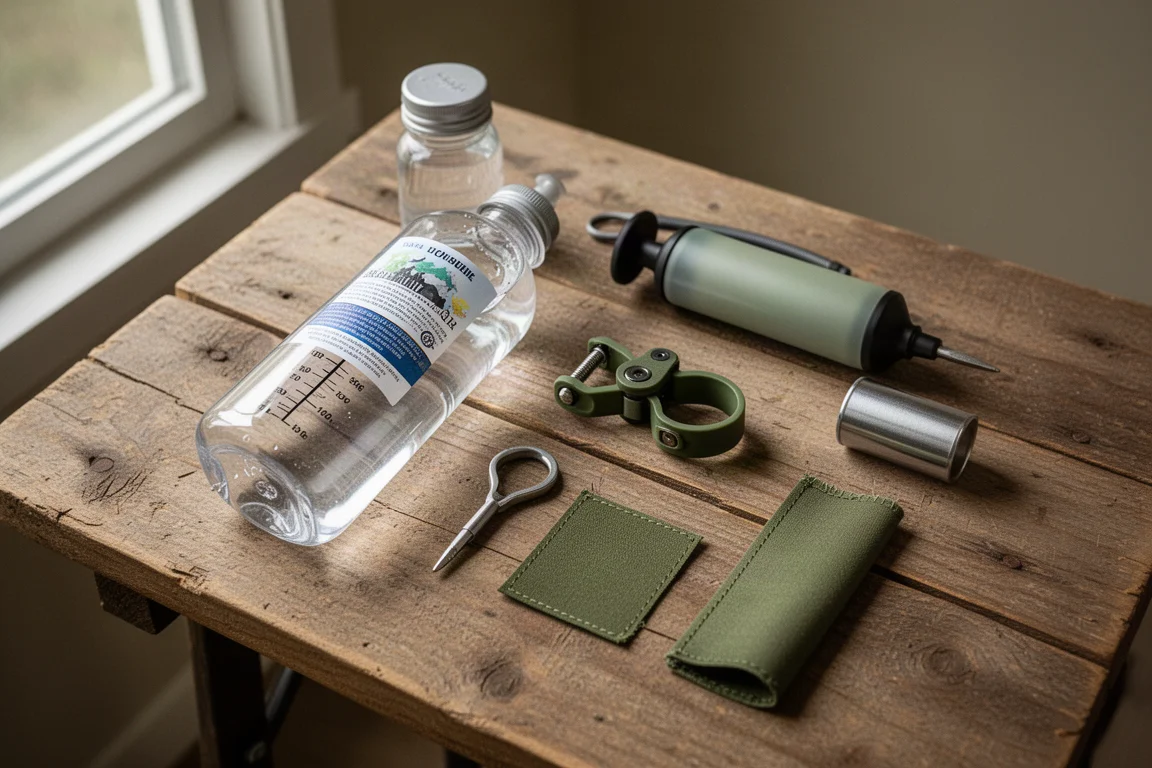
Backpacking conversations tend to circle the big three: tents, sleeping bags and packs. Those are the expensive purchases, and they deserve the attention. The items that quietly change how a trip feels, though, often cost less than a restaurant meal. A measurement sticker, a magnetic clip, a pump the size of a deck of cards: none of them will make headlines, but each one removes a small, recurring annoyance from the trail.
This guide covers nine backpacking items that sell for under $30 and earn their place in a pack by solving a specific problem. Some are tools you will reach for every day. Others sit at the bottom of a stuff sack until the moment you need them, and then they matter a great deal.
How These Items Earn Their Place
A useful piece of small gear has to justify the space and weight it takes up. The items below share a few traits. They are inexpensive, they are light enough that you will not notice them in your pack, and they address a problem that comes up often enough to be genuinely irritating. Simplicity counts too, because a tool that requires an app, a charge or a manual every time you use it tends to stay at home.
That filter is also why a few well-known gadgets are missing from this list. A product that promises convenience but does not perform in real conditions is worse than carrying nothing at all.
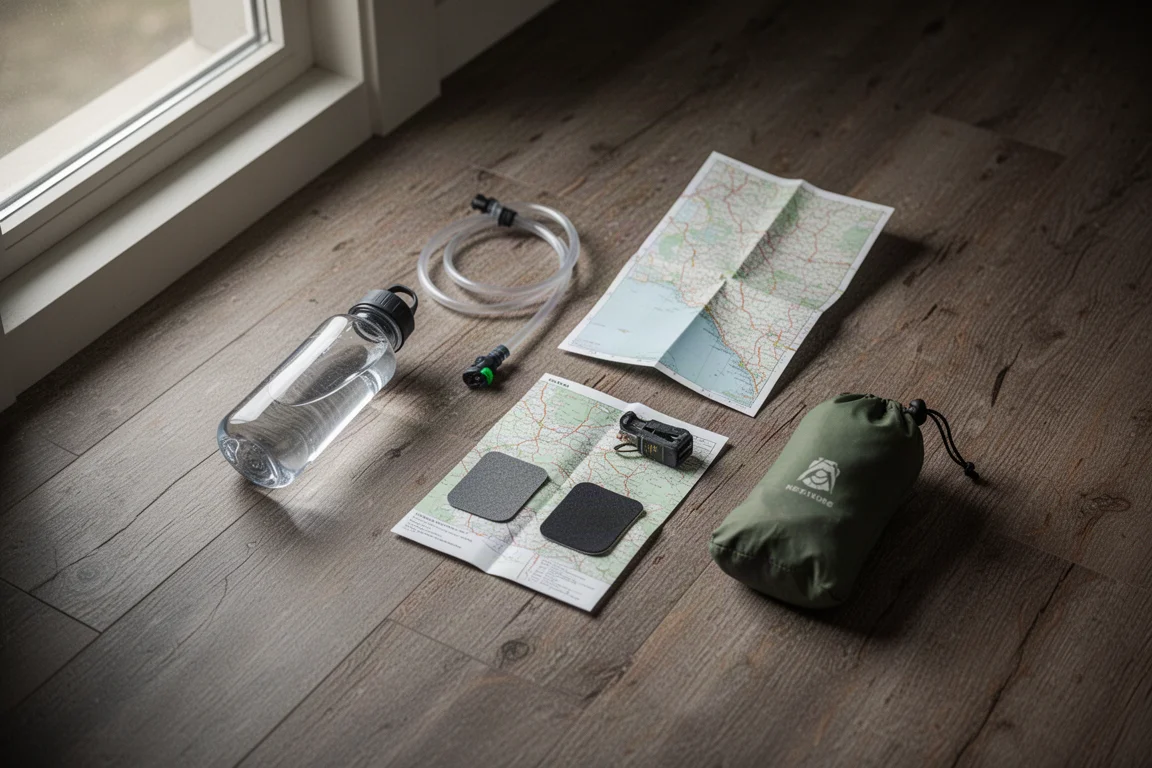
The result is a set of purchases that are easy to justify one at a time. None of them requires a budget conversation, and most of them last for seasons rather than trips.
Bottle Genius: Measurements on a Standard Water Bottle
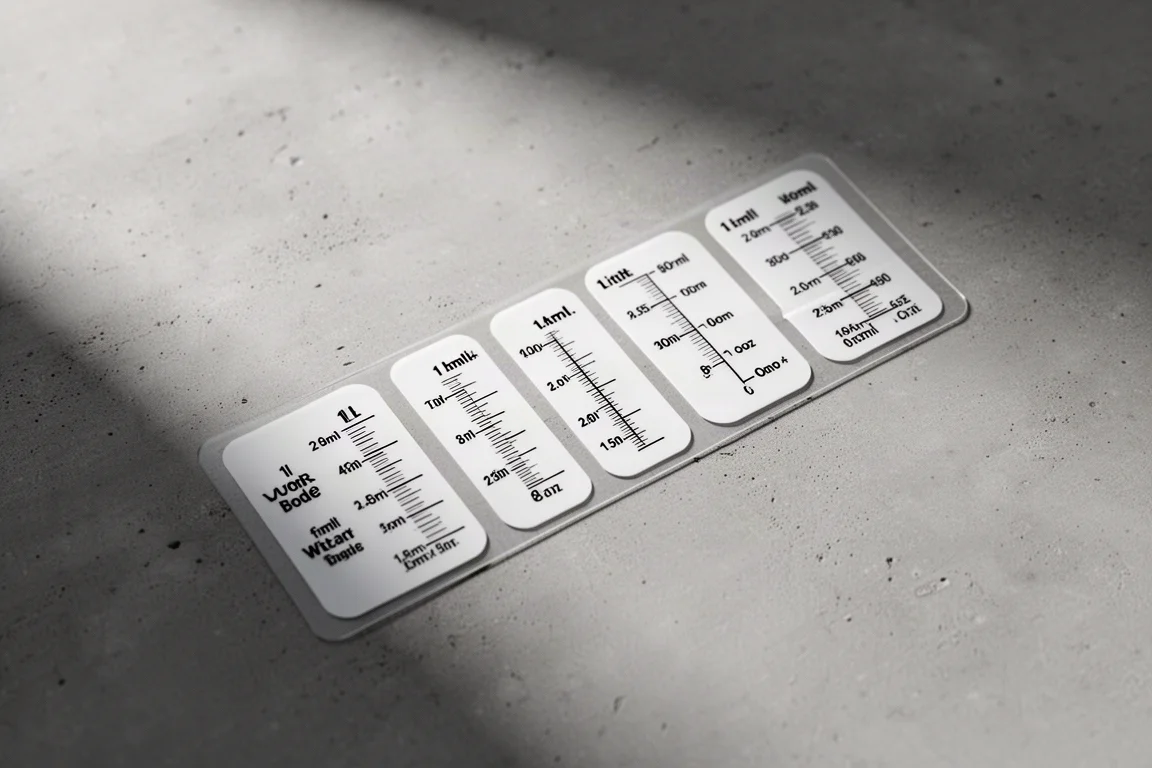
Almost every backpacker ends up carrying a 1-liter Smartwater bottle at some point. They are inexpensive, nearly indestructible and work well with squeeze filters. The one thing they lack is a way to measure. The Bottle Genius sticker solves exactly that. It is designed to sit on a standard 1-liter Smartwater bottle and provide accurate volume markings, so the bottle doubles as a measuring cup.
That matters more than it sounds. Powdered drink mixes are usually portioned for a 500 ml bottle, so mixing one into a liter bottle turns into guesswork. With clear markings on the side, you can add the right amount of water for a drink mix, or measure water for cooking, without packing a separate measuring cup.
One Bottle Hydration Magnetic Clip: Keeping the Drink Tube in Place
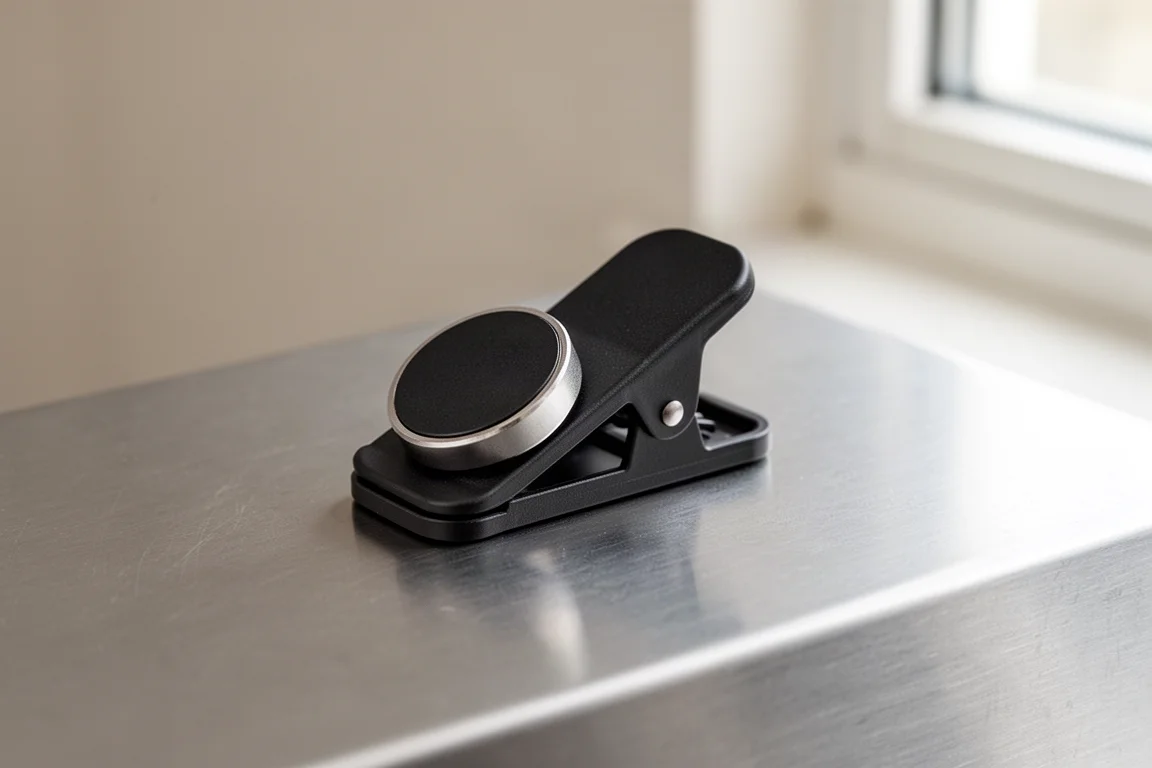
Turning a water bottle into a hydration reservoir is a popular trick, but the drink tube has a habit of flapping around while you walk and slipping behind your back where you cannot reach it. The One Bottle Hydration magnetic clip is a small, inexpensive answer to that. It holds the tube exactly where you want it and effectively turns any pack into a reservoir-friendly pack.
The same company also sells bottle adapters, though the magnetic clip is the piece that earns its place in this list. It is the kind of addition you forget about until you hike a full day without the tube swinging against your shoulder.
Flextail Gear Pump: Inflating a Pad Without the Breathlessness
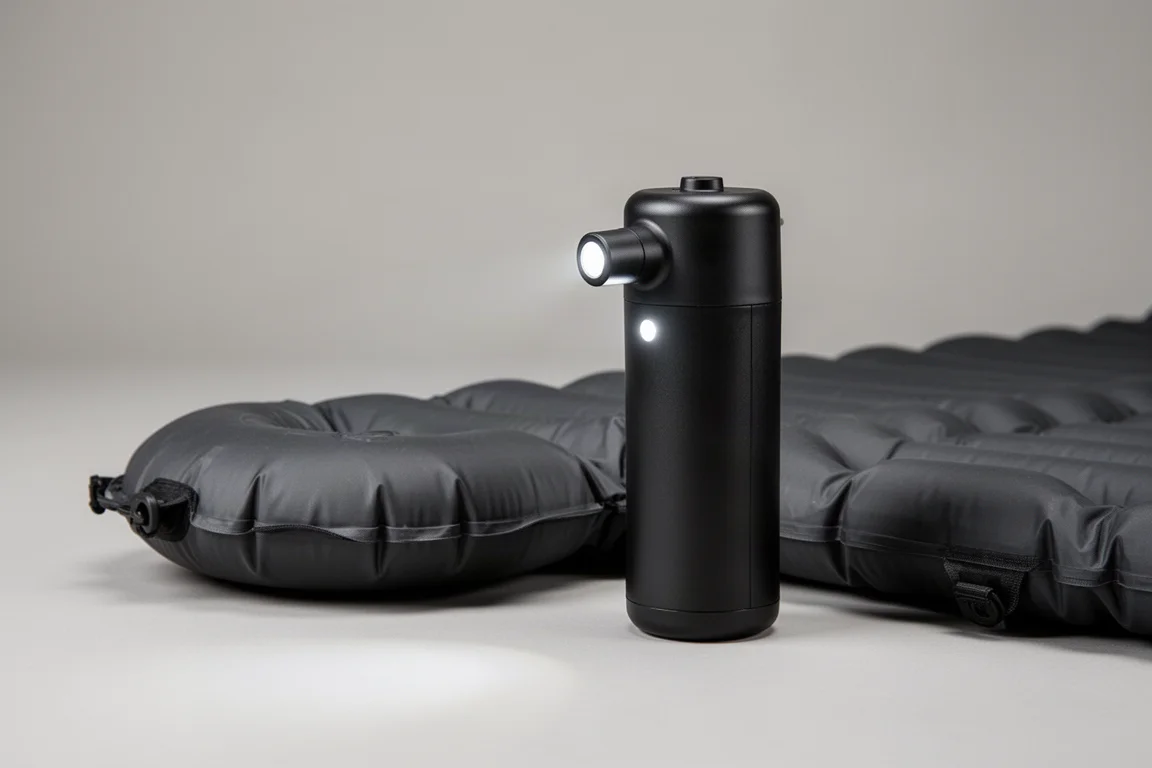
Airing up a sleeping pad is one of the least enjoyable chores at camp. Inflating by mouth can push moisture inside the pad, which can lead to mold and can reduce the pad’s insulating value. Inflation bags avoid that problem but still take time and effort. The Flextail Gear pump weighs about 3 ounces, roughly the same as an inflation bag, and has enough power to inflate a mattress several nights in a row.
It also includes a small light, which is a bonus rather than the reason to buy it. For anyone who inflates a pad every single night, the pump replaces a repetitive chore with a one-button task.
Natural Atlas: Navigation, Route Planning and Conditions
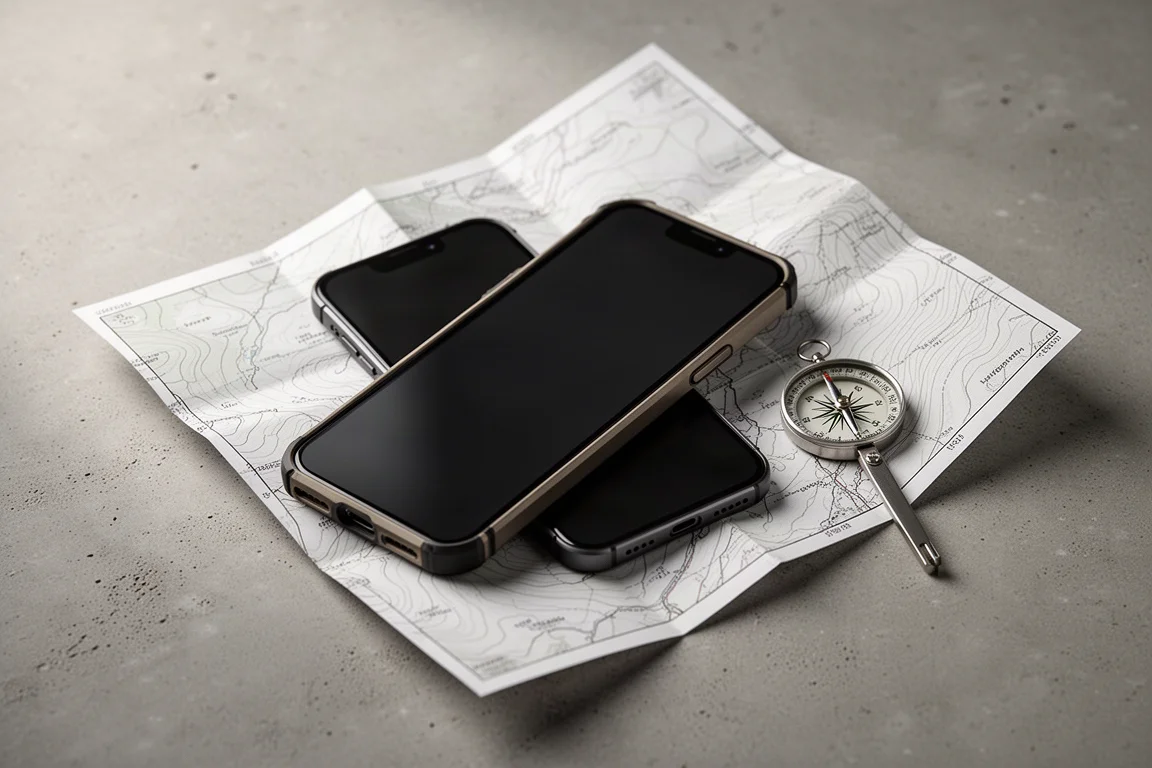
Navigation on trail usually comes down to a GPS app on your phone, and Natural Atlas is built around a trail measurement tool that automatically snaps measurements to the nearest trail, giving you map-style distance and routing features. It is useful while hiking, while planning routes ahead of time, and even while driving through remote areas.
Newer features include a smoke overlay that shows how fires might be affecting your hike, plus 48-hour weather predictions that cover the temperatures you can expect in the exact area of your route along with rain forecasts. The full feature set runs $40 for the year, and a 25 percent discount brings that down to about $30.
ThermoDrop: Recording the Overnight High and Low
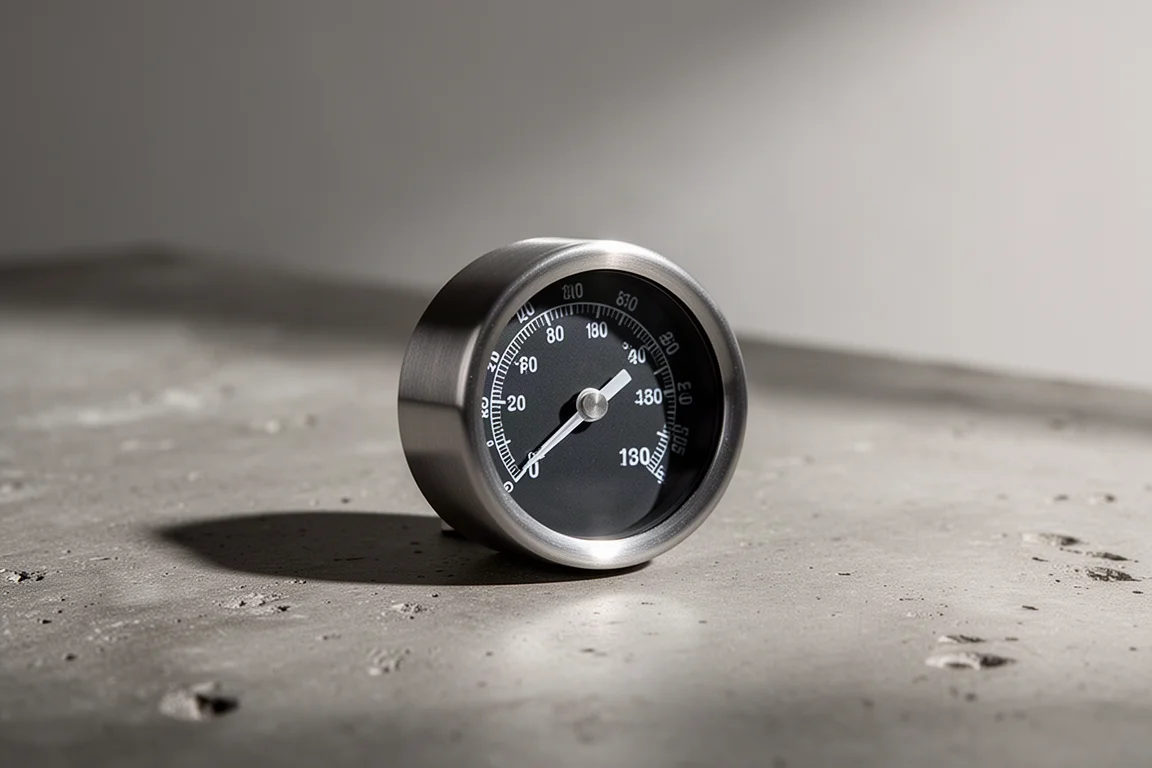
Knowing how cold a night actually got is genuinely useful information, especially if you are testing a sleep system. A standard thermometer only tells you the temperature at the moment you look at it, which means getting up repeatedly in the dark to check. The ThermoDrop records the high and the low while continuously displaying the current temperature.
It is deliberately simpler than an app-connected thermometer that logs full graphs overnight, because in practice the two numbers that matter are the high and the low. There is nothing to pair, nothing to interpret in the morning, and no battery-draining connection to manage.
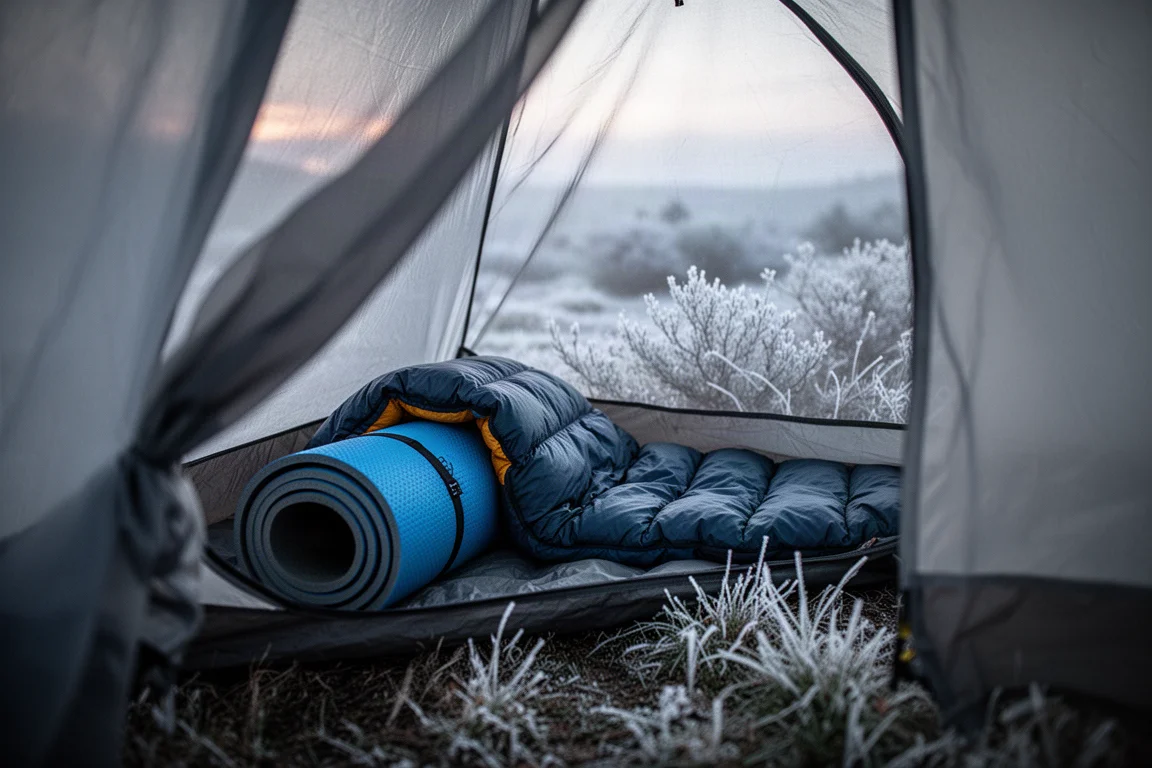
That simplicity is the whole appeal. You glance at it before bed, glance at it again at breakfast, and you know exactly what your sleep system faced.
Stick Stashers: Stowing Trekking Poles With Magnets
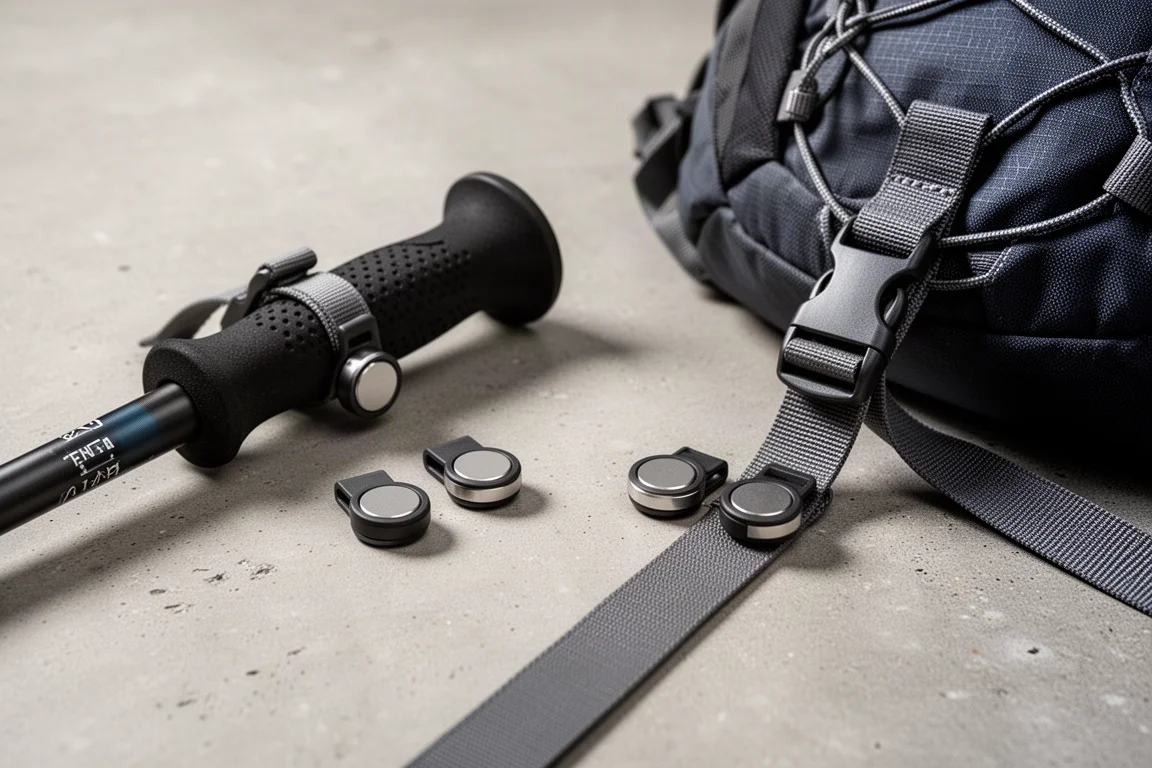
Trekking poles are excellent until you need your hands. Scrambling over rocks or helping a companion adjust a pack quickly raises the question of where the poles go. Stick Stashers offers a neat solution using two sets of strong magnets. One set attaches to your poles, the other to the compression straps on the side of your pack. When your hands are needed, you reach behind and clip the magnets together.
There is a short learning curve. Locating the magnets on the pack takes a few attempts, and it is easier to reach across the body, stashing the left pole on the right side. After four or five tries it becomes second nature. This is a solution for quick stashing rather than long-term storage, which is exactly the gap it fills.
Sawyer Picaridin Lotion: Tick and Mosquito Protection
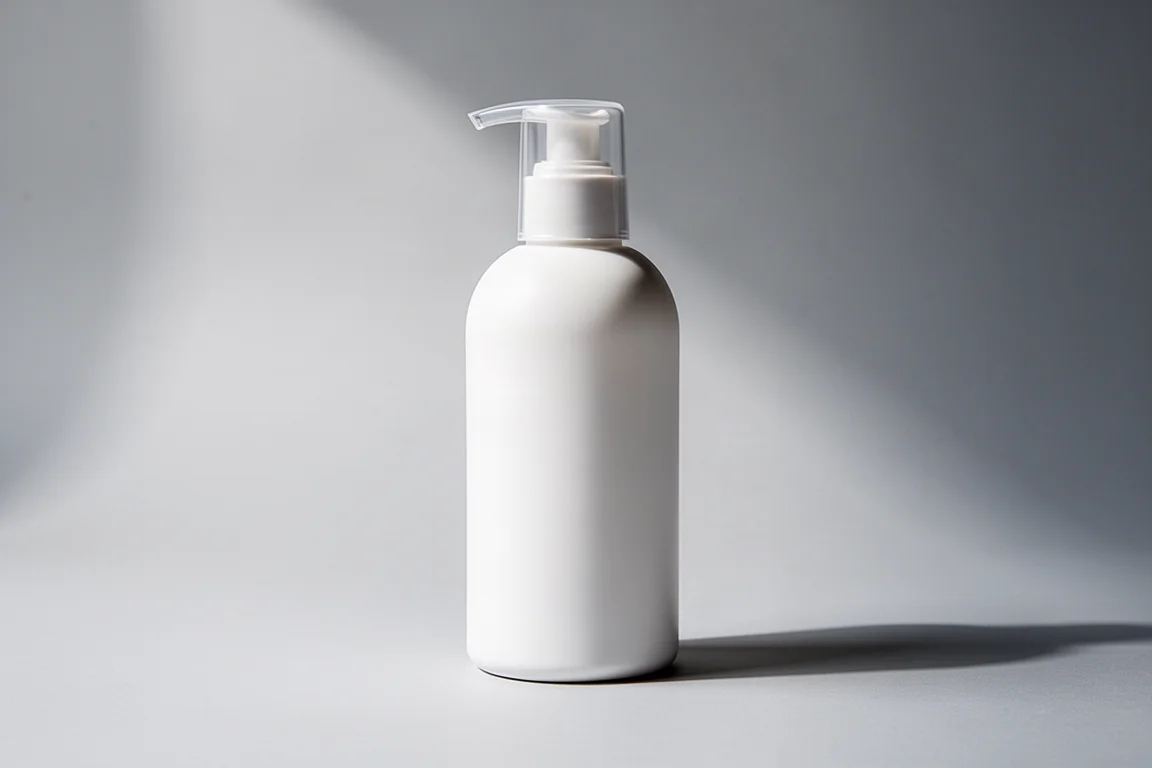
Ticks and mosquitoes can turn a good hike into a bad week, and repellent is one of the cheapest forms of insurance available. Sawyer Picaridin lotion is applied to the skin and repels both ticks and mosquitoes, which makes it a sensible item to keep in a pack through summer.
In tick-heavy terrain the difference is stark. A fuzzy mitt designed to be rubbed over the body to wipe ticks away removed none of the ticks picked up in an infested area, while the lotion approach left no ticks on the body the following day. If you hike where ticks are common, this is the kind of small purchase that pays for itself immediately.

It is also worth noting that repellent works best as a habit rather than a rescue. Applying it before you step into tall grass is far more effective than treating bites afterwards.
Jetboil CrunchIt: Safely Puncturing Empty Fuel Canisters
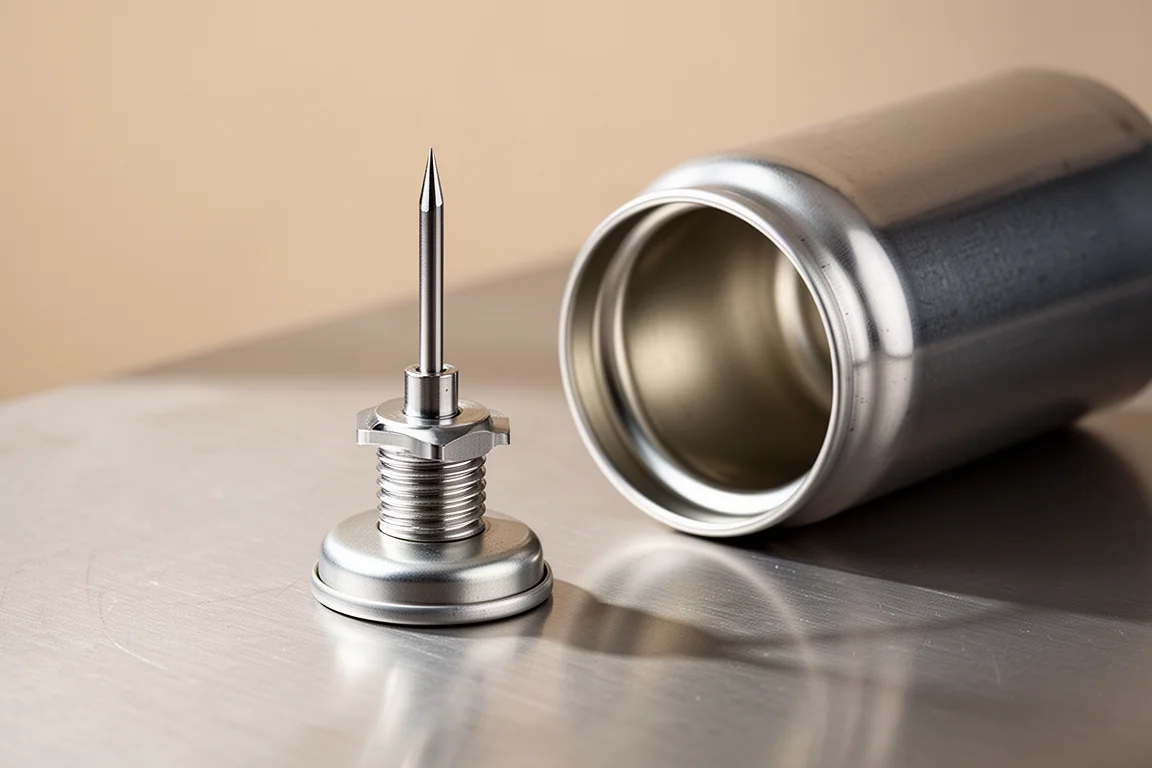
Combining half-empty fuel canisters into one full can is a tidy trick, but it leaves you with a pile of empties. Many states require canisters to be punctured before recycling or disposal, both to prove that they are empty and to remove the risk of explosion. The Jetboil CrunchIt is a small tool built for exactly that job.
First you make sure the canister is completely empty. Then you screw the tool onto the nozzle and push the sharp point into the can. Once punctured, the canister is safe to recycle or dispose of however your area allows.
NoSo Patches: Field Repairs Without Sewing
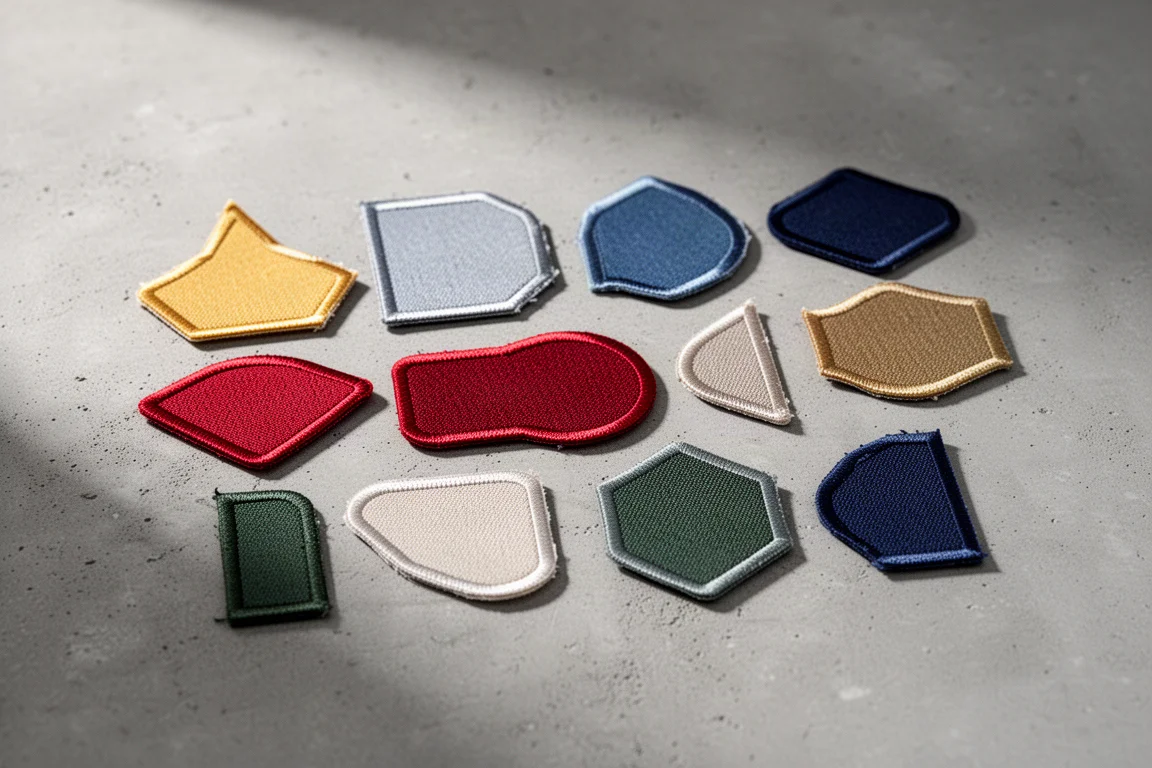
Older gear eventually develops a hole, and not everyone owns a sewing machine or trusts their own stitching. NoSo Patches are no-sew repair patches: you stick the patch onto the gear, apply a little heat, and the repair is done. They come in a range of shapes, sizes and colors, so keeping a few at home covers most small accidents.
Durability is the part that matters. A patch applied to a down jacket stayed in place through a washing-machine treatment with a down-proof product and a soak in a freezing river, with no lifting at the edges.
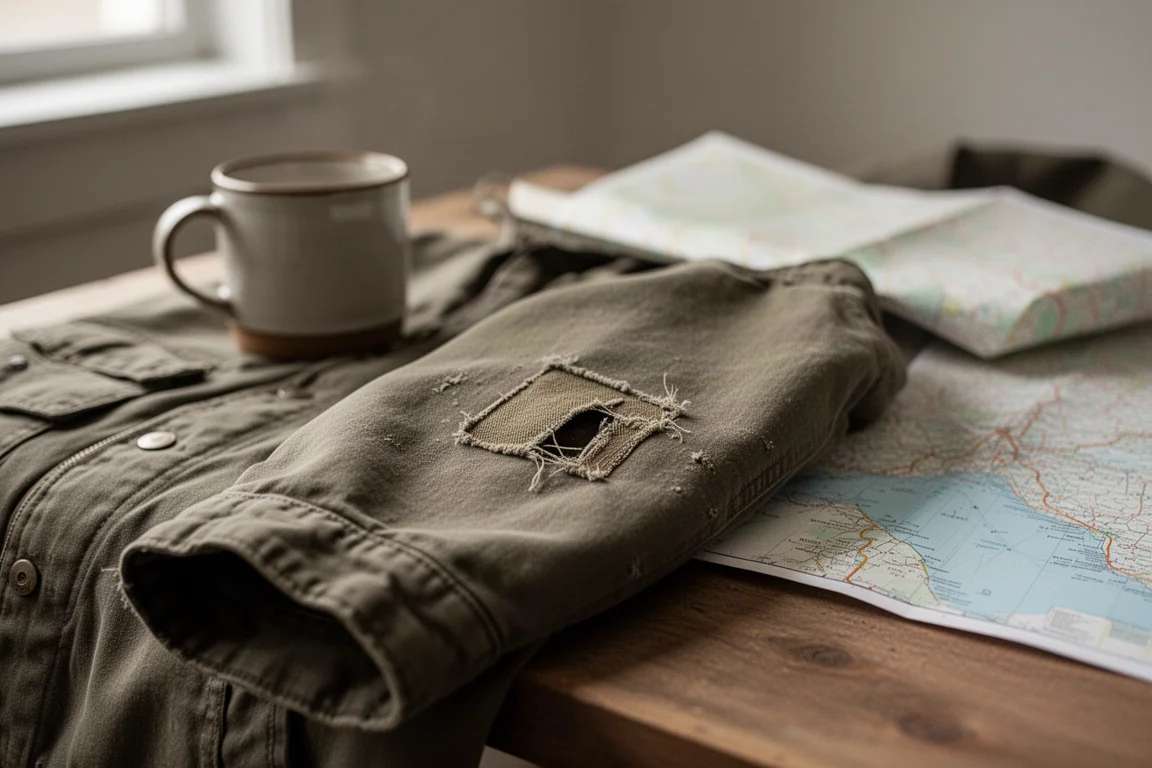
Carrying a couple of patches costs almost nothing and can extend the life of a jacket, quilt or stuff sack by another season or two.
Overall Buying Advice
None of these items requires a difficult budget decision, but it still helps to buy in the order that matches your trips. Start with the pieces that solve a problem you run into every time you go out: measurements on your water bottle, a way to keep your drink tube in place, and a pump if inflating a pad is a nightly chore.
Navigation and weather tools come next, since they shape how confidently you plan a route and how well you read conditions once you are out there. Safety and repair items, meaning repellent, a canister tool and patches, are the ones you hope never to need, but they are cheap enough that there is little reason to leave them behind.
Compatibility is worth a quick check before you buy. The measurement sticker is made for a standard 1-liter bottle, and the canister tool is designed for fuel canisters rather than any pressurized container. Matching each item to the gear you already carry is the fastest way to get real value from a very small spend.
Conclusion
Small gear rarely gets the attention it deserves, yet it is often what separates a smooth trip from a fiddly one. The nine items here are all inexpensive, all light, and each one solves a specific problem: measuring water, stowing poles, inflating a pad, reading the overnight low, keeping ticks off, disposing of fuel canisters safely, and repairing a jacket without a needle.
If you only add one or two this season, pick the ones that match the annoyances you already recognise from your own trips. That is how a $30 purchase ends up mattering more than a much larger one.
Further reading
Related Reviews

Backpacking Gear
Building a 10 lb Base Weight: An Ultralight Backpacking Gear List
A practical walkthrough of the ultralight pieces behind a 10 lb base weight, from a 765 g pack and a roomy one-person tent to a full camp chair and a dependable water filter.
Backpacking Gear
A 15-Pound Lightweight Backpacking Gear List for Solo Trips
A beginner-friendly 15-pound backpacking setup built from easy-to-find gear, with notes on what each piece does, how it packs, and where to spend your attention.
Backpacking Gear
8 Ultralight Backpacking Gear Upgrades Worth Carrying
Eight small, affordable backpacking upgrades that solve real trail annoyances, from a pillow that stays put to a fuel valve that rescues leftover canister gas.