Camping Gear Care
Nikwax Tent & Gear Solar Wash and Solar Proof: A Two-Step Routine for Cleaning and Protecting Camping Gear
A practical guide to the Nikwax Tent & Gear two-step routine, covering how Solar Wash cleans tents, backpacks and ground mats and how Solar Proof restores protection afterwards.
Introduction
Camping gear gets dirty in ways that hiking clothing does not. A fleece can go straight into the washing machine; a tent, a backpack and a ground mat cannot. Mud, grit and trail dust work their way into the fabric, and over time that contamination breaks down the coatings that keep water out. The fabric turns brittle, the colour fades, and the material becomes far more likely to tear.
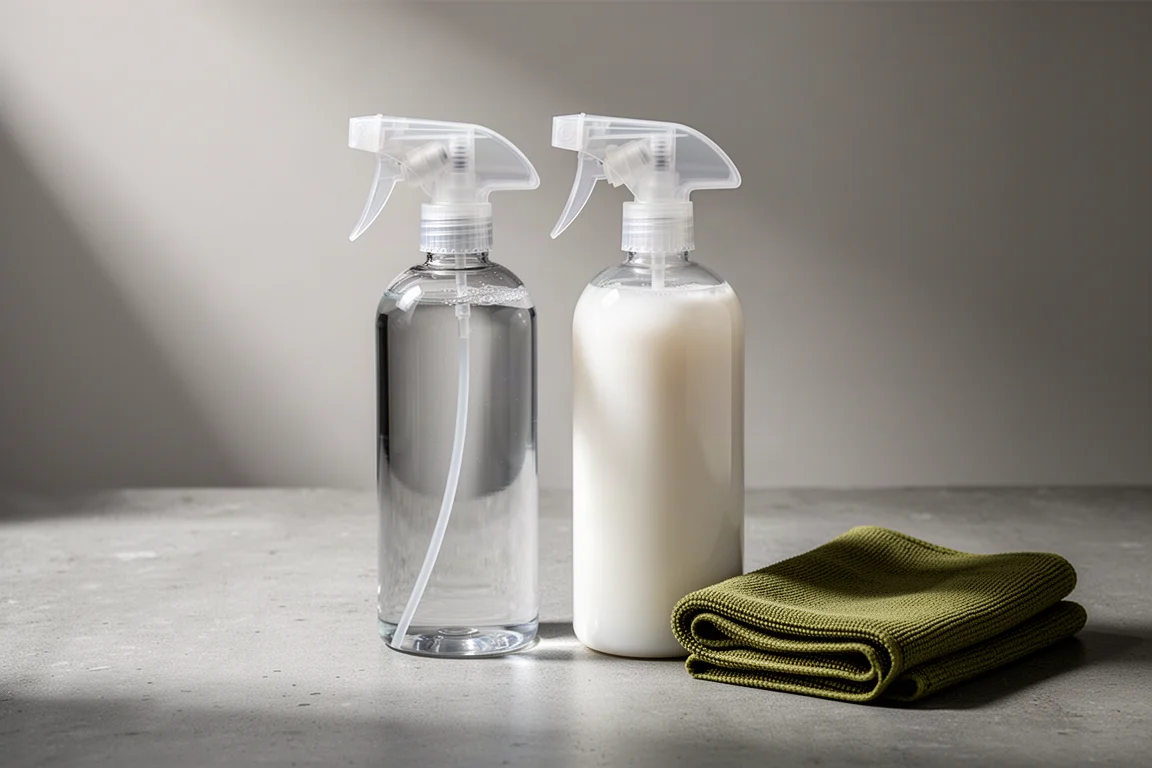
Nikwax approaches the problem with a two-part routine. Tent & Gear Solar Wash cleans the fabric, and Tent & Gear Solar Proof goes on afterwards to restore protection. Both are water-based and PFC-free, and both come in 500ml spray bottles that sell for just under £9 each on Amazon with next-day delivery.
This guide explains what each product does, how the two steps fit together, and what is worth considering before adding them to your kit.
Why Tent and Backpack Fabrics Need Regular Care
A tent is usually the single most expensive item a camper buys, and a backpack is rarely far behind. Both are built from coated technical fabrics that depend on a durable water repellent finish to shed rain. That finish does not fail overnight. It wears away gradually, helped along by dirt, UV exposure and repeated packing and unpacking.
Dirt is the part most people overlook. Once mud and grit settle into the weave, they abrade the coating from the inside every time the fabric flexes. That is why a proper clean comes before any reproofing step, and why a quick rinse at the end of a trip is not the same as genuinely looking after the gear.
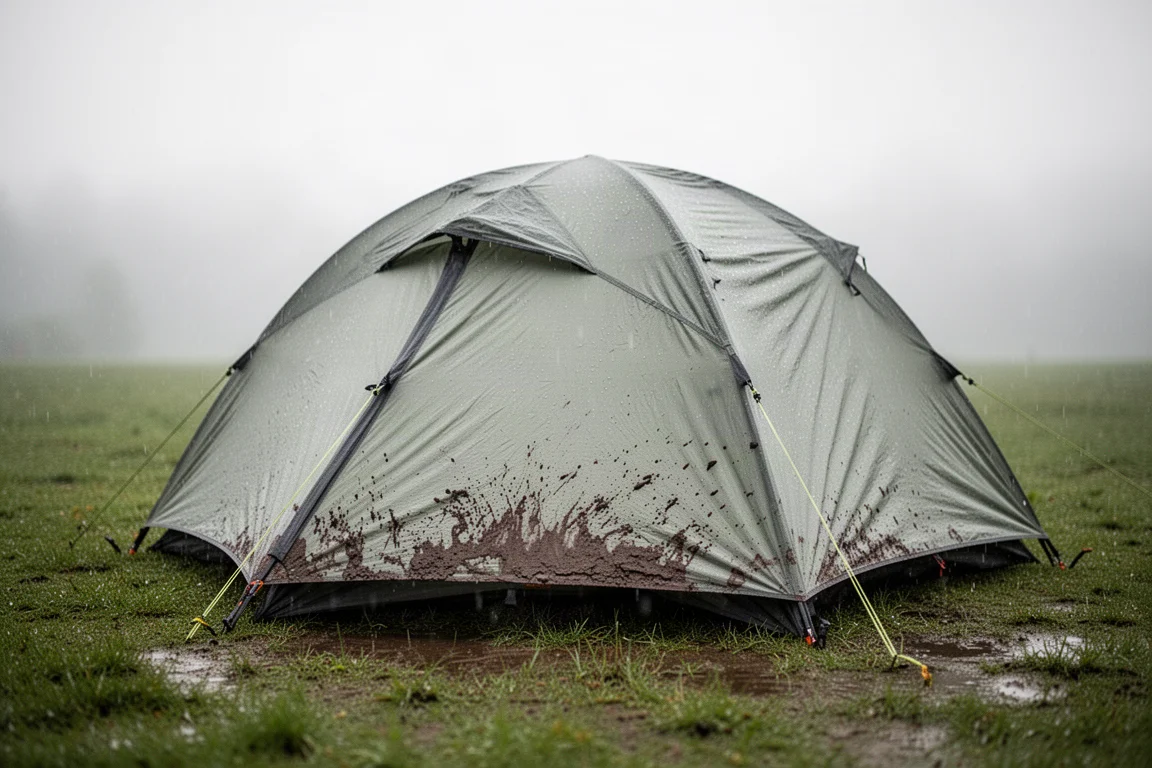
The payoff is straightforward. Fabric that is cleaned and reproofed regularly stays supple and keeps its colour for longer, and it keeps beading water instead of soaking through. For a tent that cost several hundred pounds, that maintenance is a small outlay against a much larger replacement bill.
How the Two-Step Clean and Proof Routine Works
The order matters. Solar Wash lifts the dirt, mud and residue out of the fabric, and Solar Proof is applied only once the surface is clean. Applying a proofer to dirty fabric wastes the product and produces a patchy result.
Both products are water-based and PFC-free, which means they are applied directly to the fabric and rinsed off rather than machine washed. The process is a spray, a short working-in period, a couple of minutes of dwell time, and a gentle rinse. Nothing about it is complicated, but it does need to be done outdoors or somewhere a hose can reach.
Step One: Cleaning with Nikwax Tent & Gear Solar Wash
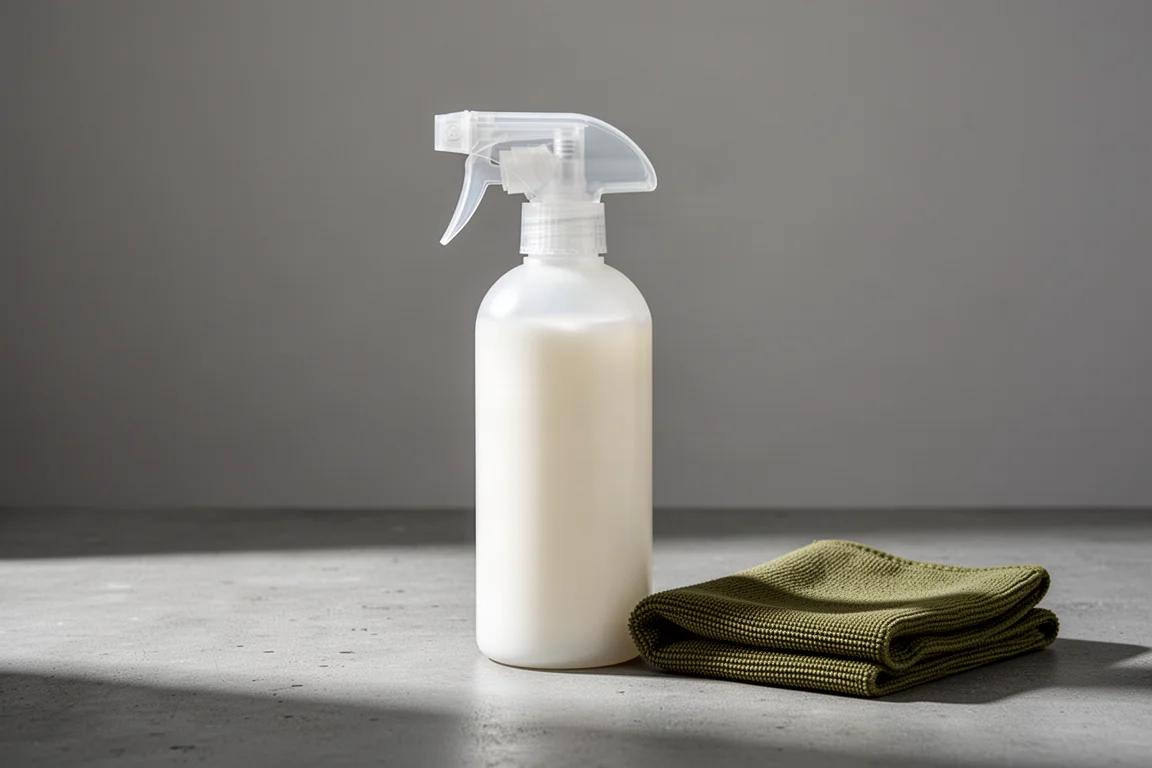
Solar Wash is sprayed straight onto the fabric and worked in with a cloth. The pack includes colour-coded cloths for exactly this job, and the product has a pleasant scent that makes the process less of a chore than it sounds.
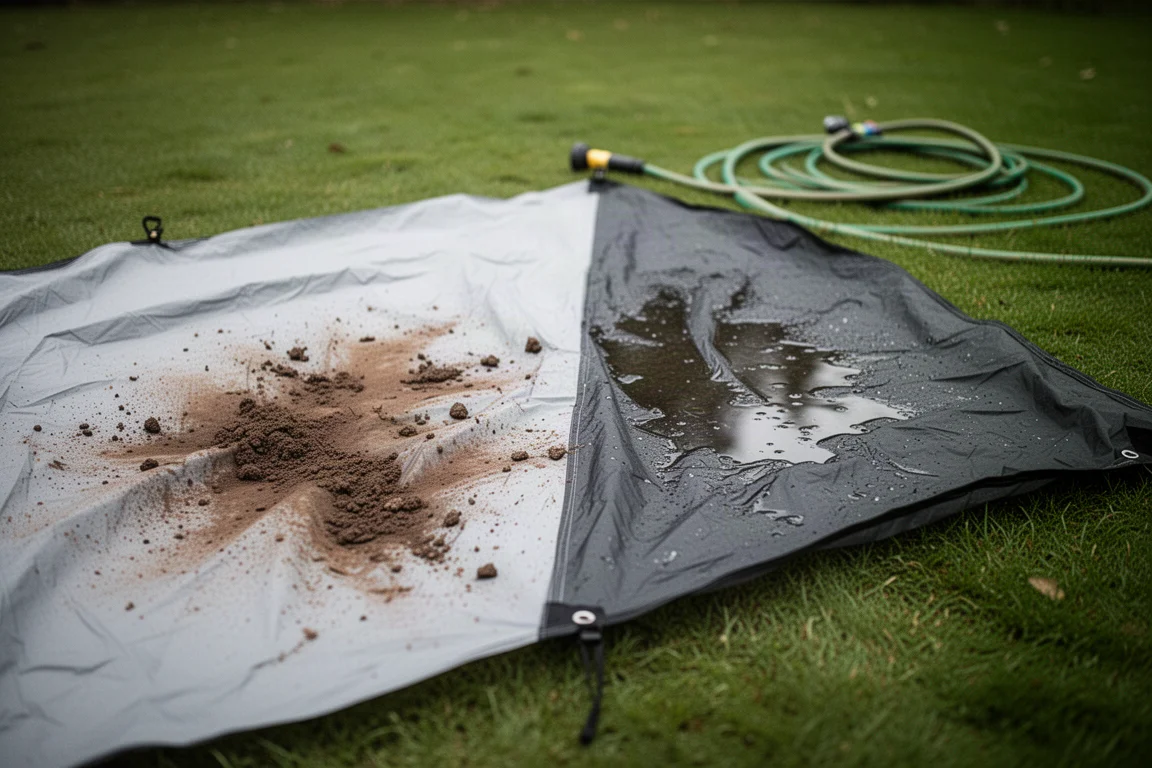
Leave it on the fabric for a couple of minutes, then rinse it off loosely with a hose. There is no need for pressure or scrubbing; a light spray all the way around is enough to carry the loosened dirt away. The same method works on the tent body, the inner floor, the bathtub floor and the ground mat.
Step Two: Protecting with Nikwax Tent & Gear Solar Proof
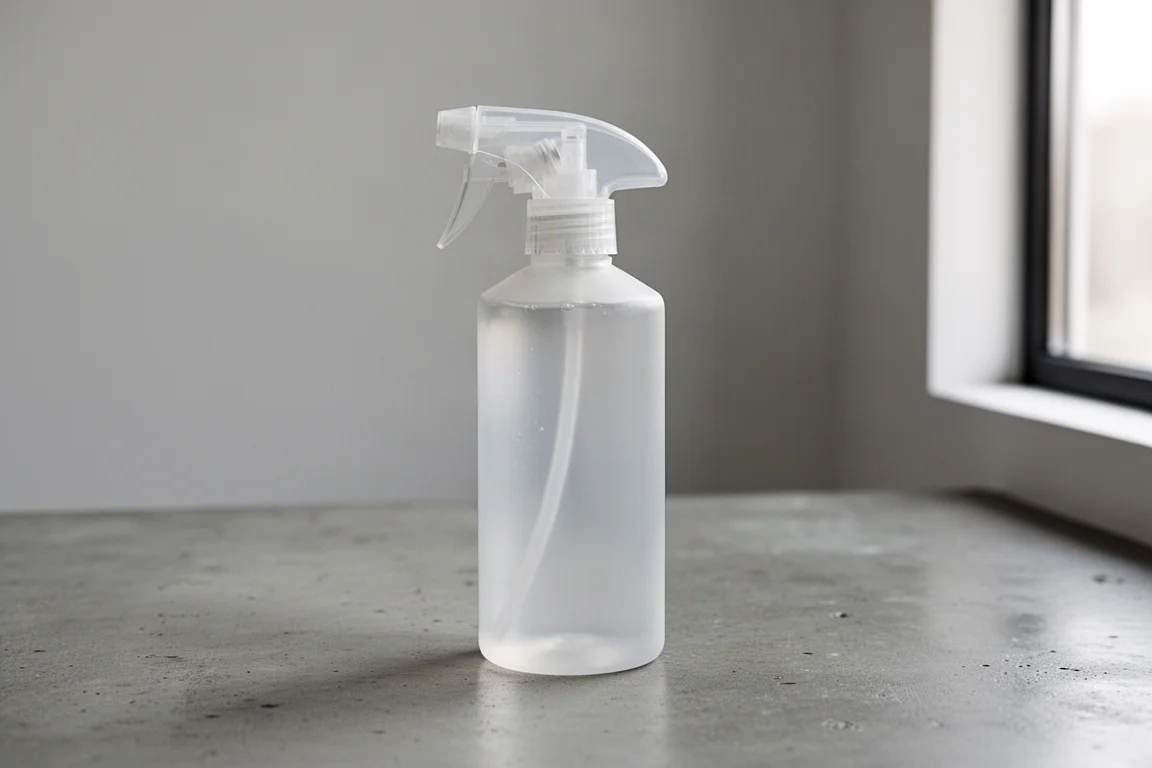
Once the tent is clean, Solar Proof goes on in much the same way: spray, work it into the fabric, leave it for around two minutes, then rinse off the residue gently. It protects the fabric from UV damage and helps maintain the durable water repellent finish that makes rain run off in the first place.
The result is visible almost immediately. Water beads and rolls off the treated surface rather than soaking in. Solar Proof is equally useful on a backpack, which picks up the same dirt and UV exposure as a tent but rarely receives the same attention.
Where This Routine Pays Off Most
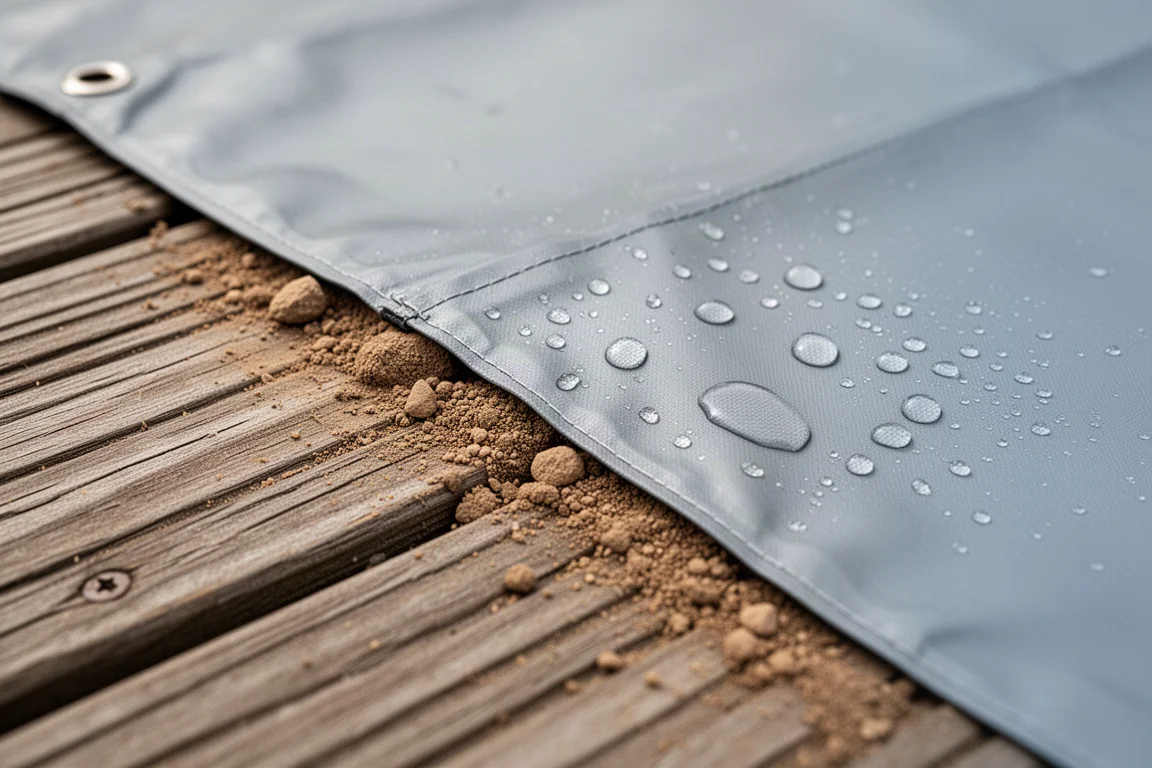
Ground mats and bathtub floors take the worst of it. They sit directly on the soil, they collect the most mud, and they are the first parts of a tent to lose their water repellency. Treating them alongside the main tent body is the single most useful habit in this routine.
Backpacks benefit in the same way. A pack that is cleaned and reproofed once a season keeps its shape and colour better, and its base stays water resistant when it is set down on wet ground.
What the Two Products Cost and What You Get
Both products come as 500ml spray bottles, priced at just under £9 each on Amazon with next-day delivery. They are sold separately, and the routine works best when both are used together: the wash first, the proof second.
For anyone maintaining more than one tent, or a tent plus a backpack and a ground mat, that is a modest outlay compared with the cost of replacing gear that has been allowed to degrade.
Practical Tips for a Better Finish
Work the product into the fabric rather than simply spraying and walking away. The cloths included in the pack make this easier, and a little effort at this stage is what produces an even finish across the whole item.
Keep the rinse gentle. A strong jet of water can push product out of the fabric before it has done its job, and it is not necessary in any case. Choosing a mild, breezy day helps as well, because the fabric will dry faster and more evenly.
It also helps to treat the whole item rather than only the visibly dirty patches. Water repellency fails in a patchwork pattern, and the areas that look clean are often the ones that have quietly worn thin.
Buying Advice for Tent Owners
These products suit anyone who owns a tent, a backpack or a ground mat and wants to get more years out of it. If cleaning is the immediate problem, Solar Wash is the place to start. If the fabric has stopped beading and rain is beginning to soak in, Solar Proof is the step that addresses it.
Because the two are designed to be used in sequence, buying both at once is the simplest approach. It also avoids the common mistake of reproofing fabric that has not been cleaned first.
Drying and Storage After Every Trip
None of this matters if the tent goes away wet. Always dry a tent fully before storage, ideally on a washing line outdoors, or airing inside if the weather will not cooperate. Never pack a tent away damp, because trapped moisture is what causes mildew, odour and permanent damage to the coating.
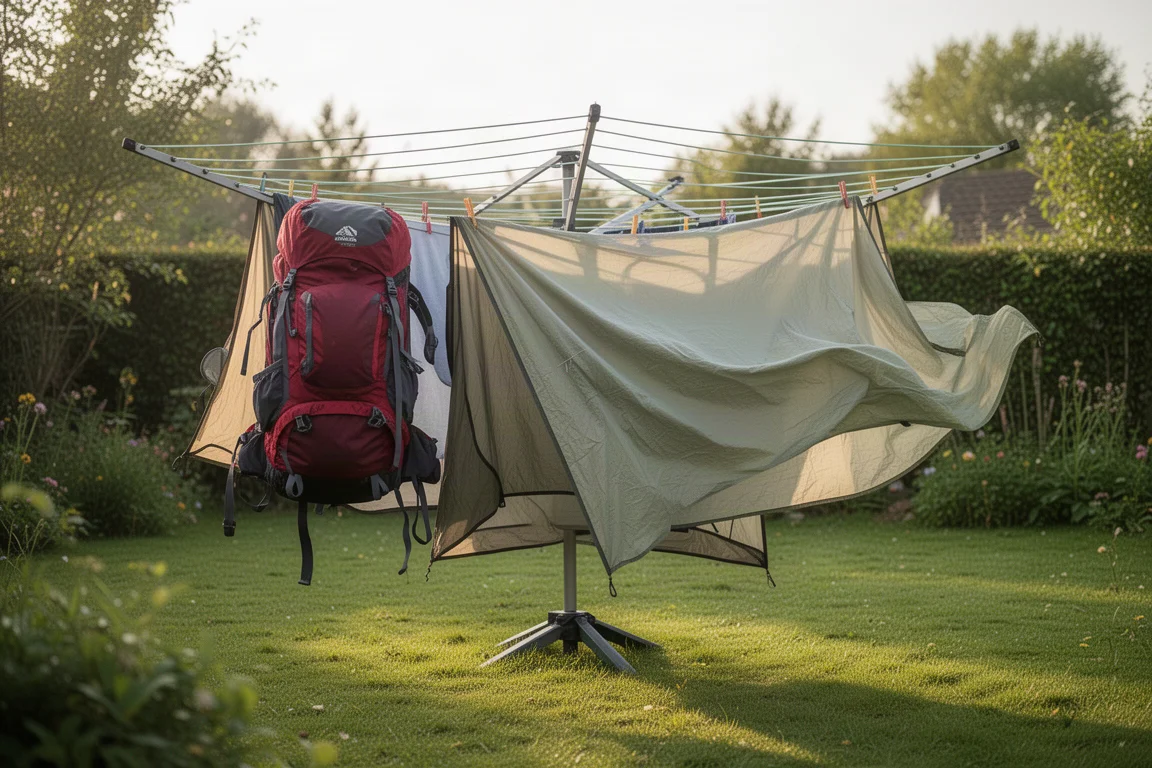
Do that consistently, alongside a clean and reproof once a season, and a tent will hold up far better than one that is simply dried and stuffed back into its bag.
Conclusion
Nikwax Tent & Gear Solar Wash and Solar Proof are a straightforward pair: one cleans, the other protects, and together they address the two things that shorten the life of a tent most. Both are water-based and PFC-free, both come in 500ml bottles for just under £9, and the routine takes minutes rather than hours.
For campers who have already spent real money on a tent, that is an easy case to make.
Further reading
Related Reviews

Backpacking Gear
Building a 10 lb Base Weight: An Ultralight Backpacking Gear List
A practical walkthrough of the ultralight pieces behind a 10 lb base weight, from a 765 g pack and a roomy one-person tent to a full camp chair and a dependable water filter.

Road Bikes
10 New Road Bikes Worth Watching: Aero, Titanium, Steel and Endurance Standouts
A practical roundup of 10 new road bikes, from aero flagships chasing single-watt gains to titanium, steel and endurance platforms built for real roads.
Bikepacking Gear
11 Bikepacking Essentials for Long-Distance Cycling
Eleven bikepacking essentials for long-distance cycling, from a steel gravel frame and a two-person tent to helmet lights, packable gloves, and a frame bag that puts weight in the right place.