Outdoor Gear Care
Nikwax Down Proof Review: Restoring Water Repellency to a Down Jacket at Home
A practical look at Nikwax Down Proof, a wash-in treatment that adds water repellency to down insulation and jacket shells, put through cold rain and near-freezing stream water.
Introduction
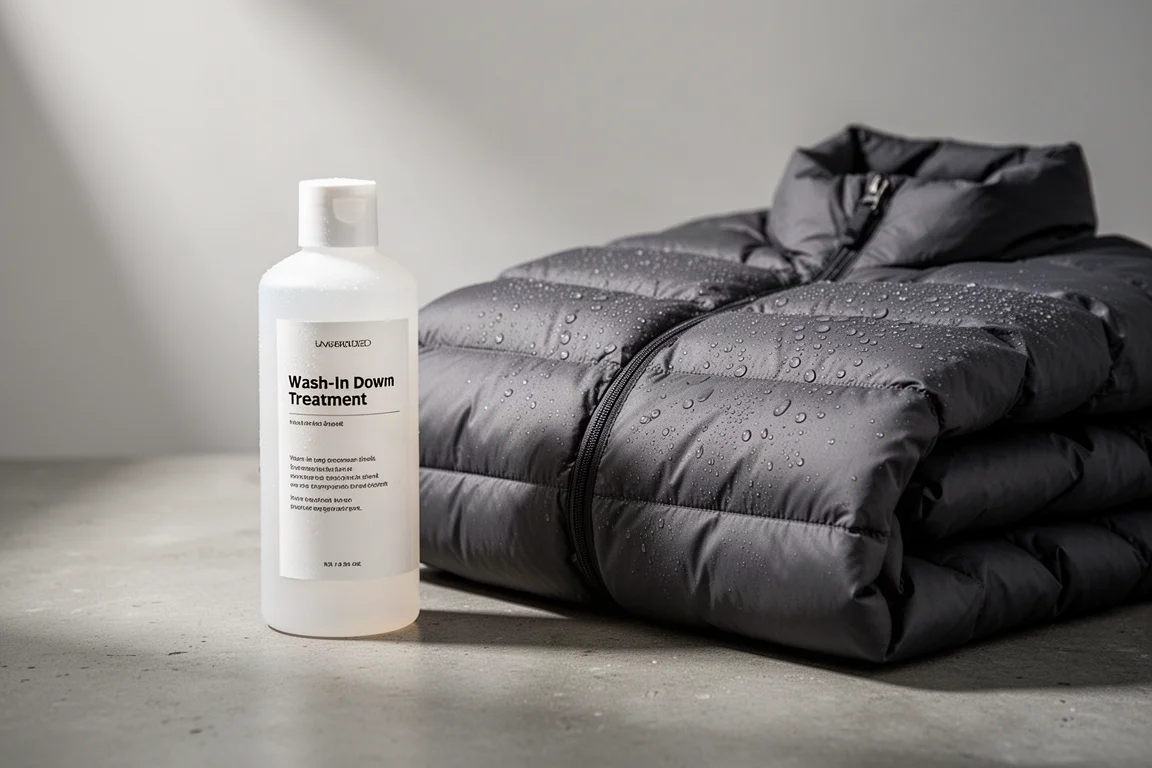
Down is still the most efficient insulation most people can carry. Nothing else matches its combination of warmth, low weight, and packability. Its weakness is just as well known: once down gets wet it absorbs water, turns heavy, and stops trapping heat. That single flaw is the reason so many jackets now ship with factory-applied water repellent finishes on the down itself.
Nikwax Down Proof is a wash-in treatment that adds that kind of repellency at home. It is built for two situations: an older down jacket that still lofts well but soaks up water, and a factory-treated jacket whose original finish has started to fade.
Who Nikwax Down Proof Is For
If you have a down jacket sitting in a closet because it no longer shrugs off rain, this is a low-cost way to find out whether it can go back into rotation. One full bottle treats a single jacket, and the formula is designed to work on both untreated down and the factory-treated hydrophobic down used in newer garments.
It also makes sense as maintenance. Factory water repellent finishes wear off with use, and re-treating is far cheaper than replacing a jacket that is otherwise in good shape.
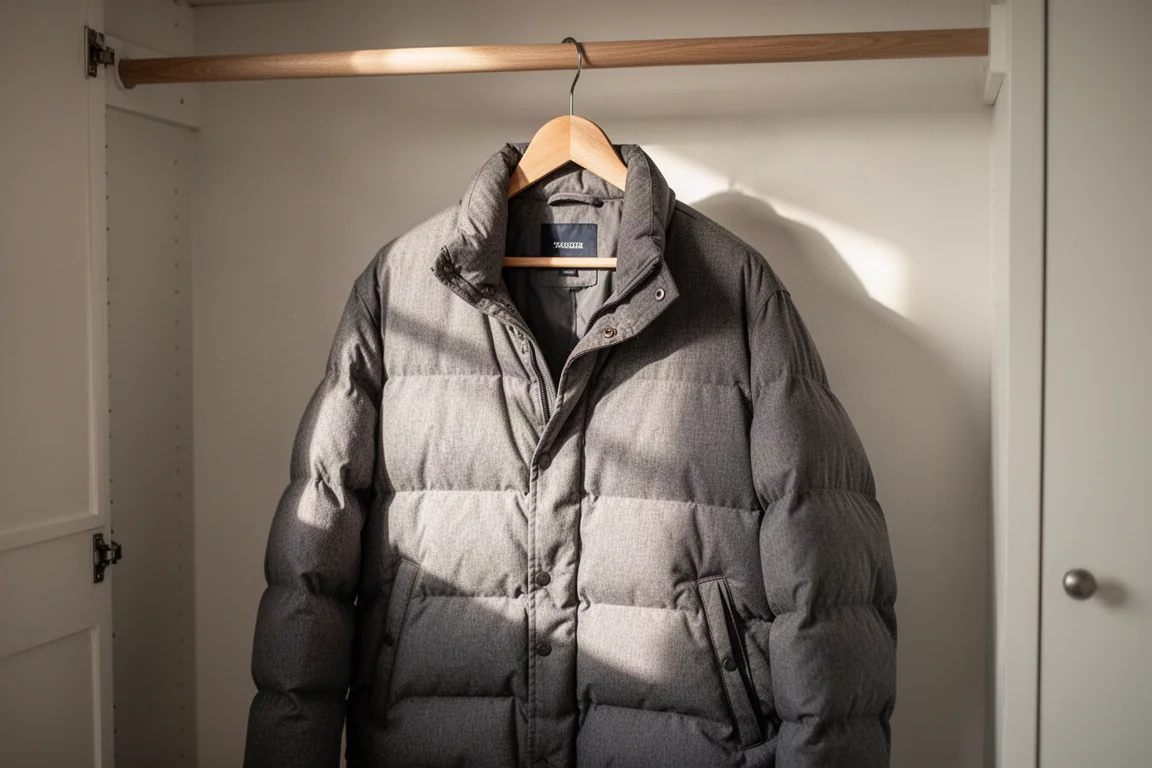
The main limitation is the garment itself. The care label has to allow tumble drying, since thorough drying is part of the process, and a jacket that has lost its loft or has damaged baffles is not a good candidate for any treatment.
Main Strengths
The appeal of Down Proof is that it works on two fronts at once. It adds a durable water repellent finish to the down clusters themselves, and it gives the jacket shell its own repellent finish, so water has to get past the fabric before it ever reaches the insulation.
That showed up clearly in cold rain at around 33 degrees Fahrenheit. Water beaded on the shell and rolled off rather than soaking in, with only a small amount of absorption in the area that took the heaviest and most sustained exposure.

The harder test involved dunking the jacket in a stream at roughly 44 degrees Fahrenheit, with air temperatures around 28 to 29 degrees and wind chill pushing the felt temperature closer to 20. After being worn wet for about 45 minutes, the jacket continued to loft, the outside stayed dry, and small beads of ice formed on the surface where water had beaded up before freezing. The wearer was not as warm as in a dry jacket, but was not cold, even as the temperature kept dropping and the wind picked up.
A few other details are worth noting. The treatment is PFC-free and described as environmentally safe, and it works to restore factory-applied finishes on modern hydrophobic down, not only on older untreated jackets.
How the Treatment Process Works
Preparation matters as much as the treatment. The jacket should be cleaned first with Nikwax Down Wash Direct, which is designed for both treated and untreated down. Regular laundry detergent is the wrong choice because it works against water repellency, and it is worth cleaning out the washing machine dispenser beforehand so no detergent residue carries over into the treatment cycle.
Applying Down Proof is straightforward. One full bottle goes into the machine per jacket, and there is no need to dry the jacket first. Start the cycle, wait until there is a good amount of water in the drum, then add the treatment.
Drying is the final step, and it takes longer than most people expect. Dry the jacket thoroughly, and check the care tag first to confirm that the garment can handle the heat.
Things to Consider Before Buying
A home-applied treatment is unlikely to last as long as a factory-applied finish. That is not a reason to skip it, because factory finishes also wear off with use, so re-treatment becomes part of owning a down jacket either way.
It also helps to keep expectations specific. The treatment protects the down and the shell, but it does not make a jacket waterproof, and water can still collect in places such as pockets and liners. In the wet test, water pooled inside an inner pocket and poured out over a base layer when the jacket was pressed, which was an uncomfortable surprise.
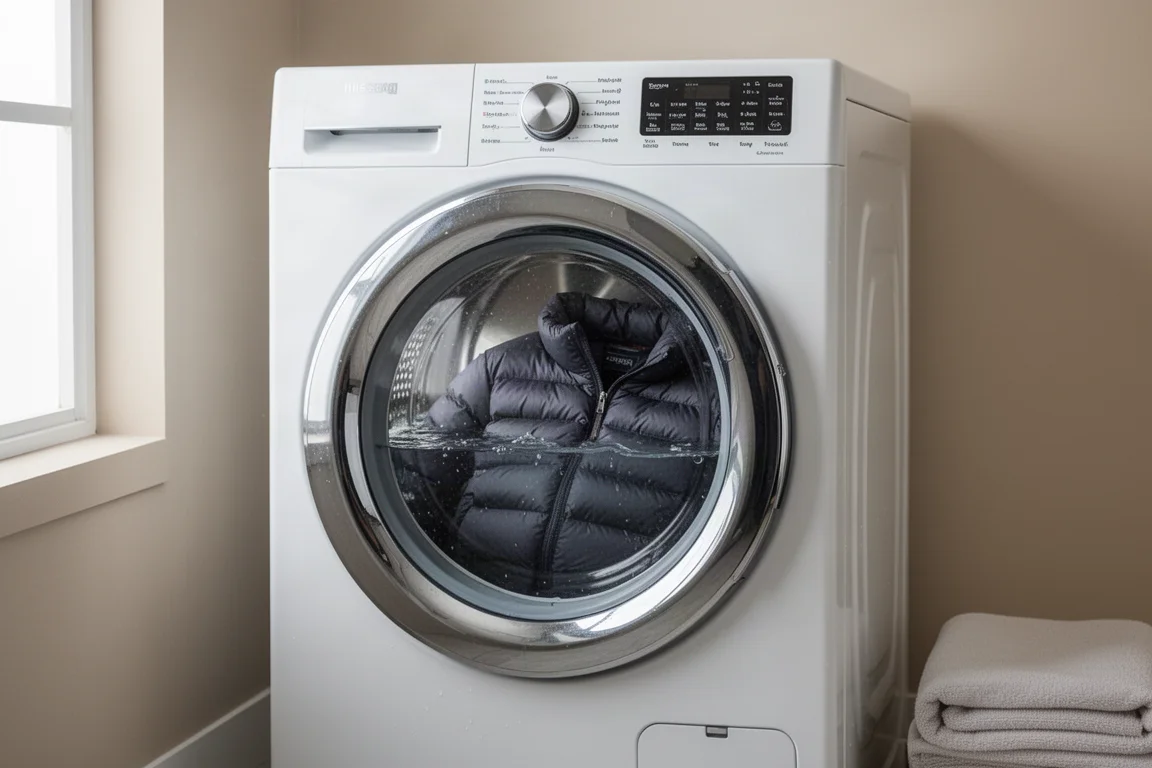
Finally, the process assumes access to a washing machine and a dryer, plus the patience for a long drying cycle. If a jacket cannot tolerate dryer heat, this is not the right approach for it.
Buying Advice
The economics are simple. Down Proof costs about $12 per bottle, and the matching Down Wash is about $11. Set against the price of a new down jacket, treating a serviceable older garment is a small outlay with a clear upside.
For a first treatment, it makes sense to buy both products together, since cleaning before treating is not optional. For owners of factory-treated jackets, keeping a bottle on hand turns a worn-out finish into a routine maintenance job rather than a reason to shop for a replacement.
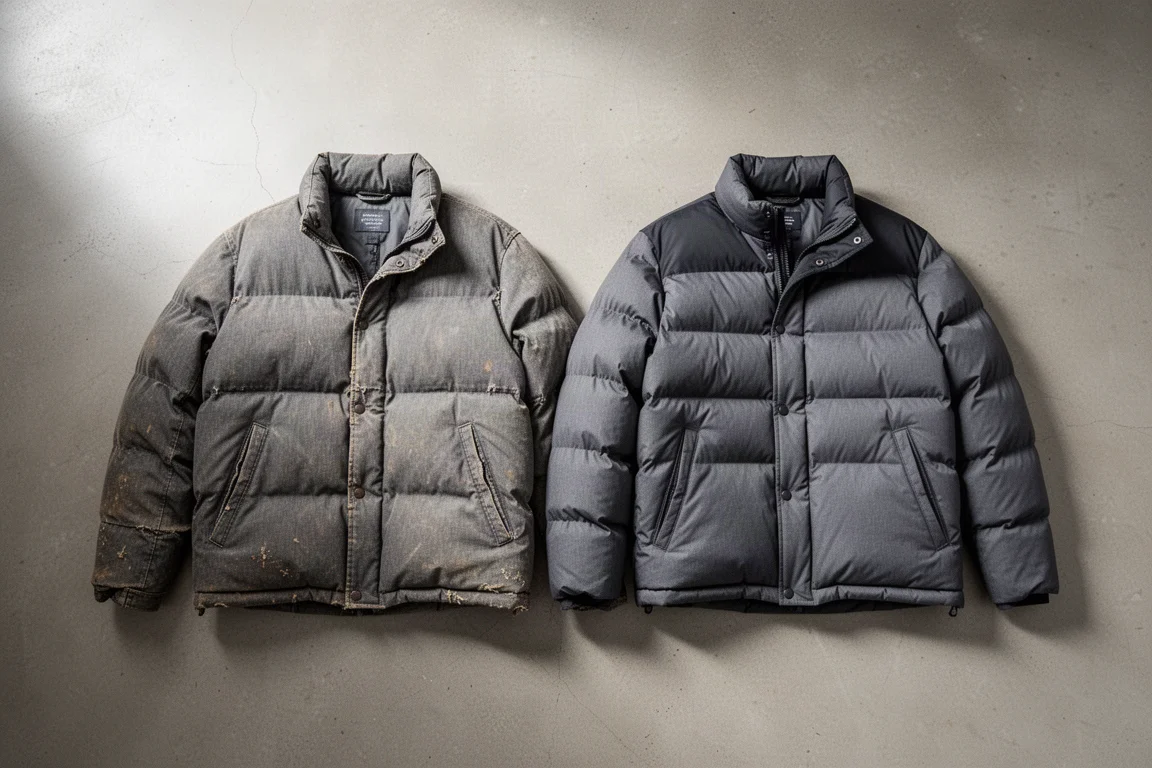
Results will vary by garment and by how worn the shell already is. Treat the treatment as a way to extend the life of gear you already own, not as a guarantee that any old jacket will perform like new.
Conclusion
Down Proof answers a genuinely useful question: can an old down jacket be made more dependable in wet, cold conditions without buying anything new? On the evidence of cold rain and near-freezing stream water, the answer is yes, with the honest caveat that a home treatment is a maintenance cycle rather than a permanent fix. For around $12 a bottle, that is an easy trade to consider before retiring a jacket that still has plenty of loft left in it.
Product link
View more details for Nikwax Down Proof
This product is mentioned in the review. Check the specifications, options, and compatibility before buying.
View more details for Nikwax Down ProofFurther reading
Related Reviews
Outdoor Gear Care
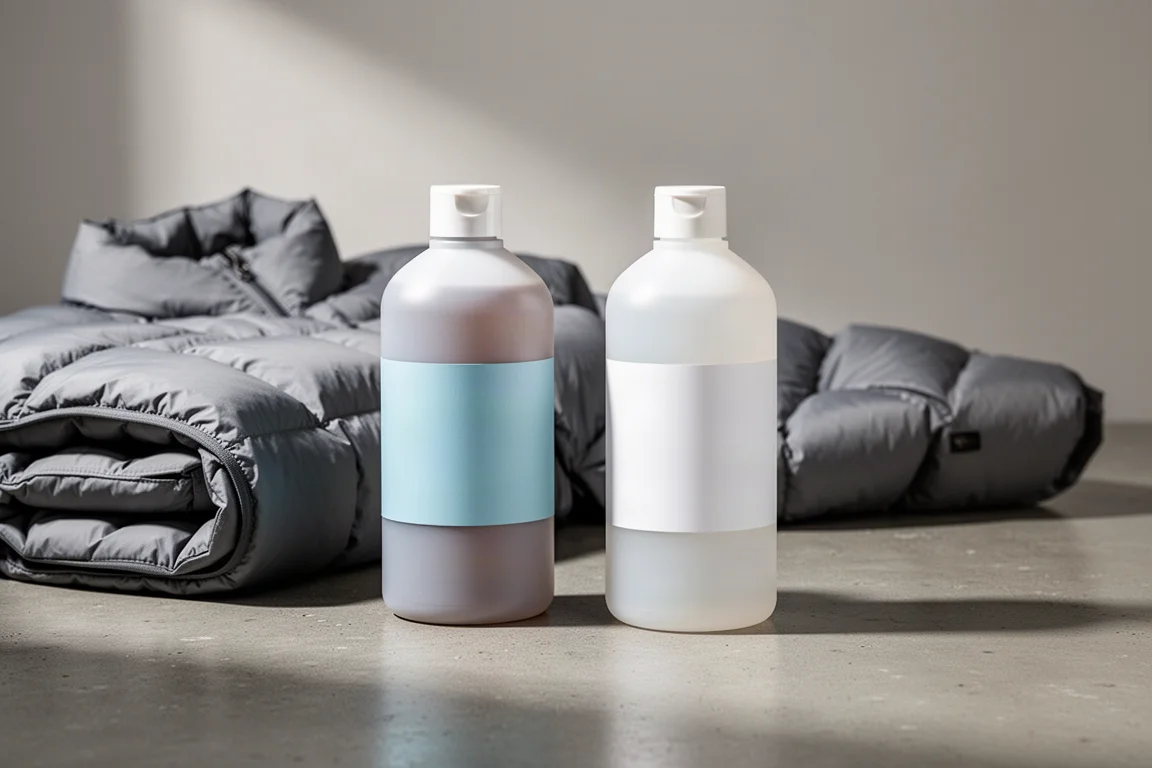
Nikwax Down Proof and Down Wash Direct: Restoring Water Repellency to Down Jackets
A practical look at cleaning and re-treating a down jacket at home with Nikwax Down Wash Direct and Down Proof, and what cold, wet conditions actually revealed.
Insulated Jackets
Aerogel vs Down Insulation: Two Aerogel Jackets Compared
Aerogel is the lightest solid on record, but two aerogel jackets measured against a comparable down jacket tell a more complicated story about warmth.
Power Banks
Anker 737 PowerCore 24K Review: Fast Charging in a Simple Package
A 140W portable power bank with a 52-minute recharge time, a health-tracking display, and a three-port layout that skips the app entirely.