Outdoor Gear Care
Nikwax Down Proof and Down Wash Direct: Restoring Water Repellency to Down Jackets
A practical look at cleaning and re-treating a down jacket at home with Nikwax Down Wash Direct and Down Proof, and what cold, wet conditions actually revealed.
Introduction
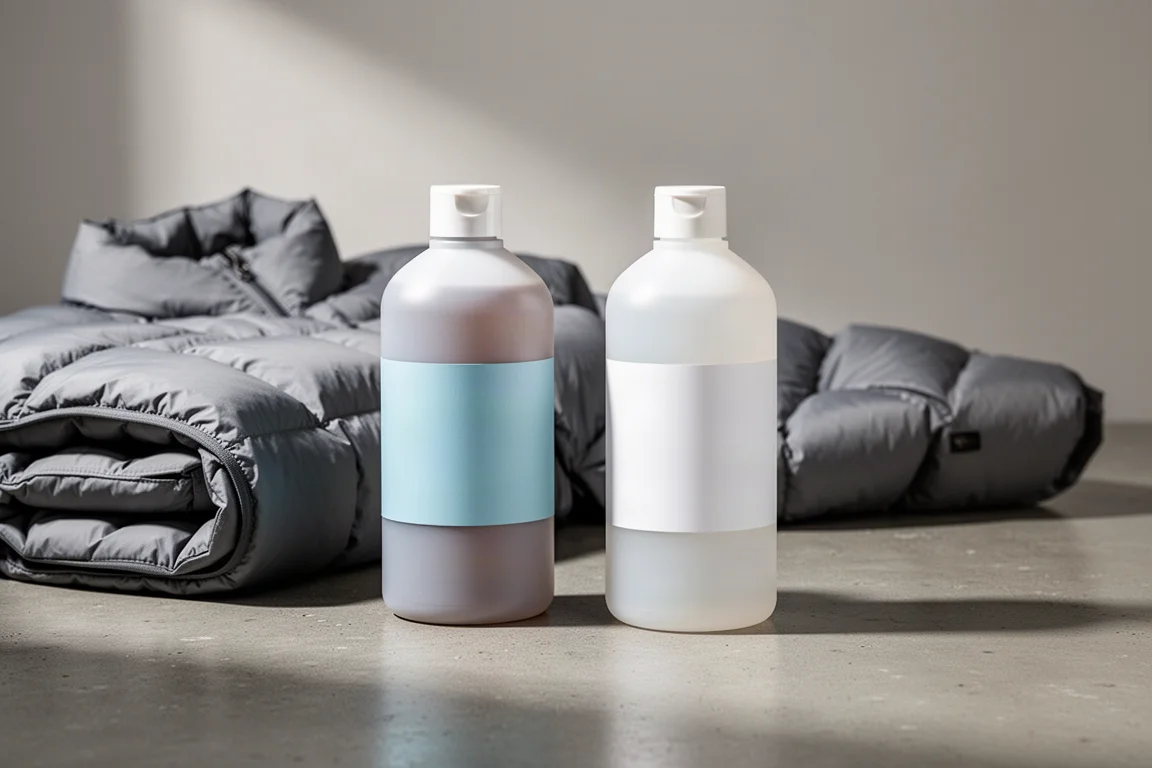
Down remains the most efficient insulation available for backpacking and cold-weather travel. Nothing else matches its combination of warmth, low weight, and packability. Its weakness is water. A soaked down jacket becomes heavy, stops lofting, and can no longer keep the wearer warm, which is why many modern jackets ship with factory-applied durable water repellent treatments on the down itself.
Those treatments add cost, and replacing an otherwise serviceable jacket just to gain water repellency is wasteful. Two Nikwax products approach the problem from the other direction. Down Wash Direct cleans down without damaging existing water repellency, and Down Proof restores a water-repellent finish to both the down and the shell fabric.
Both are inexpensive relative to a new jacket, roughly $12 for a bottle of Down Proof and about $11 for Down Wash Direct. Used together, they let an older jacket be brought back into cold, wet weather service rather than retired.
Why Down Needs a Water-Repellent Treatment
Down’s performance advantage is real, and so is its failure mode. When down absorbs water it clumps, loses loft, and stops trapping warmth, while the jacket gains noticeable weight. In cold, wet conditions that combination is not merely uncomfortable, it can be dangerous. Combined air and water temperatures below 100°F are widely treated as a hypothermia risk, and a wet down jacket offers very little protection in that range.
Durable water repellent treatments applied to down are designed to slow that process, and factory-treated hydrophobic down is now common in premium jackets. The trade-offs are price, and the fact that factory treatments eventually wear off. A jacket whose repellency has faded does not have to be replaced outright if the finish can be restored at home. Nikwax formulations are PFC-free and described as environmentally safe, which matters for products that end up in wastewater.
Cleaning First: Nikwax Down Wash Direct
A water-repellent treatment only performs as well as the cleaning that precedes it. Residual oils, dirt, and detergent left in the fabric prevent a treatment from bonding evenly, so the wash stage is not optional.
Nikwax Down Wash Direct is formulated for both treated and untreated down, which makes it suitable for older jackets and for modern hydrophobic down alike. Regular household detergents should be avoided entirely, because they work against the water-repellent finishes that keep down performing when damp. Before washing, it is also worth clearing any detergent residue from the washing machine dispenser, since leftover detergent can interfere with the treatment that follows.
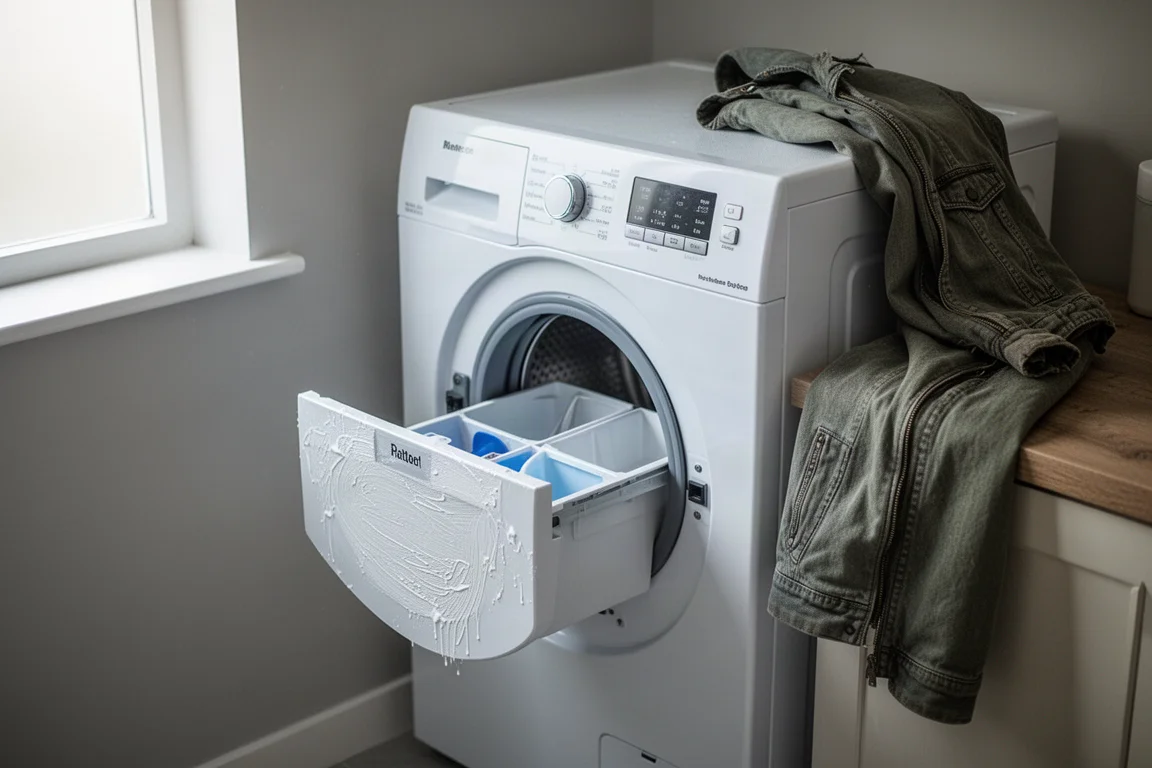
Using it is straightforward. The jacket goes through a wash cycle with Down Wash Direct, then moves directly to the treatment stage without being dried in between.
Restoring Water Repellency: Nikwax Down Proof
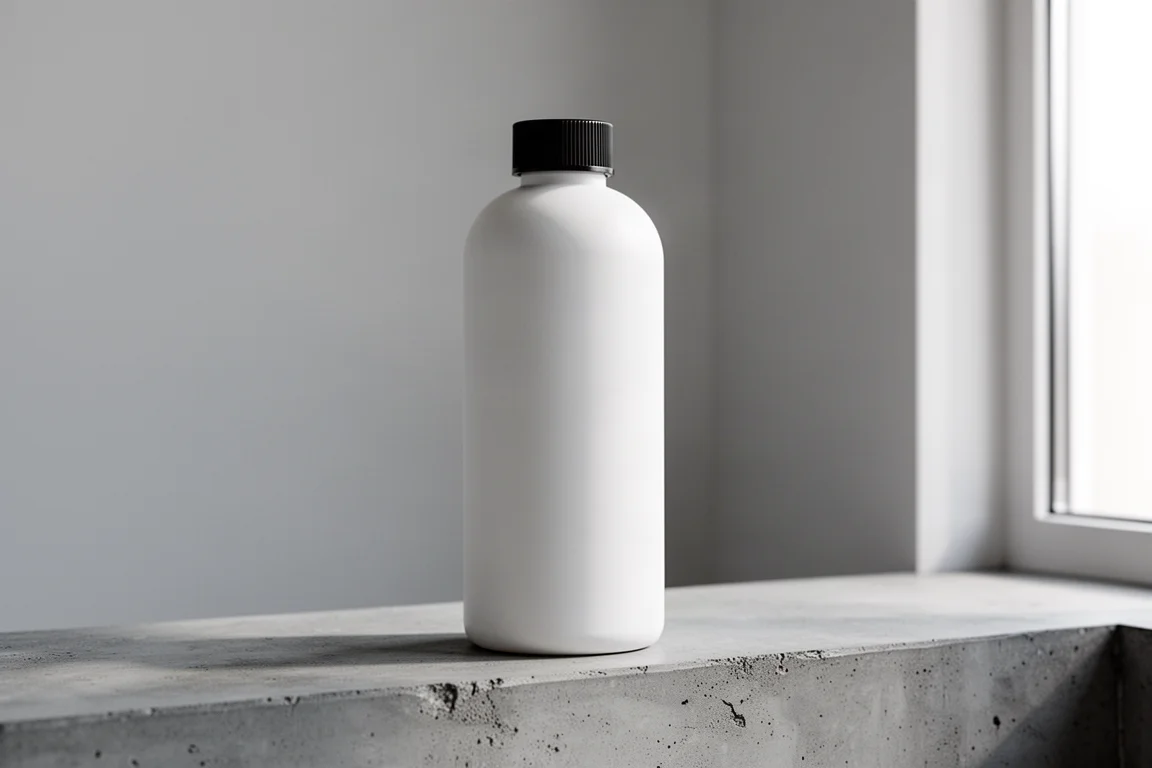
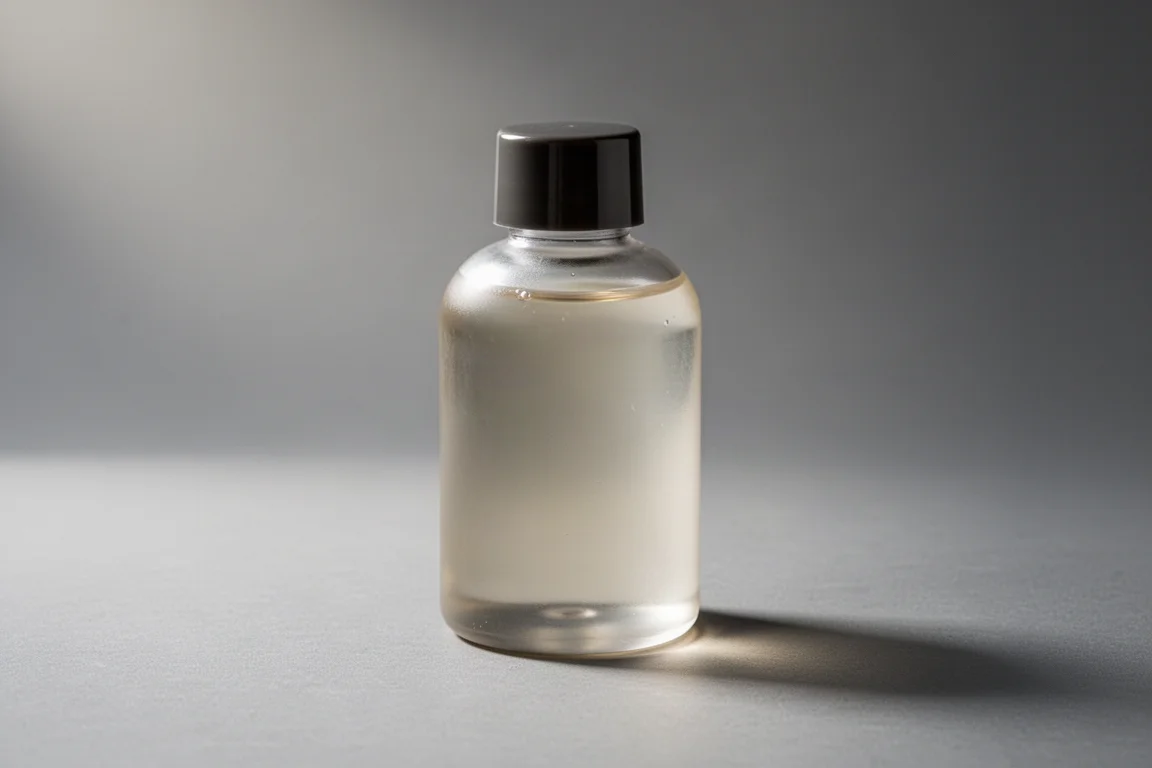
Down Proof is applied in the washing machine, and one full bottle is enough for a single jacket. There is no need to dry the garment between washing and treating. The bottle goes in once the machine has filled with a good amount of water, so the treatment disperses properly through the insulation and the shell.
Drying is the part that takes patience. The jacket needs to be dried thoroughly, and the garment’s care tag should be checked first to confirm it tolerates the heat of a dryer. Proper drying is what brings the loft back after the jacket has been wetted through.
Down Proof works on two levels. It adds water repellency to the down clusters themselves, and it gives the jacket’s shell fabric its own durable water repellent finish. That outer layer is the first line of defense, keeping water from reaching the insulation at all. The same treatment can also restore the factory-applied DWR on modern hydrophobic down, so it is not limited to older gear.
How the Treatment Held Up in Cold, Wet Conditions
The jacket used for testing was a ten-year-old down jacket that had been sitting unused, cleaned with Down Wash Direct and then treated at home with Down Proof before being put through two cold-weather tests.
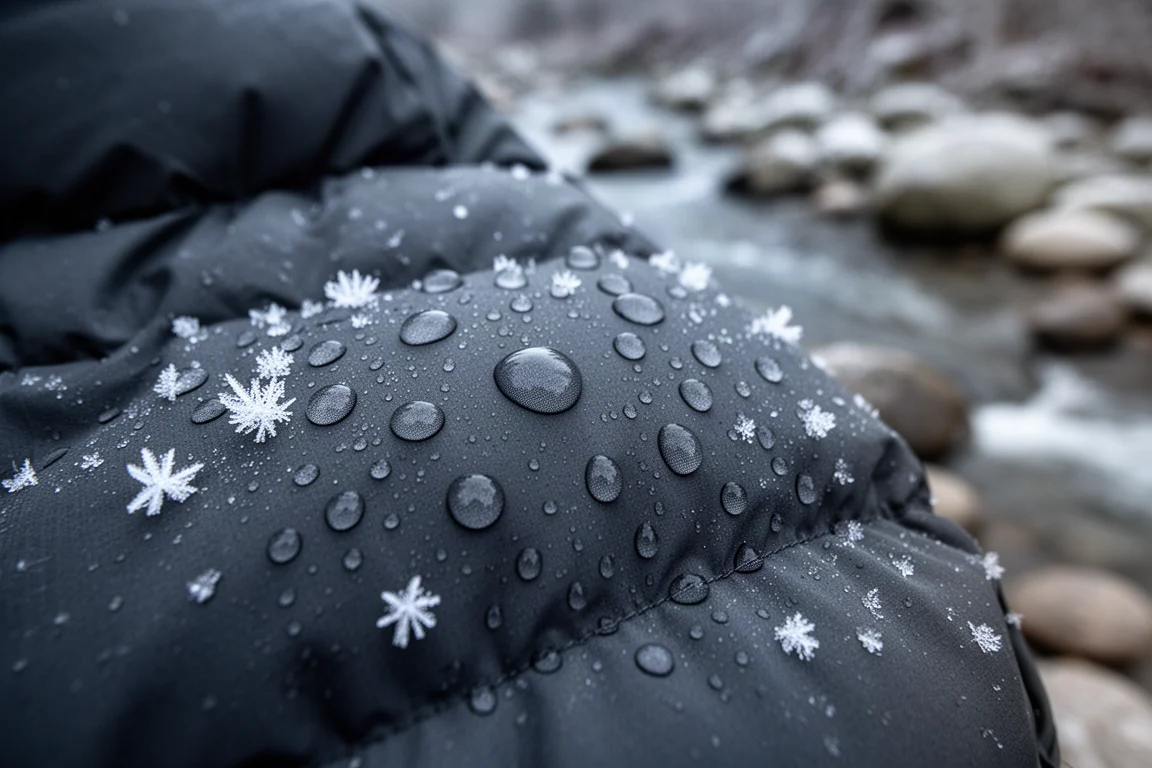
The first was a standing test in steady cold rain at roughly 33°F. Water beaded and rolled off the shell rather than soaking in, which is exactly what a shell-level DWR finish is meant to do. Some water eventually began to soak into the area taking the most direct rain, but the fabric shed the large majority of it.
The second test was harsher. Air temperature sat around 28 to 29°F, water temperature was 44°F, and wind chill pushed the felt temperature toward 20°F. The jacket was submerged in a stream until it was completely soaked, then worn for another 30 to 45 minutes as temperatures dropped further. It continued to loft, the outer fabric stayed dry, and small beads of water on the surface froze in place as ice rather than soaking through. Warmth was noticeably lower than in a dry jacket, but there was no sense of the insulation collapsing.
One detail from that session is worth flagging. Water that collected in an inner pocket stayed there and chilled the layer underneath when the jacket was pressed. Water that gets inside a jacket, rather than onto it, remains a problem regardless of how well the shell sheds rain.
What This Means for Old and Factory-Treated Jackets
Home-applied treatment is unlikely to last as long as a factory-applied DWR, and that is a fair expectation to set. The more useful point is that factory treatments wear off over time as well. A jacket that has lost its water repellency is not a failed jacket. It is a jacket that needs re-treating.
That reframes the purchase decision. Rather than buying a new hydrophobic down jacket the moment the old one stops shedding water, the existing jacket can be cleaned and re-treated for a small fraction of the cost of replacement. The same logic applies to modern factory-treated jackets, where Down Proof can be used to restore the original finish instead of replacing the garment.
Practical Buying Advice
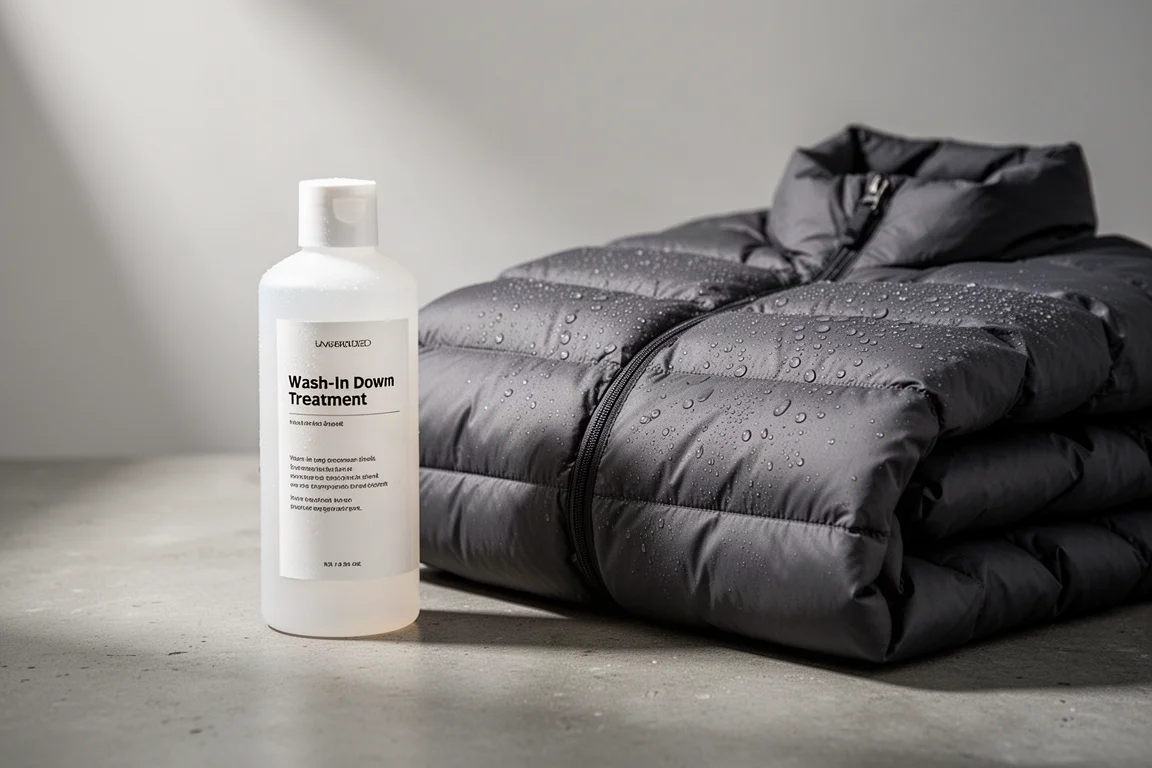
If there is an unused down jacket in a closet, treating it is a sensible first step before spending on a replacement. The two products work as a pair. Down Wash Direct handles the cleaning stage, Down Proof handles the treatment stage, and skipping the wash undermines everything that follows.
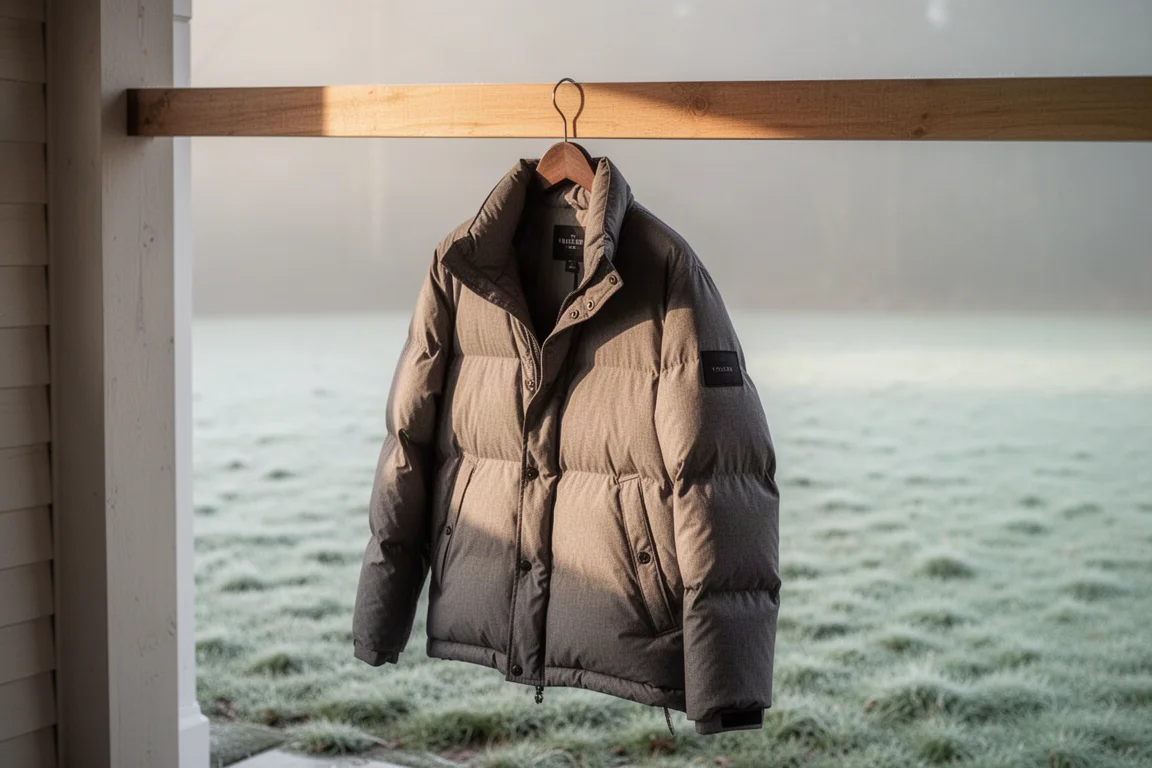
For a jacket that is already factory treated, the same routine keeps it performing rather than restoring it from scratch. Buyers should check the garment care tag before drying, and should expect to use one full bottle of Down Proof per jacket.
Because both products are inexpensive, treating several jackets still costs less than a single new hydrophobic down jacket, which makes the routine practical for households with more than one down garment in rotation.
Conclusion
Down’s weakness in wet conditions is well documented, and factory-treated hydrophobic down solves it at a price. Cleaning and re-treating an existing jacket with Nikwax Down Wash Direct and Nikwax Down Proof is a lower-cost alternative. It restores water repellency at both the insulation and shell level, keeps otherwise serviceable gear in use, and works on older jackets and modern factory-treated down alike. The treatment will not last forever, but neither does the factory finish, and the products cost a small fraction of a replacement jacket.
Further reading
Related Reviews
Outdoor Gear Care
Nikwax Down Proof Review: Restoring Water Repellency to a Down Jacket at Home
A practical look at Nikwax Down Proof, a wash-in treatment that adds water repellency to down insulation and jacket shells, put through cold rain and near-freezing stream water.

Backpacking Gear
Building a 10 lb Base Weight: An Ultralight Backpacking Gear List
A practical walkthrough of the ultralight pieces behind a 10 lb base weight, from a 765 g pack and a roomy one-person tent to a full camp chair and a dependable water filter.

Road Bikes
10 New Road Bikes Worth Watching: Aero, Titanium, Steel and Endurance Standouts
A practical roundup of 10 new road bikes, from aero flagships chasing single-watt gains to titanium, steel and endurance platforms built for real roads.