Down Jacket Care
Nikwax Down Proof and Down Wash Direct Review: Restoring an Old Down Jacket at Home
A two-step Nikwax routine that cleans and re-treats a down jacket, plus what cold, wet testing suggests about keeping older insulation in service.
Introduction
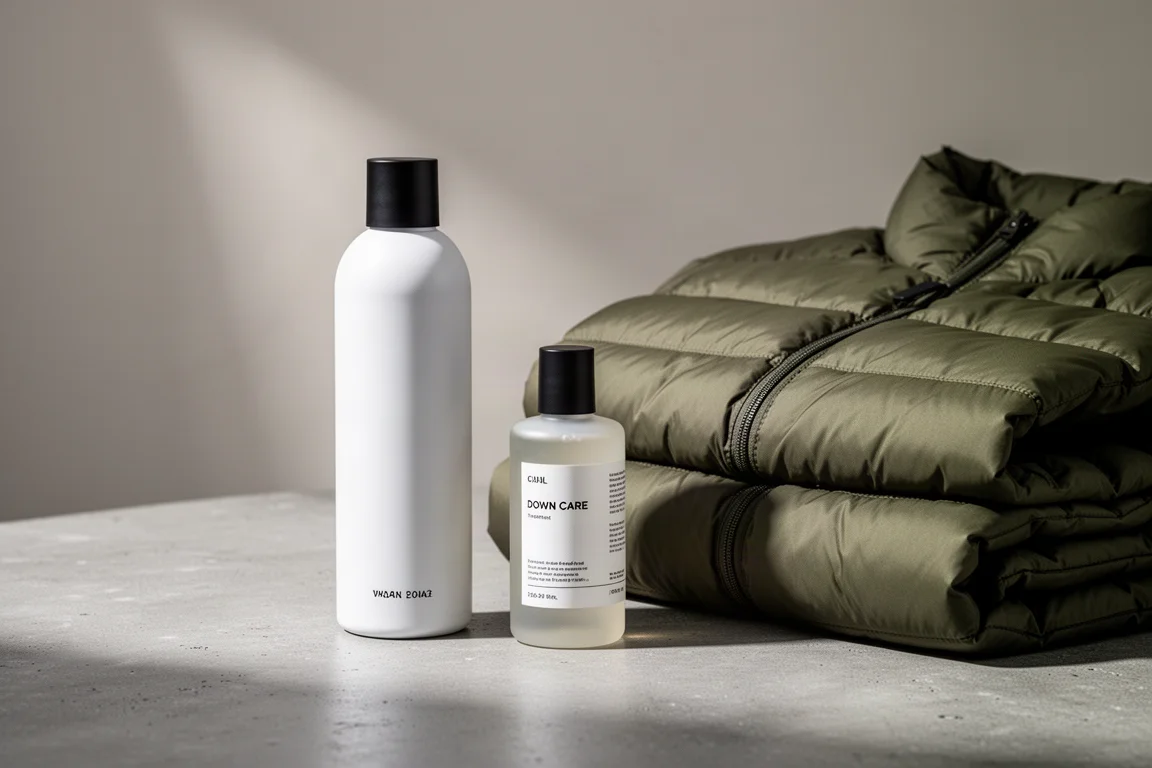
Down remains the most effective insulation available for backpacking, and it has one persistent weakness. Once it gets wet it becomes heavy, loses its loft, and stops trapping heat, and in cold conditions that combination can become genuinely dangerous. Factory-treated hydrophobic down solves part of the problem, but replacing an otherwise sound jacket simply to gain that treatment is both expensive and wasteful. A two-part home routine from Nikwax offers a middle path: clean the jacket properly with Down Wash Direct, then restore water repellency with Down Proof.
This article covers what each product does, how the routine is applied, and what cold-water testing suggests about the results on an older jacket.
Why Down Insulation Needs Extra Protection
Down’s advantage is that nothing else matches its warmth for the same weight and packed size. Its weakness is water. Once down absorbs moisture the clusters collapse, the garment loses loft, and insulation drops away, which is why wet down is treated as a safety concern rather than a comfort issue.
Durable water repellent treatments applied during manufacturing help, but they add cost to the jacket. There is also a practical argument for treating at home: many people already own a down jacket that still fits and still works, and the insulation inside it does not stop being useful just because the factory finish has worn away. Restoring that finish keeps a usable jacket in service instead of sending it to the back of a closet.
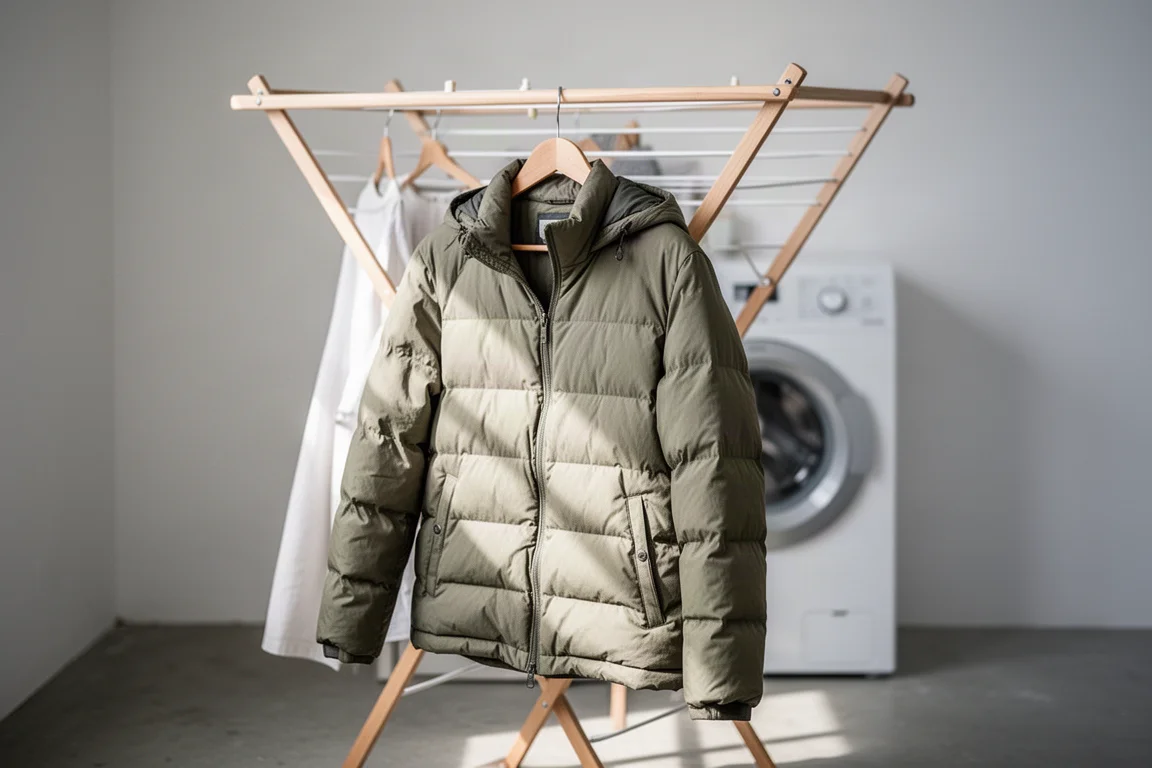
Down Proof is designed to work on two levels at once. It protects the down clusters themselves, and it gives the outer shell its own water repellent finish. That second layer matters because it keeps water from reaching the down in the first place, rather than only limiting the damage once moisture has already arrived.
Nikwax Down Wash Direct: Cleaning Before Treatment
Cleaning is the step that is easiest to skip and hardest to skip well. A treatment applied over dirt, body oils, and old detergent residue will not bond evenly, so Down Wash Direct is intended to be used first, on both treated and untreated down.
Regular laundry detergent is the wrong choice here. Detergents leave behind residues that work against water repellency, and they can strip whatever protection the jacket still has. It also helps to clean the washing machine dispenser beforehand, so that leftover detergent from previous loads does not end up in the drum with the jacket.
The product is formulated for down specifically, which matters for a garment where the insulation is the entire point. Used as directed, it prepares the jacket for the treatment that follows rather than simply making it smell fresher.
Nikwax Down Proof: Restoring Water Repellency
Down Proof is the treatment itself, and the application is straightforward. The jacket does not need to be dried first. The washing machine is restarted with the clean, still-damp jacket inside, and a full bottle of Down Proof is added once there is a good amount of water in the drum.
Drying is the part that rewards patience. Down needs thorough, extended drying to regain its loft, and the garment care tag should be checked first to confirm that the fabric and shell can handle the heat of a dryer. Skipping the drying stage leaves clumped insulation and undoes much of the benefit of the treatment.
What Cold, Wet Testing Revealed
The clearest way to judge a treatment like this is to expose the jacket to conditions that would normally defeat untreated down. In cold rain at roughly 33°F, water beaded and rolled off the shell instead of soaking in, which is exactly the behaviour the shell-level finish is meant to produce. The fabric eventually showed slight absorption on the side that took the most direct water, but the surface stayed largely repellent.
The harder test took place in colder conditions with no sun to help. Air temperature sat around 28 to 29°F, stream water measured 44°F, and wind chill pushed the felt temperature closer to 20°F. A combined water and air temperature below 100°F is generally treated as a hypothermia risk, so this was not a casual scenario. The jacket was submerged until soaked, put back on, and worn for another 30 to 45 minutes.
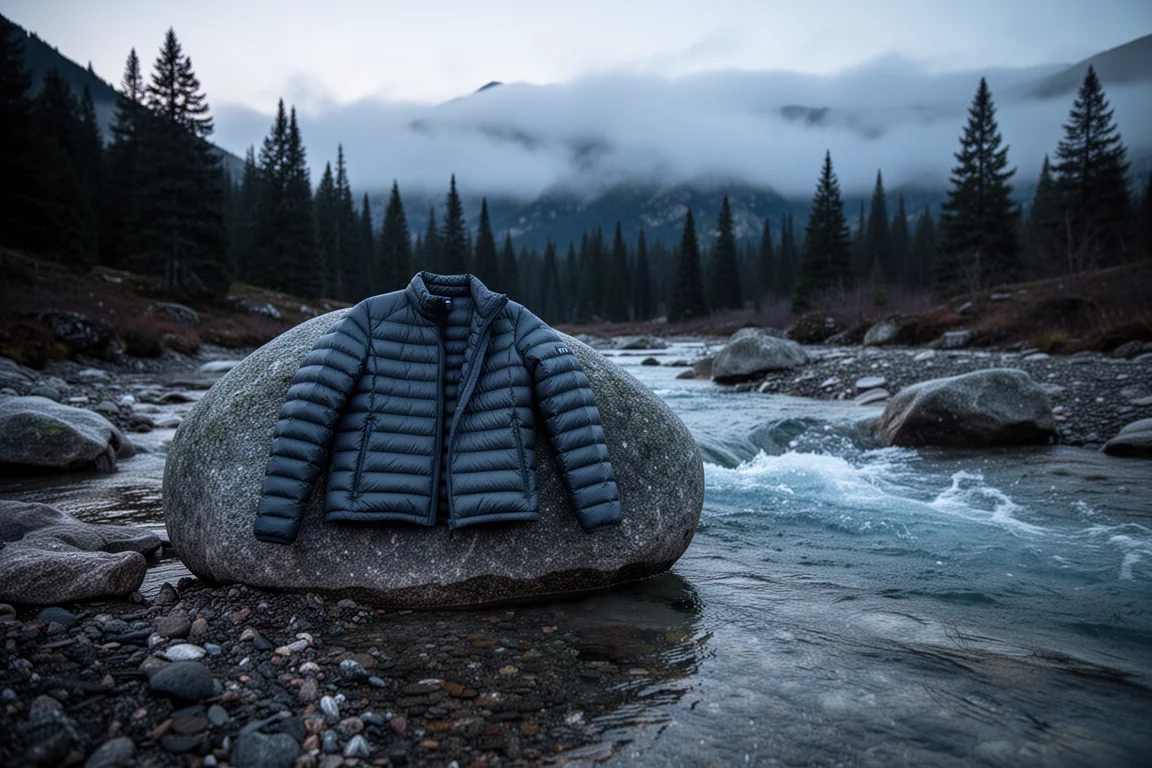
The result was encouraging. The jacket continued to loft, the outer fabric stayed largely dry, and small beads of water froze on the surface rather than soaking through. It was not as warm as a dry jacket, which is expected, but it was not cold either. One detail worth noting: water that collected in an inner pocket during the soak drained out and caused a chill, a reminder that pockets, seams, and openings remain weak points in any down garment.
How to Apply the Treatment at Home
A few details make the difference between a treatment that works and one that washes straight out.
- Clean first. A treatment applied over a dirty or detergent-contaminated jacket will not perform the way it should.
- Clear the machine. Rinse the drum or clean the dispenser to remove detergent residue before washing down.
- Add the treatment to water, not to a dry drum. Wait until the machine has filled with a good amount of water before pouring in Down Proof.
- Dry thoroughly. Check the care tag for heat tolerance, then keep drying until the down is fully lofted with no clumps remaining.
Performance Trade-Offs and Durability
A home-applied finish is unlikely to match the longevity of a factory treatment. That is a real limitation and worth stating plainly. The counter-argument is that factory-applied durable water repellent finishes also wear off over time through use, abrasion, and repeated washing. Once that happens, the choice is between re-treating and replacing.
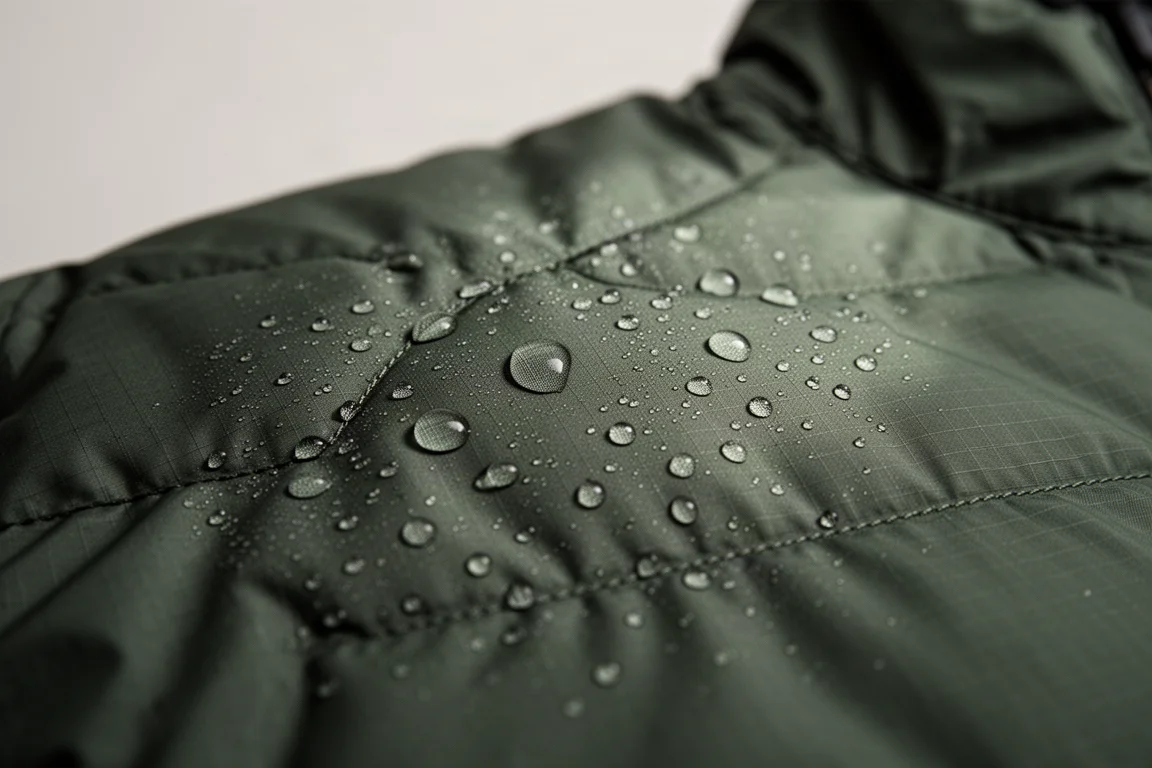
That is where a product like Down Proof earns its place. It restores protection on older down, and it can also refresh factory-applied water repellent finishes on modern hydrophobic down, so a single bottle serves both cases. Nikwax formulations are also PFC-free and designed to be environmentally safe, which matters for anyone who spends a lot of time in the places this gear is used.
Care Tips to Extend the Treatment
Storage and washing habits affect how long any finish lasts. Keep the jacket clean, avoid unnecessary washes, and use a down-specific cleaner when a wash is needed rather than a general detergent. Treat gloves and other down or synthetic items at the same time if they are part of the same layering system, since wet hands and wet cuffs undercut an otherwise effective jacket.
For a jacket that has just been saturated, expect it to feel cooler at first. Some heat loss through conduction happens as water contacts the body, and warmth returns as the garment drains and re-lofts. That initial chill is normal and not a sign that the treatment has failed.
Buying Advice
Both products are inexpensive relative to the cost of a new down jacket. Down Proof is around $12 per bottle and Down Wash Direct is around $11, so the full routine costs less than a typical repair or replacement.
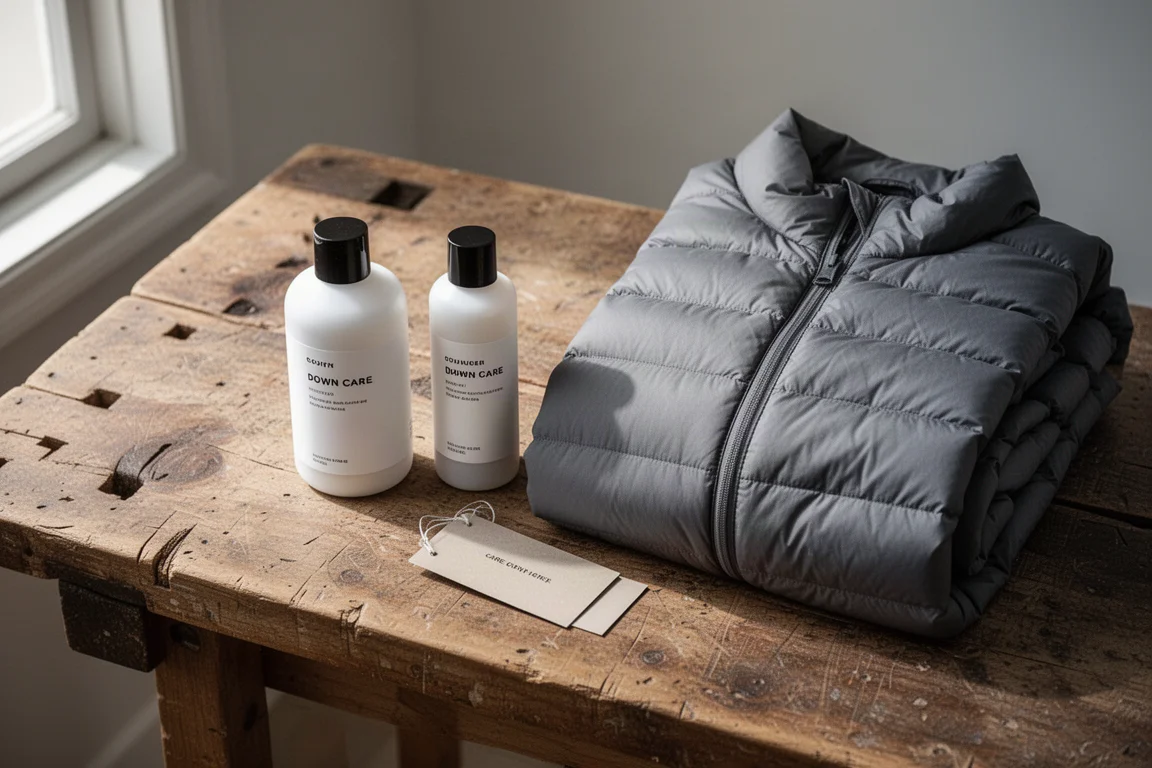
The sensible order of operations is simple. If there is an older down jacket already in the closet, clean and treat it before spending on a new one. If the jacket in use is factory treated and still performing, a down-specific wash plus a re-treatment is the way to keep it that way. Either route costs far less than replacing gear that is otherwise sound, and both make the jacket more likely to keep you warm if it does get wet.
Conclusion
Down is still the best insulation available for cold, dry conditions, and the main argument against it has always been what happens when it gets wet. Cleaning with Down Wash Direct and treating with Down Proof addresses that weakness without requiring a new jacket. The results are not identical to factory-treated down, and the finish will not last forever, but the cost of re-treating is low and the alternative is often an expensive replacement.
Further reading
Related Reviews

Backpacking Gear
Building a 10 lb Base Weight: An Ultralight Backpacking Gear List
A practical walkthrough of the ultralight pieces behind a 10 lb base weight, from a 765 g pack and a roomy one-person tent to a full camp chair and a dependable water filter.

Road Bikes
10 New Road Bikes Worth Watching: Aero, Titanium, Steel and Endurance Standouts
A practical roundup of 10 new road bikes, from aero flagships chasing single-watt gains to titanium, steel and endurance platforms built for real roads.
Bikepacking Gear
11 Bikepacking Essentials for Long-Distance Cycling
Eleven bikepacking essentials for long-distance cycling, from a steel gravel frame and a two-person tent to helmet lights, packable gloves, and a frame bag that puts weight in the right place.