Astrophotography
Nikon D5300 vs Canon EOS 60D for Astrophotography: A Same-Night Shootout
Two modified APS-C DSLRs tested side by side on the same night sky, with the same lens and settings, to see how much sensor noise really matters for deep sky imaging.
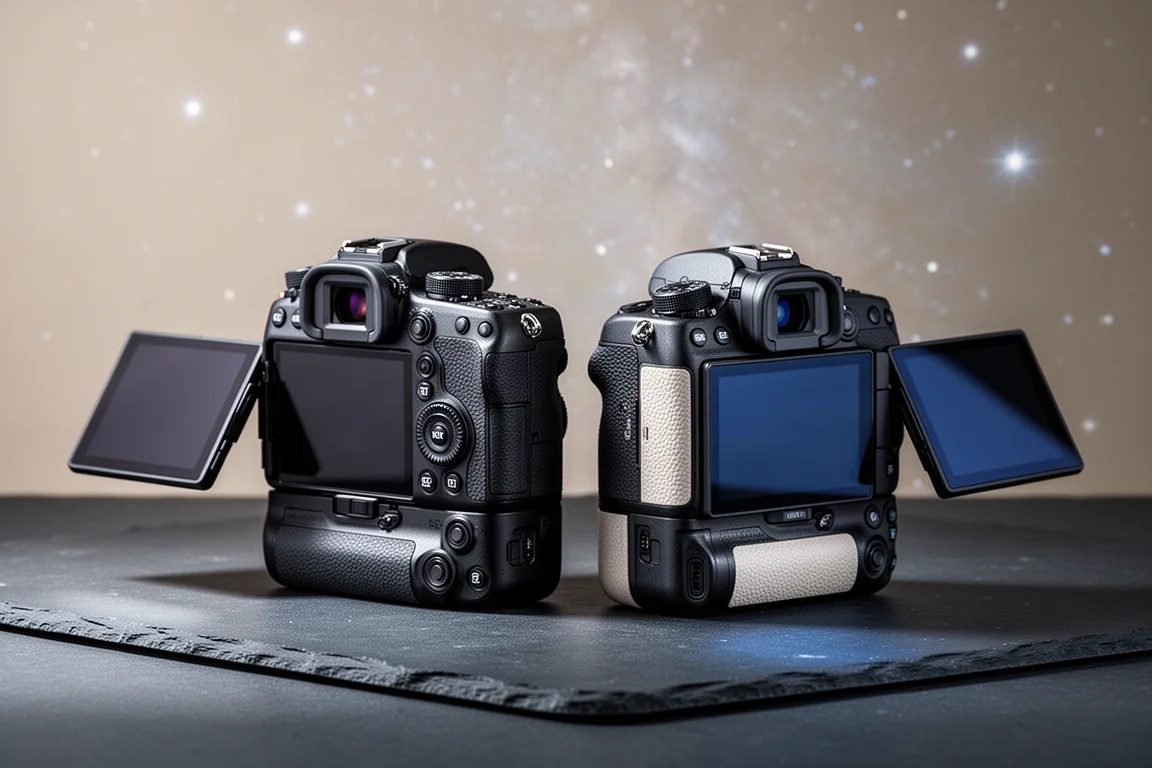
Introduction
Astrophotographers have argued about Canon versus Nikon for years. Nikon DSLRs are often preferred for deep sky work because recent models use Sony sensors that tend to be lower noise and more ISO invariant, while Canon still designs its sensors in house and sits slightly behind Sony in absolute sensor performance. Most of the popular CMOS astronomy cameras from brands like ZWO and QHY use these same Sony sensors found in Nikon DSLRs.
But sensor noise is only one factor that shapes final results, so it is worth asking a practical question: if you keep everything else the same, same telescope, same night sky, same settings, can you actually see a difference between the two systems? A full spectrum modified Nikon D5300 from Night Sky Camera, a business out of Vancouver, Canada that sells pre-modified Canon and Nikon DSLRs and can also modify your own camera, was tested against a modded Canon EOS 60D. Both are popular choices for astro modification in their respective camps.
The D5300 arrived as a full spectrum mod, which means it can also be used for infrared photography with an IR pass filter, and the sensor was repositioned so autofocus should still work. Testing used the same 200mm astro camera lens at f/4, from a Bortle 4 sky with no moonlight, on the North America Nebula as a standard test subject.
Feature Matchup: Where the Two Cameras Differ
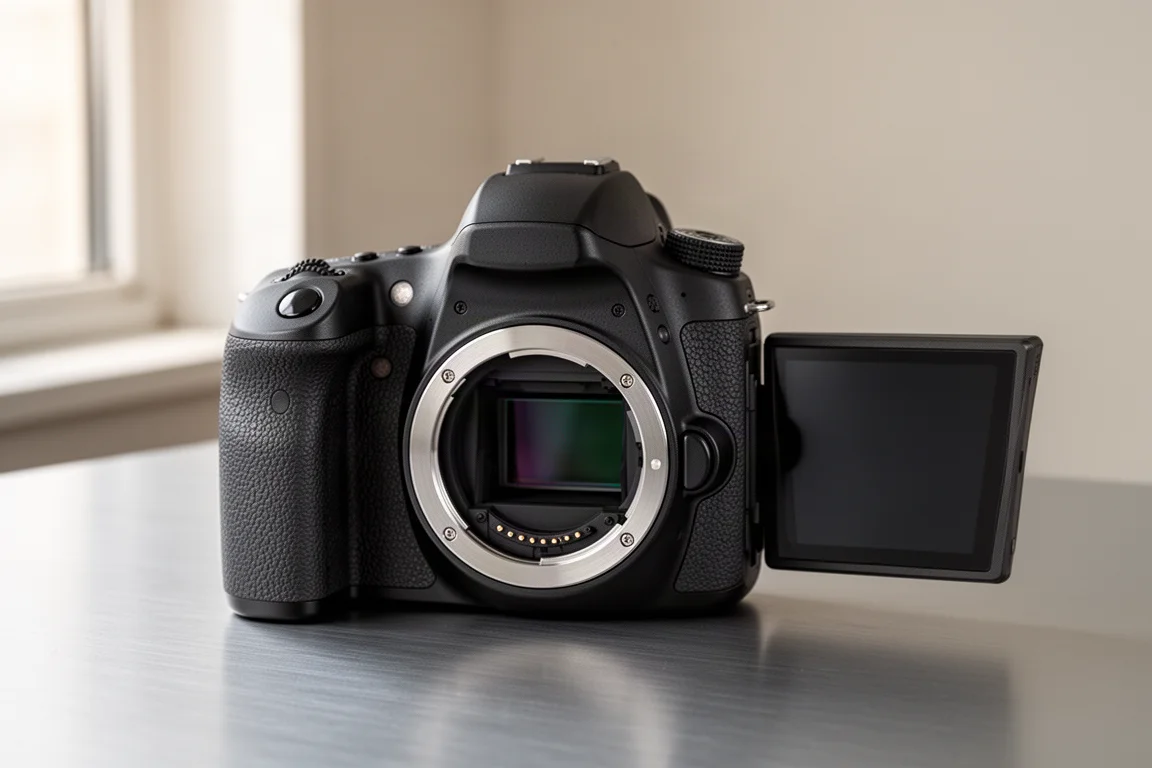
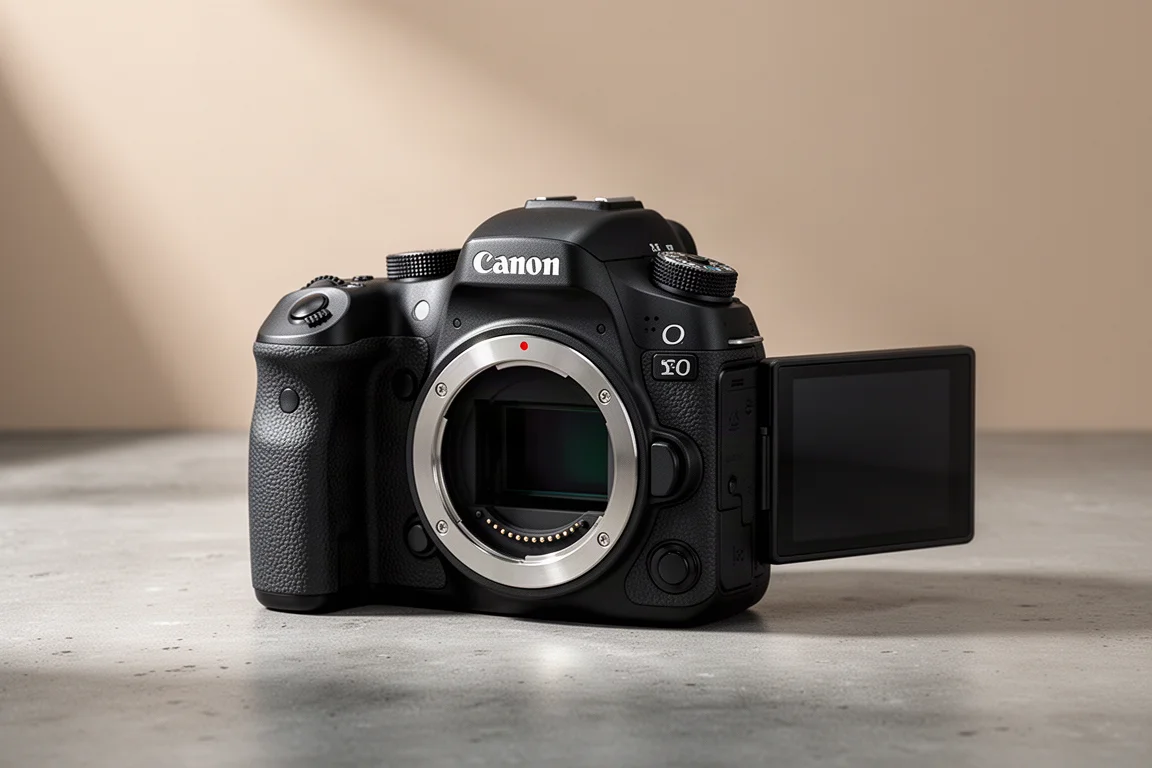
When it comes to features that matter to an astrophotographer, these two models are mostly well matched. Both have fully articulating screens that fold away or point up, which is huge when you are aiming at the night sky and need to see the display. Both offer a nice live view option for focusing and star hopping. On the Canon you press the Q button to reach the quick menu; on the Nikon it is the I button, letting you change ISO, shooting mode and similar settings quickly.
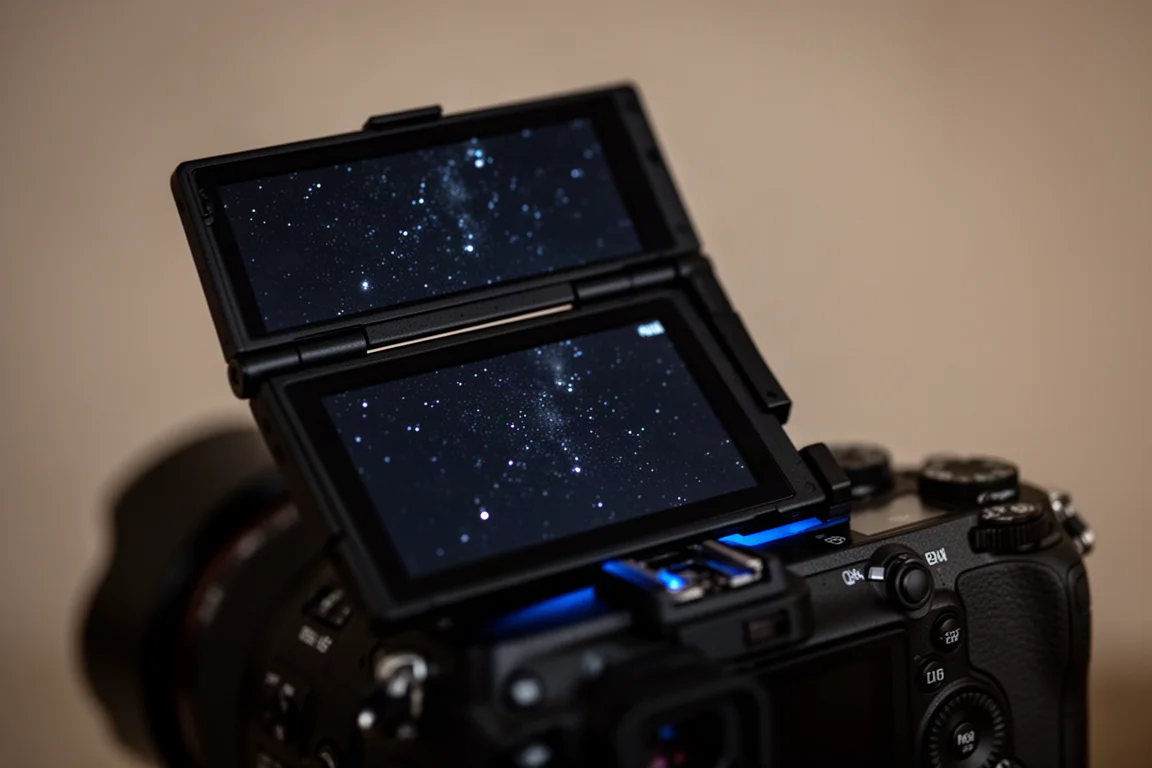
The main difference, and it is a point for Nikon, is the internal interval shooting mode in the Nikon menu, often called an internal intervalometer. From testing, it does not completely replace an external intervalometer because you can only set the interval, not the bulb timing, so it only works for sequences of shots if you limit exposure time to 30 seconds. For three minute exposures you would still need an external intervalometer or a computer. It is still a plus for the Nikon, especially for fast lens based shooting where 30 second sub exposures are common.
Accessories and Ecosystem Support
Software support looks similar on both sides: plenty of options for connecting to a PC and controlling exposures. Both have intervalometer ports, and both have plenty of lens options, including Sigma’s Art series lenses available for both Nikon F and Canon EF, so some of the best lenses for astrophotography exist for either system.
The one big difference is clip-in filters. There are far more options for Canon APS-C bodies, which all share the same internal structure that accepts clip-in filters easily. For the Nikon D5300, the only clip-in filters found were from STC Optics out of Hong Kong. They exist, but the selection is nowhere near as broad as Canon’s.
Sensor Performance: What the Read Noise Data Says
Before the shootout, the input-referred read noise chart on Bill Claff’s Photons to Photos website gives a good picture of the ISO invariance of these two cameras. The Nikon’s curve is much flatter, meaning long exposures at lower ISO like 400 or even 200 should pose no significant read noise penalty. With the Canon 60D, going below roughly ISO 1600 for stacked deep sky imaging is not advisable.
The reason to use lower ISO and longer exposures is dynamic range: retaining good star color and bright highlights while bringing out faint dust detail. Dynamic range typically decreases as you raise ISO because full well capacity at each photosite diminishes. Interestingly, the two cameras converge in read noise right at ISO 3200, a value commonly used for deep sky imaging anyway. For the long exposure comparison, ISO 400 was picked, where the Canon’s read noise is roughly double the Nikon’s.
Head to Head: Stacked Results at ISO 3200
Starting with single 30 second exposures straight from camera with only an auto stretch and registration for alignment, the Canon image looked slightly grainier, with color pops a touch more intense than in the Nikon frame. Visually it was close, but the Canon showed a bit more noise.
Calibrated with bias, flats and darks, the character of the noise differed more than the amount: the Nikon’s noise looks random and evenly distributed, while the Canon showed a hint of pattern, possibly faint banding, even in a single 30 second frame.
With 18 frames of 30 seconds at ISO 3200 stacked, both results looked good. Color differences partly come from the different mods: the Canon is an H-alpha mod while the Nikon is full spectrum bare sensor, which also picks up some infrared stars. Zoomed in, the Nikon maybe edges out the Canon, but detail levels are essentially the same, and distinguishing stars from noise was easy on both. At matching read noise, the difference largely disappears once frames are stacked and calibrated.
The ISO 400 Long Exposure Test
This is where Nikon had the chance to show its stuff: a single four minute exposure at ISO 400, where the Canon’s read noise is double that of the Nikon. Issues were visible on the Canon even zoomed all the way out.
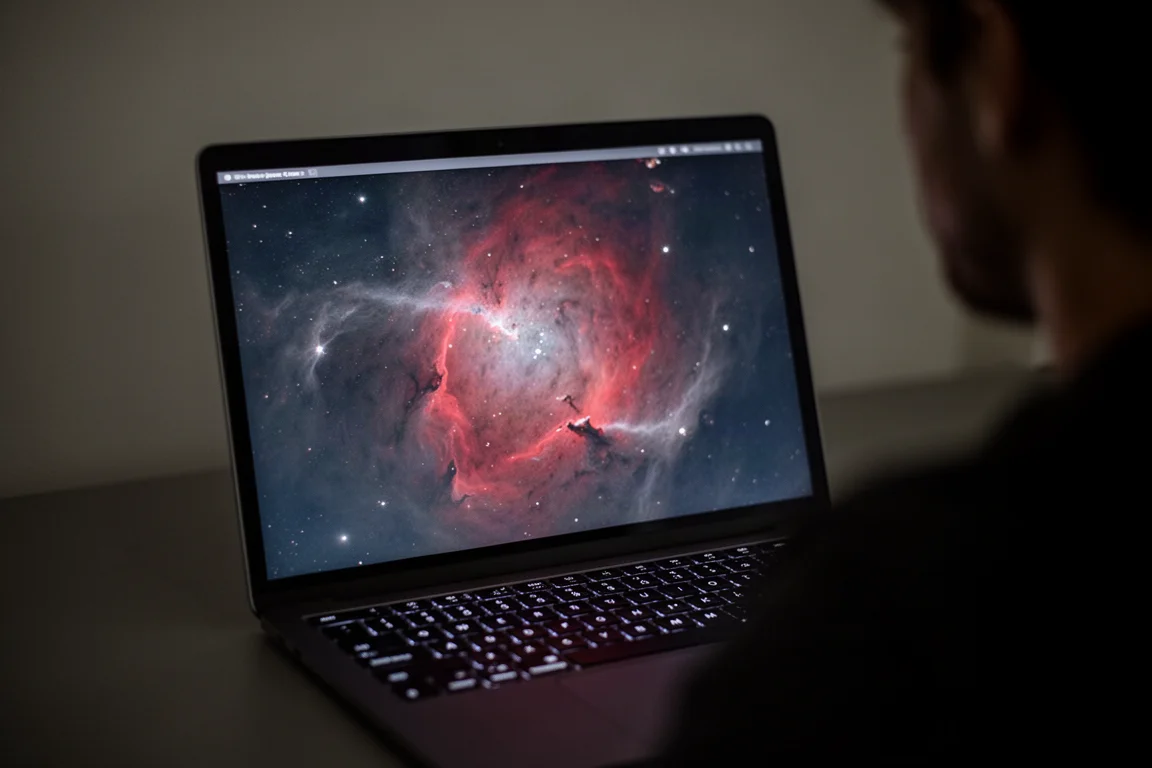
Zooming in confirms it: strong horizontal banding shows up on the Canon at lower ISO, with a clearly visible line running through the frame, while the Nikon shows no banding whatsoever. Finer dim details on the Nikon start coming into their own in a single exposure, while on the Canon they get lost in the noise. In bright, high-signal areas like the core of the Orion Nebula, there is far less difference between the two, and more green noise appeared on the Canon in a small blue reflection nebula. In empty sky regions, the Canon’s horizontal banding is obvious while the Nikon’s noise stays evenly distributed.
The Nikon won the ISO 400 challenge. The gap is not as extreme as expected, but it is definitely there.
Should You Switch Sides?
There is no need to switch to team Nikon if you already shoot Canon. With full calibration and the right ISO, a Canon workflow works fine. But it is fair to acknowledge that Nikon sensors are more ISO invariant and typically have lower noise at lower ISOs, with definite advantages for deep sky imaging.
The big downside to Nikon crop sensor DSLRs is the very limited clip-in filter selection. If you are mostly a lens based shooter rather than a telescope based shooter and want to use filters, Canon is the better bet.
Conclusion
In matched conditions at ISO 3200, a modded Nikon D5300 and a modded Canon EOS 60D deliver surprisingly similar stacked deep sky results. The Nikon pulls clearly ahead in low ISO long exposures thanks to lower read noise and no banding, while Canon counters with a far richer clip-in filter ecosystem. Choose based on how you shoot: low ISO long exposure telescope work favors the Nikon, lens based shooting with filters favors Canon.
Further reading
Related Reviews
Astrophotography
ASKAR FRA400C Review: A Versatile 400mm Refractor for Astrophotography and More
The ASKAR FRA400C is a compact 72mm refractor that balances reach, versatility, and portability for astrophotographers and visual observers.
Astrophotography
Askar SQA106 Review: A Premium 106mm Astrograph With Exceptional Optics
The Askar SQA106 is a premium 106mm quintuplet astrograph with impressive sharpness across full-frame sensors, though its price and weight demand careful consideration.
Astrophotography
Astro Imaging Gear 2026: Eight New Products Worth Watching
A look at the most interesting new astrophotography and astronomy products announced this year, from fast telescopes to smart cameras and wireless accessories.