Backpacking Gear
New Zealand Backpacking Gear: 7 Standout Picks Worth Knowing
Seven backpacking pieces worth knowing, most of them from New Zealand makers, with clear strengths, honest trade-offs, and notes on pricing and availability.
Introduction
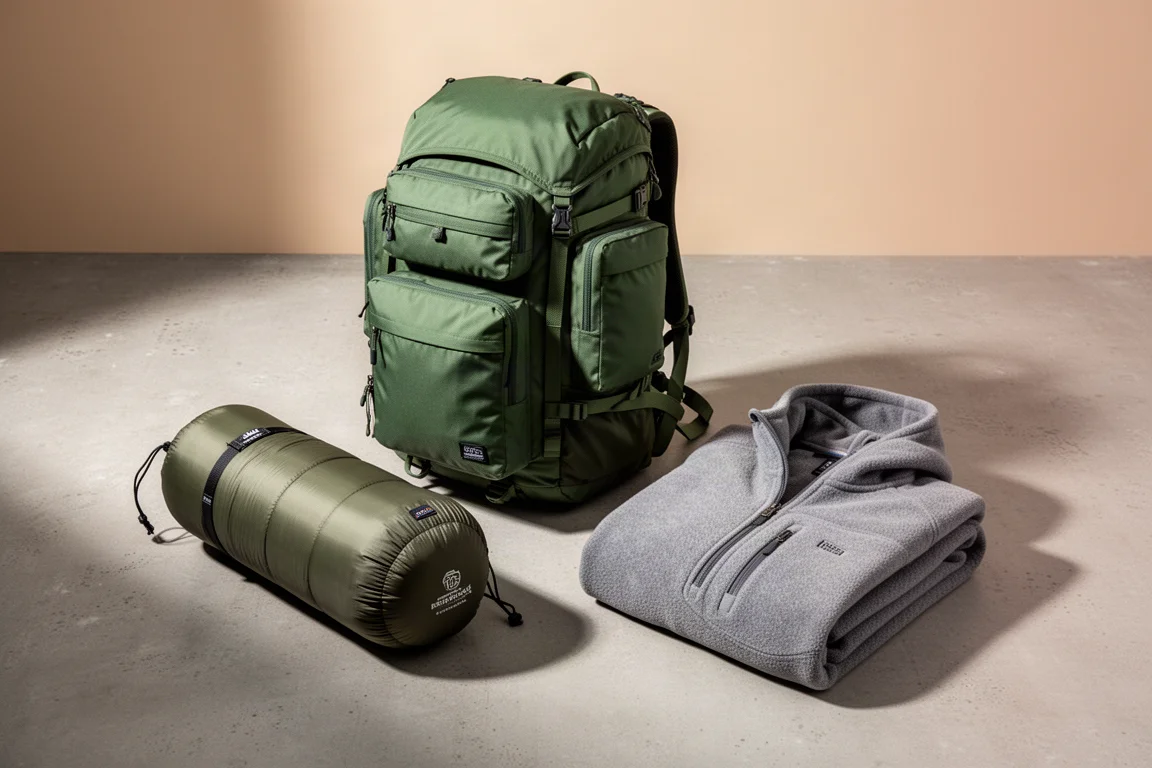
Some of the most interesting backpacking gear never travels far beyond its home market. This roundup covers seven pieces worth knowing about, most of them from New Zealand brands, that take a noticeably different approach to carrying weight, staying warm and staying dry. A few are straightforward to buy internationally, others take more effort to track down, and one is a consumable that earns its place in the pack.
What Sets This Gear Apart
The gear here was judged on a few practical questions. Does it change how weight sits on your body? Does it offer more versatility for its weight than the usual option? Does the price make sense next to comparable products? Pieces that solve a familiar problem in an unusual way, or that do something standard at a lower weight, made the list. Availability is flagged where it matters, because several of these are far easier to buy in New Zealand than anywhere else.
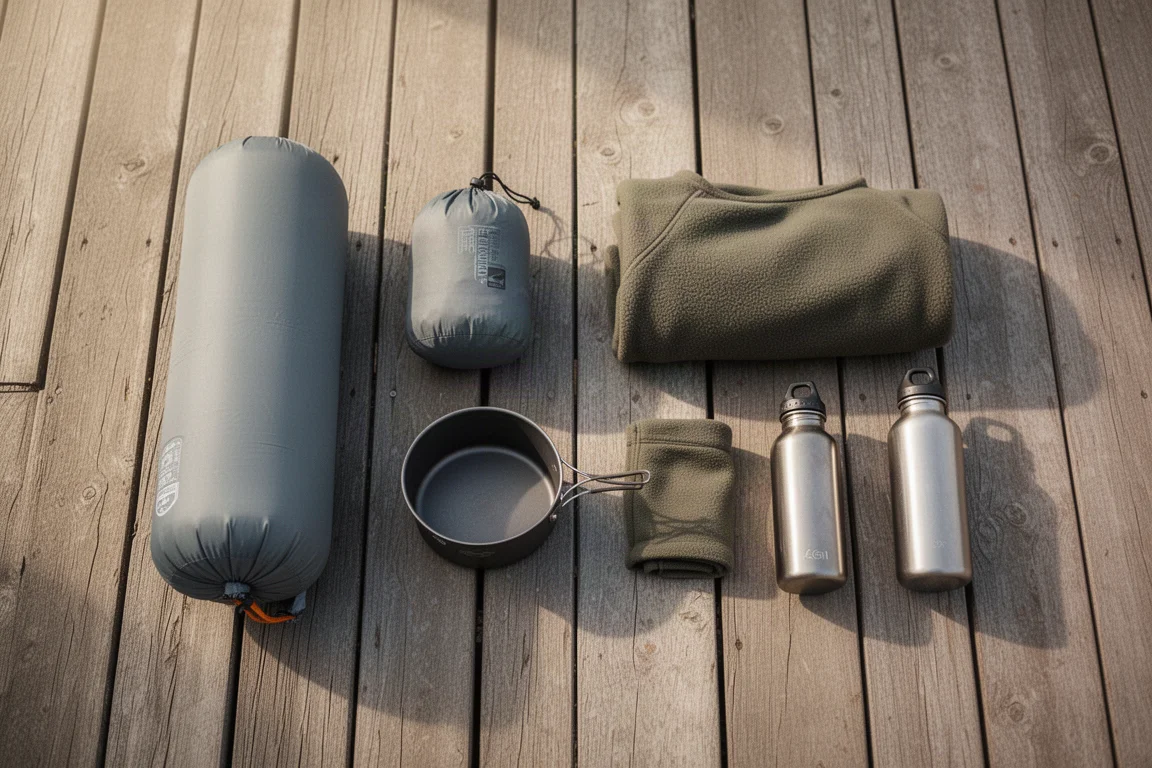
The common thread is efficiency: less weight pressing on the shoulders, less bulk inside the pack, and fewer small pieces that can go missing on a trip.
Aarn Mountain Magic Pro: Balance-Focused Load Carrying
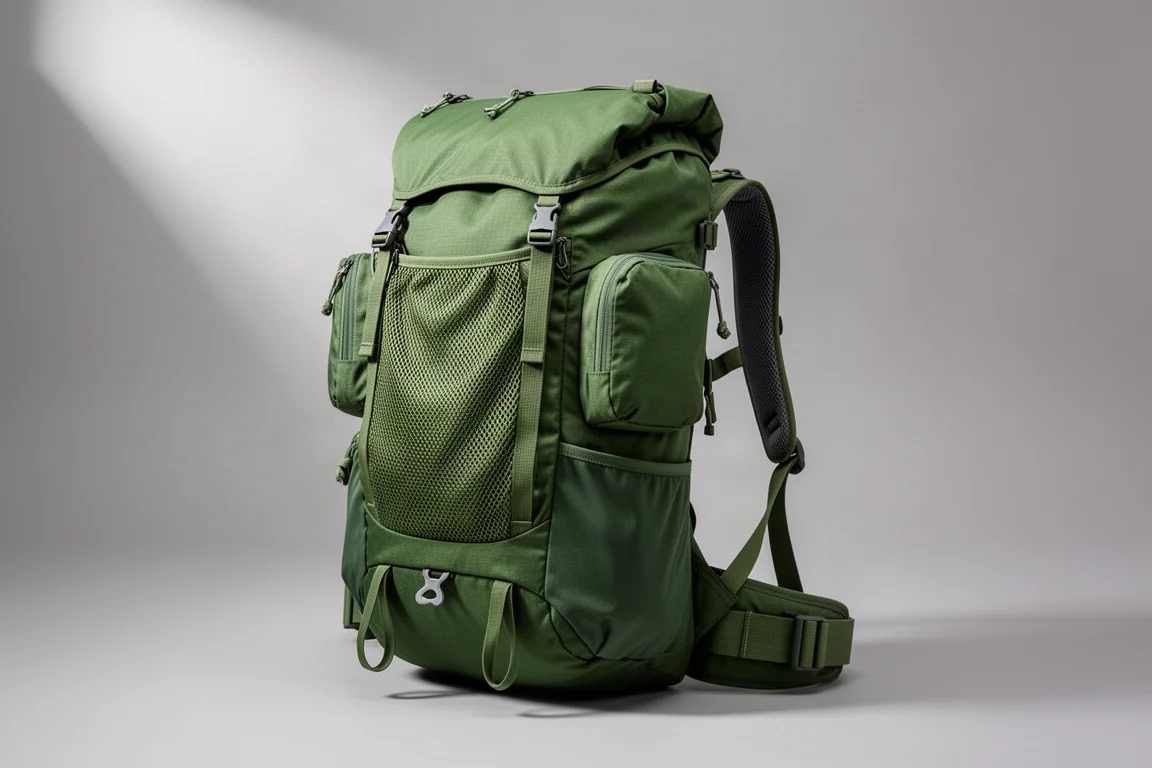
Aarn is a small New Zealand pack brand, and the Mountain Magic Pro is built around one idea: moving more of the load onto the hips. Traditional packs are designed to transfer roughly 60 percent of the weight to the hips. Aarn aims for the majority of it, in the range of 80 to 90 percent, using a harness that moves independently of the bag. The result feels a little like being stabilized inside a gimbal, where your shoulders can move without the pack shifting around them.
The two large front pockets, called balance pockets, attach to the shoulder straps and pull some of the load forward onto the front of your body. They include zippered openings, internal dividers and mesh pockets, and they take more weight than their volume suggests. The main body is rated to carry around 33 lb comfortably, with several pounds more possible in the front pockets depending on your build. Capacity is 50 L in total, split between 43 L in the body and 7 L in the front pockets, and the pack weighs about 1 kg.
Elsewhere the feature set is thorough: a stretchy mesh front pocket, a drawcord for lashing gear to the front, two trekking pole or ice axe attachments at the base, side water bottle pockets, a front zipper pocket with a key loop, a roll-top closure and an internal reservoir hook. The harness adjusts on the fly so you can set shoulder strap length while wearing the pack, and the wide hip belt uses a hook-style buckle instead of hip belt pockets.
Pricing is 580 New Zealand dollars, roughly 345 US dollars, while buying the same pack in the United States runs closer to 400 US dollars.
Therm-a-Rest Ultralight Sleeping Pad: Pump Sack Built In
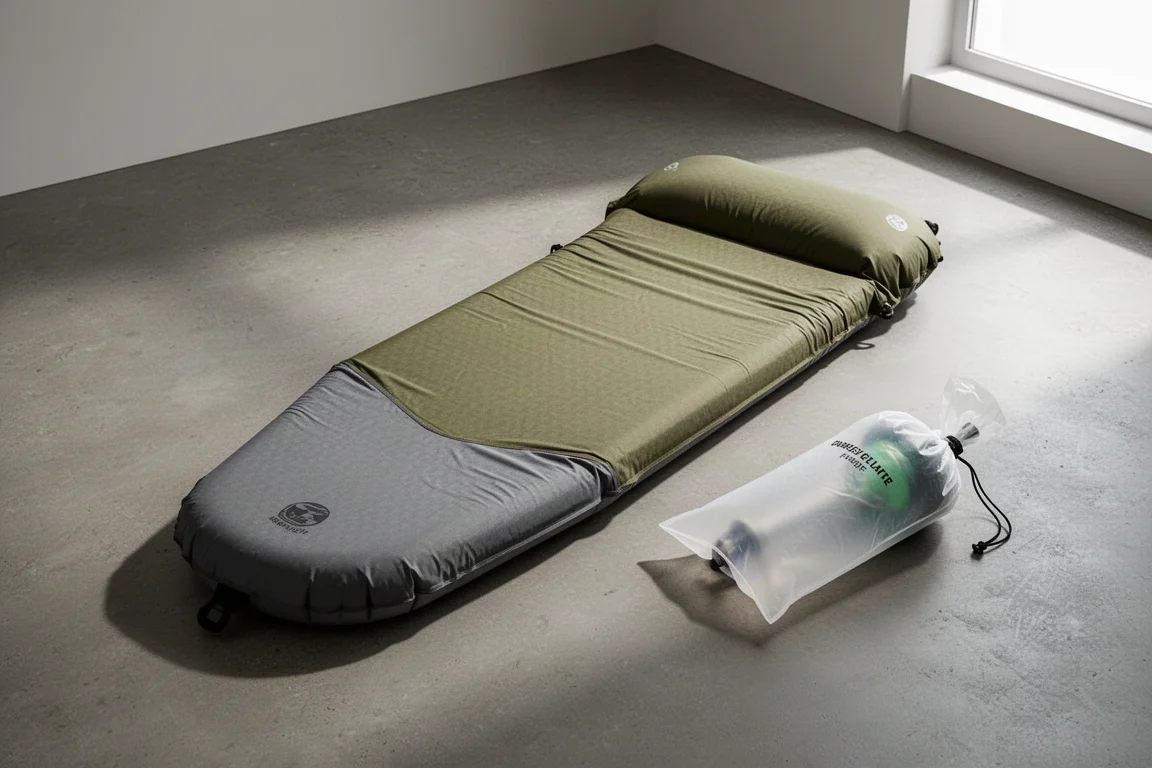
This pad is sold through Macpac and carries a 4.2 R value, which puts it comfortably in three-season territory and stretches into four seasons if you are pushing it. It weighs about half a kilogram and uses a mummy shape, tapered at the bottom rather than cut rectangular.
The standout detail is that the stuff sack doubles as a pump sack. You open it out, fill it with air, attach it to the pad and push the air through to inflate. Because the sack is part of the inflation process rather than a separate accessory, there is much less chance of leaving it behind or losing it somewhere in camp. It costs 180 New Zealand dollars, about 107 US dollars, which is less than a comparable REI pad at around 170 US dollars that is also heavier.
Macpac Dragonfly 600 Sleeping Bag: Warmth Where It Counts
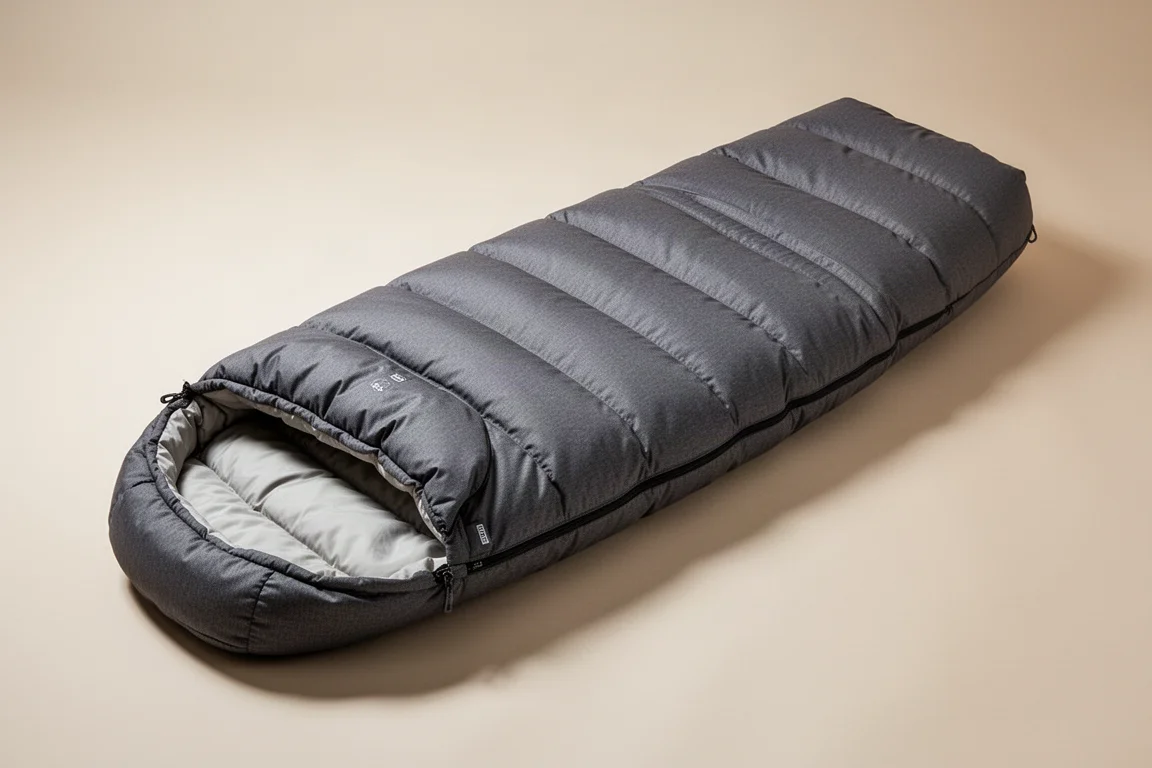
The Dragonfly 600 is a mummy-shaped down bag with a comfort limit of -3°C (26°F) and a lower limit of -10°C, roughly 15 to 16°F, which makes it broadly a 20-degree bag. Macpac specifies it with 600 fill down and an 800 loft figure, a labeling convention that differs from the fill-power-only specs common on US down products. Loft is often the more useful number when you are judging real-world warmth.
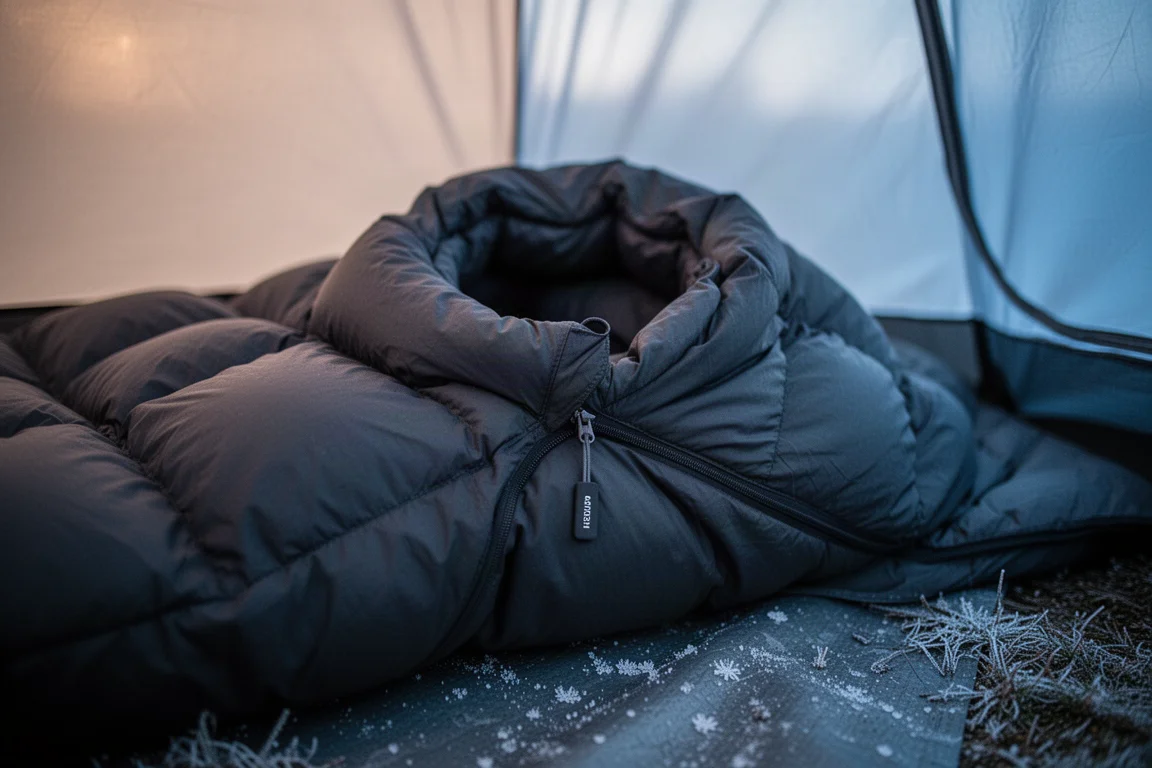
Two design choices stand out. The draft collar is heavily overstuffed, which helps trap the warmth your body produces and makes the lower temperature rating more comfortable in practice. The zipper runs only a third of the bag’s length, which removes a common path for heat loss and allows more insulation in the foot box, keeping feet and legs warmer. The trade-off is the zipper itself: it is a thin, jacket-style zipper rather than the burlier coil zipper usually found on sleeping bags, so it is a durability point worth watching over time.
The bag weighs 915 g and costs 679 New Zealand dollars, about 405 US dollars. That is more than a comparable REI 20-degree bag at roughly 200 US dollars, though the Dragonfly 600 is the lighter of the two.
Macpac Astral One-Person Tent: Light Shell, Flexible Fly
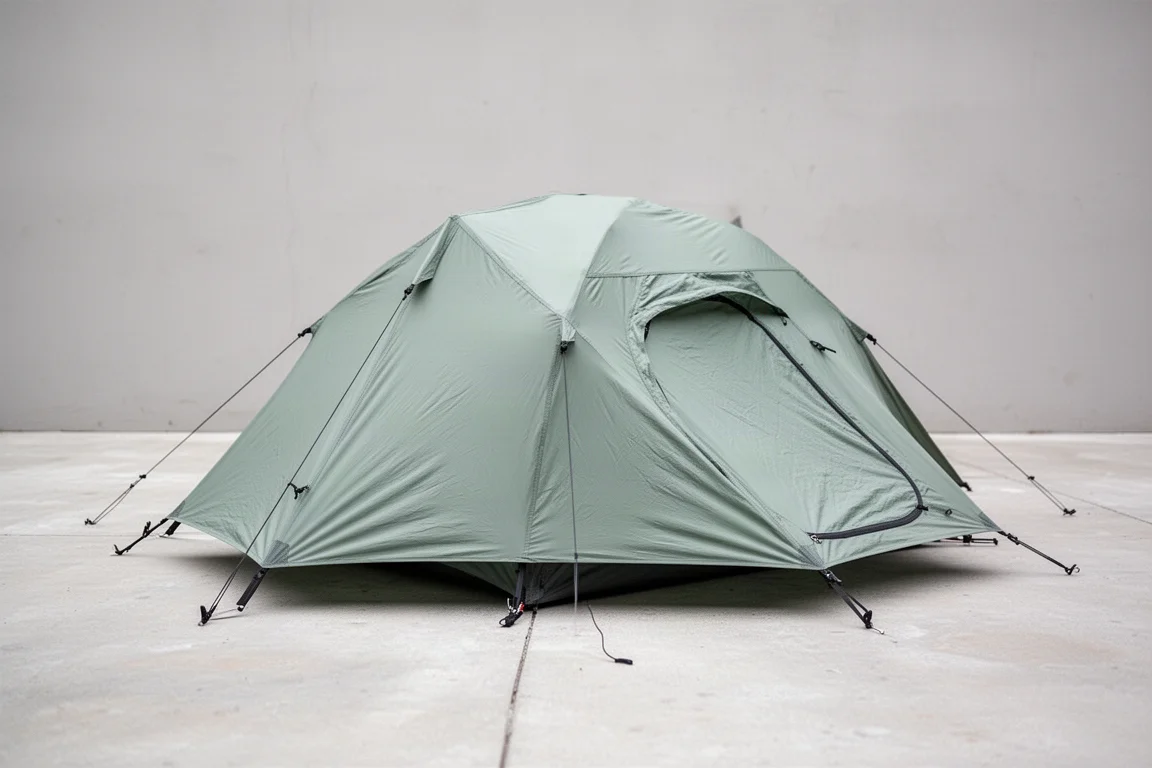
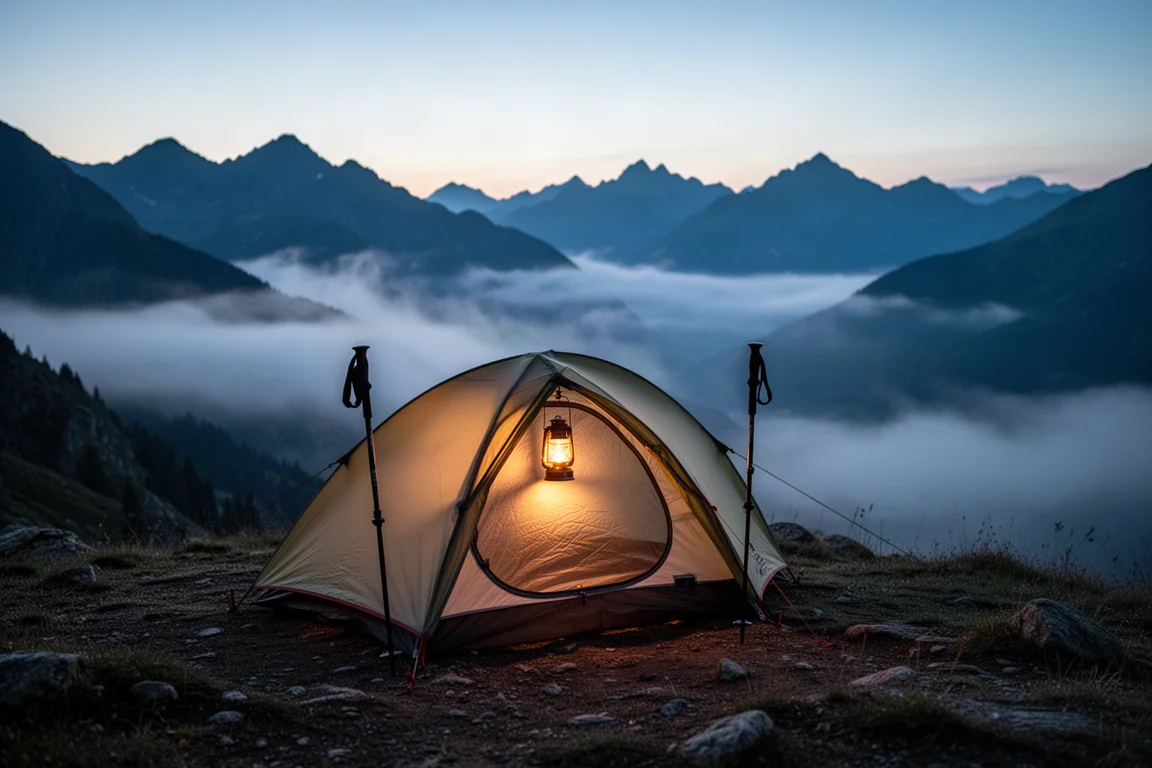
The Astral is a one-person trekking pole tent weighing 850 g, with a simple rectangular pitch and a small footprint. Its real strength is how many ways the fly can be configured: fully closed for weather, rolled back for an open view, or pitched as an awning using one or two trekking poles. That level of adjustability is unusual on a trekking pole tent. The floor is symmetrical so you can sleep with your head on either side, and the door can be unzipped and tucked into pockets at the top of the tent.
Normally 400 New Zealand dollars, about 240 US dollars, the Astral was discounted 50 percent in Macpac stores because of a manufacturing defect in the fly material, where some of the coloring can rub off and imprint on the tent body. The issue is cosmetic, and it brought the price down to 200 New Zealand dollars, about 120 US dollars, which is very low for a tent this light. Macpac has since removed the Astral line from its website, so availability now depends on remaining store stock or the secondhand market.
Macpac Nitro Fleece: Alpha Insulation That Packs Small
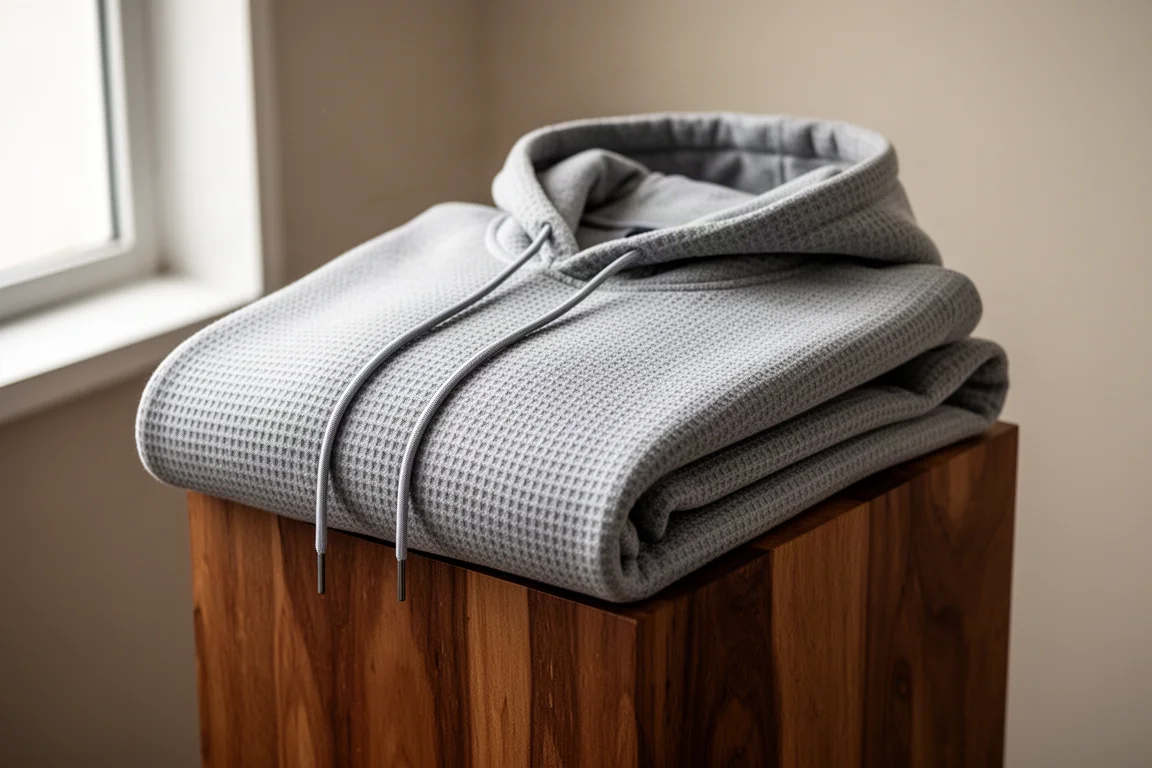
The Nitro Fleece is an Alpha fleece hoodie, and Macpac was the first company to make one. Alpha fabric has a high warmth-to-weight ratio: it is breathable and moisture-wicking while you are moving, then warm when you stop. It provides insulation when you need it and ventilation when you do not, which is why it works across a wide range of conditions.
The trade-off is wind resistance, which is essentially zero. Even a light breeze cuts straight through, so the hoodie performs best under a shell or in calm conditions.
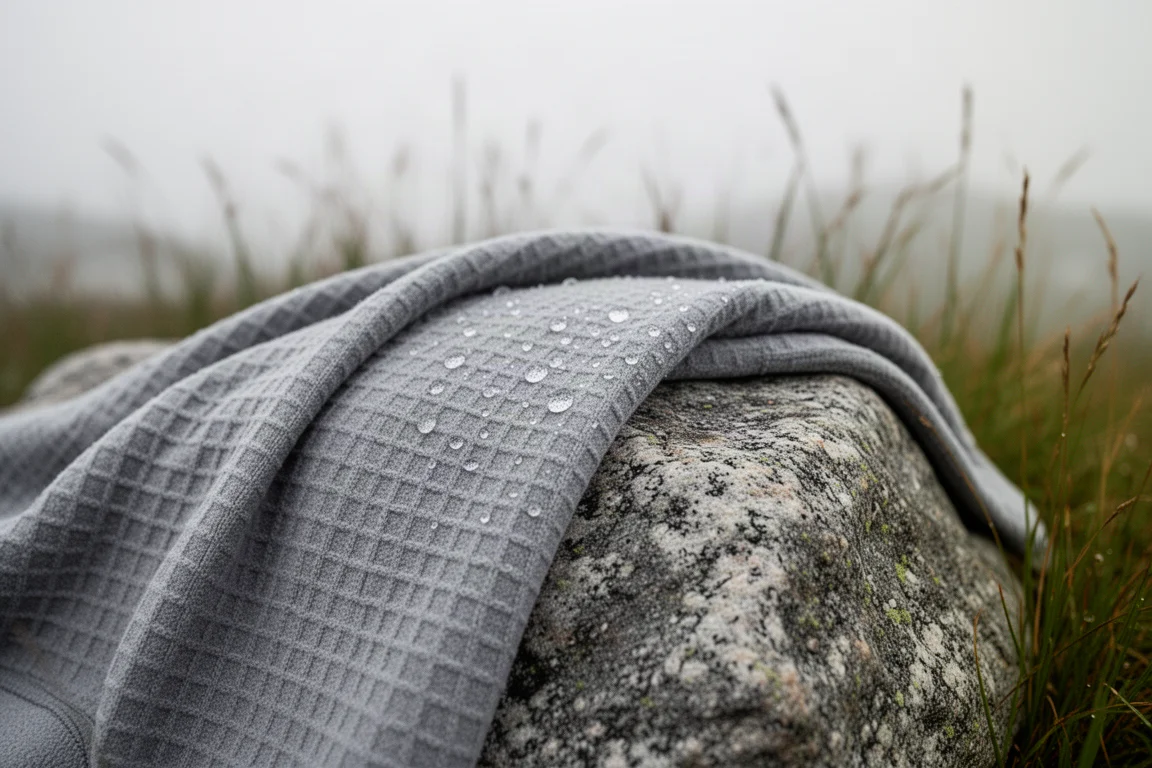
At 110 g and 110 New Zealand dollars, about 86 US dollars, it is one of the lightest and most packable layers in this roundup, and it belongs to Macpac’s Alpine series developed with the New Zealand Alpine team. In the United States, Alpha hoodies generally come from small cottage brands, so being able to walk into a Macpac store and pick one up is a genuine difference.
Mountain Safety Council Pack Liner and Emergency Shelter: Cheap Insurance
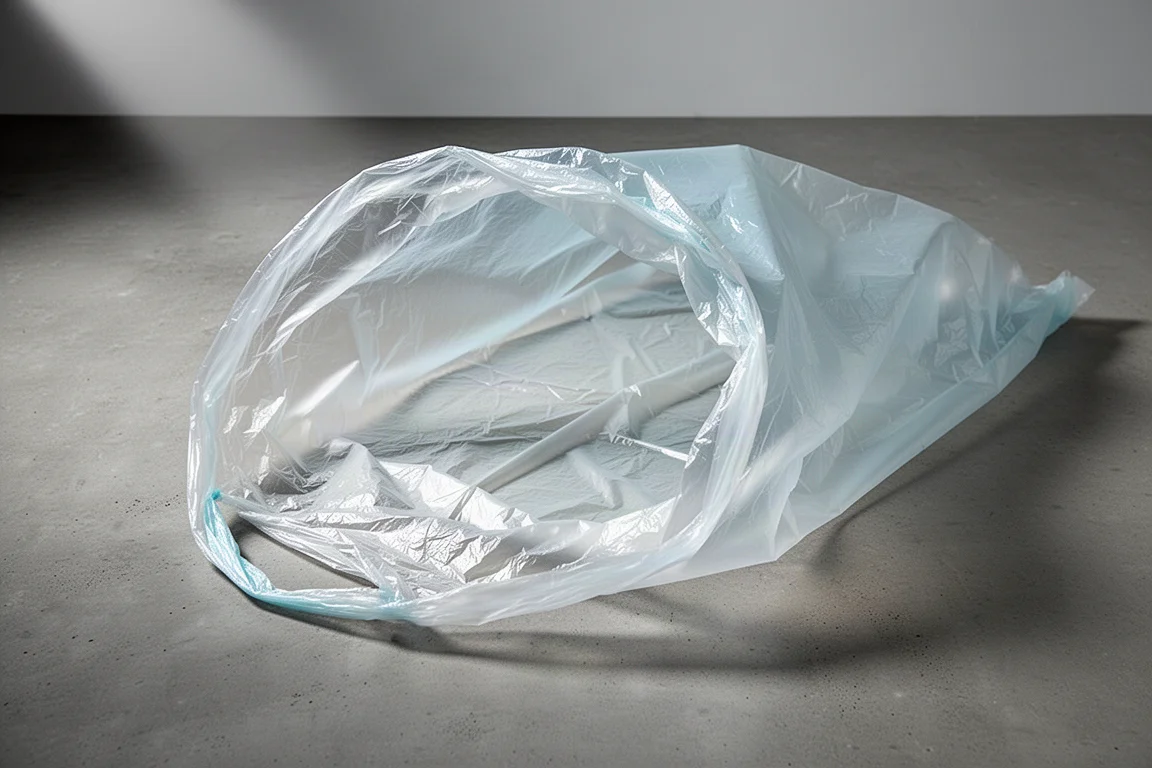
The Mountain Safety Council has made this pack liner for more than 20 years, and it turns up in a great many packs around New Zealand. It is a large, durable plastic liner with a wide opening, sized well beyond a typical pack liner. That extra size is the whole point: you can slide your entire body and your sleeping bag inside it and use it as an emergency bivy if you are caught out in cold, wet conditions without shelter.
It costs between 8 and 10 New Zealand dollars, roughly 5 US dollars, and it is sold at many outdoor retailers and ranger stations in New Zealand. It is not a replacement for a proper tent, but as a lightweight layer of insurance that doubles as a pack liner, the value is hard to argue with.
LMNT Element Electrolyte Drink Mix: Sodium With a Little Caffeine
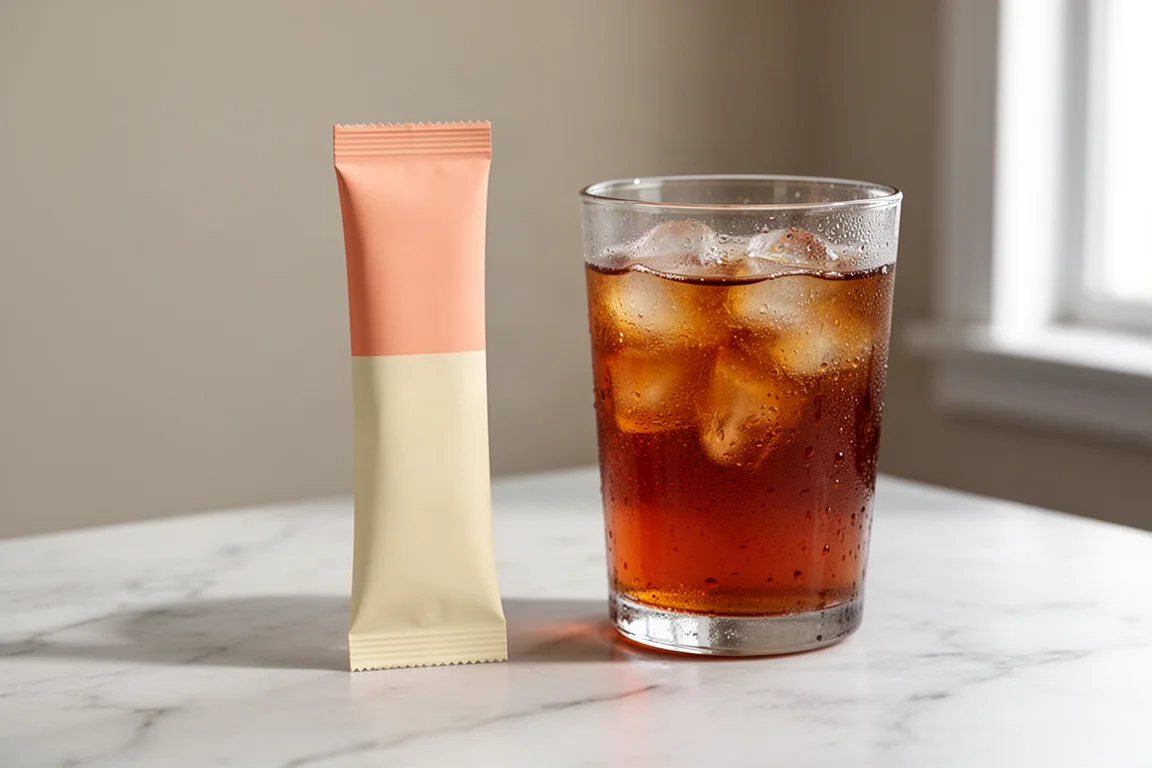
Each stick of this electrolyte mix delivers 1,000 mg of sodium, a meaningful amount for backpacking days when you are sweating heavily and eating less salt than usual. The lemonade iced tea flavor adds caffeine at roughly the level of half a cup of coffee, which suits a midday lift without the full jolt of a coffee. One stick is typically mixed into about 20 oz of water.
Buying Advice
Start with the problem you actually have. If shoulder strain is what limits your enjoyment of long days, the Aarn Mountain Magic Pro is the piece built specifically for that, and its front balance pockets are the reason it carries weight differently. If you want a light shelter with unusual flexibility, the Macpac Astral is compelling at its discounted price while stock lasts. If you want one layer that covers active movement and rest stops, the Nitro Fleece is the simplest upgrade here.
For smaller fixes, the Therm-a-Rest pad removes a recurring annoyance by turning its stuff sack into a pump sack, and the Mountain Safety Council liner is the cheapest way to add a genuine margin of safety to a pack you already own.
Availability is worth planning around. Macpac products are easiest to buy in New Zealand, the Aarn pack costs less there than in the United States, and the Astral tent has been pulled from Macpac’s website. If you are traveling anyway, buying in New Zealand often works out cheaper than importing later.
Conclusion
These seven pieces are worth knowing about because each one solves a specific problem rather than simply adding features. The Aarn pack redistributes load, the Dragonfly 600 concentrates insulation where heat escapes, the Astral offers shelter flexibility at a very low weight, and the Nitro Fleece delivers warmth for barely more than a hundred grams. The Therm-a-Rest pad, the Mountain Safety Council liner and the LMNT mix round out the kit with practical, low-drama solutions. Match them to your own priorities and they will earn their place in the pack.
Further reading
Related Reviews

Backpacking Gear
Building a 10 lb Base Weight: An Ultralight Backpacking Gear List
A practical walkthrough of the ultralight pieces behind a 10 lb base weight, from a 765 g pack and a roomy one-person tent to a full camp chair and a dependable water filter.

Backpacking Gear
A 15-Pound Lightweight Backpacking Gear List for Solo Trips
A beginner-friendly 15-pound backpacking setup built from easy-to-find gear, with notes on what each piece does, how it packs, and where to spend your attention.
Backpacking Gear
8 Ultralight Backpacking Gear Upgrades Worth Carrying
Eight small, affordable backpacking upgrades that solve real trail annoyances, from a pillow that stays put to a fuel valve that rescues leftover canister gas.