Backpacking Gear
New Zealand Backpacking Gear Worth Knowing: Seven Lightweight Picks
Seven pieces of New Zealand backpacking gear, from a balance-pocket trekking pack to a pack liner that doubles as an emergency shelter.
Introduction
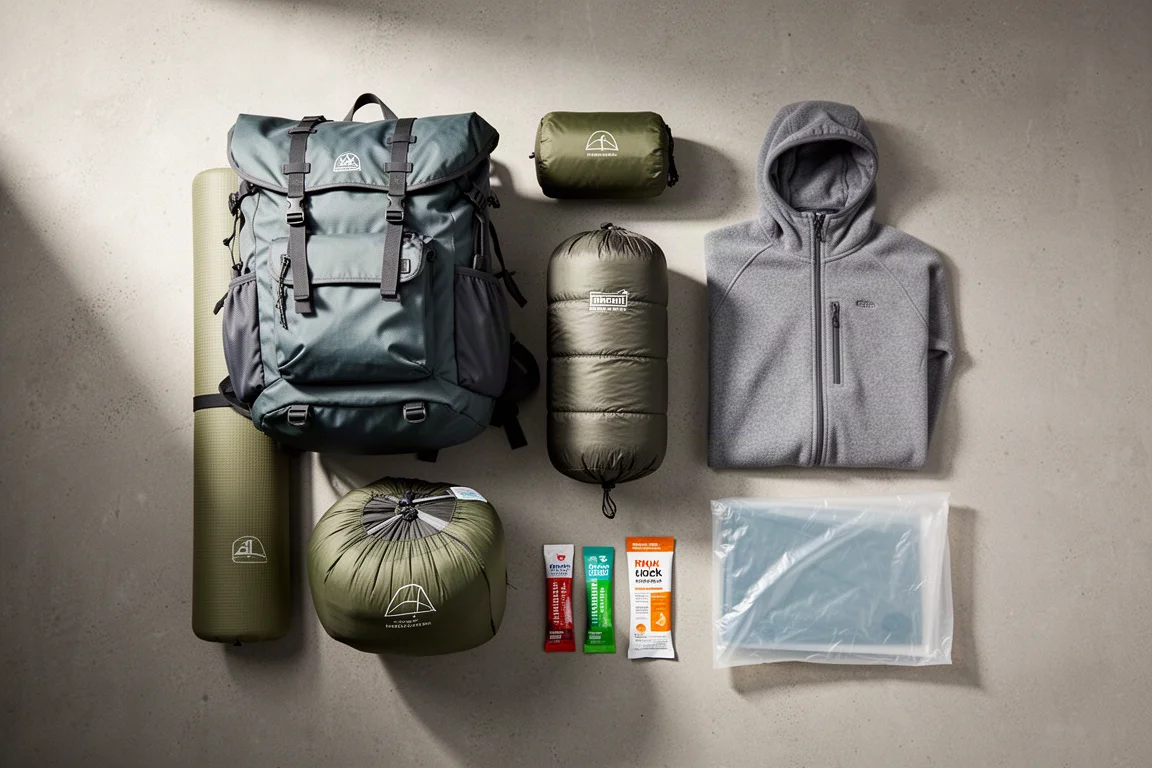
New Zealand has a small but distinctive outdoor gear culture, and several of the items that turn up in packs there solve problems in ways that are still uncommon in other markets. This roundup covers seven pieces of gear from New Zealand brands and stores: a balance-focused trekking pack, a sleeping pad whose stuff sack doubles as a pump, a down sleeping bag with an overstuffed draft collar, a one-person tent with several fly configurations, an Alpha fleece hoodie, a pack liner that doubles as an emergency shelter, and an electrolyte drink mix.
Each section below covers what the item does, who it suits, and the trade-offs worth knowing before you commit.
What Sets This Gear Apart
Two themes run through the list. The first is weight, with several items well under a kilogram. The second is dual-purpose design, where one item covers two jobs: a stuff sack that inflates a pad, a pack liner that works as an emergency bivy, or a fleece that breathes while you move and insulates when you stop.
Prices below are given in New Zealand dollars with rough US equivalents, because that is how the items are listed. Availability varies. Some of these products ship internationally, while others are easiest to find inside New Zealand, and a few are limited to whatever stock remains.
If you are shopping from outside New Zealand, the practical question for each item is whether the design advantage is worth the shipping and the price difference. The notes below flag where that calculation is straightforward and where it is not.
Aarn Mountain Magic Pro: A Pack That Moves With Your Shoulders
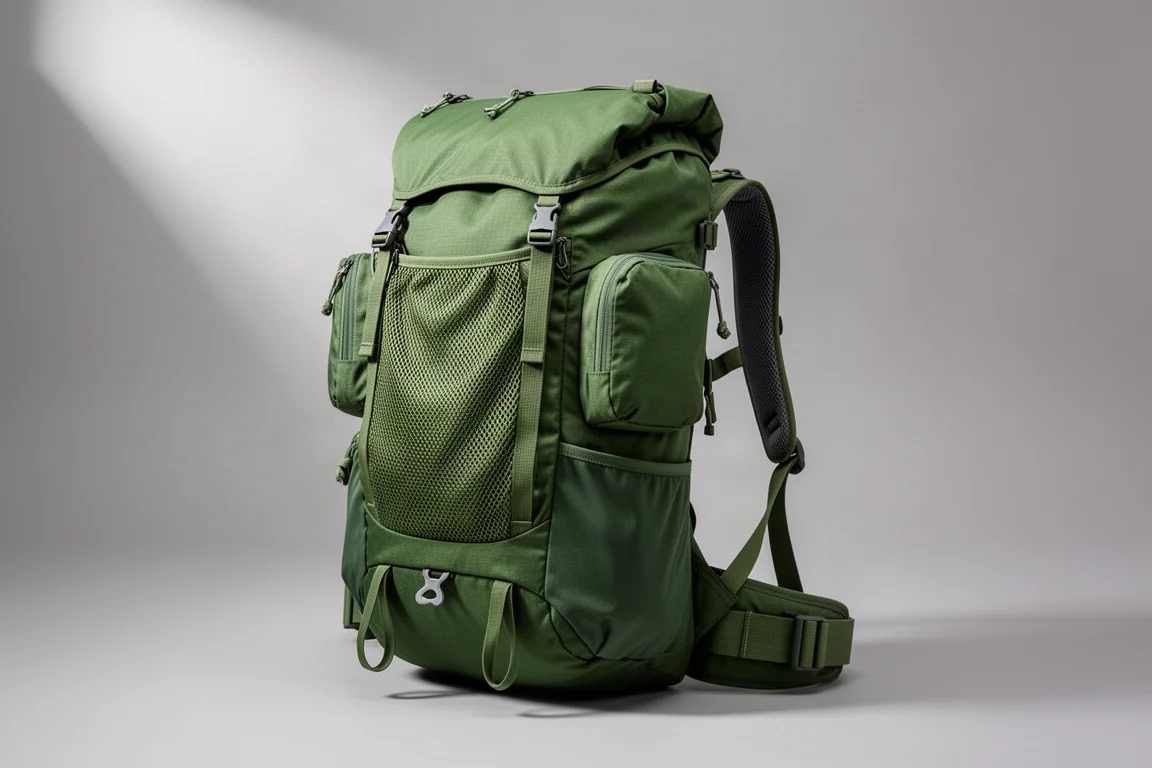
The Aarn Mountain Magic Pro is the most unusual pack here. Its defining feature is a harness that moves independently of the bag body, so your shoulders can shift inside the pack without the load swinging with them. The two large pockets on the front, called balance pockets, attach to the shoulder straps and pull part of the load forward onto the front of your body.
Aarn’s claim is that the design transfers the majority of the weight to your hips, in the region of 80 to 90 percent, compared with roughly 60 percent for a traditional pack. Whether or not that exact ratio holds for you, the front pockets are genuinely useful for dense, heavy items.
The pack carries 50 L in total, split between 43 L in the main body and 7 L in the front pockets. It is designed to carry about 33 lb comfortably in the main body, and the front pockets can take considerably more weight than they appear to, depending on your build. Features include a stretchy mesh front pocket, a drawcord for lashing items to the front, two trekking pole or ice axe attachments at the bottom, side bottle pockets, a zipped front pocket with a key loop, a roll-top closure, an internal reservoir hook, and a wide hip belt with a hook-style buckle. There are no hip belt pockets, which is a deliberate part of the design. The harness can be adjusted for torso length while the pack is on your back.
It weighs 1 kg. Pricing is NZ$580, roughly US$345, in New Zealand, but about US$400 if you buy it in the US. The brand itself is small, built around the goal of carrying significant weight comfortably.
Therm-a-Rest Ultralight Sleeping Pad: The Stuff Sack Is the Pump
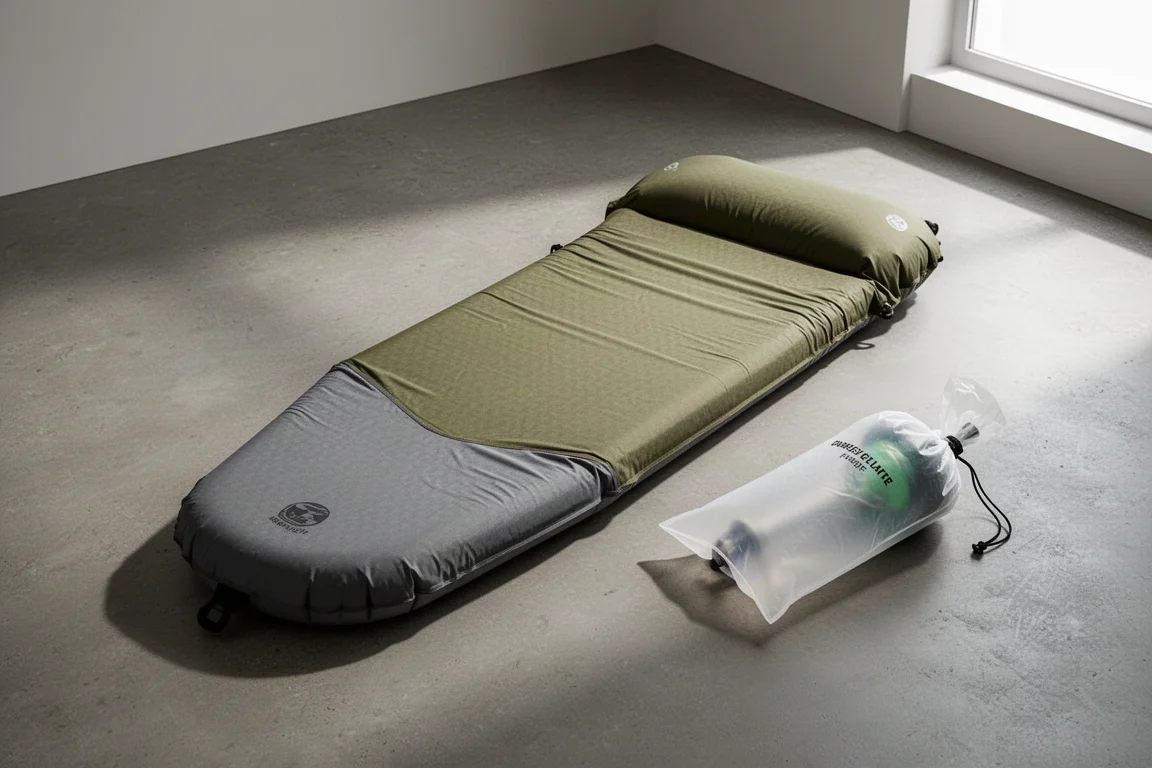
This Therm-a-Rest mat is a tapered mummy shape with a 4.2 R value, which puts it in three-season territory and makes it usable in four seasons if you push it. It weighs half a kilogram.
The feature worth calling out is that the stuff sack doubles as a pump sack. You open it out, fill it with air, attach it to the pad, and press that air through. That avoids inflating the pad by mouth and, just as usefully, means there is no separate pump sack to lose. Very few large US brands build pads this way.
The tapered shape saves weight and packed volume, though it does mean less room at the feet. At NZ$180, roughly US$107, the price is reasonable for the specification.
Macpac Dragonfly 600: Warmth Where It Counts
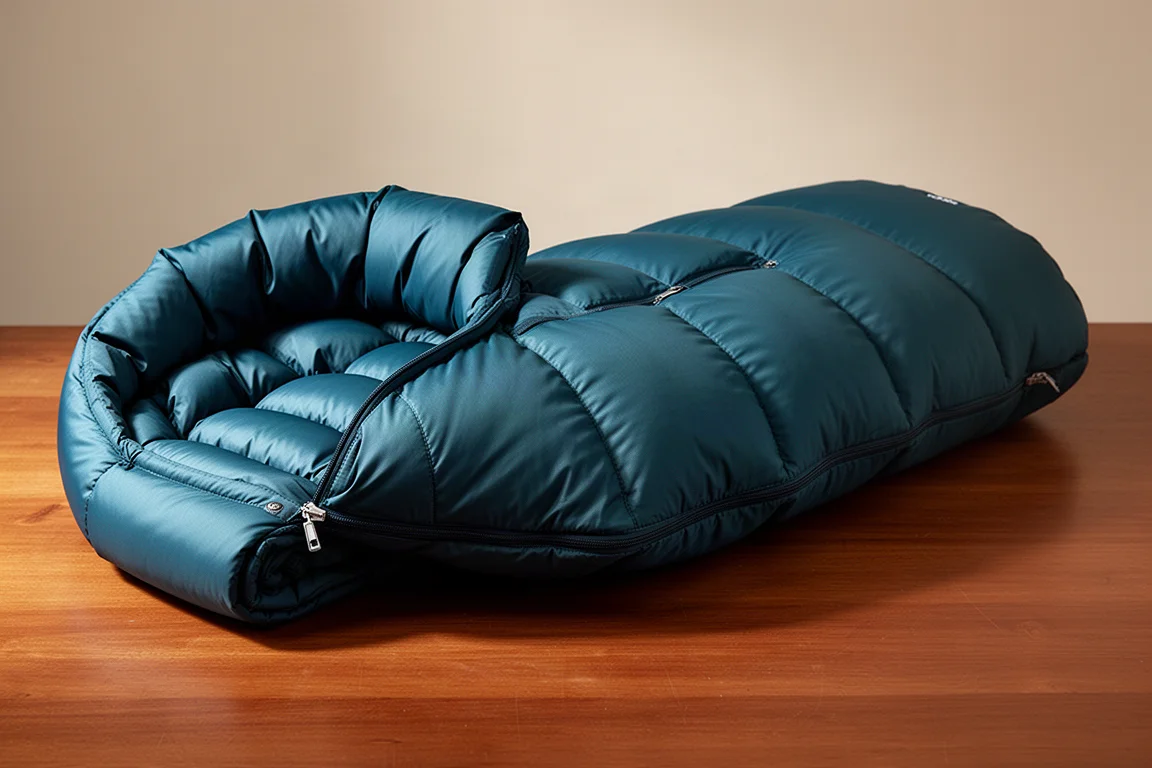
This mummy-shaped down bag is rated to a comfort limit of -3°C (26°F) and a lower limit of -10°C, which is roughly 15°F to 16°F. That places it in the 20°F class. The fill is 600 fill down, but the loft is equivalent to 800 fill power, a distinction that is more common in New Zealand specifications than in US ones, where fill power tends to be the headline number. Loft is the more direct indicator of how warm a bag will sleep.
Two design choices stand out. The draft collar is heavily overstuffed, which seals in the warmth your body generates and makes the lower rating more achievable in practice. The zipper is only a third length, which removes a large potential path for heat loss and leaves more insulation in the foot box. The bag weighs 915 g.
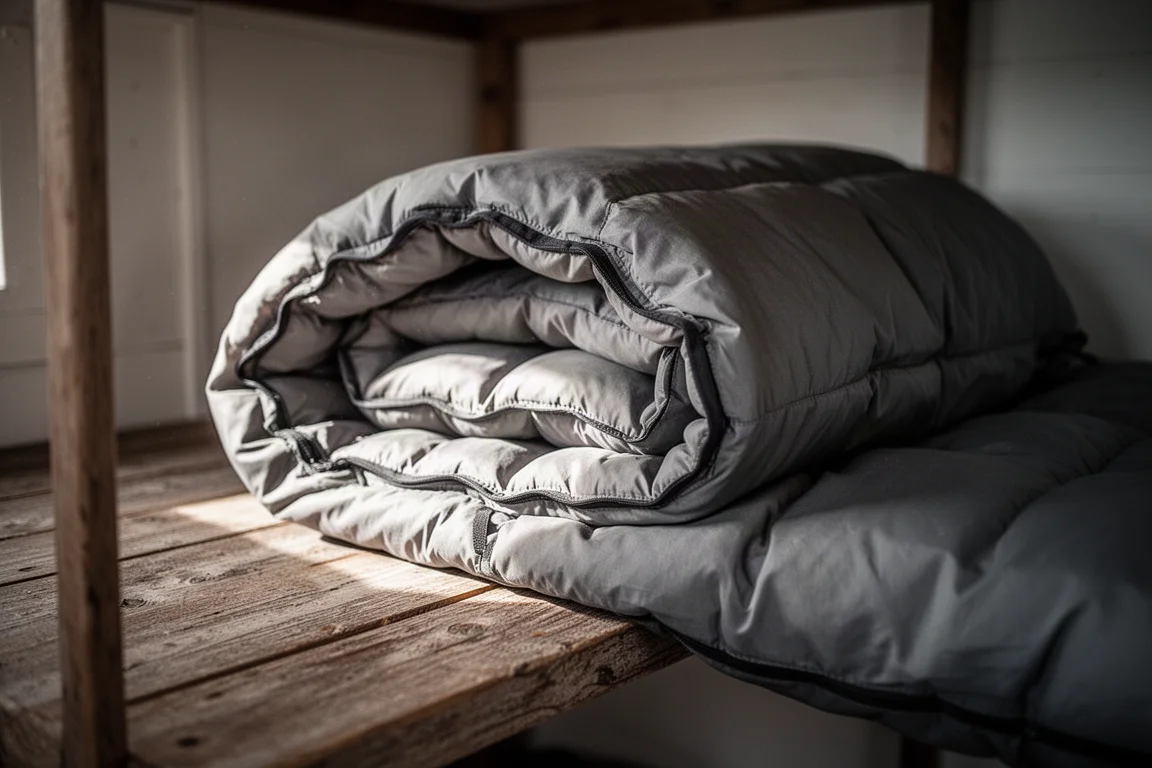
The trade-off is the zipper itself, which is thin and jacket-like rather than the heavier coil zipper common on sleeping bags. It is a spot worth watching over time. At NZ$679, about US$405, this sits at the higher end for a 20°F bag.
Macpac Astral One-Person Tent: Flexible Fly, Small Footprint
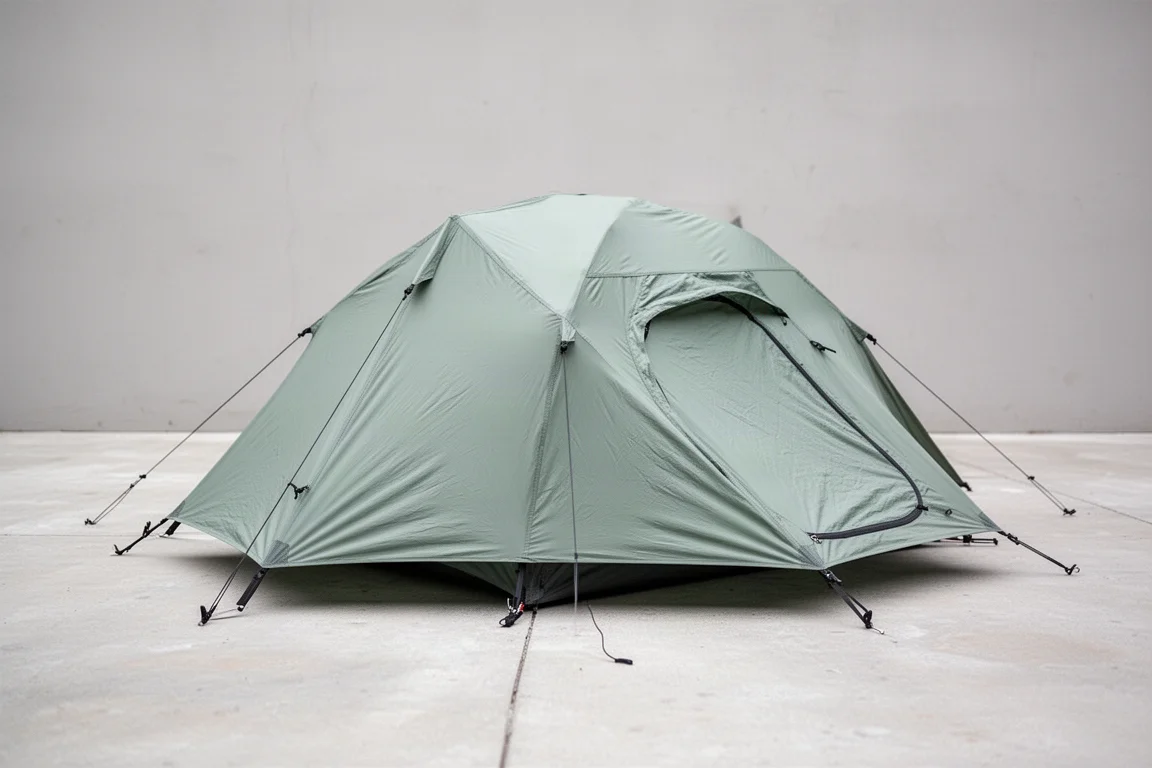
The Astral is a one-person trekking pole tent that weighs 850 g and pitches as a simple rectangle with a small footprint. Setup is quick, and the floor is fully symmetrical, so you can sleep with your head at either end. The door can be unzipped and tucked into pockets at the top of the tent.
The interesting part is the fly. It can be closed fully, rolled right back for an open view, or pitched as an awning with one or two trekking poles. That range of configurations is unusual among trekking pole tents.
Availability is the catch. Early production had a cosmetic defect where colour from the fly material could rub off and imprint on the tent body, and those tents were discounted by 50 percent as a result, which brought the price to NZ$200, about US$120, against a standard NZ$400, roughly US$240. The Astral line has since been removed from the brand’s website, so finding one now depends on remaining stock. For an 850 g tent, either price is low.
Macpac Nitro Fleece: 110 g of Alpha Insulation
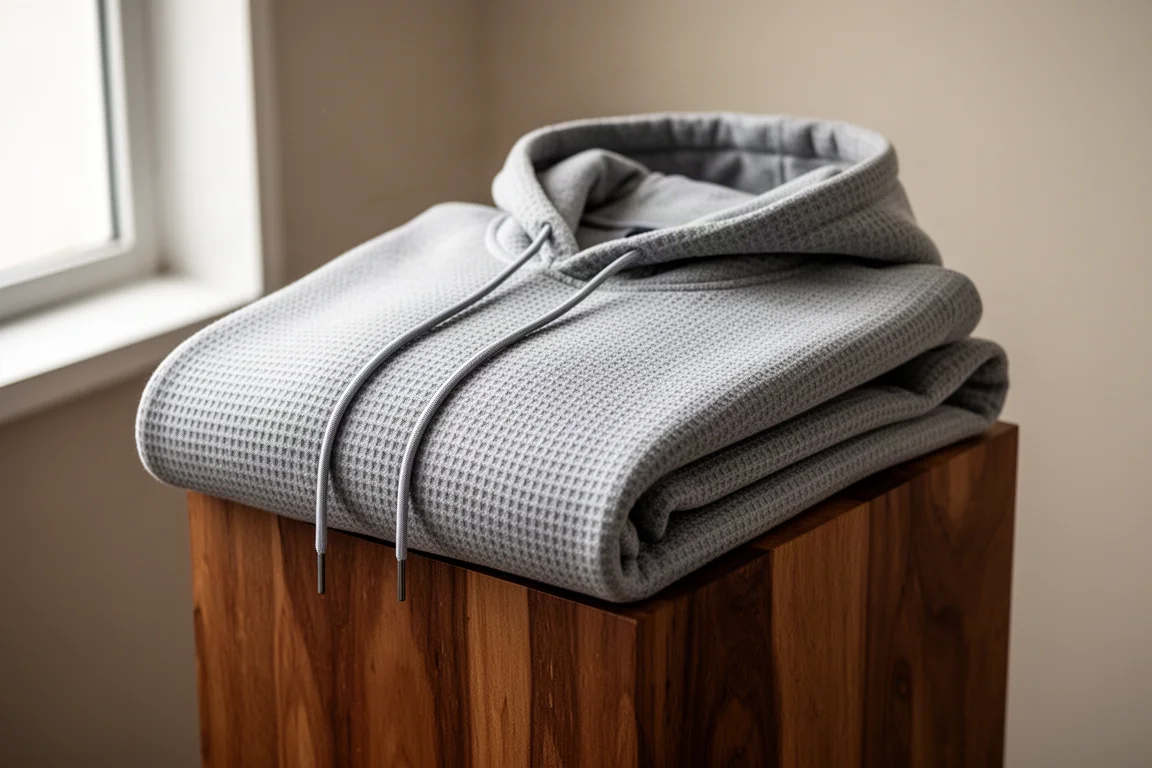
The Nitro Fleece is an Alpha hoodie, and Macpac was the first company to make one. Alpha fabric has a high warmth-to-weight ratio: it wicks and breathes while you are moving, then holds warmth when you stop. It also packs down small.
Wind resistance is effectively zero, so a light breeze cuts straight through it. It works best under a shell or as an active layer rather than as a standalone outer layer. It weighs 110 g, which is remarkable for a hooded fleece, and it costs NZ$110, about US$86.
The Nitro is part of Macpac’s Alpine series, developed with the New Zealand Alpine team. Alpha hoodies are still mostly a cottage-brand product in the US, so being able to walk into a Macpac store in New Zealand and buy one off the shelf is a real difference.
Mountain Safety Council Pack Liner: A Shelter That Packs Flat
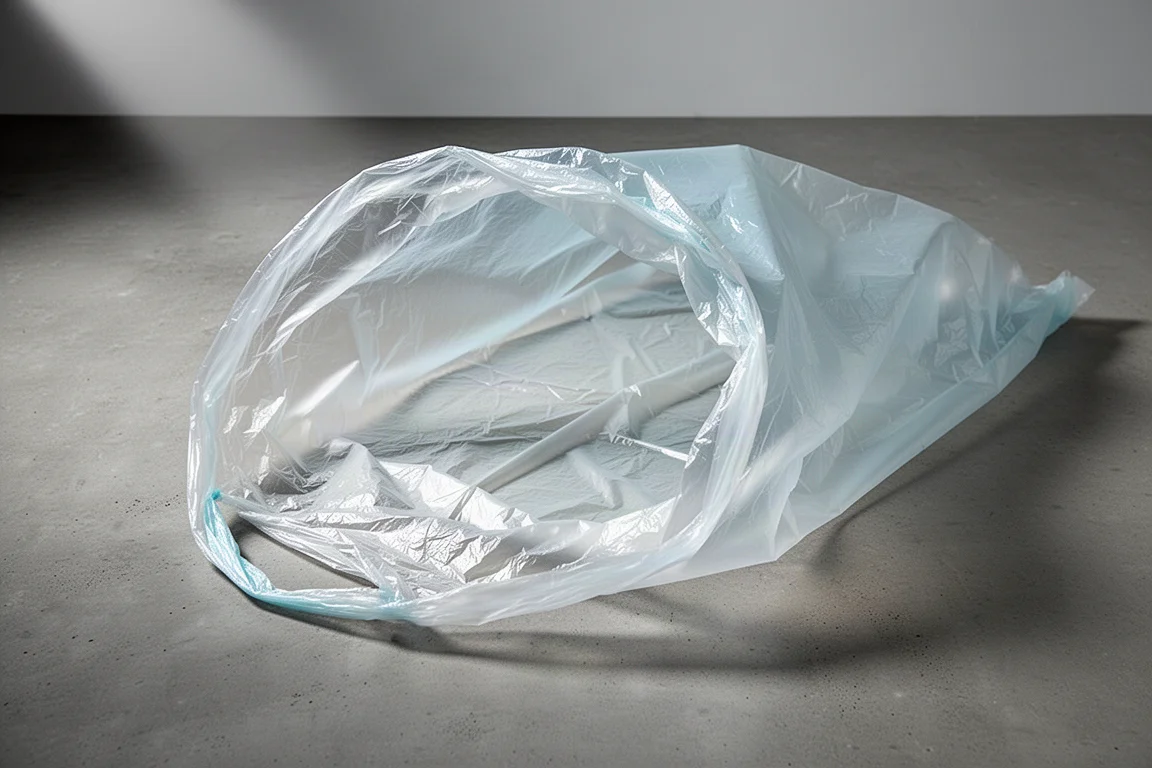
The cheapest item here may also be the most practical. This pack liner from the Mountain Safety Council has been in production for more than 20 years and turns up in a great many packs in New Zealand. It is a large, durable plastic sack with a wide opening, and it does two jobs. As a liner, it keeps your gear dry inside your pack. Opened out, it is big enough to climb into with your sleeping bag, working as an emergency bivy if you are caught out without shelter.
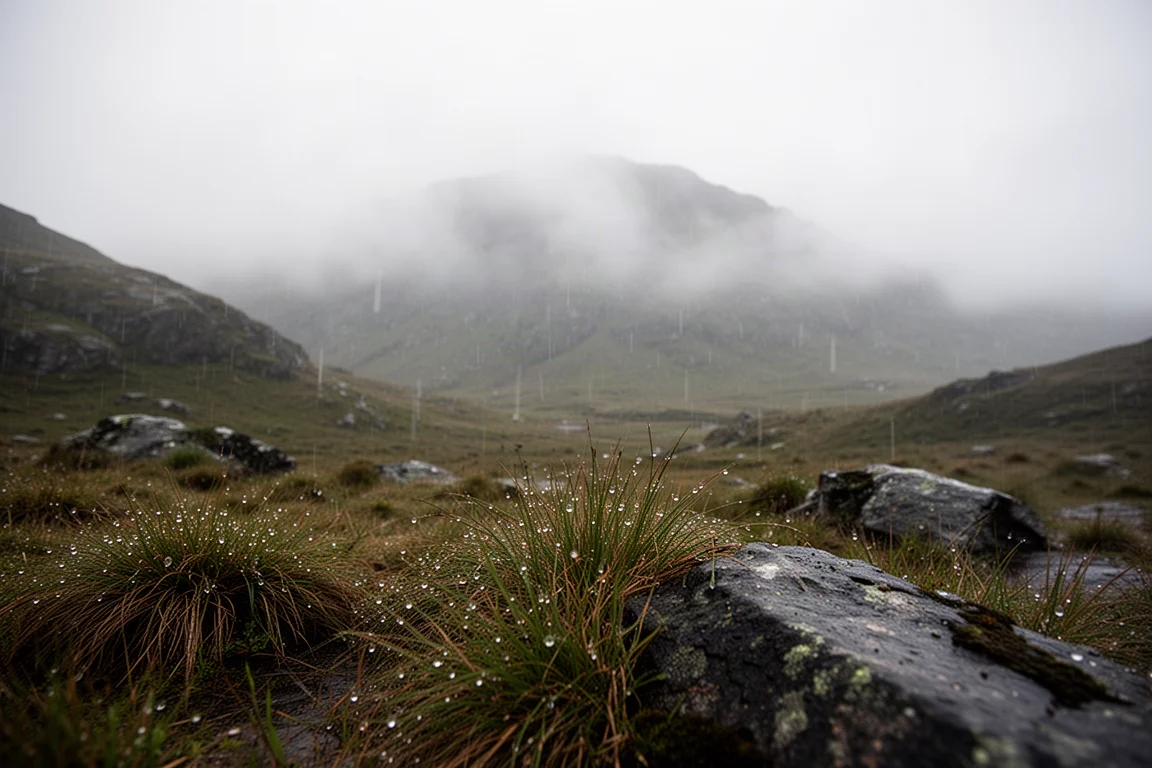
It costs NZ$8 to NZ$10, about US$5, and it is stocked by most outdoor retailers and many local ranger stations in New Zealand. Outside the country it is harder to find, and it is a plastic sheet rather than a breathable shelter fabric, so it is a backup rather than a replacement for a tent. As a five-dollar policy that also keeps your sleeping bag dry, it is hard to argue with.
LMNT Electrolyte Drink Mix: Lemonade Iced Tea With Caffeine
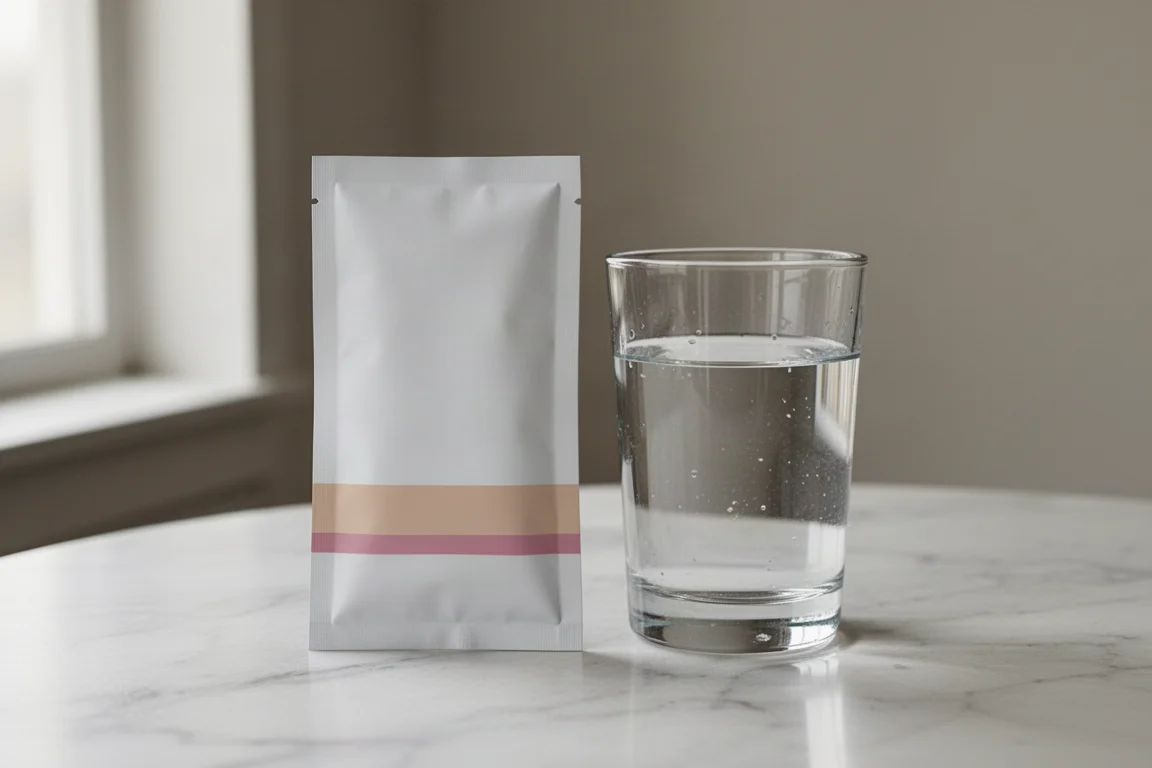
This electrolyte mix delivers 1,000 mg of sodium per stick, which is a serious dose for long, sweaty days on trail. The lemonade iced tea flavour adds caffeine at roughly the level of half a cup of coffee per stick, enough to take the edge off a mid-afternoon slump without pushing you into jittery territory.
One stick mixes into about 20 oz of water, so a single sachet covers a good stretch of walking. Because it contains caffeine, it suits daytime use better than an evening drink at camp. For anyone who struggles to keep salt intake up while hiking, or who wants a flavoured drink that does more than taste like something, it is a straightforward addition to a food bag.
Buying Advice: Matching Gear to the Trip You Actually Take
With gear this specialised, the useful question is not which item is best but which item solves a problem you actually have. The Aarn pack makes the most sense for anyone who has found heavy loads painful on the shoulders and wants more of that weight carried on the hips. The Therm-a-Rest pad and the Macpac sleeping bag suit three-season trips where packed size and weight matter. The Astral tent is for anyone who already carries trekking poles and wants flexible shelter at very low weight.

The Mountain Safety Council liner and the LMNT mix are the low-cost entries, and both are easy to justify: one keeps your gear dry and doubles as emergency cover, the other replaces a plain water bottle with something that replenishes salt. The Nitro Fleece sits in the middle, an active layer that works hard for its 110 g.
Prices quoted in New Zealand dollars were roughly US$345 for the Aarn pack, US$107 for the pad, US$405 for the sleeping bag, US$240 for the Astral tent at full price, US$86 for the fleece, and about US$5 for the liner. Some items cost more when bought outside New Zealand, and the Astral tent’s availability is uncertain, so check the delivered price against the design benefit before committing.
Conclusion
These seven items share a practical streak: a pack that shifts load onto the hips, a pad that inflates from its own stuff sack, a bag that puts insulation where heat escapes, a tent that changes shape with the weather, a fleece that weighs almost nothing, a low-cost liner that doubles as a shelter, and a drink mix that replaces lost salt. None of them are gimmicks, and each one answers a specific question about carrying weight or staying warm and dry.
If you are building a three-season kit, the strongest candidates here are the ones that remove a task rather than add one: the pad with the built-in pump sack, the pack liner that doubles as an emergency bivy, and the fleece that handles both moving and resting. Check availability and delivered pricing first, since several of these are easiest to buy in New Zealand.
Further reading
Related Reviews

Backpacking Gear
Building a 10 lb Base Weight: An Ultralight Backpacking Gear List
A practical walkthrough of the ultralight pieces behind a 10 lb base weight, from a 765 g pack and a roomy one-person tent to a full camp chair and a dependable water filter.
Backpacking Gear
A 15-Pound Lightweight Backpacking Gear List for Solo Trips
A beginner-friendly 15-pound backpacking setup built from easy-to-find gear, with notes on what each piece does, how it packs, and where to spend your attention.
Backpacking Gear
8 Ultralight Backpacking Gear Upgrades Worth Carrying
Eight small, affordable backpacking upgrades that solve real trail annoyances, from a pillow that stays put to a fuel valve that rescues leftover canister gas.