Backpacking Gear
New Ultralight Backpacking Gear: Four Pieces Worth Considering
A headlamp, a power bank, an all-in-one stove system and a reworked two-person tent, with the strengths and trade-offs that matter before you buy.
Introduction
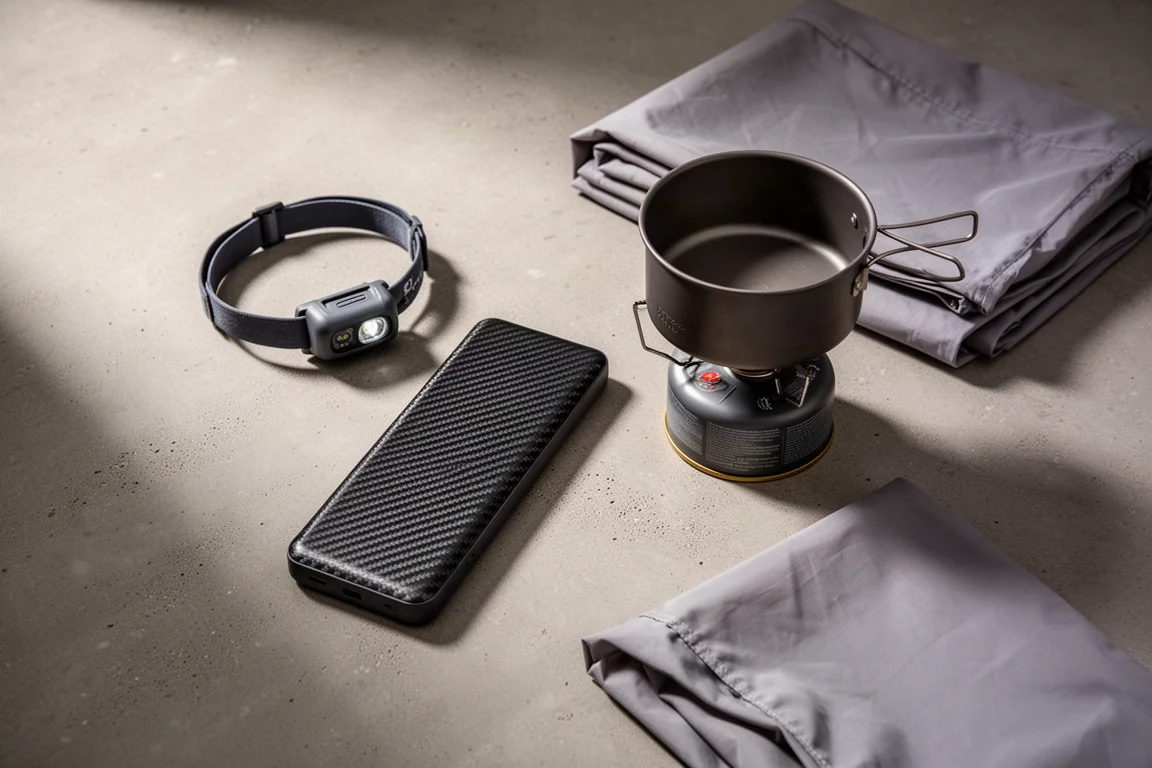
Some of the most interesting ultralight gear sits in a narrow band between weight savings and real-world usability. Four pieces stand out right now for backpackers who want to trim pack weight without giving up comfort: a featherweight headlamp, a refined power bank, an all-in-one cook system with a few genuinely new ideas, and a long-running two-person tent that has been reworked in ways that matter.
What to Look For in Ultralight Gear
Weight is the headline number, but it is rarely the whole story. A headlamp that weighs almost nothing is only useful if its light modes suit the way you actually camp, and a power bank is only worth carrying if its ports match the cables you already own. Stated capacity and stated weight are starting points. Charging options, mode selection, and how an item behaves after a few seasons of use matter just as much.
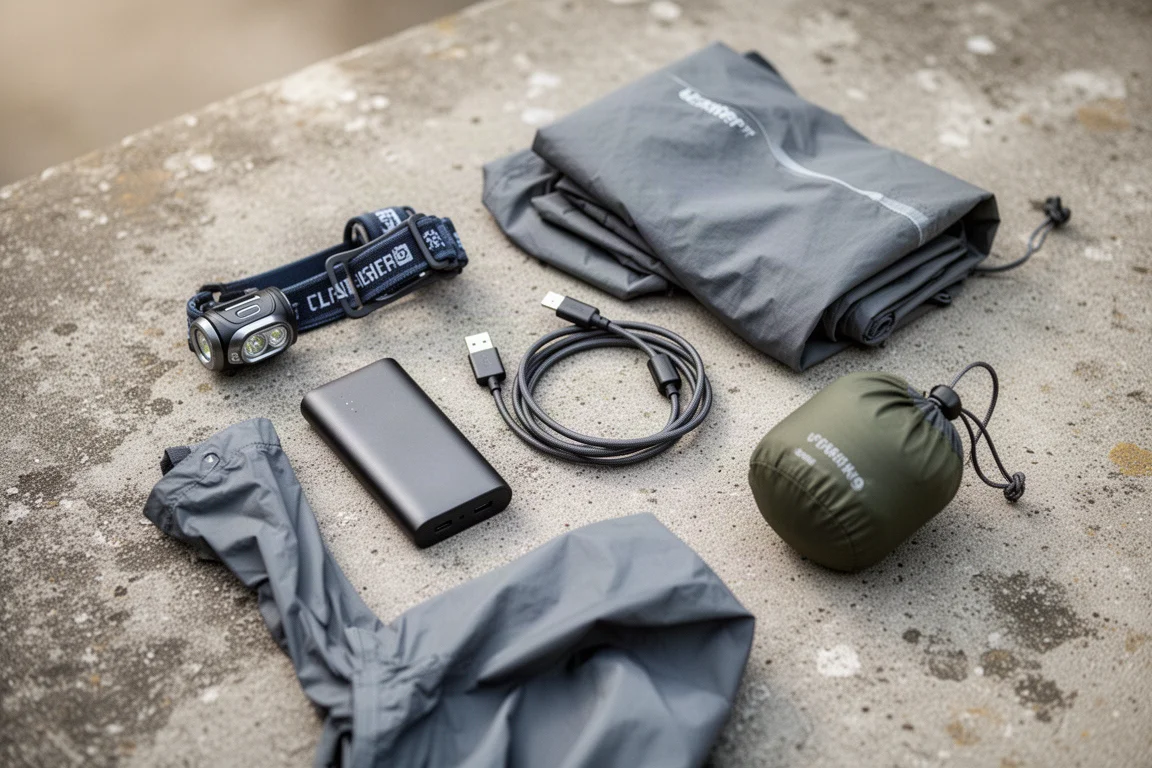
For shelters and cook systems, livability and packability tend to trade against each other. Ventilation, interior space, and how quickly something can be pitched or set up in bad weather often decide whether a piece of gear stays in the pack or gets left at home. The four items below are worth judging on those terms rather than on spec sheets alone.
Nitecore NU20 Classic: A Lightweight Headlamp Done Right
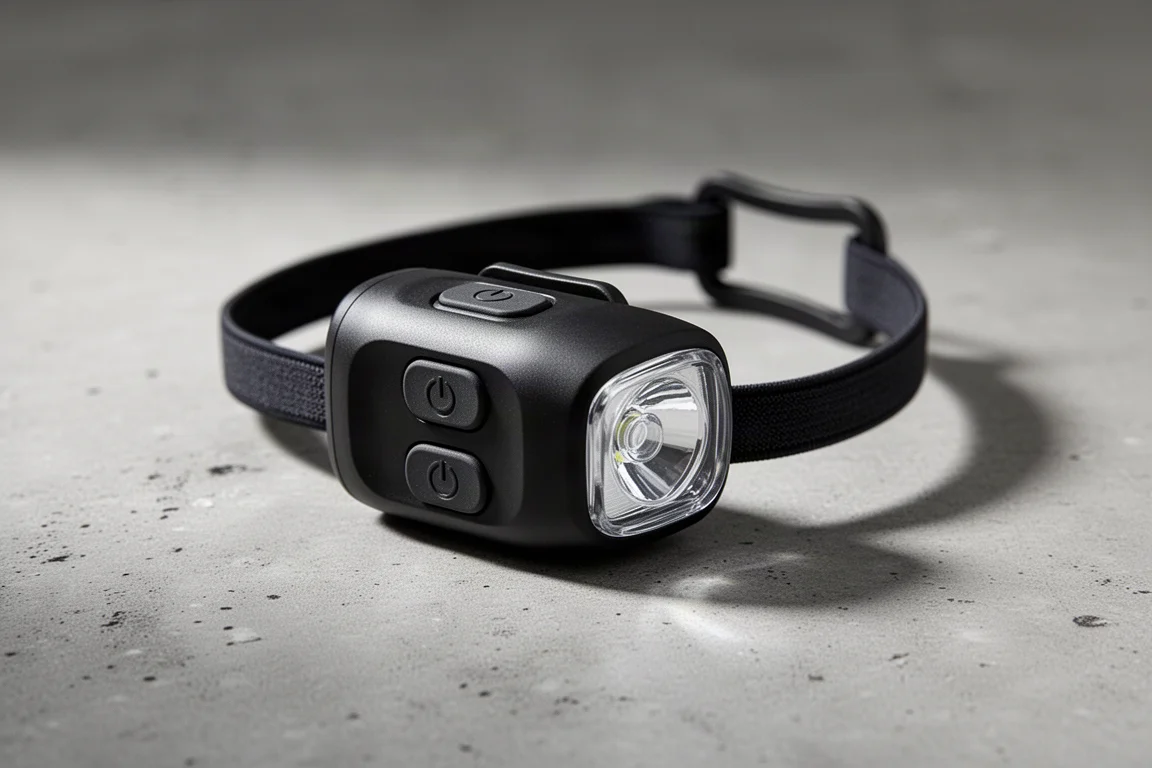
At 34 grams, the NU20 Classic is one of the lightest headlamps you can put in a pack, and its feature set is unusually complete for the weight. Output tops out at 360 lumens, which is enough for most hiking and camp tasks, and there is a dedicated 1 lumen mode for reading or moving around without disturbing anyone nearby.
Controls are simple. One button handles the white light and a separate button handles the red light. That red mode is genuinely useful around camp or inside a tent shared with other people, since it keeps light spill low. The headlamp charges over USB-C, so it uses the same cable as most modern phones and power banks.
The included head strap is the one part many owners will want to rework. It is functional but a little bulky and prone to tangling, and a common approach is to swap in a length of shock cord with a small toggle to save weight and simplify adjustment. With that change, the NU20 Classic covers nearly everything a backpacker could ask for in a headlamp this light.
Nitecore NB10000 v3: A Refined Ultralight Power Bank
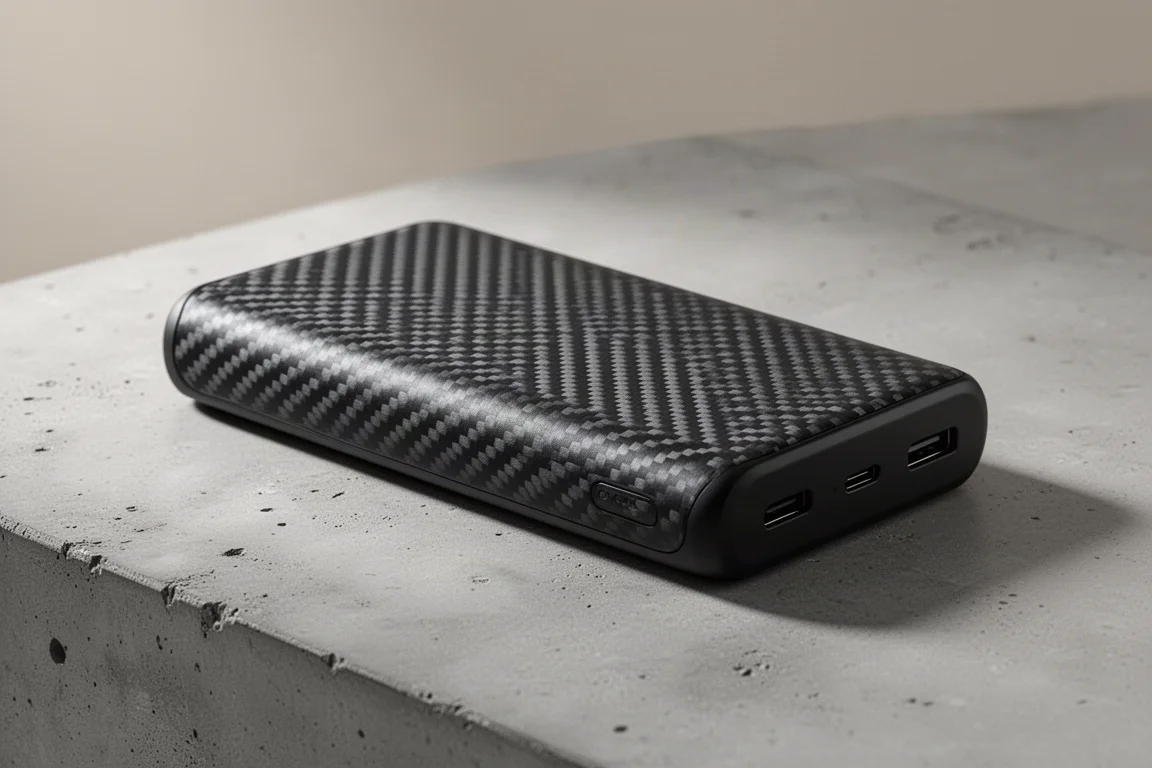
The NB10000 has been a fixture in ultralight kits for years, and the third version keeps the formula that made it popular while fixing some of the details. The carbon fiber shell carries over and appears more robust, with reinforcement in the spots where earlier units tended to show wear. It stays light for its capacity.
The significant change is the port layout. Two USB-C ports replace the previous mix of one USB-C and one USB-A. For anyone who has standardised on USB-C cables, that is a practical improvement, because either port can top up a phone, a headlamp, or the bank itself. The price stays at $65.
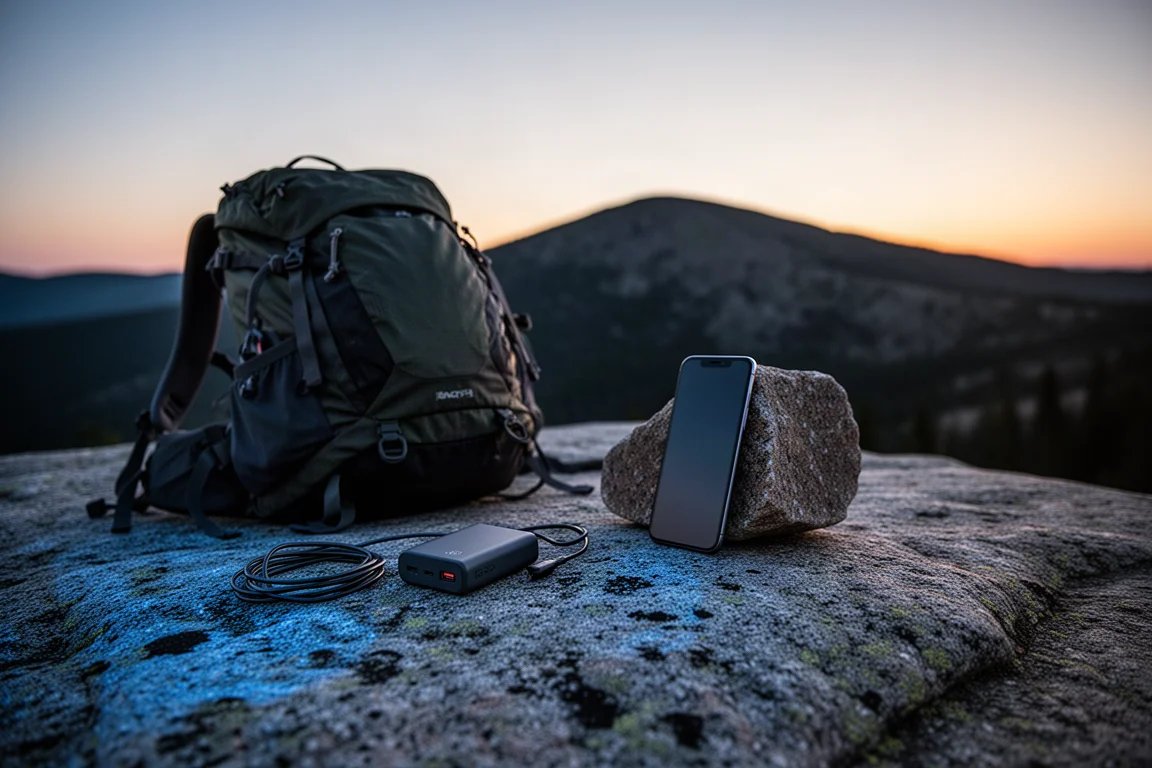
That combination of low weight, a tougher shell and dual USB-C makes it an easy pick for multi-day trips where a phone and a headlamp both need topping up between resupplies.
MSR Switch: An All-in-One Stove System
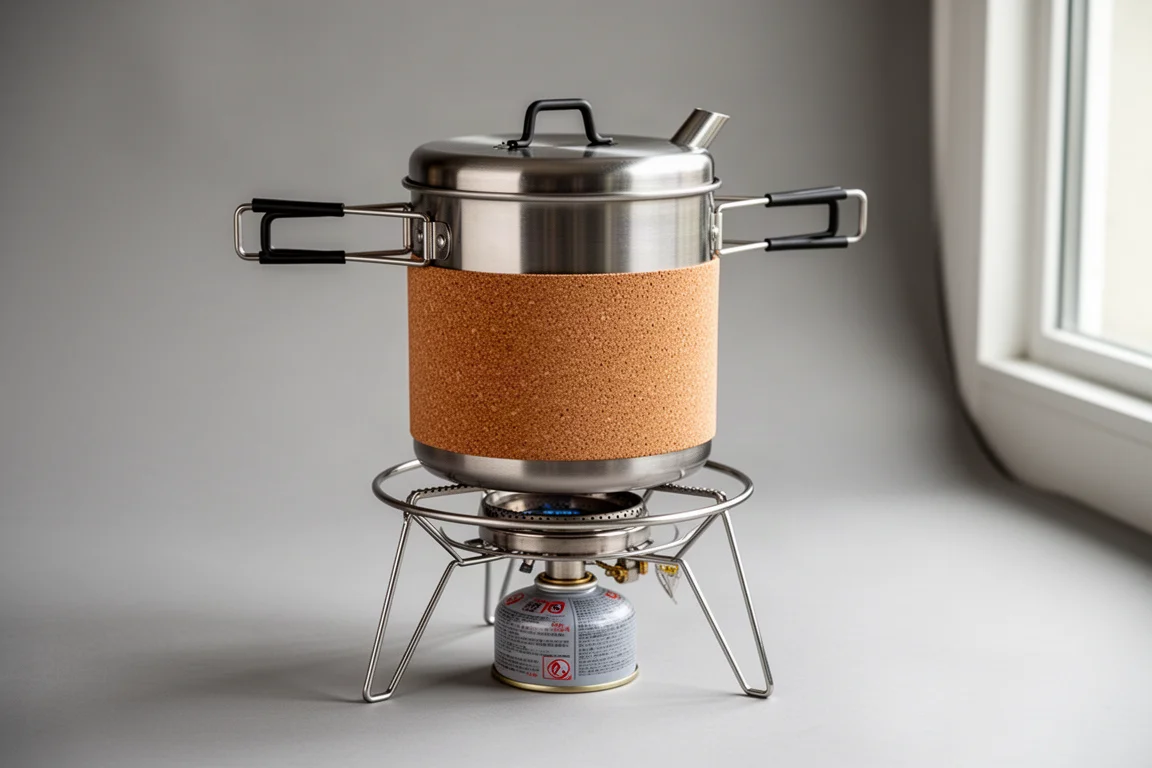
The Switch is an integrated cook system that pairs a pot with a burner, and MSR has introduced a few new ideas rather than simply refreshing an existing design. The gripper uses cork instead of neoprene, which is more sustainable and still keeps fingers away from a hot pot. The base of the pot uses a patent pending conical shape instead of a heat exchanger, which increases surface contact with the flame and removes the interior corners where food tends to collect.
The stove itself follows the pattern of a compact canister burner with a piezo igniter. A ring at the top holds the included pot securely, and flip-up arms allow the burner to be used with other pots and pans. That flexibility is a real advantage, since many all-in-one systems lock you into a single pot.
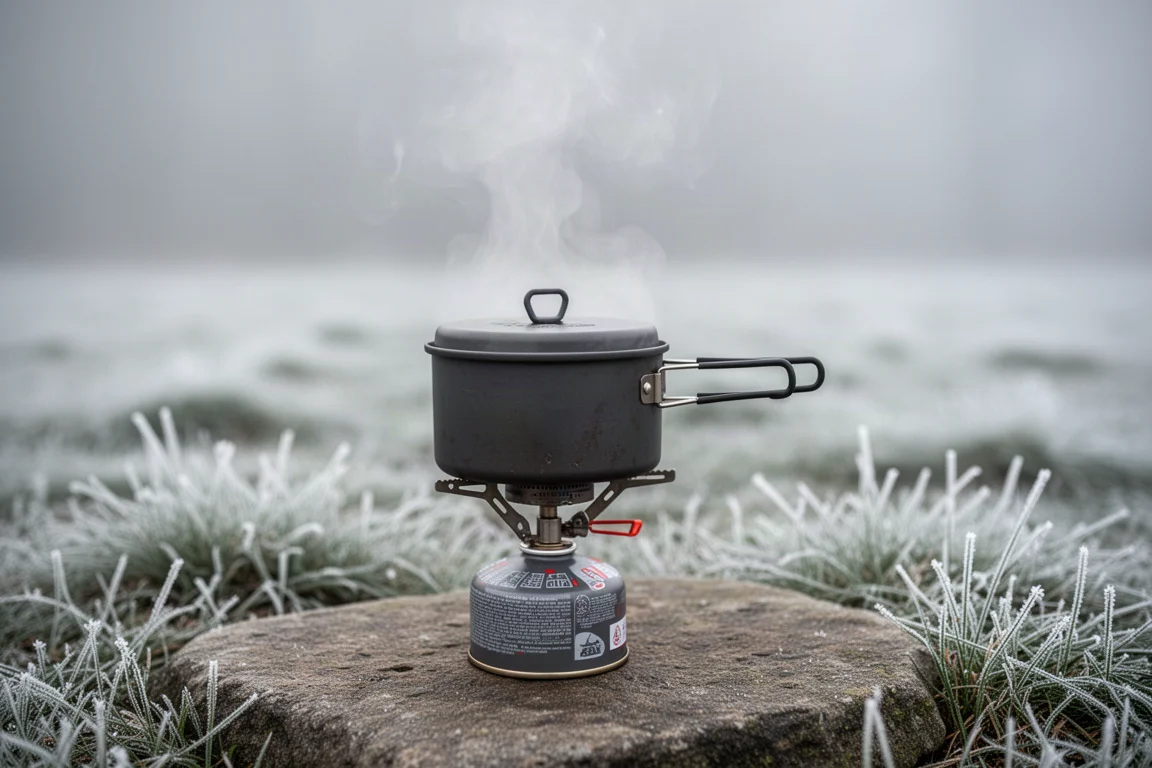
The trade-offs are weight and price. At 392 grams the system is not especially light, and at $140 it costs more than several competing all-in-one setups. It remains a sensible option for newer backpackers who want one simple package, and it is worth watching for a sale if the price moves closer to $100.
MSR Hubba Hubba: A More Livable Tent
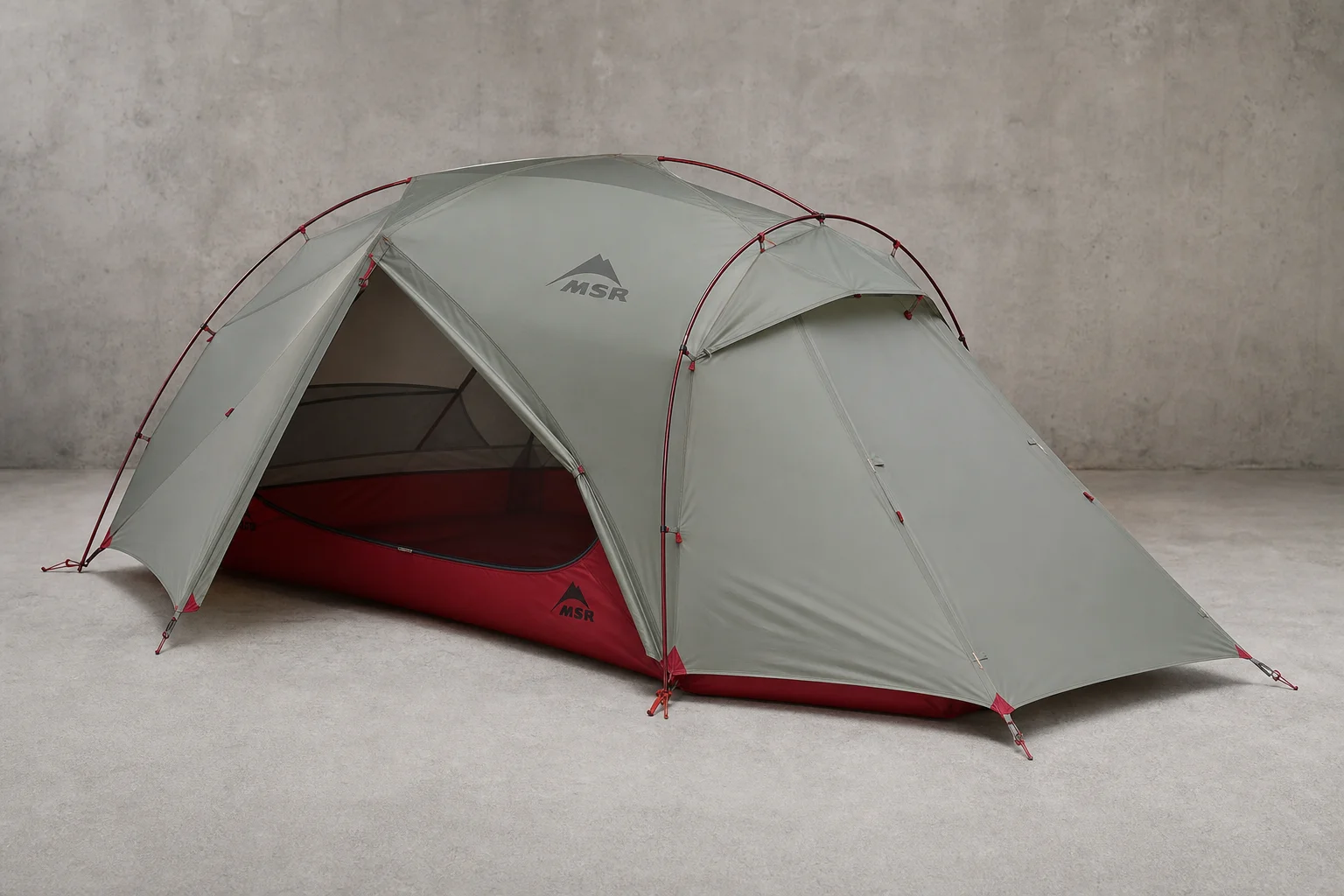
The Hubba Hubba has been one of the most recognisable backpacking tents for years, and the newest version addresses several long-standing complaints. The inner tent now uses considerably more mesh, which suits three-season use by improving ventilation and reducing condensation on the inner walls. The vents at either end have also grown from narrow openings to the full width of the back panel, so air moves through the tent far more effectively.
Interior space has increased as well, to the point where the tent can fit two wide sleeping pads, something earlier versions struggled with. A longer brow pole extends coverage over the sides, so the doors can stay open in steady rain without water getting in. The door zippers run all the way down to the corner, which makes them easy to open and close from inside the vestibule.
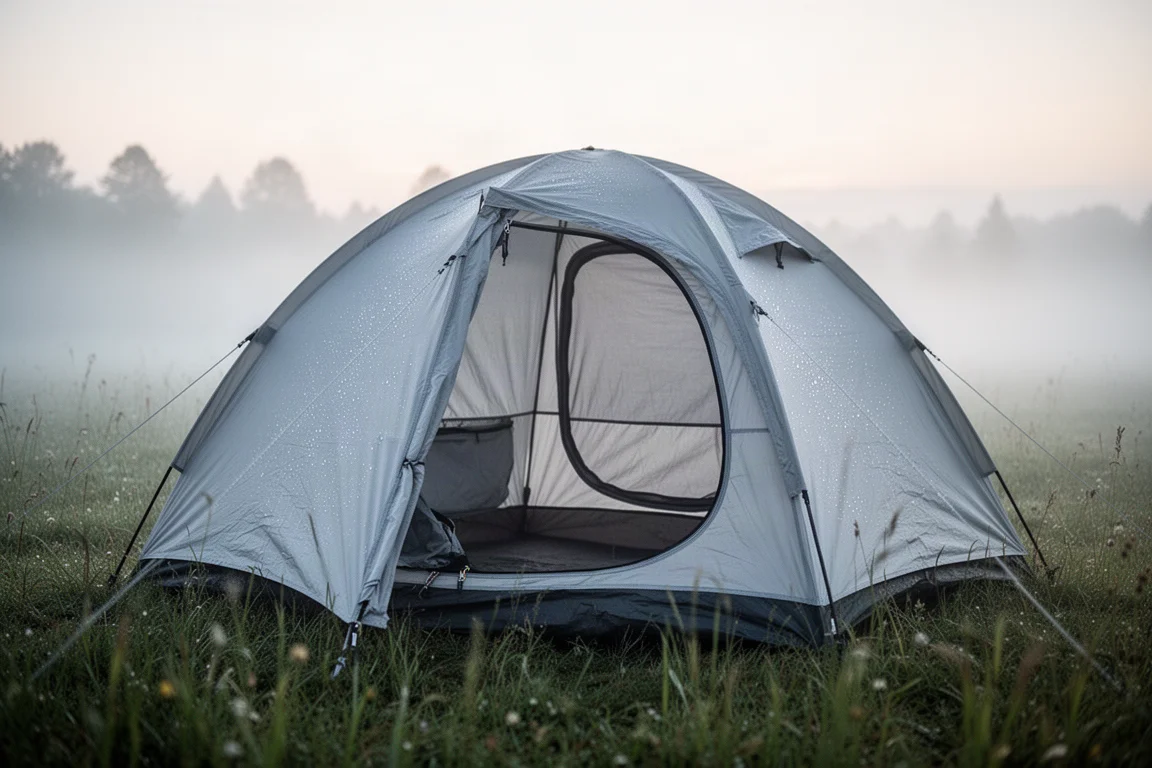
Two drawbacks are worth knowing about. The doors do not roll fully open, because there is no seam for them to be secured against, so they always sit partly closed. The fly still uses silicone coated nylon, a material that can sag and stretch when wet. Tents using polyester or newer fabric treatments tend to handle sustained rain better.
Buying Advice
Match each item to the trips you actually take. The NU20 Classic suits backpackers who count grams and want a red light mode for camp. The NB10000 v3 makes sense for anyone carrying USB-C devices who wants a power bank that handles rough treatment. The Switch is best for those who prefer a single integrated cooking package and do not mind the extra weight, particularly if it is discounted. The Hubba Hubba is now a much more comfortable three-season shelter than its predecessors, provided you are comfortable with a silicone coated nylon fly.
Conclusion
All four items reflect a similar trend: deliberate changes that make gear easier to live with rather than dramatically lighter on paper. A headlamp with proper low modes, a power bank with the ports you actually use, a cook system that works with more than one pot, and a tent that vents properly are the kinds of details that decide whether gear earns a place in your pack season after season.
Further reading
Related Reviews

Backpacking Gear
Building a 10 lb Base Weight: An Ultralight Backpacking Gear List
A practical walkthrough of the ultralight pieces behind a 10 lb base weight, from a 765 g pack and a roomy one-person tent to a full camp chair and a dependable water filter.
Backpacking Gear
A 15-Pound Lightweight Backpacking Gear List for Solo Trips
A beginner-friendly 15-pound backpacking setup built from easy-to-find gear, with notes on what each piece does, how it packs, and where to spend your attention.
Backpacking Gear
8 Ultralight Backpacking Gear Upgrades Worth Carrying
Eight small, affordable backpacking upgrades that solve real trail annoyances, from a pillow that stays put to a fuel valve that rescues leftover canister gas.