Hi-Fi Speakers
New Speakers at Axpona 2026: Nine Standouts Worth Knowing
Nine new speakers launched at Axpona 2026, from an approachable $550 pair to a limited-run $100,000 active monitor, with the strengths and trade-offs that matter before you buy.
Introduction
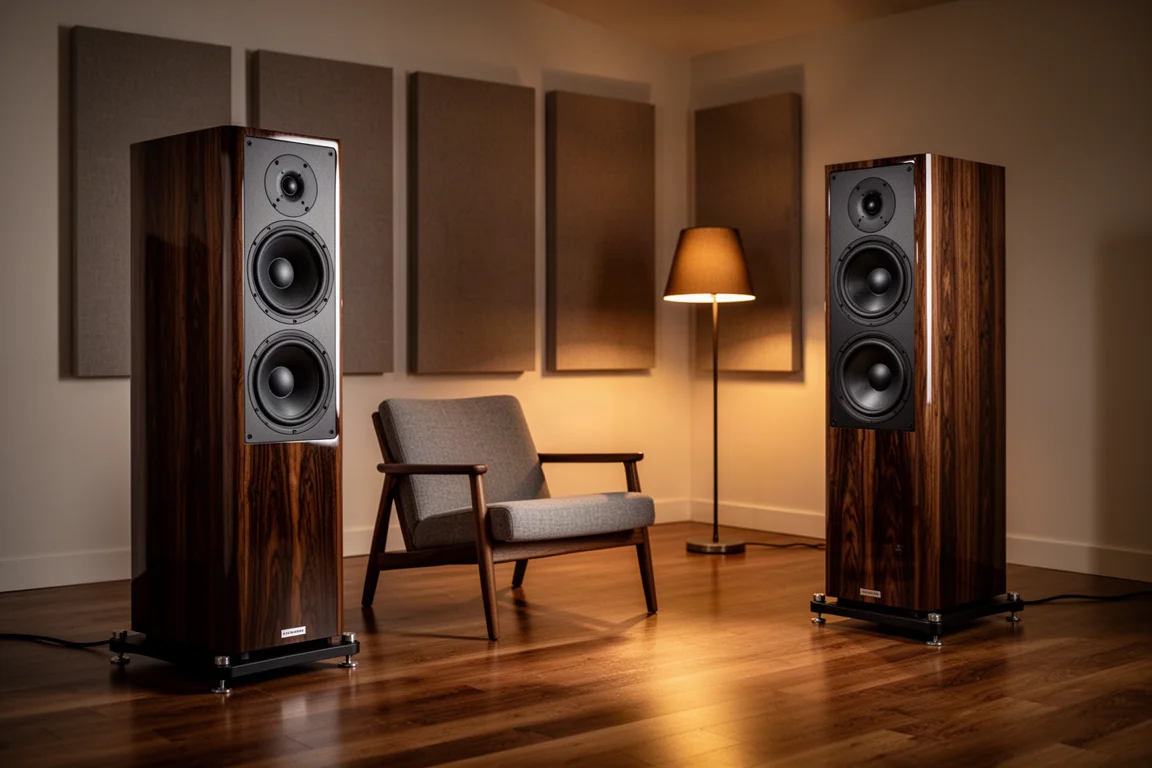
Axpona 2026 in Schaumburg, Illinois, is one of the largest consumer hi-fi events on the calendar, with around 230 rooms and more than 750 brands on the floor. With that much ground to cover, new speaker launches were the main draw, and the spread of prices was unusually wide. The nine models below range from a compact pair at $550 to a limited-run active monitor at $100,000, with several genuinely interesting designs in between.
What makes a show like this useful is the chance to compare a lot of products in one place rather than reading about them one at a time. Each speaker here was new to the market, shown in a working system rather than on a static display, which makes it easier to judge what the design is actually trying to do.
Prices are as announced at the show and can vary by dealer and region. Availability differs too, with some models shipping immediately and others still some way from release.
How We Chose These Speakers
The filter was simple. A speaker had to be a genuine new introduction rather than a finish refresh, and it had to bring something specific to its price point, whether that is a driver technology, a functionality change, or a value story that holds up against what else is available.
The list is also deliberately spread across price brackets. A roundup of nothing but five-figure floorstanders is not much use to most people, and neither is a list of budget boxes with no ambition. The sections below run roughly from the most accessible to the most expensive.
Cambridge Audio LR Series: Sensible Pricing With Real Upgrades
The LR series is a three-model lineup with deliberately plain naming. LR S is the small model at $550 per pair, LR M is the medium at $1,600 per pair, and LR X is the large at $2,300 per pair. No cryptic model numbers, just size and price, which is refreshing at any level of the market.
One detail worth flagging before you buy: the differences between the models are not only about cabinet size. Functionality changes as you move up the range, particularly between the S and the M, so it is worth checking the specifications rather than assuming the smallest model is a straight shrink of the larger one.
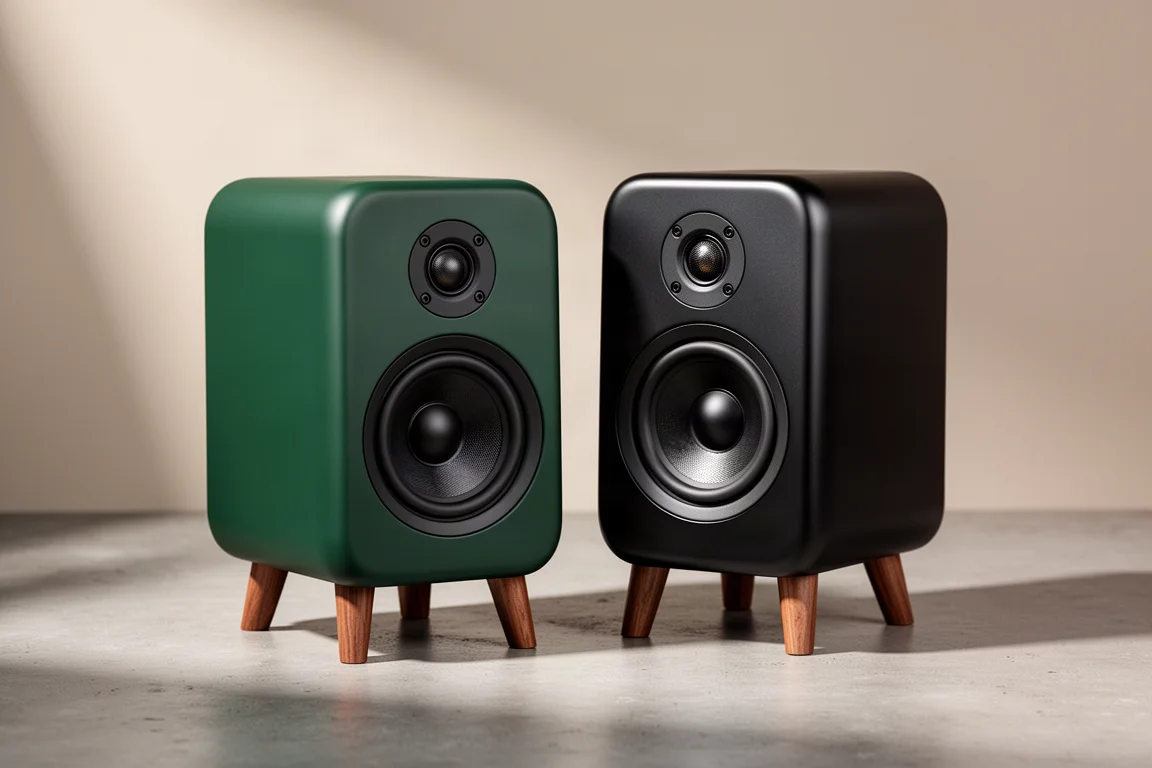
In use, the range is dynamic and articulate, and the feature set is aimed at how people actually listen now, with eARC for TV integration, Bluetooth, and streaming support. The finishes deserve their own mention, and the green option stands out even if green is not usually your colour.
Kanto Audio Tuk Grand: Smart Powered Speakers, Refined
The Tuk Grand is the new flagship of a broader redesign of Kanto’s powered speaker lineup. The cabinet now uses a more defined square-corner profile intended to reduce diffraction, driver integration has been updated, and the finish list has grown to include black, white, walnut, burl wood, and butter.
Pricing stays easy to digest. The powered version starts at $900 and the passive version starts at $700, which keeps the range accessible for a desktop or small-room system. If you want the simplest possible setup, the powered route avoids a separate amplifier entirely.
The appeal here is convenience that does not look like a compromise. These are speakers designed to sit in a room and look intentional, which matters when they are going on a desk or a sideboard rather than into a dedicated listening space.
Van Alstine L1: An Accessible Standmount With Character
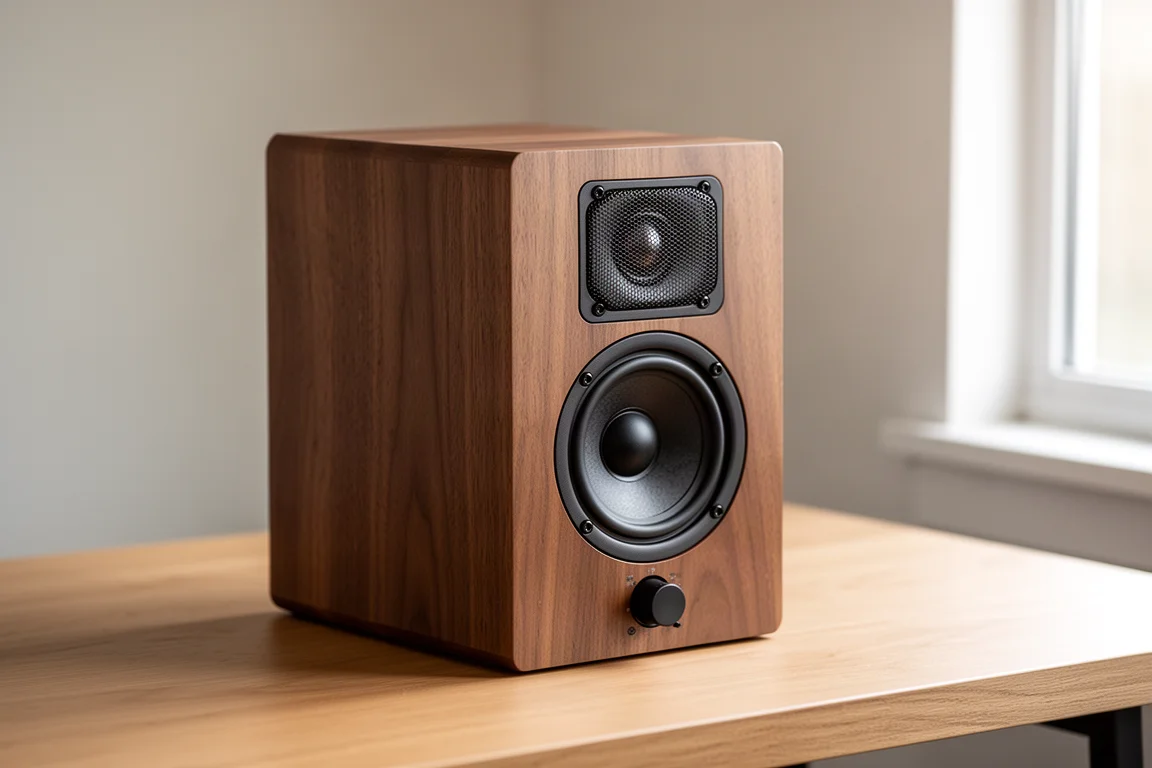
The L1 is a two-way standmount at around $2,200 per pair, and it is the company’s first branded loudspeaker. Rather than a badge exercise, the design work is visible in the details: large rounded cabinet corners to reduce edge diffraction, and a properly shaped waveguide to help dispersion and phase coherency.
In listening, the L1 came across as coherent, warm, and musical, which is consistent with the house sound the brand is known for. It sounds natural rather than analytical, and it pulls you into the music quickly rather than asking you to admire it from a distance.
For anyone building a compact two-channel system, this is one of the more interesting options in its bracket, and it is a strong example of a first loudspeaker that does not sound like a first attempt.
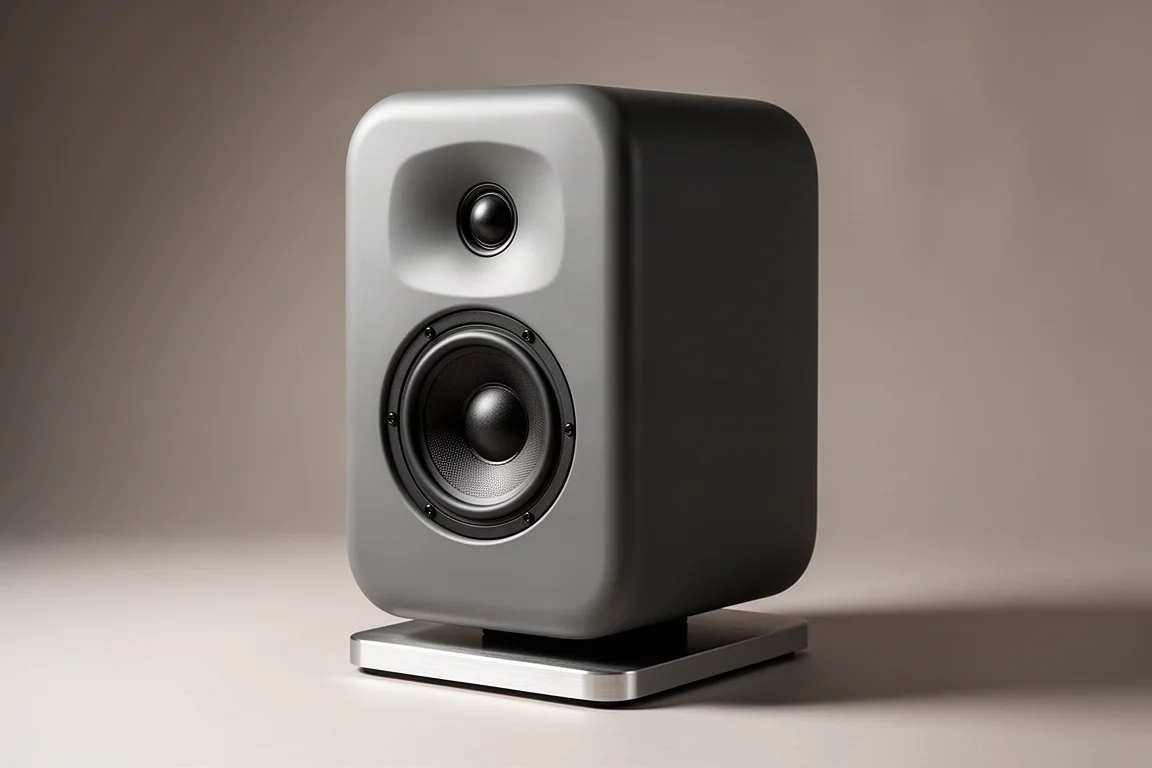
Dynaudio Legend: Beautiful Sound, Real Trade-Offs
The Legend is a compact speaker at $7,000 per pair, hand-built in Denmark with natural rosewood veneer panels that are hand-selected and matched by eye, plus jatoba hardwood corner pieces. As a piece of furniture, there is very little to fault, and the overall completeness of the sound for the size catches you off guard.
The trade-off is positioning. The Legend is smaller than the well-known Special 40 yet considerably more expensive, which makes it a polarising proposition when larger Dynaudio models can be found for similar money. The sound itself is not the issue. The question is whether the compact footprint and the cabinet craft justify the premium for your room.
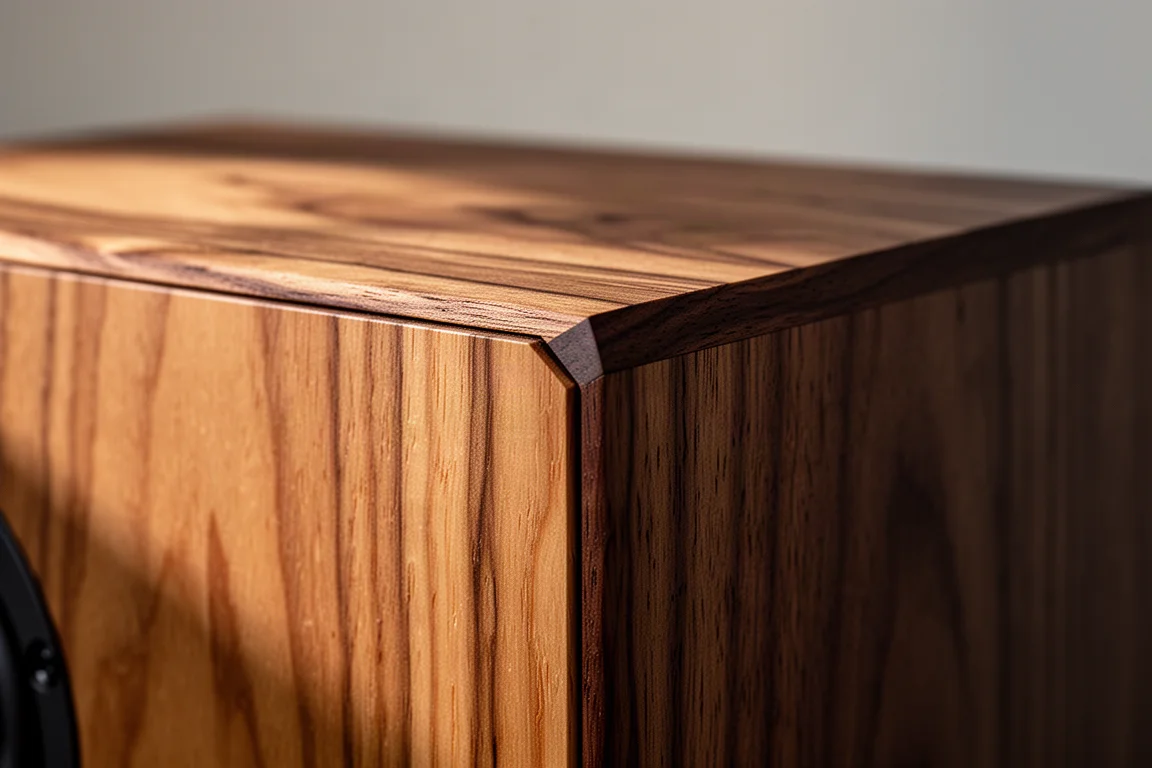
If you are comparing the two directly, listen side by side where you can, and ideally in a room rather than a show suite, because small differences in placement matter a great deal at this size.
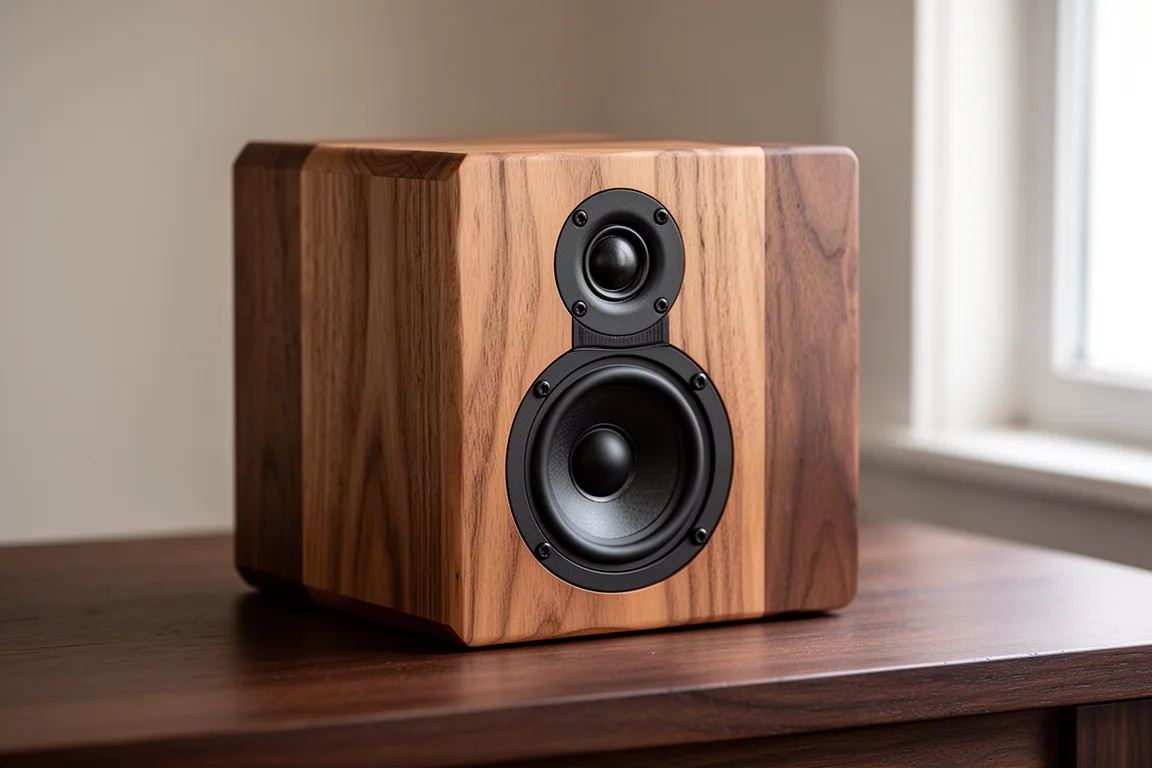
Buchardt CLC 65: Purifi Drivers and Serious Dynamics
The CLC 65 is built around Purifi Audio drivers used throughout the speaker, an approach few commercial designs take. The design goal is ultra-low distortion, high dynamics, and exceptional control, and that is broadly what comes through in listening: dynamic, punchy, clean, with a sense of scale that is bigger than the cabinet suggests.
This is a speaker that sounds the way it looks. The driver surrounds in particular give it a purposeful, engineered appearance, and the sound matches that impression rather than contradicting it. Pricing sits at around $11,000, or roughly €9,900 in Europe.
For listeners who prioritise low distortion and dynamic headroom over decorative finishes, this is one of the more technically interesting designs to appear this year.
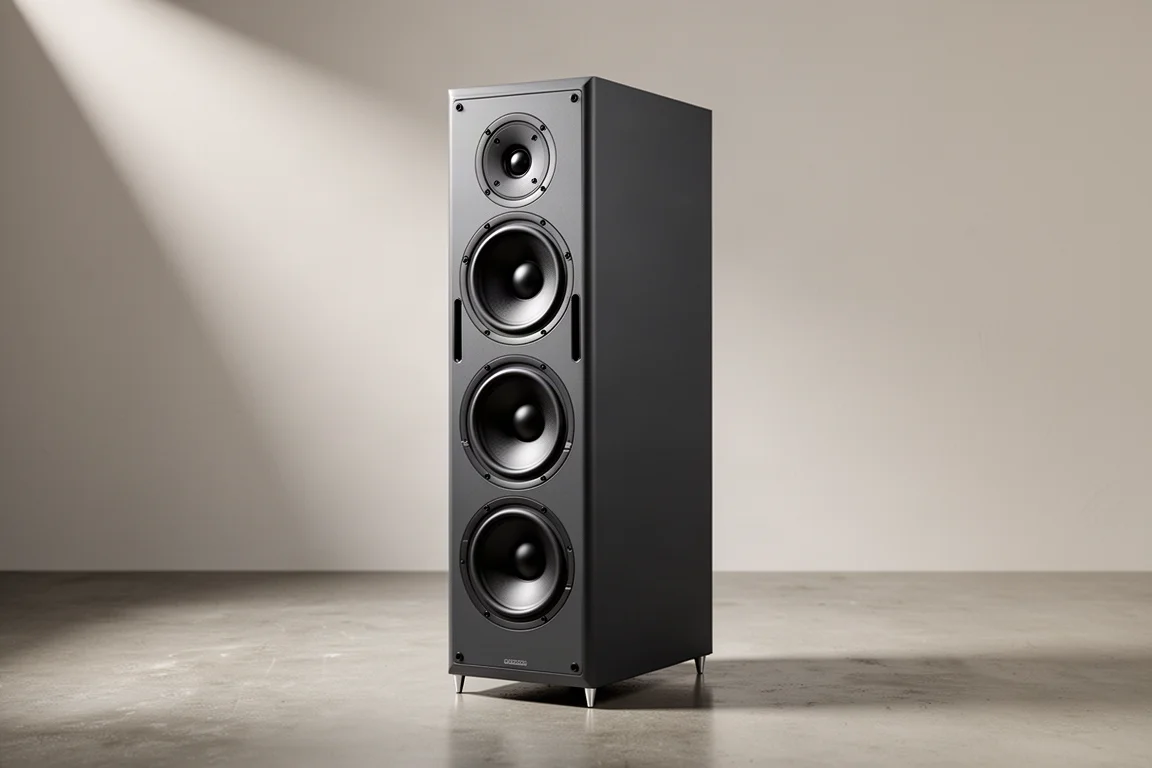
Bruno C MT Horn Speakers: High Efficiency Done Properly
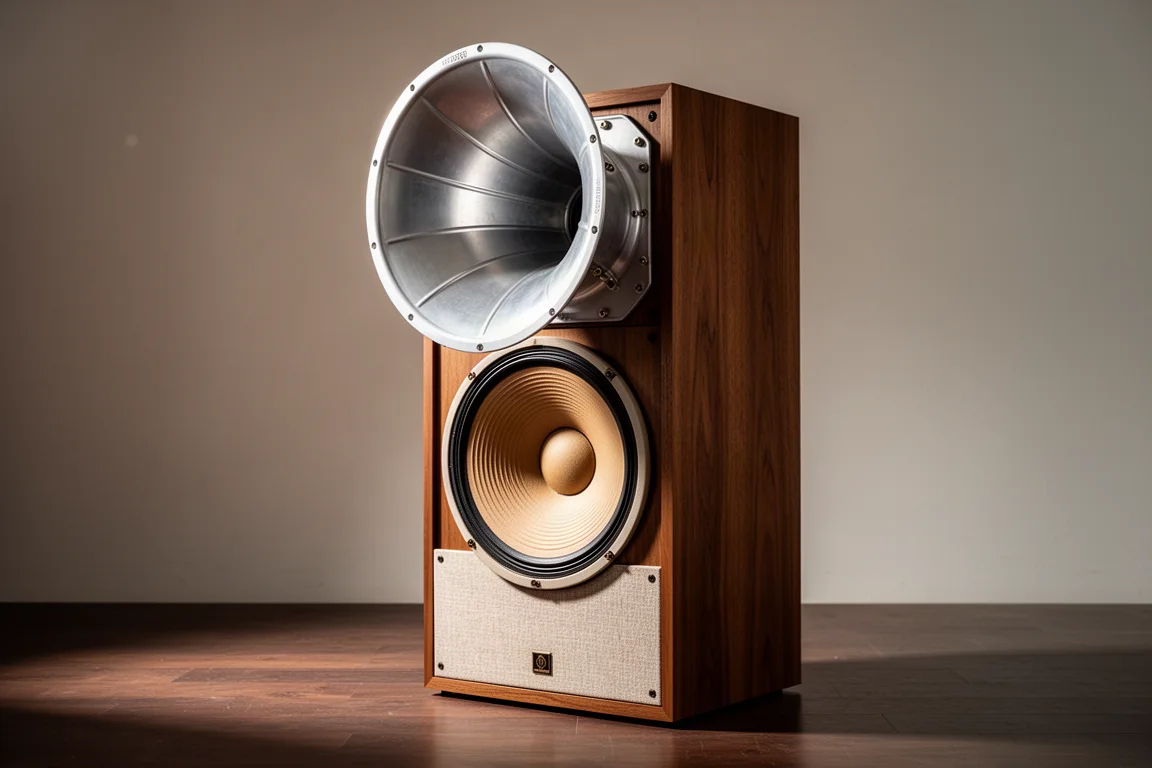
Horn speakers live or die on efficiency and integration, and the MT gets the fundamentals right. Sensitivity is quoted at 96 dB, which means even very low-powered amplifiers can drive it comfortably. The driver complement is a 12-inch neodymium paper woofer and a 1.4-inch neodymium compression driver, feeding a precision cast aluminum horn.
The crossover uses large air coil inductors, and the result is the warmth and projection that good horn designs are known for, without the hardness that puts some listeners off the category. Expect around $14,000, with availability through dealers.
If you already own a low-powered valve or class A amplifier, this is exactly the kind of speaker that makes that investment worthwhile.
JBL Summit Pomeroy: High Output With Control
At $29,995 per pair, the Summit Pomeroy is a three-way floorstanding reference design built for efficiency, output, and low distortion at high volume. The woofer and mid-bass use a triple-layer hybrid carbon cellulose composite cone mounted in high-output cast frames, and the cabinet walls are curved and heavily braced with a carbon fiber baffle trim to control resonance.
The quoted response reaches down to 25 Hz and peak output is stated at 111 dB SPL, so headroom is not something you will run out of quickly. The point of a design like this is that it stays clean when you push it, which is a harder trick than simply playing loud.
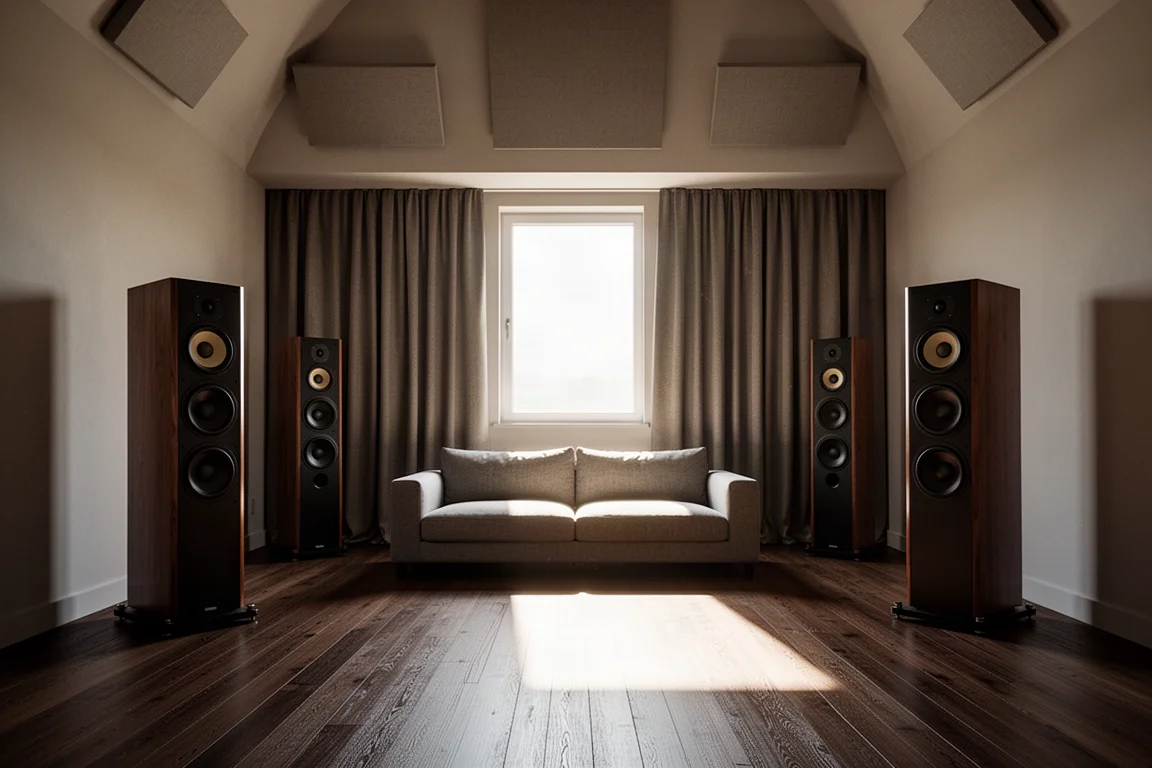
These are substantial floorstanders and they need a room that can take them, both physically and acoustically. In the right space, the combination of output and control is the whole argument for the price.
Jones and Serenade Troubadour: Andrew Jones Swings for the Fences
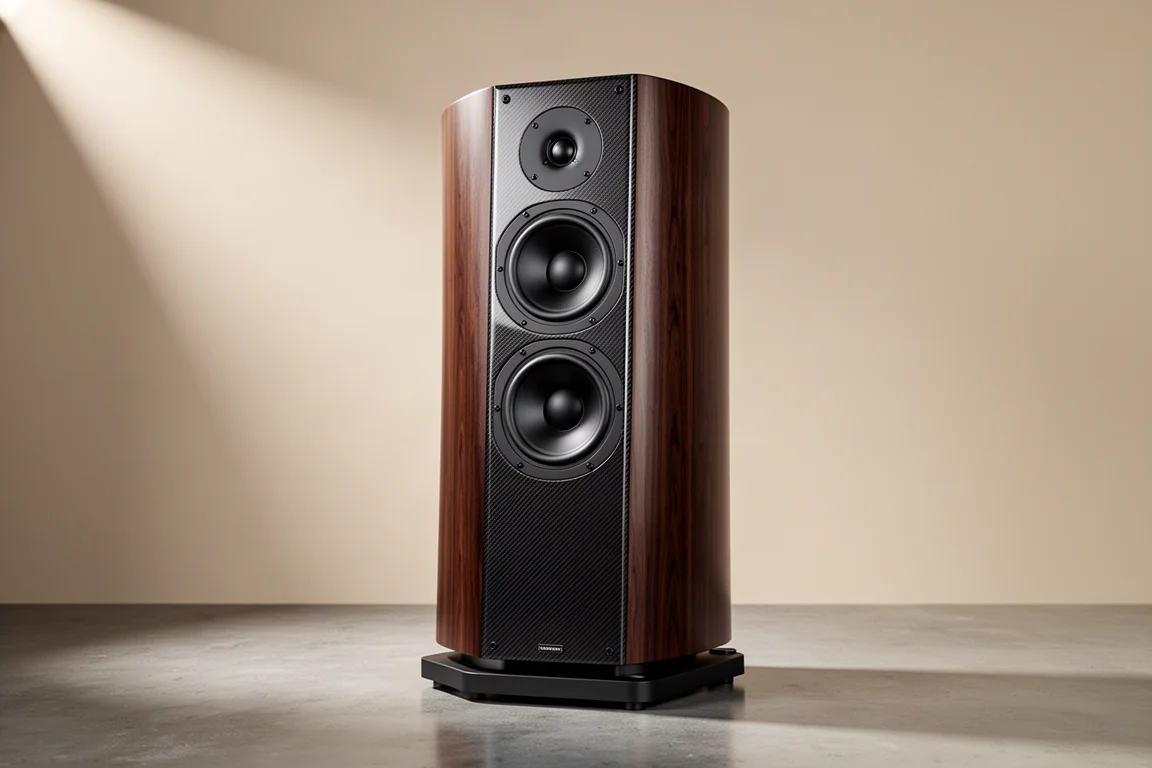
The Troubadour is the debut model from Jones and Serenade, the new speaker company from Andrew Jones, whose previous work spans Elac, TAD, and KEF. The design is a dual concentric arrangement, with the tweeter and midrange built into a single point source for phase and time alignment, which has long been his signature approach.
The unusual element is the field coil driver, which is rare at any price and gives the design a distinctly high-end character. The presentation is effortless, and the price is $34,000 per pair, so this is unambiguously a high-end proposition.
For anyone who follows concentric driver design, this is one of the most ambitious takes on it in years, and it marks a genuinely new chapter for a designer with a long track record.
ATC EL50 Anniversary: Reference Accuracy at a Reference Price
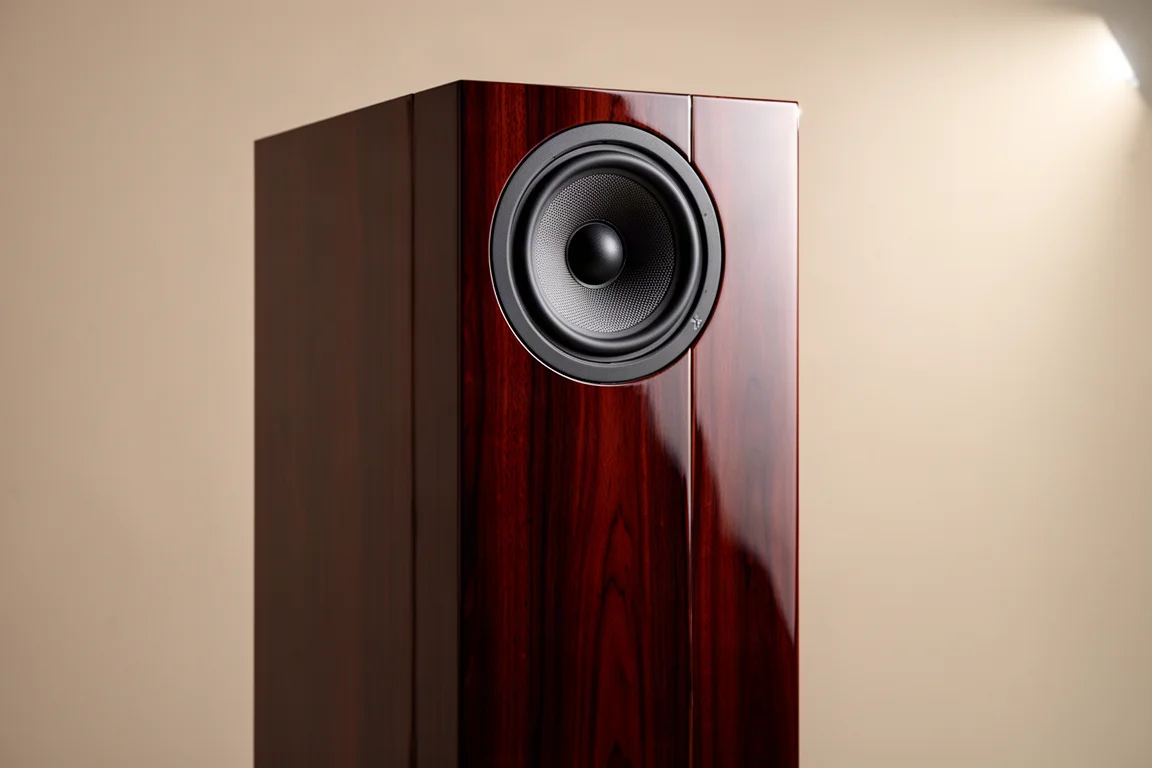
The EL50 Anniversary is an active loudspeaker at $100,000, limited to 50 pairs worldwide. ATC has spent 50 years building studio-grade monitors, and every driver in the EL50 is designed and manufactured in house. The midrange is the SM75-150S Super Dome, a unit that covers a wide bandwidth from 380 Hz up to 3.5 kHz.
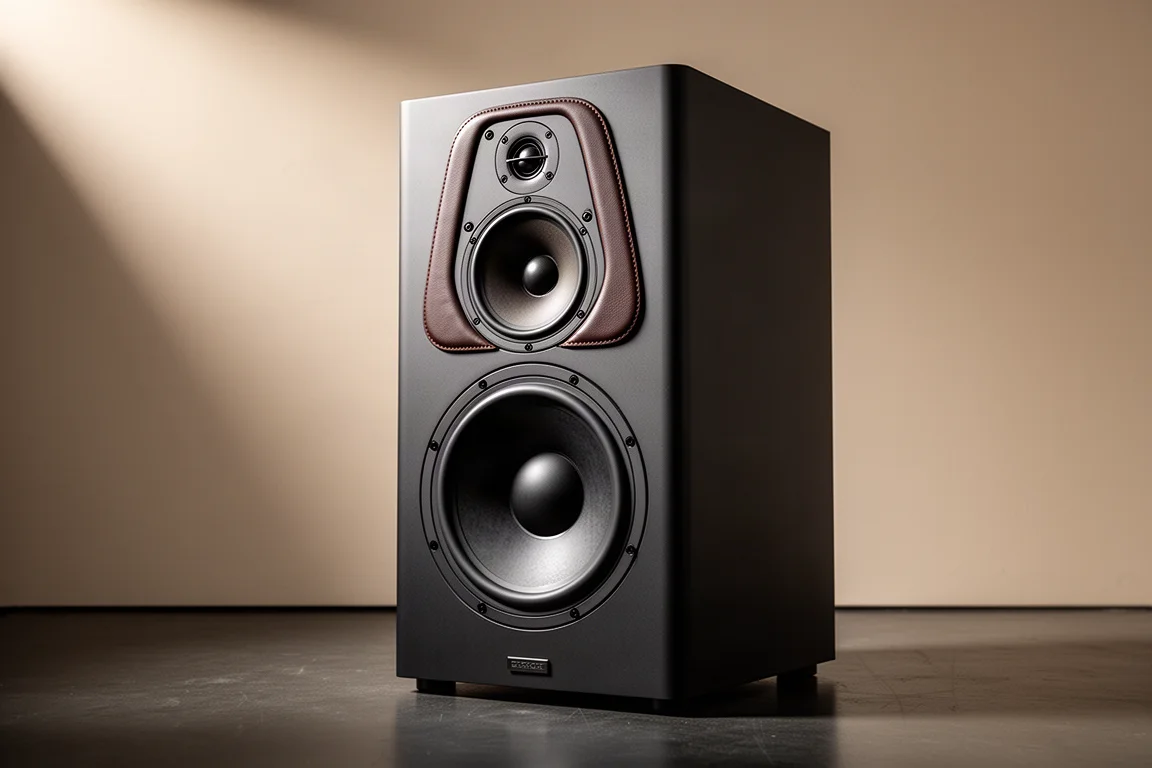
Finishing touches include an ebony rear panel and napa leather trim around the mid and high frequency drivers, so no expense has been spared on presentation either. The sound is warm, natural, dynamic, and truthful, which is the balance that studio heritage tends to produce when it is done well.
Worth knowing before you dismiss the price: ATC’s more accessible models share much of the same design thinking at a fraction of the cost, so the EL50 is not the only way into the brand.
Buying Advice: Matching Speakers to the Room
The most useful way to narrow this list is to start with the room and the amplifier rather than the specification sheet. The Cambridge Audio LR series and the Kanto Tuk Grand make sense where simplicity and everyday functionality matter, including TV integration and streaming. The Van Alstine L1 and the Buchardt CLC 65 suit listeners who want a serious two-channel system without moving into five-figure territory. The larger floorstanders, from the Bruno C MT horn through to the JBL Summit Pomeroy and the Jones and Serenade Troubadour, reward space and good amplification.
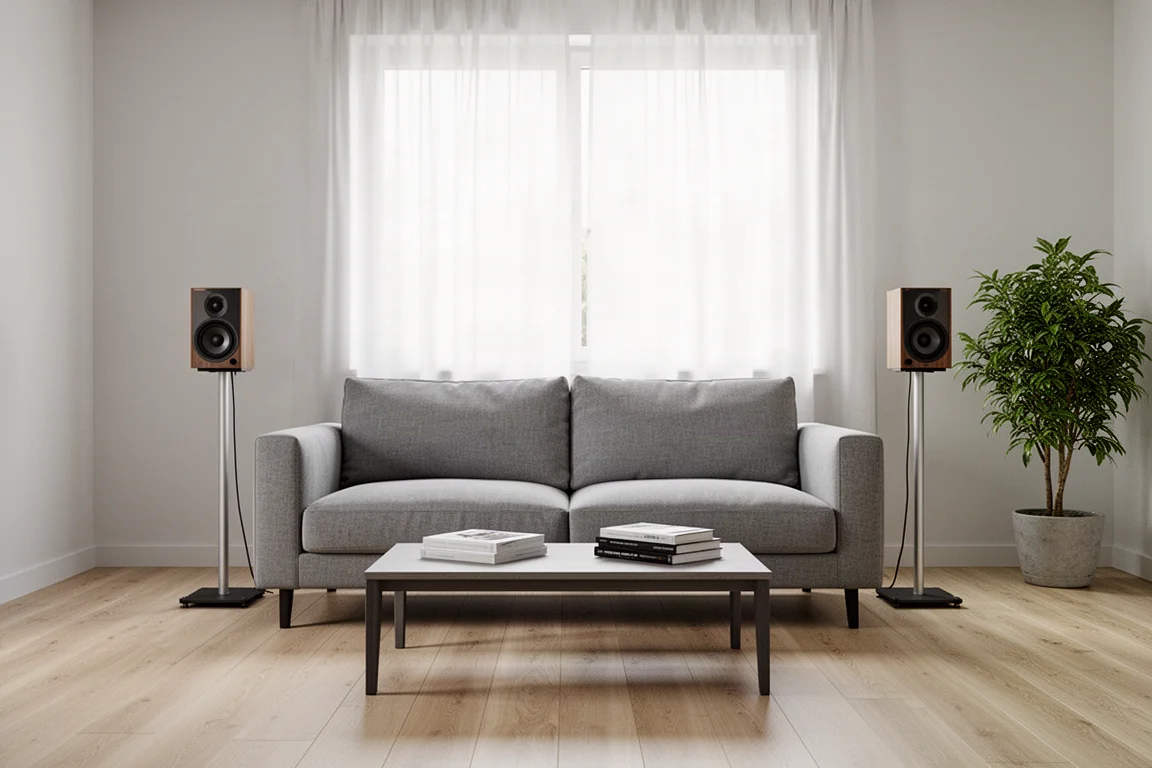
A practical checklist: confirm how each model in a range differs, since functionality can change between sizes rather than just cabinet volume; check whether you need powered speakers or already own a suitable amplifier; and think about finishes early, because a speaker you enjoy looking at is one you will keep. Where possible, listen in a treated room rather than a show suite, since hotel spaces flatter some designs and punish others.
Above all, match the speaker to the listening you actually do. A high-output reference tower is wasted in a small untreated room, and a compact standmount will always struggle to fill a large open-plan space.
Conclusion
Axpona 2026 delivered an unusually broad spread of new speakers, and the strongest launches were the ones with a clear purpose. Cambridge Audio’s LR series brings sensible pricing and modern connectivity, Kanto’s Tuk Grand refines the powered speaker formula, and Van Alstine’s L1 shows what a thoughtful first loudspeaker can be at around $2,200.
Further up the market, the Dynaudio Legend, Buchardt CLC 65, and Bruno C MT each make a specific case for their price, while the JBL Summit Pomeroy, Jones and Serenade Troubadour, and ATC EL50 Anniversary sit firmly in reference territory. If you are shopping this year, the useful move is to decide what your room and amplifier can support first, then choose the speaker that matches it.
Further reading
Related Reviews
Hi-Fi Speakers
1723 THX Tower vs 1528 Bookshelf: Which Speaker Fits Your Room?
Two speakers at roughly the same price, built very differently. How the 1723 THX tower and the 1528 bookshelf compare on construction, bass, power needs, and sound.
Hi-Fi Speakers
Acoustic Energy AE 300 Review: Deep Bass From a Compact Standmount
A two-way standmount with real wood veneer, surprising low-end weight, and a warm, easygoing character. Here is what to know before buying.
Hi-Fi Speakers
Acoustic Energy AE1 40th Anniversary Review: A Modern Take on a British Classic
A compact standmount that revives a 1980s favorite with all-new parts, a warm mid-centric balance, and a price of £1,499 per pair.