Hi-Fi Audio
New Hi-Fi Gear Roundup: Streamers, Planar Headphones, and Headphone Amplifiers
A practical look at compact streamers that reroute digital audio, a CD and SACD player with a tube output stage, and a wide spread of planar headphones and headphone amplifiers.
Introduction
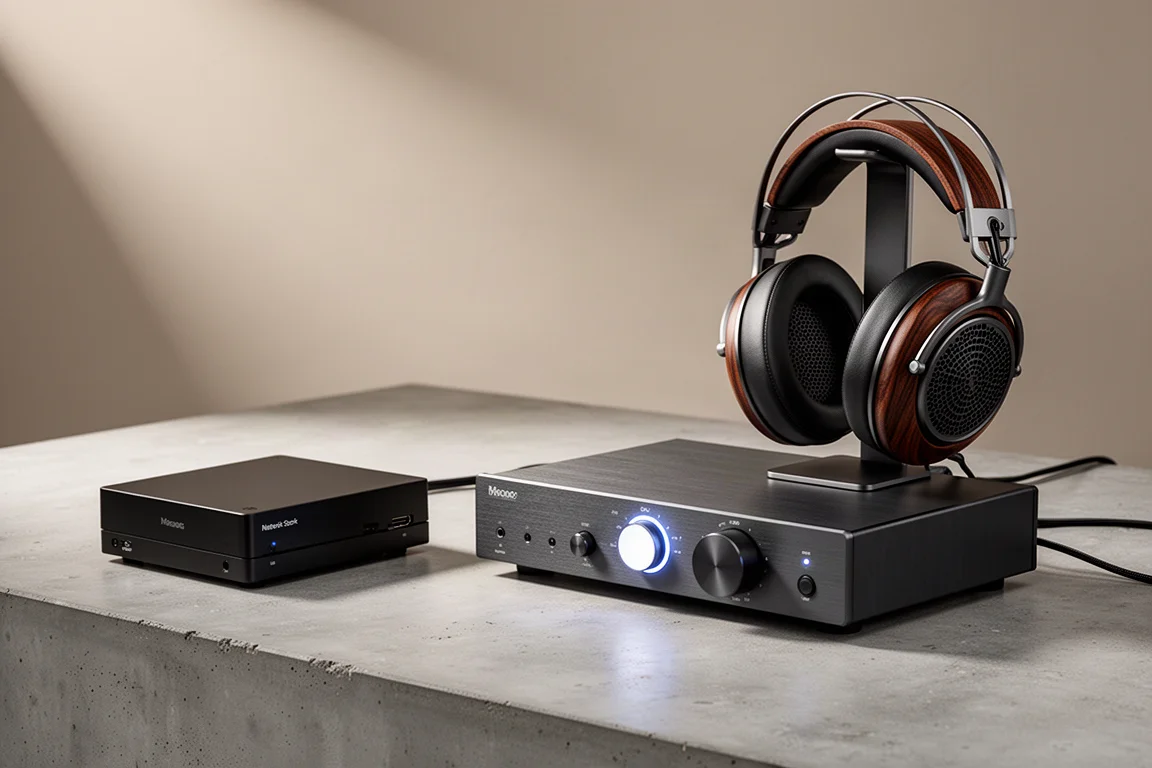
Some of the most useful audio products are the ones that solve a specific system problem rather than chase a specification. This roundup covers a group of components that do exactly that: two compact network streamers that can act as digital traffic controllers, a CD and SACD player with a tube output stage, a family of open-back planar headphones spanning a very wide price range, and a newer amplifier brand built around headroom.
Prices across the group run from around one hundred dollars to several thousand, and the design priorities vary just as widely. One product exists to route a television signal into a DAC that lacks a TOSLINK input. Another delivers far more power than any headphone will ever need.
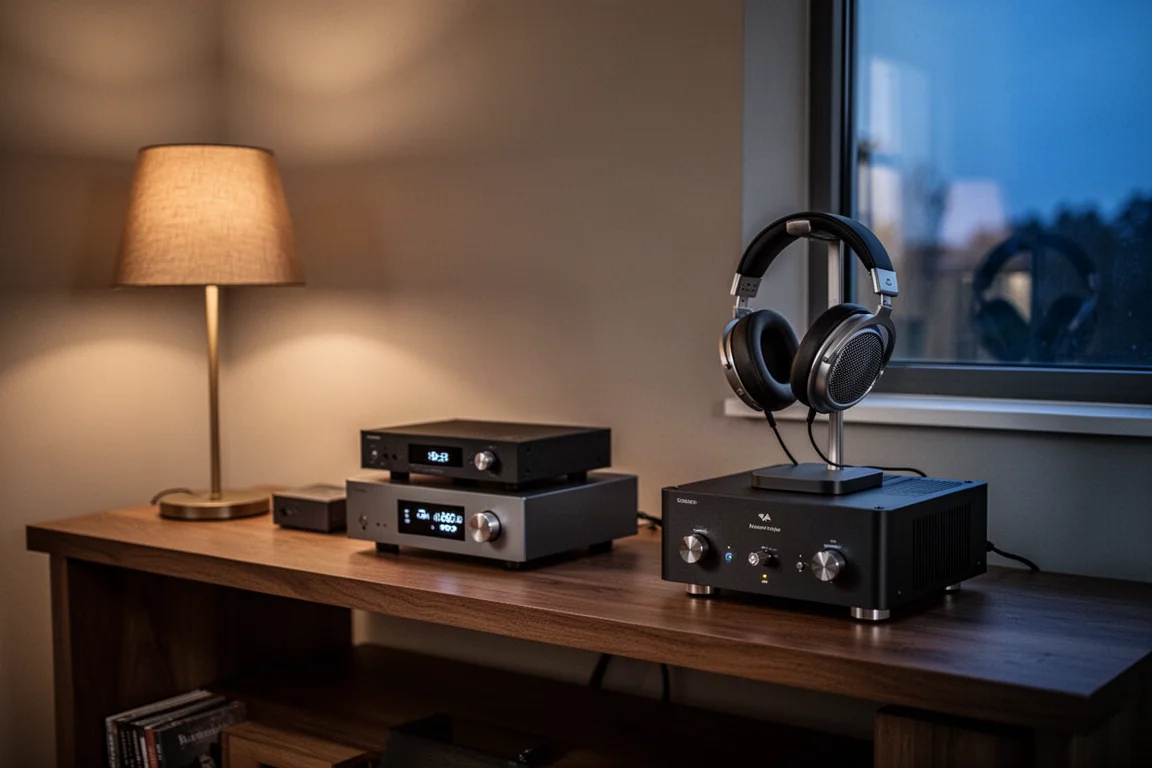
The practical question for each of them is the same: does it fit the way you actually listen? A flagship headphone only justifies itself when the rest of the chain can keep up, and a compact digital converter earns its place when it frees up an input you genuinely need.
What to Look For Before You Buy
Connectivity comes first. Digital sources vary enormously. Some televisions offer HDMI ARC and TOSLINK, while some disc players offer coax and USB only. Before buying anything, list the inputs and outputs you have and the ones you need.
Amplifier matching matters more than headline specifications at the top of the market. A headphone with lower efficiency and higher impedance will ask more of the amplifier, and some flagship models only reveal their advantage when driven by a high-headroom design.
Comfort and ownership costs are easy to overlook. Weight, clamping force, cable connectors, and whether spare ear pads are included all shape daily use.
Finally, expect diminishing returns. In this group, the largest price gaps do not translate into proportionally large performance gaps.
WiiM DAC Ultra: Digital Routing Flexibility
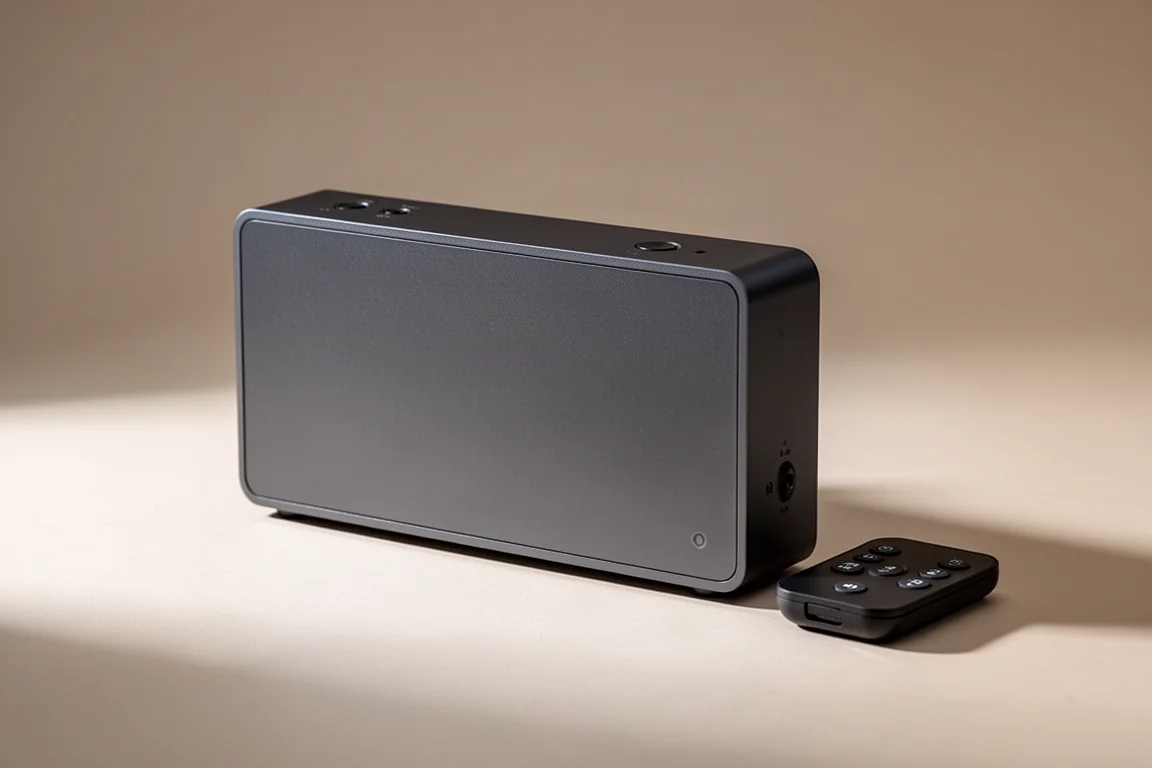
The WiiM DAC Ultra offers TOSLINK input and output sockets, a coax output, an HDMI ARC socket, and a USB socket on the back panel. All signal routing is handled inside the WiiM Home app, where you choose the input and then choose the output.
That makes it useful well beyond streaming. In one setup, HDMI ARC from a television went into the WiiM DAC Ultra and USB went out to a DAC that offered only coax and USB inputs. Because the television was then feeding that DAC over USB, the coax input on the DAC stayed free for a network streamer.
The one caveat is that HDMI ARC can introduce a slight voice sync offset, which can be mitigated inside the app.
WiiM Pro and WiiM Pro Plus: Affordable Digital Conversion
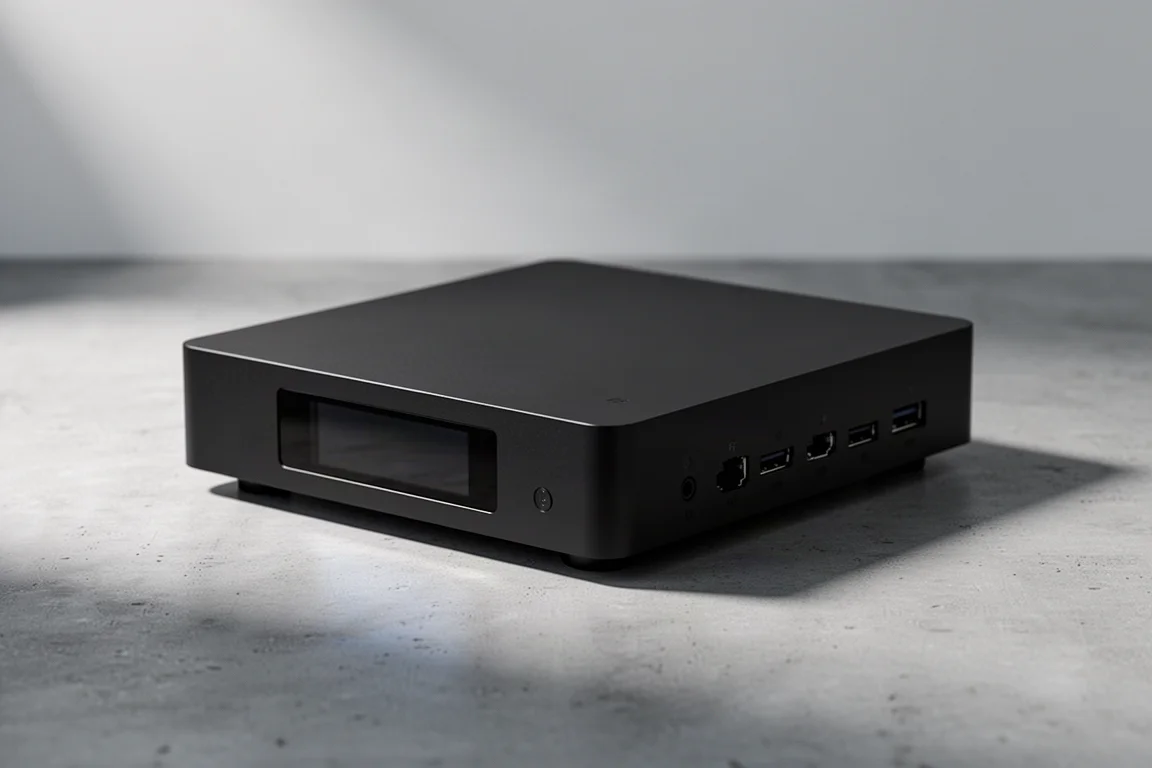
The smaller WiiM models are compact black units with no screen, priced from around one hundred dollars and up. They include TOSLINK input and output sockets along with coax input and output sockets.
One practical advantage is power. These units can run from a 5V USB socket, so they can be powered from a spare USB port on another component instead of a wall outlet. In one system, TOSLINK from a television went into the WiiM and coax went out into a disc player’s coax DAC input. No DAC was involved inside the WiiM itself. It simply converted one digital format into another.
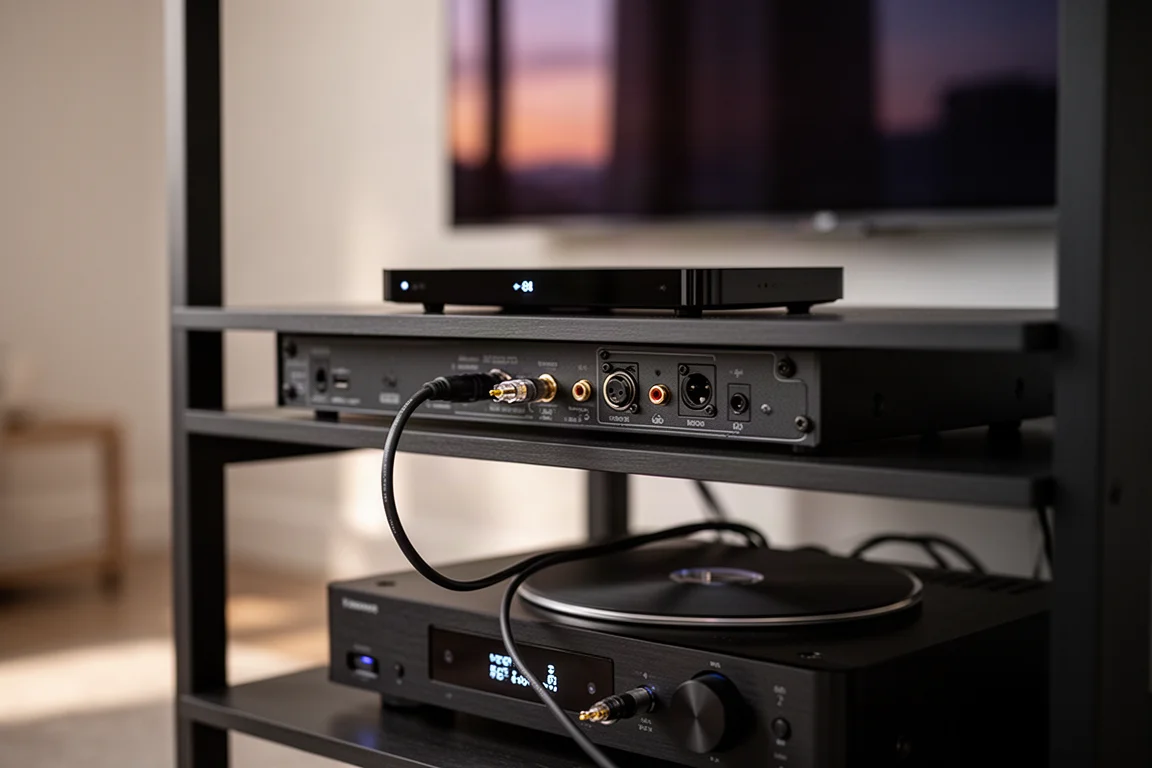
That kind of conversion is easy to overlook, yet it can rescue a system in which the DAC has no TOSLINK input and the television has no coax output. Routing is selected in the WiiM Home app, exactly as it is on the larger model.
Shanling SCD 3.3: A CD and SACD Player With Tube Output
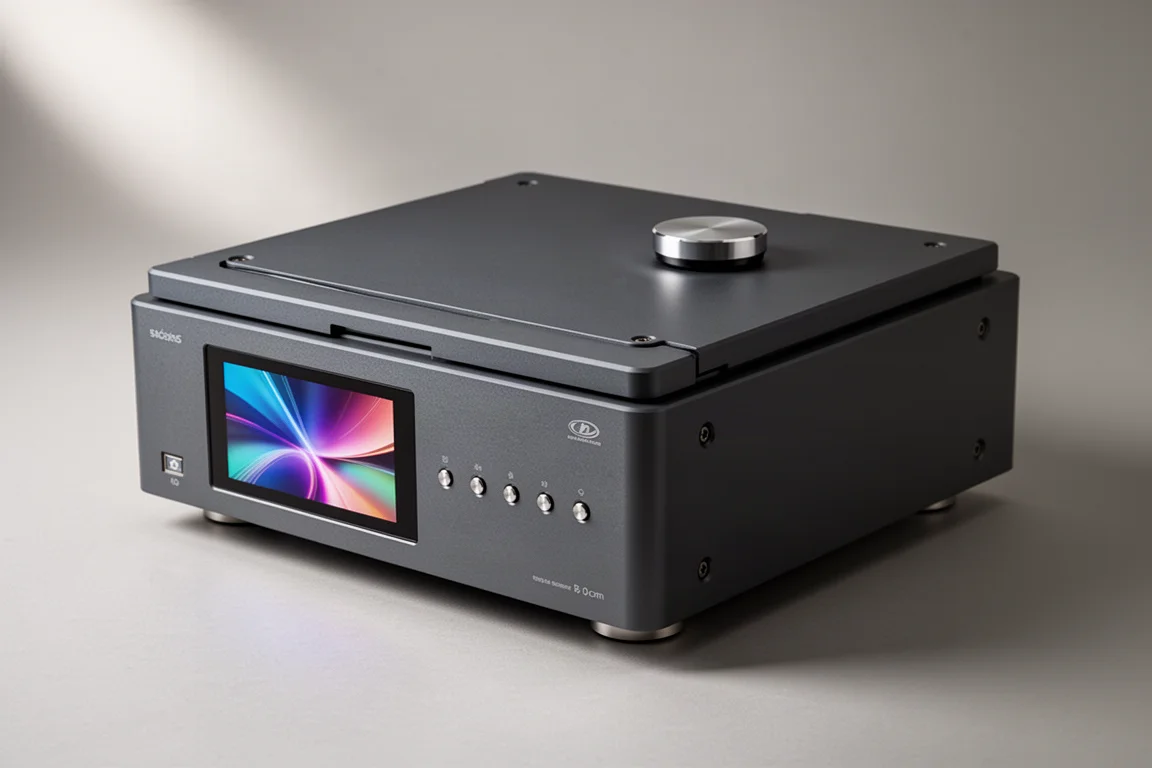
The Shanling SCD 3.3 is a CD and SACD player with an R2R DAC and tubes in the output stage. The tube stage cannot be bypassed. Its DAC inputs are coax and USB, with no TOSLINK socket, and there is a 5V USB-A socket on the back intended for USB drive playback.
Tonally it is dense and weighty rather than soft or vague, carrying real body through the midrange without becoming woolly.
HiFiMAN Susvara Unveiled: The Flagship Planar
The Susvara Unveiled is the flagship of this group. It runs at 45 ohms with 86 dB efficiency, extends to 75 kHz at the top end, and weighs 430 g. Each ear cup carries 18 magnets, arranged either side of an extremely thin diaphragm.
The design removes the grille that would normally sit in front of the driver. The name refers to the magnetic cover that protects the driver when the headphones are not in use. Handling needs care, because anything magnetic near the exposed diaphragm, including a stray paper clip or a small screw, risks rupturing it, and dust is a concern as well.
Amplification matters here. On a modest 2 watt amplifier the step up from the 2,400 euro model is hard to hear. With a high-headroom amplifier the difference becomes far easier to identify.

HiFiMAN HE1000 Unveiled: The Sweet Spot of the Range
At 2,399 euros, the HE1000 Unveiled sits well below the flagship. It runs at 28 ohms with 95 dB efficiency, reaches 65 kHz, and weighs 450 g.
This is the point in the range where the price-to-performance relationship still holds together. Above it, the differences diminish quickly and the electronics needed to expose them get expensive.

HiFiMAN Arya Unveiled: The Middle Step
The Arya Unveiled is priced at 1,599 euros, roughly a thousand more than the entry model in this group. It runs at 27 ohms with 94 dB efficiency, extends to 65 kHz, and weighs 410 g, and it uses the same headband design as the models above it.

HiFiMAN Ananda: The Entry Point to the Group
The Ananda is the most affordable model here at 569 euros. It runs at 22 ohms with 93 dB efficiency, reaches 55 kHz, and weighs 450 g. It is also the only one in this group with a different headband design, and that design applies noticeably more pressure.
For larger heads, the extra clamping force is the main drawback. Sonically, the Ananda gives up resolution, low-end reach, and dynamics next to the FiiO FT7, which costs more but not dramatically so.

HiFiMAN HE-600: A Long-Game Listener’s Headphone
The HE-600 is priced at around 800 dollars. It runs at 28 ohms with 94 dB efficiency and uses a very thin neo super nano diaphragm with rare earth magnets. Its operational driver area is smaller than the 10 cm unit inside the FiiO FT7.
Two practical points stand out. First, the ear cups use 3.5 mm connectors, which makes third-party cables easy to find. Second, the accessory package is spartan: one rubberized cable with a 3.5 mm termination, a 6.4 mm adapter, and a foam insert.
The sound is focused and balanced rather than thrilling. There is no lower-treble glare, sub-bass is not the strongest on record, and nothing jumps out of the mix. Amplifier pairing matters, because a very clean and lean amplifier can leave it sounding thin, while a warmer design brings out its strengths.

FiiO FT7: Excitement and a Full Accessory Kit
The FiiO FT7 is priced at around 700 dollars in the US. It uses a 10 cm driver with a diaphragm roughly one micrometer thick and neodymium magnets, and it arrives with two sets of ear pads, multiple cable terminations including balanced options, and a carry case. The materials include real wood.
Compared with the HE-600, it delivers more bass weight and a wider stage, along with occasional brightness in the lower treble.

Which one suits you depends on what you want from a listening session. The FT7 is the more immediately exciting headphone, while the HE-600 trades some of that sparkle for focus and balance.

FiiO R9 and FiiO K17: Two Amplifier Pairings
The FiiO R9 is a 500 dollar streaming DAC in a portrait orientation, built around a THX amplifier. Its clean, lean character is not the best match for the HiFiMAN headphones in this group, which benefit from a warmer partner.
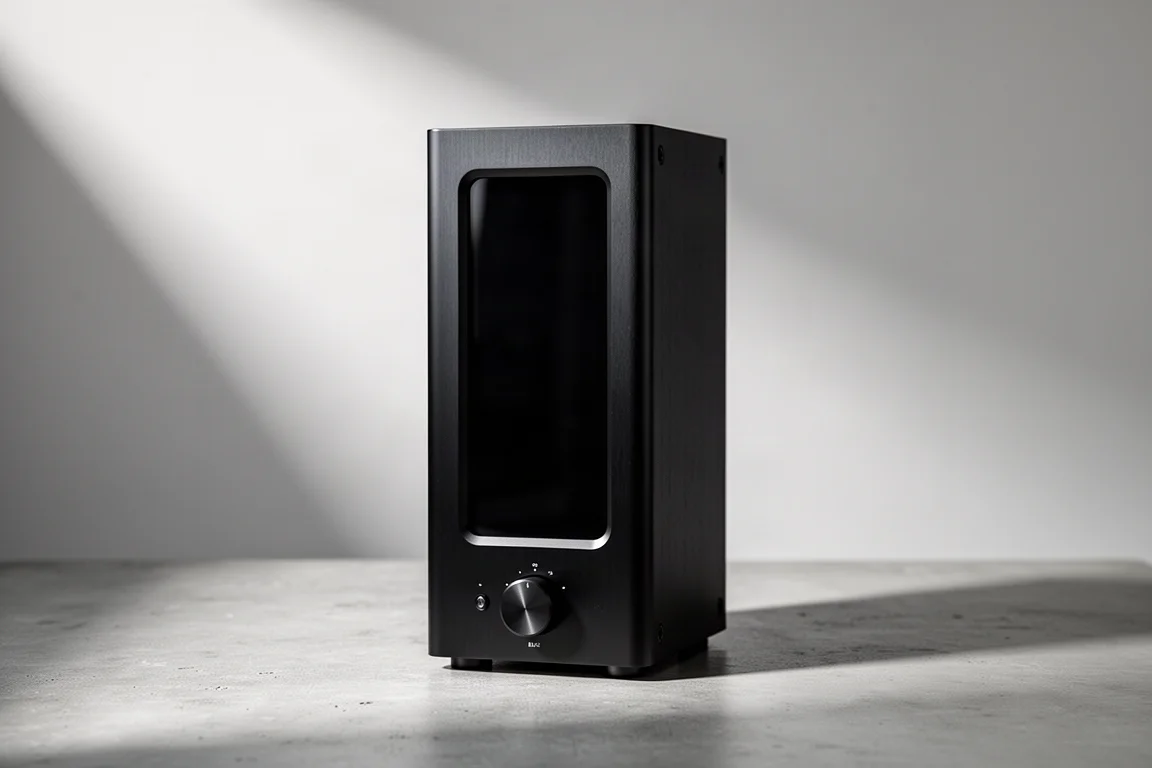
The FiiO K17 is the wider, lower-profile unit introduced later, with a different DAC section, a different amplifier section, and a lower price. It is the better match here, adding warmth where the R9 can sound emaciated.
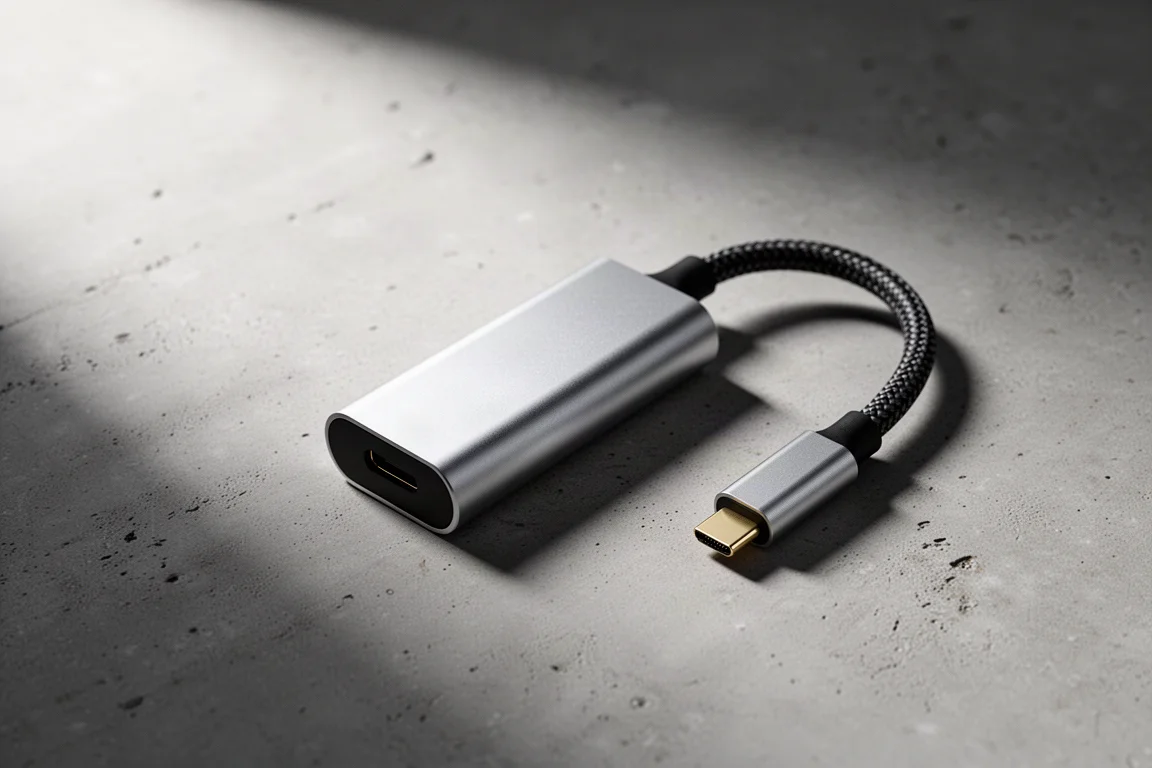
Fang Sound Prometheus: A High-Power Dongle DAC
Fang Sound is a newer name that reached Western listeners through two online retailers, one in Shenzhen and one in London. The brand names its products after figures from ancient Greek mythology and engraves those names in ancient Greek lettering on the aluminium.
The Prometheus is the entry point at 360 euros. It is a dongle DAC built around an ESS converter, and it delivers 1 watt into 32 ohms, which is a great deal for the format.
Fang Sound Silenos: Compact R2R Power
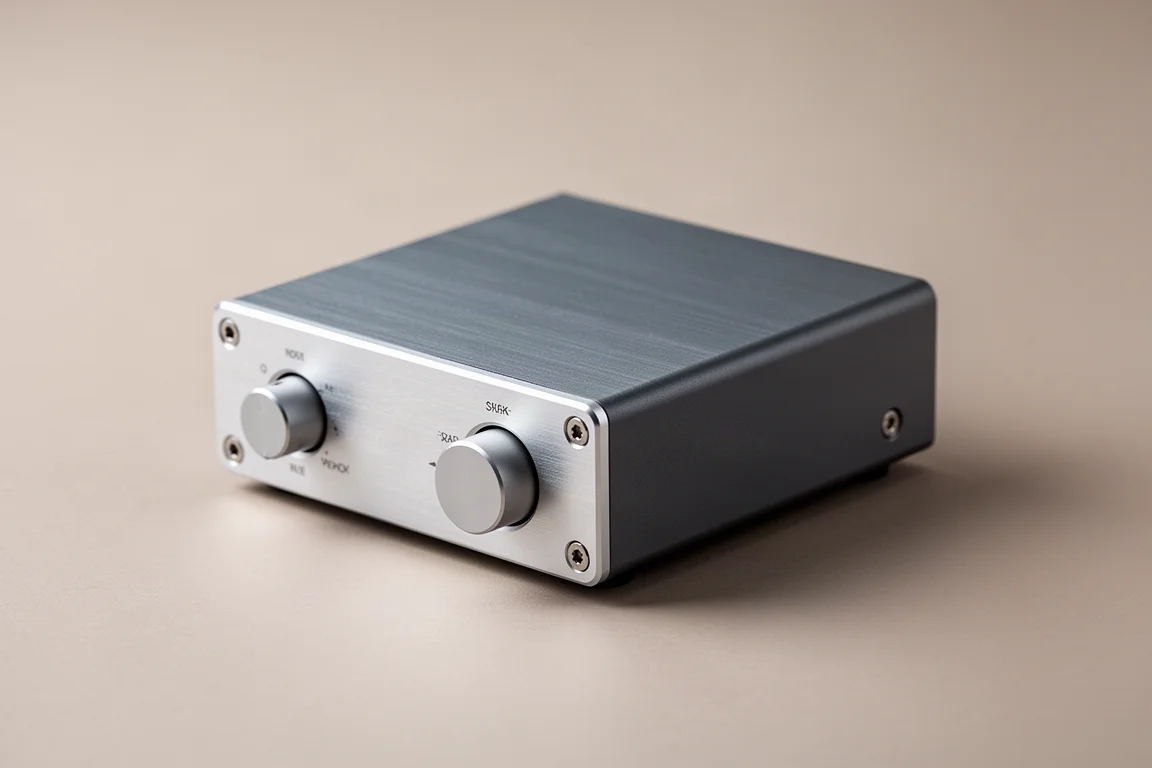
The Silenos costs the same 360 euros but takes a different approach. It is roughly the footprint of a CD jewel case and about six or seven stacked CDs tall, and it uses an R2R DAC.
The power figure is the surprise: 10 watts per channel into 32 ohms, continuous, at low distortion. The company claims 14 watts, but distortion rises sharply at that point. The amplifier is AC powered, and build quality is high for the price.
Fang Sound Ariadne: More Power, Same Approach
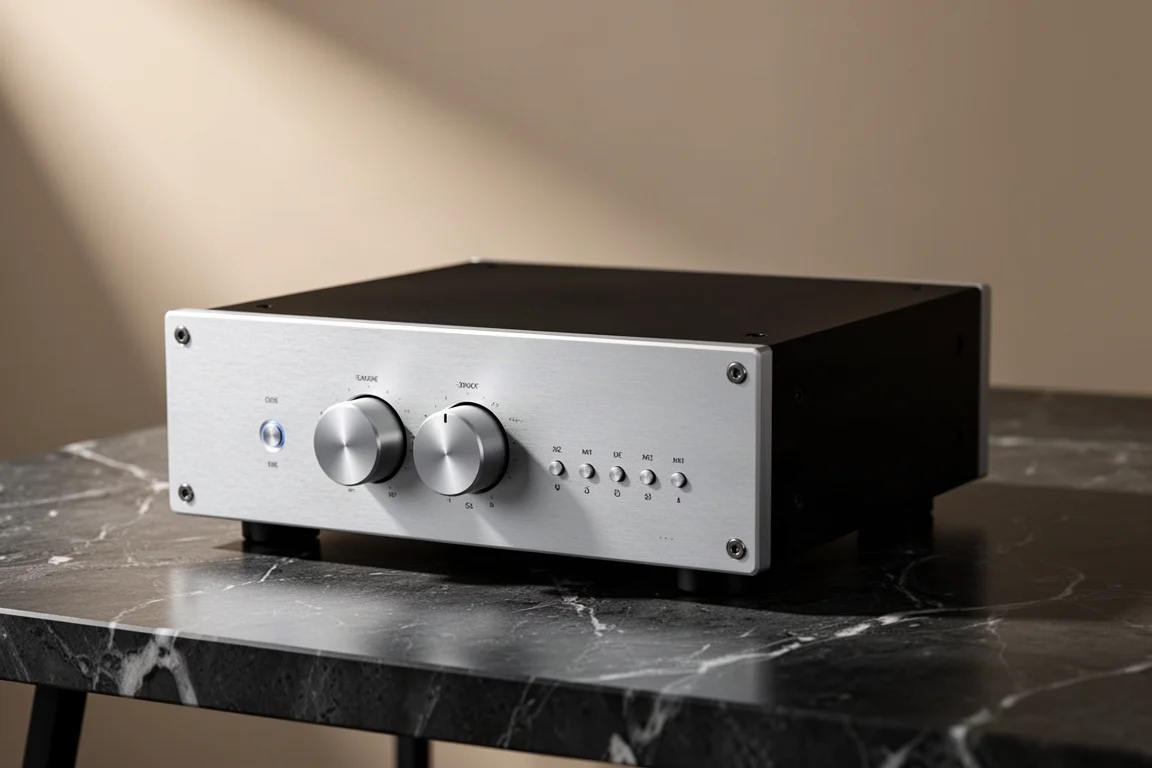
The Ariadne is priced at 1,317 euros and doubles the output of the Silenos to 20 watts per channel into 32 ohms. It also adds a preamplifier output, though it does not offer an XLR output.
Fang Sound Dionysus: The Flagship Headphone Amplifier
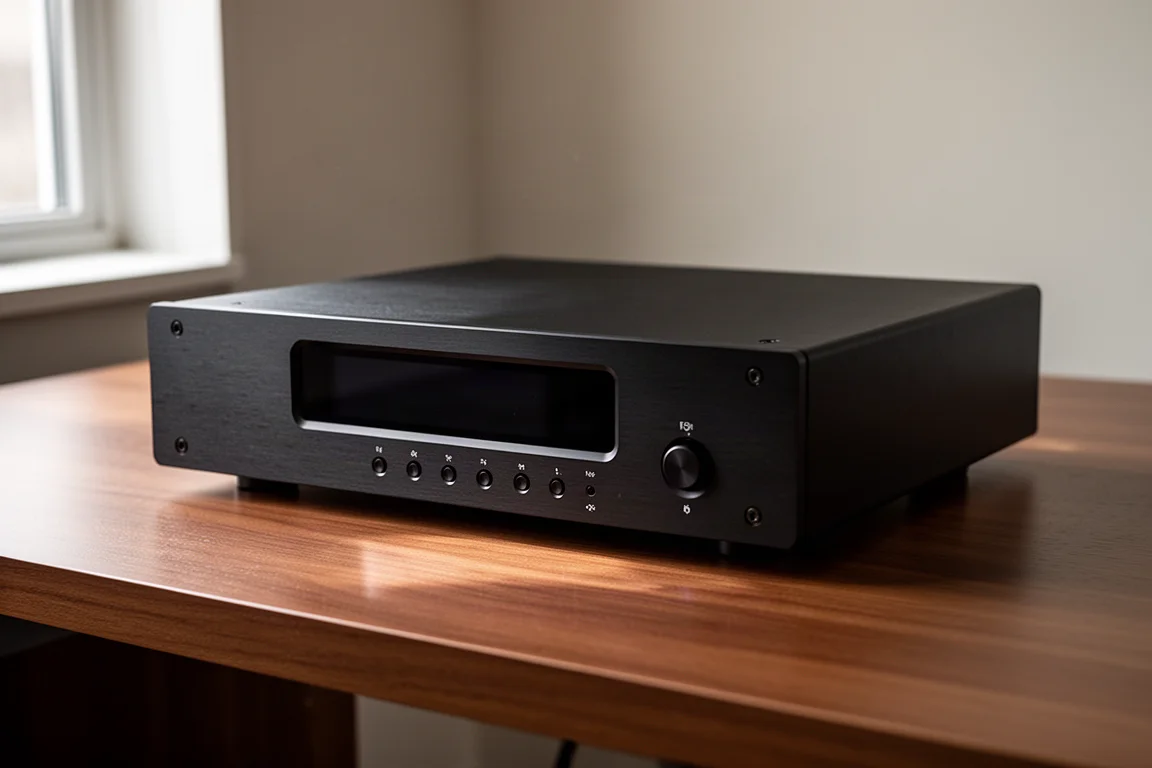
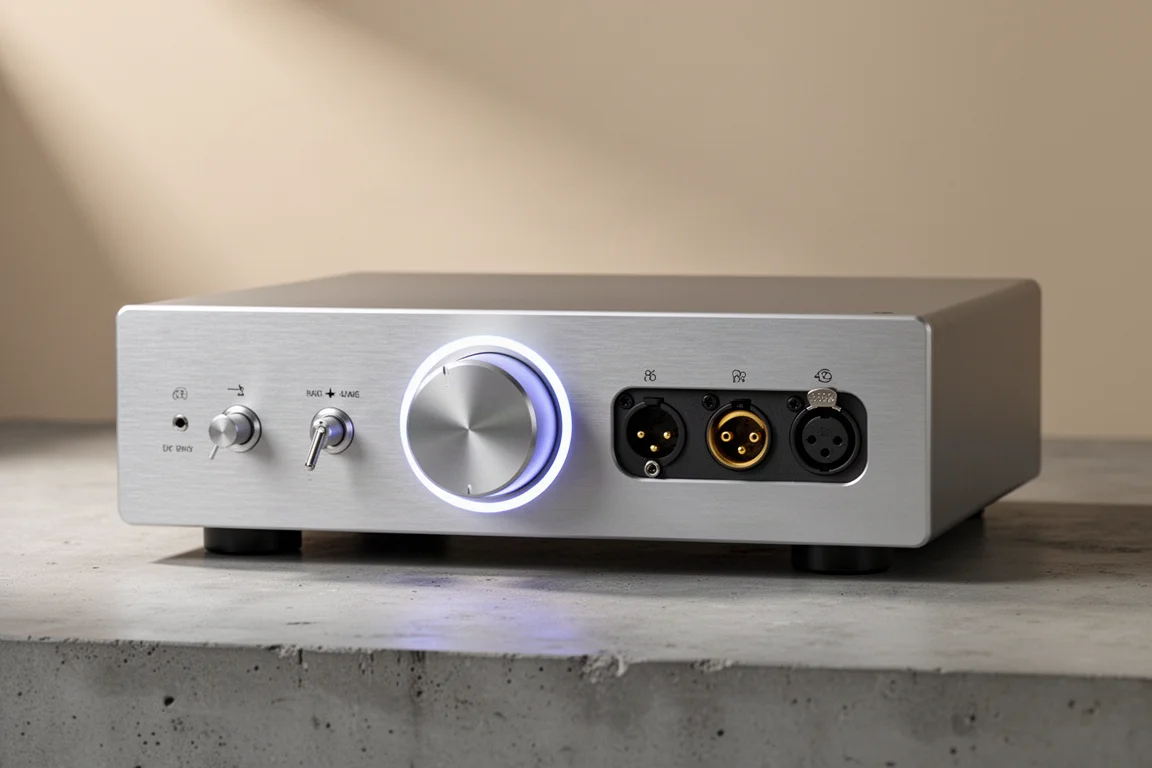
The Dionysus is the flagship at around 3,500 euros and a full-width chassis. It is rated at 40 watts per channel into 32 ohms, continuous, with 64 V RMS voltage swing and 180 V peak to peak. Input impedance is 100 kΩ and output impedance is 0.1 Ω. Inside are three Mean Well switch-mode power supplies, two at 48 V and one at 24 V.
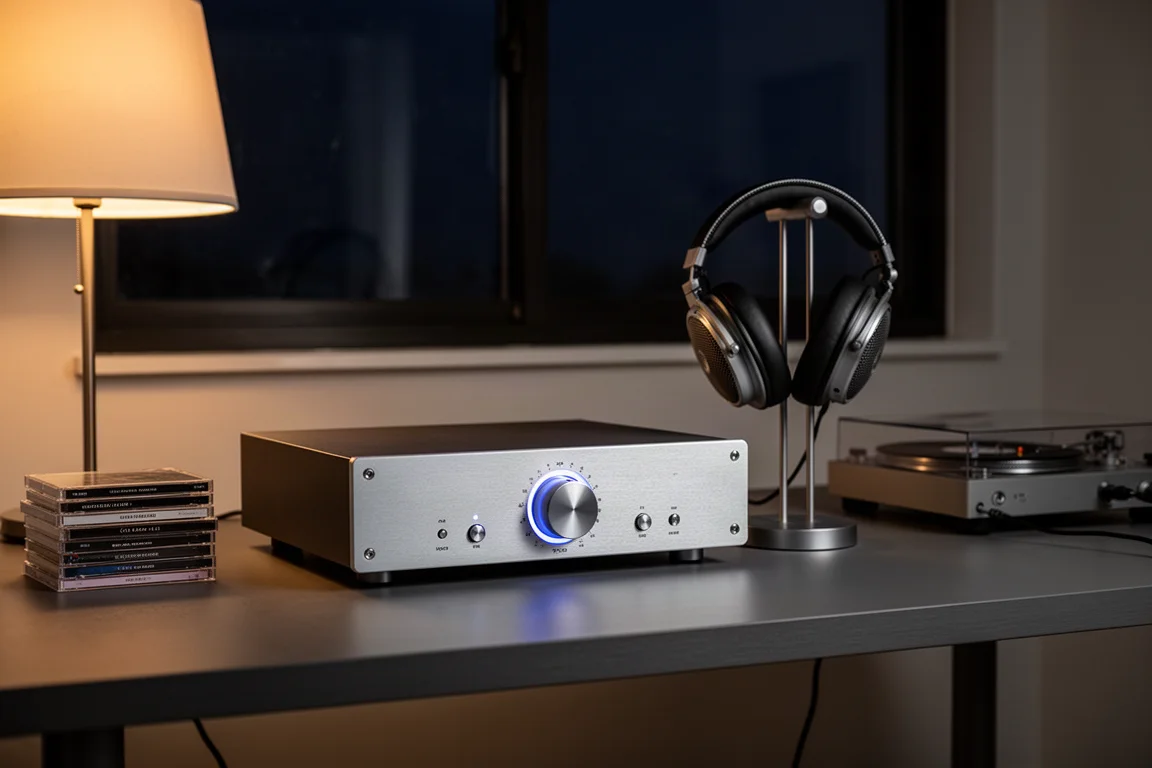
The front panel carries dual 3-pin XLR, 4-pin XLR, 6.3 mm, 3.5 mm, and 4.4 mm headphone outputs, along with switches for power, XLR or RCA input, headphone or preamp output, and a three-stage gain control with settings of 1, 4.2, and 15.2. The volume knob sits in the middle with an illuminated ring around it. There is no remote control, no DAC, and no digital section. On the back there is one XLR input, one RCA input, one XLR output, and one RCA output. There are no speaker posts, simply because there is not enough room.
The design is built around headroom rather than maximum output. Most listening happens at two watts or less, and the excess power keeps that region far below the amplifier’s limits. In low gain the amplifier is quiet enough for high-efficiency in-ear monitors, with a volume taper that stays usable. The circuit uses a complex nested multi-feedback topology that took four years of development and two more years of tuning to balance distortion against dynamics.
Buying Advice
Match the amplifier to the headphone before you match the headphone to a price. The HiFiMAN planars in this group are efficient enough for a modest amplifier, but the flagship only shows what it can do with a high-headroom design.
If your system centres on a television, the WiiM models are the most flexible and least expensive way to get a TOSLINK or HDMI ARC signal into a DAC that accepts only coax or USB. If disc playback is the priority, the Shanling covers CD and SACD with an R2R DAC and a tube output stage.
For headphones, treat the accessory package as part of the value. The FiiO FT7 includes spare pads, balanced cable options, and a case. The HiFiMAN models use 3.5 mm ear cup connectors, so third-party cables are easy to source, but you will need to budget for them and for ear pads if you want alternatives.
The clearest dividing line in this group is not between brands but between the middle and the top of the market. Up to roughly 2,400 euros, each step buys something audible. Beyond that, the returns depend heavily on the rest of your system and on how attentively you listen.
Conclusion
The strongest products here are the ones with a clear job: a streamer that can reroute a television signal, a disc player that doubles as a DAC with real tonal weight, and a headphone amplifier built with enough headroom to let almost any headphone sound its best. The headphones themselves cover a wide span of prices, and the differences between the models are real, but they narrow sharply at the top.
Further reading
Related Reviews
Hi-Fi Audio
Accuphase C-57 vs Allnic H-7000V: Two High-End Phono Stages Compared
A fully balanced solid-state phono stage with a pitch-black noise floor meets a tube design built for well-loved records. Here is how to choose between them.
Hi-Fi Audio
Active vs Passive Hi-Fi: Five Components for a Modern System
Five components that define modern active and passive hi-fi systems, with the strengths, trade-offs and setup details worth weighing before you buy.
Hi-Fi Audio
Advance Paris A10 Apex Review: A Hybrid Integrated Amplifier That Covers a Lot of Ground
A French hybrid integrated amplifier with a class A tube preamp stage, analogue power meters, and an internal DAC and phono stage good enough to make extra boxes unnecessary.