Backpacking Gear
New Backpacking Gear Worth Watching: Six Standout Pieces for Cold-Weather Camping
Six pieces of backpacking gear that solve real problems on cold trips, from an airy mesh layer to a titanium remote canister stove, with the trade-offs to weigh first.
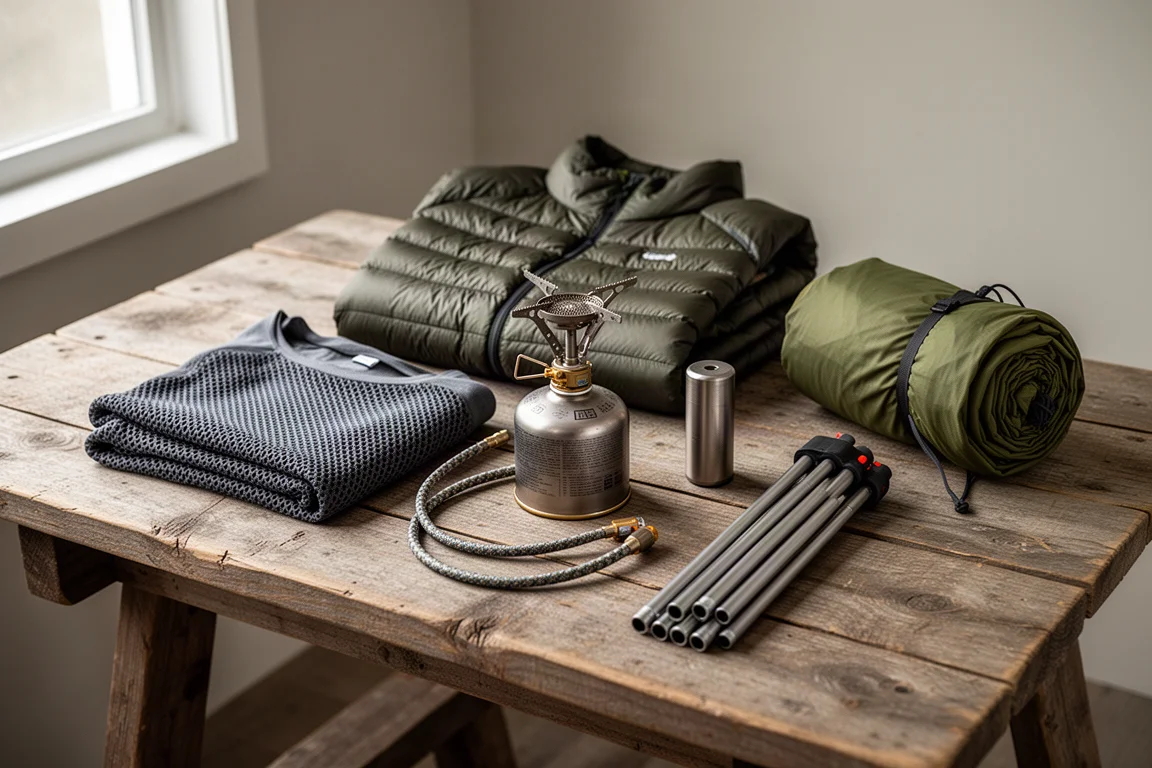
Introduction
Not every new piece of backpacking gear deserves your attention. The six items in this guide do, because each one addresses a specific problem that shows up on real trips: staying warm while you are moving, sleeping two people without a wrestling match, inflating a pad without soaking it from the inside, and cooking reliably once the temperature drops below freezing.
They are not all for the same person. Some suit the hiker counting every gram, others the camper who wants more room and more warmth. Read the sections that match how you travel and skip the rest.
What Makes This Gear Worth a Closer Look
Four qualities separate gear that earns its place in a pack from gear that stays home.
Warmth for the weight is the obvious one. An airy mesh layer that holds heat under a wind shell, or a down piece that compresses to the size of a softball, changes what you can bring on a cold trip. Packed volume matters nearly as much, since the space a layer occupies is space your food and shelter cannot use.
Just as important is how a piece behaves in use. A shelter you can sit up in, a stove that stays consistent in the cold, and a pump that fills a pad while you set up the rest of camp all remove friction at the end of a long day.
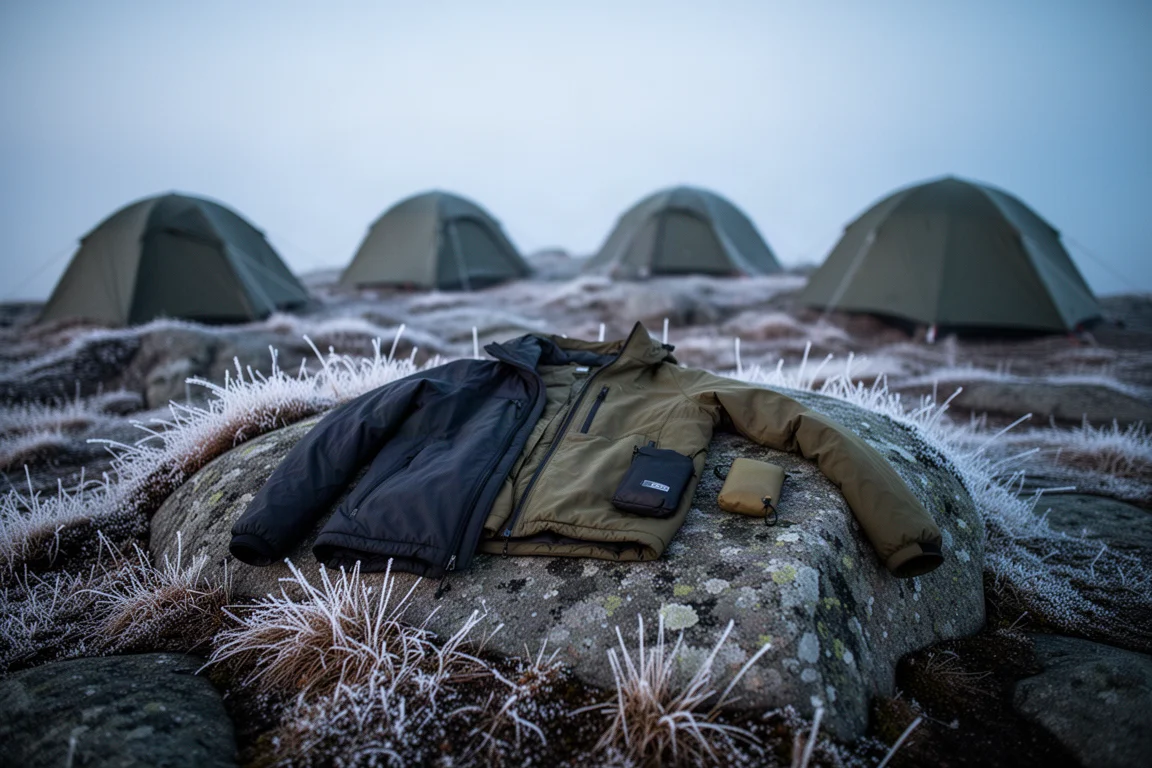
The counterweight is durability. Ultralight fabrics are thin by definition, and thin fabrics ask for more care around rock, grit, and drifting embers.
Season matters too. Several items here are built specifically for cold weather, whether that means layering under a shell, inverting a canister, or hanging a light inside a tent after dark.
Mountain Hardwear Air Mesh Shirt: An Airy Layer That Traps Warmth
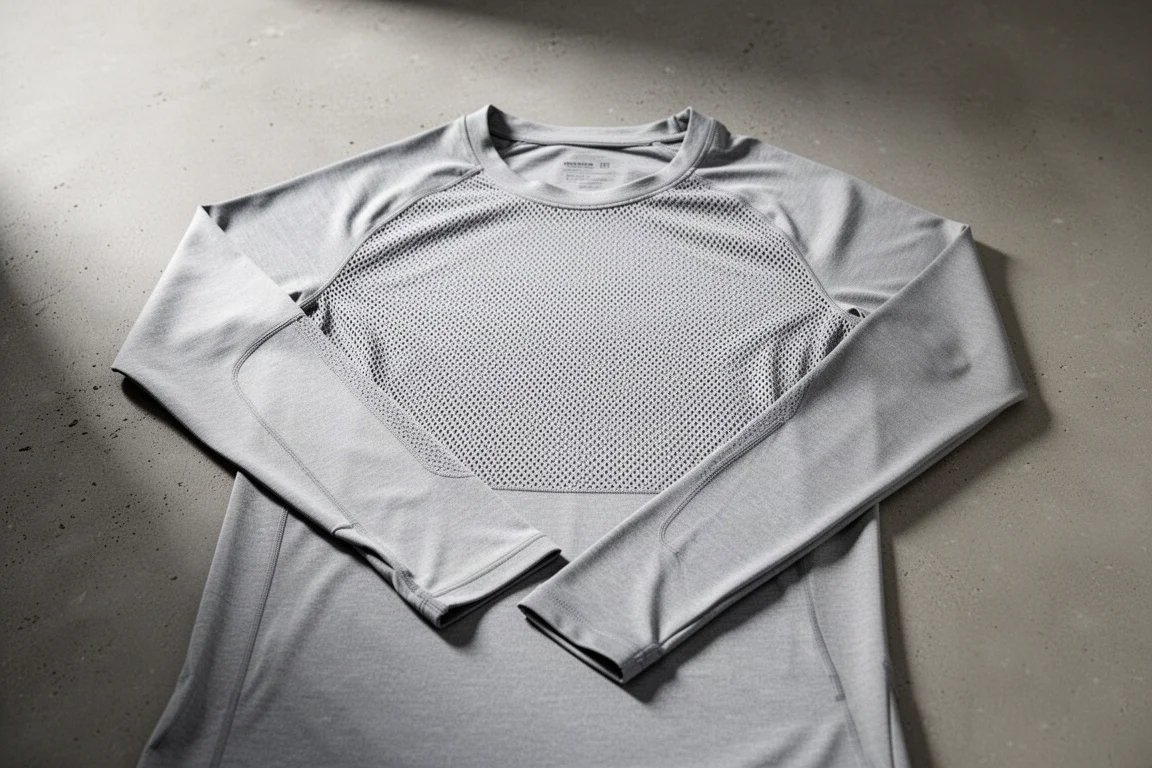
The Air Mesh shirt belongs to a newer family of layers that insulate through structure rather than thickness. The inside uses an octa-style mesh fabric, an open knit covered in fine fibers that trap air while still letting it move. Held up to the light, it looks closer to a net than a garment, and that is exactly the point.
Worn under a wind shell, the mesh holds a surprising amount of warmth, because the shell stops air from escaping the structure. Take the shell off and the same shirt becomes highly breathable, which is what you want once you start climbing. Air passing through the fabric carries moisture away with it, so you can work hard and still stay warm without finishing the climb damp.
The trade-off is straightforward. This is a layering piece rather than a stand-alone jacket, and it reaches its full warmth only when something blocks the wind.
MSR FreeLite 2: A Roomier Two-Person Shelter
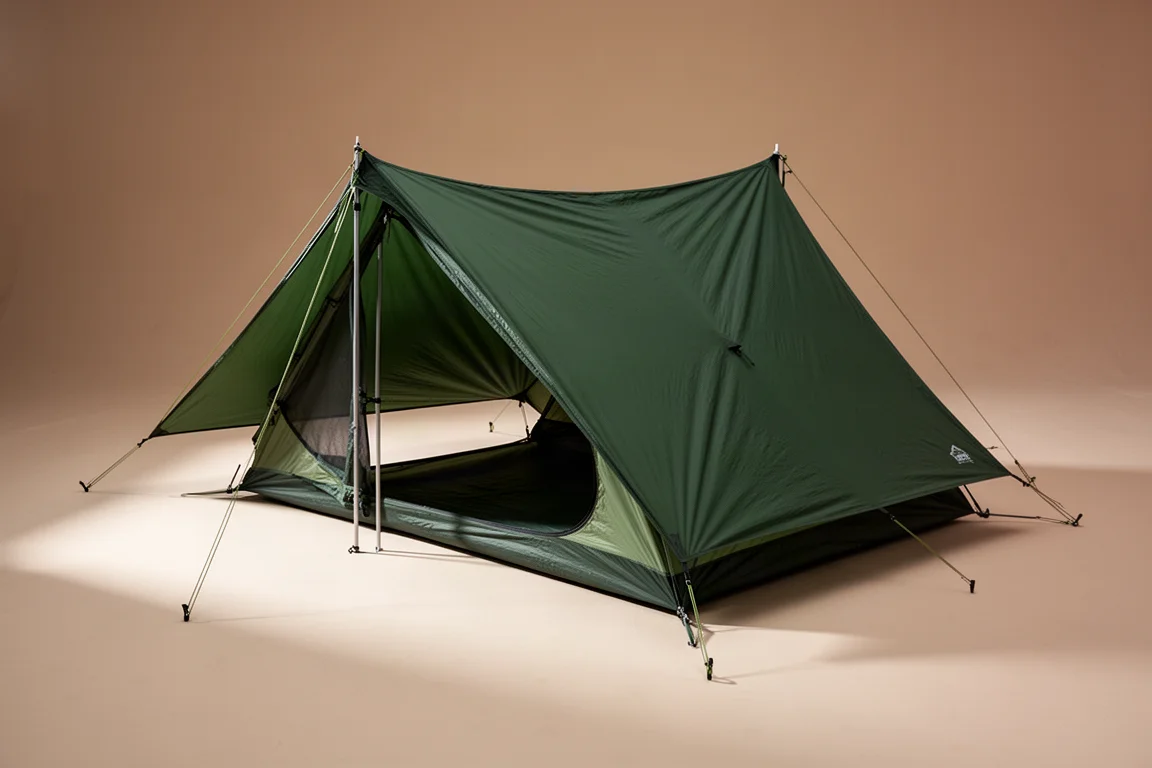
The FreeLite 2 is a semi-freestanding two-person shelter, and the most important change in this version is the pole structure. It opens up noticeably more volume at the head end, which is where a tent is really judged. You can sit up, pull a layer on, and move around without the canopy pressing in on you.
Floor space has grown as well. The interior should fit two wide sleeping pads, the threshold that separates a genuine two-person tent from one that only sleeps two on paper. The FreeLite 2 also comes in lighter than a comparable two-person tent: 900 grams for the poles and tent body, against 1.1 kilograms for the Tiger Wall UL2. More room in a lighter package is the combination most backpackers are hunting for.
Big Agnes Tiger Wall UL2: The Lightweight Benchmark
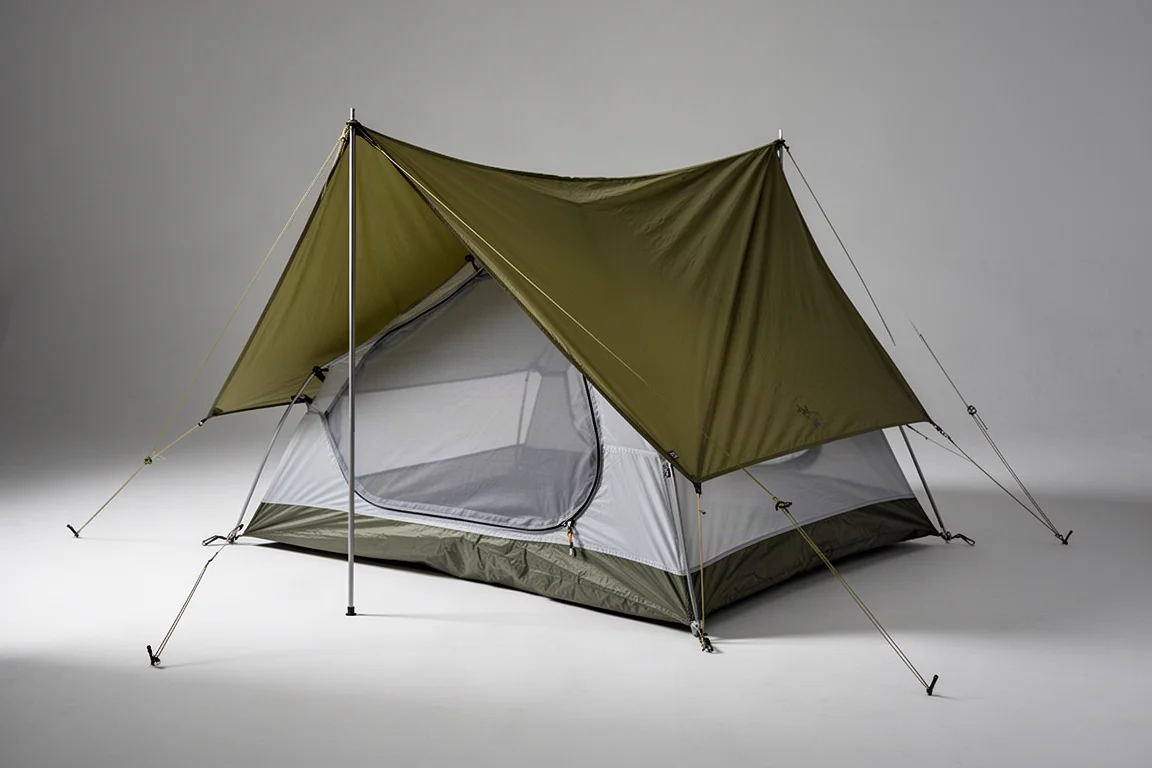
The Tiger Wall UL2 is a useful reference point for this category. It is a semi-freestanding two-person tent that weighs 1.1 kilograms for the poles and tent, and it has earned its following on low weight and a straightforward pitch.
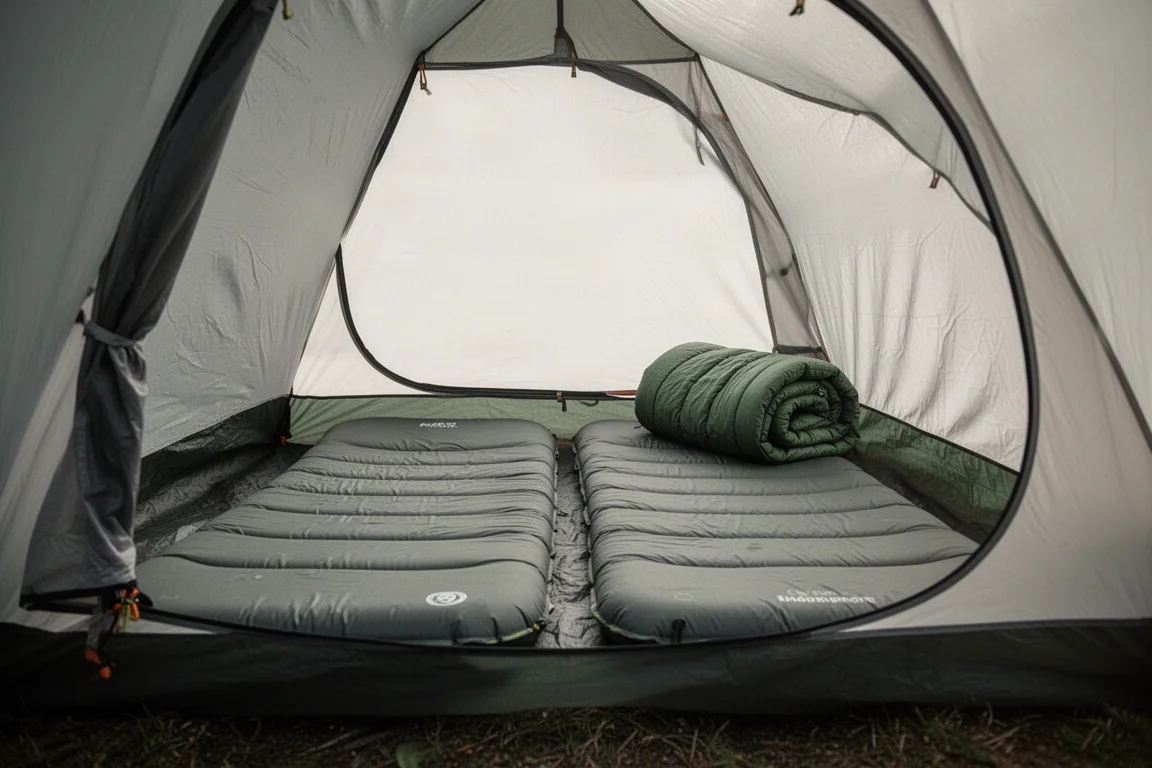
The compromise is interior volume. Floor space is tight for two adults, and plenty of hikers move up to the three-person version when they plan to share, which adds weight and bulk back into the pack. Travelling solo, or sharing with someone who packs narrow, it still makes a great deal of sense.
Flextail Tiny Pump X: A Sleeping Pad Pump That Doubles as a Lantern
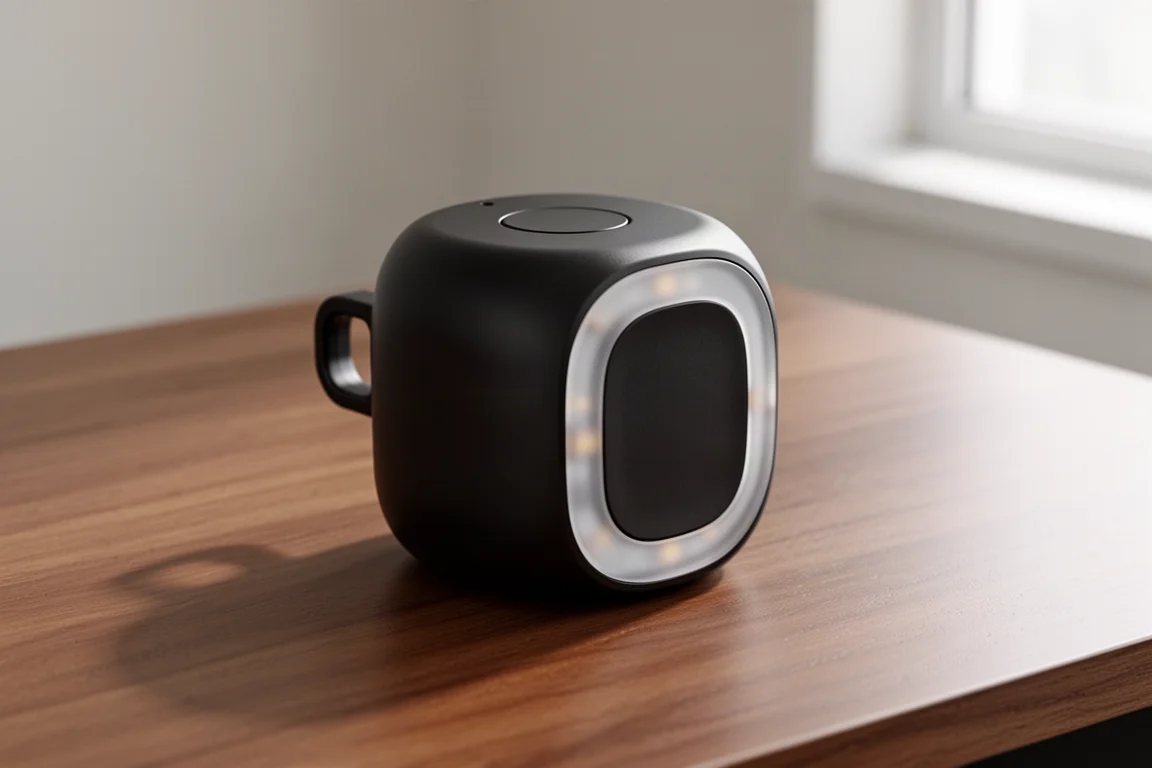
The Tiny Pump X is a pocket-sized pump for inflating sleeping pads, and it is the sort of small item that quietly changes a camp routine. A single nozzle fits essentially any pad, and a double press sets it running. It fills a pad fast enough that you can start it and get on with other chores instead of kneeling in the dirt.
There is a second, less obvious benefit. Air from a pump is dry, so you avoid pushing the moisture from your breath into the pad, which is what leaves pads feeling clammy and can wear on their insulation over time. The pump weighs about as much as the inflation bag it replaces, so the swap costs almost nothing.
The feature that earns it a place in a cold-weather pack is the light built into the base. For something this small, it puts out a genuinely bright light that can be hung from a tent ceiling as a lantern, which is useful when you are sharing a shelter and playing cards after dark.
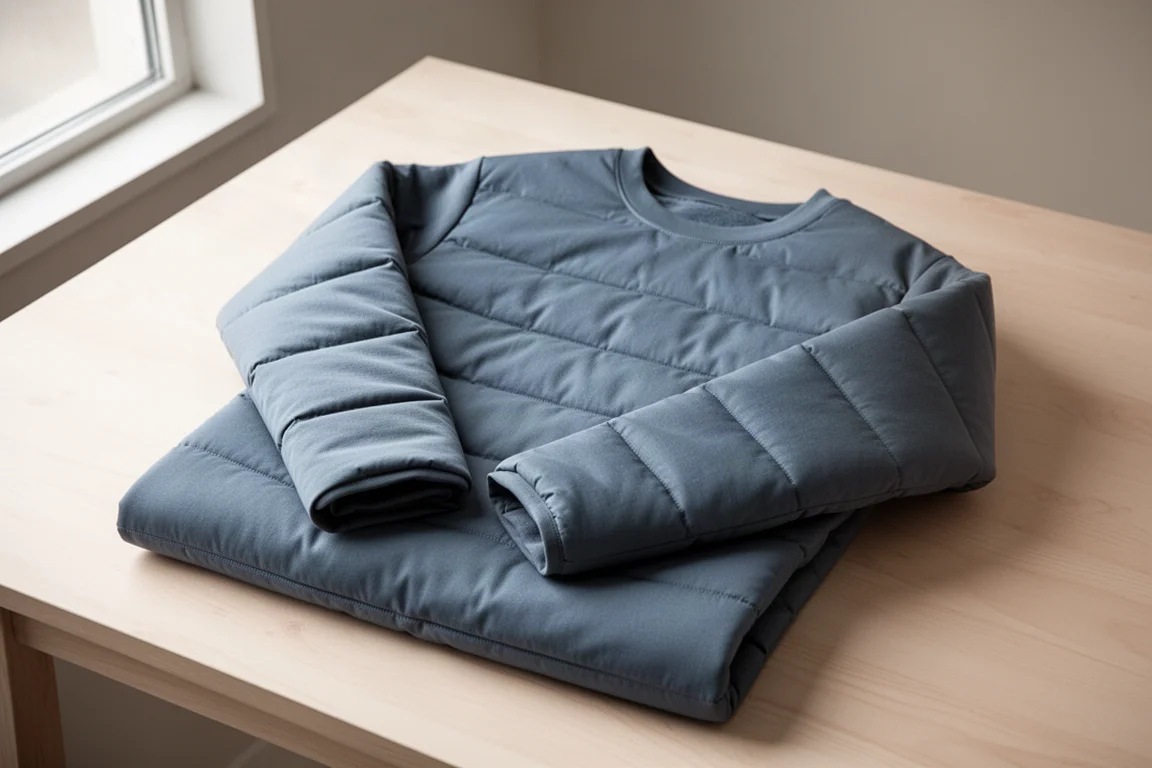
Patagonia Ultra Alpine Down Sweater: Minimalist Warmth at 150 Grams
At 150 grams, and roughly the size of a softball when compressed, this is about as minimal as a down layer gets. The Ultra Alpine Down Sweater is a crew-style pullover with no zippers at all, which strips out hardware weight and anything that can snag, jam, or fail in the cold.
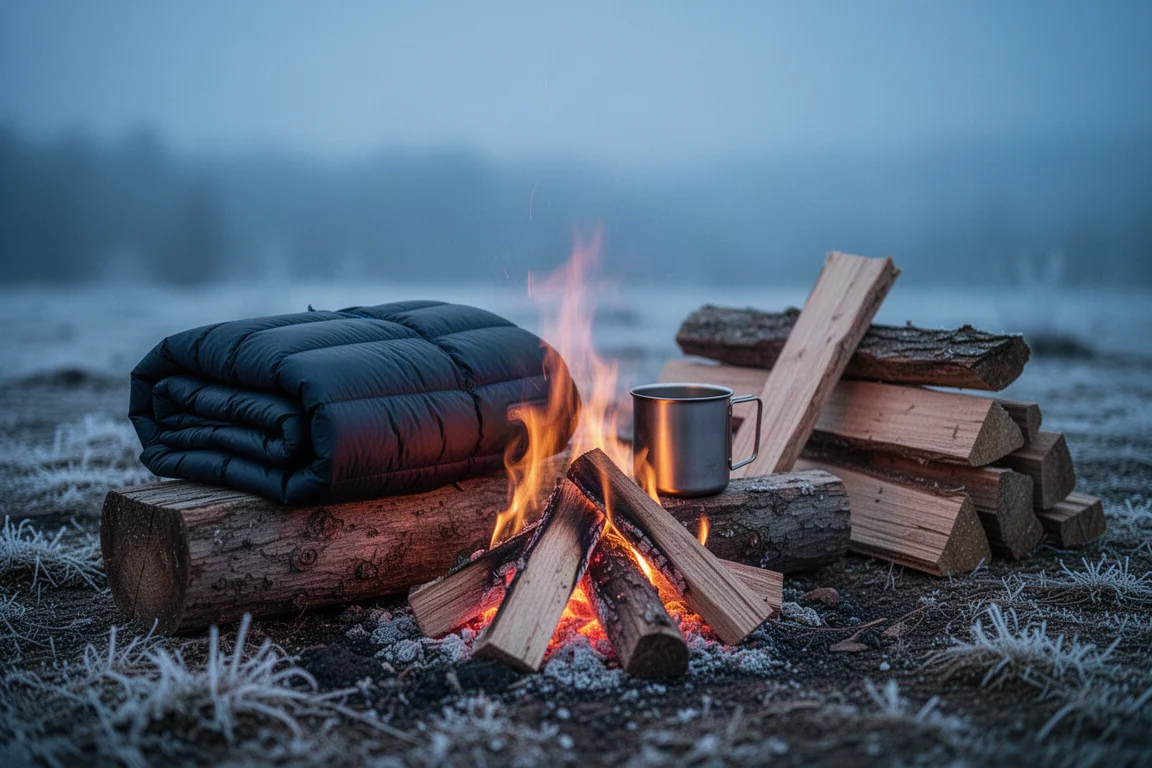
The warmth comes from high fill-power down held inside a 7-denier shell. That shell is what makes the low weight possible, and it is also the main thing to plan around. Seven-denier fabric is delicate, so this layer works best under a wind jacket or shell, particularly when you are splitting firewood or sitting close to a fire with embers drifting.
Treated with a little care, it is a compelling option for anyone who wants serious insulation in a package that disappears into a pack pocket.
Fire Maple Blade 2: A Titanium Remote Canister Stove
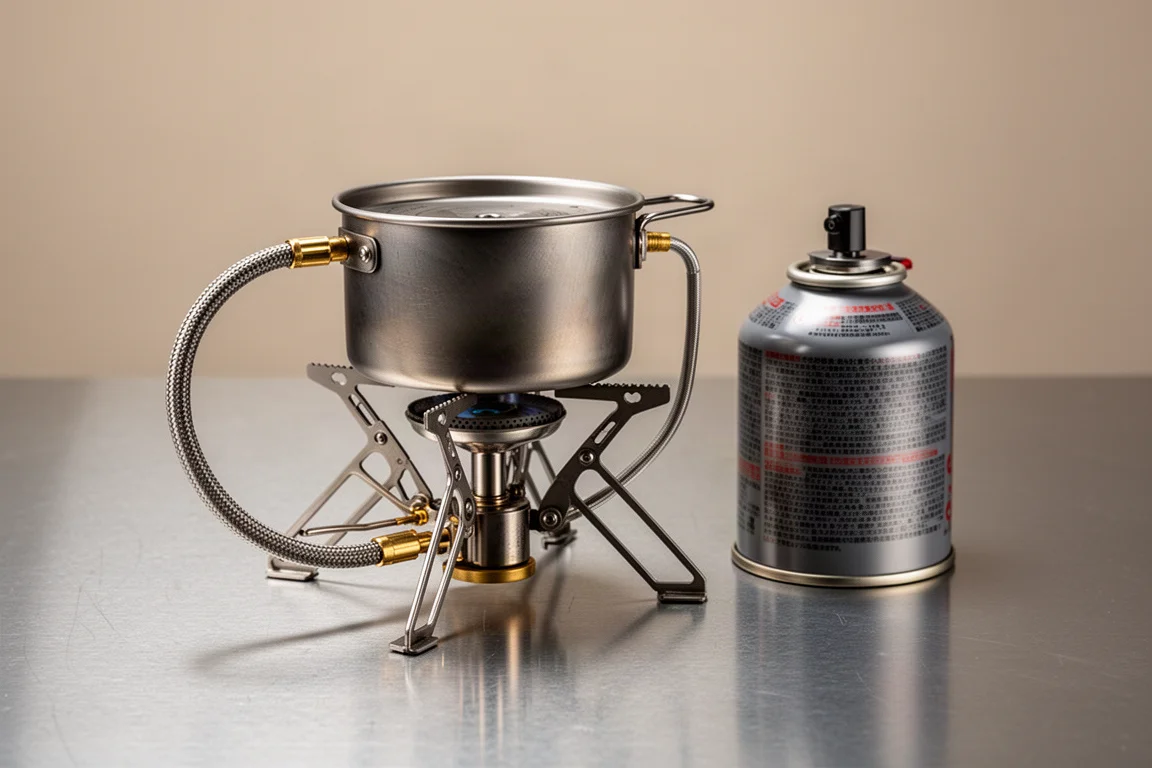
Remote canister stoves are the winter-friendly branch of the stove family. Because the burner sits away from the canister on a hose, you can invert the canister when it is cold and let liquid fuel feed the stove far more reliably than a canister-top design allows.
The Blade 2 is built from titanium and weighs 135 grams, making it one of the lightest remote canister stoves you can carry. Its pot supports are unusually large, so it holds a two-liter pot steadily rather than only the one-liter pot most people pack. The detail that sets it apart from other lightweight remote canister stoves is the pre-heating tube: liquid fuel passes through it, turns to gas, and reaches the burner head ready to burn, which keeps performance consistent as temperatures fall.
Buying Advice: Matching Gear to the Trip You Actually Take
The right order of priorities depends on the trip. If you hike in cold, changeable conditions, start with layering: an airy mesh piece for active effort and a down layer for camp, worn together under a shell when the wind picks up. If you sleep two, look at floor space before you look at weight, because a shelter that is too narrow for two people tends to cost you a heavier tent later on.
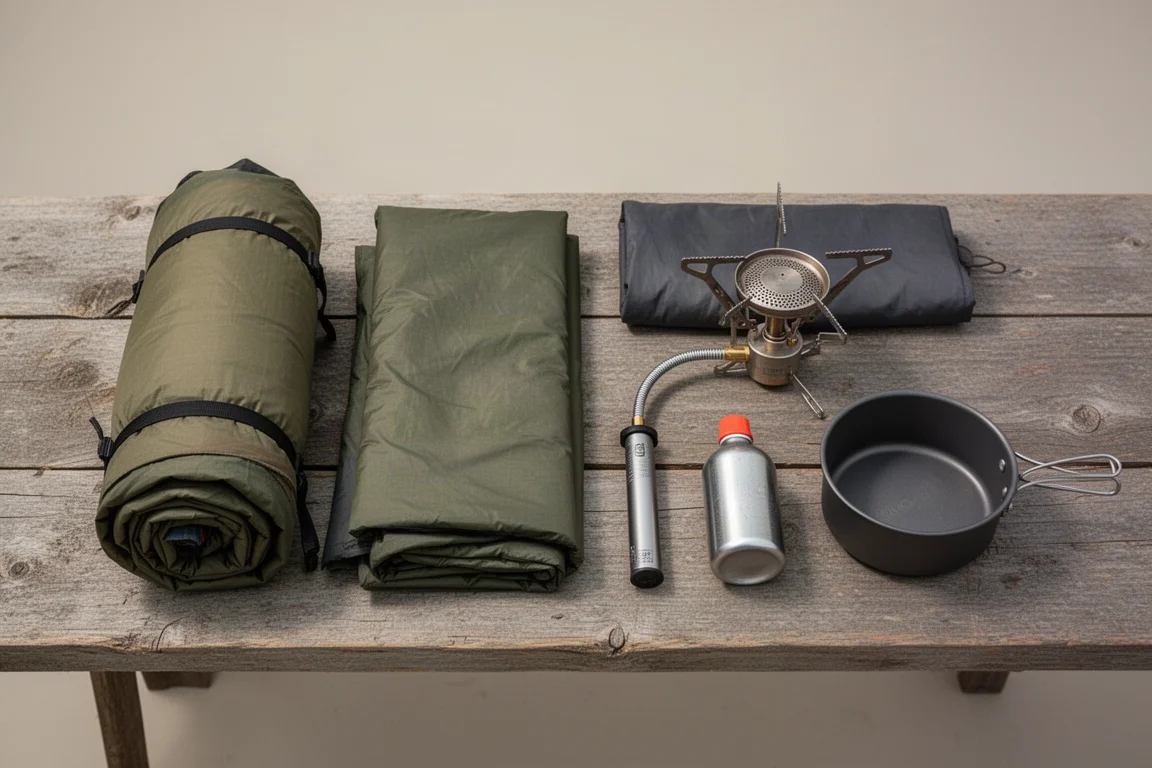
For camp comfort, small items punch well above their weight. A pad pump that also lights your tent replaces two things you would otherwise carry. For cooking in the cold, a remote canister stove with a pre-heating tube justifies the small amount of extra packed bulk, and wide pot supports give you the option of cooking for two. Whichever pieces you choose, plan around the fabric. Light gear rewards careful handling, and a little attention at camp keeps it in service for years.
Conclusion
None of these six items is a universal answer, and that is fine. Each is a strong choice for a specific job: layering while moving, sleeping two without cramping, inflating a pad without moisture, staying warm at camp with almost no weight, and cooking reliably when the temperature drops. Pick the ones that match the trips you actually take, and both the pack and the nights out get better.
Further reading
Related Reviews

Backpacking Gear
Building a 10 lb Base Weight: An Ultralight Backpacking Gear List
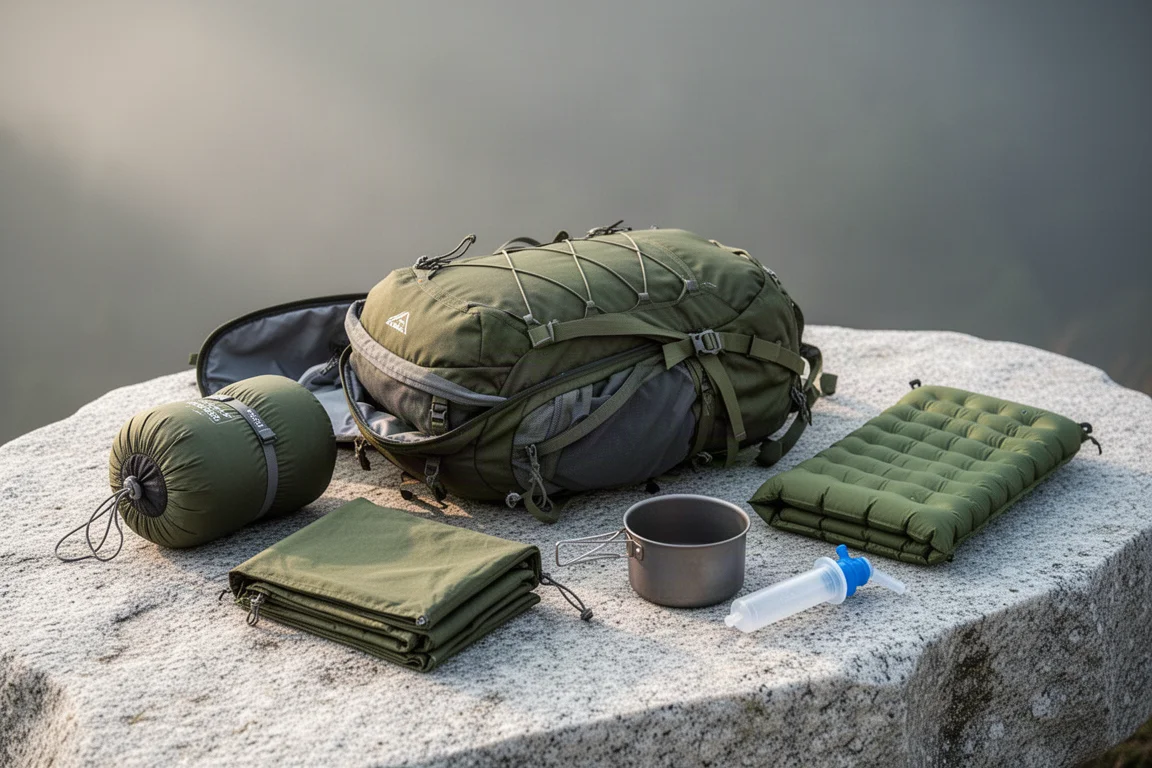
A practical walkthrough of the ultralight pieces behind a 10 lb base weight, from a 765 g pack and a roomy one-person tent to a full camp chair and a dependable water filter.
Backpacking Gear
A 15-Pound Lightweight Backpacking Gear List for Solo Trips
A beginner-friendly 15-pound backpacking setup built from easy-to-find gear, with notes on what each piece does, how it packs, and where to spend your attention.
Backpacking Gear
8 Ultralight Backpacking Gear Upgrades Worth Carrying
Eight small, affordable backpacking upgrades that solve real trail annoyances, from a pillow that stays put to a fuel valve that rescues leftover canister gas.