Backpacking Gear
New Backpacking Gear Tested: Four Items Worth a Closer Look
A frameless ultralight pack, an updated two-person tent, a $10 to $15 canister stove, and a sleeping bag with tunable warmth, tested on a desert overnighter.
Introduction
New gear is always a gamble. An update to an established design usually carries less risk than a product built from scratch, but the only way to know how something behaves is to load it, carry it, sleep in it, and cook with it under conditions that actually stress the claims.
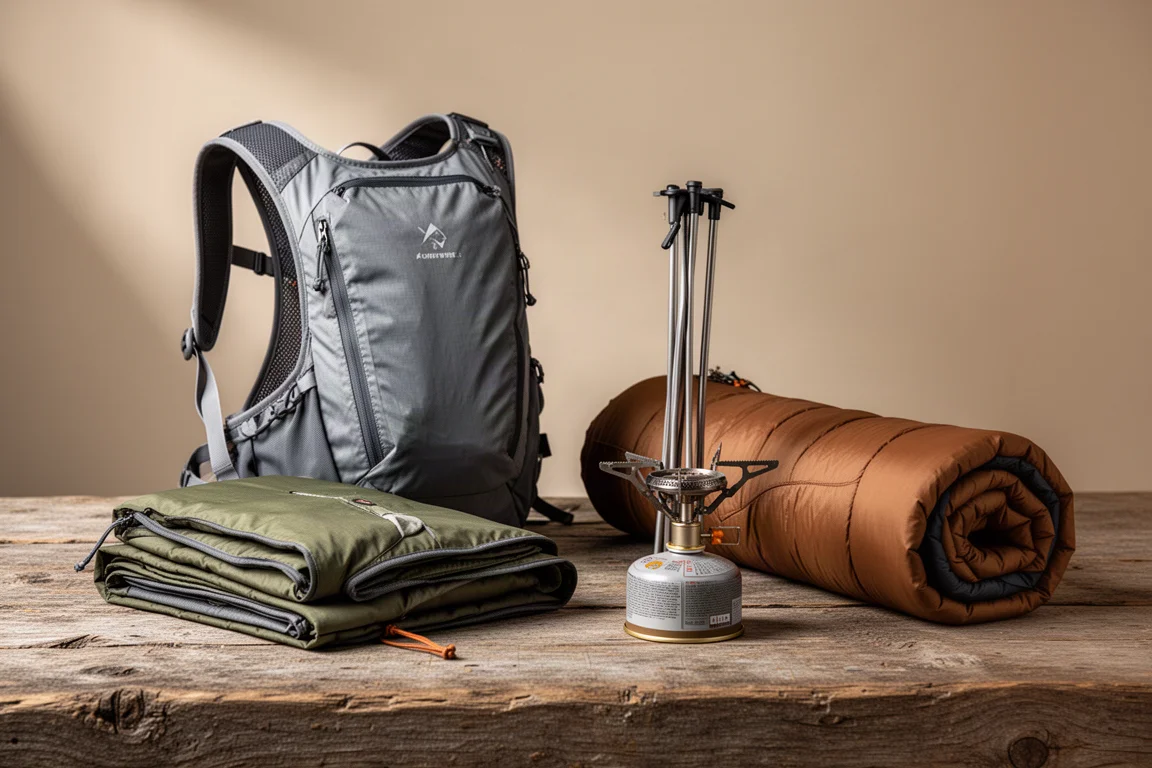
That was the plan for this trip: four items, each with a specific claim to verify. A frameless pack promising unrivaled comfort and accessibility. A two-person tent rebuilt around a new fabric. A canister stove that costs about as much as a takeaway lunch. A sleeping bag with zips designed to let you tune warmth through the night.
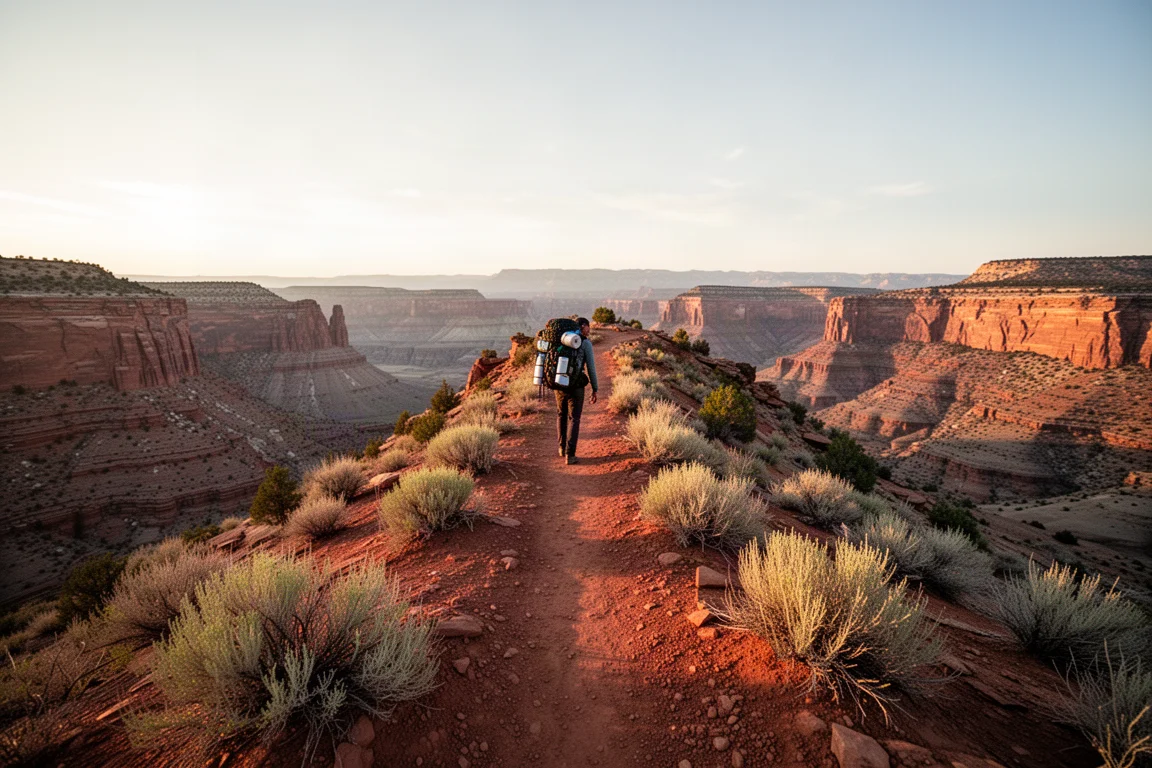
The conditions turned out to be useful. A long desert approach with a heavy water carry, gusty wind at camp, a clear sky, and an overnight low close to freezing. Not every claim could be fully checked in a single night, and where that is the case it is stated plainly rather than glossed over.
What We Looked For in New Gear
Four things matter when a product arrives without a track record. First, whether the headline claim survives contact with real trail conditions rather than a spec sheet. Second, whether any new material or technology produces a measurable benefit instead of a marketing line. Third, whether the product solves a problem a hiker actually has. And fourth, whether the price makes sense against what the item delivers.
That framework shaped how each item was used. The pack was loaded well beyond its comfort zone to find the limit. The tent was pitched in conditions chosen for condensation. The stove was lit in wind. The sleeping bag was used through a temperature swing that started warm and ended near freezing.
Nashville Pack Cutaway: Frameless Comfort With Real Accessibility
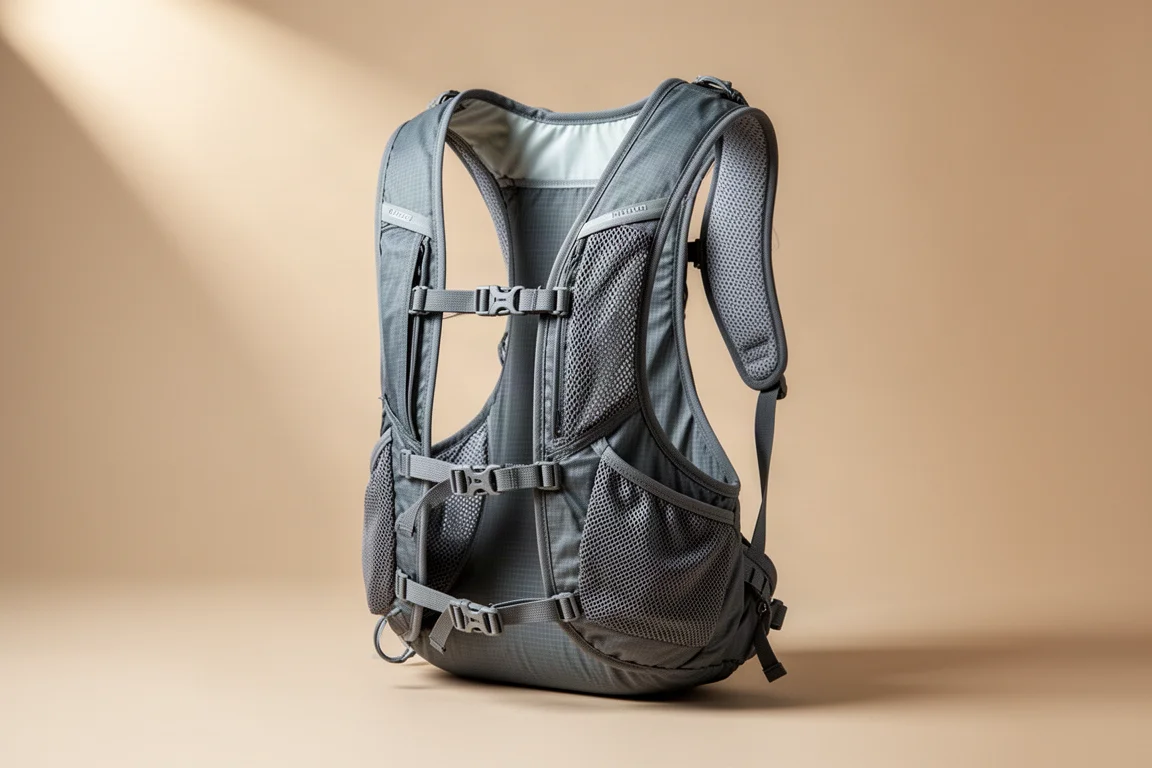
The Nashville Pack Cutaway makes two bold claims: unrivaled comfort and unrivaled accessibility, at a weight of just over a pound. It is a frameless pack with no hip belt, which reframes the whole question. A framed pack with a solid hip belt should carry 30 lb without drama. A frameless, hip-belt-free pack is doing something different, and judging it by framed-pack standards sets it up to fail.
The first carry was 32 lb, most of it water. Six liters had to come along, and the initial packing put four liters high inside the pack, roughly level with the top of the shoulder straps. That placement pulled the pack off the shoulders. Moving the water lower in the pack body improved the situation noticeably and made the load feel better seated on the back.
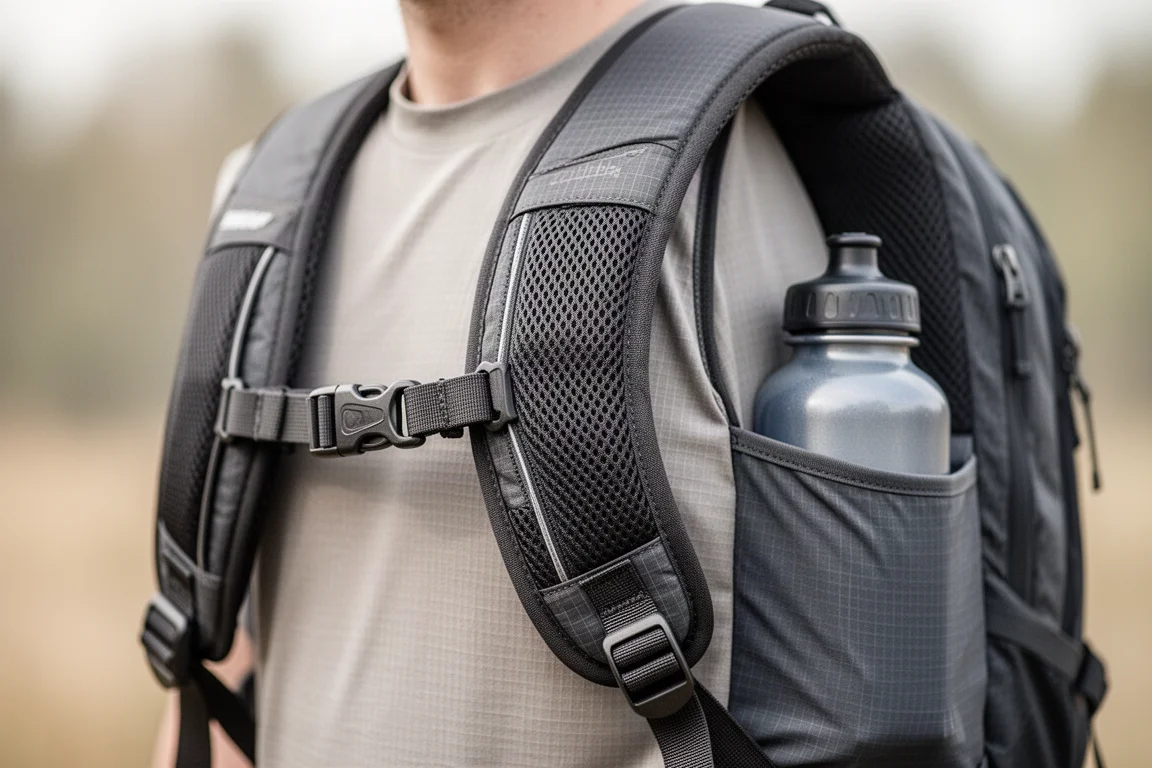
Once the hip belt was unbuckled mid-hike, nothing changed about how the pack carried, which confirms what the design already suggests: the hip belt is not transferring load. The weight is managed instead by wide vest-style shoulder straps that spread pressure across the chest, adjustable shoulder strap spacing that can be set closer together or further apart to match body type, and multiple sternum straps. Three ship with the pack, and two proved to be the sweet spot for comfort without an excess of buckles. Getting the strap spacing right mattered more than expected, since the default setup was too wide and felt considerably better once narrowed.
Accessibility is where the pack delivers most clearly. The vest-style shoulder straps carry usable pockets, side pockets can be reached with a wrap-around motion, and the front pocket can be accessed over the shoulder and used for items you want without stopping. Optional hip belt pockets are available, and a bottom pocket is reached from underneath rather than from the side. Most hikers will not exceed 30 lb in this pack, and it is best understood as a 20 to 25 lb platform that can absorb a couple of days of food weight before settling back down. The comfort claim holds up in practice, though unrivaled is a strong word given how many capable ultralight packs now compete in this class.
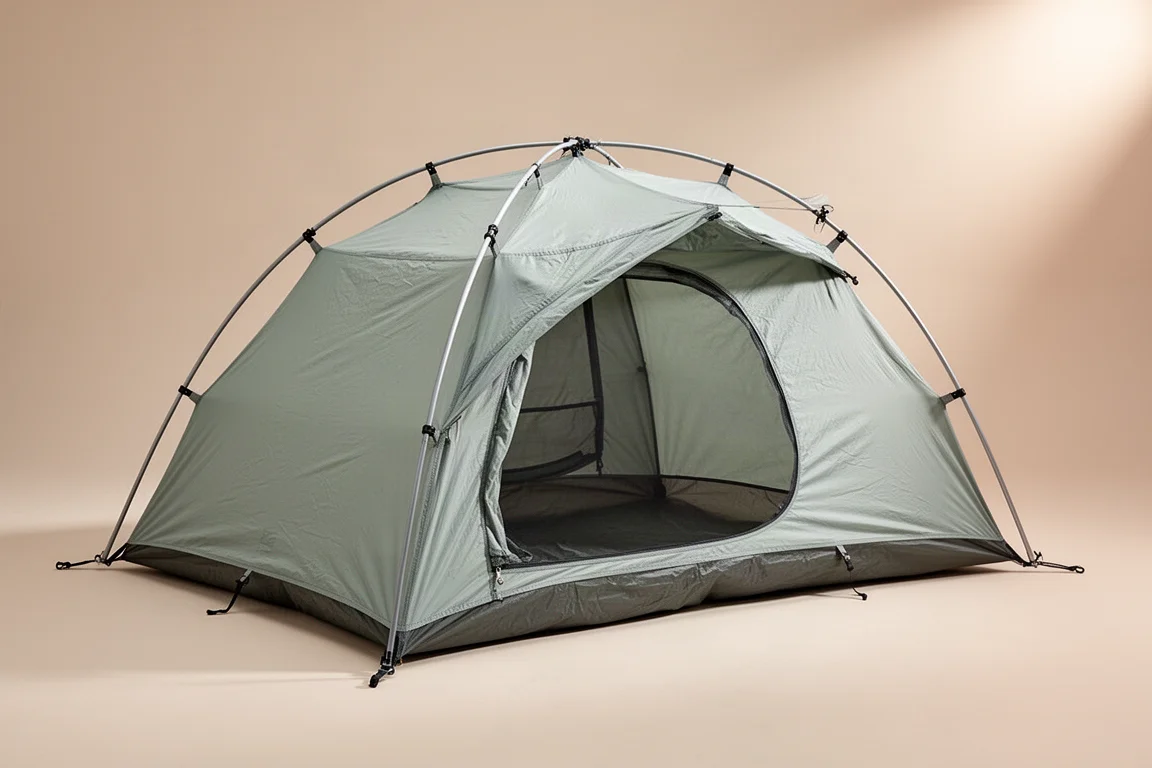
Big Agnes Tiger Wall 2: A New Fabric on a Familiar Design
The Tiger Wall 2 has been updated, and Big Agnes claims the new version is lighter, more durable, and more waterproof thanks to a proprietary fabric treatment. Two questions follow: did anything else change, and does the new fabric represent a genuine improvement?
On the first question, the answer is not much. Going over the tent closely turned up different hardware on the brow pull and little else of note. The large pocket at the foot end is still there, and it remains genuinely useful for stuffing a jacket or spare clothing. The tent is still a well-built semi-freestanding two-person design in the sub-1 kg class, which is the core of its appeal.
On the second question, the fabric is built on a 15-denier nylon base with no exotic fibers such as polyester or Dyneema in the mix. The likely approach is a tweak to the nylon itself to achieve roughly a 6 percent weight saving, paired with a new coating responsible for the durability and waterproofing gains. That is a plausible explanation, but it is not the same as a verified one.
A clear desert sky with temperatures close to freezing is normally ideal for condensation on the inside of a fly, and that would have been a revealing test. No meaningful condensation formed, so the wet-weather behavior remains unproven. With the previous fabric, condensation could leave the fly sagging and stretching rather than staying taut, and whether the new treatment resists that is still an open question. Two wish-list items also stand out: a slightly wider floor so two 25-inch non-tapered pads fit side by side, and vents to improve airflow inside the tent.
WID SE Stove: Budget Price, Genuine Wind Performance
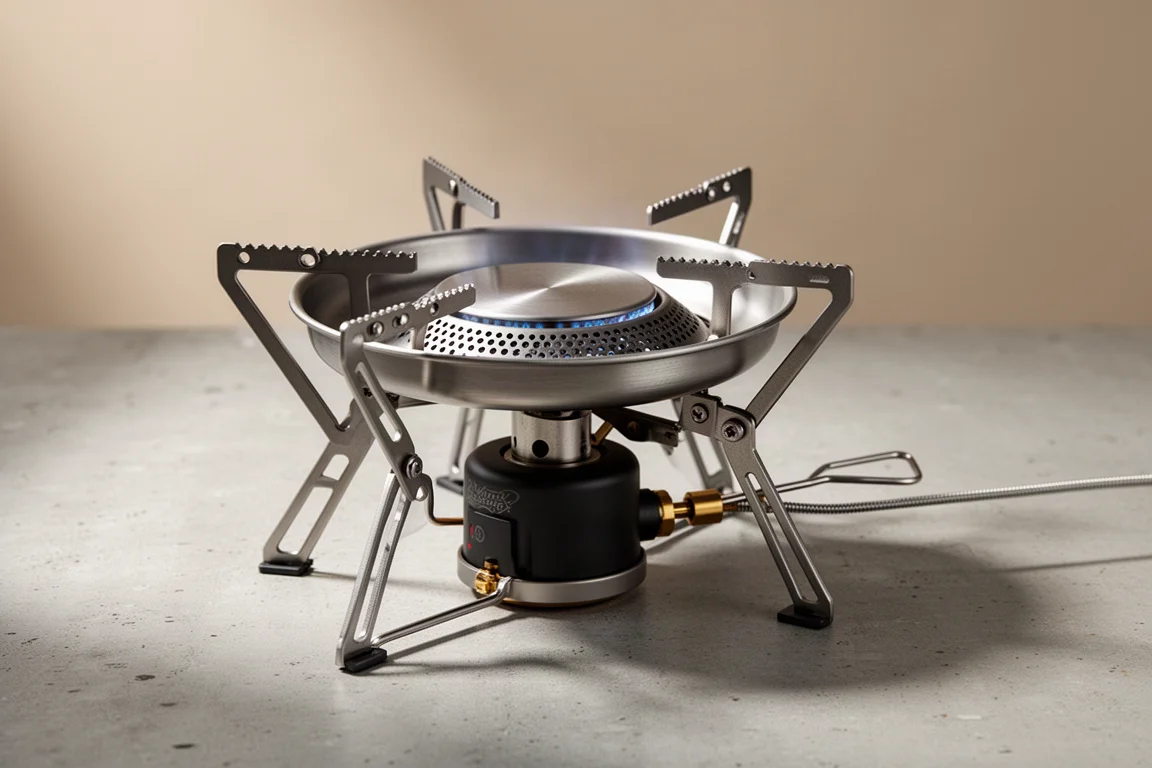
The WID SE stove comes from a brand better known through online marketplaces than through specialty retailers, and the pitch is simple: low cost, high output. The stove sells for roughly $10 to $15, weighs 60 g, and carries a high BTU rating. It has a wide burner, four large arms for pot support, and a wind lip intended to shelter the flame.
In practice it boiled 5.3 oz of water in under a minute, which is a fast result even accounting for the small volume. The more interesting test came from the wind. Gusts pushed the flame around and it sputtered enough that a complete blowout seemed possible, yet it kept burning. The wind lip is doing real work, even if the flame is not as composed as it would be on a premium stove.
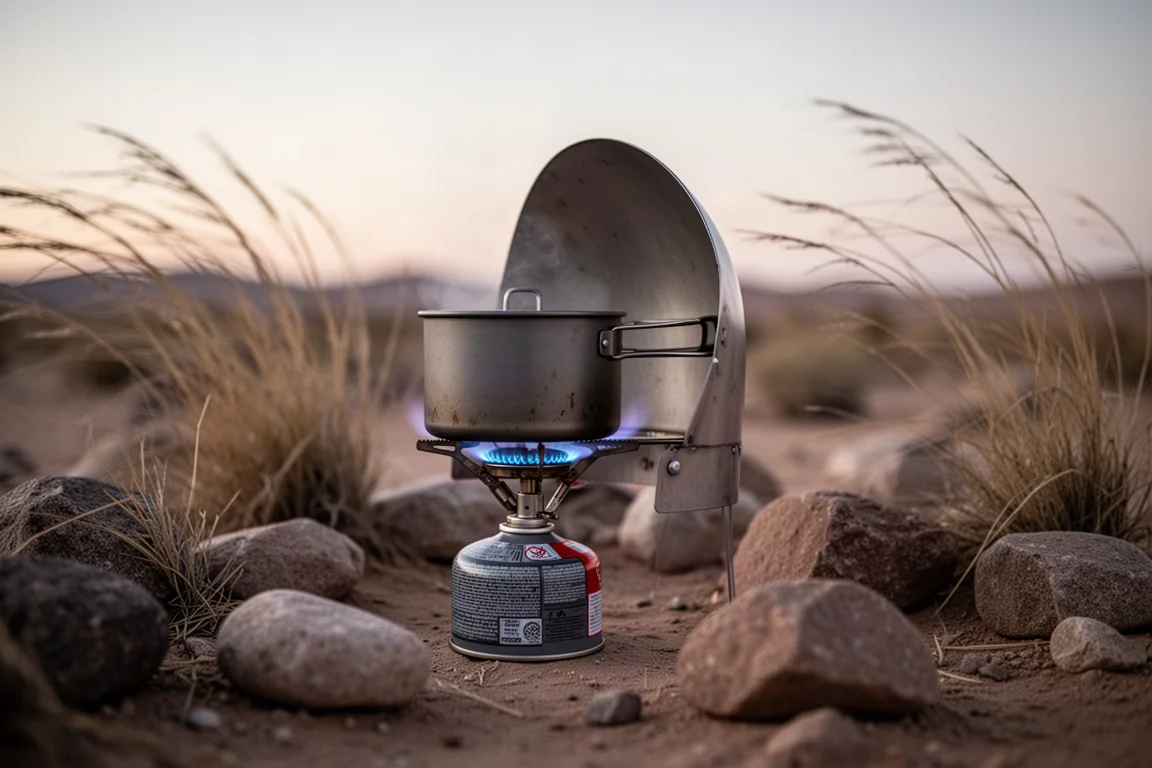
Stability is the clear weak point. The stove does not sit especially securely, and a larger or heavier pot would make that more noticeable. It is also worth being realistic about expectations: stoves such as the WindMaster and the PocketRocket Deluxe are considerably more expensive, and the gap in price shows up in refinement rather than in raw boil performance. A direct comparison would be the logical next step, because on first use the WID SE stove did everything asked of it, at a fraction of the cost.
Therm-a-Rest Boost 650: Warmth You Can Tune
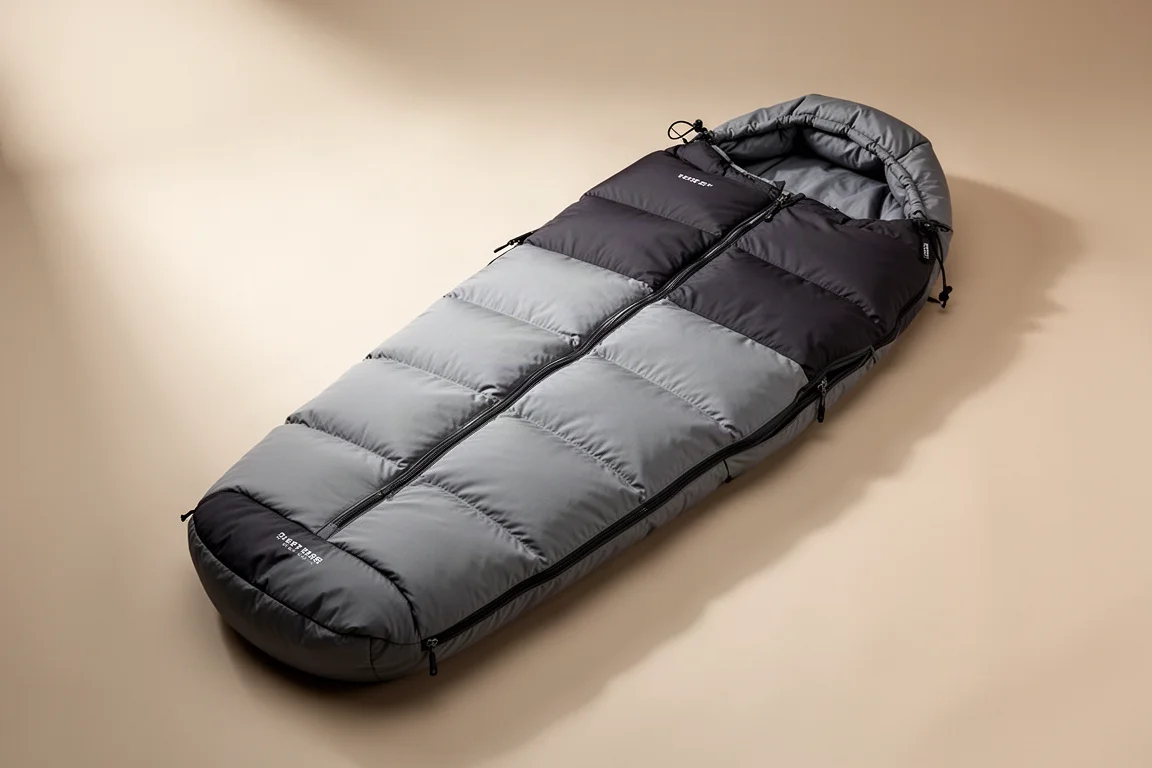
The Therm-a-Rest Boost 650 claims to be light, packable, and high performing across a range of conditions. Two of those claims are a stretch. At 1210 g for the 20°F rated version it is not a light bag, and 650 fill power down limits how small it packs. What makes it interesting is a genuinely unusual zip layout.
A zip runs down the middle of the bag. Closed, it is claimed to add up to 10°F of warmth, and that claim held up when tested. Side zips serve double duty, either letting you bring your arms out to sort gear inside the tent or acting as vents when you are running warm. Fully zipped, the bag was comfortable down to 20°F.
The most recent night put the adjustable side of the design to work. The overnight high was 9°C and the low was 1°C, a wide swing for a single bag to manage. With both arm vents open early in the evening, a surprising amount of heat escaped, and closing them gradually as the temperature fell turned out to be an effective way to stay comfortable. It does not have to be all or nothing: partial venting works well as a fine adjustment. With the vents fully closed, the hood up, and the temperature at 1°C, the bag was warm. For anyone who prefers a sleeping bag to a quilt, this is a compelling option, though dropping below a kilogram while keeping the features and the price would make it far easier to recommend.
Buying Advice
Matching each item to a real use case matters more than chasing the newest specification. The Cutaway makes sense for hikers who keep base weight low, carry 20 to 25 lb, and value reaching gear without stopping. Its ceiling around 30 lb is real, and packing heavy water low in the pack is not optional. The Tiger Wall 2 remains a strong semi-freestanding two-person tent under 1 kg, with the caveat that the new fabric has not yet been proven in sustained wet weather, so anyone buying primarily for that upgrade should treat it as a reasonable bet rather than a certainty.
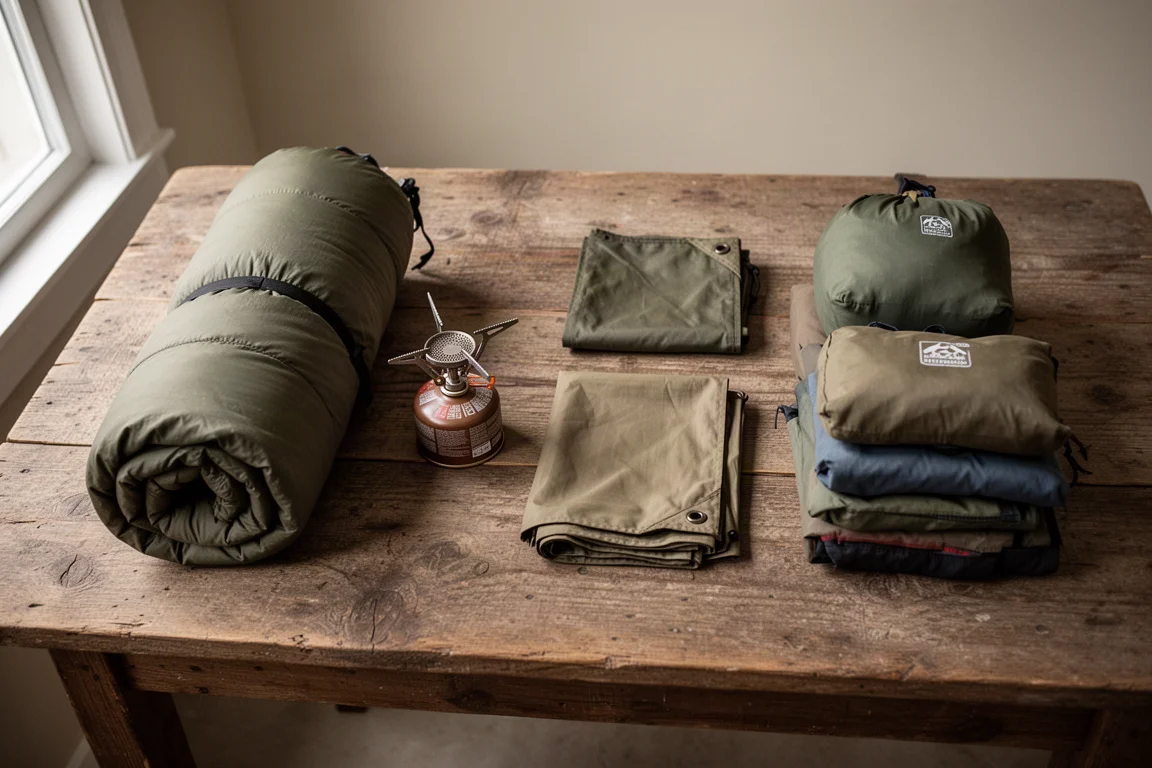
The WID SE stove is a straightforward value proposition for anyone who wants a light, inexpensive canister stove and accepts a less planted pot platform. The Boost 650 suits sleepers who want one bag to cover a wide temperature range and are willing to carry extra weight and packed volume to get it. Buy for the conditions you actually camp in, not for the best case on the label.
Conclusion
All four items are worth continuing to use, which is a good outcome for gear that arrived without a track record. The Cutaway is the standout for its blend of low weight and on-body access, even if the comfort claim is better described as excellent than unrivaled. The Tiger Wall 2 is a solid tent waiting on a proper rain test to validate its new fabric. The WID SE stove punches well above its price. And the Boost 650 is a genuinely clever bag for the right sleeper, held back only by its weight and packed size.
Further reading
Related Reviews

Backpacking Gear
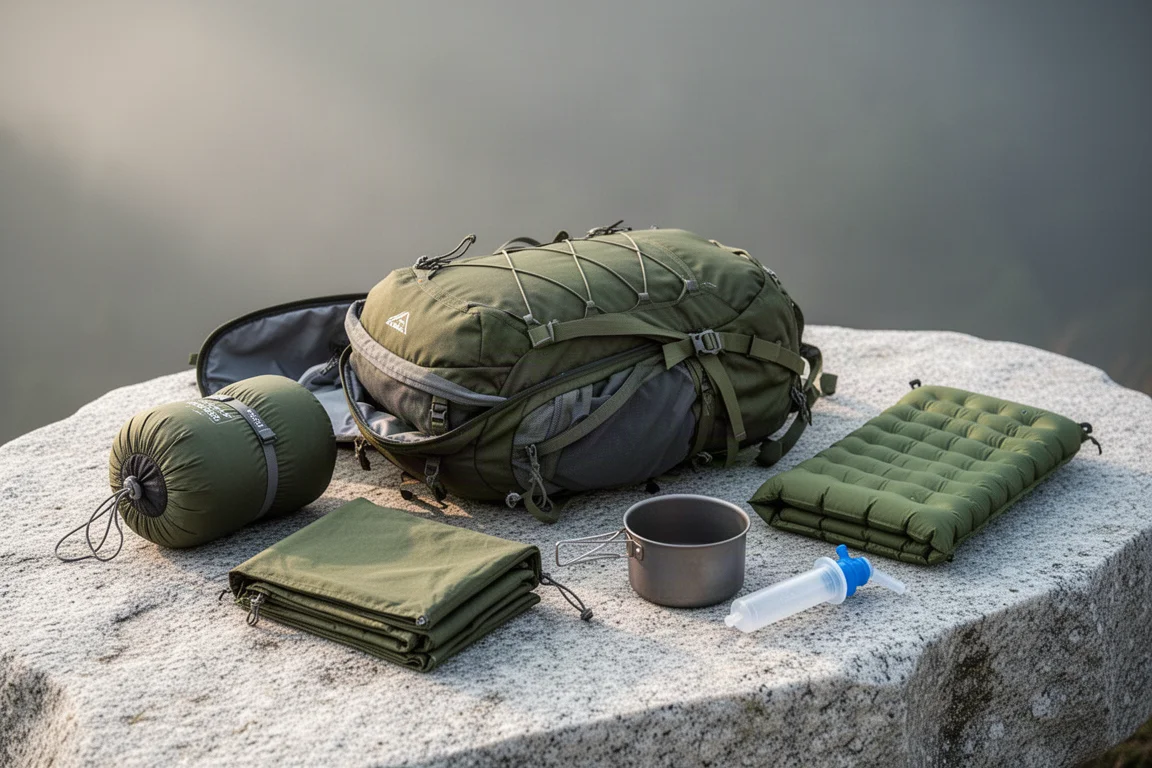
Building a 10 lb Base Weight: An Ultralight Backpacking Gear List
A practical walkthrough of the ultralight pieces behind a 10 lb base weight, from a 765 g pack and a roomy one-person tent to a full camp chair and a dependable water filter.
Backpacking Gear
A 15-Pound Lightweight Backpacking Gear List for Solo Trips
A beginner-friendly 15-pound backpacking setup built from easy-to-find gear, with notes on what each piece does, how it packs, and where to spend your attention.
Backpacking Gear
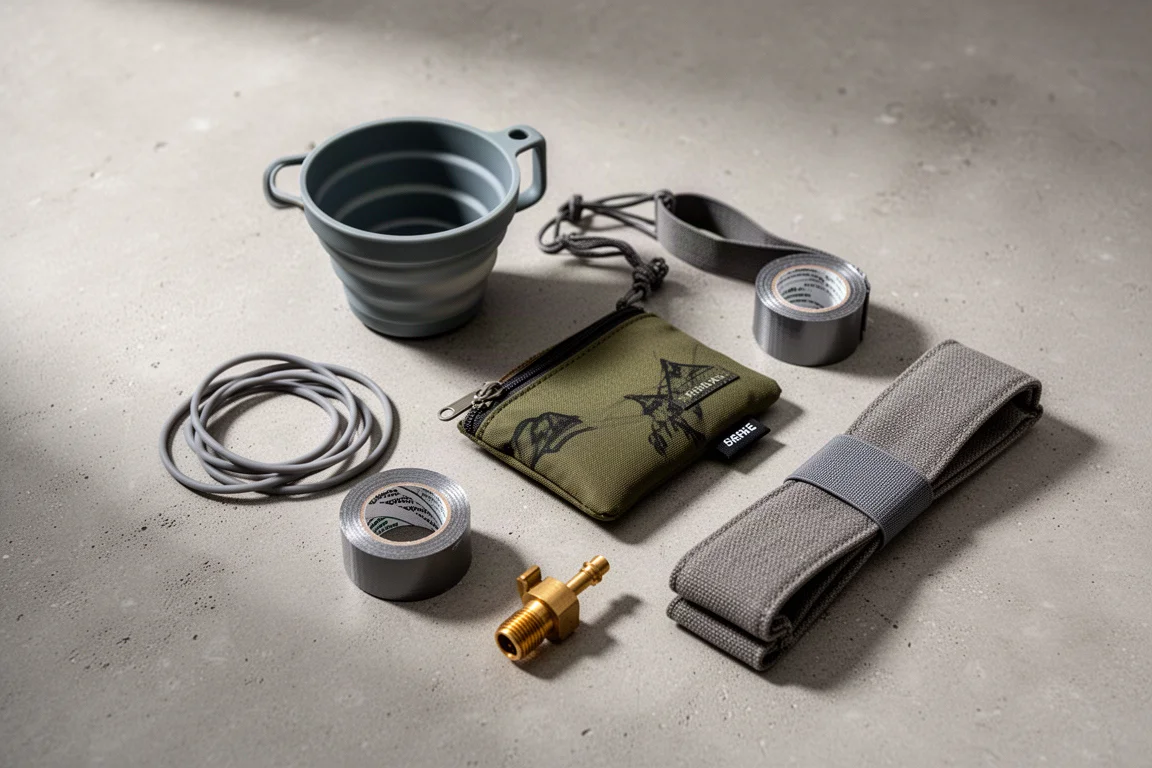
8 Ultralight Backpacking Gear Upgrades Worth Carrying
Eight small, affordable backpacking upgrades that solve real trail annoyances, from a pillow that stays put to a fuel valve that rescues leftover canister gas.