Backpacking Gear
New Backpacking Gear for a Summer Thru-Hike: 8 Pieces Worth Packing
Eight backpacking items being added to a summer thru-hike kit, from pocket traction cleats and squeeze filters to ultralight sleeping pads with updated valves.
Introduction
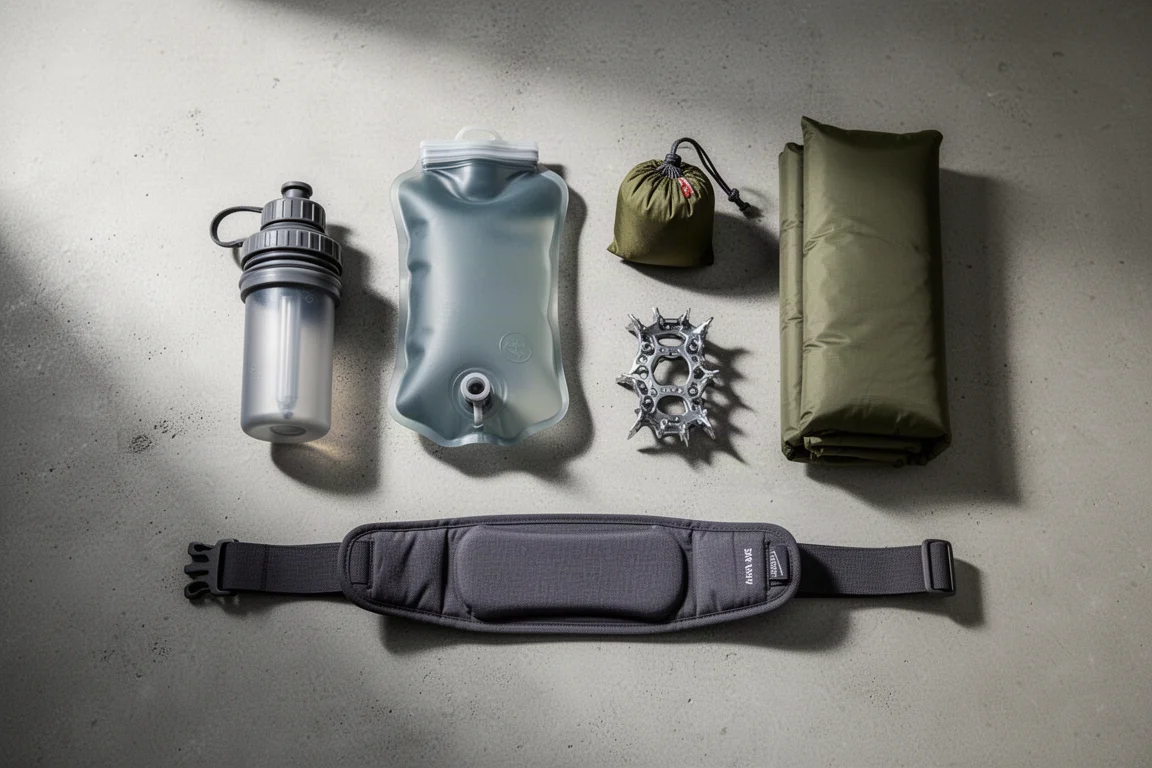
A long summer hike at elevation asks different things of a kit than a shoulder-season trip. Snow can still be sitting on high passes in July, water sources can turn silty and slow to filter, food and water carries stretch out, and hot food at the end of a long day stops being appealing. The eight items below are the gear being added or swapped into a pack for a summer thru-hike, along with the reasoning that puts each one on the list.
Some are returning favorites, some replace gear that has worn out, and a couple will only be mailed in for specific sections of trail. Together they show how a thru-hike kit gets tuned to terrain rather than assembled once and left alone.
How This List Was Chosen
Gear for a long hike is chosen section by section, not all at once. A filter that performs beautifully on clear mountain streams can struggle in silty water. A pad that is warm enough for a warm sleeper can still fail at the valve after a season of use. Traction devices that feel like overkill on dry trail become worthwhile the moment a single snowfield crosses the route.
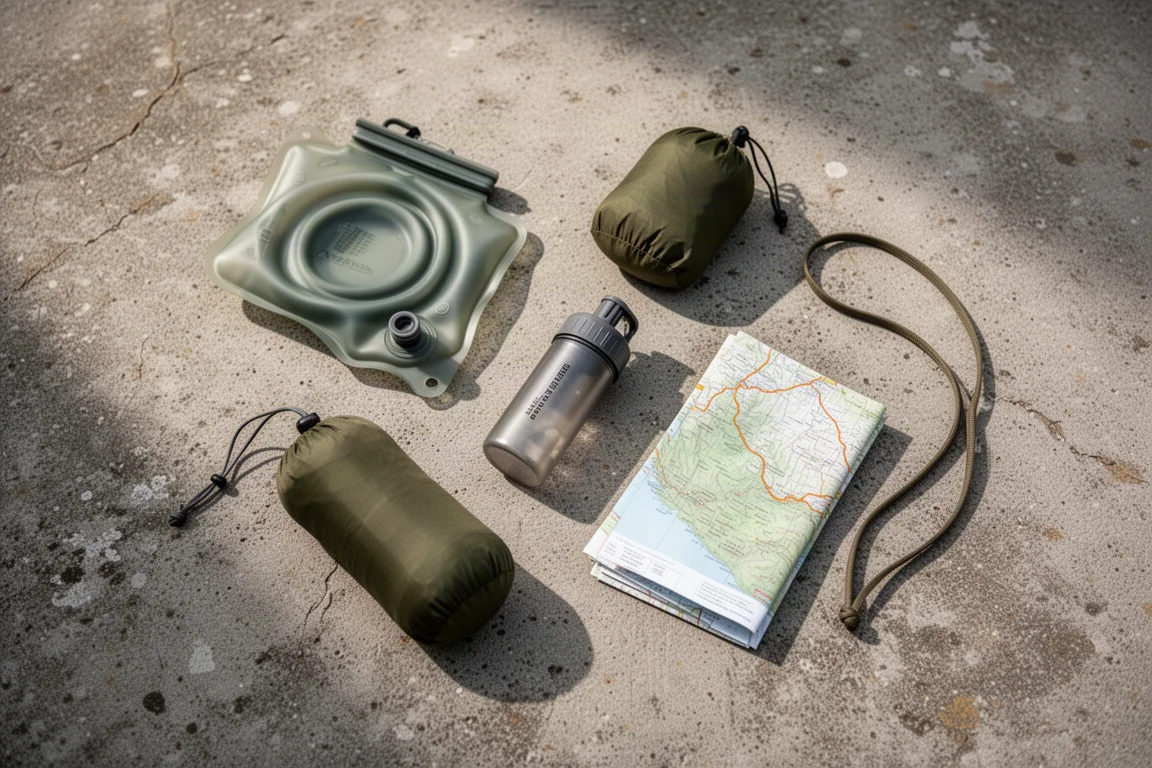
Three practical questions shaped the picks: what does this trail actually require, how much weight does the solution add, and can the same job be handled by something simpler. That is why several entries here are lightweight, single-purpose additions rather than full replacements, and why two of them will be swapped in only for particular stretches of the route.
Vargo Pocket Cleats V3: Minimal Traction for Early Snow
Micro spikes were the standard answer on the Pacific Crest Trail in 2018, where hikers crossing the Sierra carried either crampons or micro spikes for lingering snow and ice. In practice, the spikes came out once, maybe twice, across an entire hike. Lighter and more compact than crampons, they still felt like more hardware than the conditions demanded.
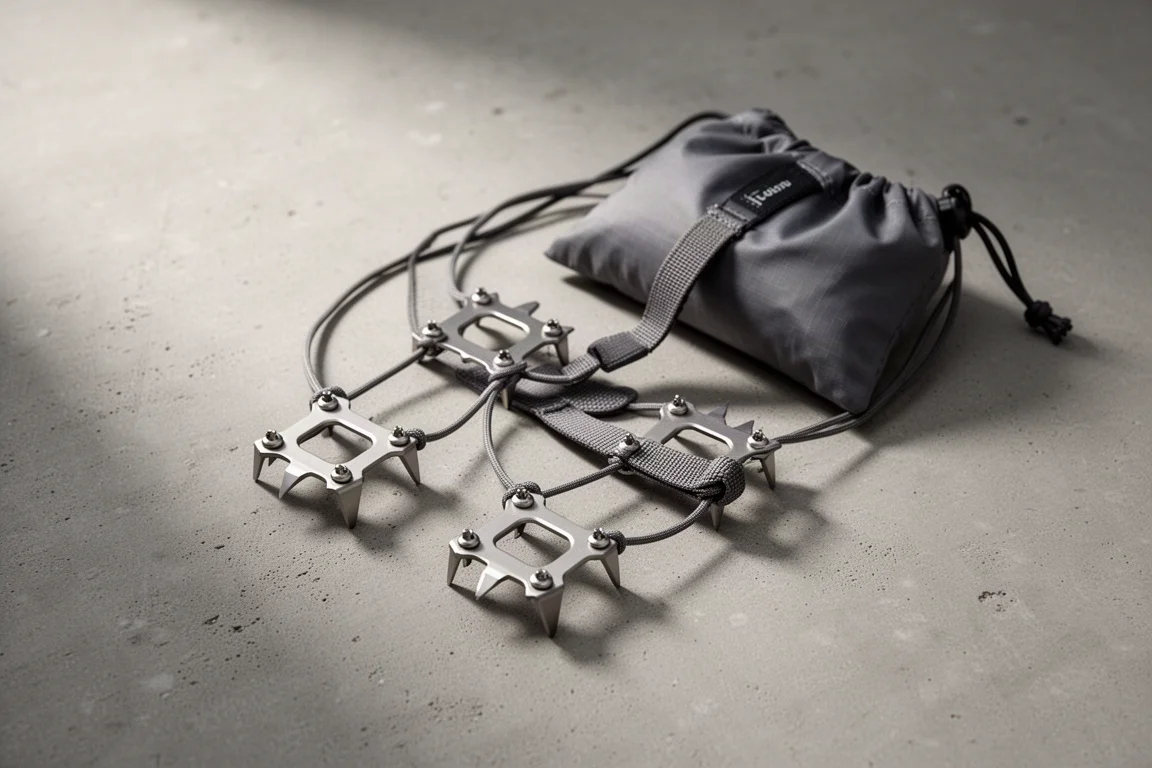
The Vargo Pocket Cleats V3 take a different approach. They are built specifically for trail runners: three titanium cleats, each with four teeth, strap to the bottom of a shoe and wrap around it through the eyelets. Two cleats plus the included bag weigh 4.8 ounces in total, and the whole set packs down small enough to carry as a just-in-case item. For a July start at higher elevation, that is a reasonable trade for a short section that may hold a little snow.
Waymark Evolve 35L: The Pack at the Center of the Kit
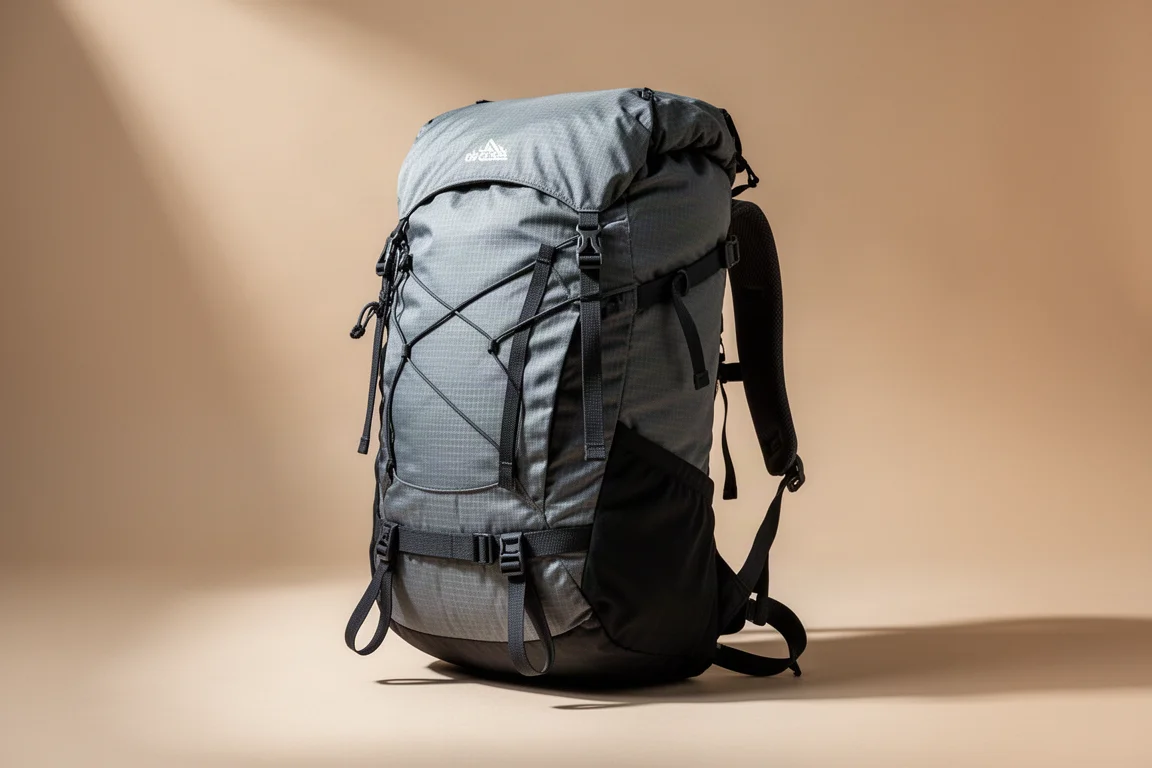
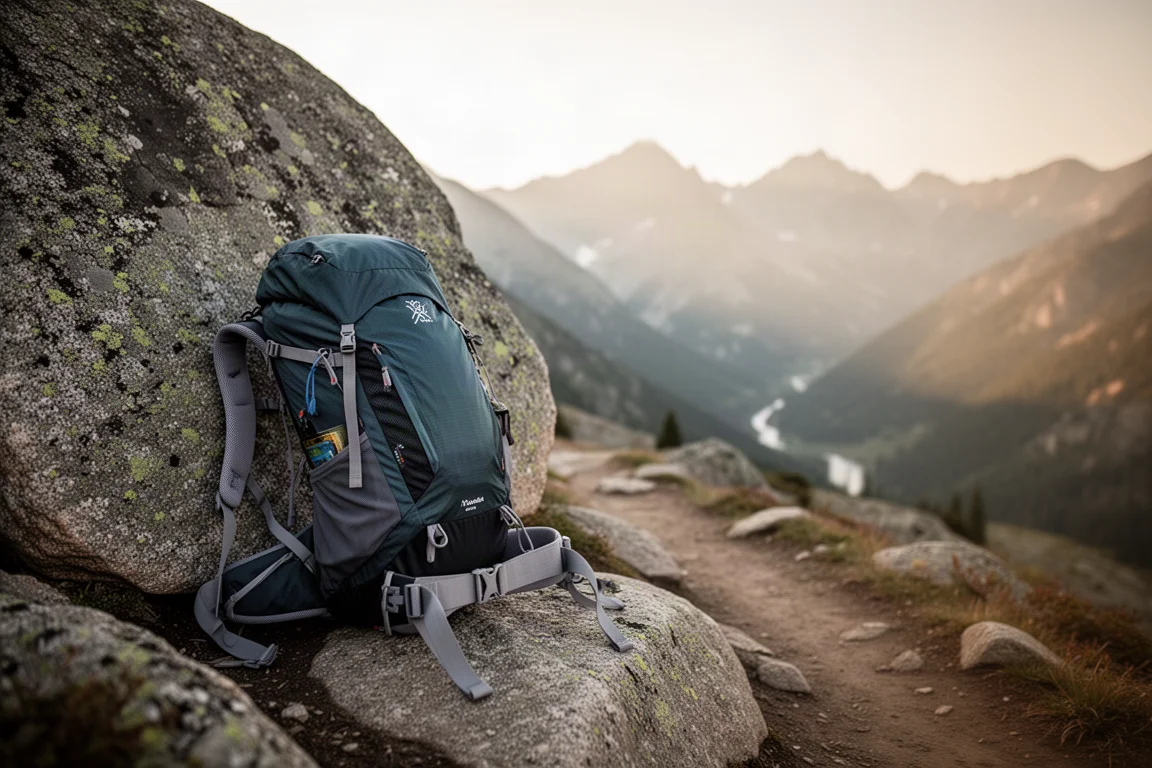
The 35-liter Waymark Evolve sits at the center of this setup, and it is the piece the rest of the list has to work around. Its capacity supports the longer food and water carries that a summer route demands, while staying in ultralight territory.
The Evolve ships with a one-inch removable webbing hip belt, which is light and simple but leaves little between the load and the hips. That detail is what leads directly to the next item on this list, and it is worth understanding before deciding whether a stock webbing belt is enough for the weights you plan to carry.
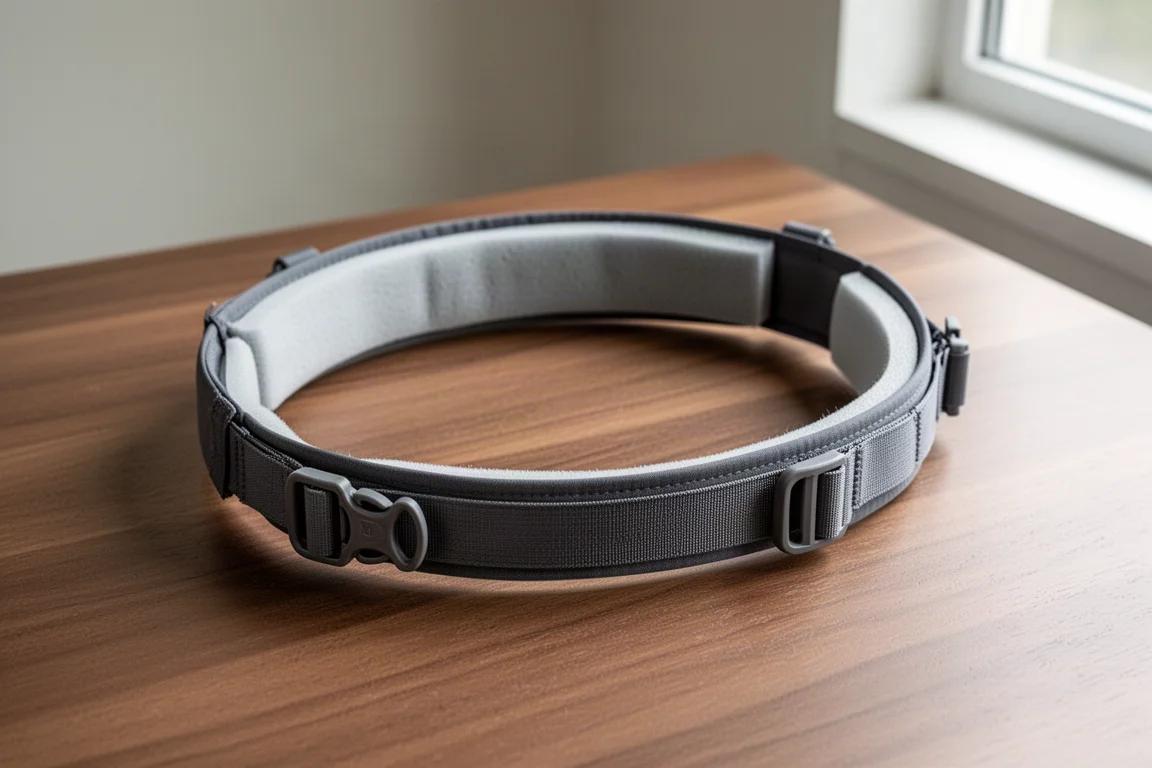
LightAF Padded Minimalist Hip Belt: Comfort for Heavy Carries
A padded hip belt is an easy thing to dismiss until a heavy food or water carry arrives. With bony hips, a one-inch webbing belt that works fine at moderate loads starts to dig in once the pack gets genuinely heavy, and the discomfort builds over the course of a day.
This removable padded hip belt from LightAF weighs two ounces and uses small quick clips to attach to a compatible pack such as the Evolve. It is carried only for the sections with extended food and water carries, and skipped when loads are light. Hikers with more natural padding around the hips may find the standard one-inch webbing belt perfectly adequate, which is why this one is optional rather than essential.
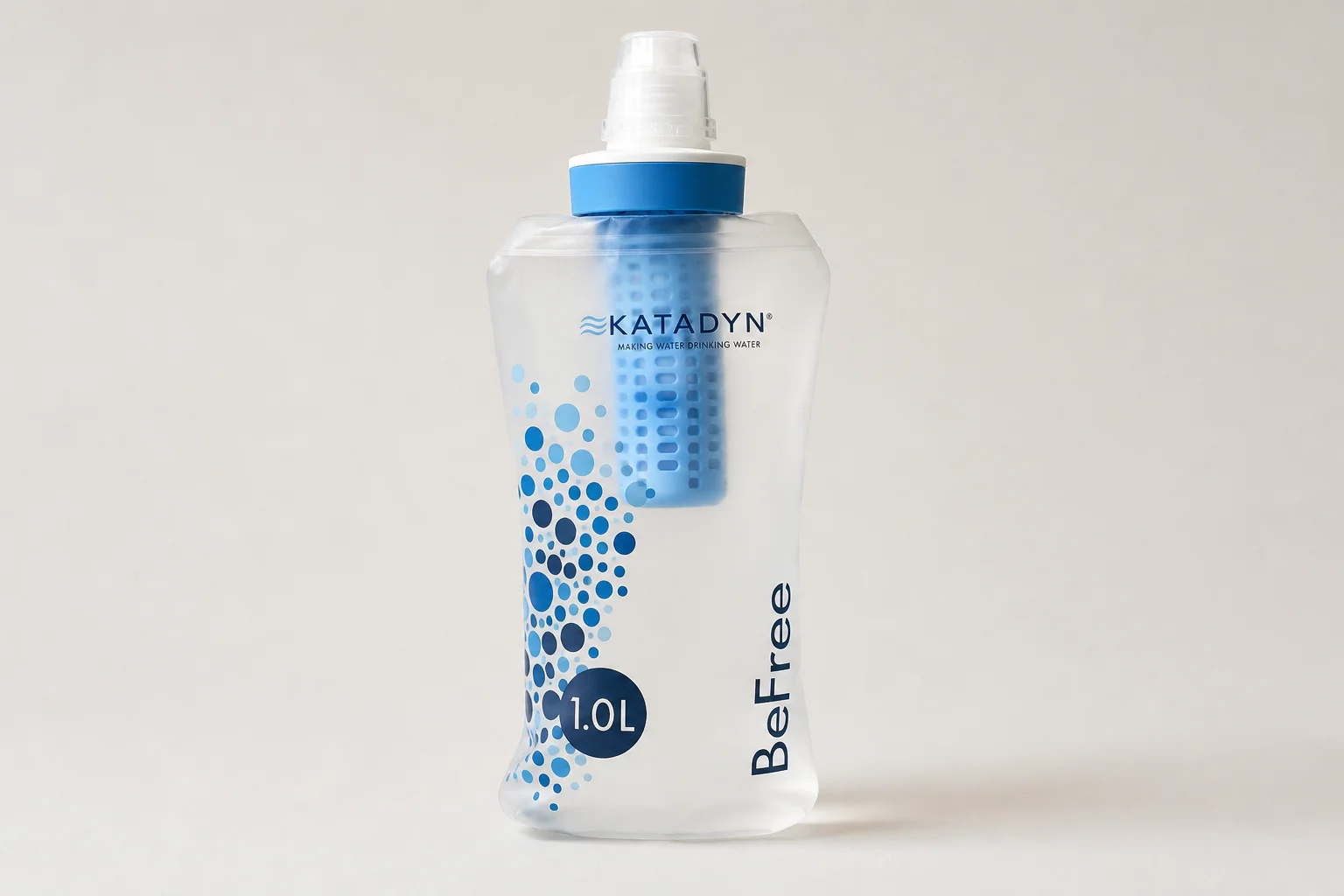
Katadyn BeFree: The Default Water Filter
The Katadyn BeFree has become a long-standing favorite for everyday filtering. It shines on mountain streams and fresh springs, where the water is clear and the flow is generous, and its squeeze-bottle format keeps the whole process quick and simple.
Its limitation is silty, dirty water, which clogs and slows the filter enough to become a real annoyance. That is why it remains the default filter for most of a summer hike, and why a second filter gets swapped in for the sections where water quality drops.
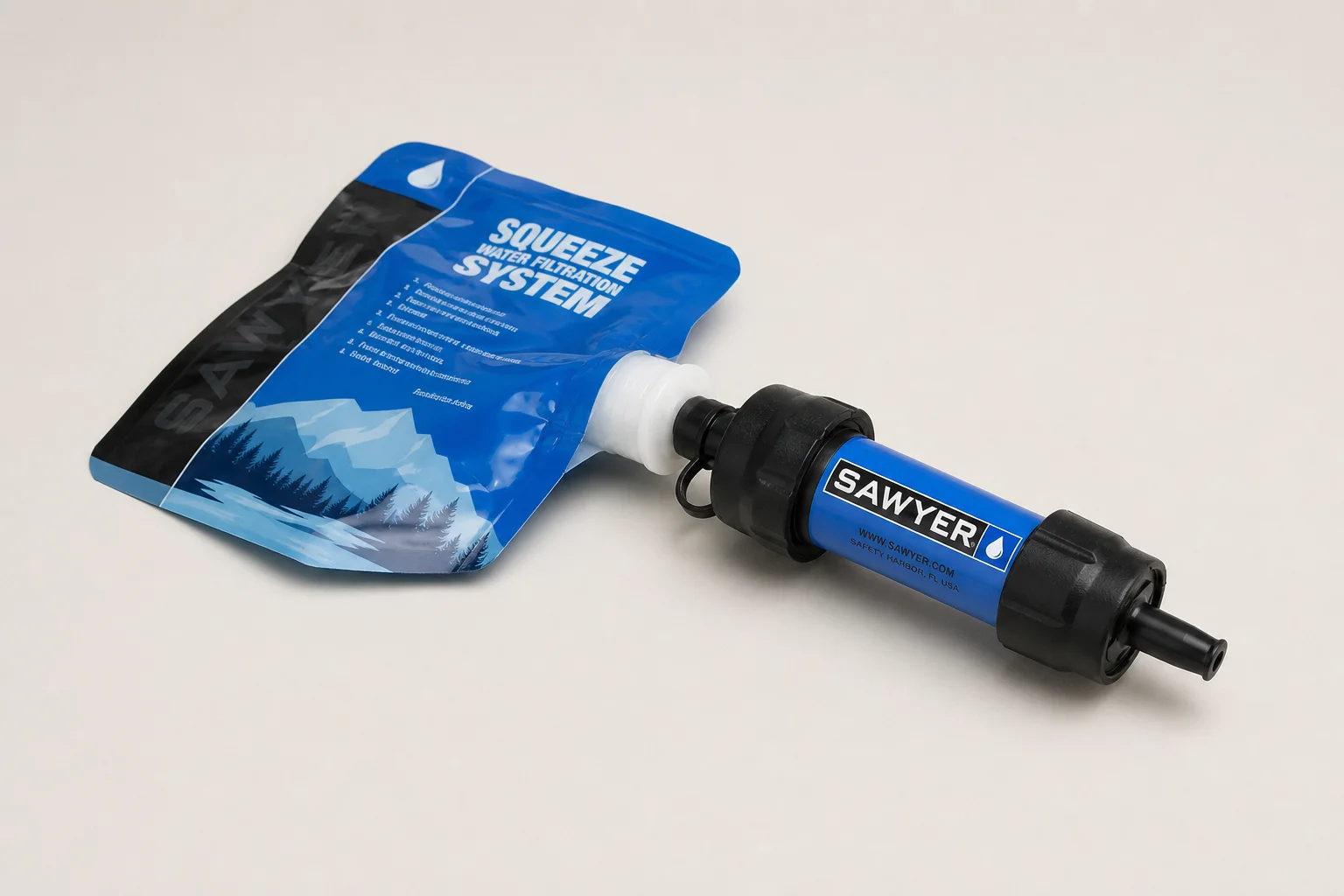
Sawyer Squeeze: The Backup for Dirty Water
The Sawyer Squeeze handles nastier, siltier water better than a squeeze-bottle filter, which makes it the right tool for the stretches of trail where the sources are unpleasant. It does not need to travel the whole route: mailing it to a resupply point and swapping it in for a specific section keeps the kit lighter for the rest of the hike.
The standard-thread version of the Sawyer Squeeze is the one to choose if you plan to pair it with a collapsible bladder, since the regular threads connect more reliably than a bottle-style fitting.
CNOC Vecto: More Capacity for Dry Sections
Long water carries are one of the defining challenges of a dry route, and a collapsible bladder is the simplest way to add capacity without adding much weight. The CNOC Vecto fills that role here, carrying extra water through stretches where the next reliable source is a long way off.
It pairs naturally with the Sawyer Squeeze, because the threading matches up cleanly with the filter. Carried together, the two form a self-contained system for the driest and dirtiest part of the route, and both can be left behind once that section is finished.

Therm-a-Rest UberLite: Same Pad, Updated Valve
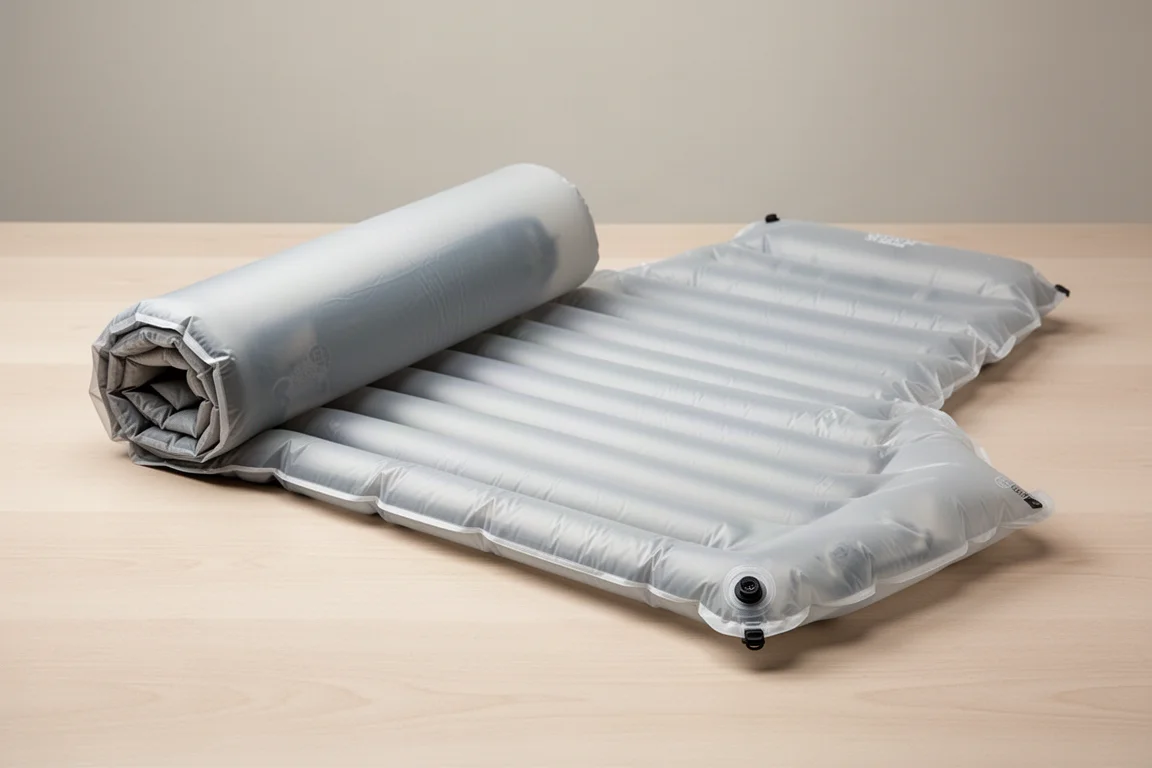
The UberLite has been a dependable summer pad for around a year and a half, with no punctures and enough warmth for a warm sleeper. The problem that finally appeared was the valve, which began leaking on a recent trail. Super glue around the base of the valve sealed it well enough to finish the trip, a fix that has become familiar across nearly every Therm-a-Rest pad owned, including three NeoAirs that failed the same way on the Pacific Crest Trail in 2018.
The current version of the UberLite replaces that valve with a locking wing design, the same style used on the winter pad below. Because a new season deserves gear that is not already patched, the updated UberLite is the one going into the pack.
Therm-a-Rest NeoAir XTherm: The Winter Reference Point
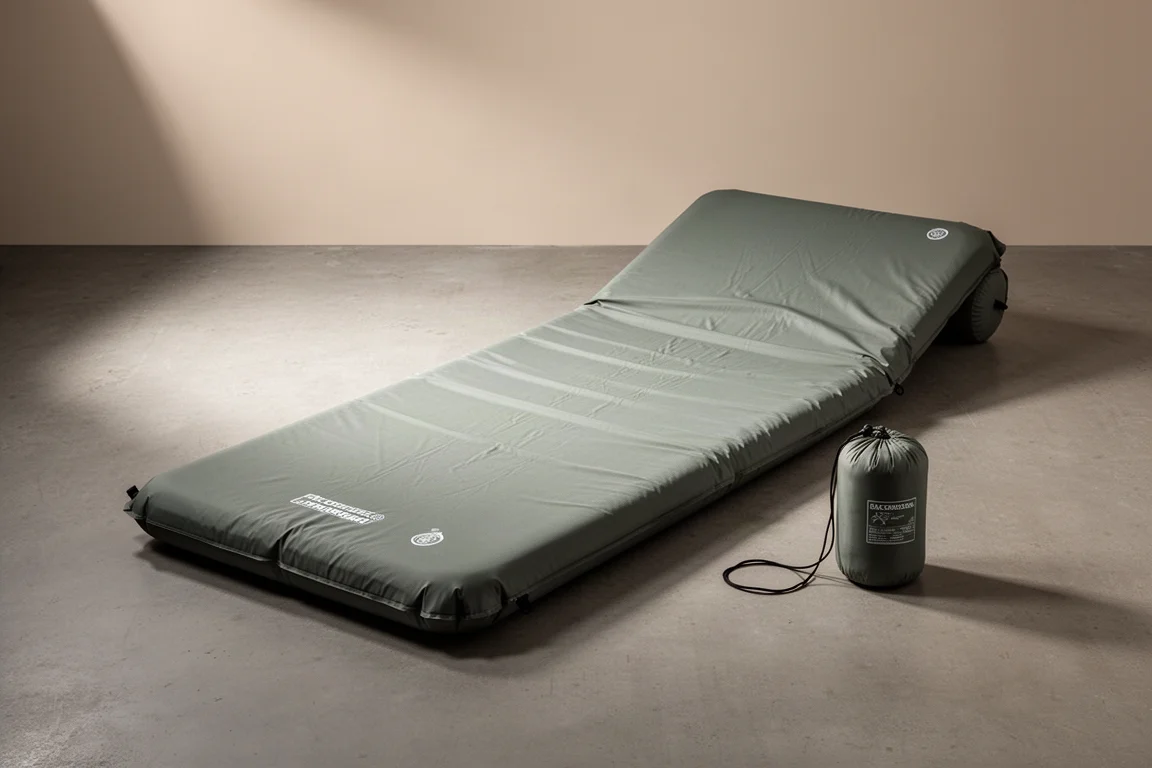
The NeoAir XTherm is the pad used for winter trips, and it carries the same locking wing valve found on the updated UberLite. So far that valve has held up well through cold-weather use, which is the main reason the newer UberLite design looks like a sound bet for a summer hike.
It stays a winter pad rather than a summer one. Its warmth-focused build is more than a warm-weather route requires, but as a reference point for how the new valve behaves over time, it earns a mention here.
Other Changes Worth Noting
Three other changes to the kit are not products so much as decisions. Bear spray goes into a front pocket for the portion of the route that crosses grizzly country, a first after roughly 9,000 miles of hiking through black bear territory where it was never carried. The stove, titanium pot and fuel can stay home in favor of a stoveless approach, with a cold soaking jar for couscous, rice sides, coffee and meal replacement shakes, a choice that makes more sense in the heat of a July start. Finally, a prototype sun hoodie made from US-sourced material is being tested and developed through the season, with thumb hole placement, hood design and seams still being refined. It is not available yet, so treat it as one to watch rather than one to buy.
Buying Advice: Matching Gear to Trail Conditions
The pattern across this list is that almost nothing is carried everywhere. Traction cleats only matter where snow lingers, a padded hip belt only earns its two ounces on heavy carries, and the Sawyer Squeeze and CNOC Vecto only travel the sections with bad water and long dry stretches.
That makes conditions the deciding factor. If your route stays below the snow line and water is plentiful, you can leave the cleats, the second filter and the extra bladder at home and save the weight. If you are heading into silty sources or a long waterless stretch, they stop being optional extras and become the difference between a comfortable day and a hard one.
Weight is the other half of the equation. Every item here is deliberately light, which is what makes carrying a few single-purpose pieces reasonable rather than excessive. The right kit is the one that matches the specific trail in front of you, not the one that covers every scenario you can imagine.
Conclusion
A summer thru-hike kit is a moving target. The Vargo Pocket Cleats V3 cover the possibility of early-season snow without the bulk of crampons, the LightAF padded hip belt softens the heaviest carries, and the filter and bladder pairing of the Katadyn BeFree, Sawyer Squeeze and CNOC Vecto can be adjusted section by section as water quality changes. On the sleep side, the updated Therm-a-Rest UberLite brings the locking wing valve that has already proven itself on the NeoAir XTherm through winter use.
None of these choices is dramatic on its own, and that is the point. Small, well-matched additions keep a pack light while still answering the specific demands of the route, which is exactly what a long summer hike rewards.
Further reading
Related Reviews

Backpacking Gear
Building a 10 lb Base Weight: An Ultralight Backpacking Gear List
A practical walkthrough of the ultralight pieces behind a 10 lb base weight, from a 765 g pack and a roomy one-person tent to a full camp chair and a dependable water filter.
Backpacking Gear
A 15-Pound Lightweight Backpacking Gear List for Solo Trips
A beginner-friendly 15-pound backpacking setup built from easy-to-find gear, with notes on what each piece does, how it packs, and where to spend your attention.
Backpacking Gear
8 Ultralight Backpacking Gear Upgrades Worth Carrying
Eight small, affordable backpacking upgrades that solve real trail annoyances, from a pillow that stays put to a fuel valve that rescues leftover canister gas.