Backpacking Gear
New Backpacking Gear: Six Standouts Worth a Closer Look
Six new backpacking pieces, from a Dyneema single-wall tent to a redesigned sleeping pad, with the strengths and trade-offs that matter before you buy.
Introduction
Every hiking season brings a wave of new gear, and much of it is a variation on something that already exists. This season is different in one useful way: several brands have gone back to products that hikers already know well and reworked them rather than starting over.
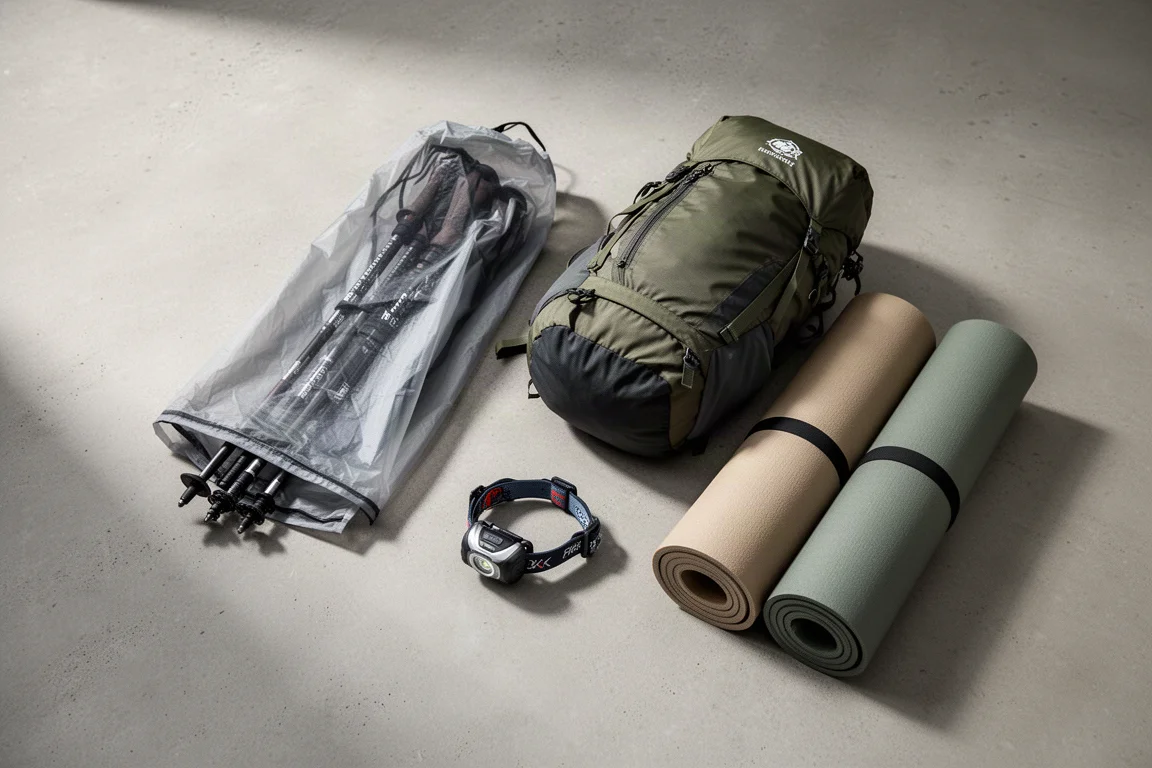
The result is a small group of releases that are genuinely worth a closer look. A single-person shelter rebuilt in Dyneema. An ultralight pack from a brand best known for traditional load haulers. A three-person tent that weighs about the same as several two-person models. A headlamp that adopted a modification its most weight-conscious users had been making themselves. And two sleeping pads, one a comfortable new design with an open question about warmth, the other a familiar favourite with a thicker build and a quieter surface.
None of these are automatic purchases. Each one makes sense for a specific kind of trip, and each one asks for something in return, whether that is money, a willingness to verify a claim, or simply a different pitching routine.
What Makes This Season’s Gear Worth Watching
Weight is the headline for most of these releases, but it is not the whole story. The more useful questions are whether a lighter build keeps the performance that made the original worth carrying, and whether the upgrade is meaningful for someone who already owns the previous version.
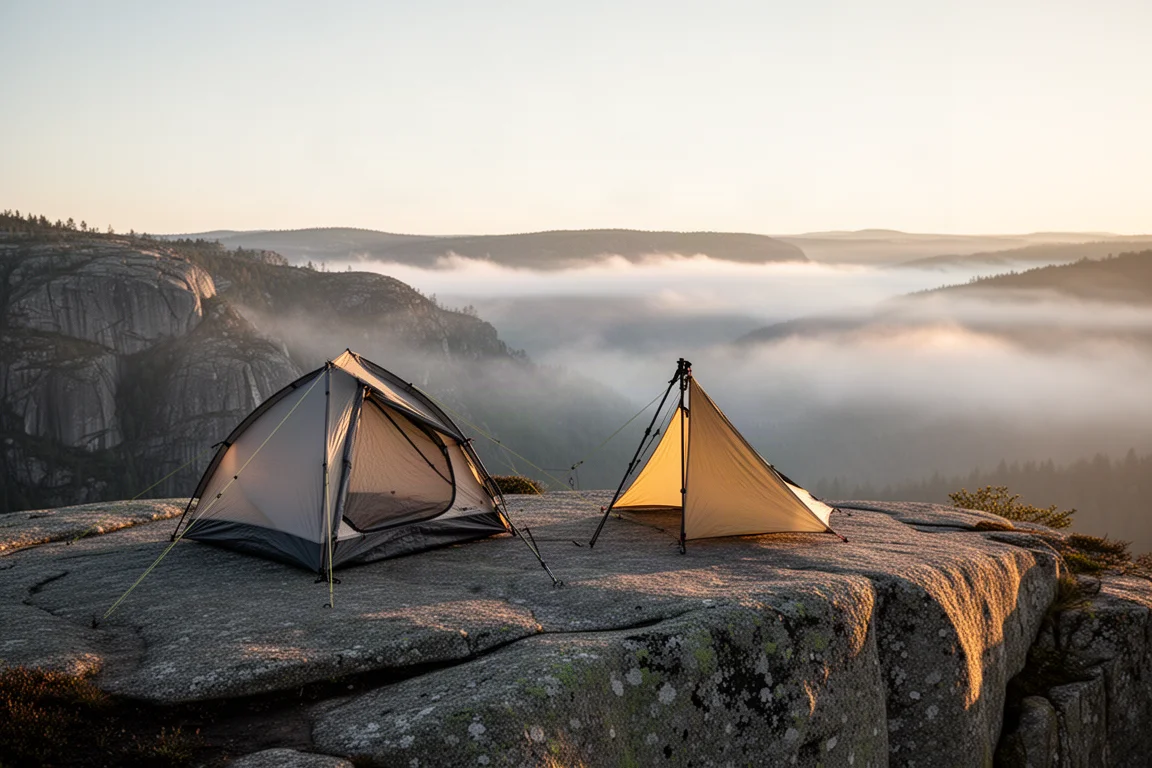
Price matters too. Ultralight materials such as Dyneema push a shelter into a different budget bracket, and that cost only makes sense if the weight saving changes how a trip feels. Where a brand claims a specific improvement, it is worth asking how that improvement was measured and whether it will be noticeable on a real trail rather than in a laboratory.
With that in mind, here are six pieces of new gear worth understanding before you commit.
Durston Gear X-Mid Pro 1: A Dyneema Take on a Simple Design
Most tents fall into two categories: trekking pole shelters and freestanding designs. Within each category the differences between models are often small. Durston Gear is one of the few manufacturers doing something noticeably different, and it does so with a lineup of only four tents that share a common approach.
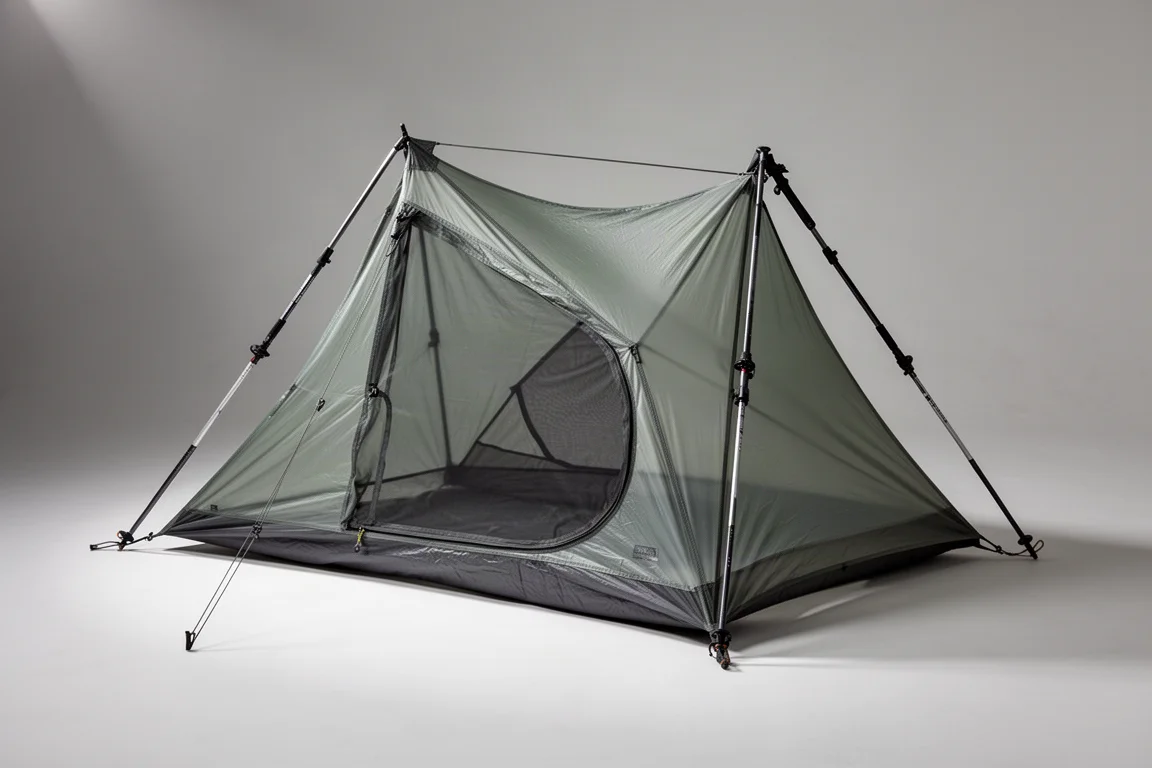
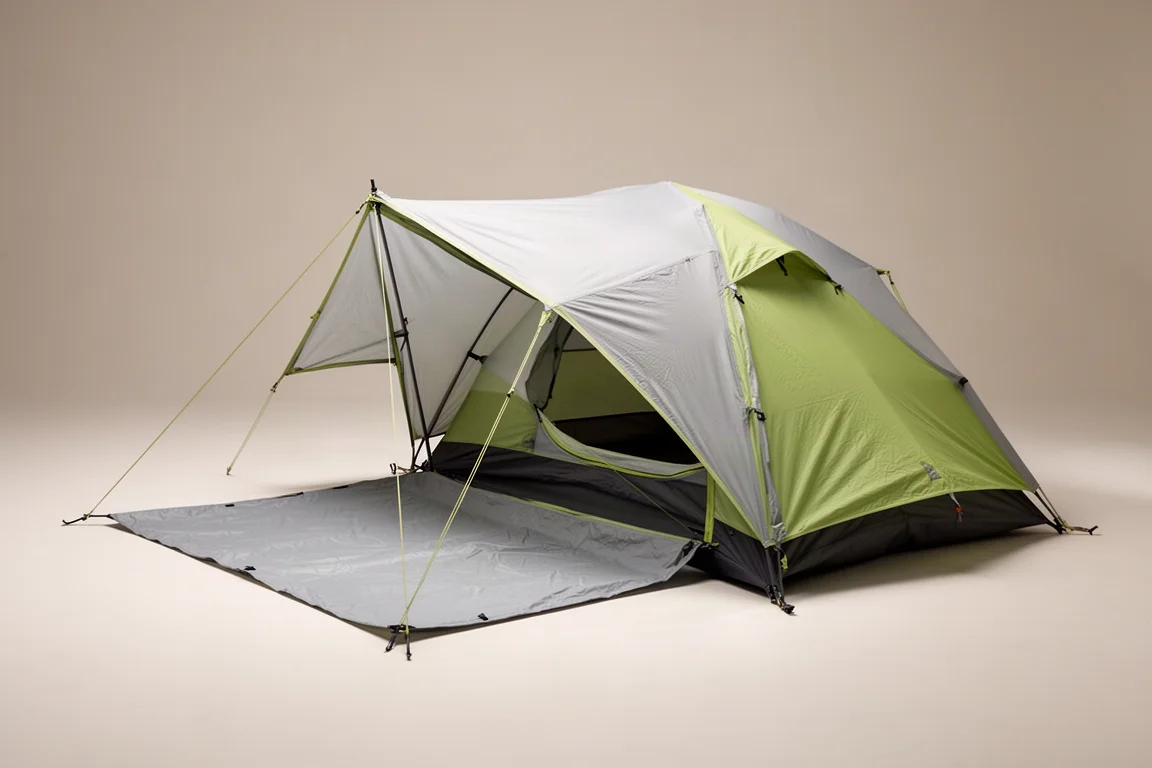
The X-Mid design is valued for its simplicity. It offers increased interior space, easy pitching, and good wind and rain performance. The X-Mid Pro 1 takes that design and rebuilds it as a single-wall shelter in Dyneema, which brings the weight down to just over a pound, not counting trekking poles or stakes. For a single-person shelter, it is one of the more innovative designs to appear in a long time.
The catch is the material. Dyneema is not cheap, and the X-Mid Pro 1 is priced at $600.
Osprey Exos Pro 55: Ultralight From a Traditional Brand
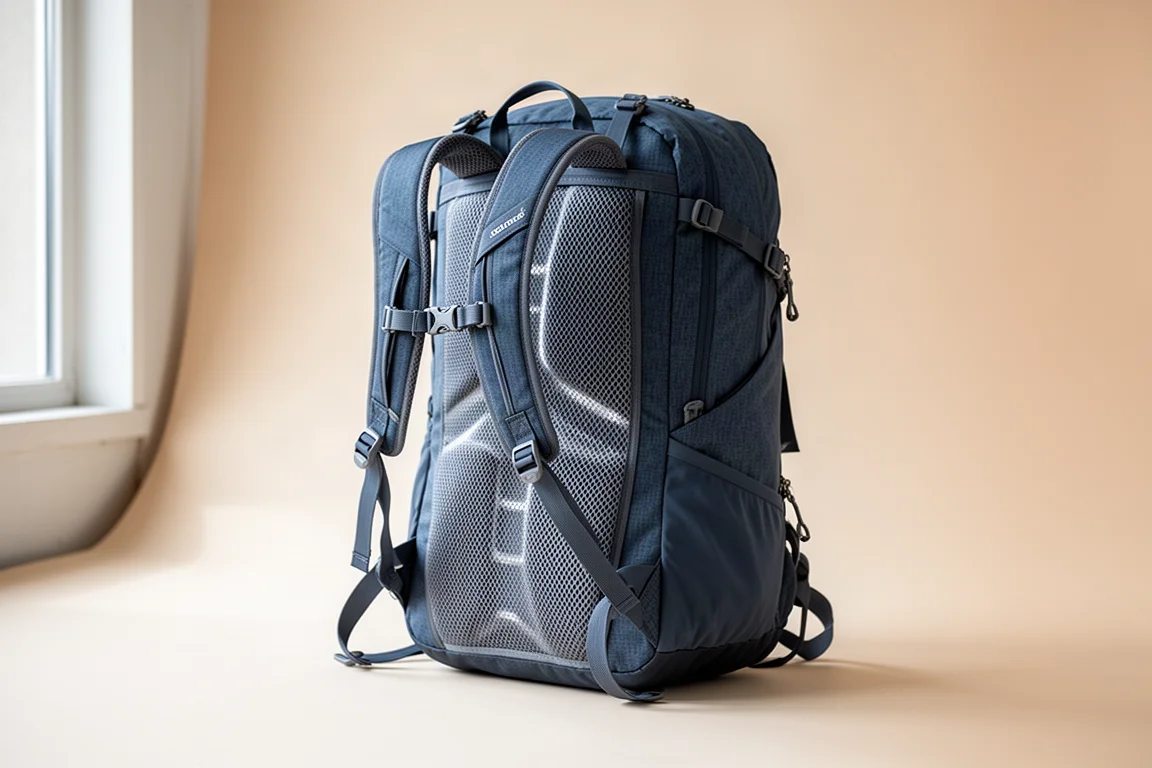
Osprey is not the first name that comes to mind for ultralight packs, which is what makes the Exos Pro 55 interesting. It is one of the few genuinely light offerings from a traditional pack brand, with a claimed weight of 2.1 lb.
What you get for that weight is a familiar formula rather than a stripped-down experiment. The pack has an adjustable torso, good suspension, and excellent back ventilation, with a frame design that serves a similar purpose to the one used on the Zpacks Arc Haul. The lid is removable, and a small flap keeps the pack functional if you choose to run it without the lid to save more weight.
Nemo Hornet 3P: Room Without the Weight Penalty
Three-person tents are often treated as two-person tents with a generous capacity figure, and two-person tents are often treated as solo shelters. That habit deserves scrutiny, but the Hornet 3P makes a stronger case than most. It has a 60-inch-wide floor, which is a meaningful amount of room, and it comes in at just over 3 lb.
That figure puts it in the same weight class as the Big Agnes Copper Spur and the MSR Hubba Hubba, both of which are two-person tents. So the Hornet 3P offers more floor area at roughly the weight of those two-person models. It follows the same basic design as the Hornet Elite, which has been a dependable choice for years.
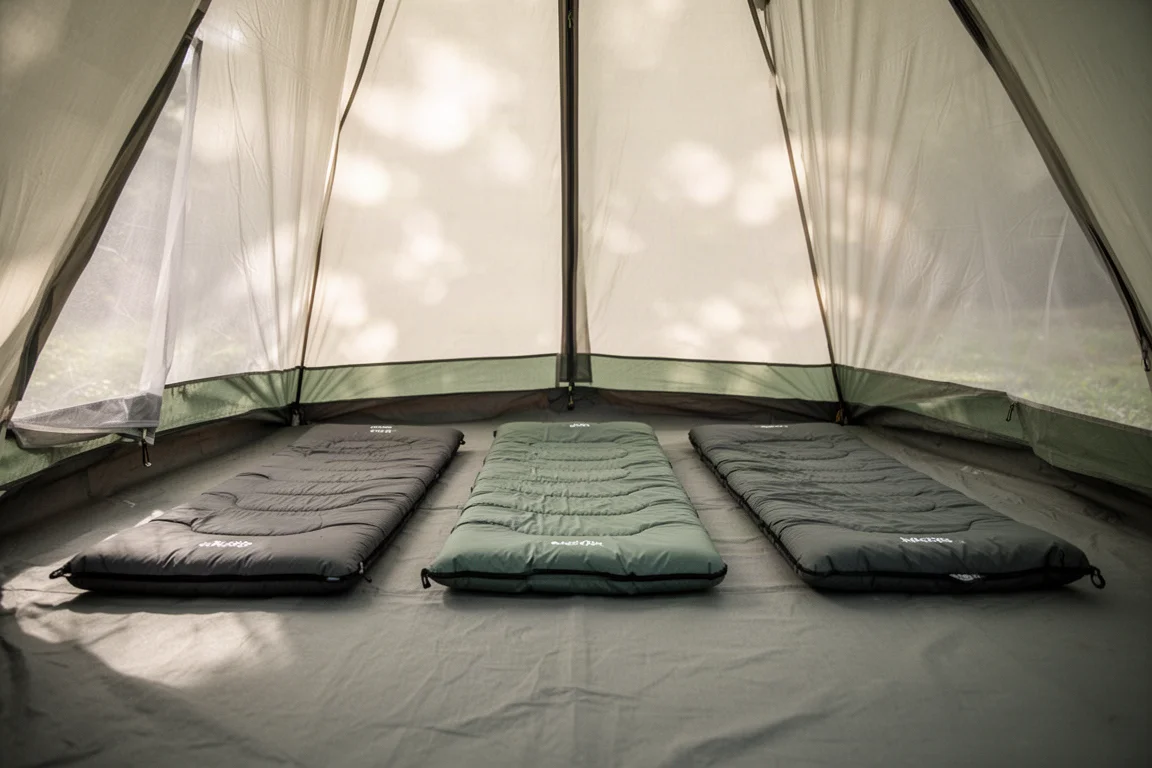
For two backpackers who want space to spread out, or for anyone who carries bulky gear, that combination of floor width and low weight is the main reason to pay attention.
Nitecore NU25: The Headlamp That Learned From Its Users
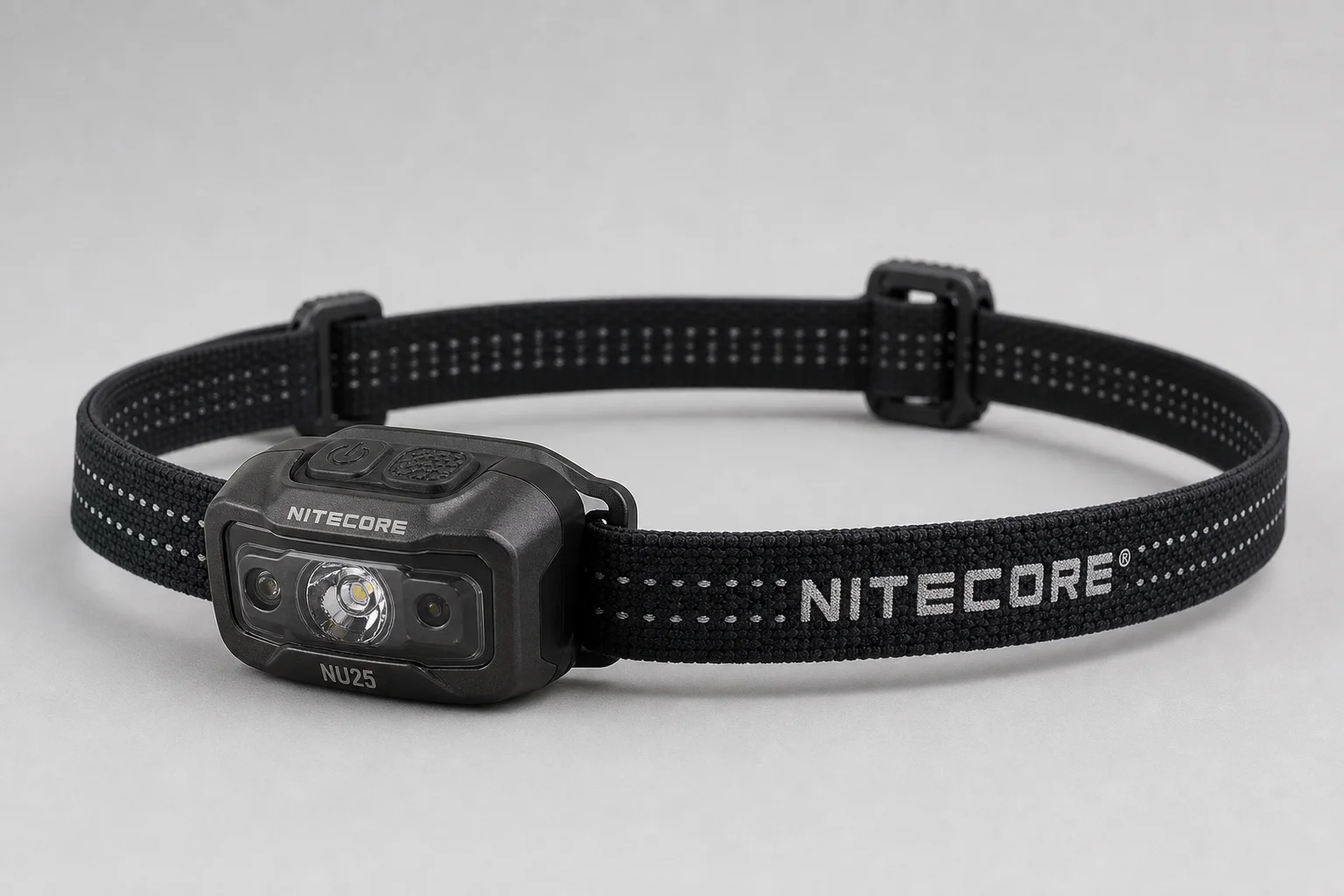
Nitecore has built its reputation on ultralight headlamps, and the NU25 has long weighed just over an ounce as it comes from the factory. Even so, some of the most weight-focused hikers replaced the standard elastic band with elastic strings to shave off a few more grams.
Nitecore noticed and started doing it themselves. The new NU25 ships with the elastic string headband, along with a small output increase and a USB-C charging port. The interesting detail is that the new version is actually 0.1 oz heavier than the original with the standard band. For that 0.1 oz you get the string headband, the extra light output, and USB-C, so the change is real but modest. Anyone who already owns the original NU25 does not have much reason to upgrade.
Big Agnes Zoom Pad: Comfortable Design, an Open Question on Warmth
The Big Agnes Q-Core is one of the most comfortable sleeping pads around, so a new ultralight pad built on a similar design was always going to draw attention. The Zoom pad promises a higher R-value of up to 4.2 and a lighter weight of about 15 oz.
In the field, though, cold can be felt coming up through the mattress. That is a surprising result for a pad certified to an ASTM R-value of 4.2, a rating that is normally taken at face value. Thermal imaging of the pad suggests some areas insulate less effectively than others. Comparing it with an insulated pad rated at the same R-value did not reveal a large difference, and that comparison pad has been used comfortably in very cold conditions.
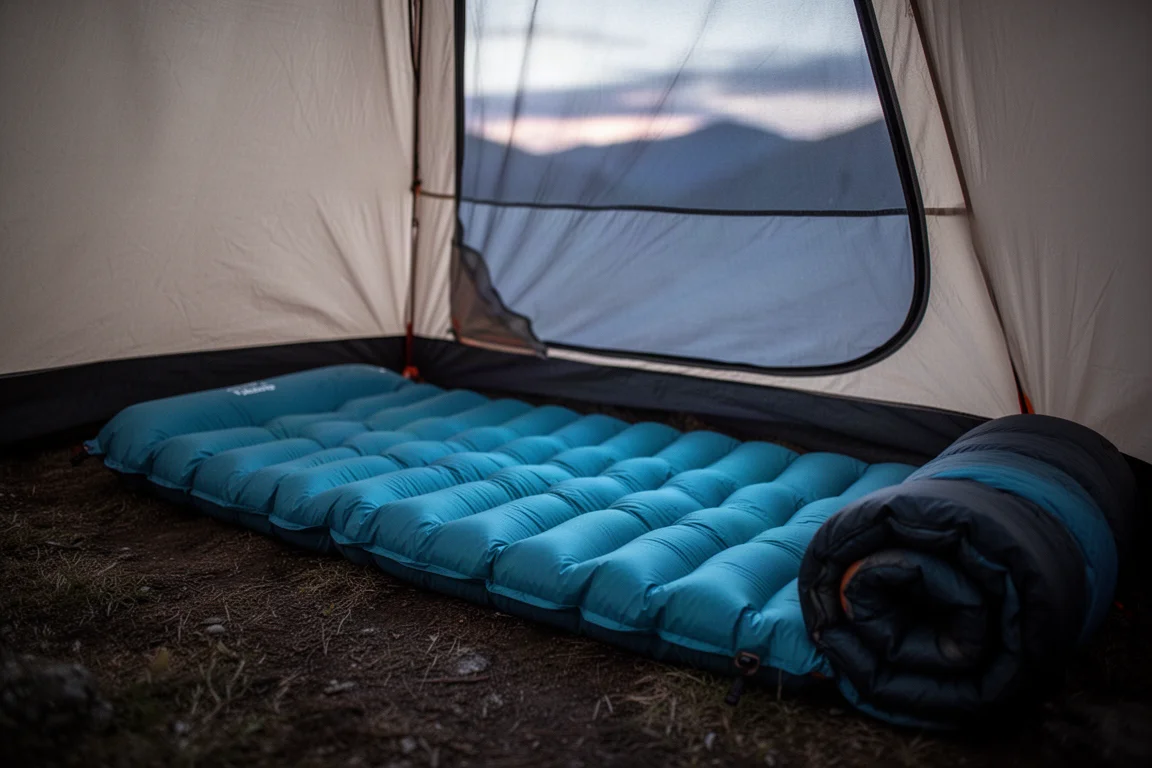
The honest position is that the verdict is still open. The Zoom pad is light and comfortable, and its rating is certified, but anyone planning cold-weather trips should treat its warmth as something to verify on their own outings rather than assume.
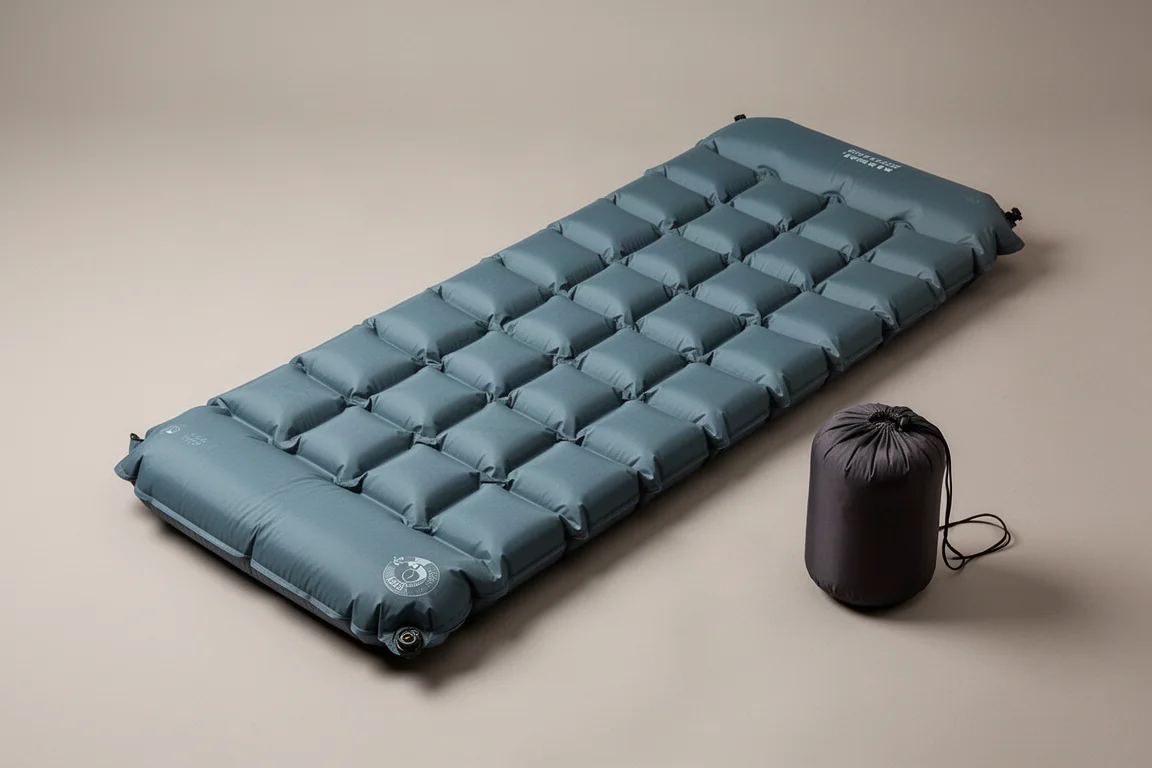
Therm-a-Rest XLite NXT: Quieter, Thicker, Still Familiar
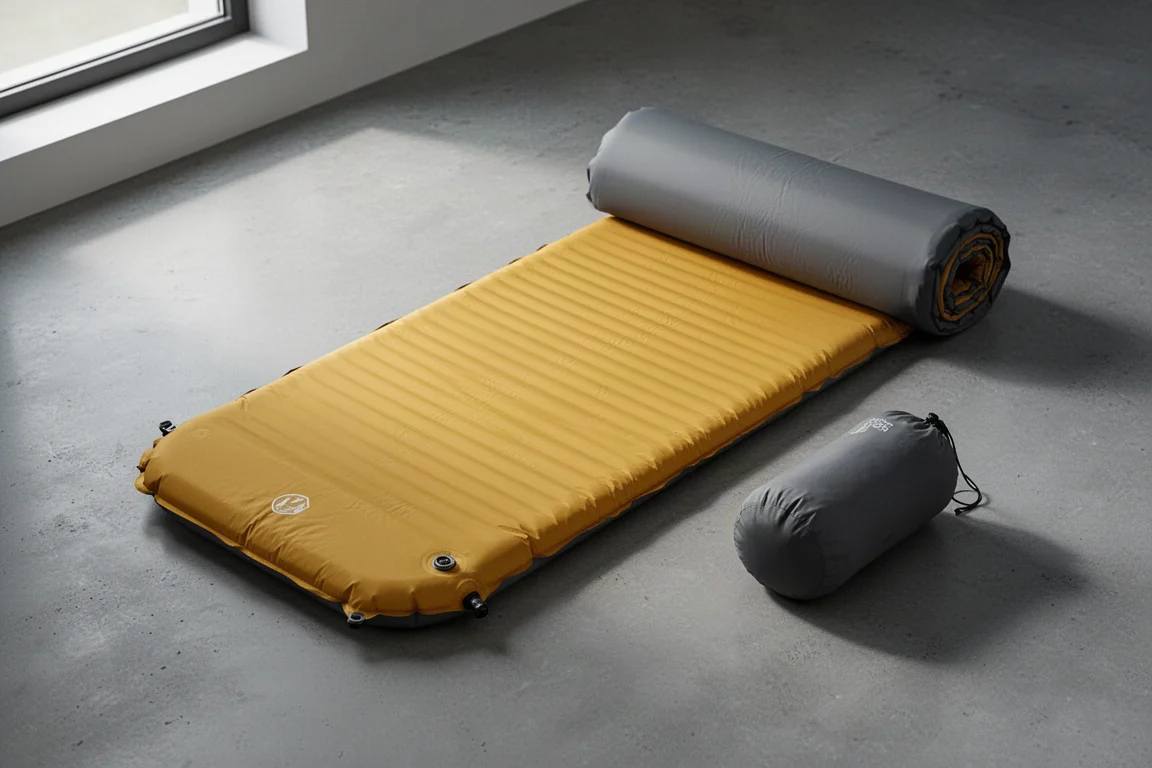
The XLite NXT is a redesign of the most popular backpacking pad ever sold, and it arrives with real improvements. The pad is half an inch thicker at 3 inches, up from 2.5 inches, and its R-value has risen to 4.5 from 4.2. Those are useful changes for anyone who found the previous version thin or wished for a little more warmth.
The headline claim is quietness. The final design is said to eliminate 83.4% of the noise, making it six times quieter than the previous XLite. The original earned a reputation for sounding like a bag of potato chips, so the goal was a sensible one. Measurements taken outdoors, a few inches from the pad, show roughly a four to five decibel difference between the two versions. Indoors on carpet, the gap narrows to one to two decibels.
A more likely explanation is pitch rather than volume: the NXT’s crinkling sits lower, which makes it sound quieter even when the measured level is not dramatically lower. Either way, the pad is a strong one. If the noise never bothered you on the original XLite, the NXT is simply better.
Buying Advice: Matching Gear to Your Trip
The right choice here depends far more on the trip than on the specification sheet. If you already pitch with trekking poles and want the lightest possible single-person shelter, the X-Mid Pro 1 is a serious option, provided the $600 price fits your budget and the material suits how you camp.
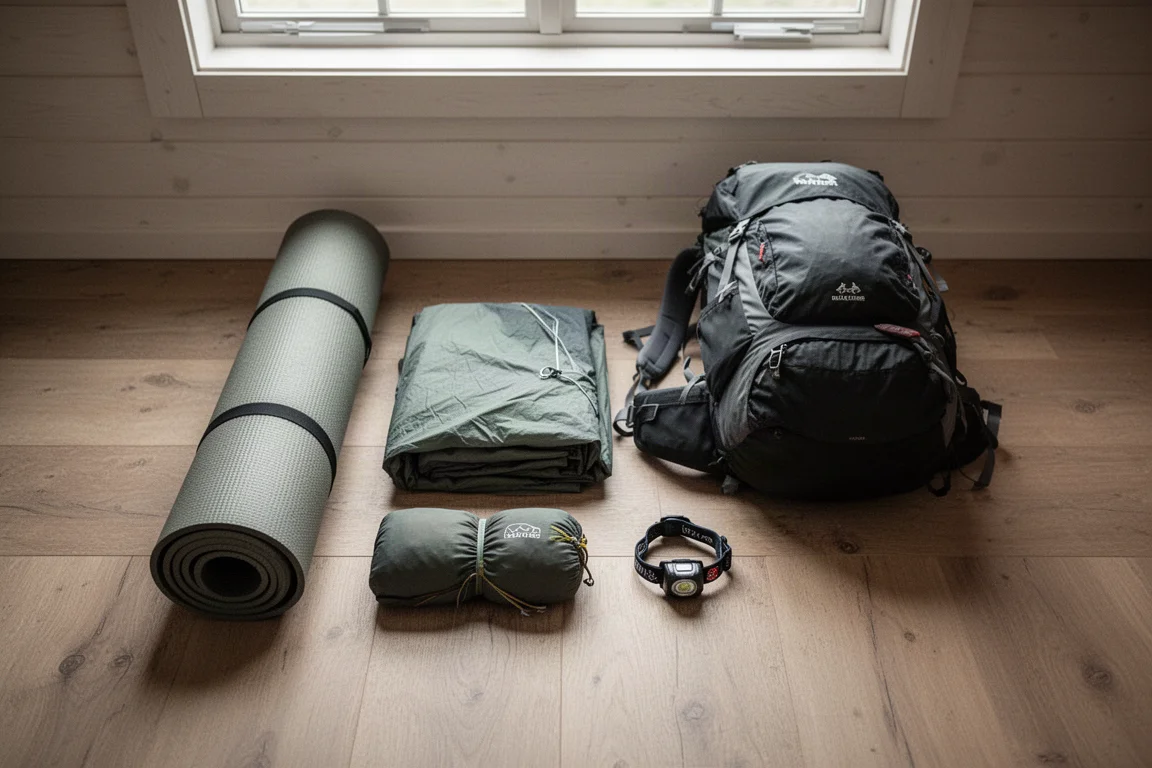
If you are moving toward lighter loads but still want an adjustable torso and dependable ventilation, the Exos Pro 55 is the least disruptive way to get there. Two backpackers who want room to spread out should look closely at the Hornet 3P, since it delivers three-person floor space at the weight of several two-person tents.
For accessories, the NU25 remains an easy recommendation for anyone who does not already own the original, and the savings are straightforward. The two pads are the harder call. The XLite NXT is the safer bet for cold conditions, with a higher R-value and more thickness, while the Zoom pad is the more comfortable design that still needs its warmth verified in the field.
Conclusion
This is a strong group of releases, and the differences between them come down to priorities rather than quality. Lighter shelters and packs reward hikers who count grams and are willing to adapt their routine. Sleeping pads reward hikers who think about warmth and comfort first. Choose the piece that matches the trips you actually take, and any of these six will serve you well.
Further reading
Related Reviews

Backpacking Gear
Building a 10 lb Base Weight: An Ultralight Backpacking Gear List
A practical walkthrough of the ultralight pieces behind a 10 lb base weight, from a 765 g pack and a roomy one-person tent to a full camp chair and a dependable water filter.
Backpacking Gear
A 15-Pound Lightweight Backpacking Gear List for Solo Trips
A beginner-friendly 15-pound backpacking setup built from easy-to-find gear, with notes on what each piece does, how it packs, and where to spend your attention.
Backpacking Gear
8 Ultralight Backpacking Gear Upgrades Worth Carrying
Eight small, affordable backpacking upgrades that solve real trail annoyances, from a pillow that stays put to a fuel valve that rescues leftover canister gas.