Backpacking Gear
New Backpacking Gear Roundup: Standout Tents, Sleep Systems, and Ultralight Extras
A practical look at the most interesting backpacking and hiking gear from the 2024 release cycle, from sub-12-ounce shelters to a certified bear-resistant food bag.
Introduction
Every year brings a crop of new backpacking and hiking gear, and the 2024 release cycle delivered more genuinely interesting designs than most, from a fully enclosed shelter that weighs less than 12 ounces to a bear-resistant food bag that removes any need to hang your food. A few releases were unusual enough to raise eyebrows, and one prompted a full product recall. This roundup covers the releases worth knowing about, with the practical trade-offs spelled out so you can decide whether any of them belong in your pack.
What to Look For in This Roundup
Weight is the headline number for most of these products, but it is rarely the whole story. The lightest shelters often demand more stakes, more careful pitching, and more attention to site selection, while the lightest insulation usually gives up pockets, zipper length, or both. The same applies to sleep systems: comfort and warmth tend to add ounces, and those ounces are only worth carrying if they change how well you sleep.
Three questions are worth asking before buying any of the gear below. Does the weight saving come with a setup penalty you are willing to accept? Does the design solve a problem you actually have on trail? And is the price justified by the number of nights you will realistically spend using it?
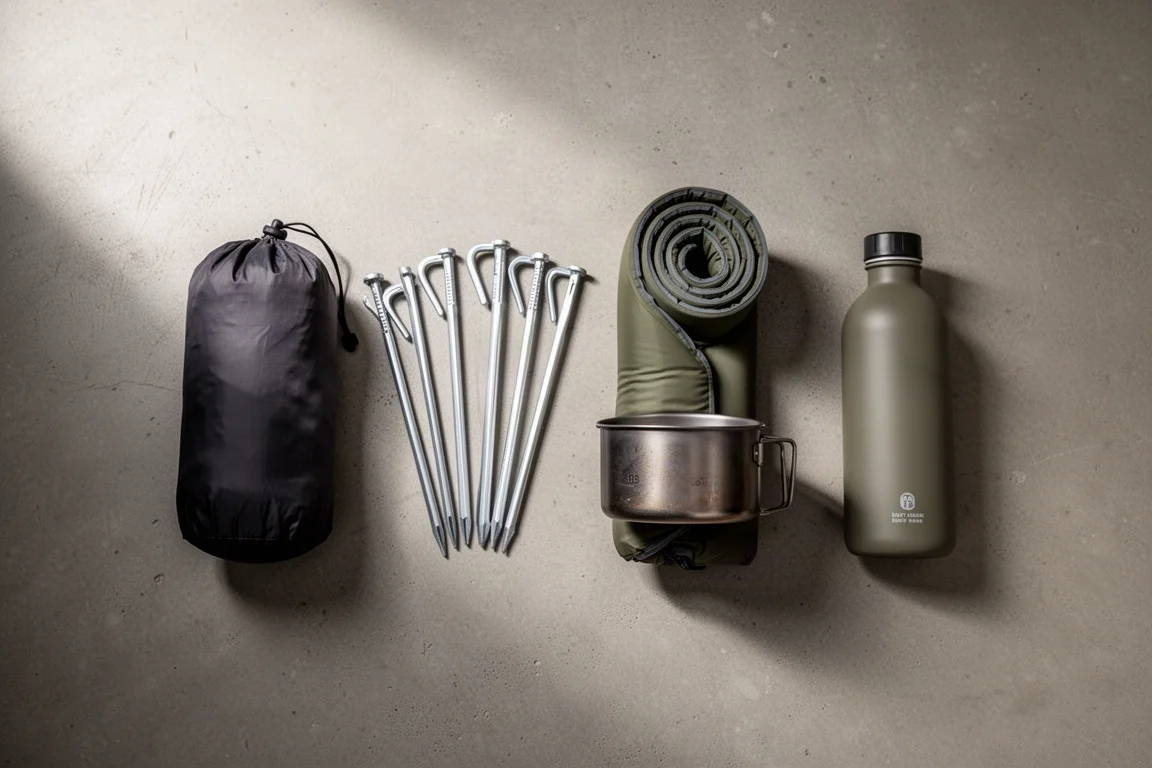
Durability is the other variable. Pole material, fabric thickness, and certification standards all affect how a product behaves after a season of hard use, and those details are covered in the sections that follow.
Zpacks Pivot Solo: Offset Poles and a Lightweight Pitch
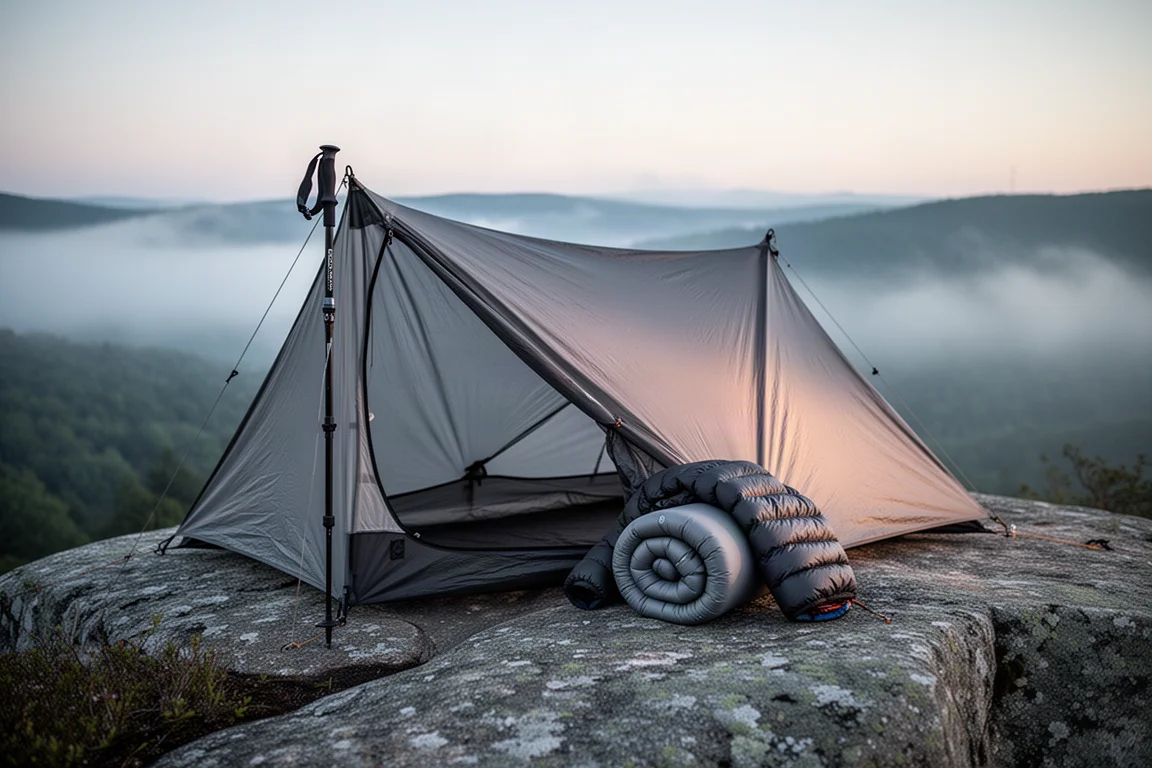
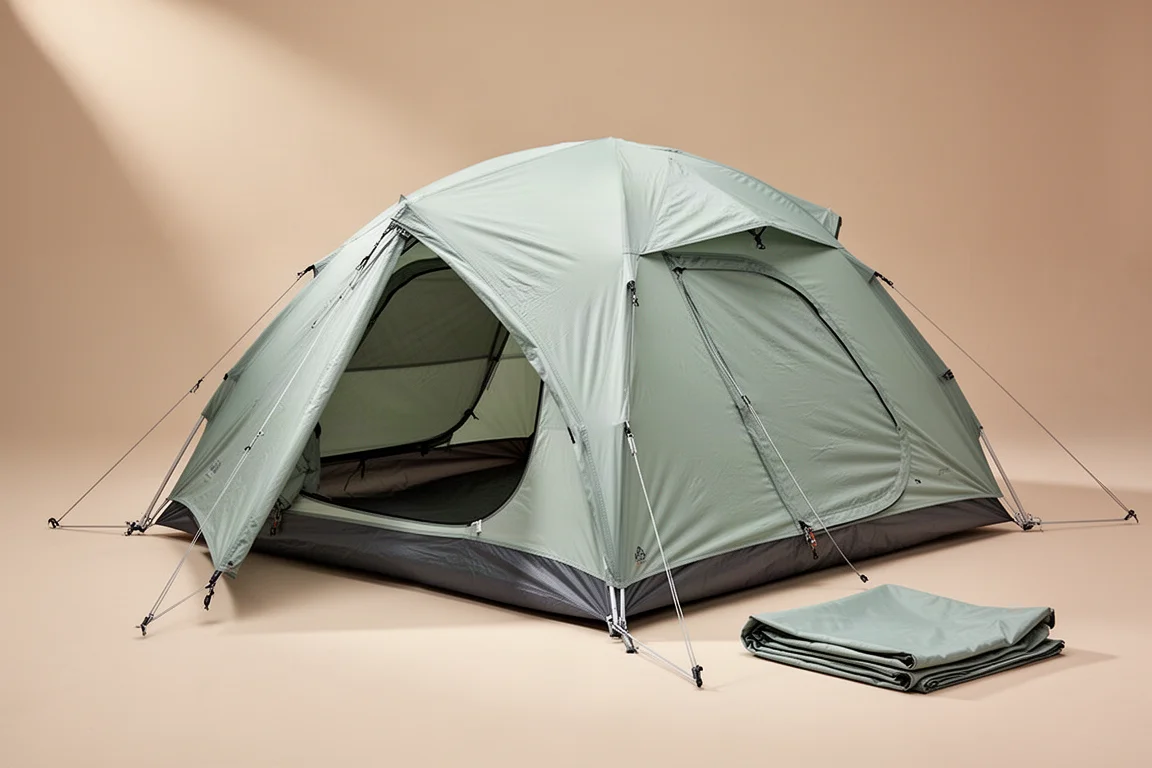
The Pivot Solo is a two-pole offset shelter in which one trekking pole is deliberately shorter than the other, a small asymmetry that trims weight. The result is a full tent at roughly 13.5 ounces, about 2 ounces lighter than the comparable X-Mid Pro 1 and priced only around $10 higher.
That saving comes with pitching demands. The Pivot Solo needs at least six stakes to stand and as many as ten to guy out properly, which makes it a less forgiving pitch than simpler trekking pole shelters. Details include fully hanging doors and single-point magnetic tiebacks.
Zpacks Plex Solo Light: The Lightest Fully Enclosed Tent
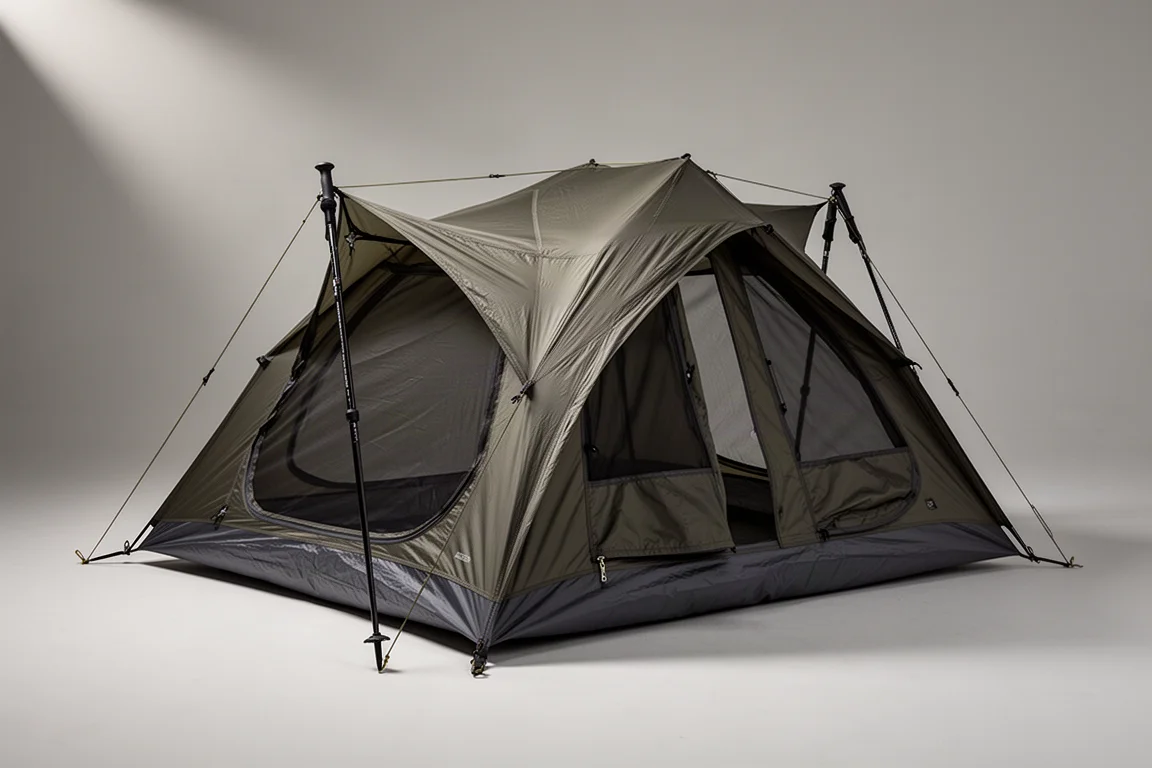
The Plex Solo Light was redesigned and released earlier in 2024, and it comes in at 11.8 ounces, making it the lightest fully enclosed tent on the market. The distinction matters: this is a complete enclosed shelter rather than an open tarp, so the weight figure reflects a tent you can actually live in when the weather turns.
For backpackers whose main goal is shaving grams from their base weight, that combination of full enclosure and low weight is the entire appeal. It is also why this shelter sits at the top of the roundup on weight alone.
MSR Hubba Hubba LT2: A Familiar Design Refined
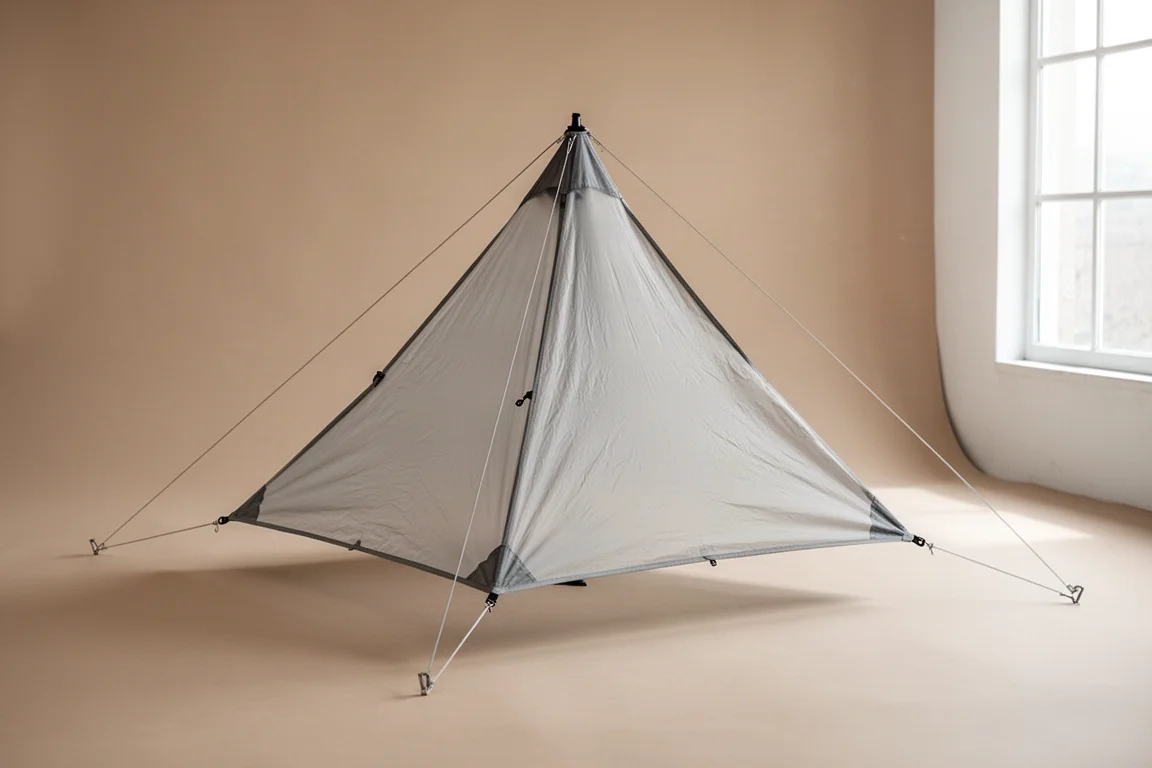
The Hubba Hubba LT2 keeps the basic architecture of the long-running Hubba Hubba, with the changes concentrated in the details. Composite poles have been replaced with regular aluminum poles, the fabric uses a PFC-free DWR finish, and the stuff sack now has a large roll-top opening.
The diagonal door design carries over. It allows the door to be opened without folding the panel in half like a taco, a habit that has caused water to drip inside on some tents, and the earlier Hubba Hubba avoided that problem with a wider crossbar. Rain performance on the LT2 has not been confirmed yet, but the design suggests it should behave much like the previous version.
Durston X-Dome: Innovation, a Pole Recall, and What It Means
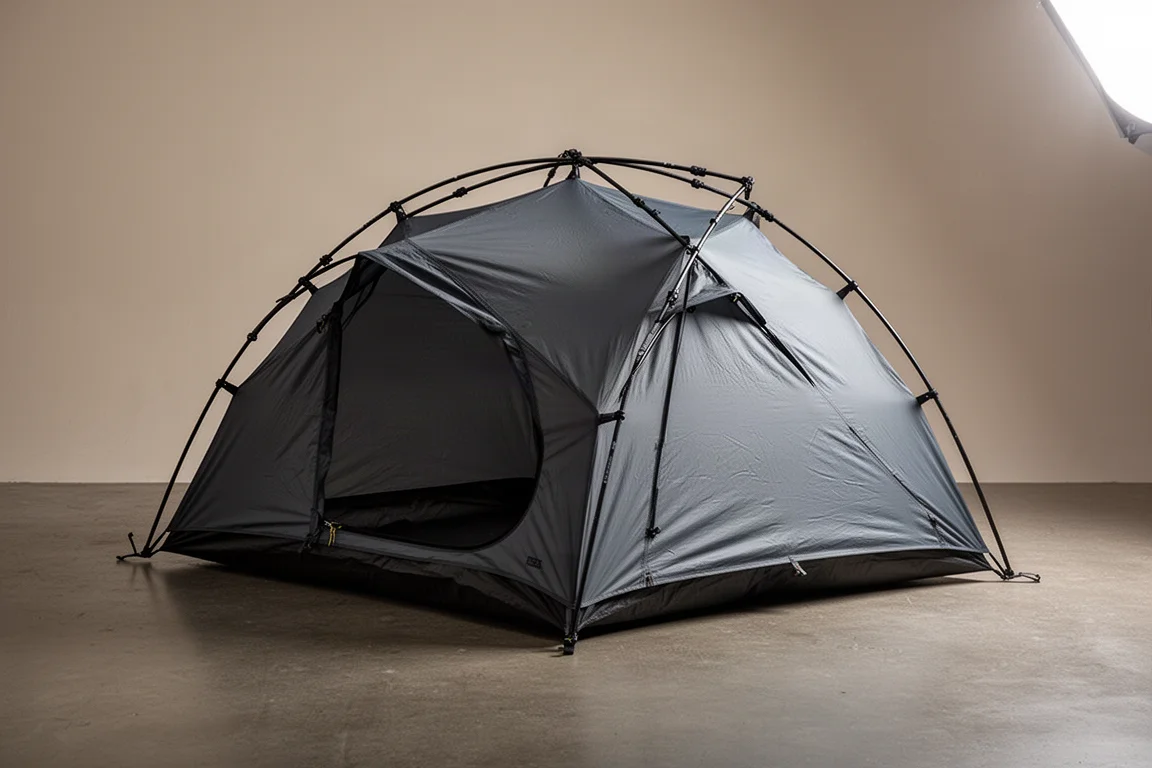
The X-Dome was one of the most anticipated shelters of the year, and it earns that attention with an innovative structure that still undercuts much of the competition on price. Early field time with a pre-production sample highlighted the design, along with one durability problem: the small aluminum rod that joins two pole sections came unglued and disappeared inside the pole.
What was described as a pre-production issue turned up again as production tents shipped, and the brand responded with a full recall of the carbon fiber poles. That outcome matters for buyers, both because the recall removes the affected poles from circulation and because it demonstrates a willingness to act quickly when a defect appears.
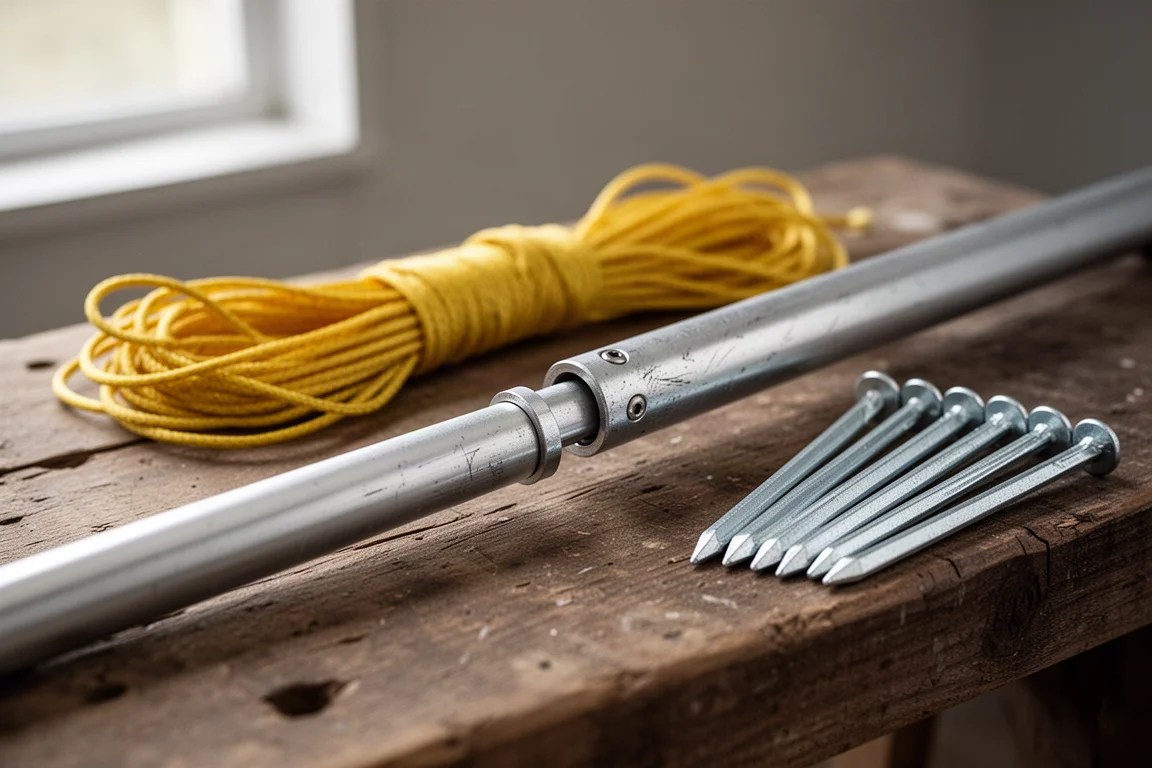
Pole material deserves its own consideration. In a simple break test, a standard aluminum tent pole began to bend at about 7.4 pounds of force. Two carbon fiber poles failed earlier, at roughly 5.2 pounds for a lighter gauge and about 6.7 pounds for a heavier custom 6.3 pole. In both carbon cases, the failure occurred at the small aluminum insert inside the pole rather than in the carbon fiber itself.
Adotec Ultralight Bear Bag: Certified Food Storage Without Hanging
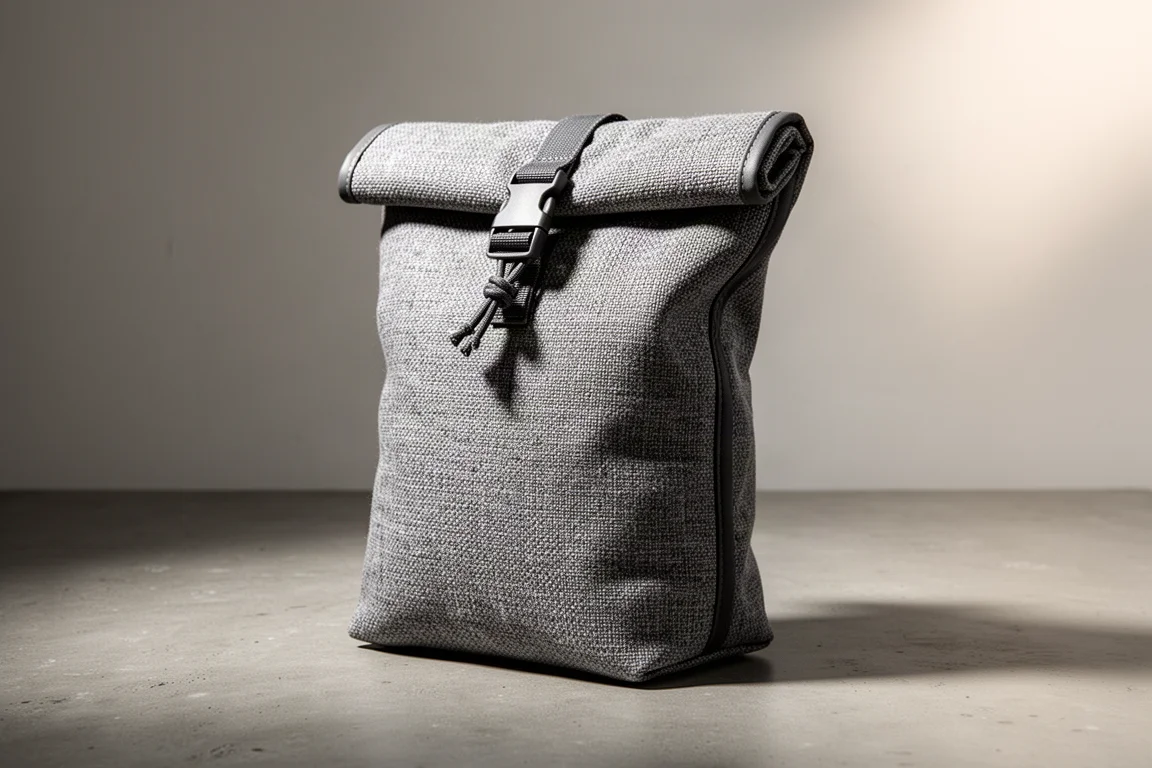
The Adotec Ultralight Bear Bag has been certified as grizzly bear resistant by the Interagency Grizzly Bear Committee, which makes it a genuine alternative to hanging food or carrying a heavier hard-sided canister. It follows a similar idea to the Ursack approach: food stays reasonably safe inside the bag without ever leaving the ground.
At 6.7 ounces it is the lightest bear-resistant bag available. The construction uses thick Dyneema, a material that has shown good resistance to bears in testing. Independent field testing has not happened yet, so the certification is the primary evidence for now.
Black Diamond Deploy Hoodie: The Lightest Puffy Jacket
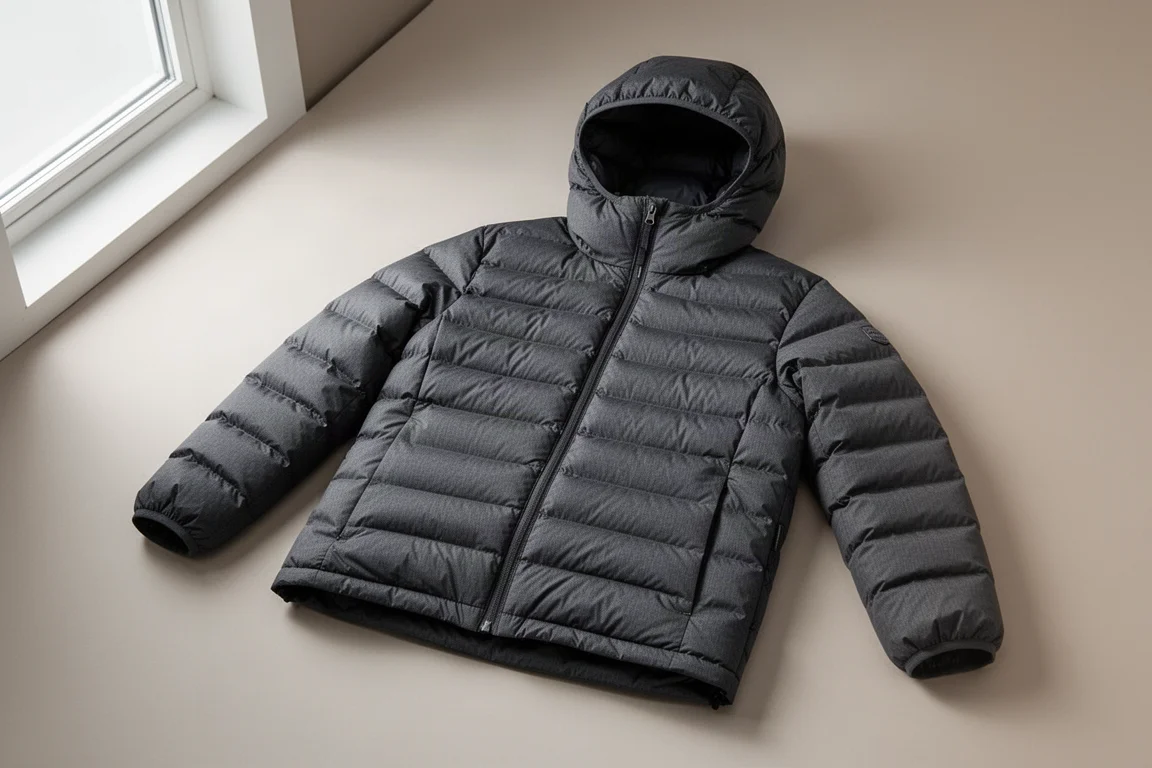
At 5 ounces, the Deploy Hoodie is the lightest puffy jacket in existence, less than half the weight of a standard puffy. Reaching that number required real compromises: there are no pockets at all, the zipper is only half length, and the insulation is 1,000 fill power down, the lightest and fluffiest down available.
The price reflects the materials and the engineering at $395. That is a lot for a jacket with no pockets, so it makes the most sense for backpackers who count every gram and are willing to trade everyday convenience for a layer that barely registers in a pack.
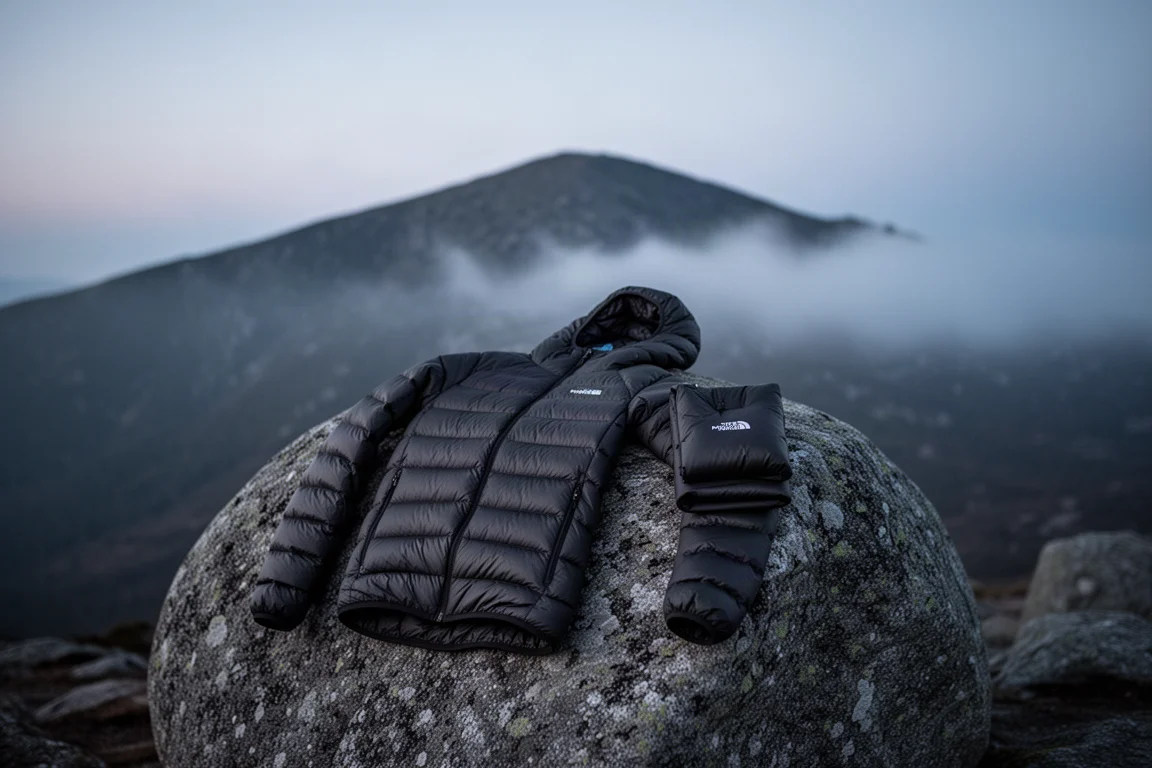
For most trips, a slightly heavier puffy with pockets and a full zipper will be the more comfortable choice. The Deploy Hoodie is best understood as a specialist piece for fast, light trips where insulation is a backup layer rather than something you wear around camp for hours.
Therm-a-Rest NeoLoft: Thick, Plush, and Heavy
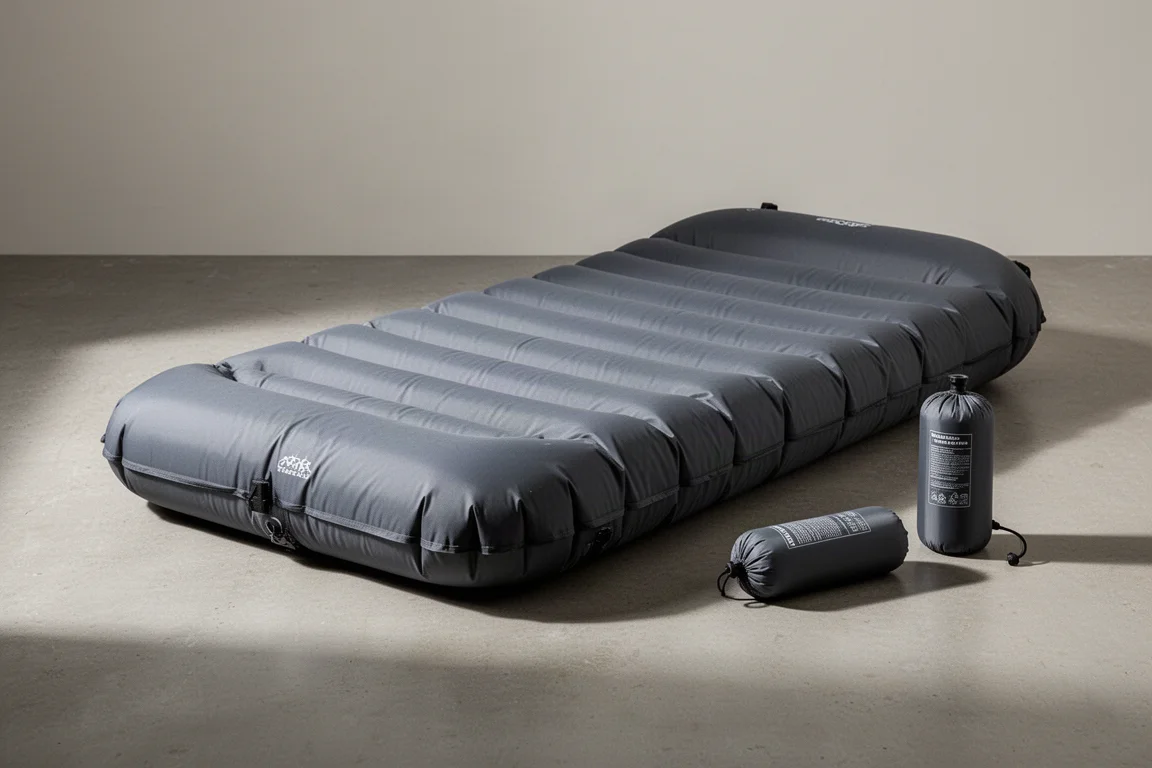
The NeoLoft is 4.6 inches thick, which makes it one of the plushest backpacking mattresses available. Therm-a-Rest pads have historically drawn criticism for thin horizontal baffles that do not offer enough give, but the extra depth here changes the equation: you can dial in as much or as little air as you like and still get a comfortable night.
The trade-offs are weight and price. The regular wide version is 2 ounces shy of 2 pounds, which pushes the limits of what many backpackers are willing to carry, and it costs $260. If comfort and luxury are the priority, though, it is hard to find a lighter pad that feels this good.
Zenbivy -5° Bed: A Cold-Weather Bed System
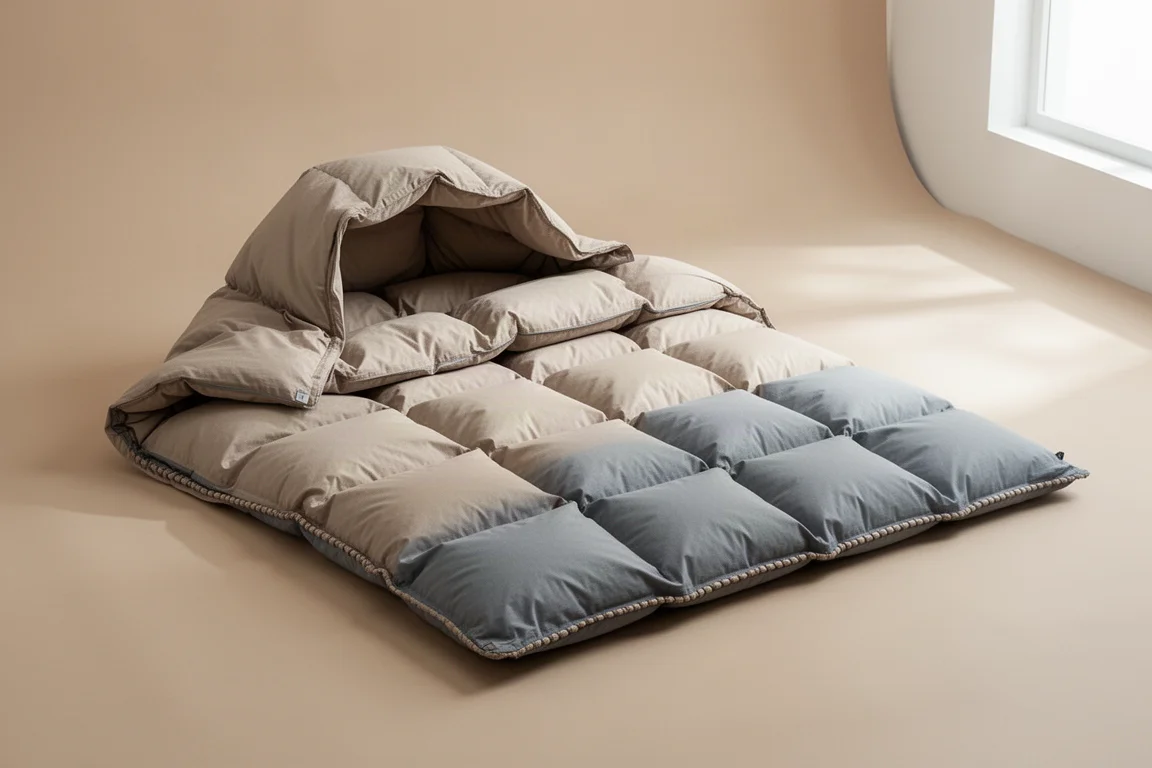
Zenbivy’s bed system is a sleeping bag alternative designed to feel more like bedding at home. It uses a full sheet with a hood, and instead of climbing inside, you pull it over the top of you like a blanket. The new -5° version follows the same approach with substantially more loft, so it can handle genuinely cold temperatures.
Not many quilts are rated for conditions this cold. Zenbivy recommends pairing the system with a sleeping pad rated around R-value 7 or higher to get the most out of it, which is worth factoring into the overall cost of a cold-weather setup.
Buying Advice: Matching Gear to Your Trip
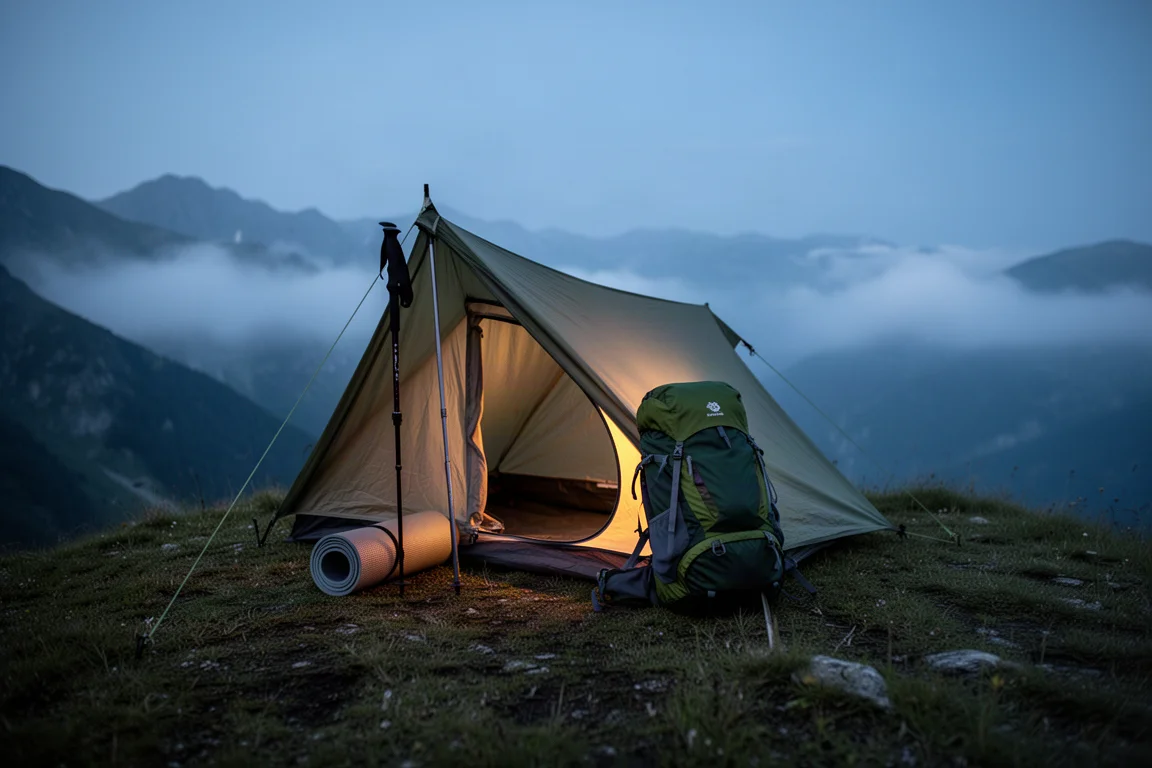
The right choice depends far more on how you hike than on which product wins a spec comparison. A shelter like the Pivot Solo or the Plex Solo Light rewards backpackers who pitch frequently, choose sites carefully, and accept a few extra stakes in exchange for a lighter pack. The Hubba Hubba LT2 suits the opposite profile: a familiar, freestanding design with aluminum poles and a straightforward pitch.
Sleep gear follows the same calculation. The NeoLoft delivers a level of comfort that many backpackers will notice missing on long climbs once they carry it, while the Zenbivy -5° Bed is aimed squarely at cold-weather trips where warmth matters more than grams. For food storage, the Adotec bag removes the hanging ritual entirely and stays light enough to carry on every trip.
On price, the pattern is consistent: the lightest and most specialized products cost the most, and the value case for each one depends on how many nights you will use it. If a piece of gear solves a problem you run into repeatedly, the premium is easier to justify. If it solves a problem you rarely have, a mid-range alternative will usually serve you better.
Conclusion
The 2024 release cycle produced a genuinely interesting mix: shelters that push weight down to 11.8 and 13.5 ounces, a bear bag that removes hanging from the equation, a puffy jacket at 5 ounces, and a mattress thick enough to change how a night on the ground feels. Each one asks for a trade-off in pitching effort, price, or carried weight, and each one makes sense for a specific kind of trip. Match the gear to the way you actually hike, and any of these releases can earn its place in your pack.
Further reading
Related Reviews

Backpacking Gear
Building a 10 lb Base Weight: An Ultralight Backpacking Gear List
A practical walkthrough of the ultralight pieces behind a 10 lb base weight, from a 765 g pack and a roomy one-person tent to a full camp chair and a dependable water filter.
Backpacking Gear
A 15-Pound Lightweight Backpacking Gear List for Solo Trips
A beginner-friendly 15-pound backpacking setup built from easy-to-find gear, with notes on what each piece does, how it packs, and where to spend your attention.
Backpacking Gear
8 Ultralight Backpacking Gear Upgrades Worth Carrying
Eight small, affordable backpacking upgrades that solve real trail annoyances, from a pillow that stays put to a fuel valve that rescues leftover canister gas.