Backpacking Gear
New Backpacking Gear: Four Items Worth a Closer Look
A frameless ultralight pack, a refreshed two-person tent, a budget canister stove, and an adaptable down sleeping bag, assessed in real trail conditions.
Introduction
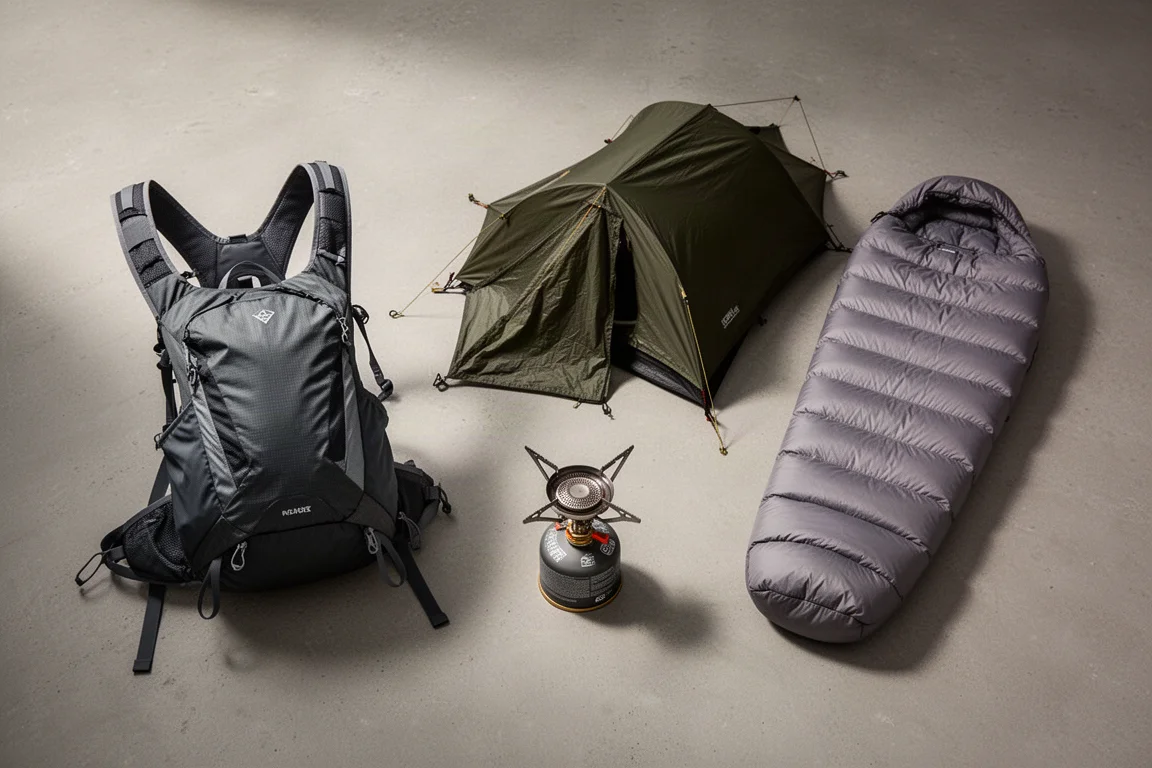
Buying newly released outdoor gear carries a particular kind of risk. When a product is a genuine redesign rather than a small iteration, the only reliable way to judge it is to carry it, sleep in it, and cook with it in conditions that are less than ideal. That is the approach behind this roundup: four pieces of backpacking equipment, each with a specific claim attached, each put through a short field trip that included a long water carry, a cold overnight, and a windy dinner stop.
The four items cover very different price points and very different jobs. A frameless ultralight pack, a semi-freestanding two-person tent with a new fabric, a low cost canister stove, and a down sleeping bag with adjustable ventilation. What follows is what each one does well, where it falls short, and who it genuinely suits.
What Ties These Four Items Together
Each item in this group was chosen because it makes a specific, checkable promise rather than a vague one. The pack claims comfort and accessibility at roughly a pound. The tent claims a lighter, more durable, more waterproof fly. The stove claims high performance at a very low price. The sleeping bag claims it can handle a wide range of conditions.
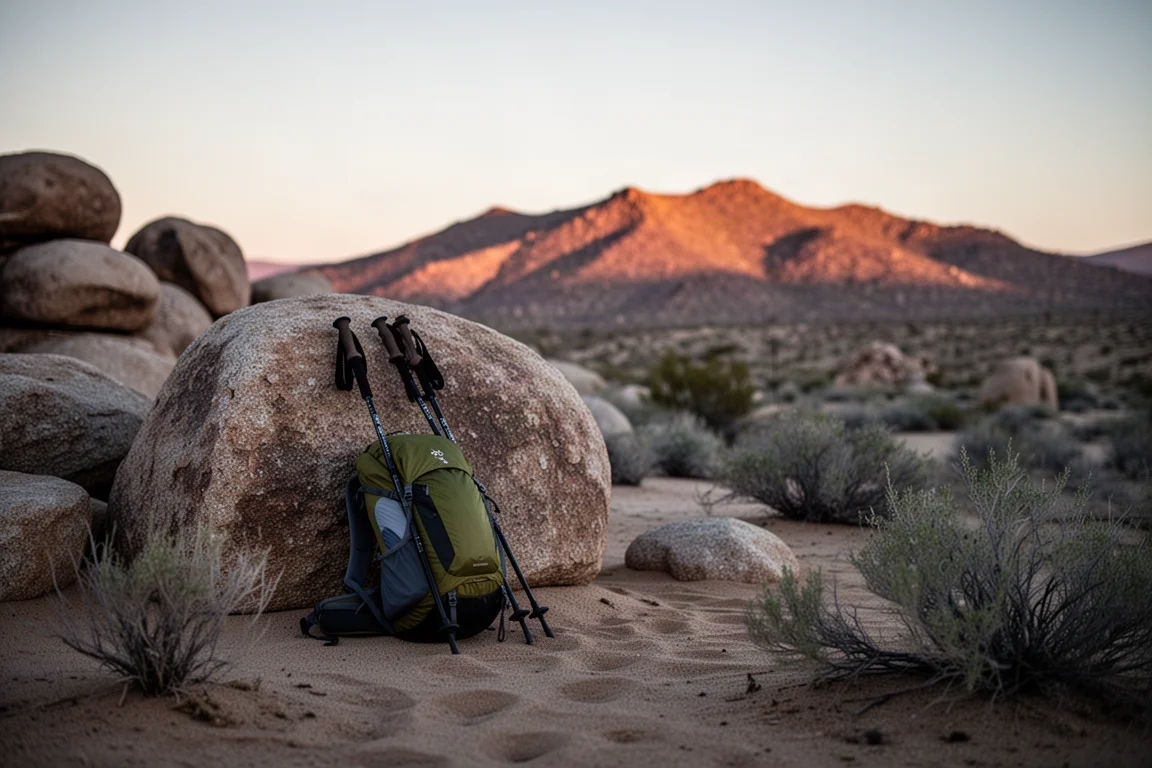
Judging those claims means separating what is measurable from what is a matter of fit. Weight and boil times are objective. Comfort across a heavy load, condensation behaviour, and overnight warmth depend heavily on the user, the terrain, and the weather. Where a claim could not be fully verified in the conditions available, that is noted plainly rather than assumed.
Nashville Packs Cutaway: Ultralight Comfort and Accessibility
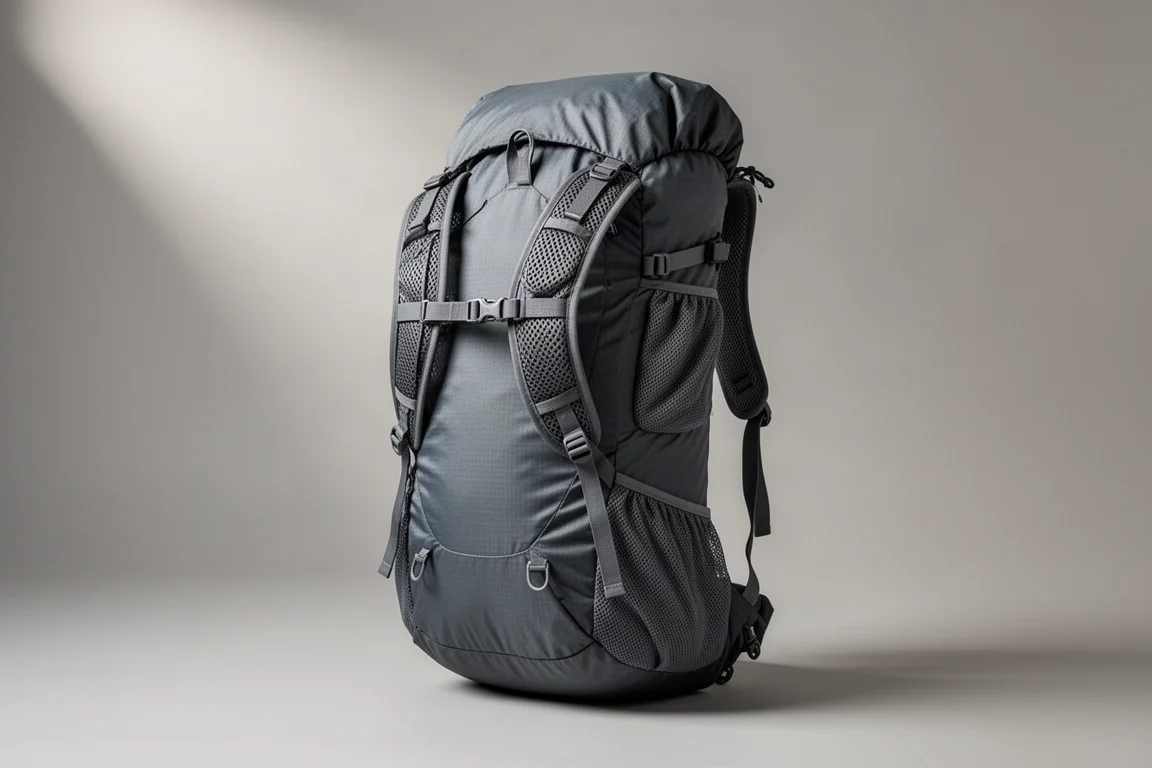
The Nashville Packs Cutaway weighs just over a pound and makes two headline claims: unrivaled comfort and easy access to gear while moving. Both are ambitious for a frameless design, and the honest starting point is that this is not a traditional framed pack. There is no frame, and the hip belt does not transfer meaningful load, which became obvious when the belt was unbuckled and the carry feel barely changed.
Judged on its own terms, the load capacity is genuinely surprising. With roughly 32 lbs on board, including six litres of water, the pack remained carryable, even though that figure sits well beyond what most users will ever load. The realistic ceiling is closer to 30 lbs, which covers a long food carry at the start of a trip before weight settles into the 20 to 25 lb range where the pack feels far more composed. Packing matters: moving water lower in the bag and away from the top of the shoulder straps improved the carry noticeably, because weight sitting high tends to pull the pack off the shoulders.
Three design details do the heavy lifting. The vest style shoulder straps spread load across the chest, which is what allows the pack to work without a load-bearing hip belt. The shoulder strap attachment points are adjustable, so they can sit closer together or further apart depending on body shape, and narrowing that spacing made a clear difference in comfort. Multiple sternum straps are included, three in total, and two of them proved to be the useful number.
Accessibility is the stronger of the two claims. The vest straps carry usable pockets, and a reach-around system lets a bottle go into a side pocket and come back out without stopping. A front pocket is reachable the same way, so items stored behind the back remain accessible on the move. There are optional hip belt pockets and a bottom pocket that opens from underneath rather than from the side.
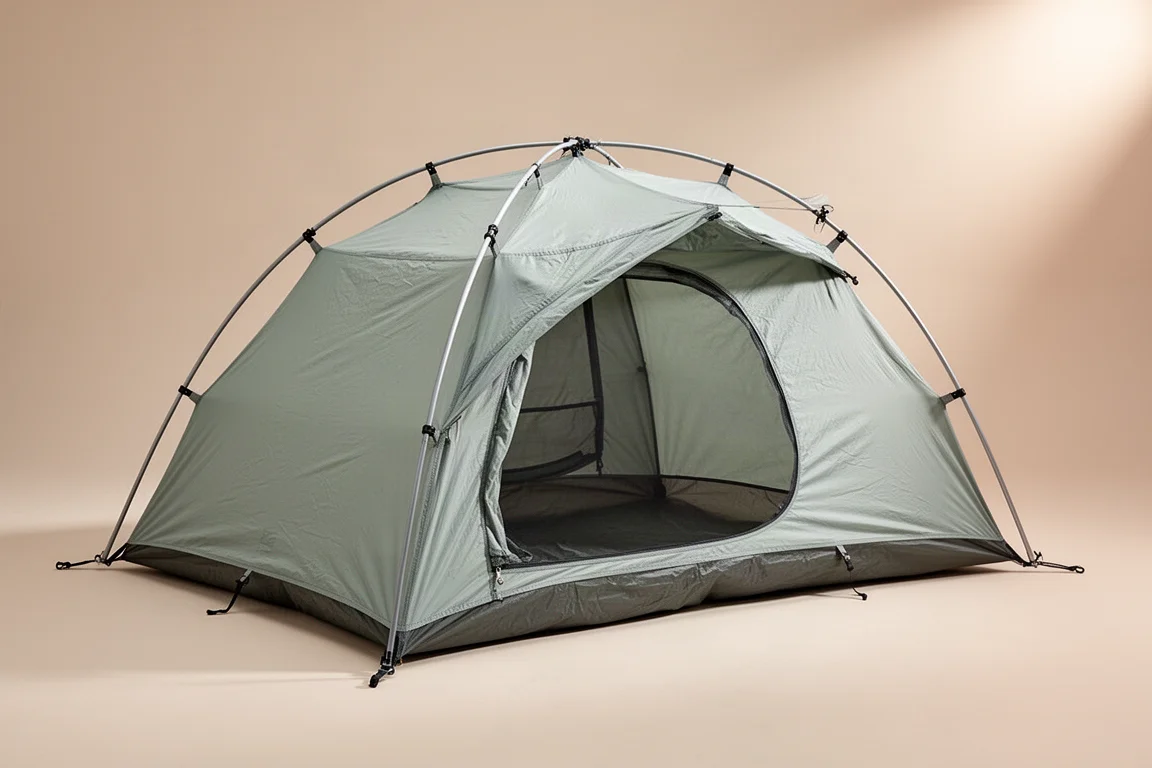
Big Agnes Tiger Wall 2: HyperBead Fabric and a Familiar Shape
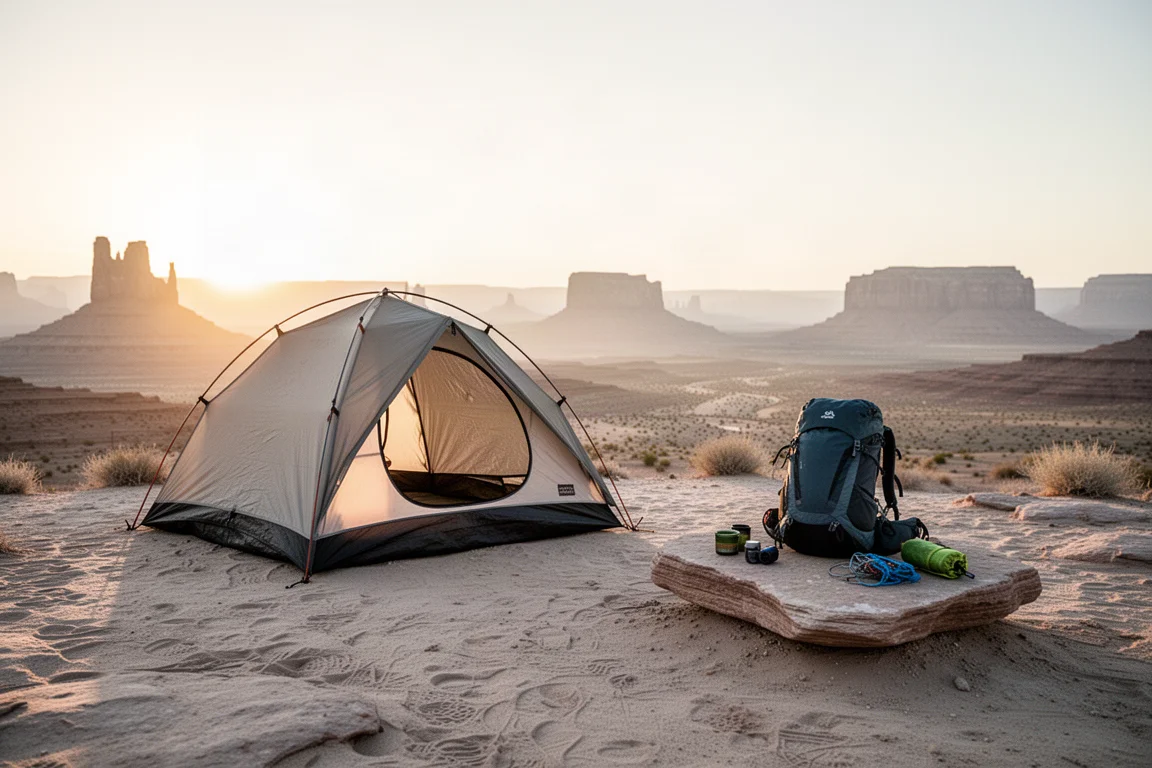
The Tiger Wall 2 has been updated for 2025 with a new proprietary fabric called HyperBead, which Big Agnes says makes the tent lighter, more durable, and more waterproof. The tent remains a semi-freestanding two-person design in the sub-1 kg weight class.
Beyond the fabric, the changes are minimal. Different hardware on the brow pull is about the only noticeable difference after a close inspection, and the tent keeps the large foot-end pocket that is genuinely useful for stuffing a jacket or spare clothing.
The HyperBead story deserves scrutiny. As a base fabric, the fly uses 15 denier nylon rather than a specialty fibre such as polyester or Dyneema. The most plausible reading is that the nylon itself was tweaked to reach the roughly 6 percent weight saving, and a new coating was added on top to deliver the durability and waterproofing improvements. The fabric was not tested in rain during this trip, so the sag and stretch resistance that would matter most in a wet fly remains unverified.
Nighttime temperatures dipped to around freezing under clear skies, which is the ideal setup for condensation on the inside of a fly. In this case the air stayed dry enough that no meaningful condensation formed, so the new fabric’s behaviour when saturated is still an open question.
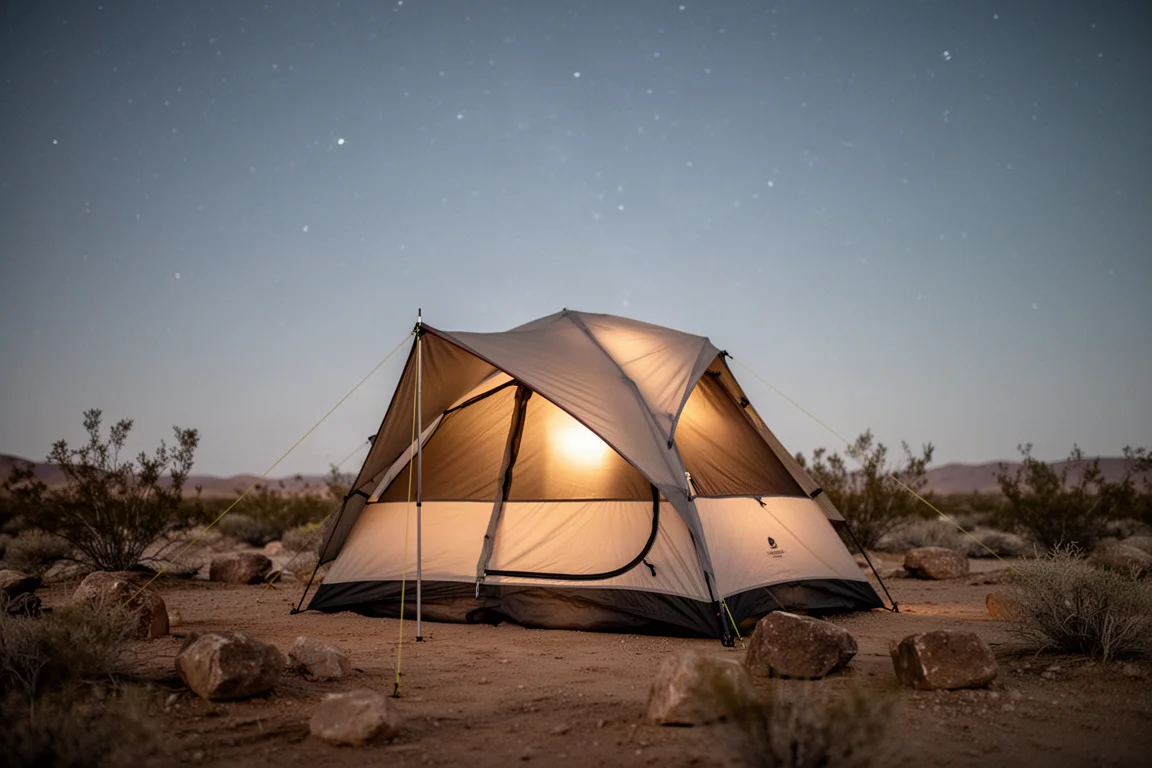
Two omissions stand out for anyone considering the tent. The floor is not wide enough for two 25-inch wide non-tapered pads, and the tent lacks vents that would improve airflow. Those are the changes that would have made this a more complete update. Even without them, the Tiger Wall 2 remains a well-built semi-freestanding two-person tent in a low weight class.
WID SE Stove: A Low Cost Option That Held Its Flame
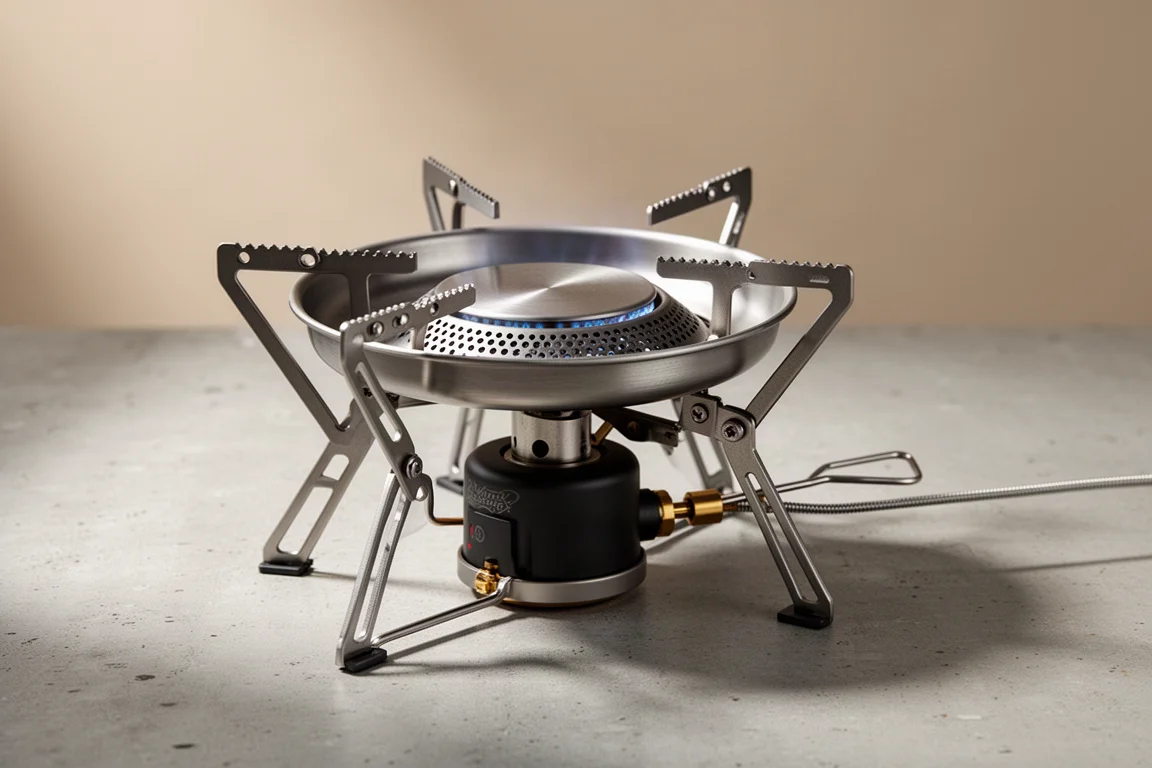
The WID SE stove comes from a value-focused brand and costs roughly $10 to $15. It weighs 60 g and claims high performance for the price, with a wide burner, four large pot support arms, and a wind lip designed to shield the flame.
On test it boiled 5.3 oz of water in under a minute, a quick result even accounting for the small volume. Wind was the more interesting test. The flame sputtered visibly in gusts and looked at times as though it would blow out, but it never did, and that resilience is the most meaningful compliment the stove earned. More expensive models such as the WindMaster and Pocket Rocket Deluxe likely handle wind more gracefully, and the WID SE is not as stable under a pot as those designs, but it costs a fraction of the price.
For a budget canister stove intended for short trips and simple meals, the fundamentals are covered. A direct comparison against those more expensive models would be the natural next step.
Therm-a-Rest Boost 650: Adjustable Warmth for Shoulder Seasons
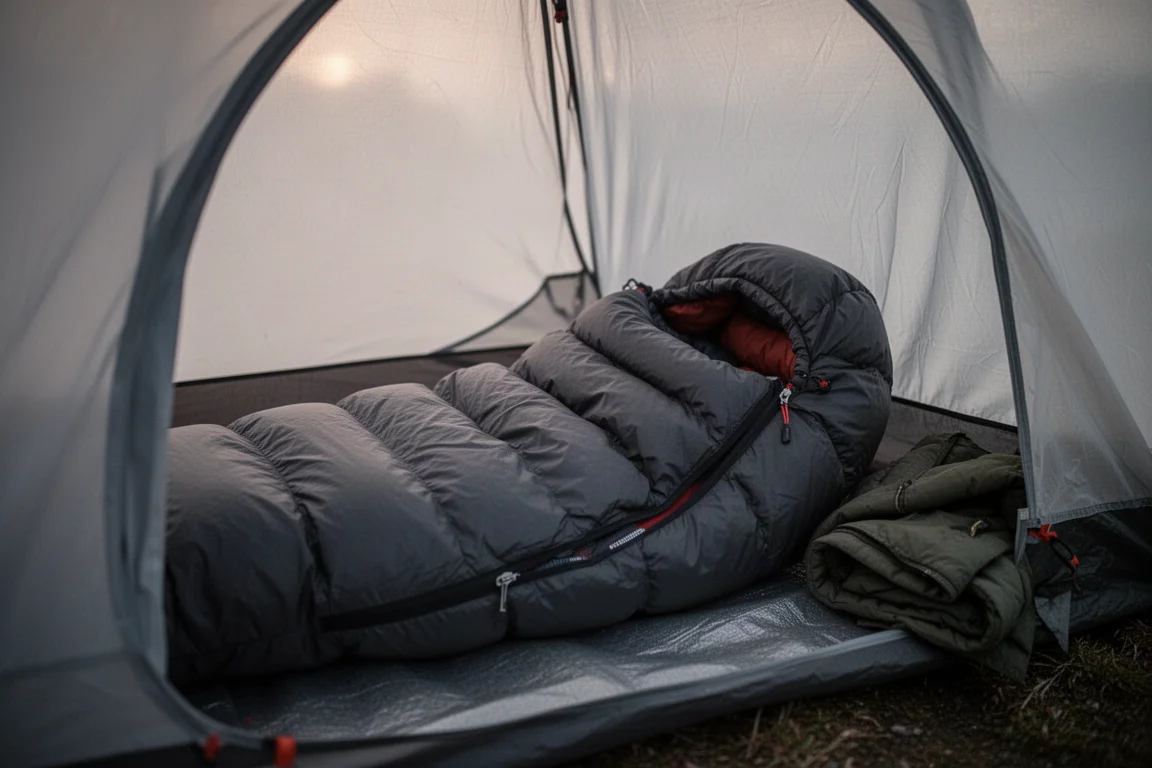
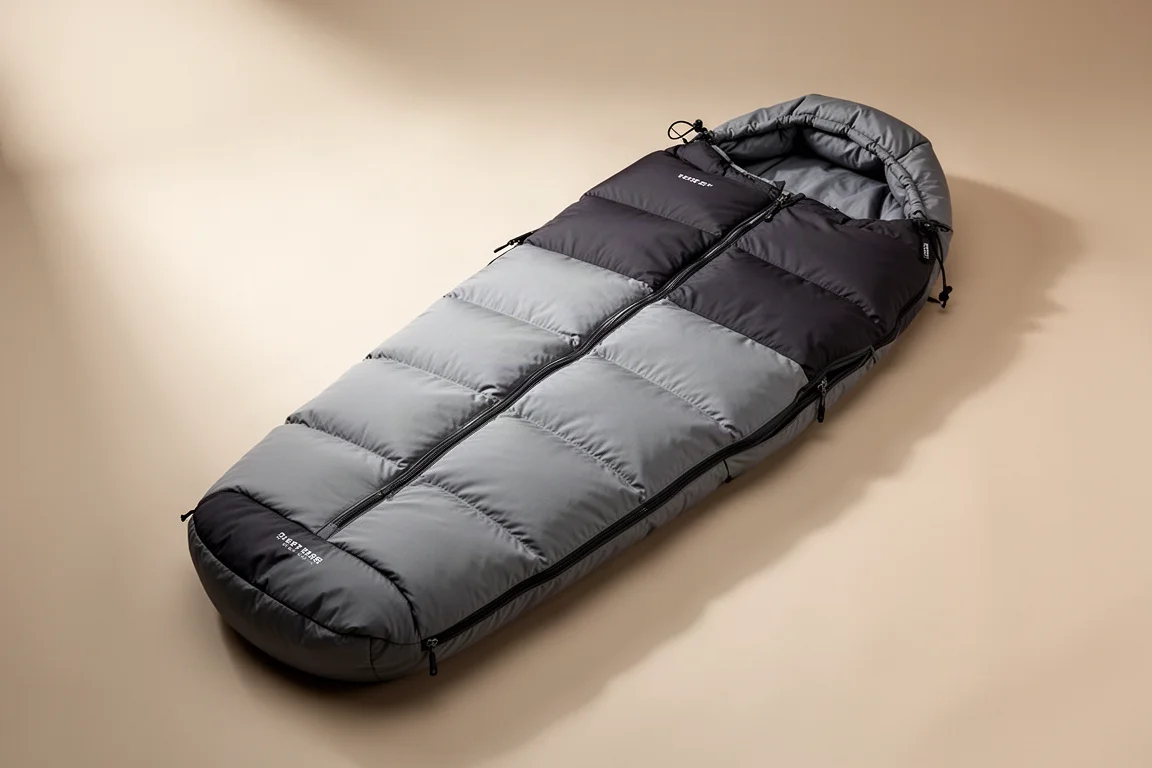
The Boost 650 is a down sleeping bag rated for 20°F in the version tested, using 650 fill power down and weighing 1210 g. It is not a light bag and it is not especially packable, which are the two obvious trade-offs.
What makes it interesting is its adjustability. A zip down the centre can be closed to add roughly 10 degrees of warmth, a claim that held up in testing. Zips on the sides can be used to put arms out for tasks around camp, or opened as vents when the bag is too warm.
On a night with a high of 9°C and a low of 1°C, that range proved useful. Opening both arm vents early in the evening dumped a surprising amount of heat, and partially closing them worked better than treating them as either fully open or fully closed. Once the temperature dropped, closing the vents and pulling up the hood kept things comfortable down to 1°C.
The bag is easy to recommend on features and temperature management, and harder to recommend on weight. Dropping below a kilogram while keeping the vents, the centre zip, and the current price point would make it a much easier call.
Where Each Piece Fits Best
These four items do not compete with one another, so the useful question is which problem each one solves.
- The Cutaway suits hikers who have already trimmed their base weight and want a pack that stays comfortable in the 20 to 25 lb range while keeping water and snacks reachable without stopping. It is the wrong choice for anyone who regularly carries heavy loads or expects a hip belt to do the load transfer.
- The Tiger Wall 2 suits two-person trips where packed weight matters and the tent will mostly be used in dry or moderately wet conditions. Anyone who needs to fit two wide pads or wants strong ventilation should weigh those gaps carefully.
- The WID SE stove suits budget-conscious campers and short trips where a fast boil and a low price matter more than refined wind performance or stability.
- The Boost 650 suits sleepers who run hot and cold in the same night and want one bag that can be tuned rather than swapped.
What to Check Before You Buy
Weight claims and comfort claims deserve different levels of trust. A stated weight is easy to verify and hard to fudge. Comfort at a given load depends on body shape, pack volume, and how the load is packed, so the useful question is not whether a pack can carry a number but whether it can carry the loads you actually plan to use. For the Cutaway, that means being honest about whether your typical trip weight sits under 25 lbs.
Fabric claims work the same way. A new coating or a lighter nylon weave can be a real improvement, but durability and waterproofing only reveal themselves over a wet season, not a single dry night. Anyone considering the Tiger Wall 2 on the strength of the new fabric should treat that as promising rather than proven.
Price and adjustability are easier to evaluate. The WID SE stove delivers the basics at a very low cost, and the Boost 650 delivers real temperature flexibility at the cost of weight. Both trade-offs are visible before purchase, which makes them simpler decisions than the ones that depend on long-term durability. The practical checklist is short: confirm the load range you will actually carry, confirm the pad dimensions your shelter must fit, and confirm the overnight temperatures you expect to sleep through.
Conclusion
Four items, four different sets of trade-offs. The Cutaway earns its accessibility claim and carries more than a frameless pack has any right to, as long as the load stays in a sensible range. The Tiger Wall 2 is still a solid semi-freestanding two-person tent in the sub-1 kg class, with a new fabric that has yet to prove itself in real rain. The WID SE stove delivers a fast boil and surprising wind resilience for very little money. The Boost 650 manages a wide overnight temperature swing through well-designed vents, even if it carries more weight than the category leaders.
None of these are blind recommendations. Each one makes sense when it matches a specific trip style and a specific budget, and each has a limitation worth accepting knowingly.
Further reading
Related Reviews

Backpacking Gear
Building a 10 lb Base Weight: An Ultralight Backpacking Gear List
A practical walkthrough of the ultralight pieces behind a 10 lb base weight, from a 765 g pack and a roomy one-person tent to a full camp chair and a dependable water filter.
Backpacking Gear
A 15-Pound Lightweight Backpacking Gear List for Solo Trips
A beginner-friendly 15-pound backpacking setup built from easy-to-find gear, with notes on what each piece does, how it packs, and where to spend your attention.
Backpacking Gear
8 Ultralight Backpacking Gear Upgrades Worth Carrying
Eight small, affordable backpacking upgrades that solve real trail annoyances, from a pillow that stays put to a fuel valve that rescues leftover canister gas.