Backpacking Gear
New Backpacking Gear for a Summer Thru Hike: 9 Lightweight Picks
Nine lightweight backpacking items for long summer hikes, from titanium traction cleats and a padded hip belt to water filters, a larger bladder and two ultralight sleeping pads.
Introduction
Long summer hikes rarely fit a single gear list from start to finish. Elevation, snowpack, water quality and the distance between reliable sources all change the calculation, and the most practical approach is often to swap a few items in and out as the terrain shifts.
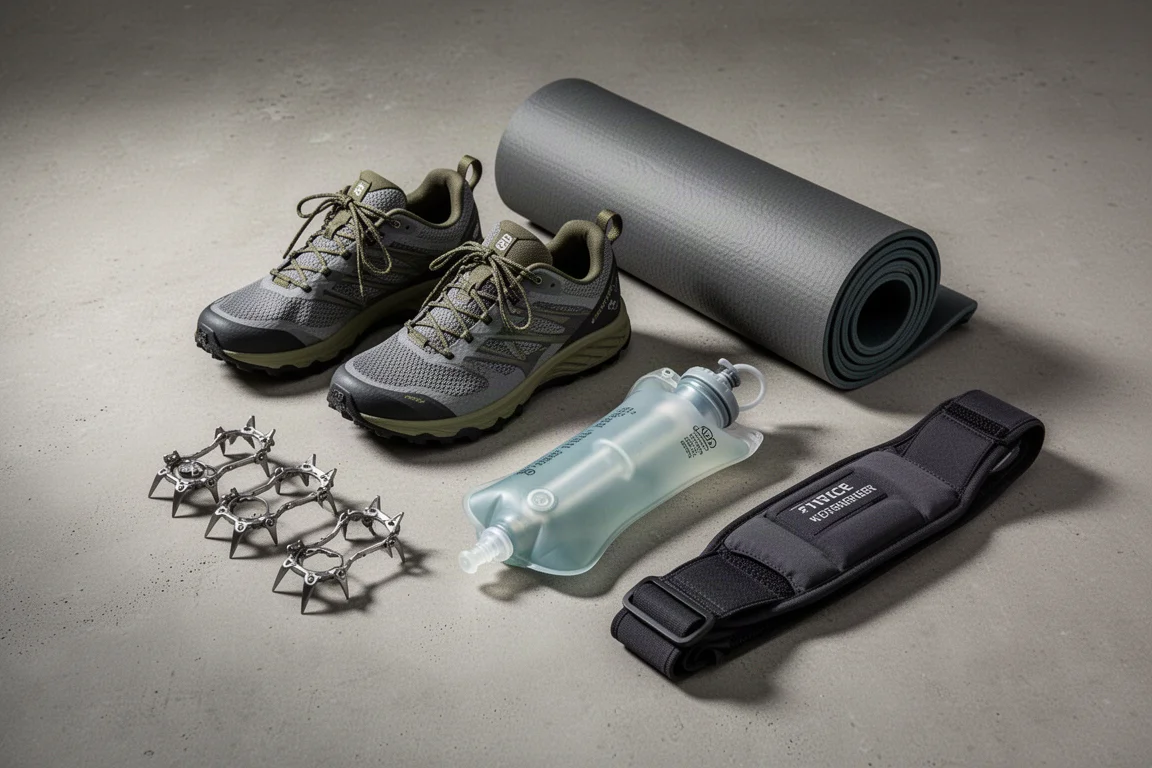
The nine pieces below cover the situations that most often force those changes: lingering snow on high passes, long food and water carries, silty water sources, and nights that swing between warm and genuinely cold. Some are new additions, some are older items returning to the pack, and one is simply the updated version of a pad that has already seen heavy use. Alongside the hardware, the plan for the season leans stoveless for the warmer sections, with a cold soaking jar covering the occasional hot meal, and bear spray carried in a front pouch for the stretches of grizzly country.
How These Choices Fit Different Trails
Four variables shape this list. Weight matters because every item competes for space in a 35-liter pack. Packability matters for gear that is only needed for a short stretch of trail, such as traction devices that may be used once or twice in a season. Water quality decides which filter travels in the main pack and which one gets mailed ahead to a specific section. Warmth decides which sleeping pad goes in the bag, and how much margin to leave for cold nights at altitude.
The approach is modular rather than fixed. A lightweight filter covers clean mountain streams, a heavier-duty filter and a larger bladder cover dry and silty sections, and a padded hip belt clips on only when the food and water loads get heavy. Each item is judged on whether it earns its place for the section ahead, not for the whole trail.
Vargo Pocket Cleats V3: Titanium Traction for Trail Runners
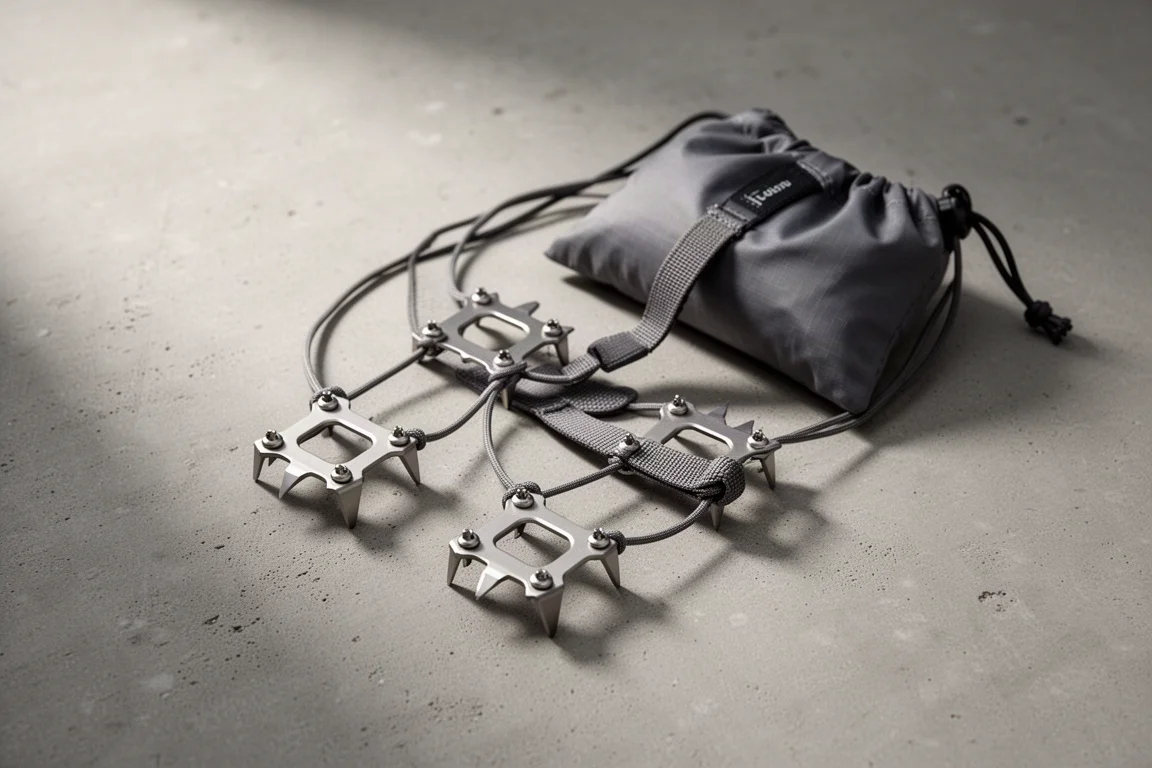
Traction devices are the classic item that sits in a pack for weeks and then earns its weight in a single afternoon. The Vargo Pocket Cleats V3 are built specifically for trail runners: three titanium cleats per foot, each with four teeth, that wrap under the shoe and thread through the eyelets to hold them in place.
The full set, both cleats and the storage bag included, weighs 4.8 ounces. That is considerably lighter and more compact than a pair of crampons, and the folded size is small enough to disappear into a pack until it is needed. For a hike that starts at higher elevations, where snow can linger into July, they cover short icy or slushy sections without adding a full snow-travel kit.
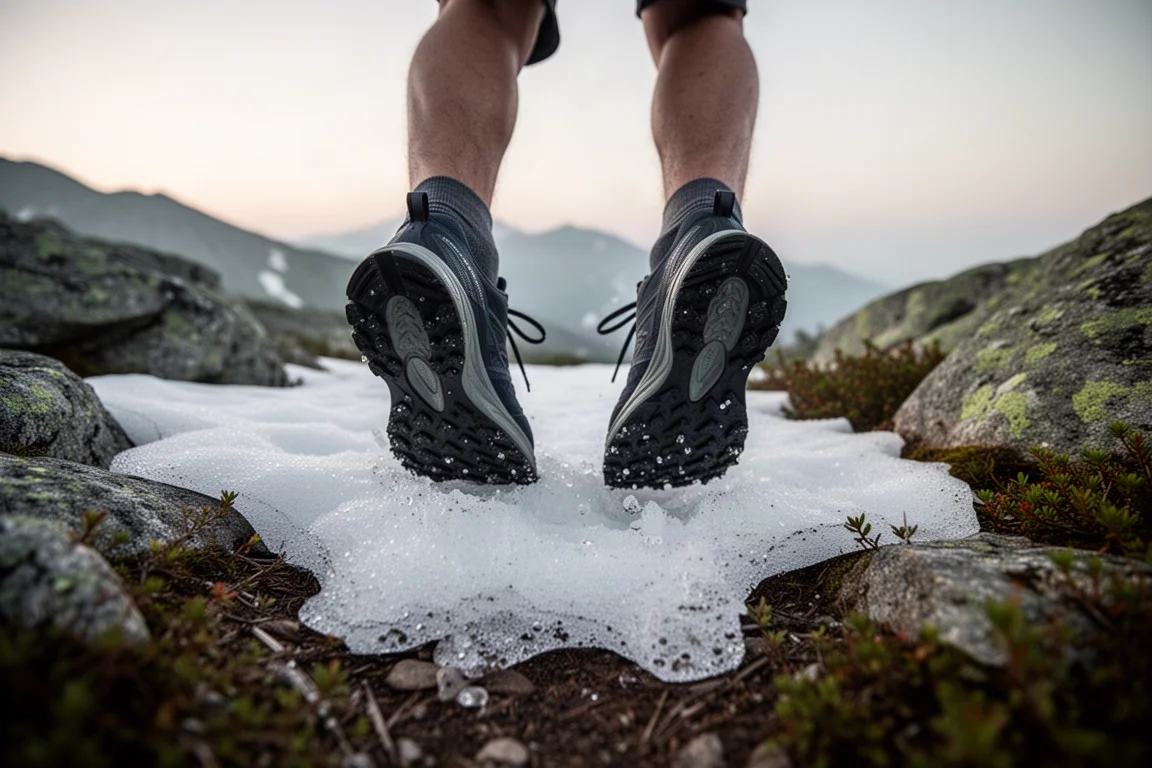
The trade-off is straightforward. They are lighter and less bulky than crampons, which is exactly why they suit occasional patches of snow rather than extended travel on steep, consolidated snow.
Altra Lone Peak 5: The Shoe the Cleats Are Built Around
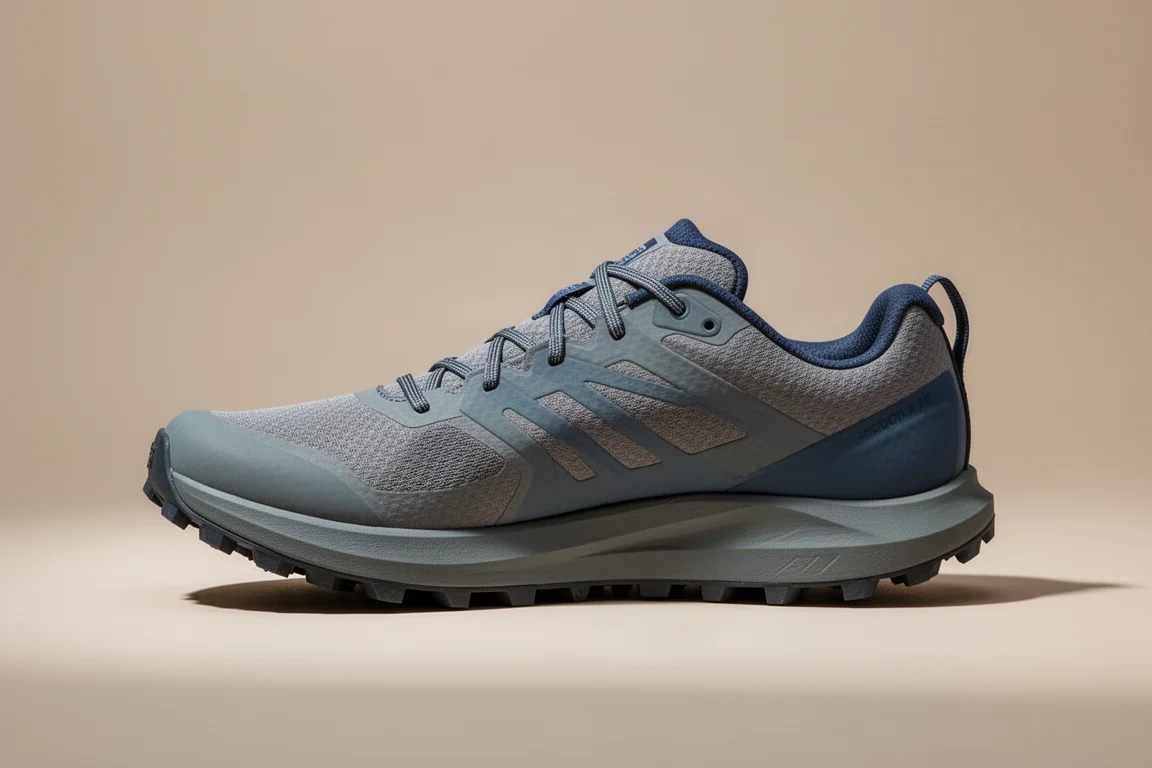
Strap-on traction is designed around trail runners, and the Lone Peak 5 is the shoe carrying this season’s miles. That pairing matters more than it might seem: the cleats thread through the eyelets of a trail runner, so the shoe and the traction system become one decision rather than two.
For hikers who already run or walk in trail shoes, the Lone Peak 5 keeps the feel familiar over long days. It is a light, flexible option for covering distance, and it works with the rest of this list rather than against it.
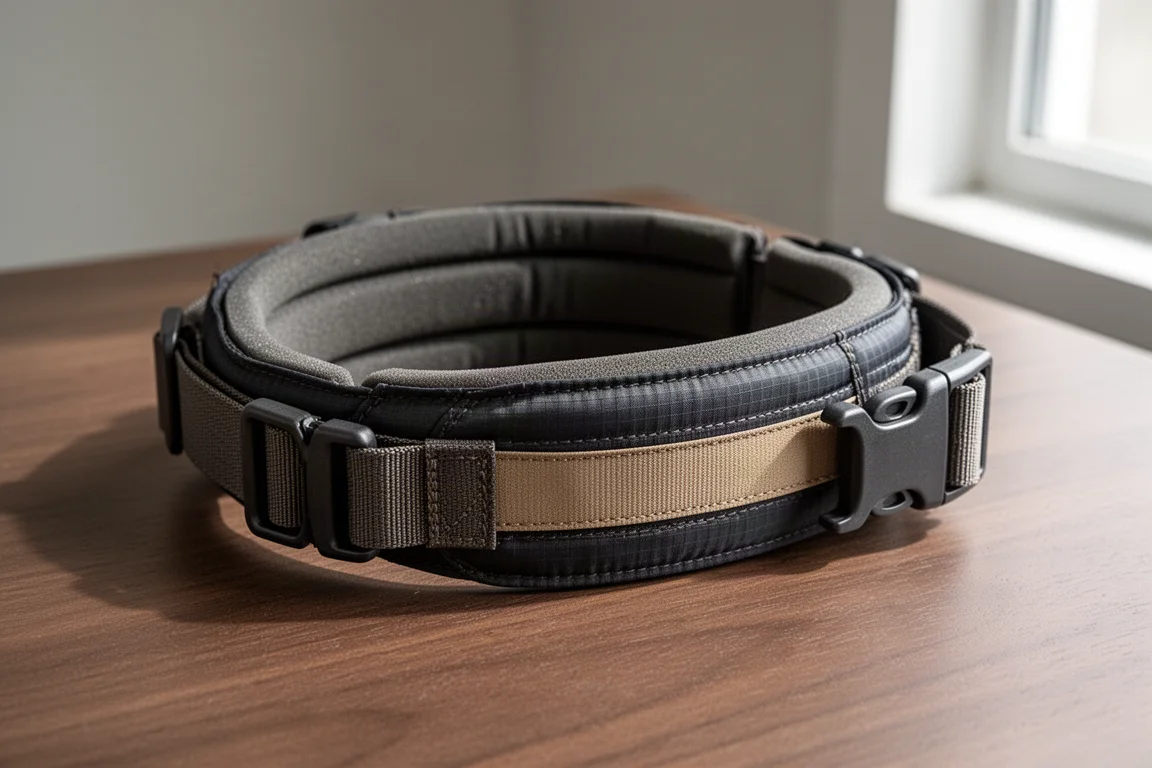
LiteAF Padded Minimalist Hip Belt: Two Ounces of Comfort
Not every hiker needs padding on a hip belt. The standard setup on many ultralight packs, including the Waymark Evolve, is a one-inch removable webbing belt, and for plenty of people that is enough. Where it falls short is on long carries, when a heavy load presses a thin strap into hip bones that have little natural padding.
The LiteAF Padded Minimalist Hip Belt adds a small amount of foam and a wider contact patch without much weight. It comes in at 2 ounces, attaches with quick clips, and can be left at home for the sections where food and water loads are light. That is the appeal: it is a section-specific fix rather than a permanent change to the pack.
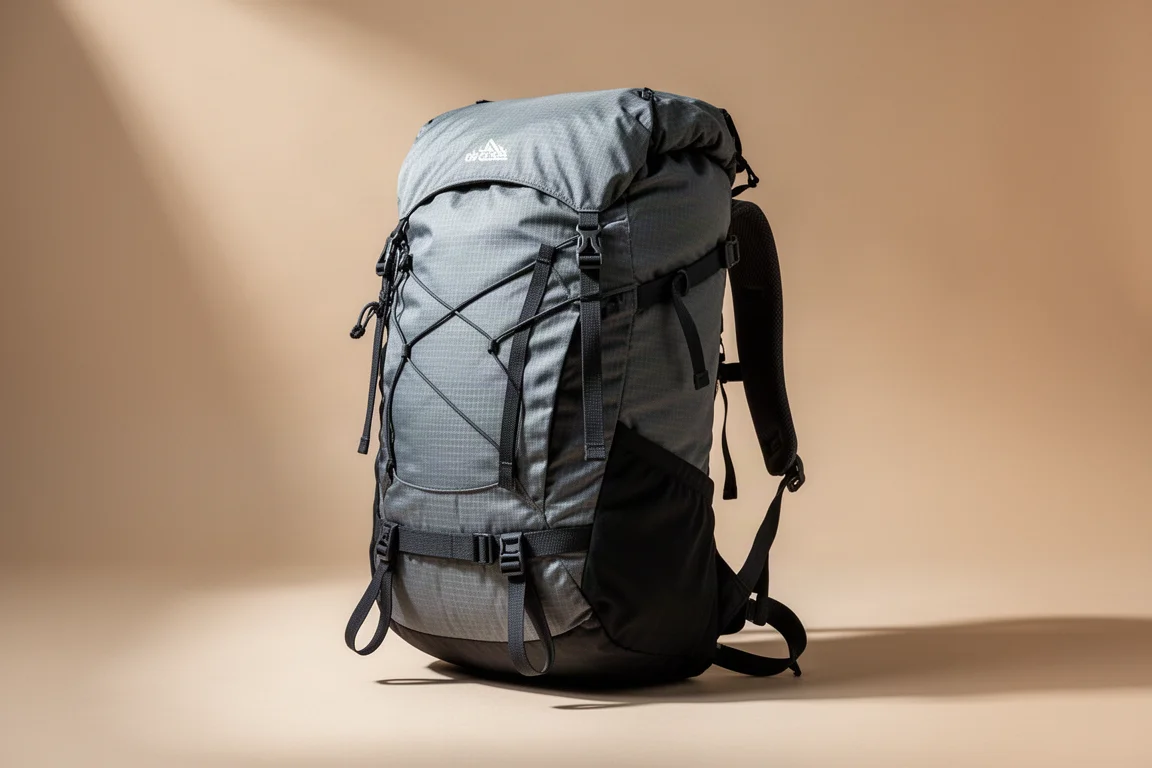
Waymark Evolve 35L: Room for Longer Carries
The Evolve 35L is the pack the rest of this list is built around. Its 35-liter capacity is the reason every other item has to earn its place, and the reason the hip belt question matters at all, since longer food carries and longer water carries both land on the same set of straps.
The pack comes with a one-inch removable webbing hip belt, which can be swapped for the padded LiteAF belt when the load gets heavy. Everything else here is chosen with that volume in mind: a filter that packs small, a pad that rolls down, and traction devices that can be carried for weeks without being used.
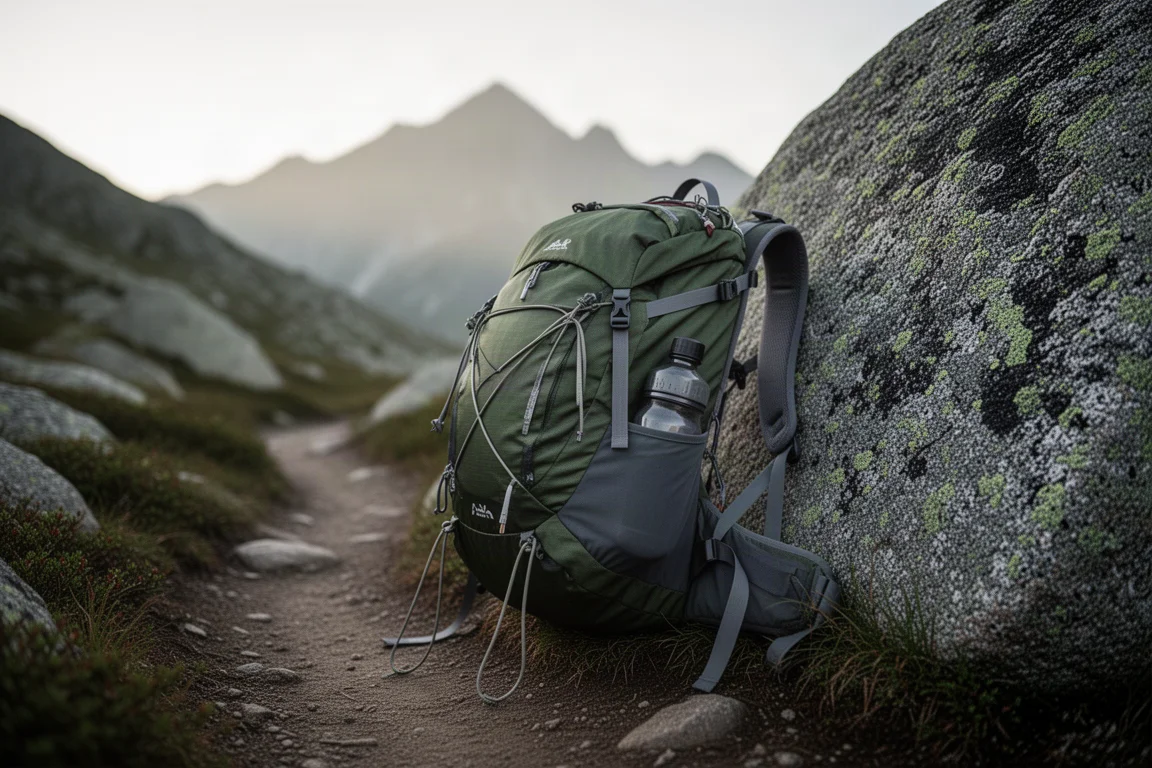
The practical takeaway is that a 35-liter pack rewards discipline. Section-specific gear, mailed ahead and swapped in when it is needed, keeps the load manageable on the stretches where comfort matters most.
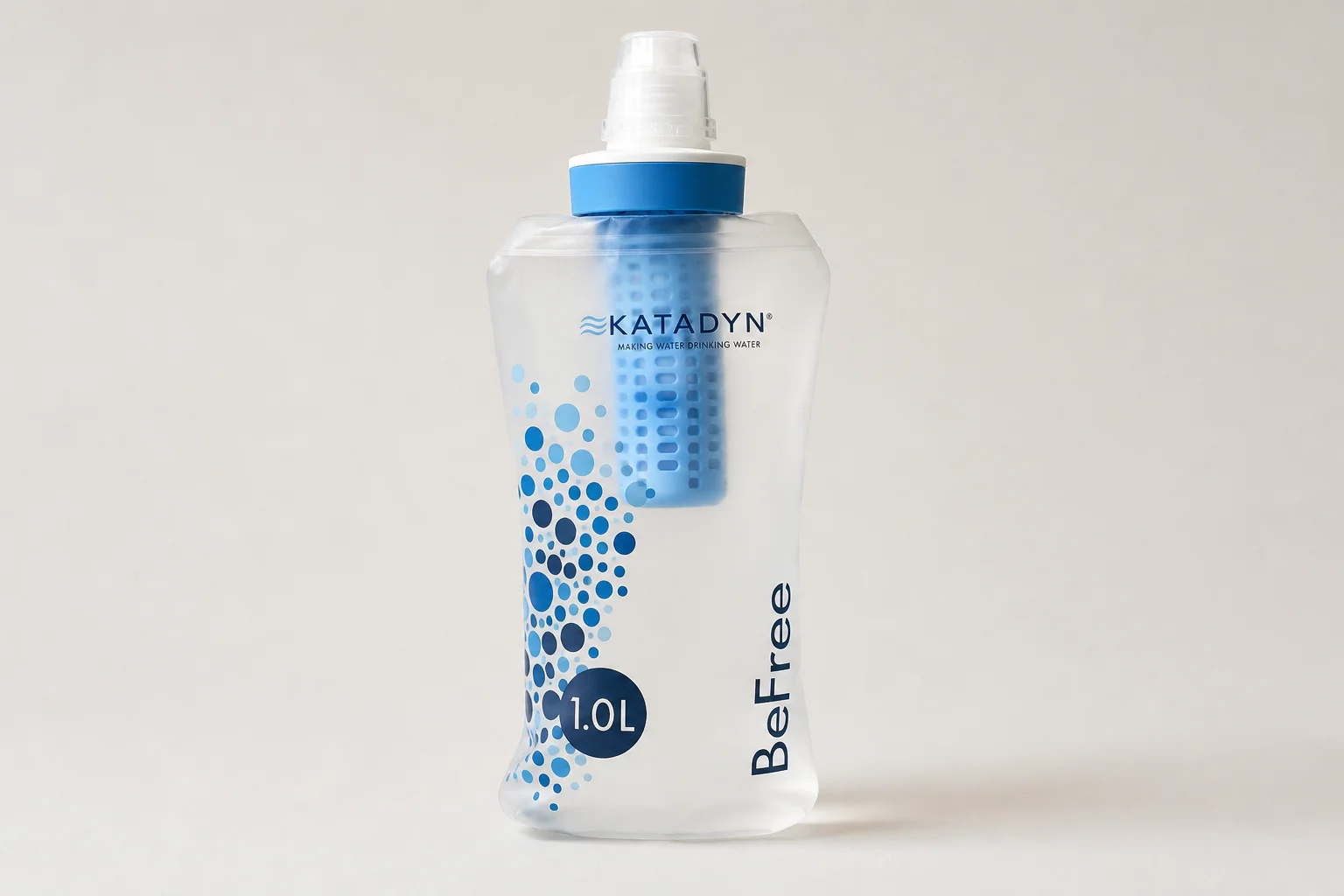
Katadyn BeFree: The Everyday Filter
For most of the trail, a lightweight bottle filter is the simplest option. The Katadyn BeFree handles mountain streams and fresh springs well, and it has been the go-to filter for years. It travels in the main pack for the bulk of the hike, and for clear, fast-flowing water it is all that is needed.
Where it struggles is silty, dirty water. That limitation is the reason it is not the only filter on this list.
Sawyer Squeeze: Better for Silty Water
The Sawyer Squeeze is the backup plan for sections where water quality drops. It handles dirtier, siltier sources better than a bottle filter, so it gets mailed ahead and swapped in for the stretches where the water is questionable.
Carrying two filters sounds excessive until the water conditions are taken into account. On a long trail, the sections with clean springs and the sections with muddy, silty pools can be hundreds of miles apart, and matching the filter to the source is a small weight cost for a large reliability gain.
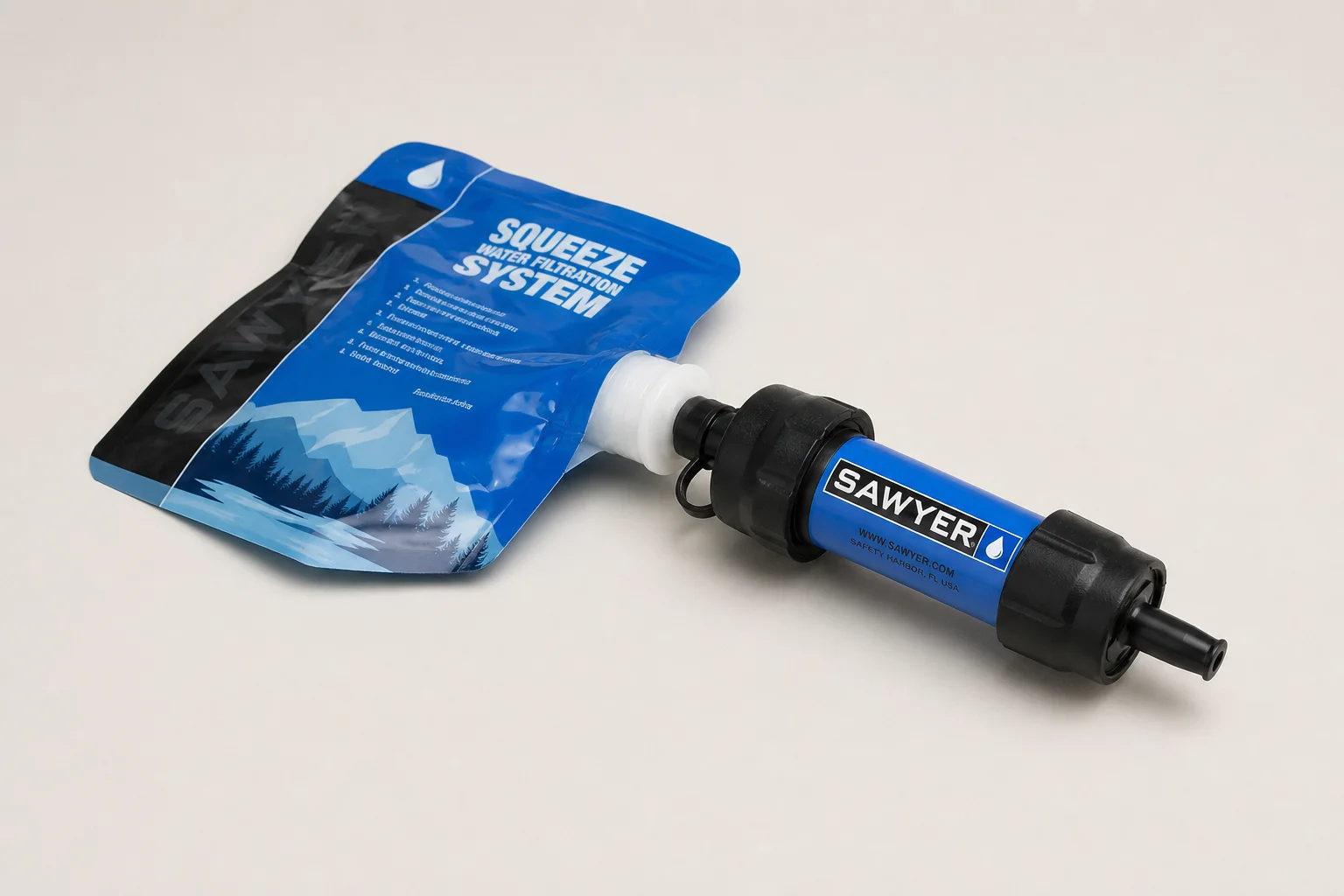
CNOC Vecto Water Bladder: More Water for Dry Sections
The CNOC Vecto is the storage half of that setup. On dry sections where the next reliable source is a long way off, a bladder that holds more water than a standard bottle changes how the day is planned and how far a carry can comfortably stretch.
It is also the piece with a threading choice. The standard-thread version pairs better with the Sawyer Squeeze, which is why that combination is the one being carried, while an alternative version exists for other filter setups. Getting that detail right is what makes the filter and the bladder work as one system rather than two separate purchases.

Therm-a-Rest UberLite: The Updated Valve Version
The UberLite has been the sleeping pad of choice for about a year and a half. It is an ultralight pad, and ultralight pads always invite the same two questions: will it puncture, and will it be warm enough? In practice, neither has been an issue, but the valve has.
Valve leaks have been a recurring problem on Therm-a-Rest pads in the past, and this one eventually developed a leak around the valve as well. A field repair got it through the rest of that trip, and the replacement is the updated UberLite with a locking wing valve.
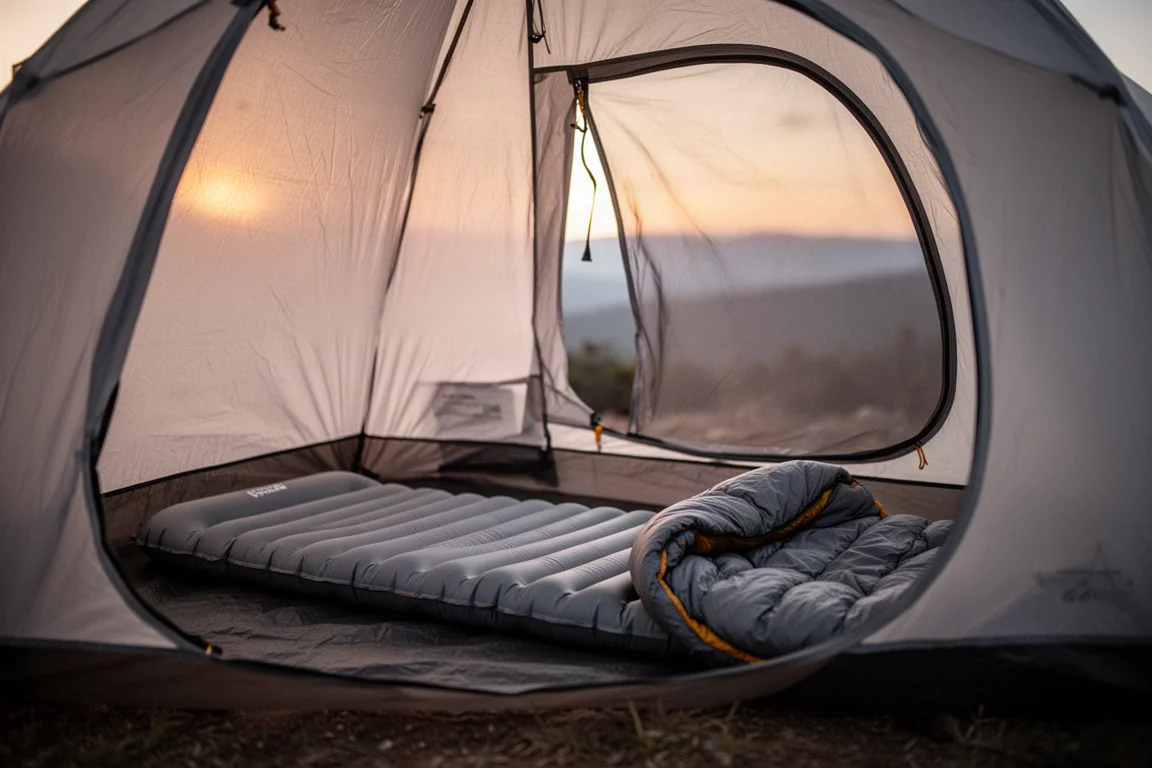
The newer valve design has already been through a winter of use on the XTherm without leaking, which is the reason for choosing the same design here rather than switching to a different pad entirely.
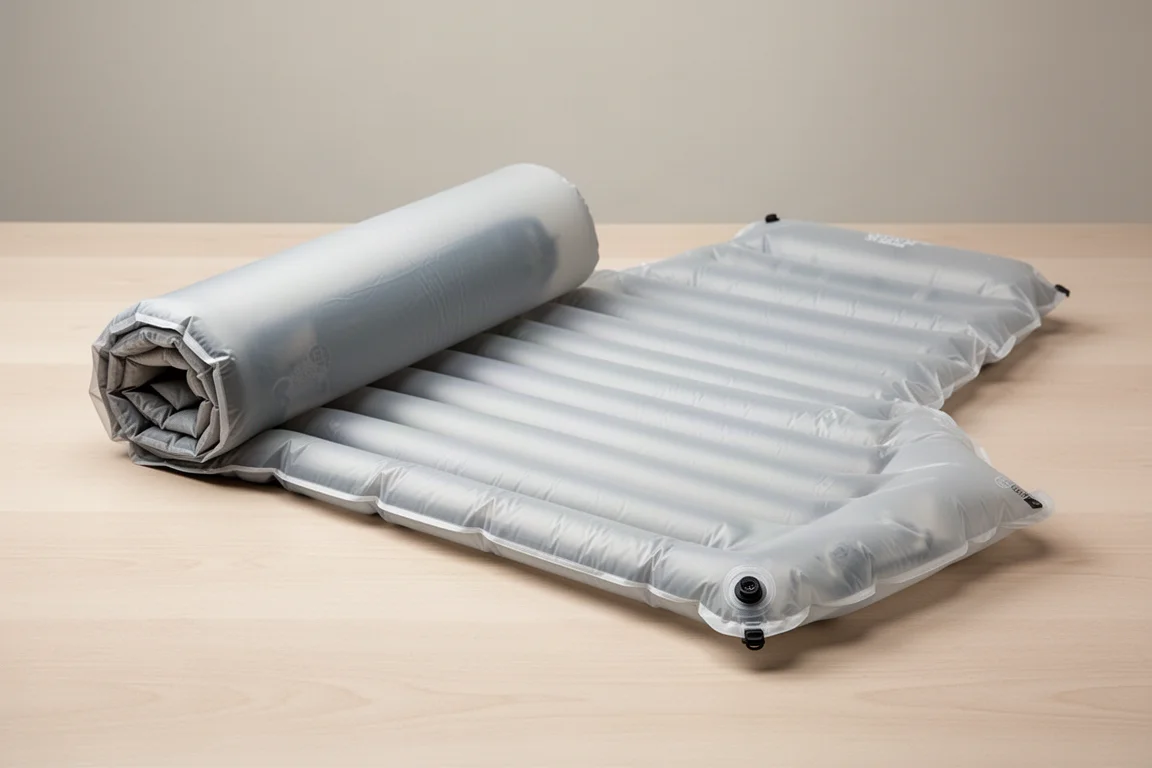
Therm-a-Rest NeoAir XTherm: A Winter Pad with the Same Valve
The XTherm is the cold-weather counterpart in the same lineup. It has been used through winter hikes, and it is the pad that introduced the locking wing valve to the rotation. So far that valve has held up without leaking, which is the main reason the same design was chosen for the replacement UberLite.
Between the two, the decision comes down to conditions. The UberLite covers warm-weather trips where weight is the priority, and the XTherm covers the trips where overnight temperatures are low enough that warmth matters more than weight savings.
Overall Buying Advice
Very little of this gear needs to be bought at once, and some of it does not need to be bought at all until a specific section of trail calls for it. The pattern worth copying is the modular one.
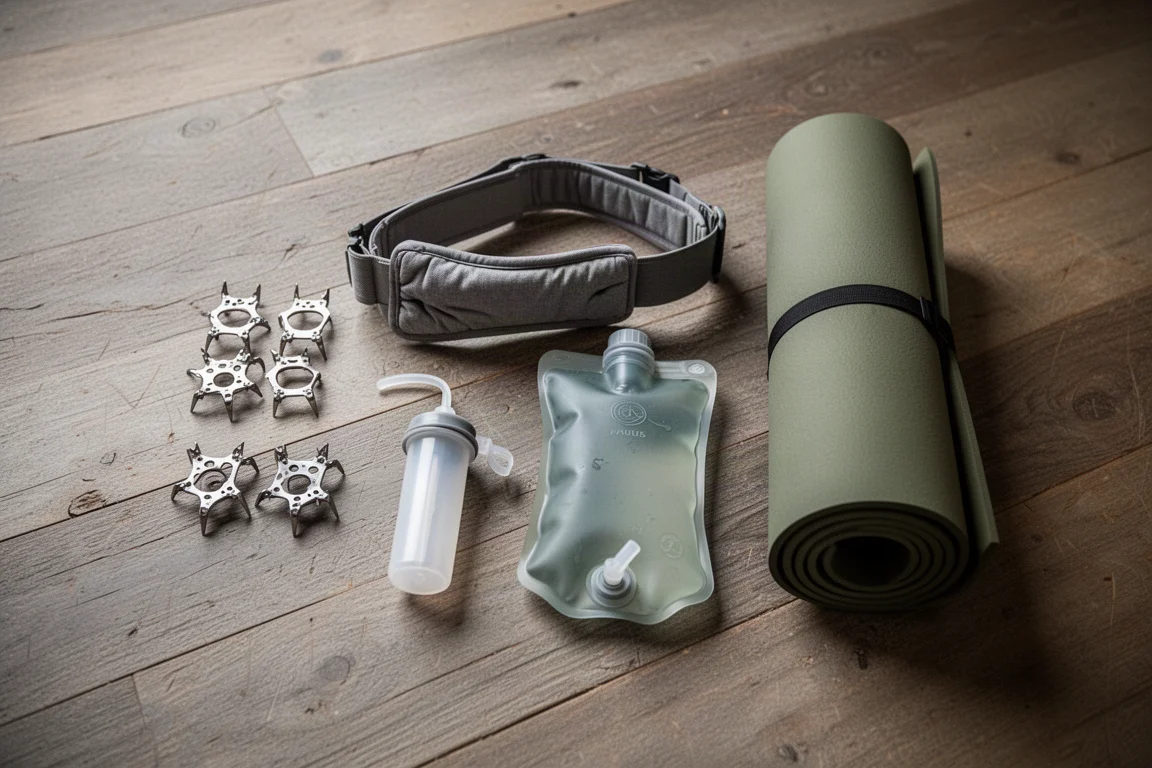
Matching each purchase to a real condition is the difference between a pack that works and a pack full of insurance. Four decisions cover most of it:
- Traction: worth carrying only when there is a realistic chance of snow or ice. A compact cleat set handles short patches, while longer snow travel calls for a different category of equipment.
- Hip belt: the standard webbing belt is fine for most loads. Padding earns its place on long food and water carries.
- Water: match the filter to the source. Clear springs suit a lightweight bottle filter, while silty water suits a squeeze filter paired with a larger bladder.
- Sleep: choose the pad by expected overnight temperatures, and check the valve design on any pad before a long trip.
None of these items is exotic, and none requires replacing a whole kit. The value is in the fit between the gear and the trail.
Conclusion
This list is less about upgrading for its own sake and more about covering the conditions a long summer hike actually presents. Titanium cleats for the snow that lingers on high passes, a padded hip belt for the heaviest carries, two filters matched to two very different kinds of water, a larger bladder for dry stretches, and sleeping pads chosen around a valve design that has proven itself.
Hikers building a similar kit can start with the sections that worry them most, whether that is snow, water or cold nights, and add from there. The rest can wait until the trail asks for it.
Further reading
Related Reviews

Backpacking Gear
Building a 10 lb Base Weight: An Ultralight Backpacking Gear List
A practical walkthrough of the ultralight pieces behind a 10 lb base weight, from a 765 g pack and a roomy one-person tent to a full camp chair and a dependable water filter.

Backpacking Gear
A 15-Pound Lightweight Backpacking Gear List for Solo Trips
A beginner-friendly 15-pound backpacking setup built from easy-to-find gear, with notes on what each piece does, how it packs, and where to spend your attention.

Backpacking Gear
8 Ultralight Backpacking Gear Upgrades Worth Carrying
Eight small, affordable backpacking upgrades that solve real trail annoyances, from a pillow that stays put to a fuel valve that rescues leftover canister gas.