Backpacking Gear
New Backpacking Gear Field Test 2026: Six Pieces Worth Knowing About
A desert overnight test of six lesser-known backpacking items, from a durable sub-1 kg pack to a $50 sleeping pad that feels like a familiar favourite.
Introduction
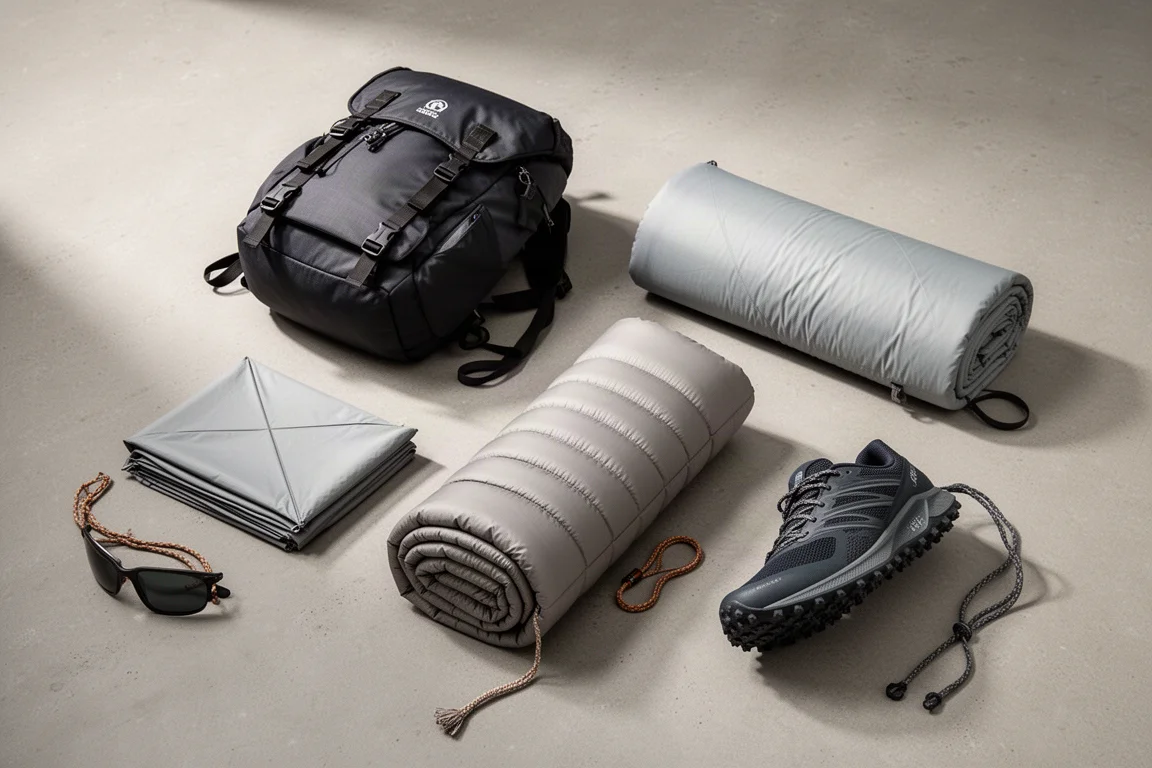
Some of the most interesting backpacking gear comes from companies that never make it into the mainstream conversation. This field test covered six pieces from smaller makers: four carried on a desert overnight with rain and near-freezing temperatures in the forecast, and two worn on the trail from brands with a longer track record. The question was straightforward. Are these lesser-known items obscure for a reason, or are they genuinely good gear that simply has not had its moment yet?
How This Gear Was Tested
The route ran through open desert into a narrow wash, with an approach that involved scrambling over rock and pushing through loose sand. Conditions were deliberately unhelpful: high humidity, heavy overnight rain, and temperatures expected to fall close to freezing. Each item was judged on the things that matter on a real trip, including how comfortably a pack carried roughly 30 lb, whether a shelter stayed stable and dry in wind and rain, how warm a sleep system actually slept, and how much condensation collected overnight.
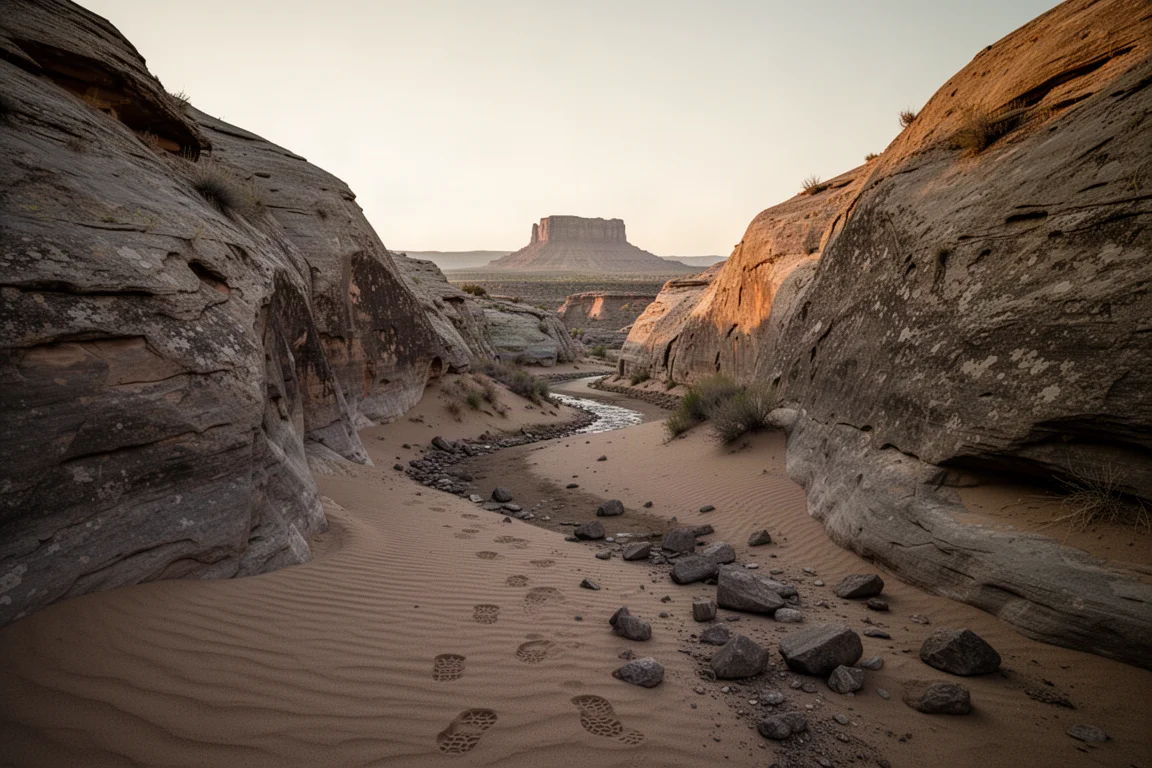
Durability received extra attention because the terrain was abrasive. Sliding down rock and dragging a pack through grit is a fair approximation of the conditions that separate reinforced gear from lighter, more fragile alternatives.
Whippa Colo Pack: Built for Rough Terrain
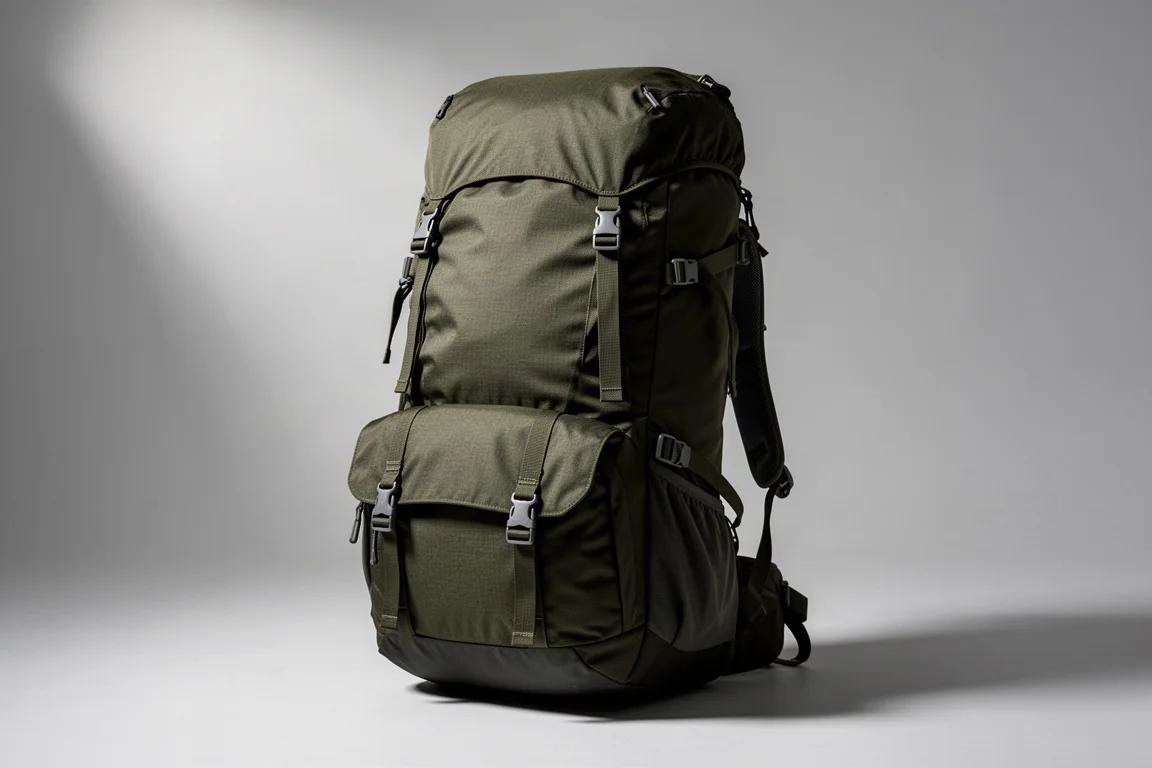
The Colo Pack was developed with an Australian backpacker whose trips lean toward packrafting and canyon travel, and that background shows in the construction. The sides are reinforced, the base uses a notably tough material, and the pack still comes in at 960 g, keeping it under a kilogram despite the extra protection.
The signature feature is the front pocket. Rather than a large stretchy mesh panel, it uses a flap that buckles down and seals the pocket from the weather, offering rain protection as long as the pack is not submerged. Two small clips sit inside the pocket, which makes it easy to secure a zip pouch holding keys, a wallet, or a passport in a spot that is both protected and out of the way.
On the trail, roughly 30 lb carried comfortably. The hip belt, shoulder straps, and back panel hugged the body well, and the load stayed settled through rockier sections. The main caveat is sizing: on an 18 to 18.5 inch torso, a medium felt slightly short, so taller torsos should check the fit carefully before committing.
Lightweight Illusion One-Person Tent: Ventilation That Stands Out
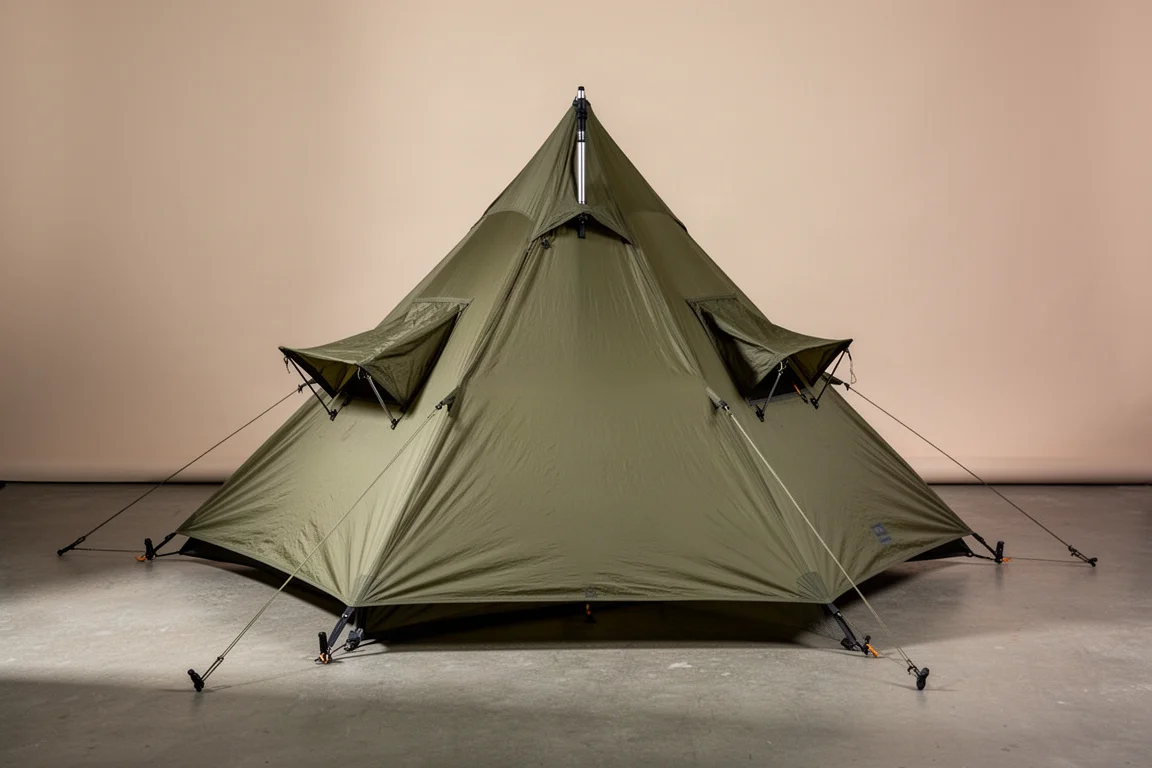
The Illusion is a trekking pole shelter that weighs 580 g without using Dyneema, thanks to a silpoly fabric that resists sagging when wet and packs down small. It pitches with six stakes, offers up to eleven or twelve guy-out points, and is advertised with generous internal volume and strong wind resistance.
Two side vents, each propped open with a small kickstand, are the headline feature. One-person pyramid tents are often poorly ventilated, and this design is intended to create a cross breeze that keeps condensation in check. The trekking pole also sets up inside the shelter rather than in a vestibule, with a cinched opening in the floor beneath it to keep animals and insects out.
Conditions were a genuine stress test. Rain fell heavily from around midnight into the early morning, and wind picked up enough that the shelter had to be dropped low and staked tight to the ground. Pitched high, a 5 ft 10 in user had plenty of room. Pitched low, stability improved but interior space shrank considerably, with the foot of a quilt touching the end wall. Anyone over about 6 ft 2 in would likely find it too tight.
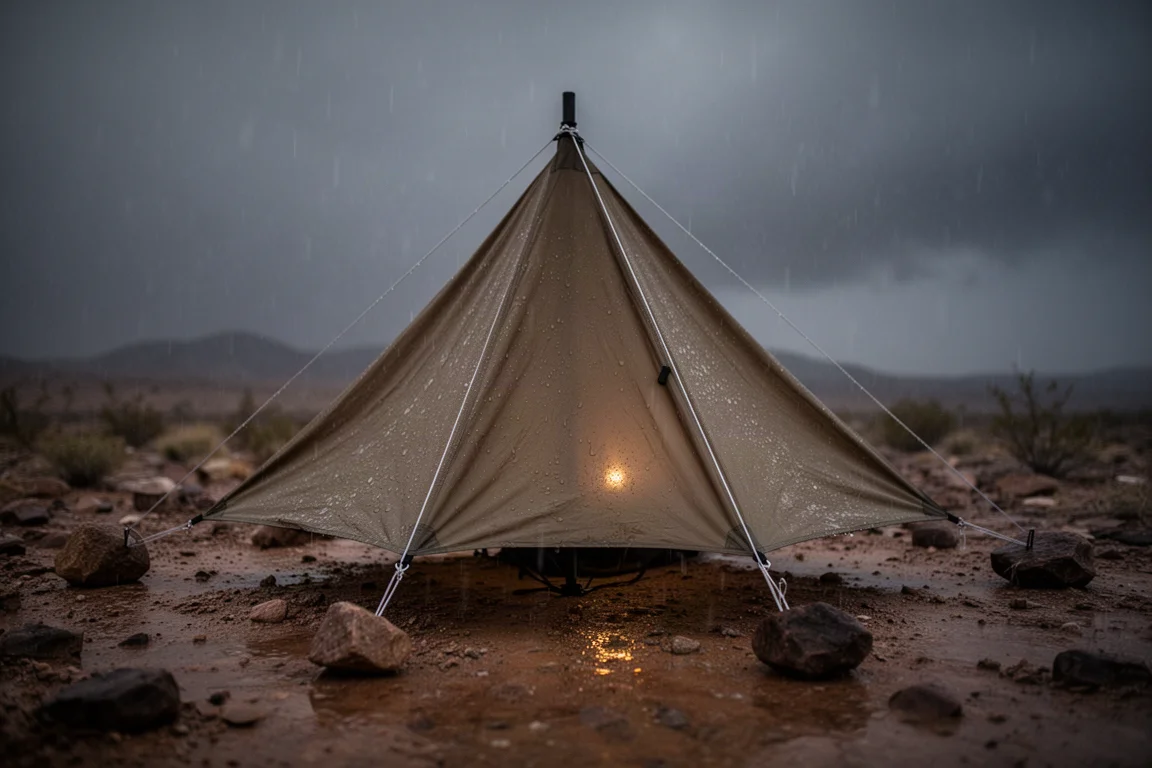
Condensation was the pleasant surprise. Despite humid air and standing water outside, moisture inside stayed limited to the head end and the peak, which suggests the vents do real work whenever there is airflow. The shelter does require user seam sealing, and floor seams left untreated leaked during the storm, so sealing every seam is essential rather than optional.
Bestway Ridgelite Sleeping Pad: Familiar Comfort at a Lower Price
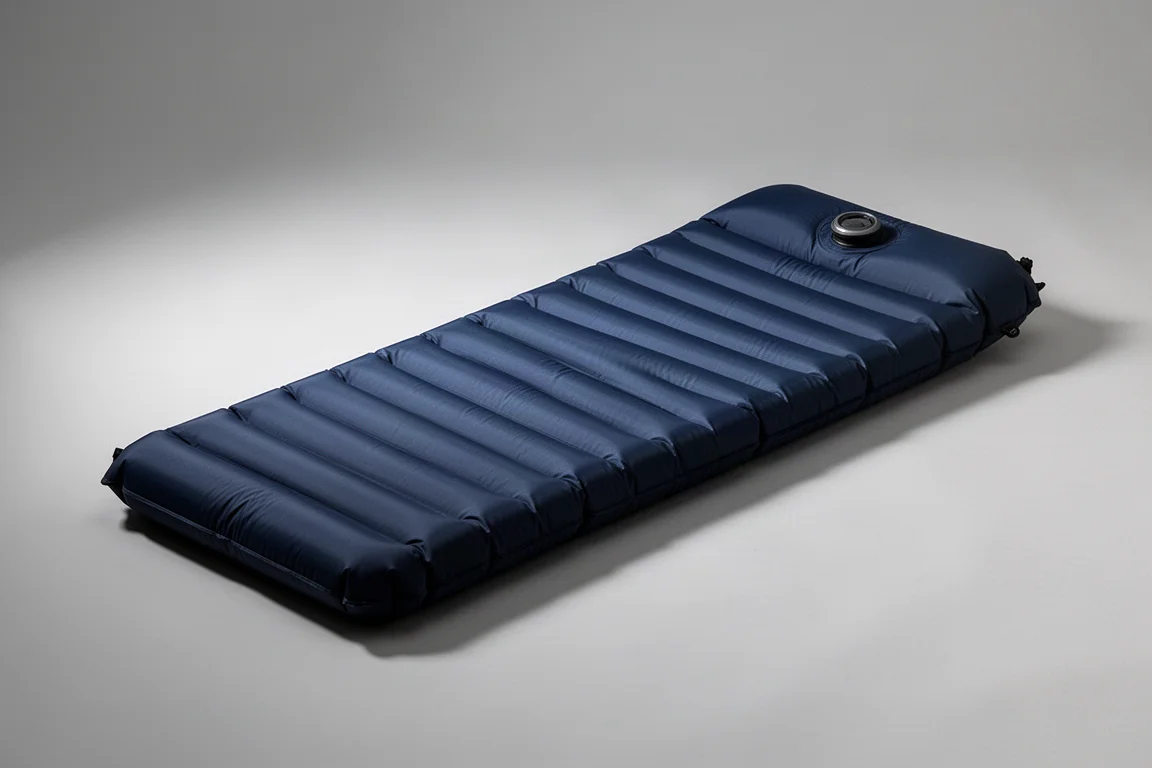
The Ridgelite lists an R-value of 4.9 and a weight of 638 g, though it measured closer to 700 g on a scale, which is essentially the same as a familiar premium pad. Its baffle pattern and overall feel are strikingly similar to that well-known model, and it costs around $50.
The most useful design choice is the inflation valve on the top surface. That makes it easy to add a little air, or release some, without flipping the pad over in the middle of the night. In testing it slept warm down to about 5 degrees Celsius, with noticeable insulation coming up from the ground.
Two caveats are worth keeping in mind. It is not a thick pad, so anyone who tends to bottom out a sleeping pad should look elsewhere. Durability is also an open question at this price point, and only extended use will show whether the lower cost comes with any compromise in quality control.
Nieve Wear Top Quilt: Warmth Without the Fiddling
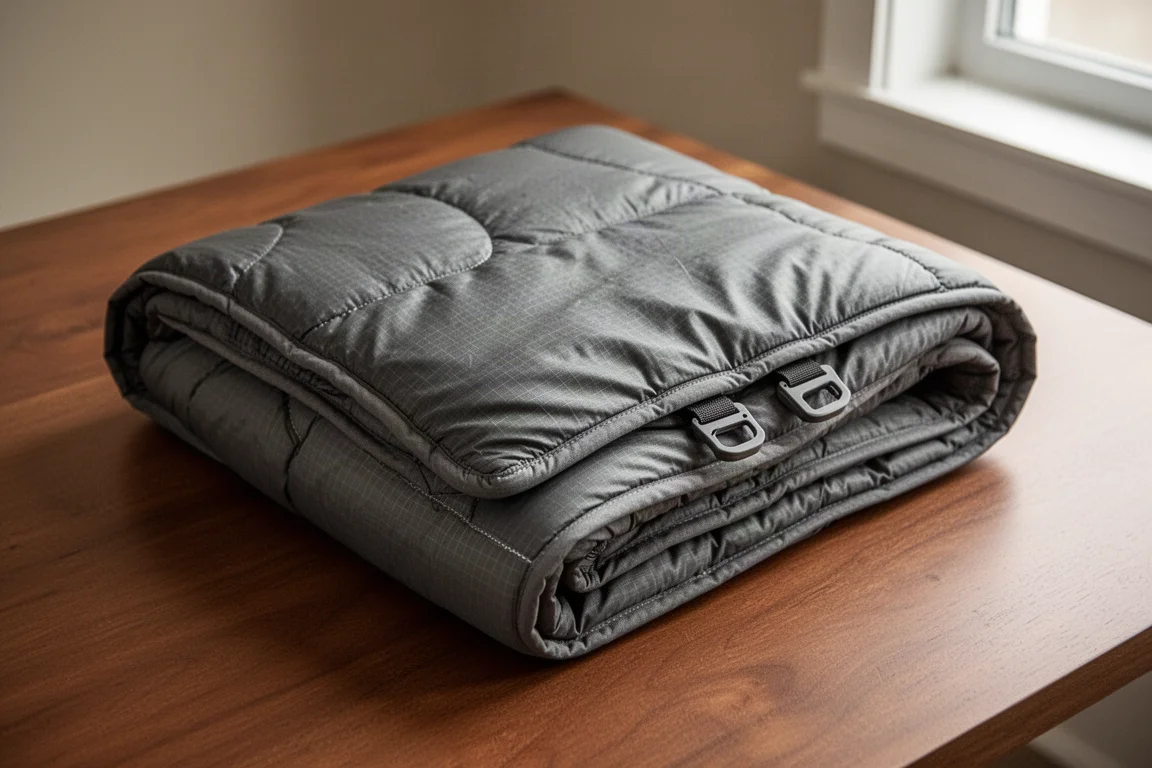
The Wear Top comes from an Australian maker and is designed to remove the usual learning curve of quilt use. The pad strap clips sit slightly inside the quilt, forming a draft tube that hangs down and seals the gap whenever the quilt lifts off the pad. The result behaves more like a sleeping bag, with almost no adjustment needed once it is clipped in.
Two smaller details matter more than they sound. The clips on the pad straps face downward, which adds tension and reduces the chance of drafts when the quilt is pulled up. The clips are also identical on both sides, so there is no left and right to sort out when setting up in camp.
The minus 2 degree Celsius version weighs just over 600 g and carries a comfort rating, yet it stayed warm down to minus 6 degrees Celsius in use, which means the rating can be pushed by 4 to 6 degrees. A warmer rated ultralight version uses a 7D shell fabric, weighs less, and suits trips where temperatures stay milder. For anyone who wants top-tier warmth without top-tier pricing, this is one of the strongest options in its class.
Ombraz Refugios: Armless Sunglasses With More Coverage
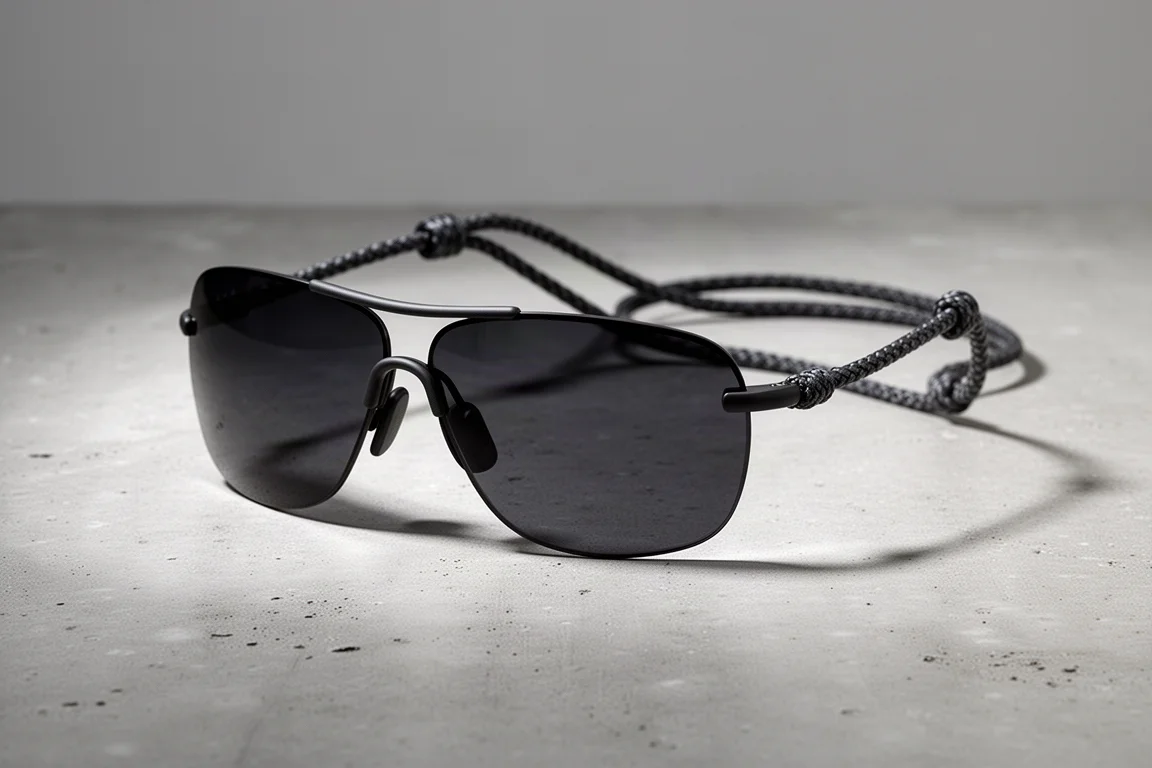
The Refugios keep the armless design, replacing conventional temples with a cord that runs behind the head, and they add more coverage than any other model in the range. The lenses wrap further around the face, which helps in bright winter conditions on snow and in open desert alike.
The nose piece is rubberised. In hot conditions that keeps the sunglasses anchored, so they can be pushed down the nose for ventilation without sliding off the face the way harder plastic nose pieces tend to.
For long days in exposed terrain, the combination of wrap coverage and a secure fit is what makes them worth considering over a standard pair.
Norda 001A: A Durable Trail Runner for Hiking
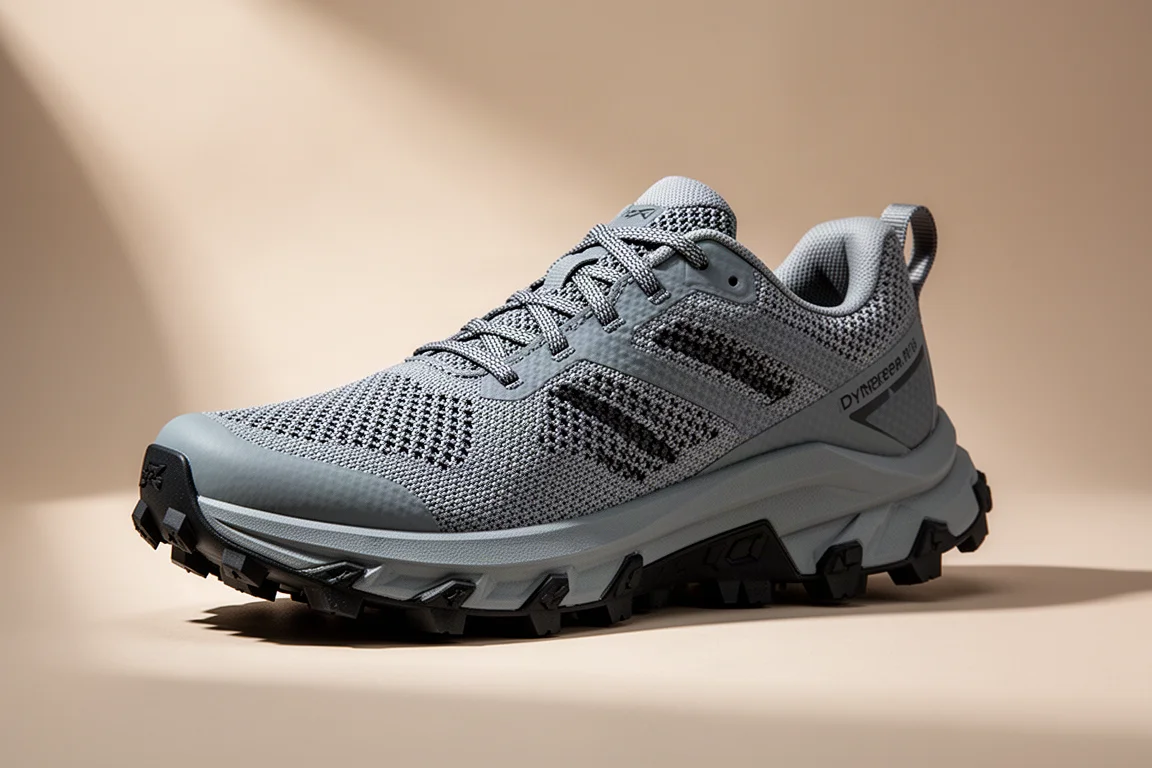
The 001A comes from a Canadian brand known for expensive shoes that perform at a high level. The upper uses Dyneema, the midsole is built with advanced foam construction, and the outsole uses Vibram Megagrip, a combination that produces a light shoe with exceptional grip.
Although it is a trail runner rather than a hiking shoe, durability is the draw for backpackers, with reports of hikers putting over 1,000 miles on a pair without wearing them out. On rock and loose ground, the Megagrip outsole gripped confidently.
Fit is the other strength. There was no heel slippage, the forefoot never felt cramped, and the shoe held the foot securely on uneven terrain. The trade-off is price, which sits well above typical trail runners.
Overall Buying Advice
Match gear to terrain and forecast rather than to the spec sheet alone. A pack with reinforced panels and a tough base makes sense in abrasive desert and canyon country, where the extra grams buy real protection. A shelter with exceptional ventilation matters most in humid conditions where condensation is the enemy, and a sleep system should be chosen around the temperatures you actually expect to meet.
The clearest value here is the sleeping pad, which delivers comfort and warmth close to a familiar premium pad at a fraction of the cost, provided you are comfortable with its thinner profile and its unproven long-term durability. The quilt is the easiest recommendation for anyone new to quilts, since it removes nearly all of the setup fiddling. Sunglasses and shoes are the two items most worth trying in person when you can, because fit decides how much you will actually use them.
Conclusion
Six pieces of gear, and the pattern is clear: unfamiliar brands are worth attention when they solve a specific problem well. The Colo Pack earns its place through durability and a genuinely useful front pocket, the Illusion stands out for ventilation but demands careful seam sealing and a height check, the Ridgelite offers remarkable value if it holds up over time, the Wear Top is a quilt that behaves like a bag, the Refugios bring wrap-around coverage to an armless design, and the 001A pairs trail-running weight with hiking-grade durability. Choose according to your conditions, and any of these can be a confident purchase.
Further reading
Related Reviews

Backpacking Gear
Building a 10 lb Base Weight: An Ultralight Backpacking Gear List
A practical walkthrough of the ultralight pieces behind a 10 lb base weight, from a 765 g pack and a roomy one-person tent to a full camp chair and a dependable water filter.
Backpacking Gear
A 15-Pound Lightweight Backpacking Gear List for Solo Trips
A beginner-friendly 15-pound backpacking setup built from easy-to-find gear, with notes on what each piece does, how it packs, and where to spend your attention.
Backpacking Gear
8 Ultralight Backpacking Gear Upgrades Worth Carrying
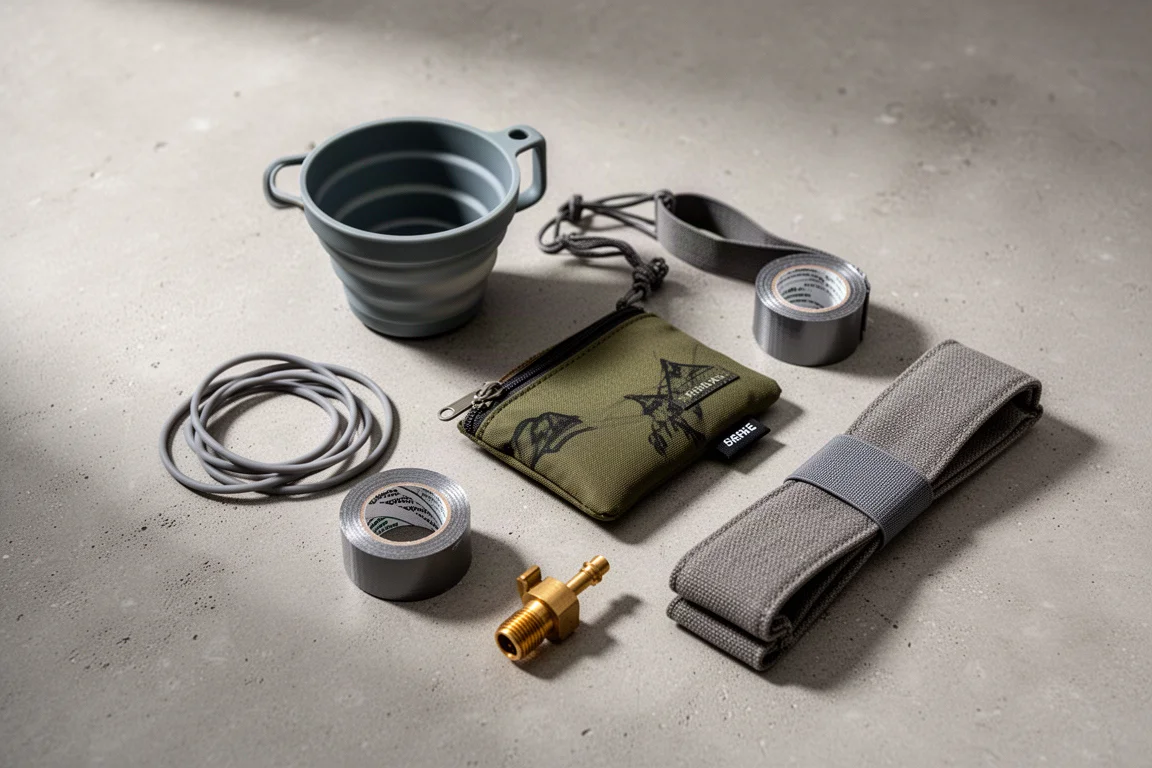
Eight small, affordable backpacking upgrades that solve real trail annoyances, from a pillow that stays put to a fuel valve that rescues leftover canister gas.