Backpacking Gear
New Backpacking Gear for Family Trips: Zpacks Trio Pivot, Osprey Poco Premium, and Bombas Merino Socks
A three-person Dyneema shelter, a 36-liter child carrier, and a pair of merino blend socks: what each piece solves, what it costs, and the trade-offs to weigh before a family overnight trip.
Introduction
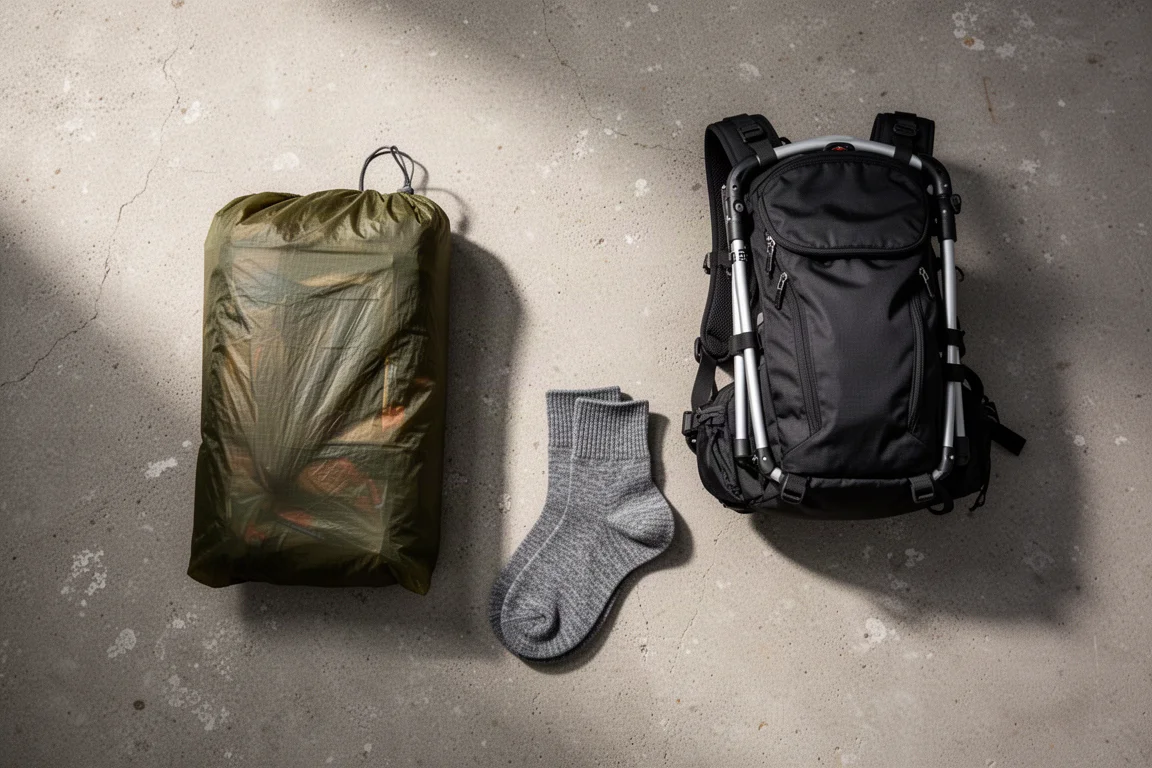
Ten years ago this month, a long-distance thru-hike of the Appalachian Trail came to an end. The way to mark the anniversary is a short overnight backpacking trip back on the AT, this time with a one-year-old along for the ride. That single change rewrites the gear list. A three-person shelter replaces the usual two-person setup, a dedicated child carrier takes over the job of hauling a small passenger plus his supplies, and a fresh pair of merino socks comes along to see whether the reputation holds up over real trail miles.
Here is what is going into the pack, what each piece is meant to solve, and the trade-offs worth knowing before buying any of it.
What Matters for a Family Backpacking Kit
Three priorities shape a trip like this. First, interior volume: a toddler moves around at night, so a shelter that feels generous for one person can feel cramped for two adults and a small child. Second, load management: someone has to carry the child, and that person should not also be carrying the whole camp. Third, durability per gram, because family gear gets used hard and often handed down.
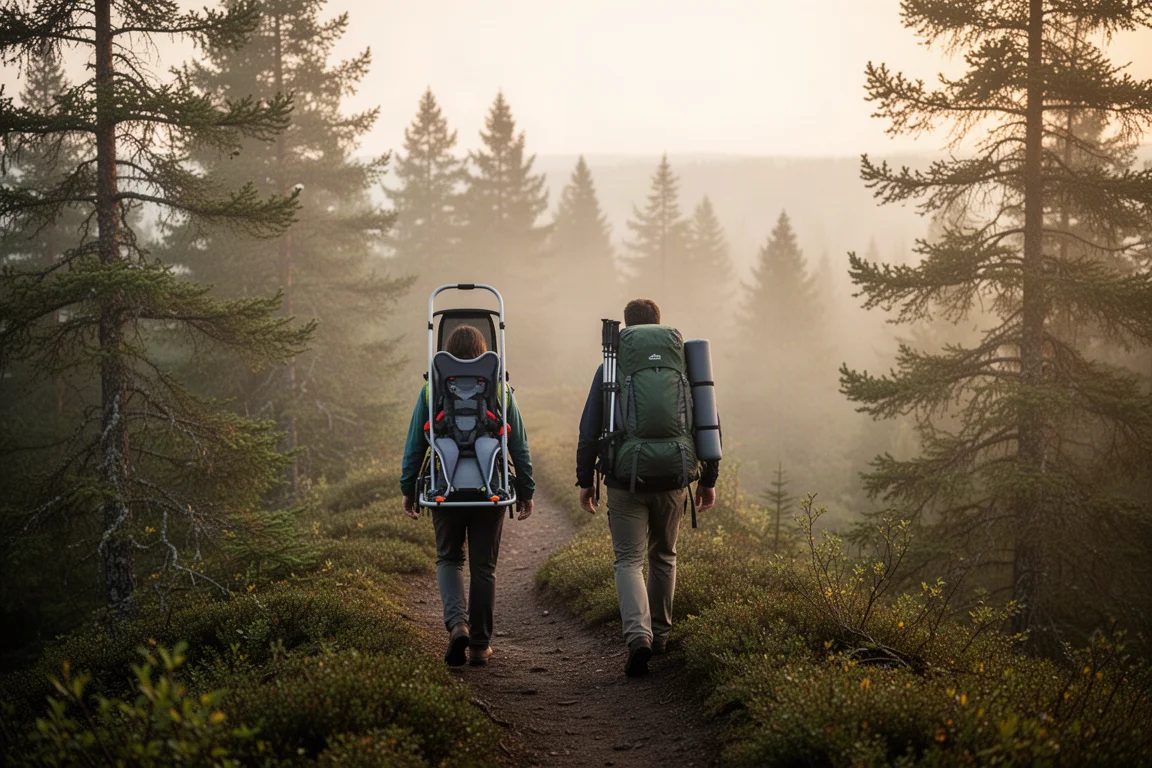
Weather protection and condensation control matter just as much. On a single-wall shelter, a sleeping bag or jacket hood that presses against the fabric collects moisture overnight. That is a minor annoyance on a solo trip and a bigger one when a small child is sharing the same space.
Shelter: Zpacks Trio Pivot Tent
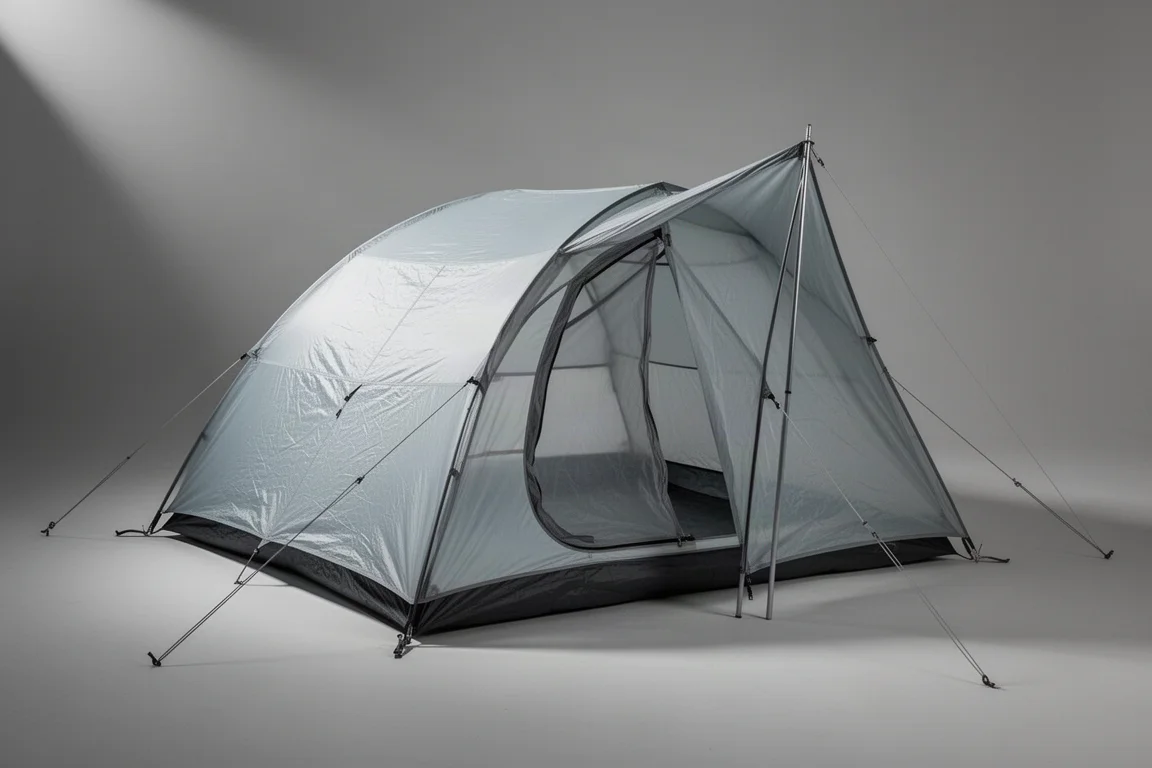
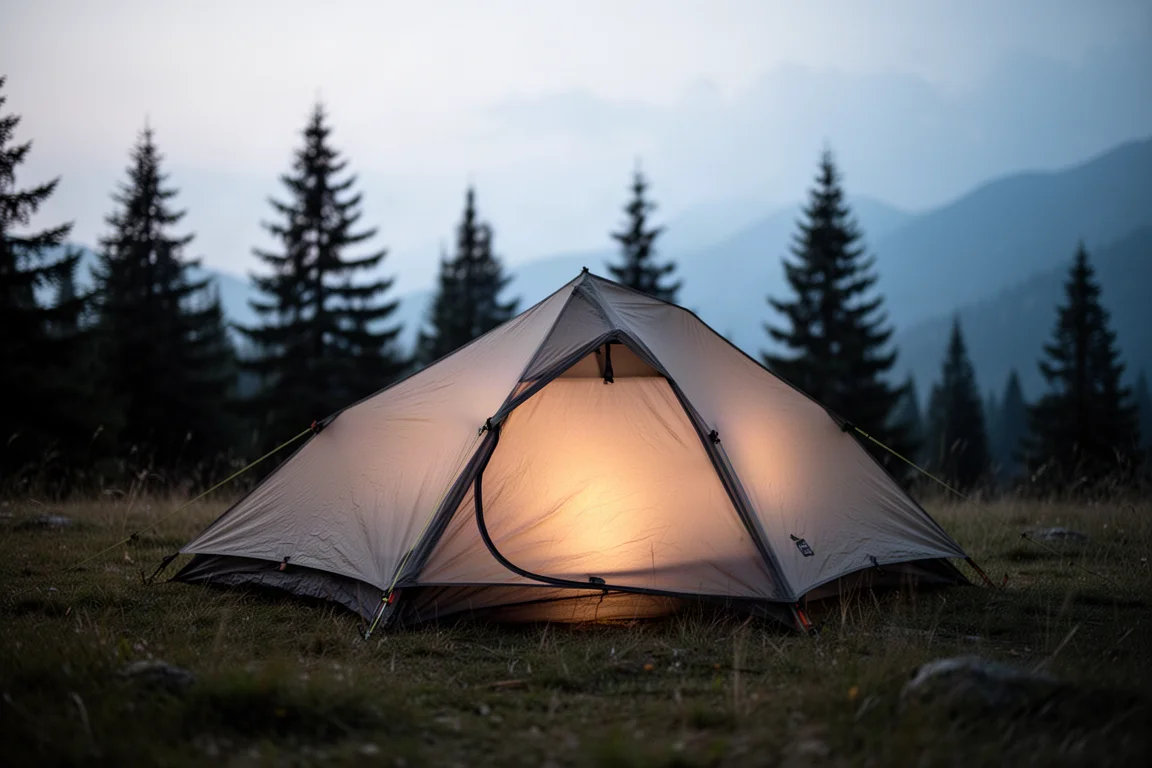
The Trio Pivot is a three-person shelter built from Dyneema composite fabric, with a floor area close to the well-known Triplex. The differences sit in the details. The storm doors are zippered, which gives the vestibule a more secure, more enclosed feel in wind and rain. The mesh doors are zippered as well, and shaped as an L rather than the older half-moon cut, so entry still works from either side of the mesh.
The headline change is headroom. A single tent pole props up the walls along one side, adding usable head or foot space depending on how the tent is oriented. That matters twice over here: it helps keep a sleeping bag hood away from the condensation-prone single wall, and it gives a one-year-old more room to roll around without pressing into the sides. The retired Triplex covered a lot of miles before abrasion concerns finally ended its career, so the durability bar is set high.
Child Carrier: Osprey Poco Premium
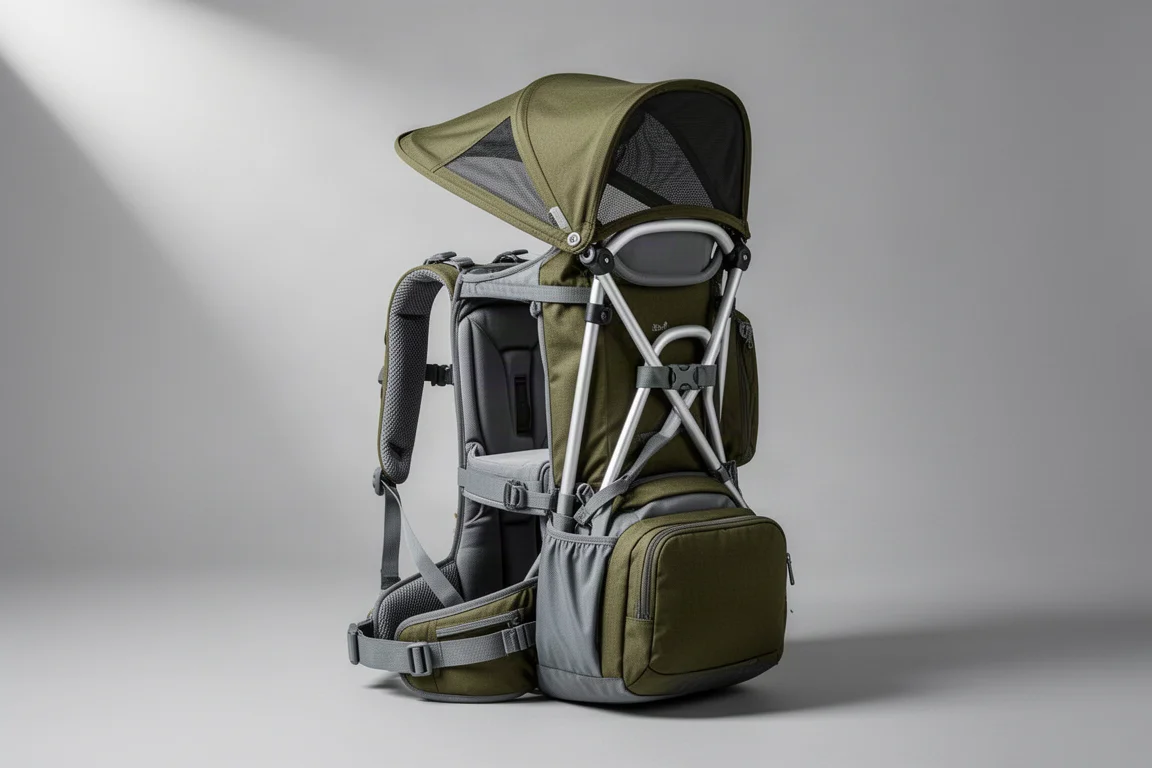
A child carrier has to do two jobs at once: carry a small passenger comfortably and swallow that passenger’s gear. The Poco Premium uses nylon with a waterproofing treatment over an internal aluminum frame, and it offers 36 liters of storage below and behind the child seat. The weight capacity is 48.5 pounds, a figure that includes the child, the cargo, and the carrier itself, which weighs 8 pounds 5.4 ounces empty.
That empty weight is the main trade-off. Lighter and less expensive versions of the same carrier exist, and they make sense for shorter outings. The Premium is the pick when storage space for a child’s supplies and camera gear is the priority. Where it was bought matters too: a retailer with a member return window of up to a year, even on gear that has been used, which takes a good deal of the risk out of a purchase at this level.
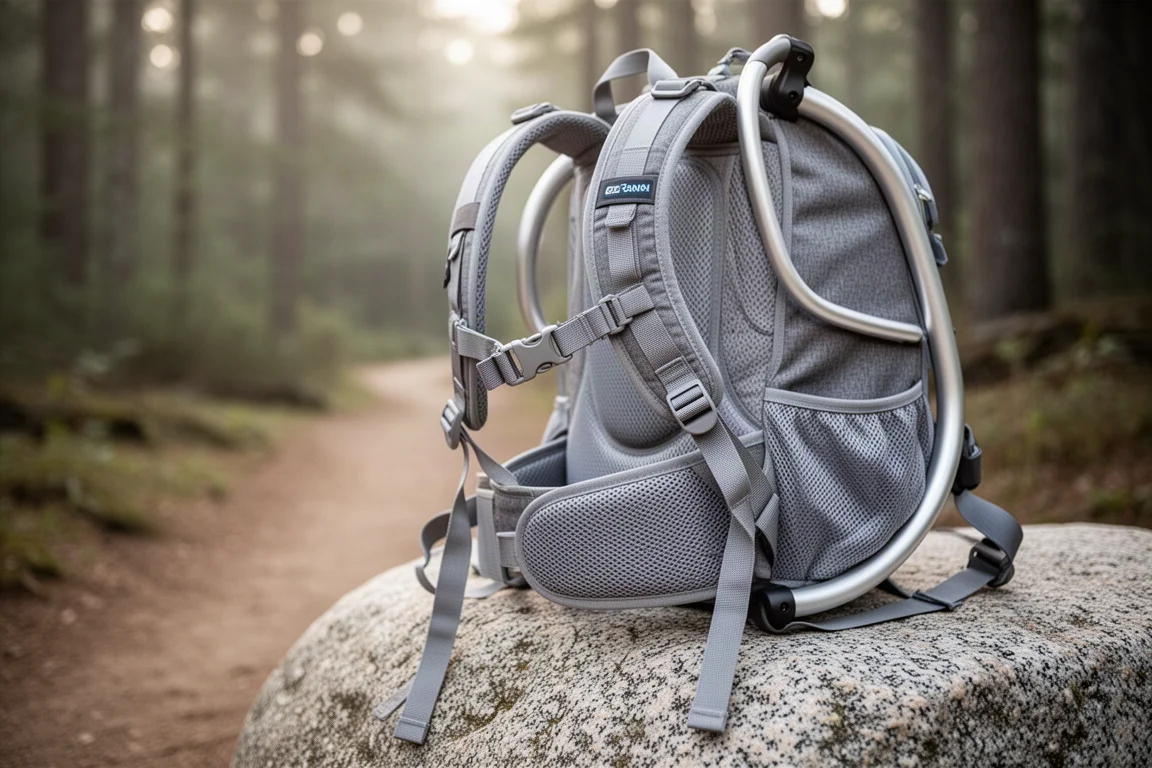
At around $420, this is not a cheap item, and it only makes sense if the fit works for both the adult carrying it and the child riding in it. Testing it on a short overnight trip before committing to anything longer is the sensible approach.
Socks: Bombas Merino Blend Ankle Socks
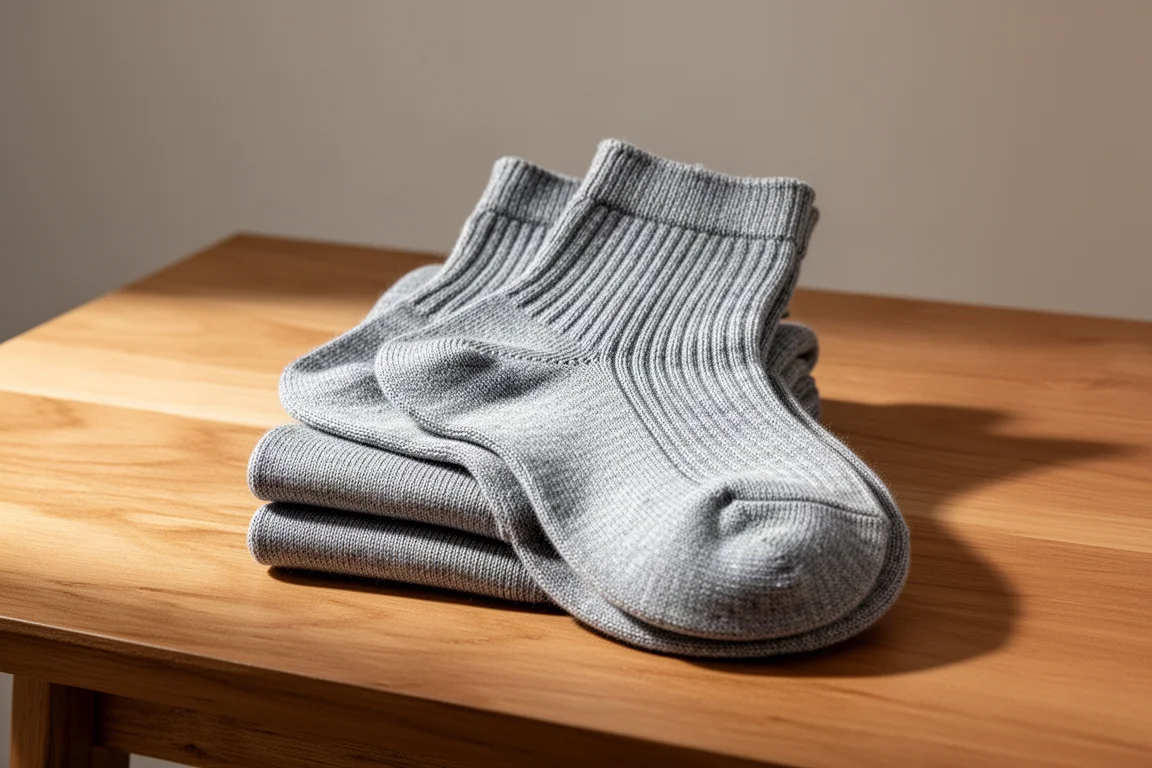
Socks are the cheapest item on this list and the one most likely to ruin a day if they underperform. The Bombas merino blend ankle socks are 60 percent merino wool, 34 percent nylon, and 6 percent elastane, a mix that aims for warmth and odor resistance from the wool with durability and stretch from the synthetics. At $24 for the pair, they land in the same range as established merino hiking socks.
Bombas backs them with a lifetime warranty, and the policy is unusually forgiving: worn-through holes and even damage from a dog are covered by a replacement pair. That is the same kind of guarantee that makes other merino hiking brands easy to recommend. The open question is performance, and the answer will come from trail miles rather than marketing.
How the Load Gets Split on Trail
The packing plan for this trip puts the child, his gear, and a fanny pack of camera equipment on one adult, while the other carries the tent, sleeping systems, food, and the rest of the camp in a large pack. It is a lopsided split by design. The carrier’s 36 liters exist precisely so the person carrying the child is not also the person carrying everything else.
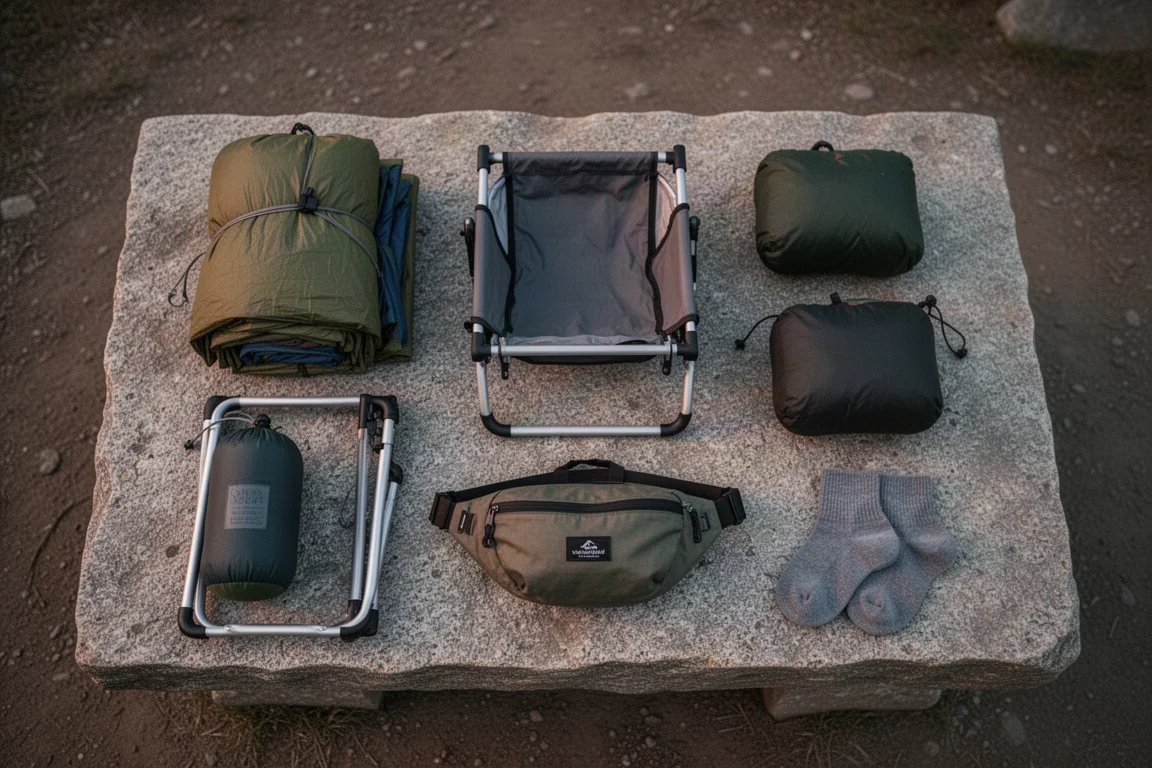
That arrangement puts extra pressure on the shelter to be light enough to offset the carrier’s weight, and on the socks to hold up under a heavier-than-usual load. It also means the carrier’s frame and hip belt have to transfer weight well, since the passenger’s weight sits high and shifts whenever a child moves.
What to Verify Before You Buy
Three things are worth checking before ordering any of this gear. For the shelter, confirm the floor dimensions against your own sleeping pad setup, since three-person sizing varies widely and the Trio Pivot’s interior is close to the Triplex rather than dramatically larger. For the carrier, try it on loaded, with the actual child inside, because weight capacity and comfort are not the same measurement. For the socks, check sizing carefully, since a merino blend that fits loosely will rub no matter how good the warranty is.
Return policies deserve a mention too. A generous return window on a high-priced carrier removes much of the risk of discovering, on the first mile, that the fit is wrong.
Buying Advice
Match each purchase to the trip it will actually be used on. The Trio Pivot makes sense for anyone who regularly sleeps three to a shelter and wants zippered doors, a more enclosed vestibule, and extra headroom in a Dyneema package. The Poco Premium is the right call for parents who need real cargo capacity alongside the child seat and who value a low-risk return window over saving weight. The Bombas socks are a low-commitment experiment at $24 with a lifetime warranty behind them, which is a reasonable way to find out whether they deserve a permanent place in the sock drawer.
If the budget only stretches to one upgrade this season, start with the carrier. It is the piece that decides whether a family overnight trip is enjoyable or exhausting, and it is the hardest item to substitute with something already on the shelf.
Conclusion
None of these three pieces is an impulse buy, and each one earns its place by solving a specific problem: interior volume and condensation control for a shelter shared with a toddler, cargo capacity and weight transfer for a child carrier, and durability with a no-drama warranty for the socks underneath it all. Buy the one that matches the trip in front of you, test it on a short overnight first, and let the trail miles settle the rest.
Further reading
Related Reviews

Backpacking Gear
Building a 10 lb Base Weight: An Ultralight Backpacking Gear List
A practical walkthrough of the ultralight pieces behind a 10 lb base weight, from a 765 g pack and a roomy one-person tent to a full camp chair and a dependable water filter.
Backpacking Gear
A 15-Pound Lightweight Backpacking Gear List for Solo Trips
A beginner-friendly 15-pound backpacking setup built from easy-to-find gear, with notes on what each piece does, how it packs, and where to spend your attention.
Backpacking Gear
8 Ultralight Backpacking Gear Upgrades Worth Carrying
Eight small, affordable backpacking upgrades that solve real trail annoyances, from a pillow that stays put to a fuel valve that rescues leftover canister gas.