Backpacking Gear
New Backpacking Gear 2026: What Is Worth Buying and What to Skip
A practical look at this season's new ultralight sleep systems, sleeping pads, camp chair and solo tent, including the trade-offs that decide whether an upgrade is worth it.
Introduction
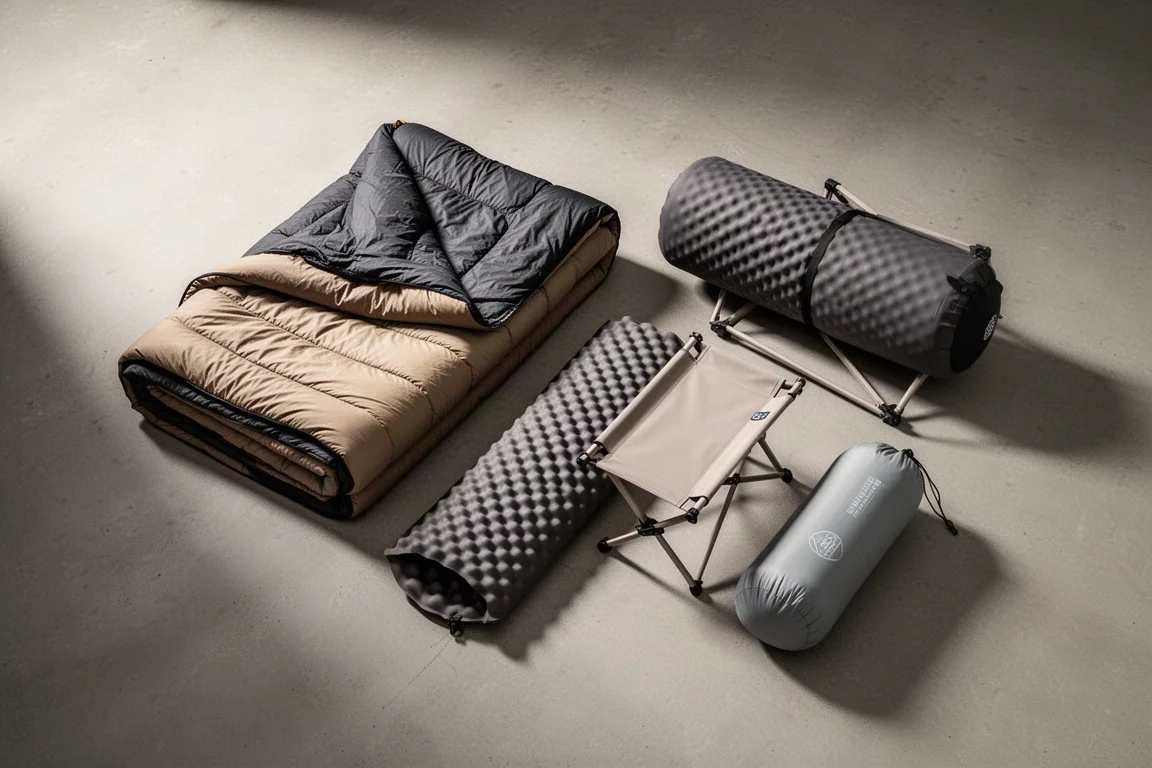
Every season brings a fresh wave of backpacking releases, and every season the same question follows: which of these products actually earn a place in your pack? Some of this year’s new gear is genuinely exciting. Some of it is a small step that most people can safely skip. The difference usually comes down to whether the change solves a real problem you have on trail.
This roundup covers the new sleep systems, sleeping pads, a backpacking chair, and one very light tent that stood out this season. It also covers the trade-offs, because a lower weight number is not automatically an upgrade if it costs you comfort.
What to Look For in This Year’s Releases
Three themes run through the most interesting releases this year.
The first is weight versus comfort. Ultralight gear keeps getting lighter, but the grams usually come from somewhere: thinner fabrics, higher fill power down, or simplified designs. Whether that trade is worth it depends entirely on how you sleep and how much you are willing to carry.
The second is R-value honesty. All ISO-tested sleeping bags are tested with an R5 sleeping pad. Pair an ISO-rated 20°F bag with a pad below 5R and you are not getting the full warmth the rating promises. Pads that match the ISO testing protocol are therefore worth a closer look if you sleep cold.
The third is fit. A product can have excellent specifications and still not suit you, particularly with chairs and quilt systems, where body shape and sleeping position matter as much as the numbers.
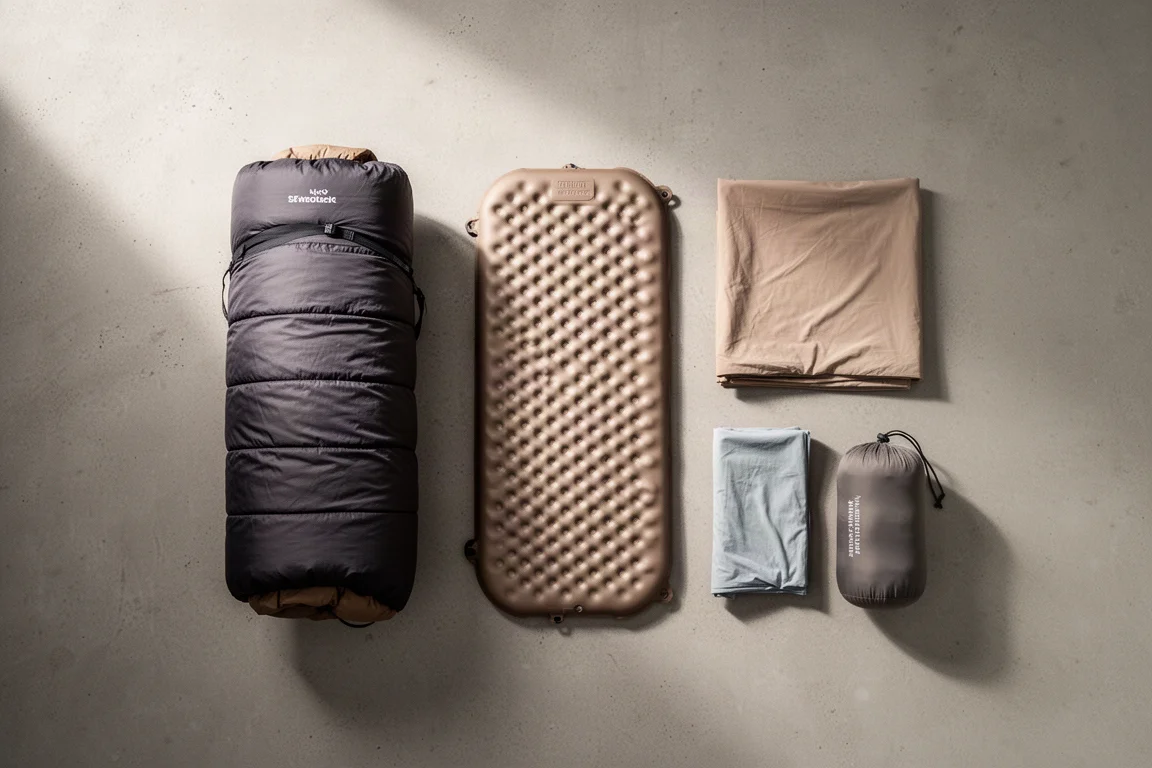
None of these themes are new, but this year’s releases make them unusually easy to see. The products below are grouped by category, with a clear note on who each one suits.
Zen Bivy Ultralight Bed: Lighter, With One Trade-Off
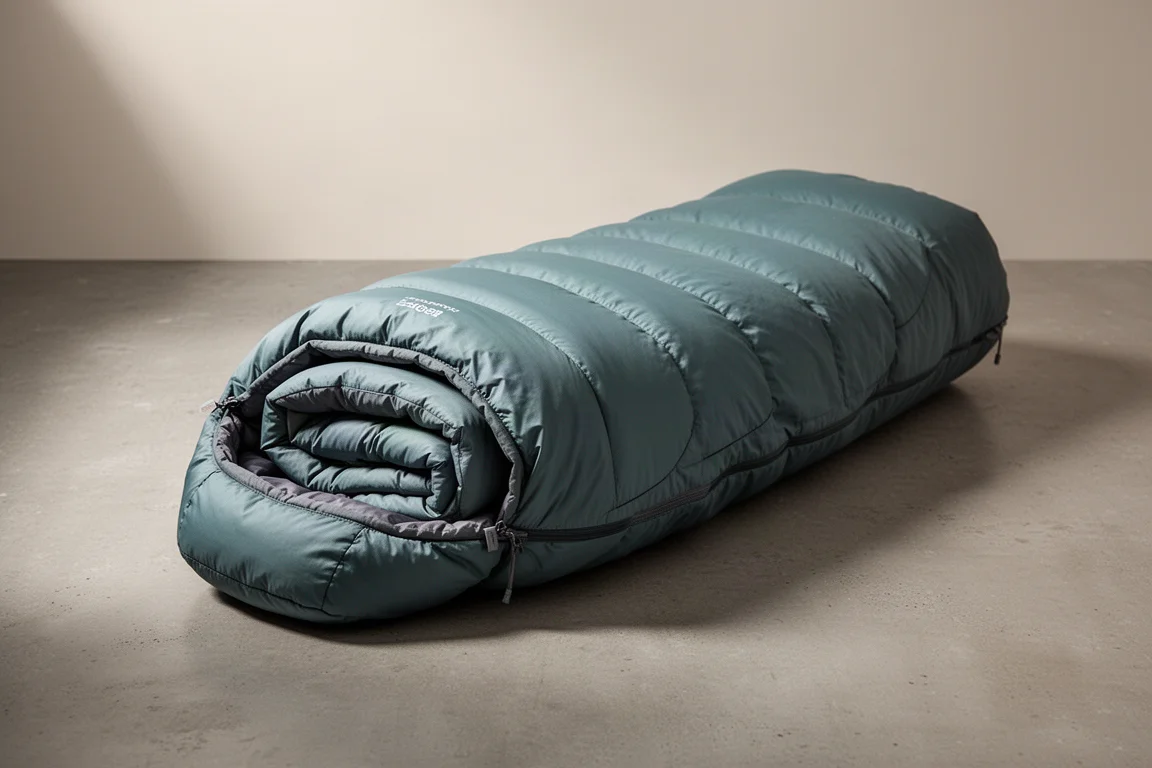
The Ultralight Bed takes most of the features of the Light Bed and cuts roughly 8 oz from the system, measuring around 26.5 oz. On a sleep system that many backpackers already consider a favourite, that is a meaningful saving.
The weight comes from three changes. Fill power rises from 800 to 900, the shell drops from a 20D fabric to a thinner 10D material, and the sheet is cut in half rather than running the full length of the bed.
That last change is the one to think about. The half sheet is still better than the simple pad straps found on most ultralight quilts, and it saves weight where it matters least. But the full sheet was a large part of why the system feels closer to a bed at home than a typical quilt, and it is no longer available on the Ultralight Bed.
If you want a full sheet, the route is the Core Bed, or the Core Bed Sheet, which is reported to work with both the Ultralight and the Light Bed.
Zen Bivy Light Bed: The Full-Sheet Question
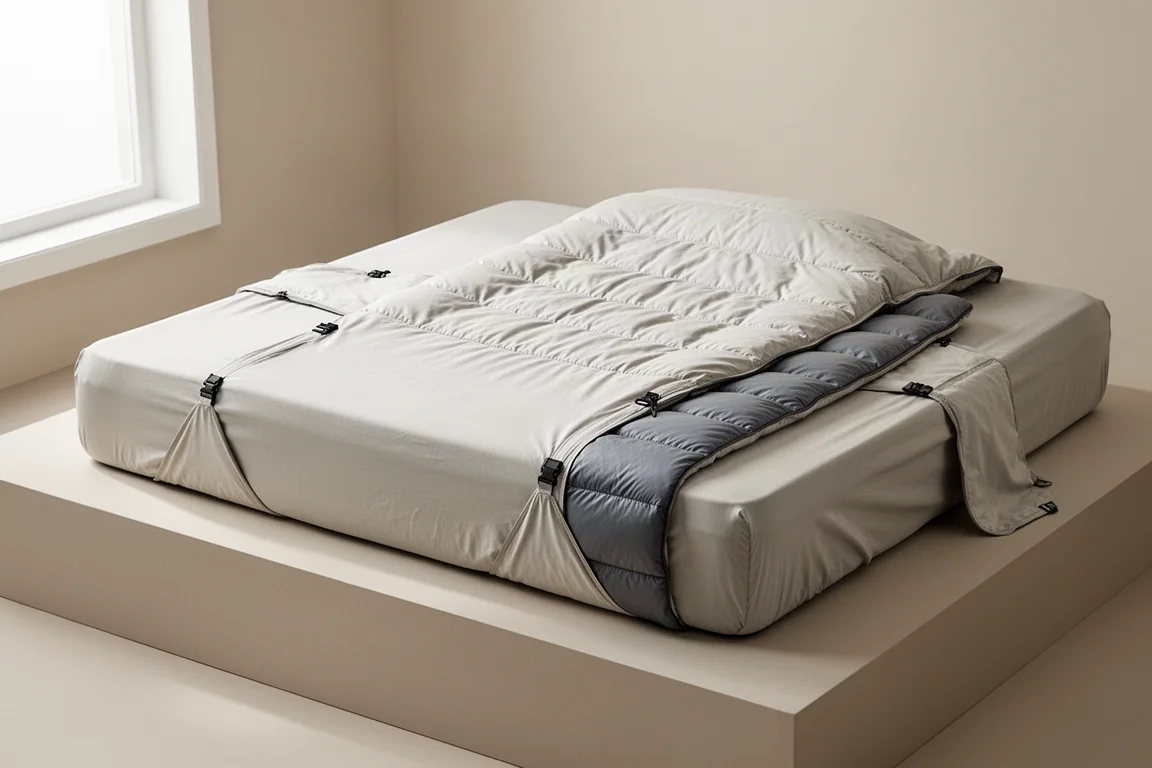
The Light Bed remains the version many long-time users prefer. It weighs a little over 2 lb before you add a sleeping pad, which is heavy by ultralight standards and entirely deliberate for anyone who prioritises a good night’s sleep over the lowest possible base weight.
Like the Ultralight Bed, the current Light Bed does not appear to offer a full sheet option any more. Buyers who want that feel will need to add the Core Bed Sheet. The half sheet is still a better solution than conventional pad straps, and the rest of the system is unchanged.
If you already own an earlier Light Bed with a full sheet, there is little reason to change. If you are buying new and want the extra coverage, plan for the Core Bed Sheet from the start.
Zen Bivy Flex Air Mattress: Deep Dimpled Comfort
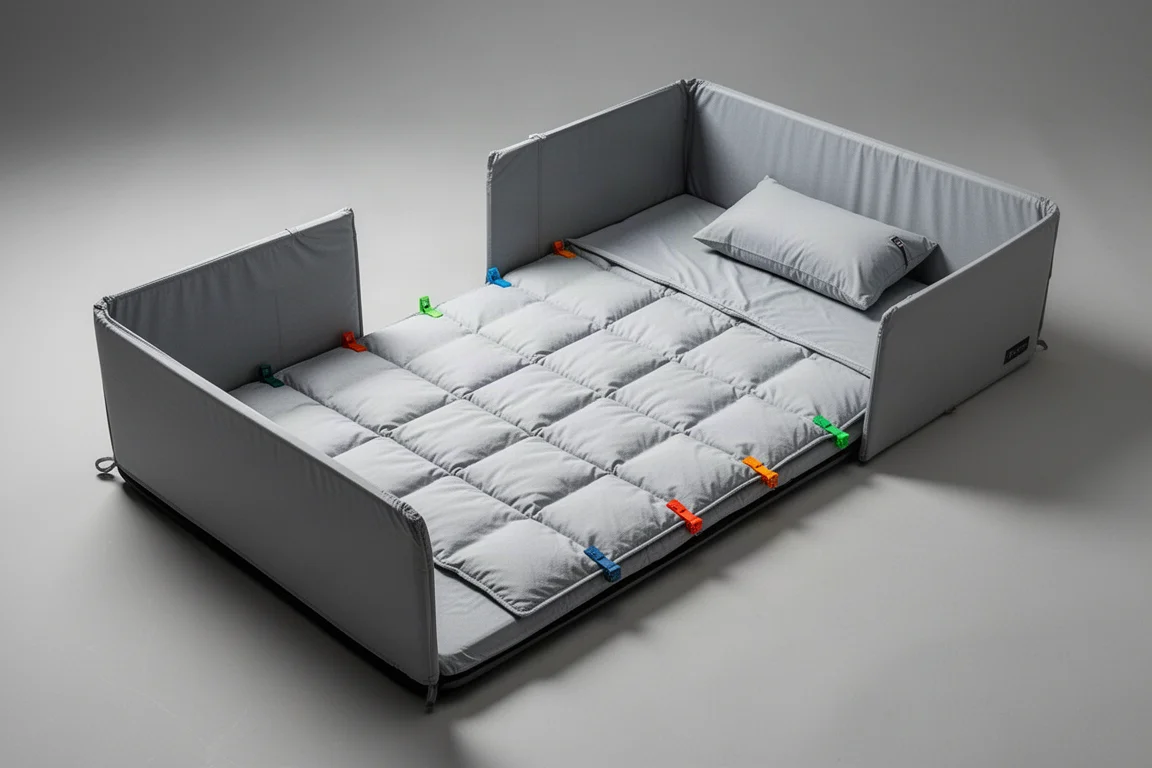
The Flex Air Mattress weighs about 1 lb 8 oz and carries a 5R value, which lines up with the R5 pad used in ISO sleeping bag testing.
Its standout feature is the deep dimpled construction. Quilted mattresses of this type tend to be the most comfortable option, and deeper baffles offer more give. That softness relieves the pressure points that leave arms and legs numb by morning. In practice this is among the most comfortable pads available, and the 5R rating means it pairs properly with an ISO-rated bag.
Price is a genuine part of the appeal. It costs somewhat more than basic pads, but not by as much as you might expect for the comfort on offer.
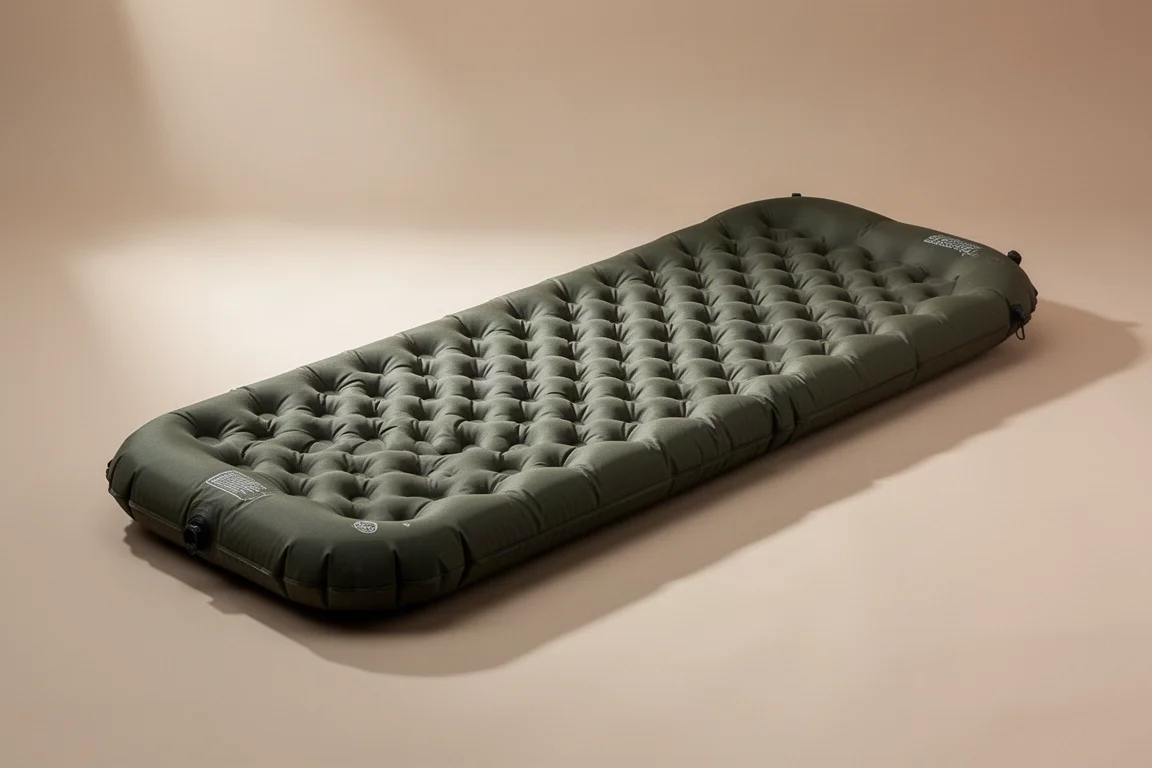
Zen Bivy Ultralight Air Mattress: The Same Comfort, Less Weight
The Ultralight Air Mattress takes the same 5R rating and dimpled baffle design and brings the weight down to about 1 lb 5 oz. That is a small saving over the Flex, and it keeps the comfort characteristics that make the design work.
One point worth knowing: the brand’s own quilts are not ISO certified, so the ISO matching here is about the pad specification rather than a certified system rating. The 5R value is still the useful number, because it tells you the pad will not hold back a bag that was tested on an R5 surface.
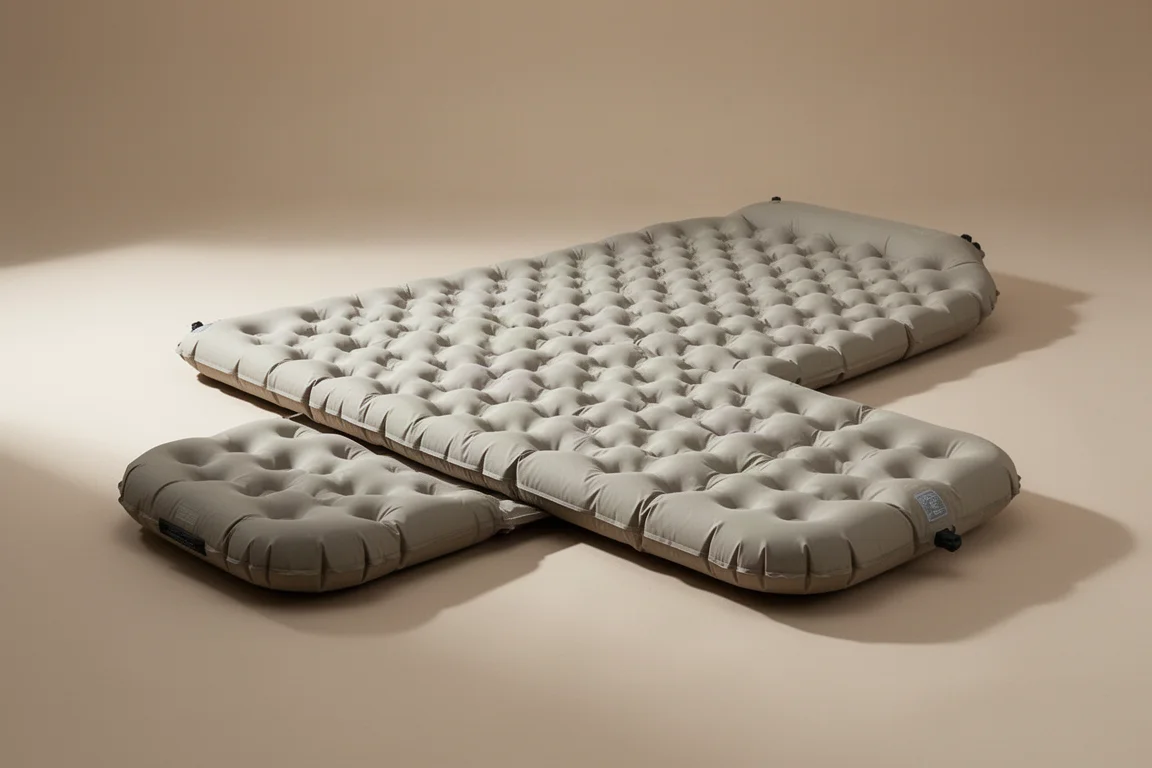
Nemo Moonlight Elite: Feature-Rich, Fit-Dependent
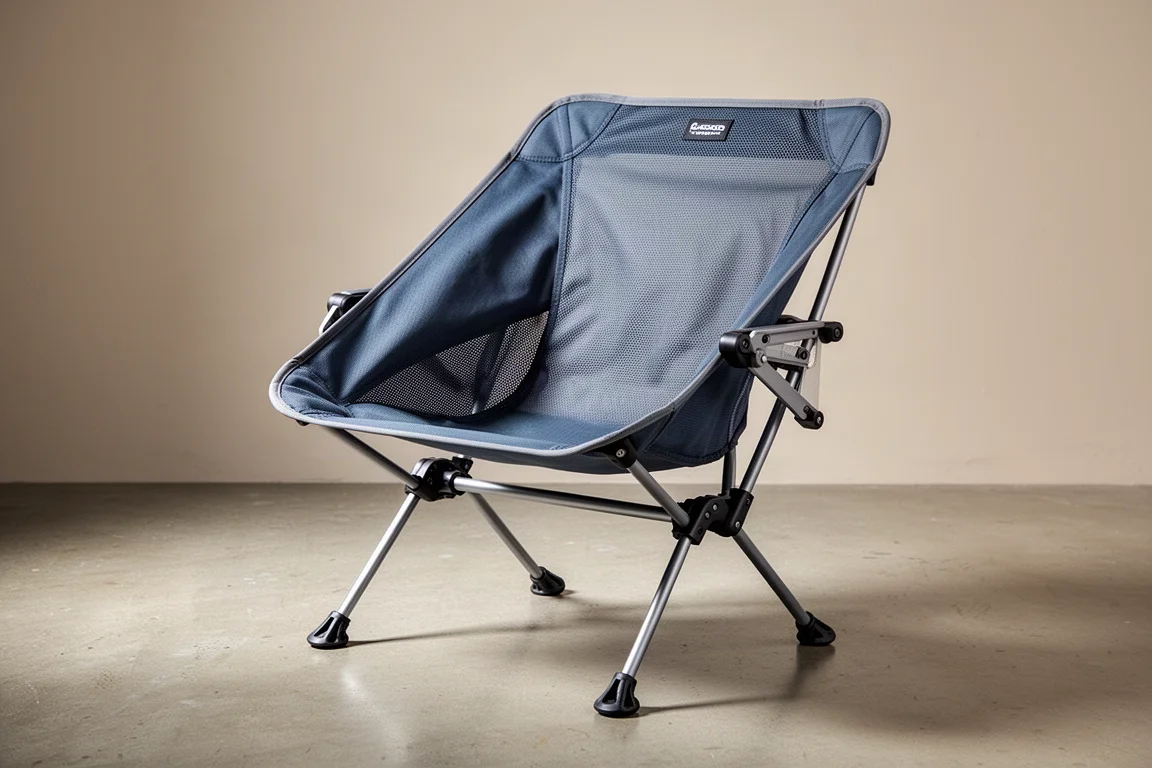
The Moonlight Elite arrived as a serious challenger to the long-standing Helinox Chair Zero. It weighs about 1 oz more and adds features that chair never had, including a reclining back and a built-in footprint that stops the legs sinking into soft dirt and mud. For plenty of campers it has become the best backpacking chair available.
Comfort is the catch. A meaningful number of users find the seat digs into their backs, even though others find it perfectly comfortable. That split suggests the chair suits some body shapes much better than others.
Because fit varies so much, buying from a retailer with a straightforward return policy is the sensible approach. Try it at home before you commit to carrying it.
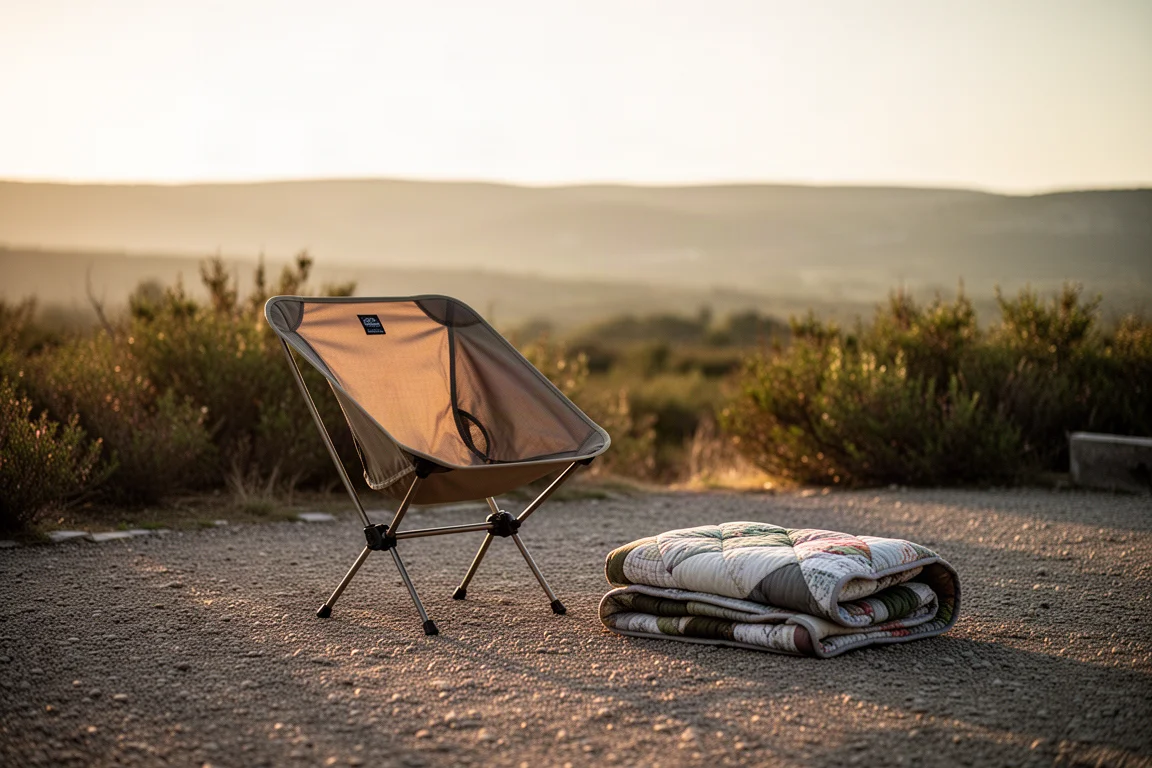
The feature set is genuinely strong, and the reclining back is a real advantage at the end of a long day. The deciding factor is simply whether the seat shape works for you.
Nemo Tensor All Season: More Warmth, Same Weight
The All Season version of the Tensor raises the R value from 4.3 to 5.4 while holding the weight at about 22 oz for the wide size. Getting more warmth without adding grams is exactly the kind of update that justifies a new pad.
Crossing the 5R line matters. It brings the pad into line with the surface used for ISO sleeping bag testing, so an ISO-rated bag can deliver closer to its stated warmth.
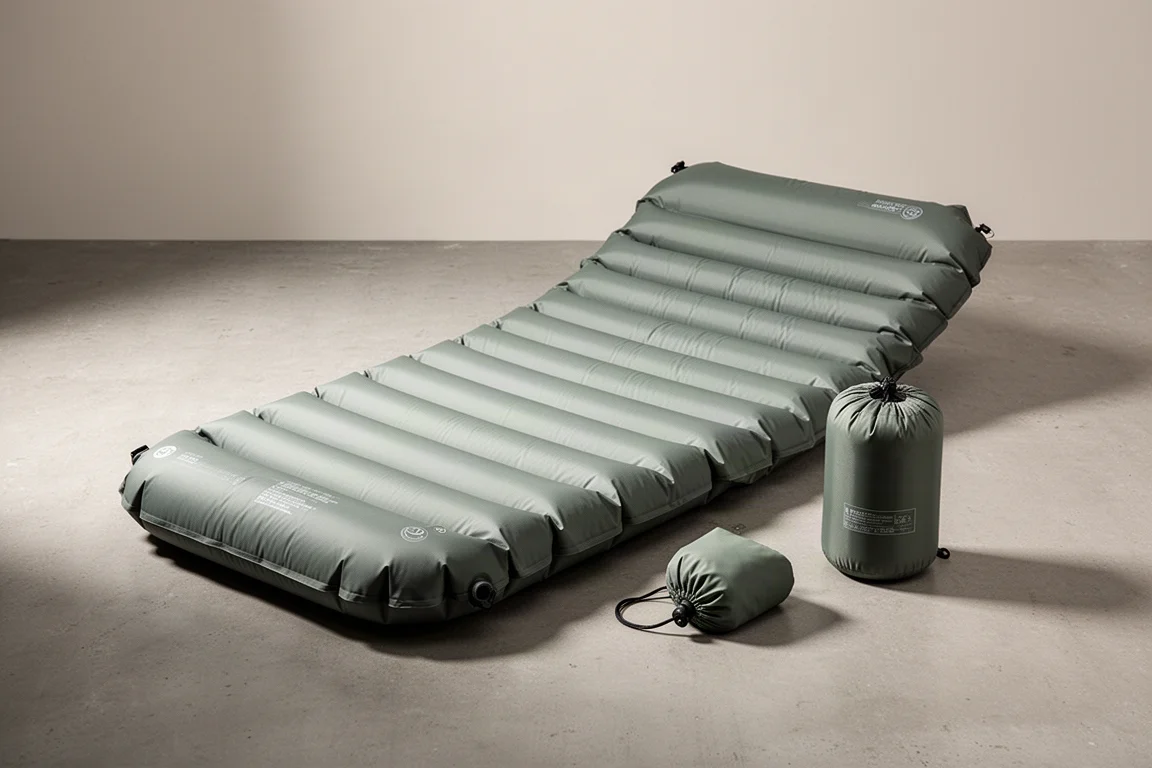
Nemo Tensor Extreme Conditions: The Cold-Weather Option
The Extreme Conditions pad pushes the R value to 8.5, which is a full point above the long-trusted Thermarest X-Therm. For cold sleepers and shoulder-season trips, that is a significant margin.
It uses the same semi-quilted construction as earlier Tensor pads, so the feel is familiar rather than new. It is not as comfortable as the Zen Bivy mattresses and it is not as inexpensive either, but it is a solid, dependable pad that now competes at the top of the warmth range.
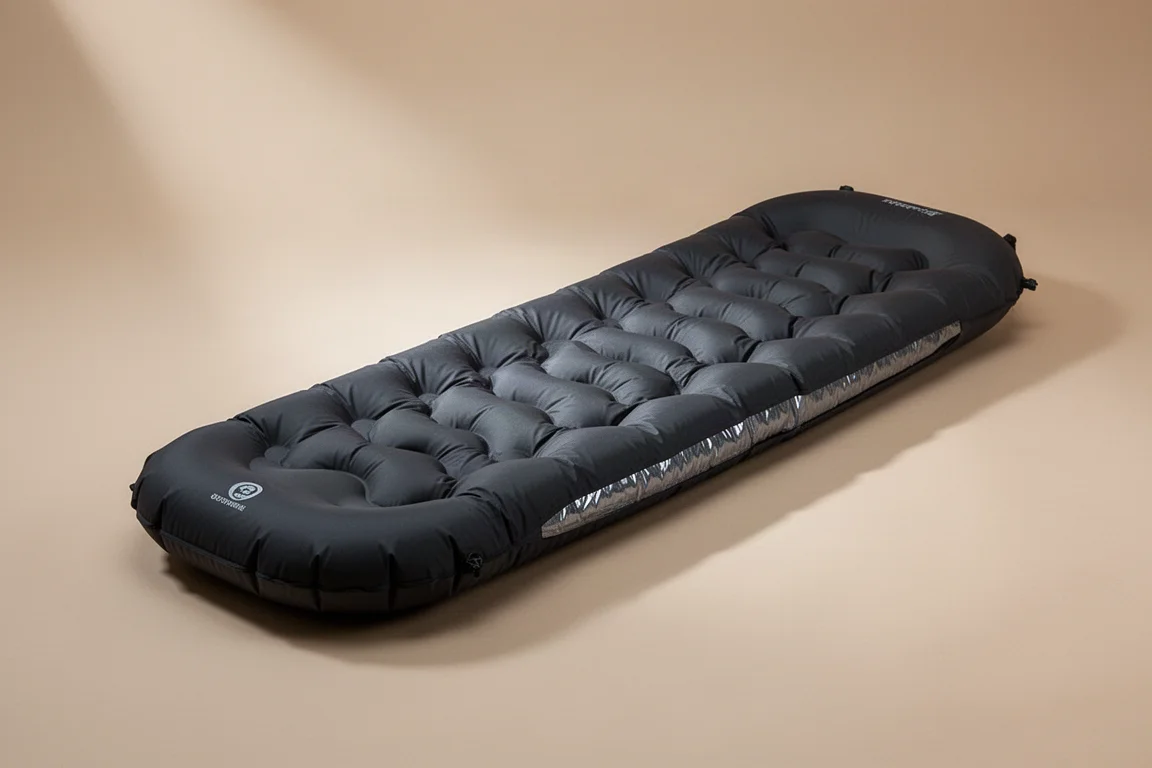
Sea to Summit Reactor Extreme Liner: Measurable Extra Warmth
Sleeping bag liners are usually sold on vague promises. The Reactor Extreme was put through a controlled test to put a number on it: a heated mannequin in a freezer, first in a Spark Pro 30 bag alone, then with the liner added.
In the bag alone, the heater ran for 26.5 of 60 minutes and used 0.021 kWh. With the liner added, it ran for 23 of 60 minutes and used 0.018 kWh. That works out to roughly 14.2% more warmth, which lines up closely with the 15% figure printed on the bag.
For a thin liner, that is a useful amount of added versatility, especially for extending a three-season bag into colder nights.
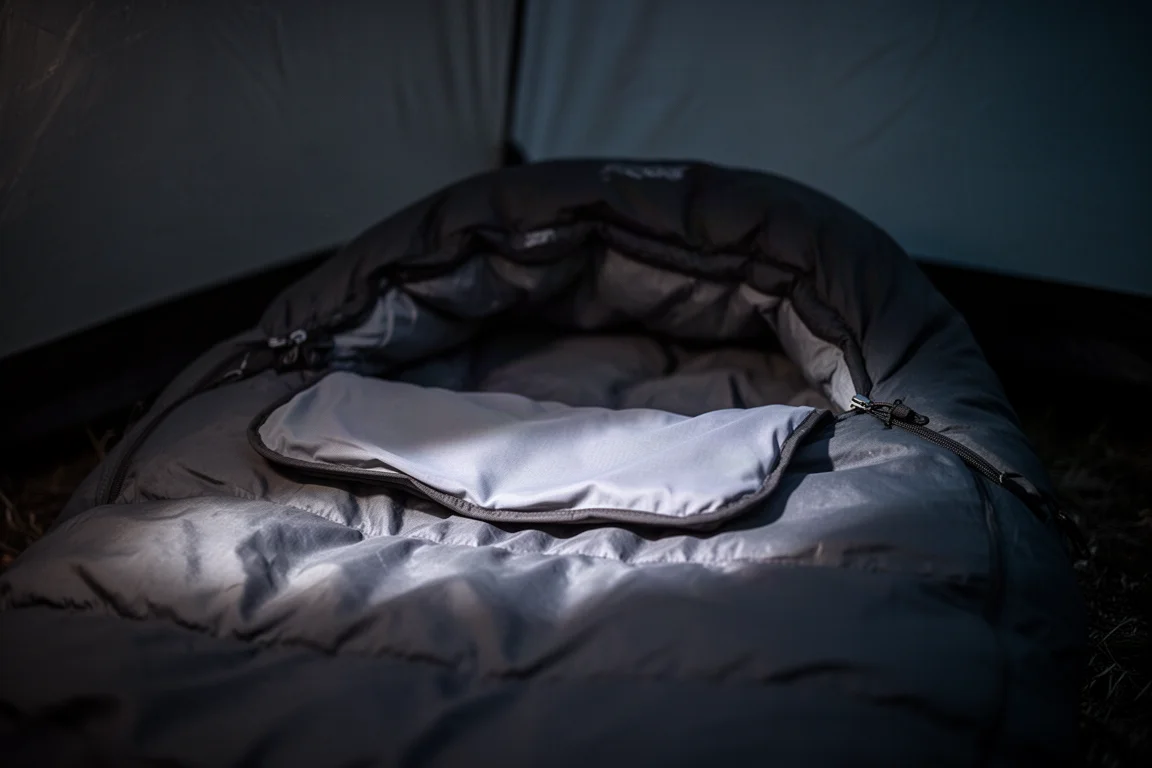
The liner is a low-commitment way to add range to a bag you already own, and the measured result gives you a realistic expectation rather than a marketing number.
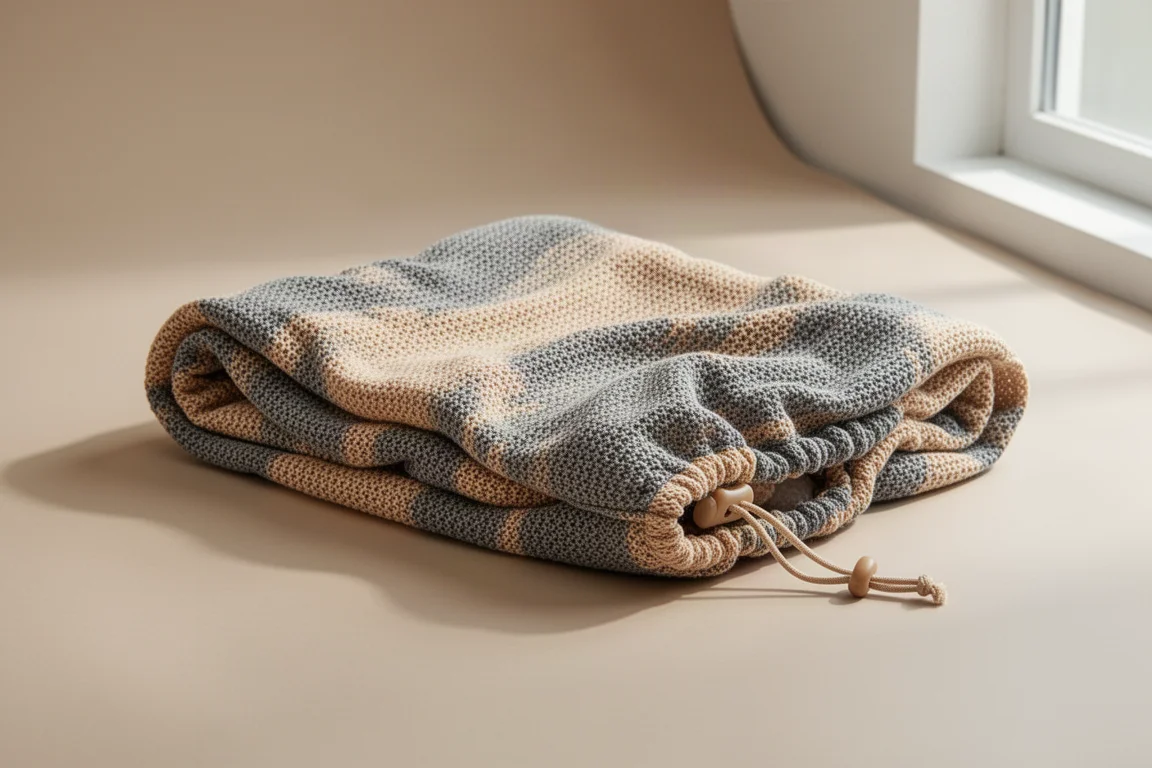
Sea to Summit Spark Pro 30: A Light Three-Season Bag
The Spark Pro 30 is the bag used for that test, and it is built for three-season use with 850 fill power down. The hood and foot box are water resistant, which helps manage condensation inside a tent, one of the most common ways a down bag loses performance overnight.
Paired with the Reactor Extreme liner, it covers a wider temperature range without requiring a second bag.
Zpacks Plex Solo: The Lightest Fully Enclosed Tent, Refined
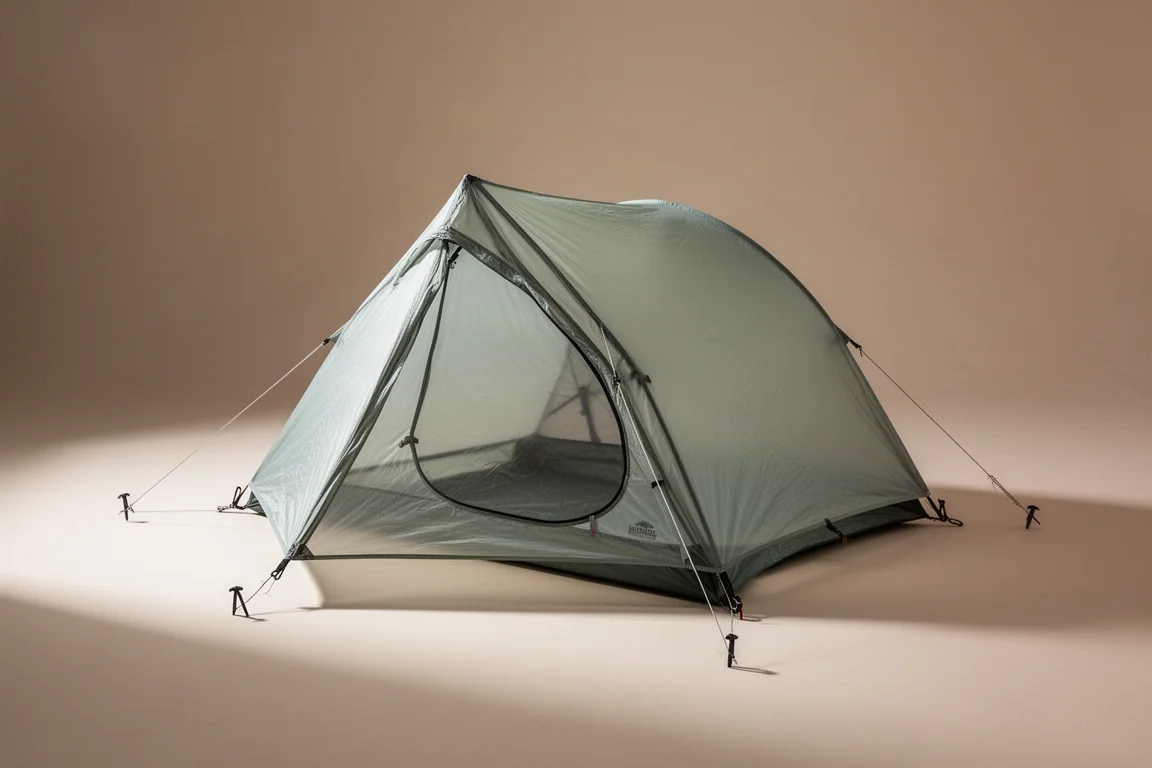
The Plex Solo was already the lightest fully enclosed tent available. The updated version goes further, measuring about 12.5 oz, against an advertised 11.8 oz. The previous version came in at 13.7 oz, so the real-world saving is about 1 oz.
That is an impressive number for a fully enclosed shelter, and if you do not already own a Plex Solo, nothing else gets lighter. If you own the earlier version, the case for upgrading is weak: roughly an ounce is not much to gain for the cost of a new tent.
Buying Advice: Match the Gear to the Trip
The right purchase depends on what you already own and what actually bothers you on trail.
If your sleep system is the weak point, the Zen Bivy mattresses are the most compelling release this year. The 5R rating and dimpled construction deliver comfort and warmth at a price that stays close to comparable pads. Choose the Flex if you want the extra cushioning, and the Ultralight if you want the same feel at a slightly lower weight. Just settle the sheet question before you buy, because a full sheet now means adding the Core Bed Sheet.
If you sleep cold or camp in shoulder seasons, the Tensor Extreme Conditions is the clear pick for warmth, with the All Season as the lighter middle ground.
For shelter, the updated Plex Solo makes sense mainly if you are buying new. For a chair, the Moonlight Elite is worth trying only if you can return it easily. And if you simply want more range from a bag you already like, the Reactor Extreme liner is an affordable, measurable upgrade.
Conclusion
This year’s releases reward a clear-eyed approach. The Zen Bivy mattresses and the Nemo Tensor pads deliver genuine gains in warmth and comfort. The Reactor Extreme liner adds measurable warmth for very little. The Ultralight Bed and the updated Plex Solo are excellent products whose changes will matter most to first-time buyers rather than existing owners. And the Moonlight Elite is a great chair for many people, provided it fits you.
Further reading
Related Reviews

Backpacking Gear
Building a 10 lb Base Weight: An Ultralight Backpacking Gear List
A practical walkthrough of the ultralight pieces behind a 10 lb base weight, from a 765 g pack and a roomy one-person tent to a full camp chair and a dependable water filter.

Backpacking Gear
A 15-Pound Lightweight Backpacking Gear List for Solo Trips
A beginner-friendly 15-pound backpacking setup built from easy-to-find gear, with notes on what each piece does, how it packs, and where to spend your attention.

Backpacking Gear
8 Ultralight Backpacking Gear Upgrades Worth Carrying
Eight small, affordable backpacking upgrades that solve real trail annoyances, from a pillow that stays put to a fuel valve that rescues leftover canister gas.