Backpacking Gear
New Backpacking Gear for 2025: 8 Pieces Worth a Closer Look
Eight new backpacking products for 2025, from three packs and a GPS watch to a titanium pressure cooker, two sleep systems, and an untapered two-person tent.
Introduction
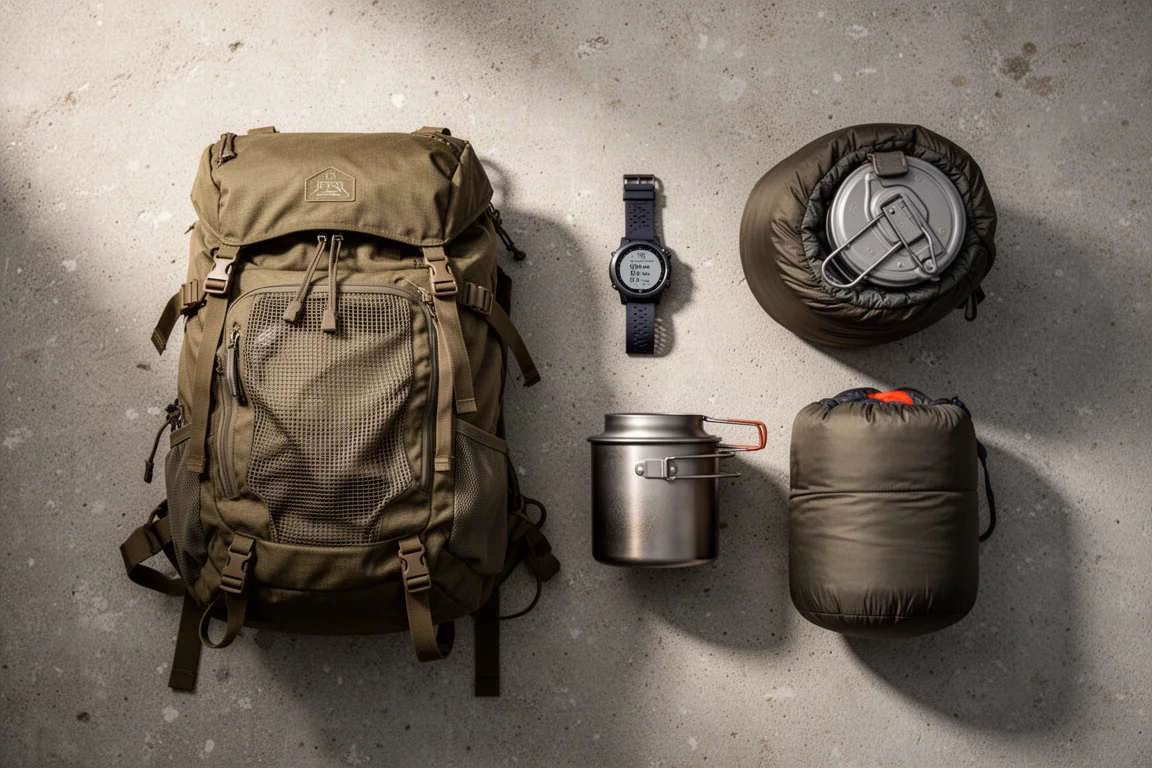
Gear companies release new backpacking products every year, and each one is either a genuine solution to a problem on the trail or simply a brand’s own take on a familiar item such as a backpack or a sleeping bag. Some of those releases land well, and some do not live up to the promise behind them. The eight items in this guide are the ones that stood out enough to be worth a closer look and a proper field test.
The selection spans three backpacks, a GPS watch, a titanium pressure cooker, two sleeping systems, and a two-person tent. For each product, this guide covers what it actually does, who it tends to suit, and what to check before you commit.
How These Picks Were Chosen
Practicality was the main filter. Suspension comfort, usable pockets, sensible weight, and overall value matter more than novelty, and several of these products lean on traditional designs, which often arrive at friendlier price points.
Small details separate useful gear from gear that stays in the closet. Water bottle access is one example: several of the packs below are shaped so a bottle can be reached without taking the pack off. Adjustability is another, with one pack designed so it can be fitted to more than one person.
Gregory Paragon 50: A Traditional Pack, Refreshed
The Paragon has been part of Gregory’s lineup for some time, and it has been updated for 2025. It is available in three volumes: 50 liters, 60 liters, and 70 liters.
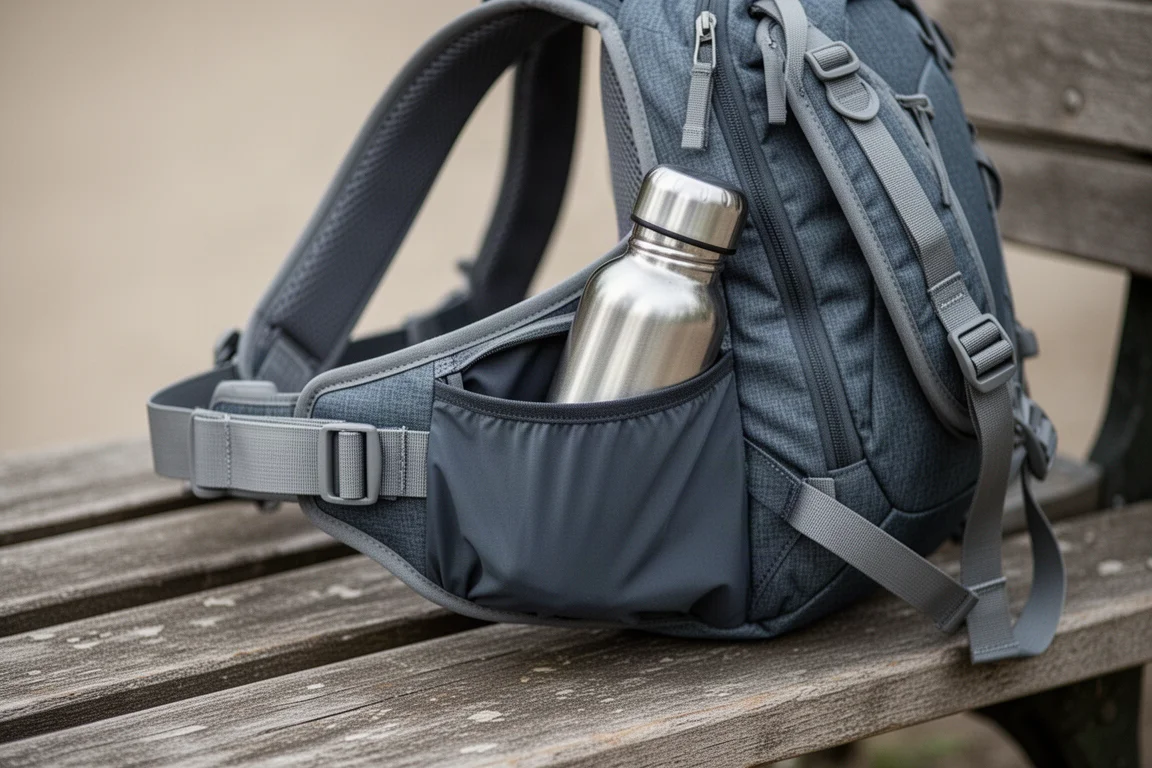
The design is deliberately traditional. A top lid closes over a cinch collar, there is a stretch mesh front pocket, and a side zipper opens directly into the main body. One side carries a stretchy mesh pocket, while the other side has a second water bottle pocket shaped for easier access while the pack is on your back. Bottom straps and a sleeping bag compartment round out the storage, and the compartment divider can be unclipped so the pack opens into one large space.
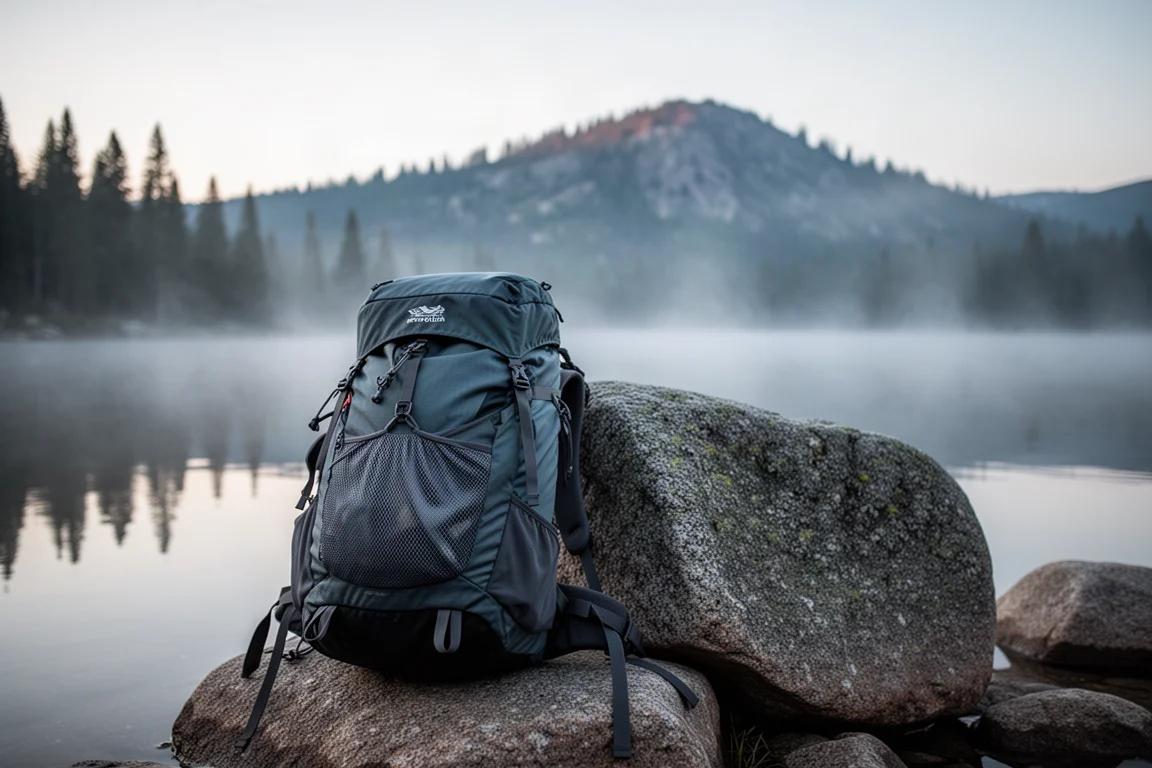
The suspension deserves attention too. The hip belt feels rigid on first wear, with plenty of ventilation, an adjustable torso, and an adjustable hip belt length that lets a single pack fit more than one person. The hip belt pockets are well sized. For anyone moving back toward traditional packs after time with ultralight designs, this is an interesting middle ground.
Big Agnes Sweetwater 43: A Streamlined Vest-Style Hauler
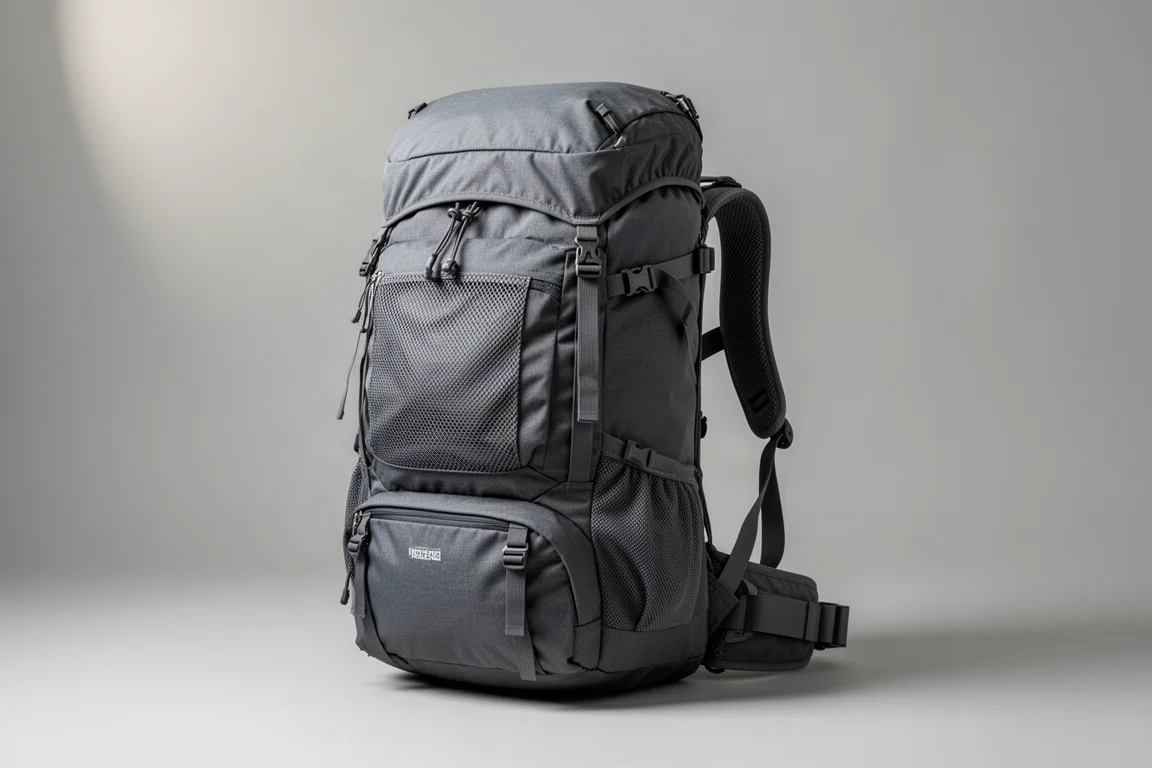
This is the second generation of packs from Big Agnes, and the Sweetwater 43 takes a different direction from the larger first-generation models. It is streamlined, built to be lightweight, and uses vest-style shoulder straps to spread the load across the chest and shoulders rather than concentrating it on the shoulder tops.
Carrying capacity sits at roughly 30 pounds. On the back you get a fairly rigid frame, adjustable shoulder strap height for a bit of torso adjustment, load lifters, and side compression straps arranged in a V or Z pattern. Mesh pockets on the front straps hold a phone or snacks within easy reach. There are stretchy mesh pockets on both sides, a large stretch front pocket, a hook closure for the top lid over a cinch opening, and an included rain cover.
At $280, it sits above entry-level packs and below many technical haulers. The first-generation Big Agnes packs drew criticism for oversized hip belts, so this is a design worth trying on before you commit.
Quechua MH900 25L: A Day Pack With Real Suspension
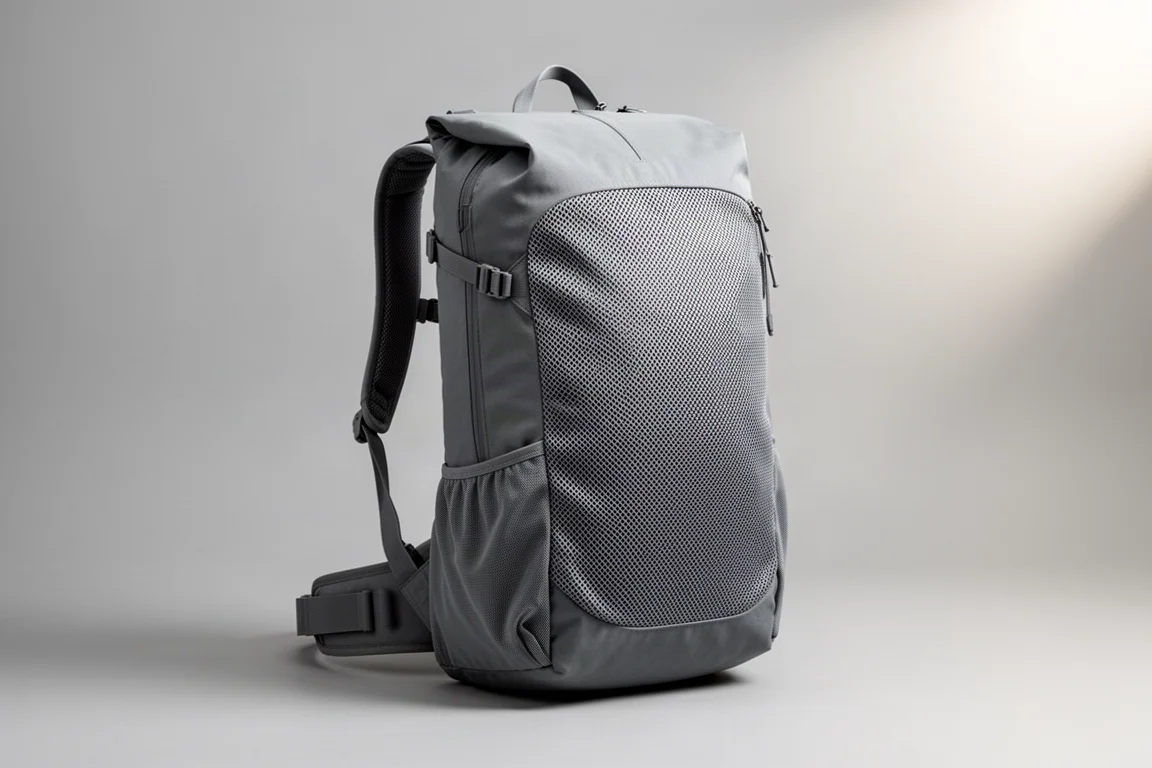
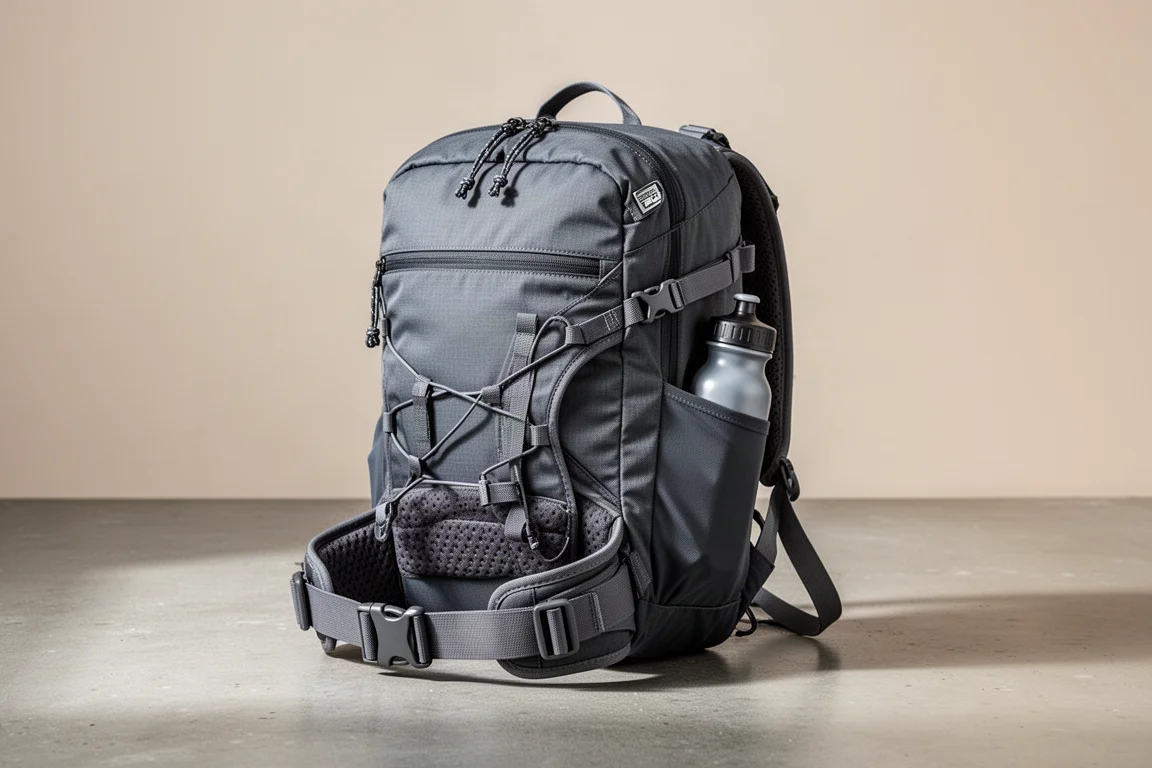
Day packs in this size often cut corners on carry comfort, and the MH900 goes the other way. It brings eight pockets, a robust suspension and harness system, and a full hip belt, which means it can handle a heavier load on an all-day outing without turning into a bulky piece of gear.
At $130, the feature list is unusually long. The hip belt has a watertight pocket on one side for items you want shielded from rain, and a stretchy mesh pocket on the other for things that need to expand. There is a genuine water bottle pocket sized for a standard bottle, which is rare on a pack this small. The top-load design uses a drawcord cinch beneath a top zip pocket for keys and small items, a hook closure, a side zip that opens the main body, and a watertight zippered pocket on the opposite side for snacks or a water filter. Side pockets can hold trekking poles.
Fit is a strong point. An 18.5-inch torso places the hip belt correctly rather than high up on the rib cage, which keeps the pack stable when you want to move quickly or carry a little more weight.
COROS Apex 2 Pro: A GPS Watch Built for Long Days
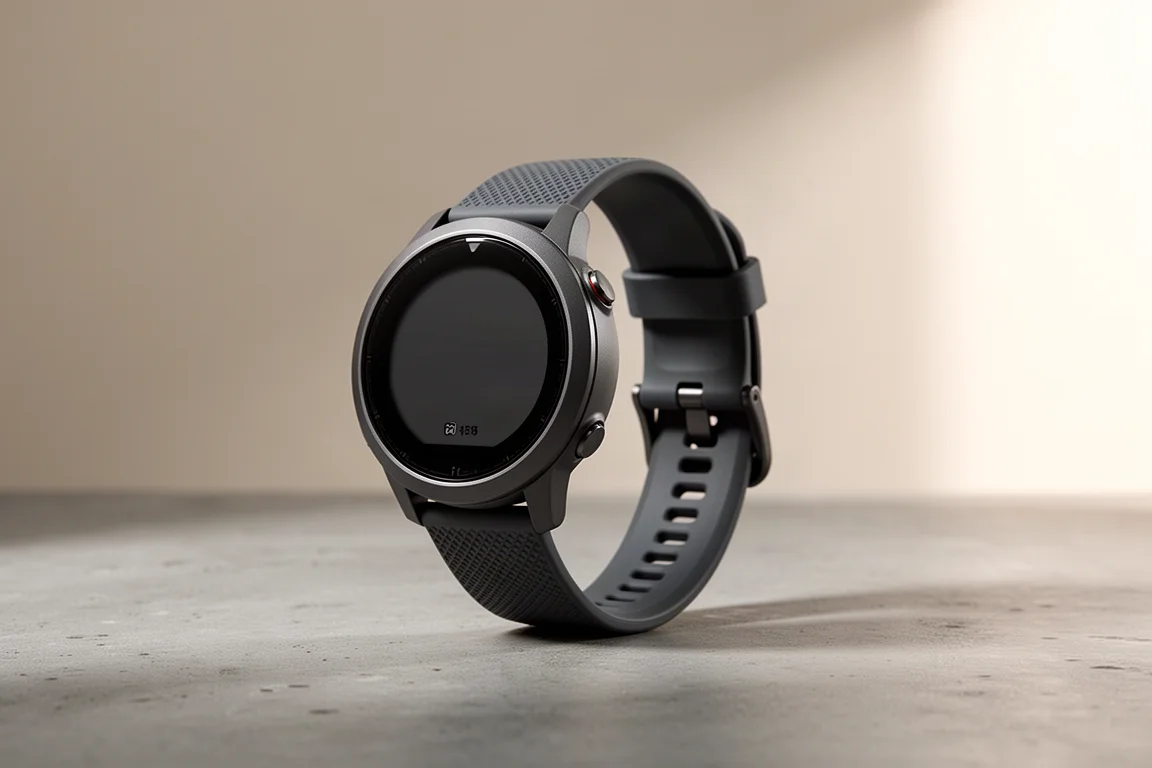
After several years of wearing a Garmin GPS watch as an everyday watch, the Apex 2 Pro is a useful direct comparison. A few weeks of use, including one backpacking trip, have produced a strong first impression.
GPS accuracy stands out. Paired with the companion app and satellite imagery, tracking held up well in narrow canyons, where GPS watches often overstate elevation gain because signals bounce off canyon walls. Sleep tracking and heart rate monitoring are genuinely useful for anyone who watches their heart rate closely, and battery life has been notably better than the Garmin watch: two weeks of use including a full trip of GPS tracking left the watch at 27 percent. Customizable watch faces, step counting, and calorie tracking round out the feature set.
Keith Titanium Pressure Cooker: Backcountry Cooking, Rethought
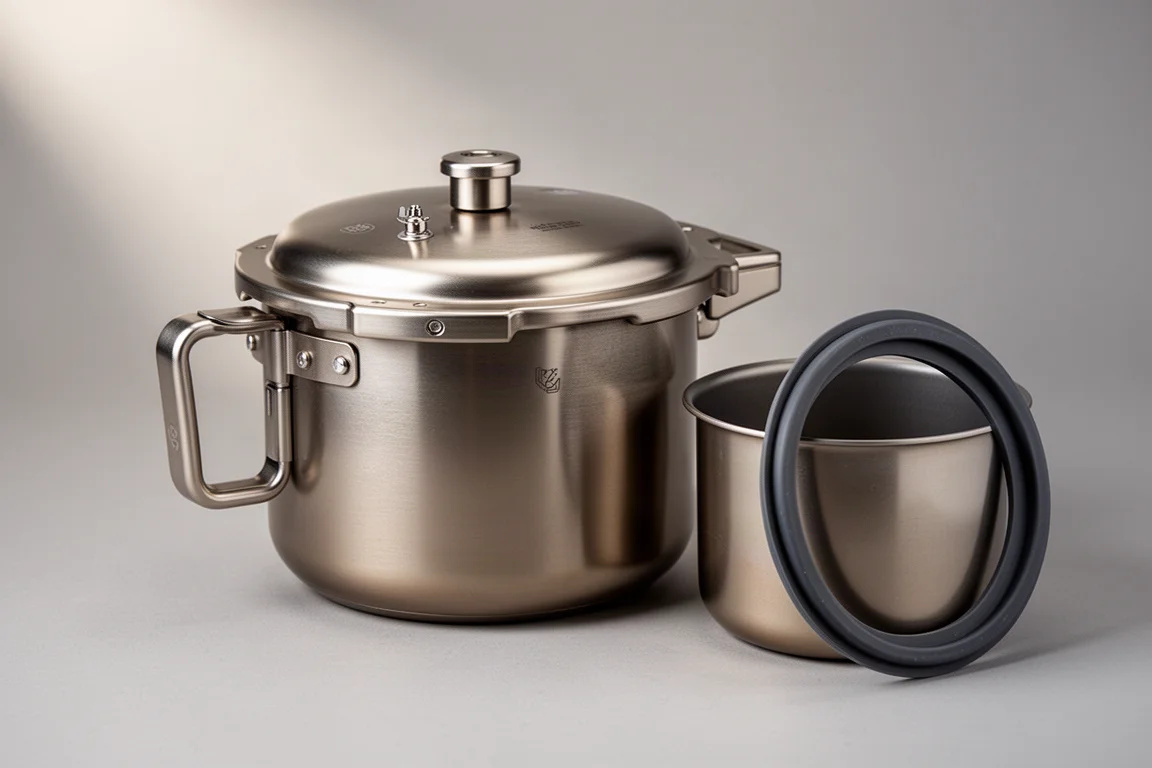
This is the most specialized item in the group, and easily the most unusual. It follows the same general idea as a titanium multicooker, but it is a genuine pressure cooker, which opens up meals that are impractical to prepare at altitude or over a fire.
The build includes a substantial side handle and a lid handle that has to lock down tightly to build pressure. The lid carries a pressure relief valve plus a secondary valve intended to prevent the cooker from over-pressurizing. Inside there is an insert with a silicone gasket for sealing, and the main pot can be used on its own to boil water. Maximum capacity is 1,800 milliliters, which is large for a backcountry pot and adds weight to your kit.
It has already been used at home to cook rice, and both the results and the volume of rice it can handle were impressive. For group trips, or simply for varying meals beyond the usual routine, that capacity is the appeal.
Therm-a-Rest Boost: A Sleeping Bag That Grows With You
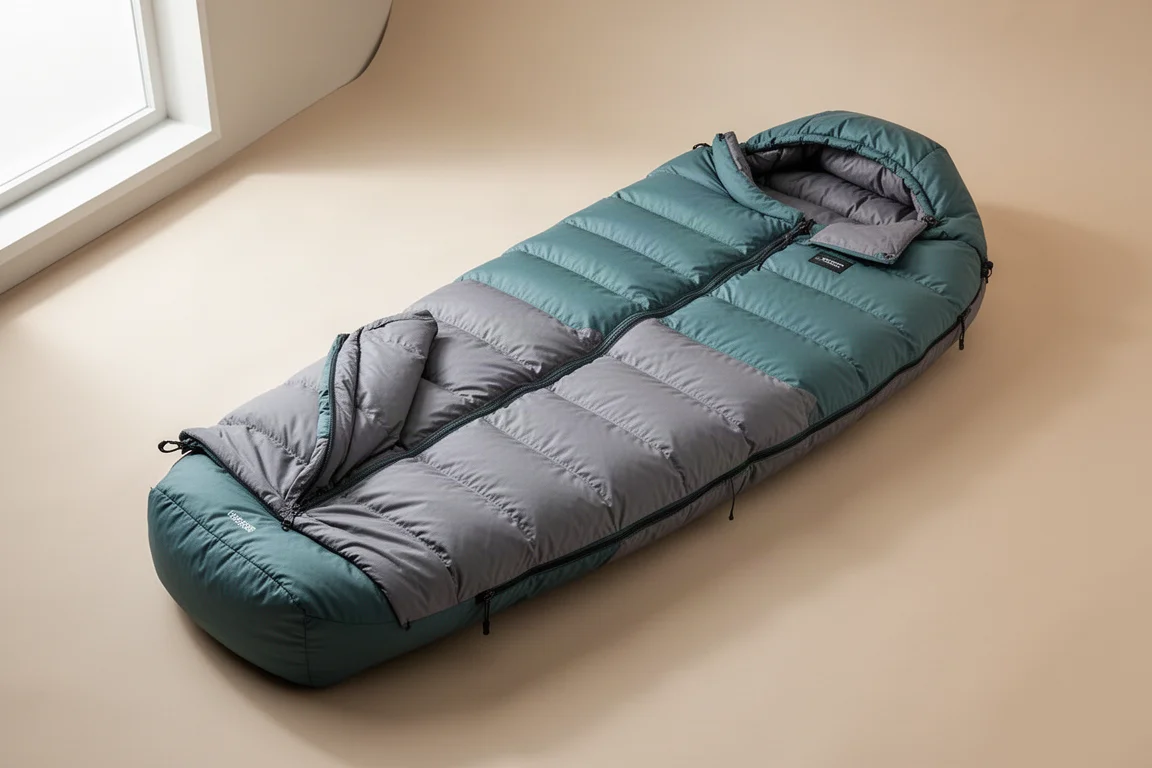
Versatility is the defining trait here. The Boost is a roomy semi-rectangular bag that expands even further, and it comes in six sizes. The regular wide version is already wider than the standard model.
A center zipper opens up to widen the bag considerably without turning it into a fully rectangular shape, and additional zippers at the top let you put your arms out for a more comfortable, lounging position inside a tent on a cold day. A traditional hood with draft collars is included. Fill is 650 down, so this is not the lightest or most packable option available.
Pricing runs from about $300 to $370 depending on size. For anyone who has struggled with drafts in a quilt, or who feels confined inside a mummy bag, the extra interior space is the entire point.
ZenBivy Light Bed: Softer Fabrics, Same Sleep System
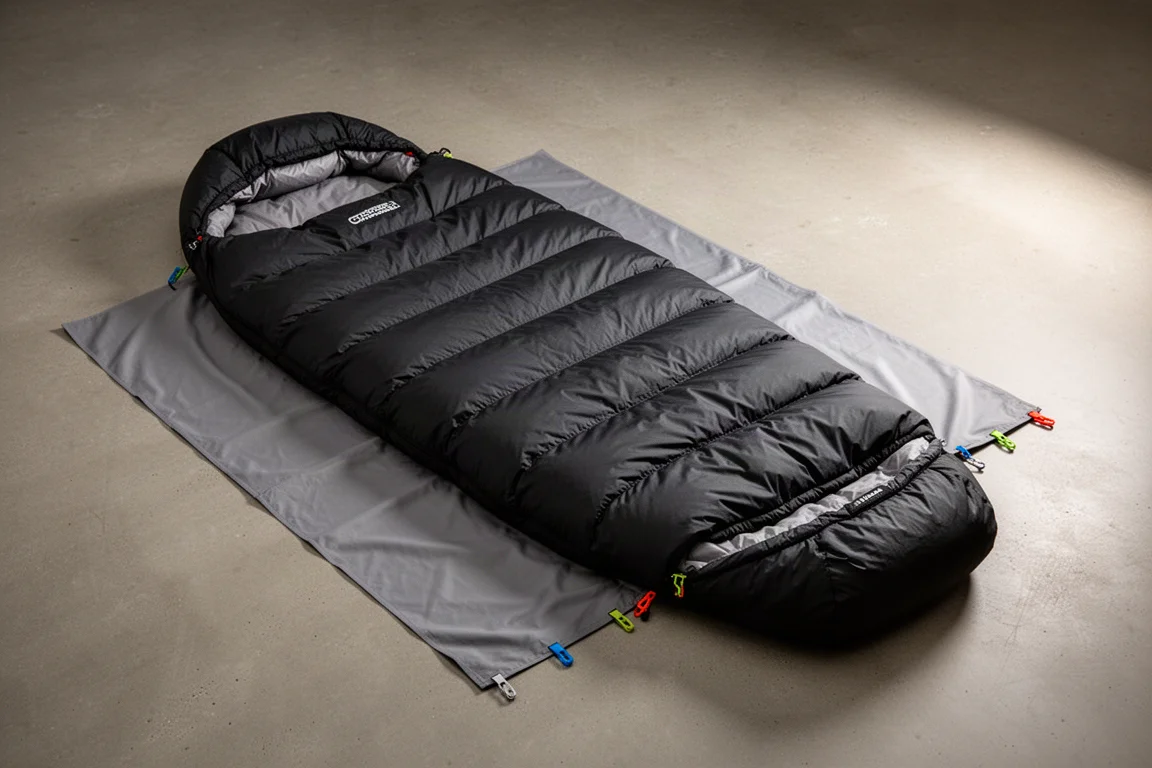
The Light Bed returns with updated fabrics, part of a broader refresh across several bed models in the range. The change is material rather than structural: the liner now uses a 25 denier pongee fabric instead of the previous 20 denier nylon, and the weight penalty is only an ounce or two.
That fabric change matters more than it sounds. The pongee is very soft against the skin and avoids the slick, plasticky feel that sleeping bag liners sometimes have. The zoned construction keeps the pongee in the areas you actually touch, then transitions to 15 denier nylon, which is also used on the wings of the sheet and the top of the quilt. A full-length sheet is now available alongside the system.
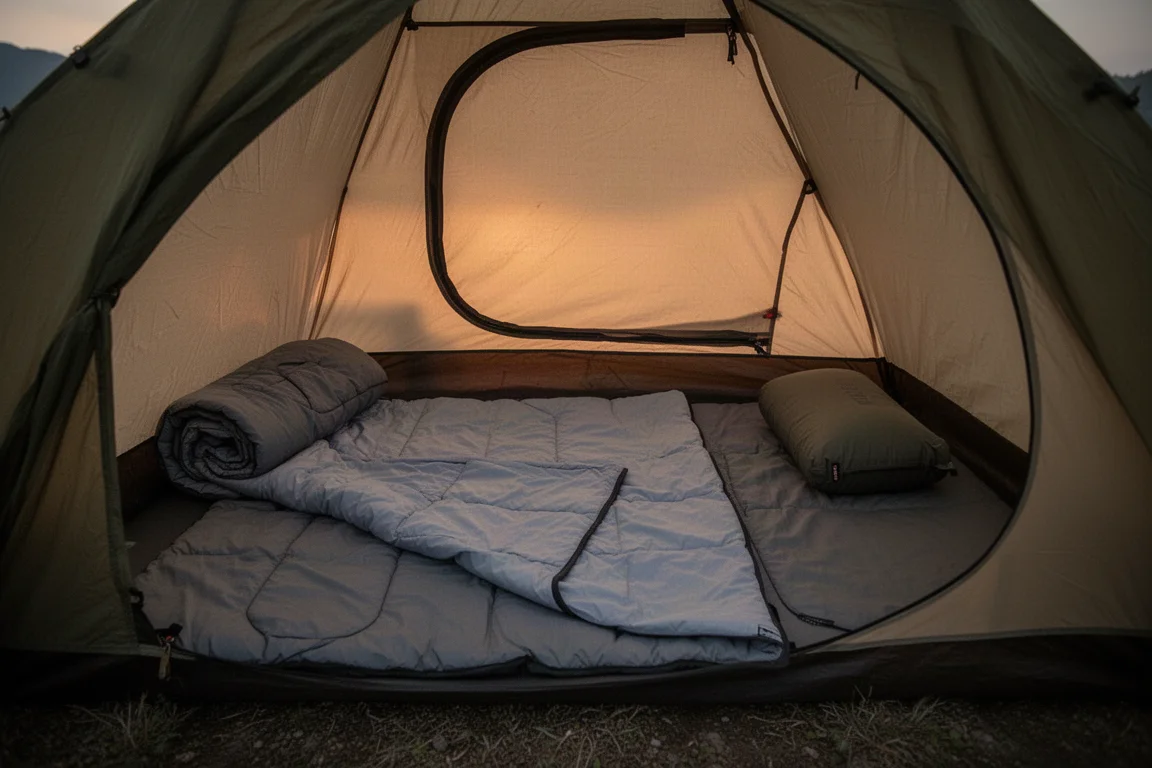
The Light Bed suits sleepers who value comfort and a consistent, quiet sleep surface over the absolute lowest weight, and the pillow in the system is a strong part of the package.
Big Agnes Copper Spur UL2 XL: A Two-Person Tent Without the Taper
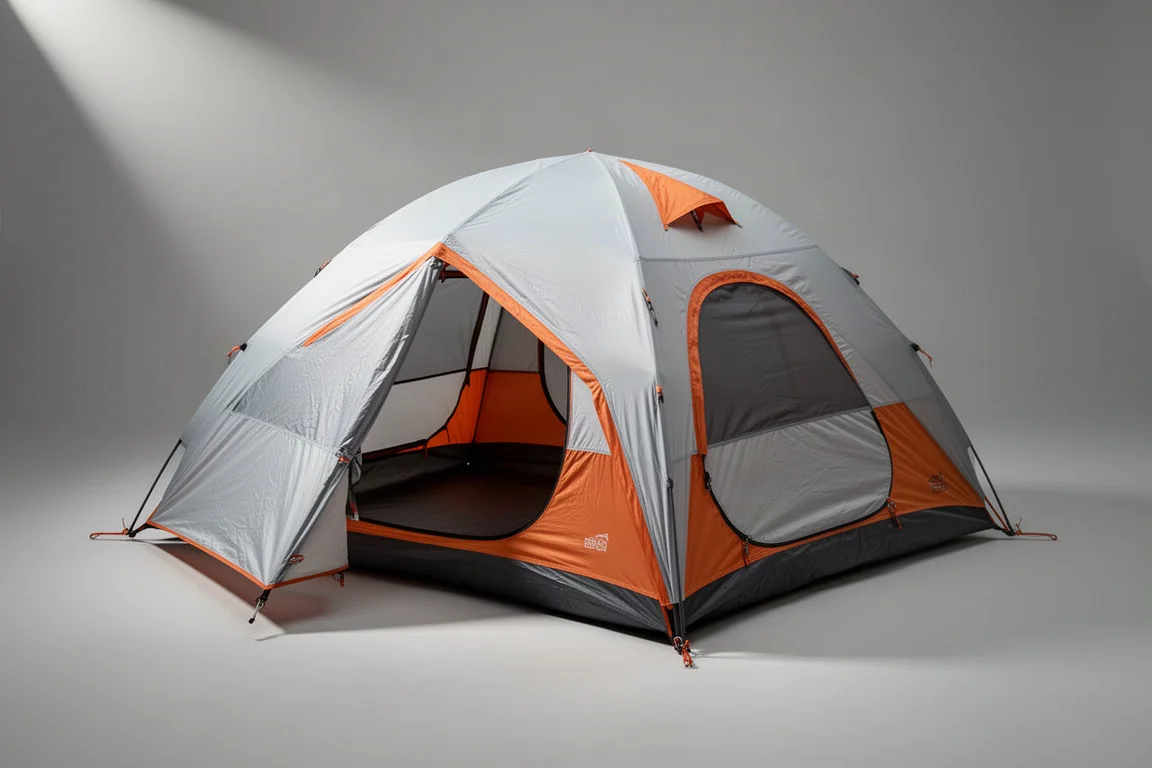
The Copper Spur is a familiar and proven design, and the UL2 XL version changes one significant thing: the floor is not tapered. That makes it a true two-person tent rather than a two-person tent with compromised space at the feet.
The dimensions tell the story. The floor is 96 inches long, well beyond the 84 to 86 inches typical for this class, so there is usable room at the foot end for gear. It fits two 25-inch wide pads without feeling cramped. There are two doors, two vestibules, a peak vent, and a large open mesh pocket inside.
The fly uses a new HyperBead fabric for 2025, described as more waterproof, less prone to sagging, stronger, and lower in chemical content. One practical annoyance has surfaced during the first few pitches: the stakeout point on the vestibule doors is too short, which pulls the canopy down too quickly and stops the doors from tensioning properly. Adding a longer cord to that point helps, but it is an oversight worth knowing about before you buy.
Buying Advice: How to Choose What Matters for Your Trips
Match the gear to the trips you actually take. If you regularly carry around 30 pounds, suspension and hip belt fit matter far more than grams, which makes the Paragon 50 and Sweetwater 43 worth trying on in person. If you hike in canyons or narrow terrain, GPS accuracy and battery life carry more weight than extra features, and the Apex 2 Pro addresses both.
Cooking and sleep are where personal preference decides the outcome. A specialized pot earns its place only if cooking is a real part of your trips, and the capacity of a pressure cooker is most useful with a group. For sleeping, decide whether you want expandability, as with the Boost, or fabric feel and a consistent surface, as with the Light Bed.
Price is the other lever. The MH900 day pack comes in at $130, the Sweetwater 43 at $280, and the Boost between roughly $300 and $370 depending on size. Paying more usually buys lighter materials, more refined suspension, or more specialized construction rather than a longer feature list.
A sensible approach is to prioritize the item you use every night or carry every mile, then let the rest of your kit follow your budget.
Conclusion
Eight pieces, and eight different answers to the same question about what makes gear worth carrying. The Paragon 50 and Sweetwater 43 both show that traditional pack design still has room to improve, the MH900 brings genuine suspension to a compact day pack, and the Apex 2 Pro makes a strong case on battery life and GPS accuracy. The titanium pressure cooker is a specialized tool for group cooking, the Boost and the Light Bed approach sleep comfort from opposite directions, and the Copper Spur UL2 XL finally offers an untapered floor with a long footprint.
Match each one to your own trips and priorities, and any of these can be a solid addition to a 2025 kit.
Further reading
Related Reviews

Backpacking Gear
Building a 10 lb Base Weight: An Ultralight Backpacking Gear List
A practical walkthrough of the ultralight pieces behind a 10 lb base weight, from a 765 g pack and a roomy one-person tent to a full camp chair and a dependable water filter.

Backpacking Gear
A 15-Pound Lightweight Backpacking Gear List for Solo Trips
A beginner-friendly 15-pound backpacking setup built from easy-to-find gear, with notes on what each piece does, how it packs, and where to spend your attention.
Backpacking Gear
8 Ultralight Backpacking Gear Upgrades Worth Carrying
Eight small, affordable backpacking upgrades that solve real trail annoyances, from a pillow that stays put to a fuel valve that rescues leftover canister gas.