Backpacking Gear
New Backpacking and Hiking Gear 2024: 10 Standout Releases Worth Knowing
A practical look at ten notable backpacking and hiking releases, from sub-14-ounce shelters and a five-ounce puffy to a grizzly-resistant food bag and a motorized exoskeleton.
Introduction
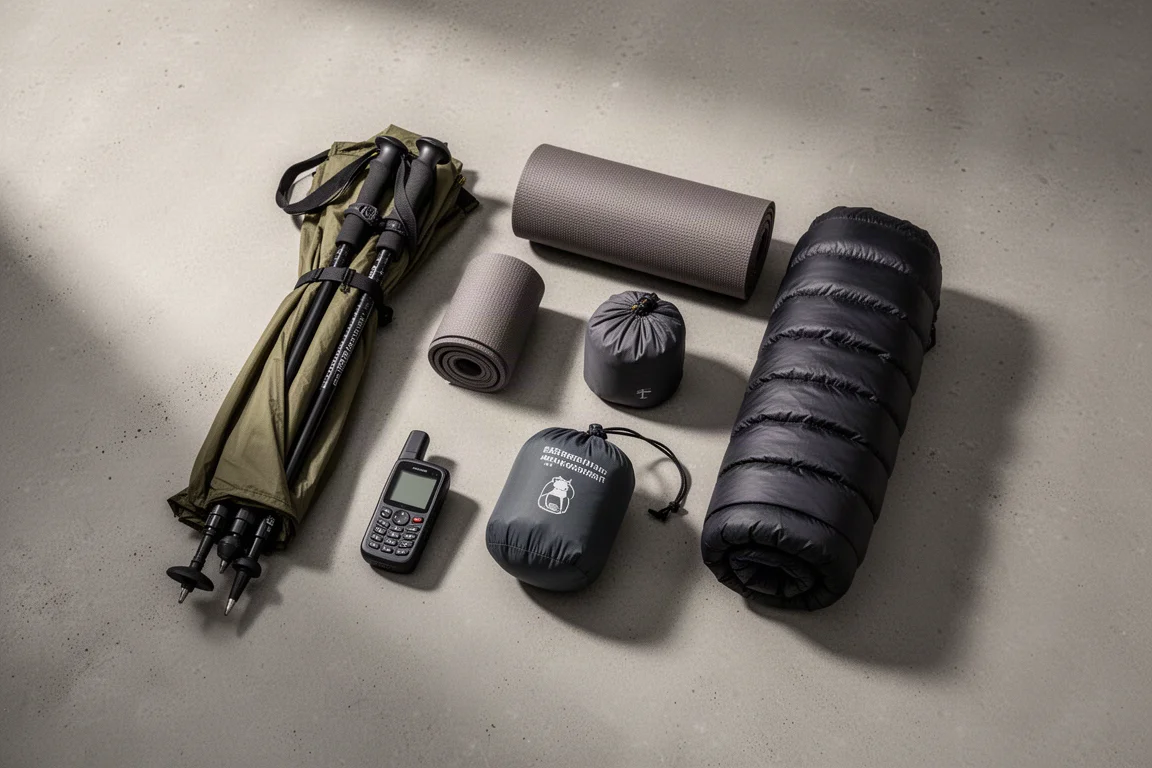
Every season brings a few new pieces of backpacking gear, and this one delivered an unusually strong and occasionally strange crop. The releases below range from an 11.8-ounce fully enclosed shelter to a grizzly-resistant food bag, a five-ounce down jacket, a 4.6-inch-thick sleeping pad, and a motorized exoskeleton that pushes and pulls your legs on the climb.
Some of these products are refinements of familiar designs. Others take a genuinely different approach to a problem hikers have lived with for years. A few come with real caveats worth understanding before you spend money, including a production recall that turned into a useful lesson about tent pole materials.
Here is what stood out, and who each piece of gear actually suits.
Zpacks Pivot Solo: A Two-Pole Offset Shelter Built for Low Weight
The Pivot Solo uses a two-pole offset trekking pole layout that echoes the geometry of the Durston X-Mid, with one notable difference: one pole is slightly shorter than the other, and that asymmetry trims weight. The shelter is listed at roughly 13.5 ounces, about two ounces lighter than the X-Mid Pro 1, and it lands at only around ten dollars more than that benchmark.
Pitching is less forgiving than the X-Mid. The Pivot Solo needs at least six stakes, and up to ten if you want it fully guyed out in exposed or windy terrain. That is a meaningful amount of stake work for a shelter this light.
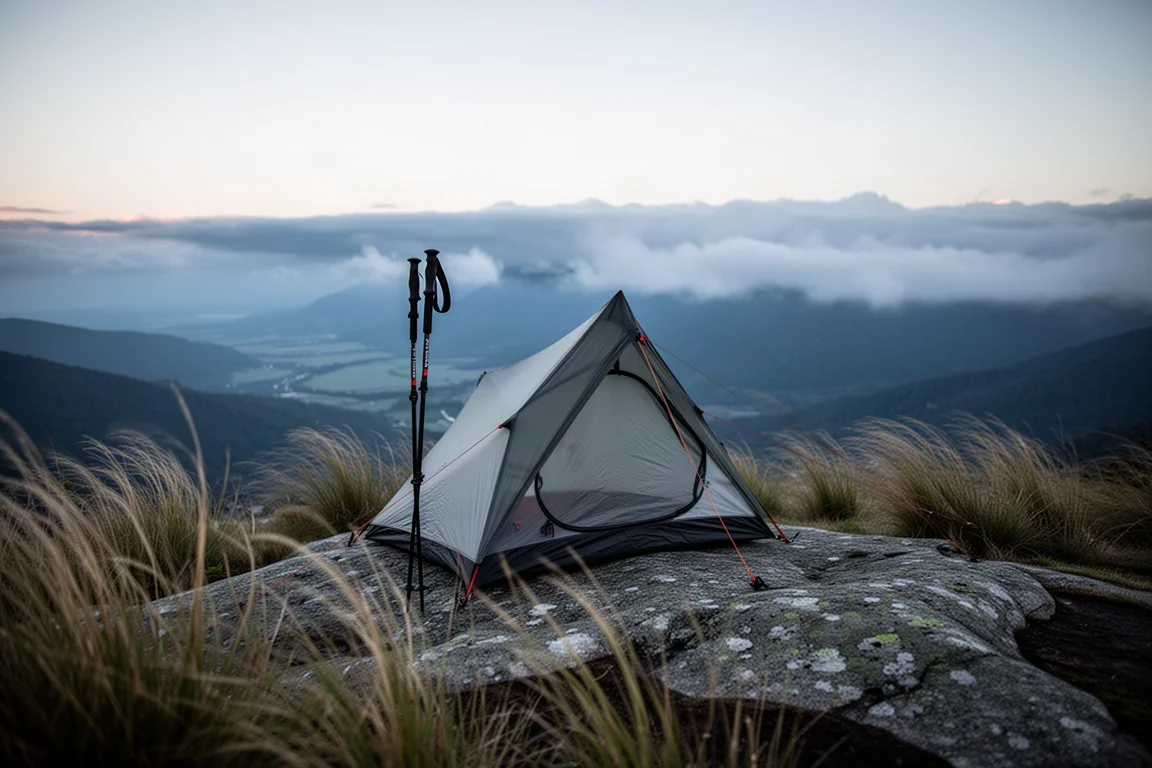
The smaller details show the same appetite for experimentation: fully hanging doors and single point magnetic tiebacks that hold the door open and out of the way when you want the view.
Zpacks Plex Solo Lite: The Lightest Fully Enclosed Shelter
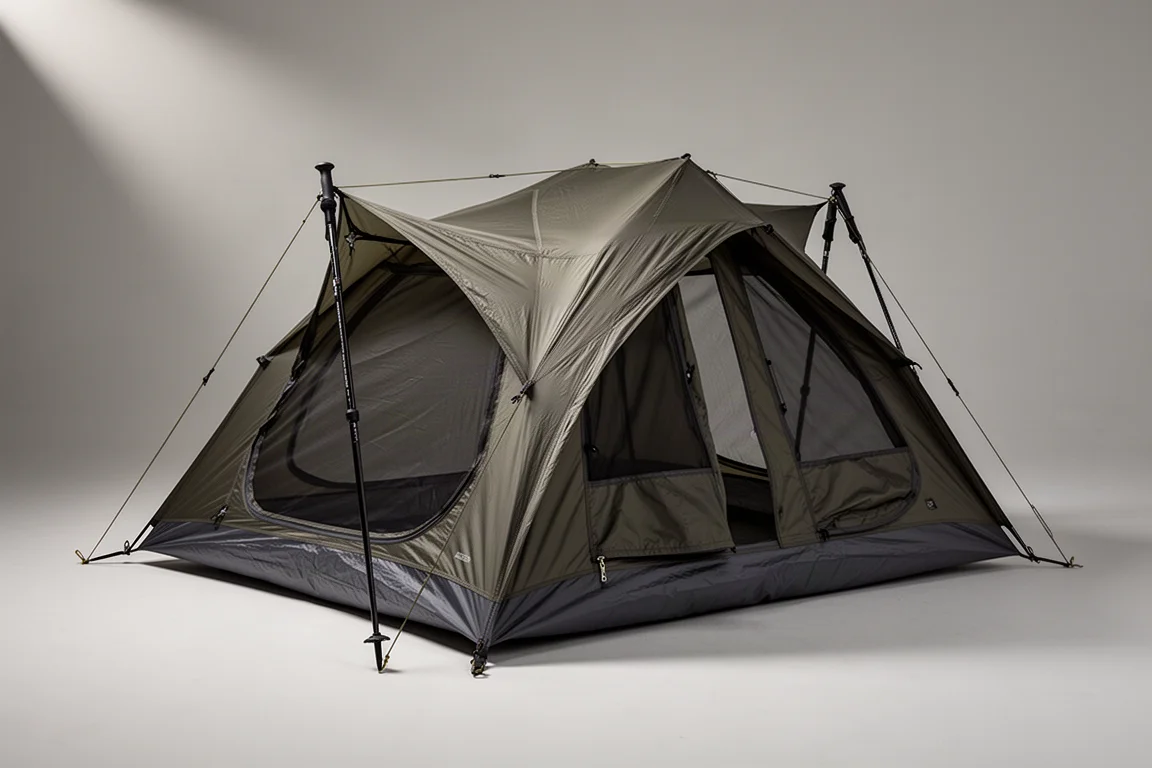
Zpacks redesigned the Plex Solo Lite and brought it in at 11.8 ounces, which makes it the lightest fully enclosed tent on the market. For backpackers who weigh every item in their pack, that figure is the whole argument.
The trade is straightforward. You get a fully enclosed shelter and an almost negligible packed weight, and in return you accept a very small living space and a design that depends on careful pitching. It suits solo travelers who cover long distances and treat the tent as a place to sleep rather than a place to spend an evening.
MSR Hubba Hubba LT2: A Familiar Design With Practical Updates
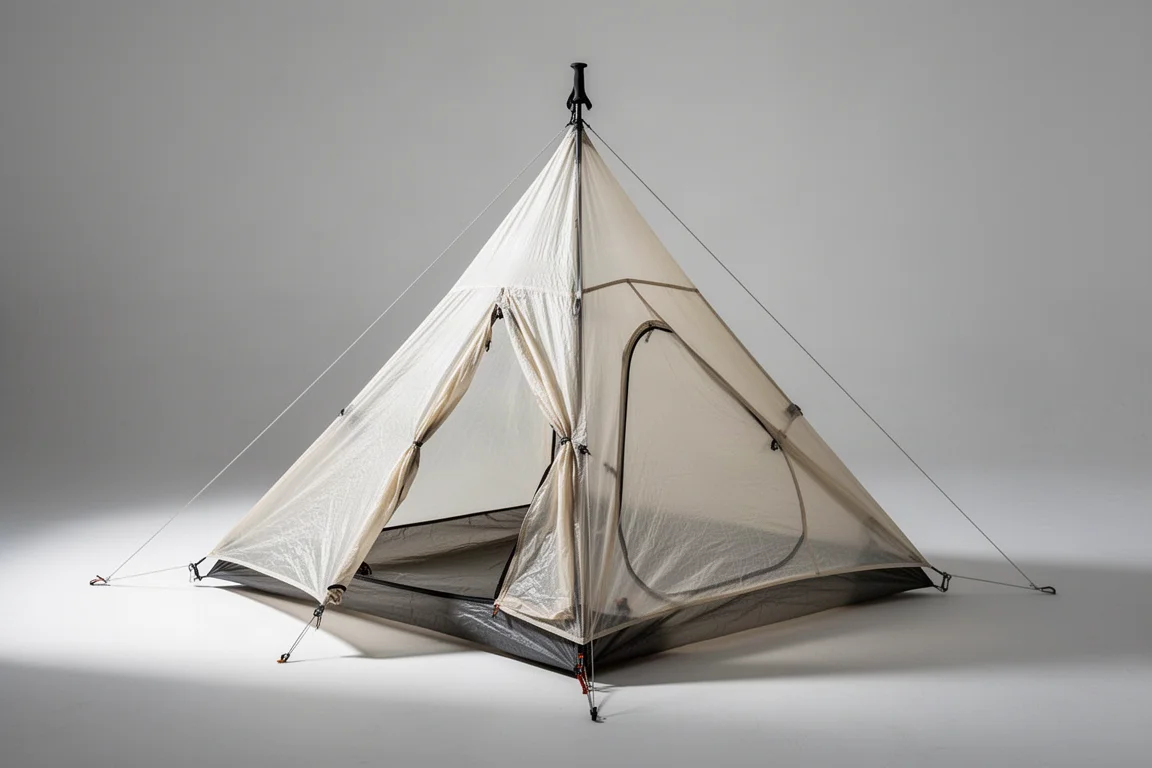
The Hubba Hubba LT2 arrives with a modest set of changes rather than a ground-up redesign. MSR replaced the composite poles with regular aluminum poles, moved the fabrics to a PFC-free DWR treatment, and gave the stuff sack a large roll-top opening that is easier to pack than a traditional drawstring closure.
The diagonal door carries over, which matters more than it sounds. It lets you open the shelter without folding the panel in half like a taco, an approach that has caused water to drip into the interior on some other designs.
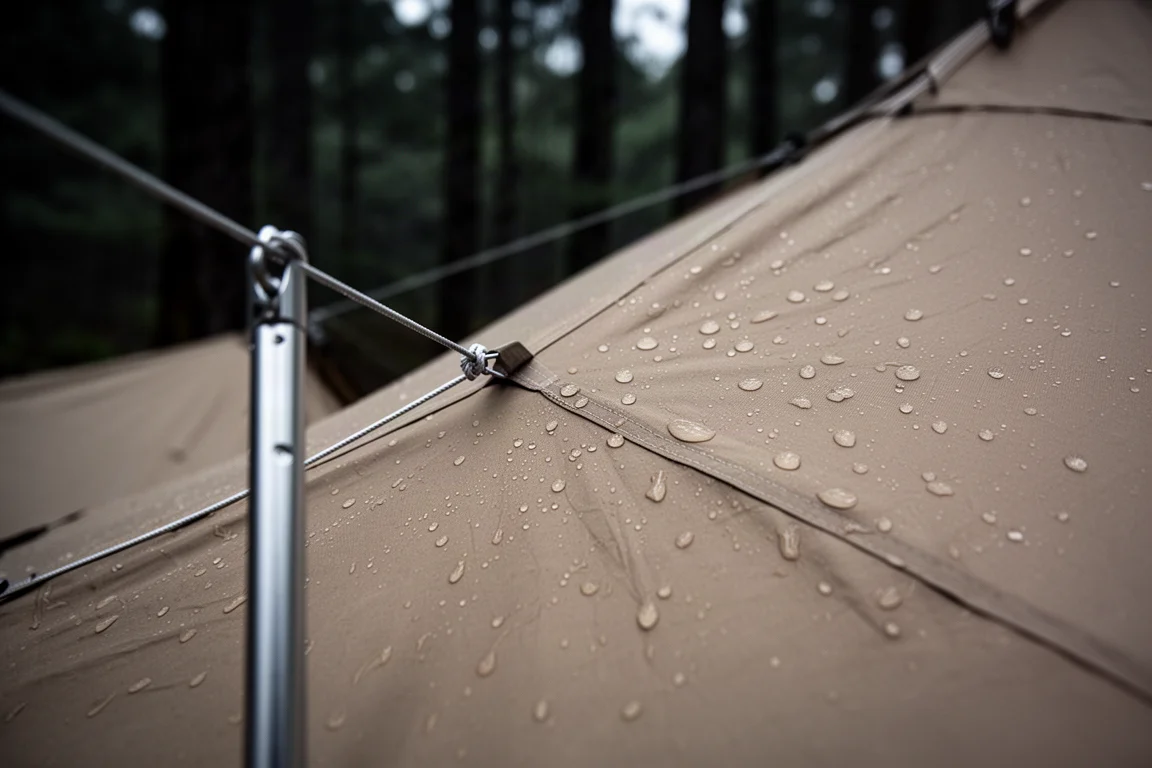
Because the updates are incremental, the LT2 should behave much like the shelter it replaces, including the wider crossbar that helped keep drips out of the sleeping area.
Durston X-Dome: Innovation, a Recall, and a Lesson in Pole Strength
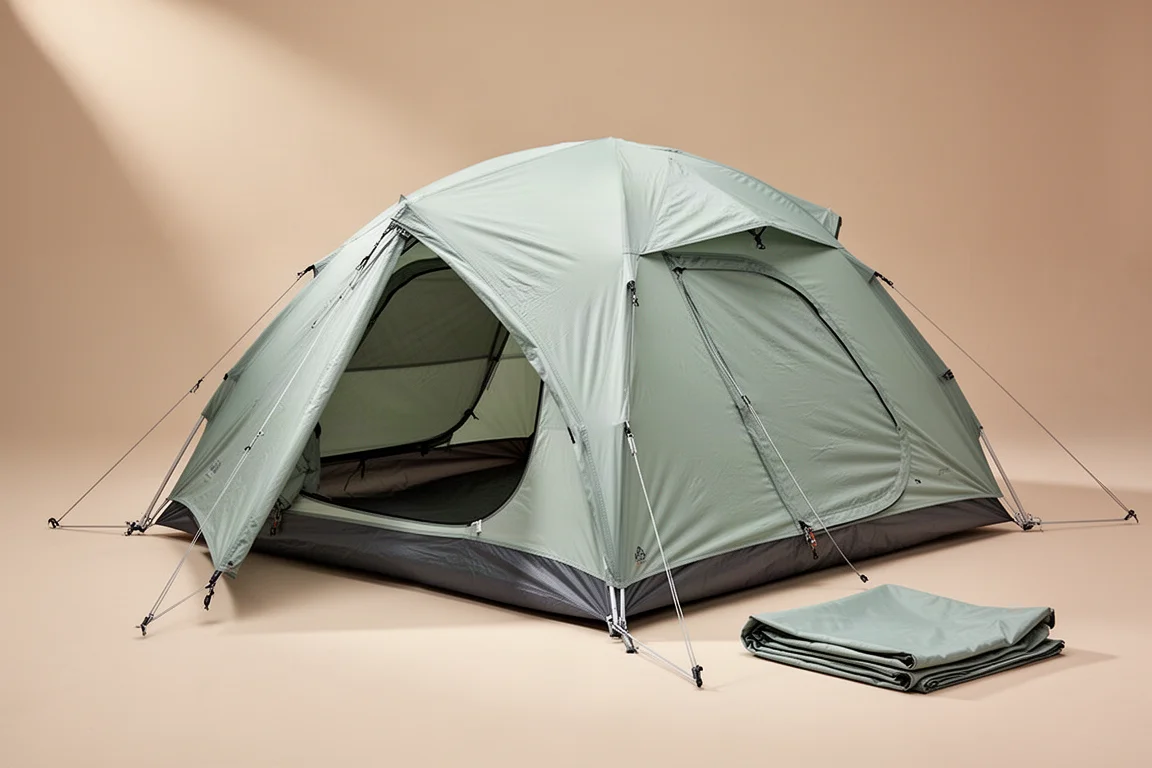
The X-Dome was one of the most anticipated shelters of the year and one of the most innovative designs to appear in a long time, and it still undercuts much of the competition on price. It also ran into a genuine production problem. The small aluminum rod that joins two pole sections came unglued and disappeared inside the pole, and as tents shipped, more and more owners reported the same failure. Durston responded with a total recall on the carbon fiber poles, and the way the company handled it stood out as unusually customer-focused.
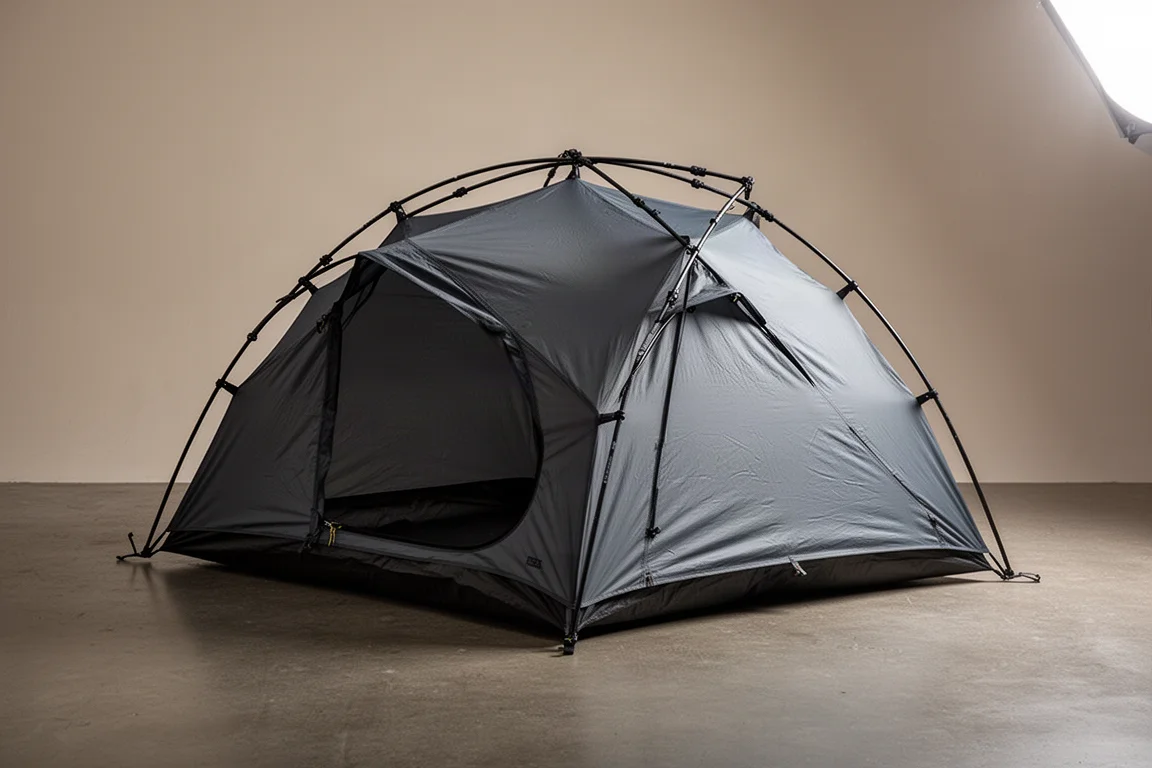
The episode raised a broader question about carbon fiber poles versus aluminum ones. In a direct pull test, a standard aluminum tent pole began to bend at around 7.4 pounds of force. Two carbon fiber poles failed at lower loads, 5.2 pounds and 6.7 pounds, and in both cases it was the small aluminum insert sleeve inside the pole that gave way rather than the carbon shaft itself.
For buyers, that is useful context rather than a reason to avoid the shelter. Carbon saves weight, aluminum tolerates abuse, and the pole insert is the part most likely to fail on either.
Aotech Ultralight Bear Bag: Grizzly-Resistant Food Storage
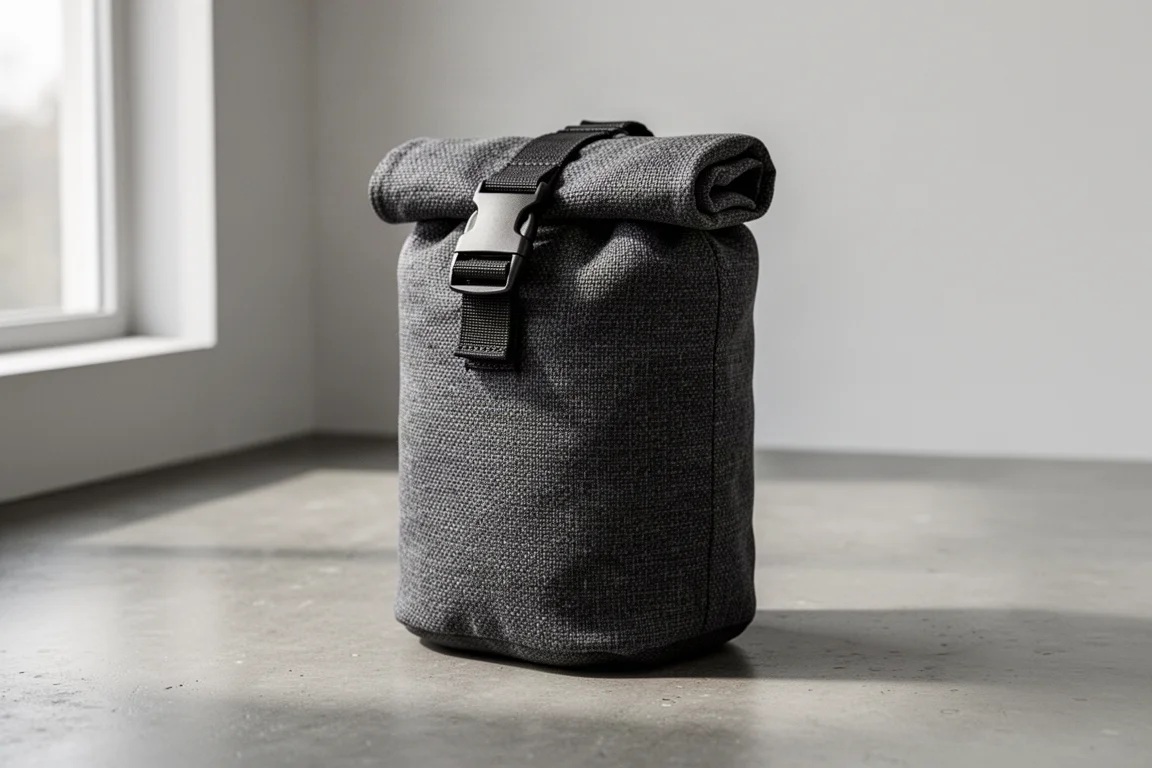
Aotech’s new ultralight bear bag has been certified as grizzly bear resistant by the Interagency Grizzly Bear Committee. It works as an alternative to an Ursack: a way to keep food reasonably protected without hanging it from a branch.
At 6.7 ounces it is the lightest bear-resistant bag available, built from a thick Dyneema fabric that has shown solid resistance in testing. For hikers in bear country who dislike the time and uncertainty of a proper hang, this is a practical option to research carefully against local regulations.
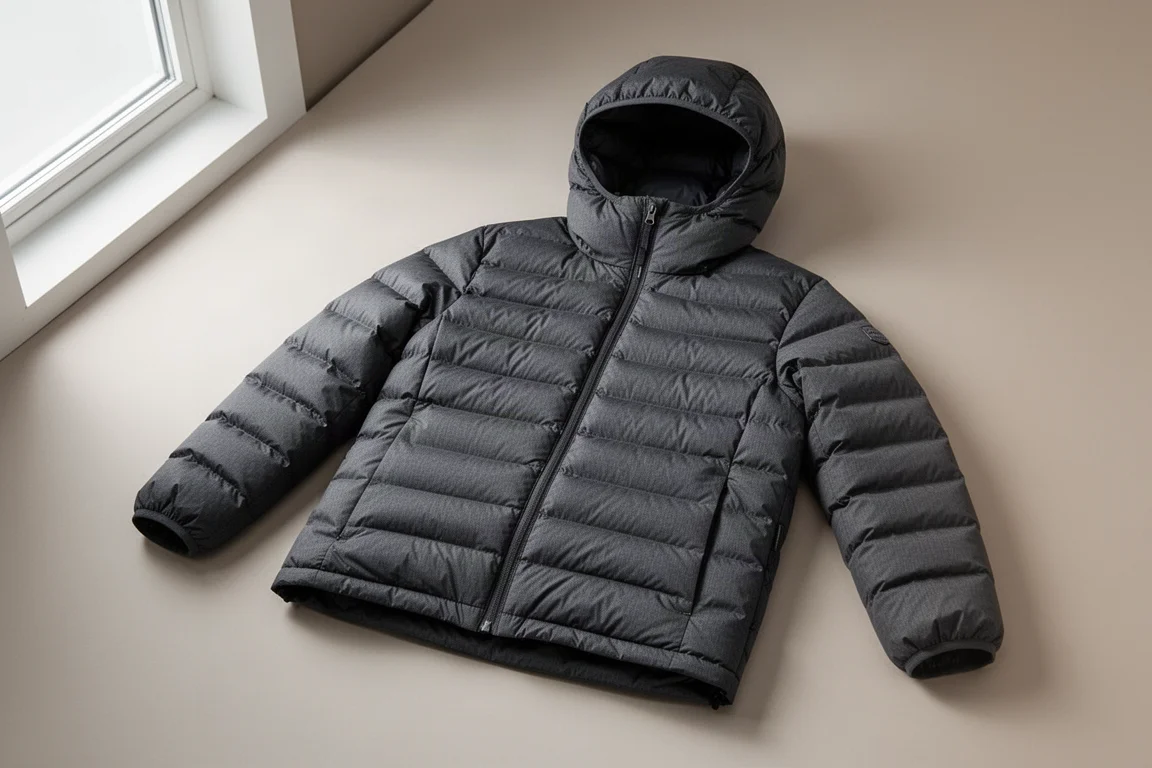
Black Diamond Deploy Hoodie: The Lightest Puffy in the Lineup
At five ounces, the Deploy Hoodie is the lightest puffy jacket available, less than half the weight of a standard down jacket. Reaching that number required real sacrifices: there are no pockets, the zipper is only half length, and the insulation is 1,000 fill power down, the lightest and fluffiest grade available.
It is not cheap at $395, but insulation at this weight rarely is. The Deploy Hoodie makes the most sense in a fast-and-light kit where the jacket is emergency insulation rather than a layer you live in around camp.
If you want pockets, a full zip, and a jacket you can wear while cooking dinner, a conventional puffy will serve you better at a lower price.
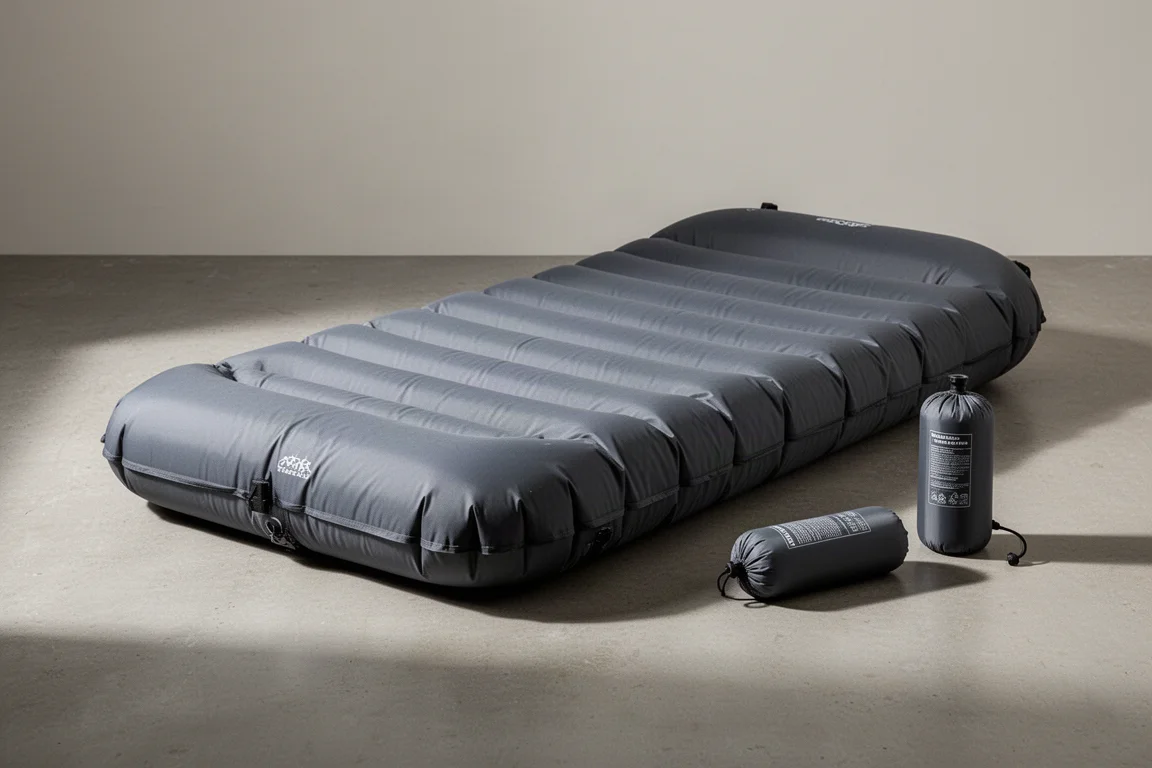
Therm-a-Rest NeoLoft: Thick, Comfortable, and Heavy
The NeoLoft is 4.6 inches thick, which is far beyond what most backpacking pads offer. Thin horizontal baffles usually do not have enough give to feel genuinely comfortable, but this pad’s depth lets you dial in firmness by adding or removing air until it suits you.
The cost is weight and money. The regular wide version is just shy of two pounds, which pushes the limits of what many hikers are willing to carry, and it is priced at $260. If comfort and luxury matter more to you than pack weight, few pads combine this much thickness with this much adjustability.
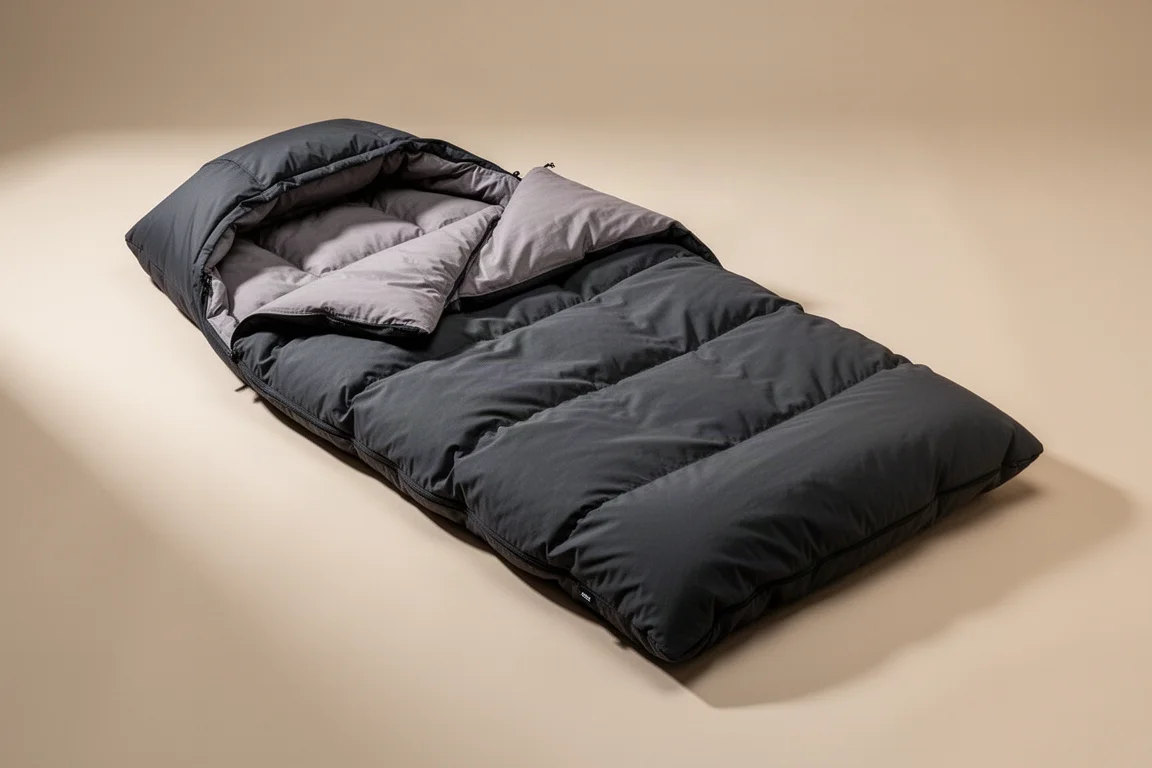
Zim Bivy -5° Bed: A Bed-Like Sleep System for Cold Nights
Zim Bivy’s bed system is a sleeping bag alternative that feels more like the bed you sleep in at home. It has a full sheet with a hood, and instead of climbing inside, you pull it over the top of you like a blanket. The new -5° version is much fluffier than the earlier beds, so it can handle genuinely cold temperatures.
Not many quilts are rated for conditions this cold, which makes it a niche product for cold-weather campers rather than a general-purpose bag. If you go this route, pair it with a sleeping pad rated around R-value 7 or higher so the insulation underneath can keep up.
Garmin inReach Plus: Satellite Messaging With Photos and Voice
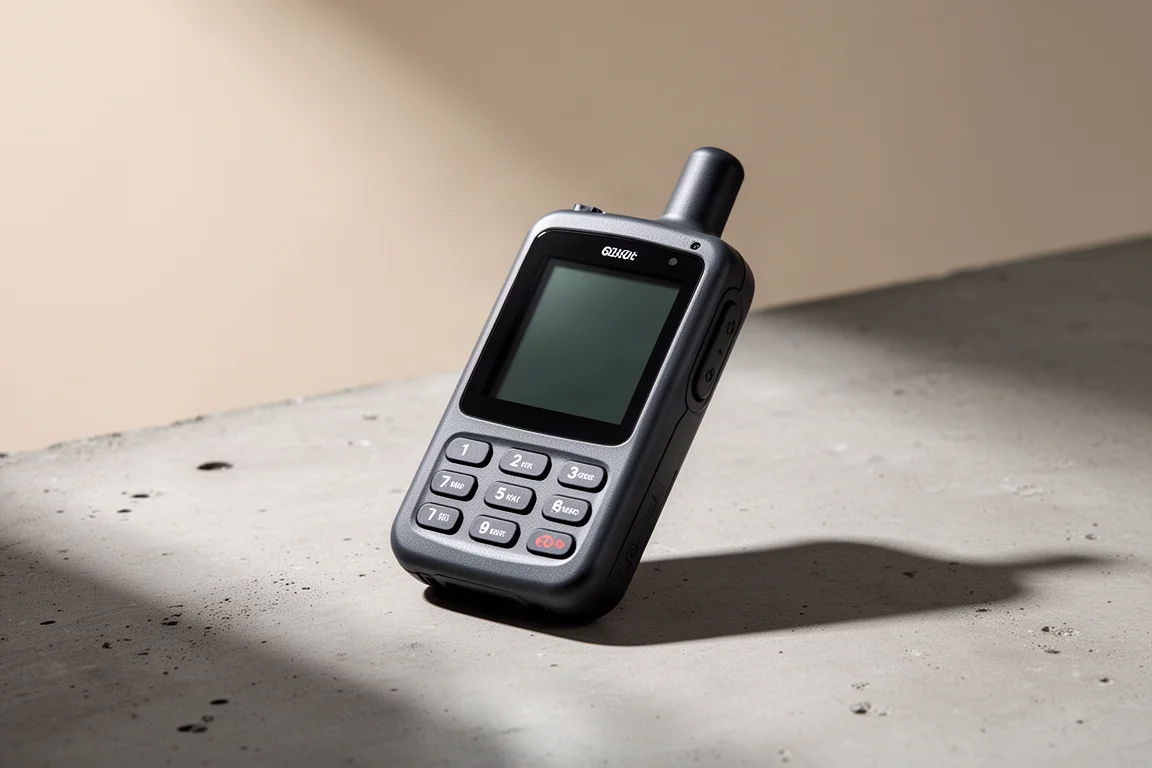
Satellite communication produced some of the year’s biggest advances, and the inReach Plus is the clearest example. It can send photos and voice messages over satellite, which expands what off-grid messaging can carry well beyond short text exchanges.
For hikers on remote routes where cell coverage disappears for days, that capability changes how much information you can share with the people waiting at home.
Dysis Exoskeleton: The Strangest Release of the Year
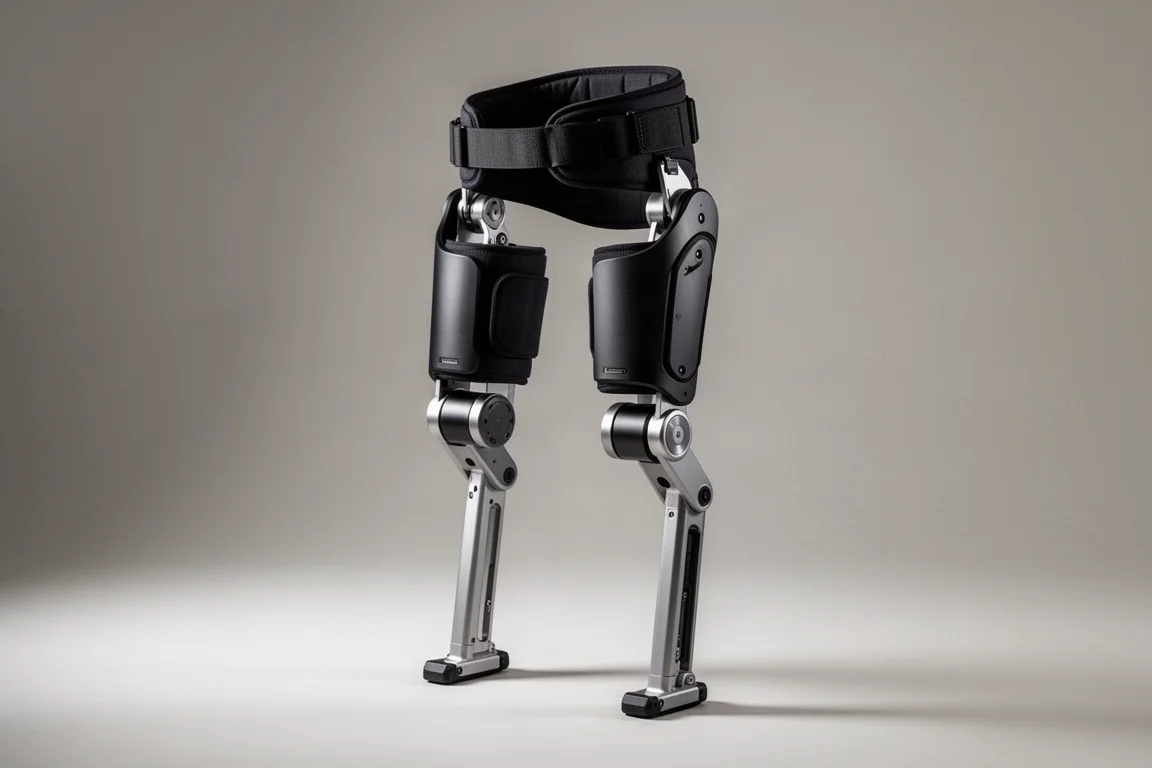
The Dysis Exoskeleton is the oddest piece of gear to appear this year. When you put it on, you can feel the motors pushing and pulling your legs as you hike, and logically the assistance has to reduce the energy required to climb.
In practice, the benefit is hard to perceive, and two further drawbacks are difficult to overlook: it makes noise as it works, and once the battery dies it becomes dead weight on your legs. On steep ground, the effect was not noticeable enough to justify carrying it. As it stands, exoskeletons look unlikely to catch on with backpackers any time soon.
Buying Advice: Matching Gear to the Trip You Actually Take
The pattern across these releases is that every weight saving costs something, and the right choice depends on which compromise you can live with. An 11.8-ounce shelter is remarkable until you spend a rainy evening inside it, and a five-ounce puffy is remarkable until you reach for a pocket that is not there.
Start with the shelter, because it sets the tone for everything else. If you cover long distances and camp only to sleep, the Plex Solo Lite or Pivot Solo make sense, provided you are comfortable with a careful pitch. If you want a roomier, more forgiving space and do not mind carrying a little more, the Hubba Hubba LT2 and X-Dome are the more balanced options, and the pole recall on the X-Dome is worth reading up on before you buy.
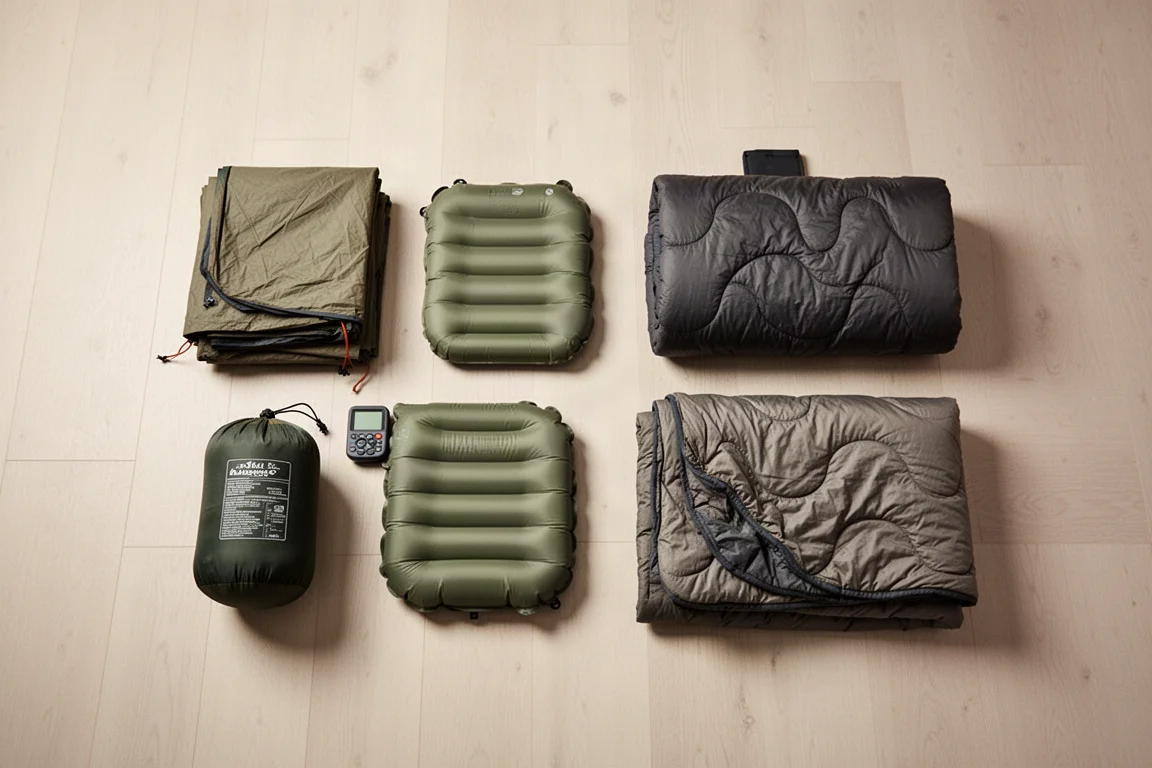
Sleep insulation deserves the same honesty. The NeoLoft delivers comfort that most backpacking pads cannot match, but just under two pounds is a real commitment. The Zim Bivy bed system offers something closer to home bedding for cold trips, and it depends on a well-insulated pad underneath to work as intended.
For safety and storage, the two smallest items here punch above their weight. A certified grizzly-resistant bag removes the uncertainty of hanging food, and a satellite communicator that sends photos and voice messages adds a layer of reassurance on routes without coverage. Neither is glamorous, and both are the kind of gear you are glad to have when conditions turn.
Conclusion
This year’s releases leaned toward genuine experimentation rather than cosmetic updates. Ultralight shelters pushed below twelve ounces, insulation dropped to five ounces, and food storage earned a bear-resistance certification without adding meaningful pack weight.
The exoskeleton is the exception that proves the rule: novel ideas still have to justify their weight, their noise, and their battery life on the trail. Everything else on this list earns its place when it matches the trip you actually take, so pick the compromise that fits your style and buy with confidence.
Further reading
Related Reviews

Backpacking Gear
Building a 10 lb Base Weight: An Ultralight Backpacking Gear List
A practical walkthrough of the ultralight pieces behind a 10 lb base weight, from a 765 g pack and a roomy one-person tent to a full camp chair and a dependable water filter.

Backpacking Gear
A 15-Pound Lightweight Backpacking Gear List for Solo Trips
A beginner-friendly 15-pound backpacking setup built from easy-to-find gear, with notes on what each piece does, how it packs, and where to spend your attention.
Backpacking Gear
8 Ultralight Backpacking Gear Upgrades Worth Carrying
Eight small, affordable backpacking upgrades that solve real trail annoyances, from a pillow that stays put to a fuel valve that rescues leftover canister gas.