Coffee Reviews
Nespresso OriginalLine Capsules: A Complete Tasting Guide to 36 Varieties
A comprehensive review of all 36 Nespresso OriginalLine capsules available in the UK store, evaluating roast level, complexity, and character across single-origin, blended, and flavored options.
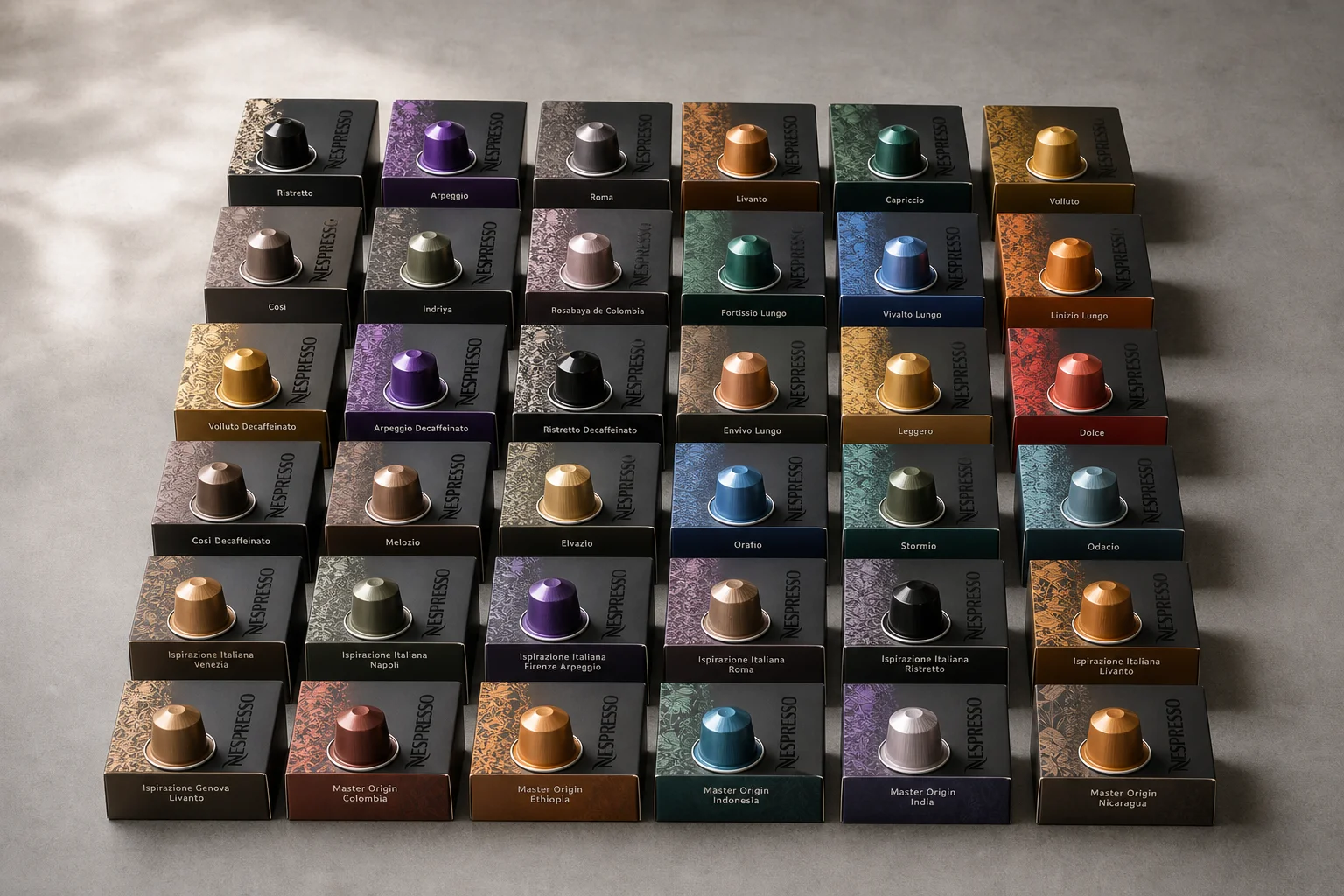
Introduction to the Full Range
Nespresso’s OriginalLine system offers 36 distinct capsule varieties across the UK store, spanning single-origin coffees, blended profiles, city-inspired collections, and flavored options. This comprehensive tasting evaluates each capsule across two key dimensions: roast level (1-10 scale) and complexity or character (1-10 scale). The goal is to understand the genuine flavor diversity within the range and identify which capsules deliver distinctive taste experiences versus generic roasted coffee profiles.
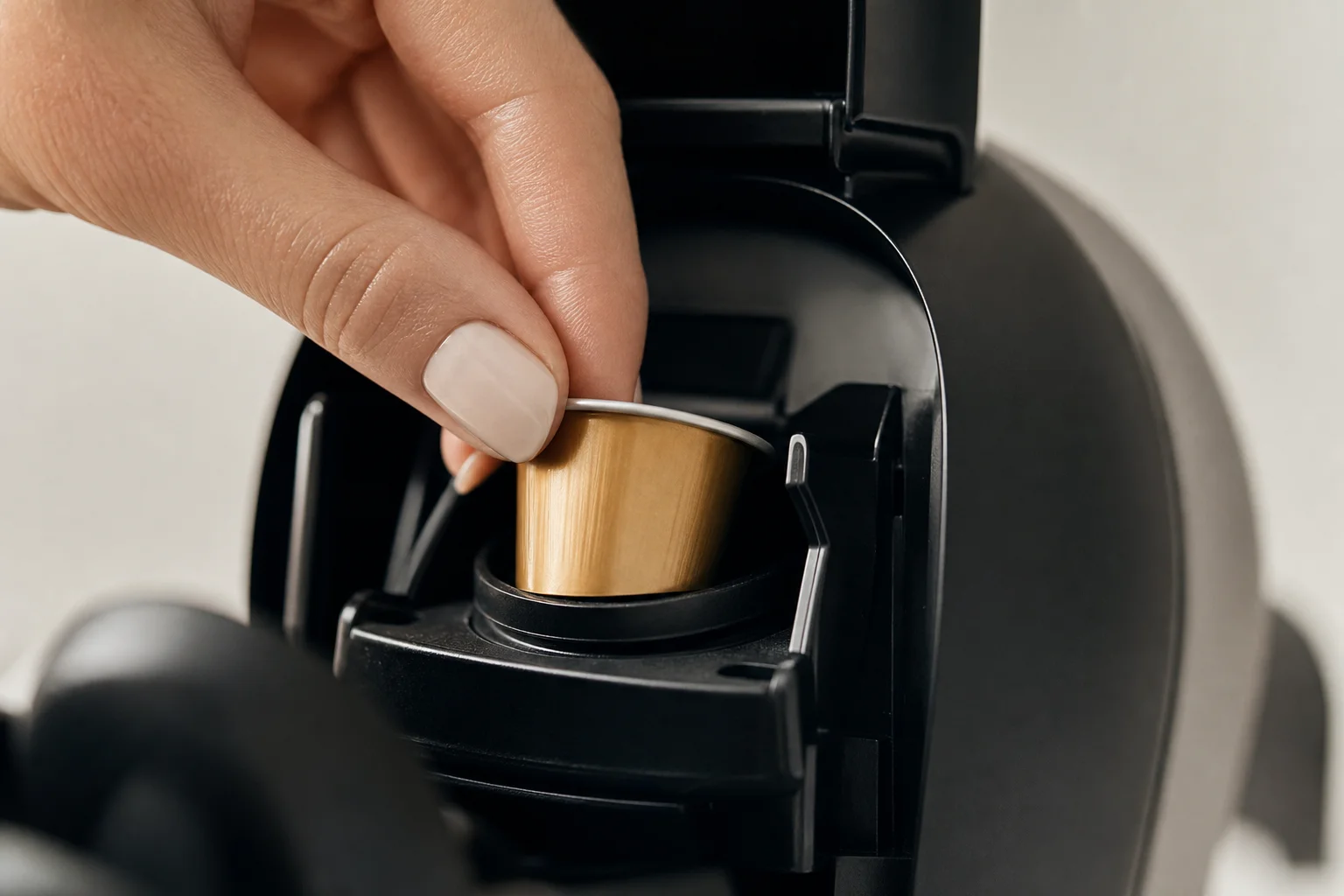
The range includes everything from light, fruity single-origins to heavily roasted Robusta-forward espressos, plus unexpected flavored variants. Understanding what each capsule actually tastes like helps buyers make informed choices rather than relying solely on marketing descriptions.
Entry-Level and Lighter Capsules
The Cosi capsule sits at the lighter end of the strength scale (4 out of 12), presenting a medium roast with cereal notes. On the roast scale, it measures around 5 out of 10, with minimal complexity (3 out of 10). The flavor profile is straightforward and generic, lacking distinctive character.
Chiaro, marketed as a milk-friendly option despite its “light” name, delivers a similar roast level but with even less acidity and character. The flavor is heavy and underdeveloped, scoring only 2 out of 10 for complexity. These entry-level capsules prioritize smoothness over flavor distinction.
Arondio combines Kenyan and Indonesian coffees but fails to showcase either origin’s strengths. The result is a bland, cereal-forward profile with minimal fruit or body despite the promising blend composition. Roast level sits around 6 out of 10, with complexity at just 3 out of 10.
Voltesso and its decaffeinated counterpart (Decaffeinato Intenso) maintain consistency in flavor profile. Both deliver biscuit-forward notes with minimal sweetness or acidity, scoring 4-5 out of 10 on roast and 2-3 out of 10 on complexity. The decaf version successfully replicates the caffeinated flavor, though neither offers much character.
Barista Creation and Milk-Focused Blends
The Barista Creation line targets milk-based drinks with stronger, more assertive profiles. Corto, designed for macchiatos, delivers punch and impact with 7-8 out of 10 roast level. The woody, spicy, earthy character scores around 4 out of 10 for complexity, offering more presence than entry-level options but still lacking refinement.
Scuro (meaning darkness) presents a darker roast at 4-5 out of 10 on the roast scale, which seems counterintuitive given its name. The flavor profile resembles stale berry-flavored cereal with minimal character (around 3 out of 10 complexity). This represents a missed opportunity to showcase what darker roasting can achieve.
Single-Origin and Master Origins Capsules
The single-origin capsules promise more distinctive flavor profiles, though execution varies significantly. A black honey process Ethiopian capsule should showcase fermented character, but heavy roasting (6 out of 10) smothers the subtle processing notes. The complexity scores only 4 out of 10, with the roast dominating over the origin’s natural characteristics.
Master Origins Indonesia uses wet-hulled Sumatra coffees, which typically offer vegetal, earthy, and heavy profiles. However, the roast level (7 out of 10) mutes these characteristics, leaving a middle-ground profile that neither fully embraces nor rejects the origin’s natural tendencies. Complexity sits around 4 out of 10.
The Ethiopian natural process capsule stands out as one of the most interesting in the entire range. Despite a 5-6 out of 10 roast level, the natural processing shines through clearly. Complexity reaches 8 out of 10, with genuine fruit character and fermented notes that distinguish it from generic coffee. This capsule genuinely tastes different and would surprise someone expecting typical coffee flavor.
Colombian capsule delivers the first real acidity experience in the tasting. With 6 out of 10 roast and 7 out of 10 complexity, it presents fruit, acidity, and character that suggest origin and terroir. The upfront roast balances with subtle fruit notes, making this one of the more successful blends.
A monsooned Robusta blend rates 11 out of 12 on the strength scale and delivers exactly what that promises: intense bitterness, woodiness, and harsh character. At 9 out of 10 roast level, it’s brutally dark. The complexity scores only 2 out of 10 because the bitterness dominates entirely. This capsule misrepresents Indian coffee to those unfamiliar with the origin.
A natural process capsule from La Cumplida promises fruity, candy, cherry, and pomegranate notes. The first sip reveals genuine character and fermentation, but this quickly gives way to burnt caramel and harsh roast. The interesting fruit character gets smothered by aggressive roasting, scoring 5 out of 10 for complexity despite the promising start.
Reviving Origins Collection
The Reviving Origins series attempts to highlight coffees from less common origins, though execution remains inconsistent. The Democratic Republic of Congo capsule delivers only roast and cereal notes (2 out of 10 complexity), failing to showcase any origin character despite the collection’s stated purpose.
Zimbabwe capsule proves more interesting, offering unusual berry and vegetal notes with late-stage acidity that arrives sharply and grippily. Roast level sits at 6 out of 10, with complexity around 7-8 out of 10. The profile is definitely characterful and unusual, though the acidity style isn’t universally appealing. This capsule makes someone want to explore Zimbabwe coffees further.
Uganda capsule disappoints despite Uganda’s reputation for quality coffee. Roast level reaches 7-8 out of 10, but complexity remains at just 3 out of 10. The capsule tastes purely of roasted coffee with no acidity, complexity, or floral character that Uganda can offer. This represents a significant missed opportunity.
World Exploration and City Collections
The World Exploration series rebrands lungo capsules as city-inspired blends, though the naming often contradicts the actual coffee origins. Addis Ababa Lungo contains only Indian Arabicas and Robustas despite the Ethiopian city name. The result is bitter, burnt, and charcoal-like with minimal appeal. This represents poor curation and misleading marketing.
Tokyo Vivalto Lungo blends Ethiopian and Mexican coffees with genuine character. Roast level sits at 5-6 out of 10, with complexity around 7 out of 10. The capsule actually tastes of something distinct, avoiding the cereal trap that catches many others. The copy describing Japanese preferences as “sophisticated and naturally sweet” is awkwardly written but the coffee itself has merit.
Shanghai Lungo combines Kenya, China, and Indonesia in an intriguing blend. Roast level reaches 5 out of 10, with complexity around 7 out of 10. The blend is genuinely weird and interesting, with berry notes from Kenya and other character elements. This ranks among the more interesting options in the range, though it’s not universally loved.
Stockholm Fortissio Lungo delivers roast, savory, and malty notes that feel heavy and uninviting. The profile doesn’t represent Swedish coffee culture well and appeals primarily to those seeking very dark, roasty profiles.
Vienna Lungo, from a city famous for coffee culture, starts generic but briefly shows complexity before returning to generic. Roast level sits at 5 out of 10, with complexity around 5 out of 10. The profile aims for inoffensive coffee and largely succeeds, but without distinction.
A capsule with distinct cereal and sweet popcorn notes (roast level 4-5 out of 10) exemplifies Nespresso’s cereal obsession. The repeated use of cereal as a tasting note across the range suggests either a roasting philosophy that emphasizes grain-like flavors or a marketing choice that doesn’t serve the coffees well.
Italian-Inspired Espresso Collection
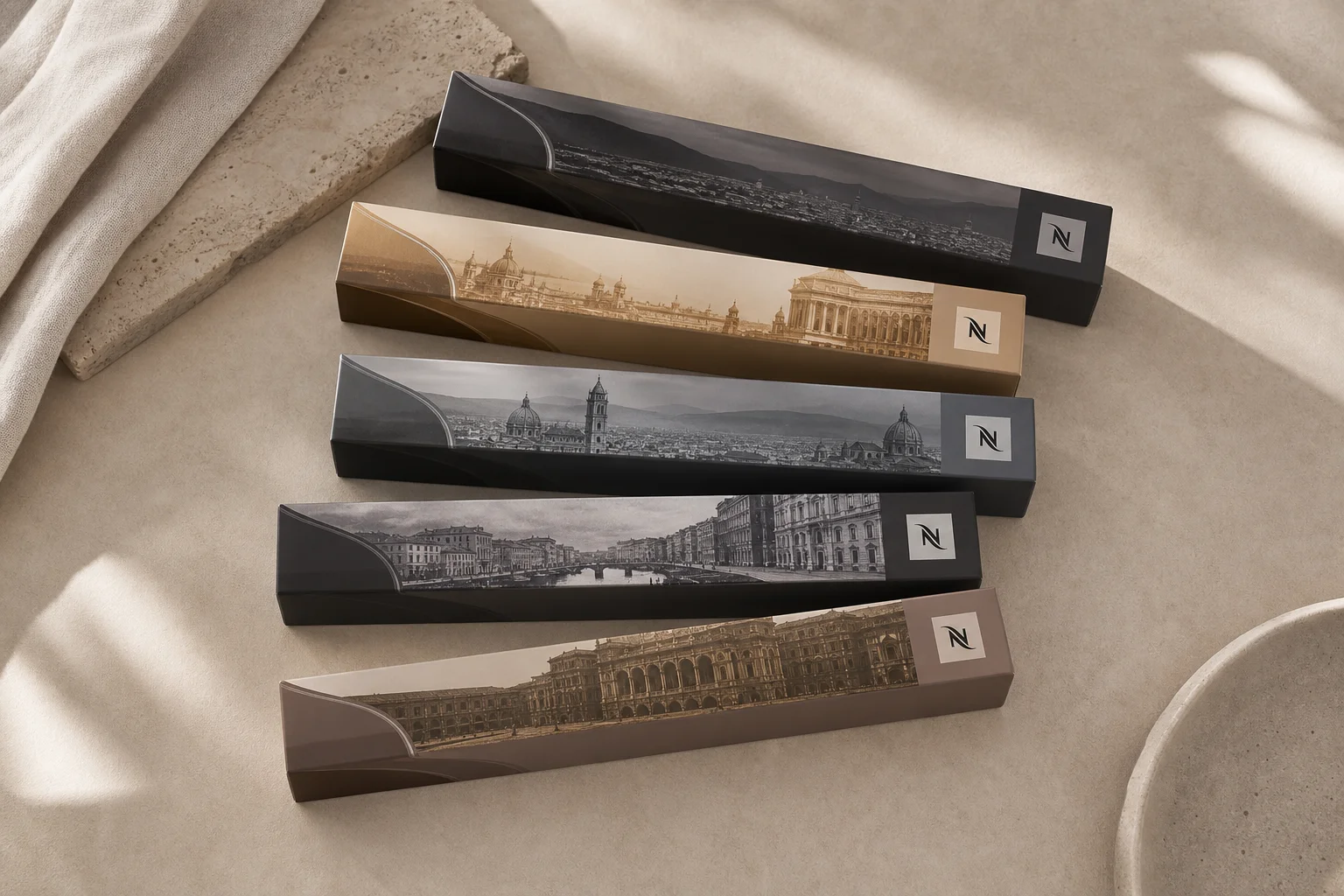
The Ispirazione Italiana collection showcases Italian espresso traditions through city-named capsules. Venice delivers thick body and caramel flavor at 8 out of 13 on the strength scale. The roast level reaches 8 out of 10, with complexity at just 3 out of 10. The profile is generically roasty without distinctive character.
Florence blends north and south Italian coffee traditions, promising fruity and cocoa-chocolate notes. Roast level sits at 8 out of 10, with complexity at 3 out of 10. The chocolate element is present but overwhelmed by roast. The profile remains simple and linear.
Decaf Florence maintains similar roast level (8 out of 10) but with slightly less punishing character. Complexity reaches 3 out of 10. The decaffeination process successfully replicates the original flavor, though neither version offers much complexity.
Napoli reaches 13 on the strength scale, the highest in the range. This ristretto-style capsule contains significant Robusta content, delivering potent bitterness and woodiness. Roast level hits 10 out of 10, with complexity around 4 out of 10. The Robusta character dominates entirely, creating an intense but one-dimensional experience.
Rome promises finesse, deep flavor, and acidity but delivers linear, characterless espresso. Roast level reaches 7 out of 10, with complexity at just 2 out of 10. The promises on the packaging far exceed what the capsule actually delivers.
Palermo rates 12 out of 13 on strength with high Robusta content. This capsule scores as the least favorite in the entire tasting, with hugely bitter, lingering, and brutal character. Roast level hits 10 out of 10, with complexity at 3 out of 10. The profile tastes like cheap, commoditized coffee in a premium package, which contradicts the Nespresso positioning.
Genova, from the north, delivers a lighter roast at 6 out of 13 strength. Roast level reaches 7 out of 10, with cereal notes returning. The profile is unexpectedly bitter and harsh for a lighter roast, with minimal complexity.
Ristretto capsule claims dual roasting for body and fruit, but delivers primarily roast (9 out of 10) with fluffy, mousey texture rather than syrupy body. Complexity sits at 2 out of 10. The bitter aftertaste dominates the experience.
Decaf Ristretto surprisingly outperforms the caffeinated version, with more acidity and complexity (4 out of 10) despite similar roast level (8 out of 10). This represents one of the few instances where the decaf version genuinely improves on the original.
Novecento, a limited edition capturing 1900s coffee style, delivers classic Robusta espresso character. Roast level reaches 7-8 out of 10, with clean but obvious Robusta presence. The profile represents old-school Italian espresso tradition without defects, though it’s not refined.
Millennio, the modern coffee movement counterpart, uses lighter roasts with Brazilian and Colombian coffees. Roast level sits at 6 out of 10, but complexity reaches only 4 out of 10. The capsule tastes cereal-forward despite the fruity promise, and lacks the transparency of flavor that modern specialty coffee emphasizes. The blend components don’t showcase individual character.
Flavored Capsules and Final Thoughts
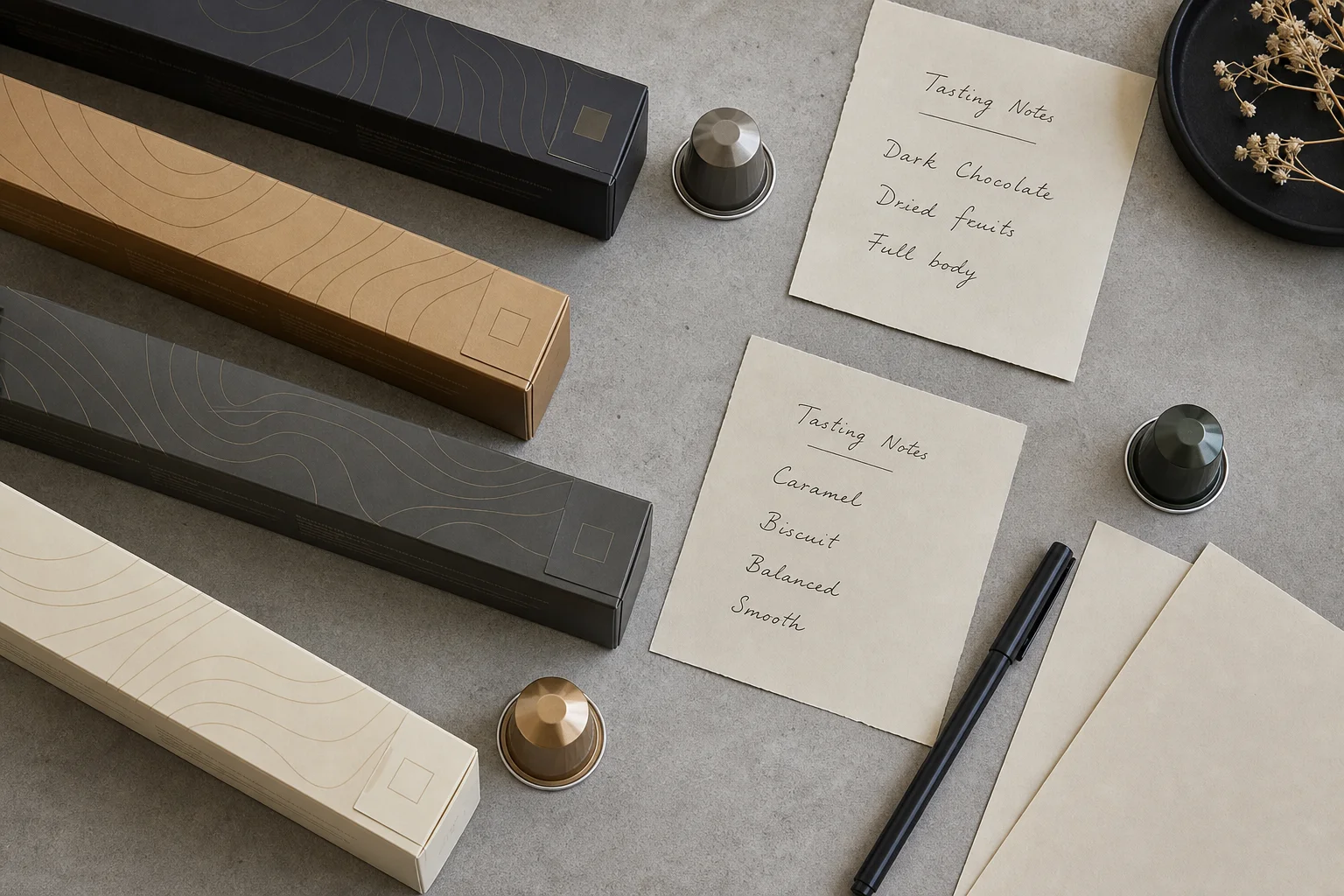
The three flavored capsules represent the final category. Vanilla Eclair combines coffee with vanilla flavoring, but without added sugar, the experience falls flat. The vanillin (synthetic vanilla) dominates over any prunier, fruitier vanilla notes, leaving a woody, artificial impression.
Caramel Creme Brulee delivers obvious caramel flavoring that creates a pop of sweetness without lingering like sugar. The caramel quality works better than the vanilla option, though it’s not a sophisticated flavor execution. The name oversells what is essentially coffee with basic caramel flavoring.
Cocoa Truffle represents the weakest flavored option, tasting off and wrong in ways that disservice both coffee and chocolate. The profile includes roastiness and fermented notes bordering on moldiness, with barely-present chocolate character. This capsule fails on both flavor and execution.
Overall Assessment and Recommendations
After tasting all 36 capsules, several patterns emerge. Many capsules prioritize roast level over flavor complexity, resulting in generic, cereal-forward profiles that lack distinction. The single-origin and specialty capsules show promise but often suffer from roasting that obscures origin character. Decaffeinated versions generally replicate their caffeinated counterparts successfully, though they offer limited flavor diversity for decaf drinkers.
The most interesting capsules include the Ethiopian natural process (8 out of 10 complexity), Colombian blend (7 out of 10), Zimbabwe (7-8 out of 10), Tokyo Vivalto Lungo (7 out of 10), and Shanghai Lungo (7 out of 10). These deliver genuine character and would taste noticeably different to someone familiar with coffee.
For those who enjoy Nespresso capsules, the takeaway is clear: for less money per gram, buyers can explore alternatives that offer significantly more flavor diversity and complexity. Nespresso-compatible pods from specialty roasters often deliver superior flavor experiences at comparable or lower prices. The broader coffee world offers exponentially more diversity in roast levels, origins, and flavor profiles than Nespresso’s range, making exploration beyond this system worthwhile for anyone interested in coffee flavor.
Conclusion
Nespresso’s 36 OriginalLine capsules represent a significant portion of the company’s UK offering, yet many deliver generic, roast-forward profiles rather than distinctive flavor experiences. While some capsules showcase genuine character and origin expression, the range overall prioritizes consistency and accessibility over complexity. For casual coffee drinkers seeking convenience, many of these capsules serve their purpose adequately. For those interested in exploring coffee flavor more deeply, the range serves as a starting point rather than a destination, with far more interesting options available in the broader specialty coffee market.
Product link
View more details for Nespresso OriginalLine Capsules
This product is mentioned in the review. Check the specifications, options, and compatibility before buying.
View more details for Nespresso OriginalLine CapsulesFurther reading
Related Reviews
Coffee Reviews
Best Grocery Store Coffee Brands: A Blind Taste Test of Five Major Brands
A comprehensive blind taste test comparing Philz Coffee, Tim Hortons, Caribou Coffee, Dunkin' Coffee, and Starbucks across light, medium, and dark roasts to find the best grocery store coffee.
Hi-Fi Speakers
Acoustic Energy AE1 40th Anniversary Review: A Modern Take on a British Classic
A compact standmount that revives a 1980s favorite with all-new parts, a warm mid-centric balance, and a price of £1,499 per pair.
Studio Monitors
ADAM Audio A8H Review: A Three-Way Studio Monitor That Also Knows How to Have Fun
A three-way active studio monitor with an 8-inch woofer, a handmade AMT tweeter, and two distinct tunings, the ADAM Audio A8H aims to satisfy both critical work and everyday listening.